
In the Japanese language, particles play a crucial role in sentence construction, connecting ideas and defining relationships between words and concepts. Among these particles, "monono" (ものの) stands out for its specificity and three-phoneme structure, which is quite uncommon. This article explores the meaning, origin, and practical uses of this interesting particle.
Contents 5
Origin and Structure of the Particle Monono
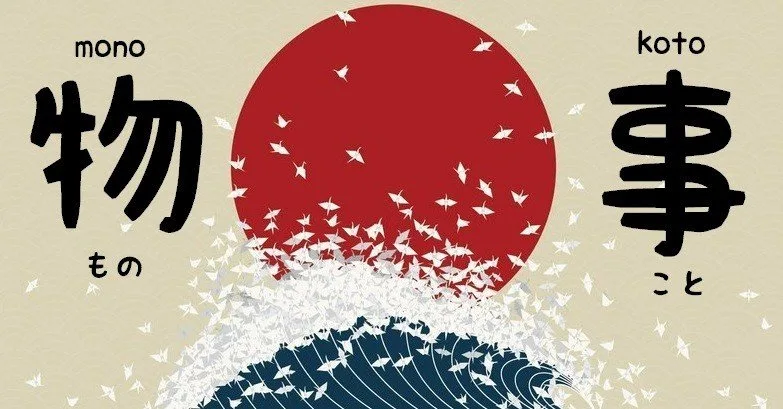
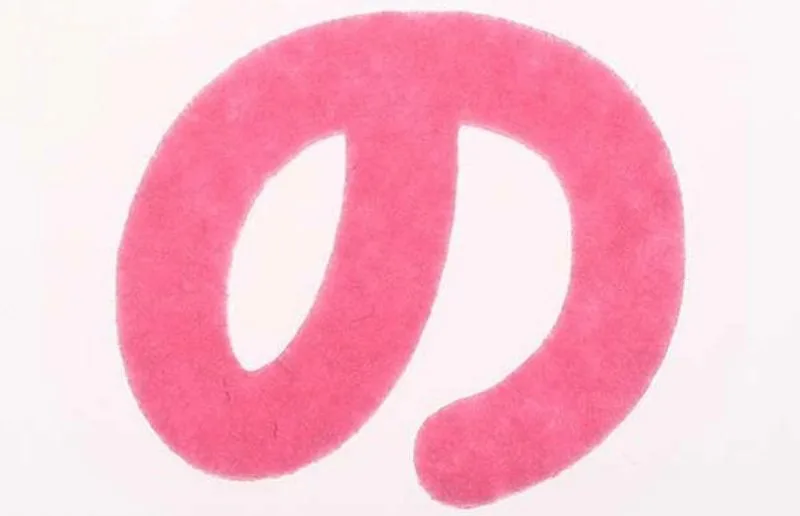
The particle "monono" combines two fundamental parts: mono (もの), which means "thing" or "reason," and no (の), which in this case plays a more sophisticated grammatical role. Unlike the modern use of "no" to indicate possession, here it carries a historical sense associated with classical Japanese grammar (kobun).
During the Heian period, the particle "no" could establish a relationship between two nouns, where the second complemented or explained the first. This shaped "monono" as we know it today: a contrastive conjunction that connects two disagreeing ideas, expressing an unmet expectation.
For example, in modern sentences, "monono" is used to introduce a second clause that contrasts with the initial idea, something that "breaks" or "diminishes" the strength of what was previously stated.
When to Use Monono?
Although other particles like kedo (けど) and ga (が) also convey contrast or opposition, "monono" is employed in more specific situations. Its use is ideal when there is an initial expectation established, but the outcome or reality does not match it. This sophisticated contrast makes "monono" more formal and expressive, typically found in literary texts or more elaborate discussions.
Practical Examples:
パーティーに行くことにしたものの気がはずまない。
(Pātī ni iku koto ni shita monono ki ga hazumanai)
Although I decided to go to the party, I am not looking forward to it.
The decision to go to the party suggests excitement, but the second clause reveals a contrary feeling.
いろいろな説はあるものの、恐竜がなぜ突然絶滅してしまったのかはまだ謎のままである。
(Iroirona setsu wa aru monono, kyōryū ga naze totsuzen zetsumetsu shite shimatta no ka wa mada nazo no mamadearu)
There are many theories about the sudden extinction of the dinosaurs, but the true cause remains a mystery.
This example connects two contrasting ideas: the number of existing theories and the lack of a definitive answer.
高校時代からつきあっている彼氏はいるものの、つきあいが惰性になっていると感じ、不満をつのらせている。
(Kōkō jidai kara tsukiatte iru kareshi wa iru monono, tsukiai ga dasei ni natte iru to kanji, fuman o tsunora sete iru)
She has a boyfriend since high school, but feels that the relationship has become routine.
Here, "monono" shows how the relationship does not meet the character's emotional expectations.
Differences Between Monono and Other Particles
It is important to note that "monono" is not a casual particle like "kedo" or "ga." Its use is more refined, making it ideal in formal or literary contexts. Additionally:
- Kedo (けど): Used in everyday conversations, more informal and direct.
- Ga (が): Has a more neutral tone, being common in moderately formal situations.
- Monono (ものの): Implies a deeper tension between expectation and reality, often in written texts.
Ready to Use ものの?
The particle "monono" is a fascinating example of the complexity and richness of the Japanese language. Its historical origin, specific grammatical function, and formal use make it a powerful tool for expressing nuances of contrast and expectation. For those studying the language, understanding and applying "monono" not only enriches vocabulary but also deepens the understanding of the subtleties of Japanese. Explore more through sentences and texts to master this unique element of the language.


Community
Comments
0 comments
There are no published comments in this language yet.
Send comment