

Punctuality is one of the main characteristics of the Japanese, and unfortunately, Brazilians fail brutally when it comes to being punctual (I say this from experience). You need to make every effort to never arrive late to a place, so always try to arrive early.
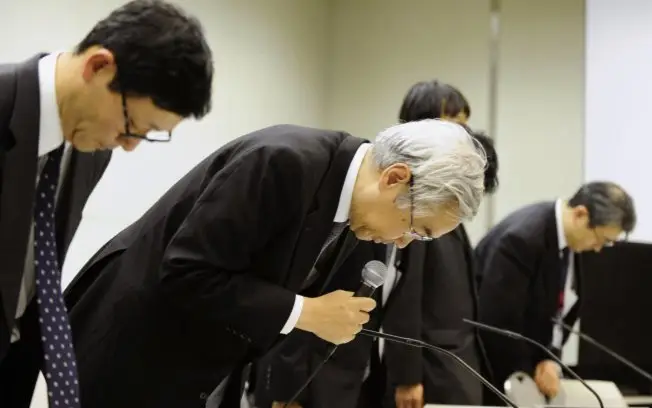
If railway companies apologize even for 20-second delays, arriving late in Japan is a source of immense shame. Eventually, a delay will happen, so you should be prepared to apologize the right way. If you arrive late at work, be as formal as possible and bow.
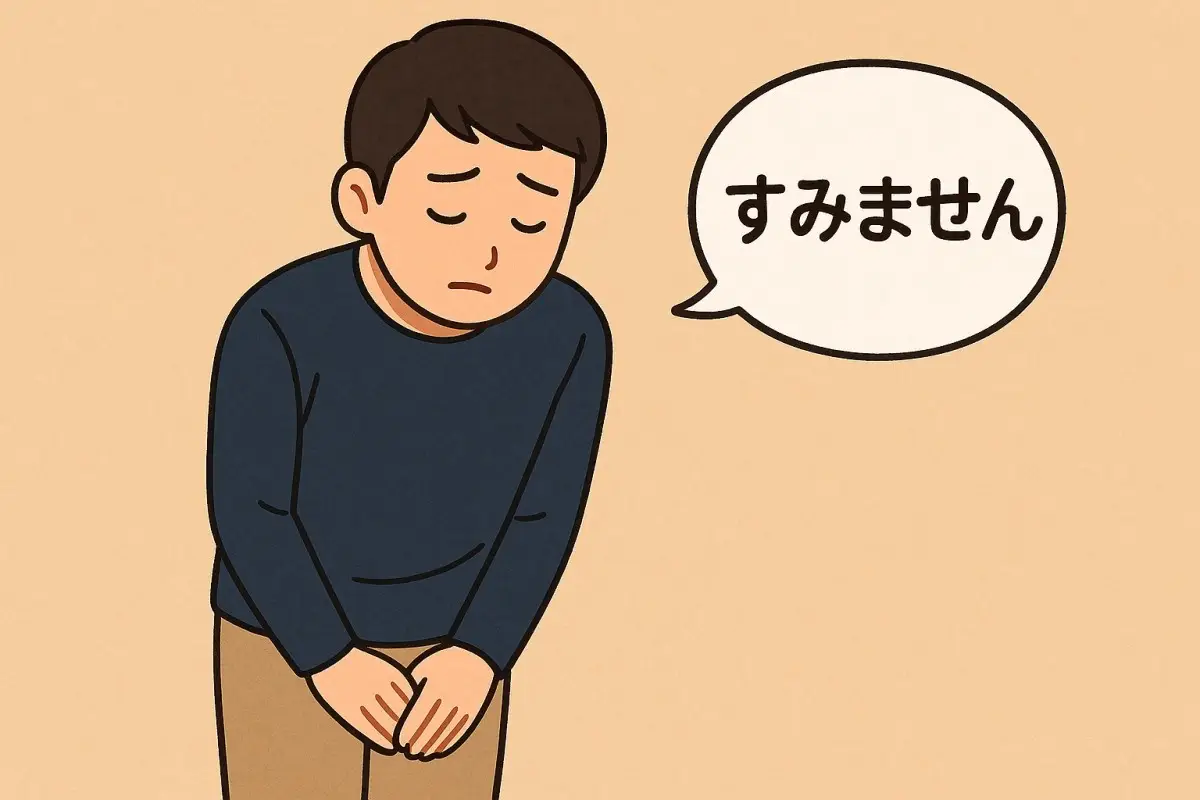
Being punctual in Japan is an obligation that determines whether you are a trustworthy person or not. If you already know you will be late, tell the other person as early as possible. Do not wait until the last second. If you always arrive about five or ten minutes early, you give the impression of being responsible and punctual.
Contents 4
Apologizing for being late in Japan
Most words related to being late contain the character 遅, which means slow, delayed, and late. Here are some example phrases for apologizing when you are late. For the right level of politeness, see Keigo in Japanese.
- 遅れてすみませんでした
Okurete sumimasen deshita
I apologize for my delay. - すみません、遅くなりました。
Sumimasen, osoku narimashita
Sorry for being late. - お待たせしてすみませんでした。
Omatase shite sumimasen deshita
I am sorry for keeping you waiting. - 遅れてゴメン(ね)。
Okurete gomen (ne)
Sorry for the delay (light, informal among friends). - 遅くなってごめん(ね)。
Osoku natte gomen (ne)
Sorry for being late (informal). - お待たせしました!
Omatase shimashita!
Thank you for waiting! - 遅れて申し訳ありません。
Okurete mōshiwake arimasen
I am sorry, I am late (very formal). - 失礼します。
Shitsurei shimasu
Excuse me (for example when you enter a room). - 電車が遅れていて、遅れてすみません。
Densha ga okurete ite, okurete sumimasen
Sorry I am late, the train was delayed.
Pay attention to these phrases so you do not mix them up. If you did not arrive late but everyone is already there, you can enter with shitsurei shimasu and ask for permission. Use the phrases to let people know in advance that you will be late or that you might be late. You can find more options in 23 ways to apologize in Japanese.
Telling them you will be late
As soon as you realize you will not make it on time, get in touch. At work, a phone call is better than a message nobody reads. Give the reason in one sentence and your new arrival time, for example with Sumimasen, juppun hodo okuremasu (すみません、10分ほど遅れます): "Sorry, I will be about ten minutes late."
If your train is delayed, pick up a delay certificate at the station (遅延証明書, chien shōmeisho). Railway companies in Japan issue these documents, and you can show them to your supervisor as proof of the delay. Still plan a buffer: a 9 a.m. meeting in many Japanese offices really means 8.55 a.m., and being on time often means arriving five minutes early.
Other Japanese phrases involving delays
These phrases are useful once the delay is already happening or is about to happen:
- やばい、授業遅刻だ!
Yabai, jugyō chikoku da!
Shit, I am late for class! - 遅れてすみません、寝過ごしました。
Okurete sumimasen, nesugoshimashita
Sorry for the delay, I overslept. - おそいです。
Osoi desu
You are late! - すみません、10分ほど遅れるかもしれません。
Sumimasen, juppun hodo okureru kamo shiremasen
Sorry, I might be about ten minutes late. - すみません、遅れそうです。
Sumimasen, okuresō desu
Sorry, it looks like I am going to be late. - すみません、5分遅れます。
Sumimasen, gofun okuremasu
Sorry, I will be five minutes late. - あと5分で着きます。
Ato gofun de tsukimasu
I will be there in five minutes. - 遅刻してすみません。
Chikoku shite sumimasen
Sorry for being late.
You can use the expression kamoshiremasen (かもしれません) to say that you will probably, or maybe, be late. The form is polite and works both at the office and with friends.
Making up for it after you arrive
Apologize in person first, and keep it short. An "Okurete sumimasen deshita" with a bow works better than a long explanation. Thank the other person for waiting, and do not repeat three times why it happened.
At work, report to your supervisor and tell them when you are there. Show the delay certificate if the train was at fault. What matters more than the apology is that it does not happen again: leave earlier, plan a buffer, and set your alarm for earlier.
I hope these example phrases help you apologize for being late in Japan. Remember! The best thing is not to arrive late! Apologizing is such a big part of daily life that we have a whole article on why people apologize so often in Japan.




Community
Comments
0 comments
There are no published comments in this language yet.
Send comment