
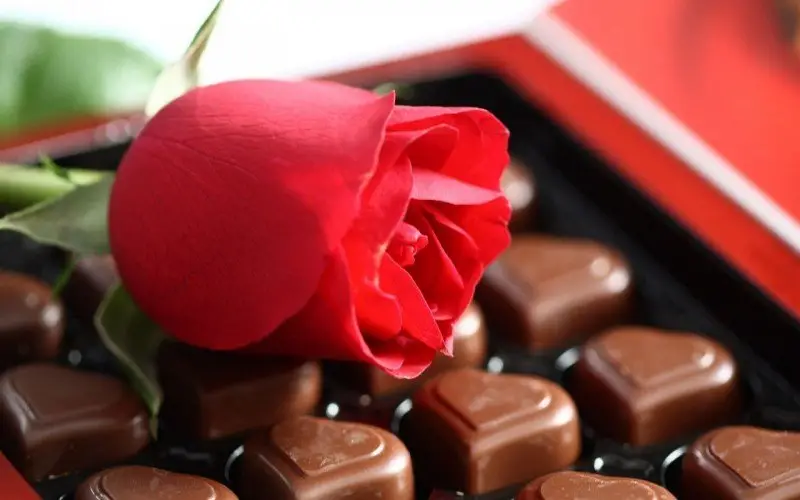
Valentine's Day in Japan follows a pattern many visitors do not expect. On February 14, women and girls traditionally give chocolate to boyfriends, husbands, crushes, coworkers or classmates. A month later, on March 14, White Day gives the recipient a chance to answer with a gift of his own.
That does not mean every exchange is romantic. In Japan, Valentine's chocolate can signal love, friendship, courtesy or simple seasonal fun. The details matter, and that is why terms like honmei choco and giri choco appear so often.
If you are curious about dating customs too, these guides help:
- Guide on how to date a Japanese man
- How to date a Japanese woman
- Kokuhaku and tsukiatte kudasai in Japan
Contents 8
How Valentine's Day works in Japan
The Japanese version of Valentine's Day became popular through department store and confectionery campaigns, building on advertising that had already appeared before World War II. Over time, chocolate became the standard gift and the custom took on a life of its own.
Traditionally, women prepare or buy chocolates for the men in their lives. Romantic gifts still matter, but school, office and friend circles also shaped the holiday. That is why one date can carry very different meanings depending on the chocolate and the relationship.
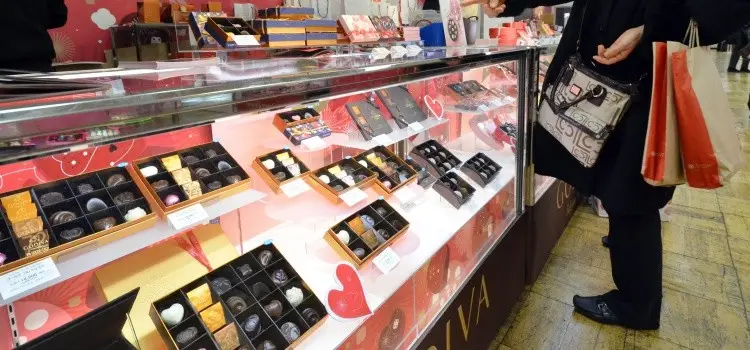
What the different chocolates mean
- Honmei choco: chocolate for someone you truly love, such as a partner, spouse or serious crush.
- Giri choco: "obligation chocolate" given to coworkers, classmates or other people you want to thank politely without a romantic message.
- Tomo choco: chocolate shared between friends, usually with no dating meaning attached.
- Jibun choco: chocolate bought for yourself, often because you want to enjoy a better sweet without waiting for someone else.
- Gyaku choco: reverse chocolate, when men give sweets on February 14 instead of waiting for White Day.
These categories are useful, but real life is not always neat. Some people mix them, some skip labels completely, and some families simply enjoy the excuse to trade sweets.
Why handmade chocolate still stands out
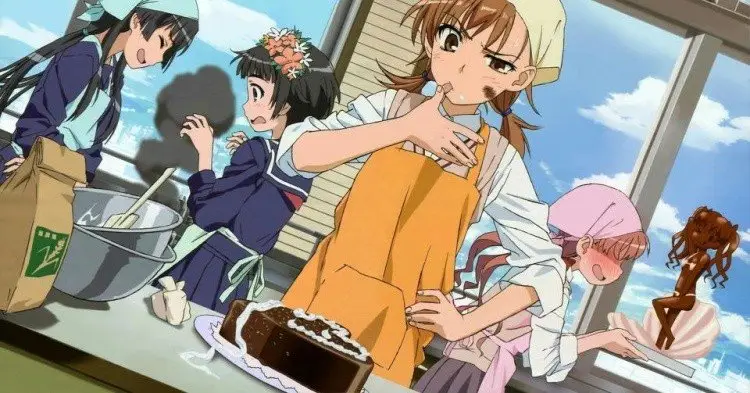
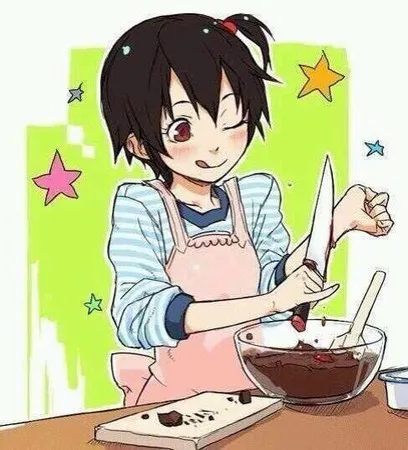
Store-bought chocolate is normal, especially when someone needs several small gifts. Even so, handmade sweets still carry a stronger emotional message. People often associate them with extra effort, a confession of feelings or a more personal bond.
That does not mean homemade chocolate is required. In many workplaces, simple boxed sweets are more appropriate because they avoid awkward misunderstandings and keep the exchange light.
What happens on White Day
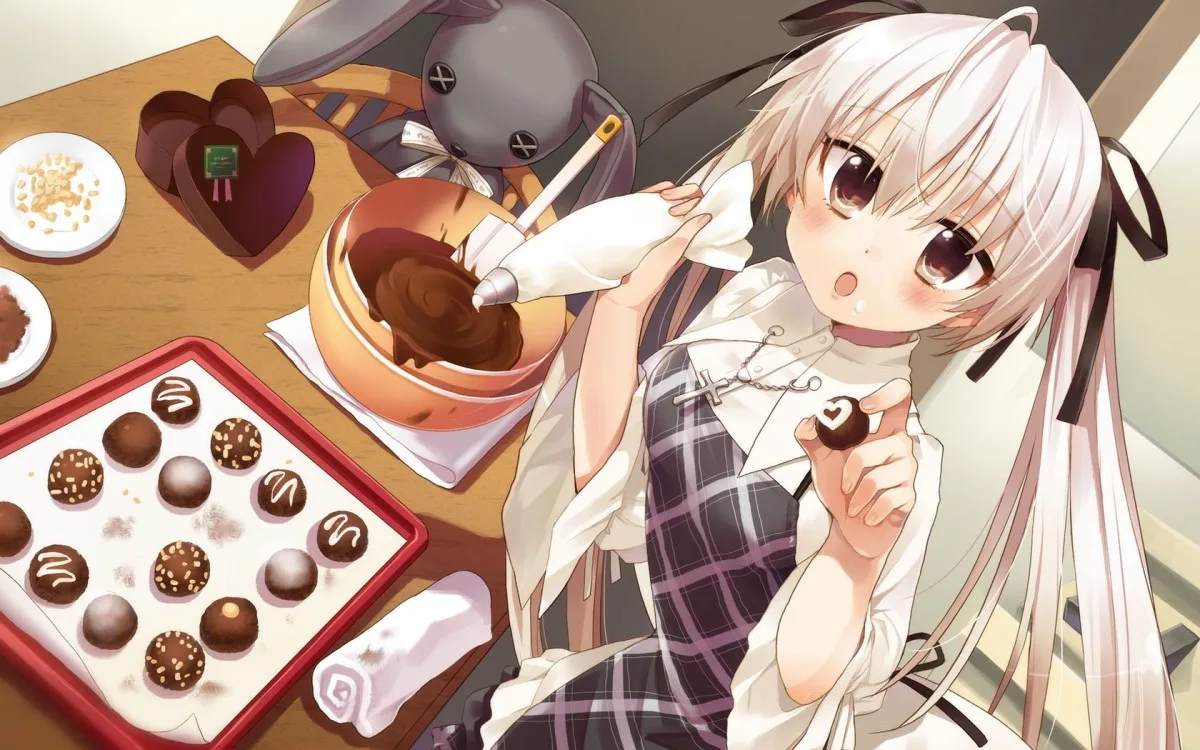
White Day falls on March 14, exactly one month later. In the classic version of the custom, men return gifts to women who gave them chocolate on Valentine's Day. White chocolate, cookies, candy, flowers and small accessories are all common choices.
You may also hear sanbai gaeshi, the idea that the return gift should be worth two or three times more than the original present. It is better understood as a cultural saying than a strict rule. Plenty of people keep the exchange simple.

Where White Day came from
White Day is usually traced to confectionery marketing in the late 1970s. One early campaign promoted March 14 as Marshmallow Day, and the broader gift-return custom later spread under the name White Day. Japan's confectionery industry helped turn it into a national shopping event.
The idea also traveled beyond Japan. Today, White Day is familiar in places such as South Korea, Taiwan and parts of China, though the way people celebrate it differs from one country to another.
How the tradition is changing today
Modern Valentine's Day in Japan is more flexible than the stereotype suggests. Workplace giri choco is less automatic than it used to be, some companies discourage mandatory exchanges, and many people now buy jibun choco just for themselves.
At the same time, younger couples and students do not always follow the old gender script. Boys may give gifts on February 14, friends may swap sweets in both directions, and the day can feel more playful than formal.
Is Christmas more romantic than Valentine's Day in Japan?
For many couples in Japan, Christmas Eve has a stronger date-night image than Valentine's Day. Restaurants, illuminations and hotel plans often make late December feel closer to the Western idea of a romantic holiday, while Valentine's Day focuses more on chocolate and gift culture.
That contrast surprises many visitors. In Japan, Valentine's Day is not only about couples. It also overlaps with friendship, school life, office etiquette and seasonal shopping.

Final thoughts on Valentine's Day and White Day in Japan
If you understand the difference between honmei choco, giri choco and White Day, the whole tradition becomes much easier to read. What looks simple from the outside is actually a mix of romance, courtesy, marketing history and changing social habits.
For more context on relationships in Japan, also read how Christmas is celebrated in Japan and our article about kokuhaku and Japanese dating confessions.


Community
Comments
0 comments
There are no published comments in this language yet.
Send comment