
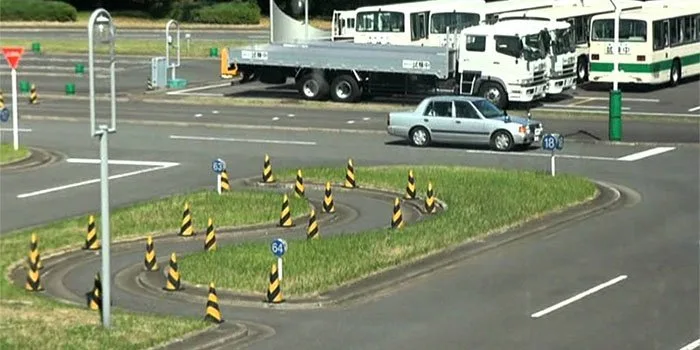
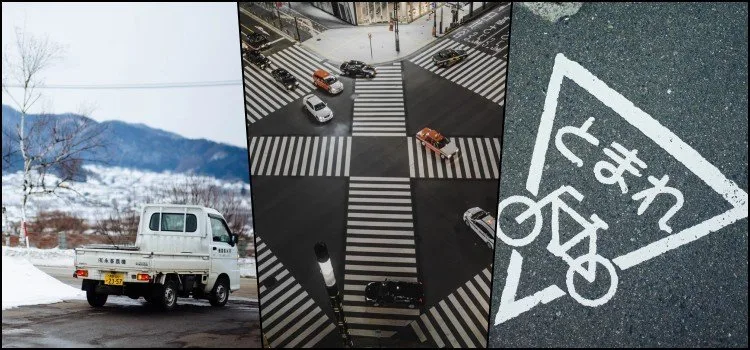
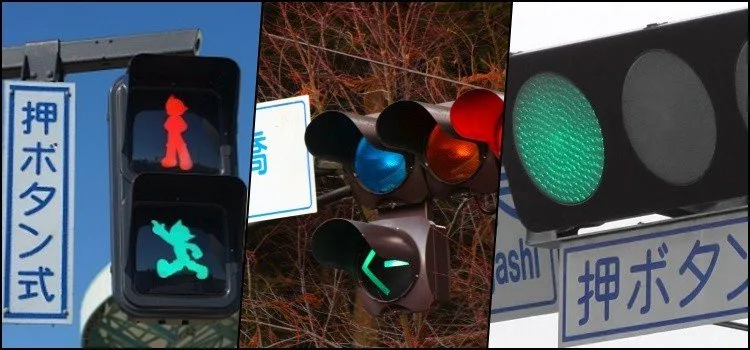
Street signs in Japan still spring a surprise even after you have the basics of the language: a red inverted triangle with 止まれ (tomare), a light labeled 青 when English speakers would say green, a small car category you will not find in most other countries. Learning traffic and vehicle vocabulary is less about memorizing a tourist list and more about reading the city while you walk, ride, or drive.
Below is a practical set of Japanese words for roads, vehicles, people on the street, and everyday traffic situations. Keep the kanji in mind when you see them on traffic signs and signals; the romaji is there for study, not for street use.
Contents 3
Traffic and transportation vocabulary in Japanese
English meaning, Japanese writing, and romaji. Spelling follows common study romanization; long vowels are written with double letters where that helps (for example koutsuu, shadou).
| English | Japanese | Romaji |
| Traffic accident | 交通事故 | koutsuu jiko |
| Traffic / transportation | 交通 | koutsuu |
| Automobile | 自動車 | jidousha |
| Car | 車 / 自動車 | kuruma / jidousha |
| Airplane | 飛行機 | hikouki |
| Street / avenue | 通り | toori |
| Road | 道路 | douro |
| Roadway (for vehicles) | 車道 | shadou |
| Expressway / highway | 高速道路 | kousoku douro |
| Motorcycle | バイク | baiku |
| Bicycle | 自転車 | jitensha |
| Sidewalk | 歩道 | hodou |
| Footbridge | 歩道橋 | hodoukyou |
| Truck | トラック | torakku |
| Van | バン | ban |
| Bus | バス | basu |
| Taxi | タクシー | takushii |
| Train | 電車 | densha |
| Bullet train | 新幹線 | shinkansen |
| Vehicles | 車両 / 乗り物 | sharyou / norimono |
| Corner (street corner) | 角 | kado |
| Intersection | 交差点 | kousaten |
| Crosswalk | 横断歩道 | oudan hodou |
| Incline / hill | 坂 | saka |
| Entrance | 入口 | iriguchi |
| Exit | 出口 | deguchi |
| Station | 駅 | eki |
| Bus stop | バス停 | basutei |
| Parking lot | 駐車場 | chuushajou |
| Gas station | ガソリンスタンド | gasorin sutando |
| Railway crossing | 踏み切り | fumikiri |
| Traffic light | 信号 | shingou |
| Green light | 青信号 | ao shingou |
| Red light | 赤信号 | aka shingou |
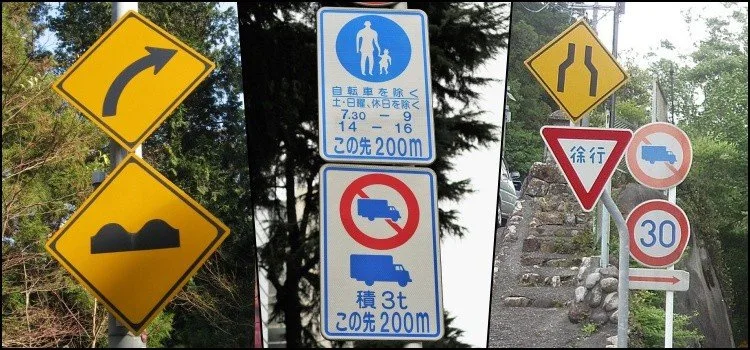
| Warning signs | 警戒標識 | keikai hyoushiki |
| Stop (sign / order) | 止まれ | tomare |
| Passage / traffic (going through) | 通行 | tsuukou |
| Pedestrian | 歩行者 | hokousha |
| Driver (occupation) | 運転手 | untenshu |
| Driver (loanword) | ドライバー | doraibaa |
| Driver's license | 免許証 | menkyoshou |
| To drive | 運転する | unten suru |
| To turn | 曲がる | magaru |
| Go straight | まっすぐ | massugu |
| Safety | 安全 | anzen |
One nuance that confuses learners: the “go” light is called 青信号 (ao shingou), literally “blue signal,” even when the lamp looks green. There is a longer cultural and linguistic story behind that name if you want the deep dive: why green traffic lights are called blue in Japan.
Vehicle classes you will hear on the road
Japan sorts private cars into legal classes that change tax, parking rules, and license categories. Two labels appear all the time in conversation and paperwork:
- 軽自動車 (kei jidousha) — light vehicles with smaller engines and body limits (the familiar “kei car”);
- 普通自動車 (futsuu jidousha) — ordinary / standard passenger cars, as opposed to kei cars and larger commercial classes.
If you are more interested in how people actually move through cities—narrow streets, priority for pedestrians, the feel of daily traffic—read driving and street life in Japan alongside this list.
Driver's license and living in Japan
Vocabulary alone will not put you behind the wheel. Residents who want a Japanese license usually convert a foreign license or take the exams in Japan, depending on nationality and the type of license they already hold. The full procedures, documents, and common pitfalls are covered in Japan driver's license tips and procedures and in transferring a foreign driver's license in Japan.
If you only need the words for signs, taxis, stations, and safe walking, the table above is the core. Add license and road-rule reading when you move from “tourist Japanese” to real independence on the street.
Suggestions for words missing from the list are welcome in the comments—especially region-specific terms you have actually seen on signs.



Community
Comments
0 comments
There are no published comments in this language yet.
Send comment