Meet and learn to make the fluffiest breads in the world! Chigiri Pan (ちぎりパン) literally means torn bread and gets its name because it consists of linked portions, forming one large bread. It is definitely the trend of the year for Japanese people who enjoy cooking. You can see this in posts on social media. It’s a craze!
The breads are sumptuous, with colors and details made with chocolates and jams. Although they look very difficult, they are nothing more than customized common bread. There are various flavor possibilities to make. In fact, you can make it with the recipe for the beloved French bread. The following recipe is for condensed milk bread, which can become chocolate bread if you add cocoa powder.
Making Chigiri Pan – Recipe
See below step by step for the famous Chigiri Pan recipe:
Before You Start
Determine the theme of the breads. For example, teddy bears, anime characters, etc.
Have a scale on hand, as it is necessary to weigh the portions of bread.
This recipe yields 9 small breads in a 20 x 20 cm pan.
Ingredients
300g of wheat flour;
5g of salt;
30g of sugar;
6g of dry yeast or 15g (1 tablet) of fresh yeast;
20g of butter at room temperature;
180ml of warm milk;
20g of condensed milk;
How to Make the Dough
There are two ways to make the dough:
Dough Made in a Mixer
Place all the ingredients in the mixer, using the hook attachment, beat on low speed for 2 minutes. Then increase to maximum speed and beat for another 10 minutes.
Let the dough rest in a bowl covered with plastic for 30 minutes;
Dough Made by Hand
Place the flour on a countertop, mix the salt, sugar, and yeast, and make a well in the center.
Add all the other ingredients and start mixing from the inside out, until a dough forms.
Knead the dough until it becomes a homogeneous mass.
Let the dough rest in a bowl covered with plastic for 30 minutes.
Separating, Coloring, and Baking the Dough
Once the dough has rested for the first time, we can color it.
Weigh the prepared dough.
Divide the weight of the dough into 9 parts. (e.g.: if the dough weighs 900g, divide by 9 = 100g)
Add food coloring of the chosen color.
Take 2 small balls from each dough (these will be the ears of the teddy bears).
Form small balls with the doughs.
Place the balls with at least 2 fingers of space between them.
Attach the ears using a little water.
Cover with plastic and let rest for another 20 minutes.
Preheat the oven to 180°C for 15 minutes, or until they are lightly golden.
After baking, let cool and decorate as you prefer.
Suggestion
100g of melted dark chocolate (for details)
100g of white chocolate (for coloring and making eyes, mouth, cheeks)
The shelf life of this bread is up to 3 days in airtight containers or plastic bags. You can add filling to the bread, such as pastry cream or a chocolate tablet.
Japan has a rich culture, full of ancient stories and legends and many superstitions. One of the Japanese customs is to give gifts (omiyage) on various occasions such as visiting a friend, thanking them, and many others. Since many Japanese people are superstitious, we wrote a guide for you to understand the meaning of things in gifts and what you should avoid when gifting a Japanese person.
Gifts with numbers
Japanese people tend to be afraid of certain numbers. So much so that some buildings do not have elevators with certain numbers. Avoid any gift that has the numbers 4, 9, and 43. Here’s why:
Four – 4 – 四 – Its pronunciation SHI can sound like the word death (死) which is also shi;
Nine – 9 – 九 – The pronunciation KU can sound like suffering, pain (苦) and also something dark (black – kuro);
43 – The pronunciation shisan is similar to the birth of the dead shizan (死産);
Other suggestive numbers are 42 which indicates even death (死に – shini). 49 which sounds like to run over (敷く – shiku). The number 7 is often considered a lucky number, due to religious traditions in Buddhism. It is worth remembering that this superstition seems to be less important nowadays, but it is still good to avoid.
Japanese gifts with animals
Japanese people like cute things. So sometimes you intend to give a stuffed animal or anything with an animal, see the meanings of the animals in gifts:
Butterflies can signify joy and longevity, but can also indicate the souls of the living and the dead;
The carp can signify good fortune and fidelity;
The herons are perfect for weddings, as they signify longevity and good luck;
The swallows or the tail of a swallow can represent good luck;
The turtles can signify longevity, making them ideal for babies;
Meaning of colors in Japanese gifts
Colors have strong meanings in Japan, avoid even writing with a black pen on a gift card. Black means death or bad luck. If you combine black with red you are indicating sexuality. The red is used on tombstones. Do not use the color red when signing cards, even avoid red Christmas cards, because funeral notices in Japan are red. However, gifts with a red ribbon wrapped in white are good for weddings. These are the 2 colors you should avoid!
The good colors are green which means eternity and good luck. Perfect to use on any gift card. White means holiness and purple means celebrations and decadence, great for holidays. These 3 colors are perfect for signing gift cards and wrapping them.
Orange symbolizes happiness and love. Yellow symbolizes courage, beauty and refinement, aristocracy and joy. Blue is a soft color that represents everyday life, purity, and cleanliness. It is also considered a feminine color.
Other gifts you should avoid
Lilies, lotus flowers, and camellias are associated with funerals. White flowers of any kind should be avoided. There is also a superstition that potted plants encourage diseases. See more meanings of flowers by clicking here.
Avoid things like scissors or knives because they can imply a cut in relationship or friendship with them. You don’t want to cut your friendship, do you? The mirror should also be avoided because it can suggest breakage and rupture. If you are dating, even worse! The comb which is pronounced kushi combines 2 detestable words we have seen in this article, death and suffering. Watches should also be avoided because they can indicate that time is up.
Do not give the same gifts to unequal individuals. Social class is important and prominent in Japan. If you give a bottle of wine to a businessman, do not give the same to the boss.
Final tips for gifting someone
Always bring gifts from your region or abroad, the Japanese like that, it can even be food. Remember to keep the gift hidden, give it when you are alone and using both hands. The best moment is at the end of your visit! Remembering that gifts are usually opened in private.
Other interesting products you can give are imported bouquets, cognac, bourbon, and high-quality wines. Buy something that reflects the interests and tastes of the recipient. Gifts in pairs are considered lucky.
Styles and techniques of wrapping gifts can have meanings. Pleating symbolizes joy. Combined colors like yin and yang signify interconnected and interdependent forces of the natural world. Asymmetry is considered attractive in Japanese culture.
With thousands of years of culture, history, and superstition, Japan is a country where things can mean more than you think. Therefore, it is always good to research more about the gift you want to give and the correct way to deliver it. Unfortunately, we cannot include all the tips and meanings in this article. If you wish to add something important, we would like to see your comments and also your sharing. Thank you xD
Japan is famous for its wide range of animal cafes, maids, and cosplayers. Today we will introduce a perfect cafe for owl lovers, the Fukuro Cafe (梟カフェ). In this cafe, you can snack, have coffee, and play with real owls. These Fukuro Cafes can be found in Tokyo, Osaka, and Nagoya.
This cafe is similar to the Neko Cafe, you pay a fee to enter and can walk around the place and meet owls of various different breeds. You can also hold them and take photos, pet them, etc. Of course, most people go to this place for the owls and not to drink and eat. Remember that this place is unique and tends to be crowded, so if possible, make a reservation.
Playing with the owls at Fukuro Cafe
Owls are not usually pets, so you need to follow a lot of rules. Upon entering the restaurant and choosing your table, you will receive all the details in Japanese. In these cafes, you usually choose an owl to hold with your finger; sometimes you need to wear gloves for the larger owls. They can perch on your hand, shoulder, or head.
You will probably only be able to pet your owl, although you can take photos of all of them. They will explain how you should pet an owl, with care and common sense, touching from behind its head or back. You must be careful not to put your fingers in front of the owl and scare it.
The owls are usually perched on stands or trees in a natural and comforting environment. If you are in Tokyo or Osaka, you can visit Fukuro no Mise, while in Nagoya we have Fukuro no itu mori Cafe. This will be your chance to meet various owls of different breeds and sizes! What do you think of the idea? Have you had this unique experience? Share with your friends and leave your comments!
If you are traveling through Tokyo, the Yoyogi Park or Yoyogi Koen (代々木公園) is an essential place to visit on your trip. Its location is great, situated between Shibuya, Shinjuku, and Harajuku, the 3 most popular tourist neighborhoods in Tokyo. In other words, the park is located amidst many prominent tourist attractions, such as the Meiji Shrine, shops and cafes, Hachiko, and others.
Yoyogi Park is quite peaceful, with plenty of green space, a lake with light shows and water jets. There are several vending machines for drinks, cute dogs walking around, and an NHK building, which may give you the opportunity to see a Japanese artist. The park is enormous, taking up almost half of the neighborhood with its 540,000m². The park is divided into a forest area with trees that can reach up to 30 meters, with 3 fountains and lakes to enjoy nature. The other part of the park is a place with sports facilities, athletics stadiums, and baseball fields.
In addition to enjoying nature and wildlife, various events are celebrated in the park throughout the year. On weekends, there are many street performers, families, and friends enjoying picnics and sports. It is worth walking through all the trails and feeling nature. Despite being the largest and greenest park, some may find it monotonous and prefer smaller and colorful gardens.
Curiosities about Yoyogi Park
Yoyogi Park is located where the first airplane flight in Japan took place in 1910. Over time, it was used as a military area, in 1945 it was used for the Olympic Games, and in 1967 it began to be transformed into a park.
If you go to the park on a Sunday, you will find various types of people, dancers practicing, actors rehearsing a scene, drunk people, parties, lovers making out, tourists with giant cameras, fashion events, dog races, rockers, etc. In the center of the park, you will find Chuo Hiroba, a grassy area with a large pond with fountains, a clock tower, and a flower garden with more than 30 different varieties.
At the gate next to the park office, you will find a monument with 14 members of Daito-juku. A right-wing organization that committed group suicide at the site on August 25, 1945.
The site of the Olympic Village remains in the southeast corner of the park. There you will find the Sample Garden with trees cultivated by Olympic athletes who brought seeds from their countries. Yoyogi Park is well known for its relaxed and friendly international atmosphere. Here is the place where Japanese people open up and do what they want despite Japan’s rigidity.
My visit to Yoyogi Park
My experience was not one of the best; I was alone and it was raining. I got off at Shibuya station and took a photo with Hachiko, then went to the busiest crossing in the world, which was empty due to the rain and it was morning. I bought some clothes and then took the long route through the park, through Harajuku until I reached Shinjuku…
I recommend taking this route, so you have the opportunity to see all the places in one day. If you want to access the park quickly, we recommend getting off at Harajuku station. Have you visited Yoyogi Park? What was your experience? We would love to hear in your comment, and we appreciate your sharing.
Many imagine that houses and apartments in Japan are small due to lack of space. However, this actually happens because most people want to cluster in large cities like Tokyo and Osaka. In Tokyo alone, there are 13 million inhabitants, and its expanded region exceeds 36 million (Chiba, Saitama, Kanagawa). What causes so many people to inhabit the same place?
While Japan has 336 inhabitants per Km², in Tokyo there are 6,000 people per Km². Despite this, Japan suffers from a significant birthrate problem, where the government seriously needs to encourage the Japanese to have children; otherwise, the population will continue to decrease, hindering economic growth and increasingly requiring labor.
Some imagine Japan as a cluster of cities, but in reality, almost 80% of it is forests and mountains. Even though Japan is a small country, many cities are becoming deserted and abandoned because most of the rural population is migrating to Tokyo. The Japanese government has even offered free plots of 300m² to encourage population growth in the region. The government urgently needs to not only solve the lack of children being born but also to move a large part of the people from Tokyo and encourage them to spread throughout the country.
This is not an easy task; the population of Tokyo and other metropolises is increasing more and more. This is because Tokyo is the city of opportunities, the desire of many young people and even foreigners. In Tokyo, you have access to everything you need, although much of it is often an illusion, as even small and remote cities offer everything, including entertainment and tourism.
The Problems of Overcrowding in Tokyo
Crowded trains and schools, long waiting lists for daycare and preschool, etc. The mayor of Tokyo has been fighting against these problems, developing ties with rural areas and encouraging people to leave the city and start a life in the countryside. While Tokyo faces overcrowding issues, regional industries are failing, and there are not enough people to farm the fields.
Overcrowding even influences the low birthrate of the country, as most women in Tokyo have fewer children than those from other regions. Although Japanese cities are planned to avoid traffic congestion, this occurs in trains, parks, swimming pools, especially on holidays or festivals. Thousands of people crowded in various situations. Even though the Japanese crowd in an organized manner, it can be uncomfortable for many.
The government has done the following to avoid overcrowding in highly accessed public places:
Tourist buses have restricted schedules;
Set total capacity limits in places;
Extend operating hours;
Higher taxes and entry fees;
Minimum stays;
Population Density in Japan
The fact is that several cities in Japan suffer from overcrowding, while many cities are a desert without residents, workers, employees, students, etc. Here is a demographic list of Japan with the most populated cities and their density.
City
Population
Density 1Km²
Area km²
Tokyo
13,503,810
6000
2,189
Yokohama
3,555,473
8174
434
Osaka
2,643,805
11,893
222
Nagoya
2,258,804
6,919
326
Although Japan seems to be one of the most crowded countries in the world, with many people per Km², there are 17 other countries that rank ahead of Japan. Monaco, Singapore, Hong Kong, Vatican City, Malta, Taiwan, South Korea, Puerto Rico, Belgium, Lebanon, and several others. The difference is that these countries probably do not leave their areas abandoned to cluster in one location, especially since some are quite small.
Despite Tokyo having a high density, with areas reaching 14,000 people per Km². This is well below the density of cities like Manhattan (27,000) and Paris (21,000). One of the strategies to avoid overpopulation is to raise the high housing costs in the city of Tokyo. The big problem is that this leads people to spend less by choosing smaller apartment options. In other words, just like all of Japan, Tokyo still has a lot of housing space; the fact that it is expensive ends up clustering even more people into small spaces.
Why are rents, apartments, and houses in Tokyo expensive? The simple fact that most of Tokyo consists of small buildings and houses, while gigantic skyscrapers are expected. The high prices also cause people to live far from work. Many of them still take the train on a very long route, wasting precious time. If the focus of the Japanese were to create taller buildings, prices would be lower and perhaps the space even larger.
The Construction and Transformation of Smart Cities
Tokyo will always attract attention, which makes the city need to evolve in a way that facilitates the life of those who live there. This helps to mitigate some of the problems caused by the overcrowding of people migrating to the city. Japan has been transforming its cities smartly, with technologies that reduce energy consumption, environmental pollution, etc. However, this is not enough; the Japanese government needs to grow other cities and encourage people to live in them.
There is a concept called Smart City; Fujisawa was the first smart city within the concept where the focus is to reduce costs and create something sustainable. However, instead of creating smart cities, Japan has been transforming existing cities to facilitate the lives of citizens. There are several factors that make a city smart, such as:
Connectivity;
Integration;
Planning;
Accessibility;
Economy;
Sustainability;
Innovation;
Quality of life;
Interactivity;
Efficiency;
Intelligence;
Mobility;
Creativity;
Instead of creating smart cities, these are the factors that Japan needs to think about developing in small towns to attract the population. Japan has been doing this work with its technology, transportation, convenience, etc. What do you think about this subject? We would like to hear your opinion in the comments and your sharing.
It’s not just in Japan, but mascots are spread across various areas of the world. Companies use mascots, football teams have mascots, and even games have their mascots. Japan, on the other hand, uses mascots in practically any situation. It is common to use mascots that represent places, cities, regions, TV stations, events, organizations, airports, anime, tourist attractions, government, and even on street signs.
Have you ever wondered why there are so many mascots? First, we need to analyze why large companies and organizations tend to use mascots. The main focus of mascots is to market a certain thing, place, or product. However, the true intention of mascots is something greater: to give an identity and personality to the company. People feel more comfortable talking, associating, and buying from other people; companies with fantasy names need something to represent and show personality for them, which is why they use mascots.
We already know that Japan is influenced by kawaii culture, but if we stop to think, the large number of mascots is due to the shyness of the Japanese, their difficulty in socializing, and various other cultural factors.
To better understand this, we need to analyze Japanese mascots. The most common term to refer to Japanese mascots is yuru-kyara (or yuru-chara). Various things are created around these mascots, such as songs, games, performances, TV shows, etc.
The most popular and cute Japanese mascots
At the beginning of the article, we have images of some mascots. First, fukka-chan, which is a cross between a deer and a rabbit that represents the city of Fukaya. The second is Kaparu, a version of the kappa yokai from the city of Shiki. And the third is Ebinya, a cheerful mascot from the city of Ebina, with its shrimp (ebi) hat and strawberry body.
The most famous mascot is Kumamon, which represents the city of Kumamoto, when they opened the bullet train. Another cute mascot is Chihana-chan, which represents the city of Chiba and its beautiful flowers.
Next, we have the cute Yachinyan, a kitten created to attract tourists to the shopping street and Yonbancho Square, located in Hikone, Shiga. Followed by the green bear called Arukuma. It was created with various hats to represent different specialties of Nagano, each hat represents something, such as apples, chestnuts, persimmons, mushrooms, lettuce, soba, and wine.
Tagatan is a mole that represents the mining and construction industries of the city of Tagawa. Sanomaru is a cute samurai created to promote the city of Sano, which is near Tokyo. He has a bowl-shaped hat and some accessories that represent the city’s specialties, such as sano-ramen noodles.
For me, Yachinyan is the cutest mascot…
Musubimaru was designed to represent the rice farms of Miyagi. He has a samurai armor based on that of Date Masamune and a rice ball onigiri head. Gunma-chan, as the name suggests, is the mascot of Gunma since 1983, but its current design was made in 2008. He has a horse face representing that Gunma was the first region to have horse breeding. Lastly, we have Domo-kun, the famous official mascot of the NHK TV station.
These are some popular mascots. There are thousands of other mascots in Japan, some even much more popular than those mentioned in this article. If you remember any, you can comment about it in the comments; we would be happy with your help.
Many know that Japanese culture disapproves of kissing in public, even pecks. But is it true that nowadays Japanese people do not kiss in public? How do they view this? In this article, we will address different topics and curiosities about kissing in Japan.
We can notice that even in animes and doramas, a kiss can end up being rare. Many successful romantic doramas sometimes do not feature any kisses. How do Japanese people view kissing? A survey conducted by SK Planet Japan with 400 men and women aged 20 to 30 reveals interesting things about kissing, breaking this topic that is usually a taboo.
About 60% of respondents have kissed only 5 people. 90% of women said that not all of their kisses led to a relationship. In other words, many women confirmed that they are willing to kiss for no reason, just because they want to. In other words, casual kissing has become common in Japan; it is no longer that promise it used to be.
The culture of kissing in Japan
Although many young people today are not ashamed to kiss, or even to kiss strangers, it is still difficult to find a “kissing” situation when their shy nature undermines their courage to approach girls. Some resort to group dates to get closer and find a relationship. During school life, many Japanese start a relationship, but sometimes they do not even have the courage to kiss.
Some often say that kissing in Japan only happens when both parties want sex, a big stereotype, a big lie. It is true that many prefer to do this in the comfort of their homes, and some couples may not kiss all the time, like when going to work and coming home. It is a fact that Japanese people feel shy and do not like to show affection in public.
Another thing that hinders kissing in public is the fact that the law in Japan prohibits relationships between students under 18 without parental consent. Although Japan is an open country and does not interfere in others’ lives, many end up feeling shocked or bothered when they see people kissing in public.
There are legends that say that kissing was prohibited by Tokugawa due to the tuberculosis epidemic that haunted Japan at the time;
Despite Japan’s conservative culture, some children and teenagers have been using kissing on the cheek as a greeting;
Japanese women seem to like being kissed on the neck.
The kiss that involves the exchange of saliva and tongue is called kuchizui (口吸い) which can be literally translated as mouth sucking. When the West influenced Japan during the Meiji era, the common kiss was called seppun (接吻) which can be literally translated as lip touch. Over time, the more common term came from the English kiss (kisu – キス).
キスして – kisu shite – Verb to kiss
チュー / チュウ- chuu – Onomatopoeia for kiss
Kissu (キッス) can also be understood as kiss. (Or the name of the band Kiss);
Kissing in public in Japan?
Although it seems like a taboo, and is rare, it is not unusual to find people kissing, holding hands, or hugging in public in large urban areas of Japan. This is because many young people today are being influenced by Western media and are getting on board. In reality, interviews reveal that Japanese women feel more comfortable kissing in public when it is with a foreigner.
Perhaps many do not kiss in public due to the lack of initiative from men. Some say they would not feel ashamed if they were in romantic settings. Research reveals that about 20% of young people between 17 and 29 kiss in public. In cities like Osaka and Tokyo, this rises to 32%. See our guide on when to kiss in Japan by clicking here.
Just because Japanese people do not kiss or show affection in public does not mean they are not affectionate; they just show it differently. The fact is that Japanese people are people like anywhere else. And all people are different and have different preferences. I myself am Brazilian and do not go around kissing anyone who is not considered my girlfriend. But I also would not be ashamed to kiss in public, even in Japan.
Kissing strangers in public?
To conclude, I will leave some videos showing attempts by foreigners to kiss Japanese strangers on the streets. I am not very fond of this kind of prank, but who am I to criticize.
But it is interesting to see the reactions and opinions, to see how they refuse, or even some who accept and kiss without any shame. Don’t think it’s easy for them to accept because these videos usually only show the successes.
Everything started in the early 20th century when Japan was overcrowded after being completely isolated from the rest of the world for approximately 200 years. With the end of this period, Japan began to modernize, which caused unemployment for thousands of peasants, leading to economic and social problems. Therefore, the Japanese Government decided to encourage the emigration of its inhabitants through agreements with other countries such as the USA, Peru, Mexico, and Brazil. The first Japanese in Brazil arrived around 1908, with an average of 783 workers for the farms; by 1973, the number of nikkeis in Brazil was close to 200,000.
Nikkei (Japanese and descendants living outside Japan). Brazil is currently the country with the highest concentration of Nikkeis, with about 1.6 million of them.
• Issei – Japanese who came to Brazil – first generation; • Nissei – Child of the Japanese – second generation; • Sansei – Grandchild of the Japanese – third generation; • Yonsei – Great-grandchild of the Japanese – fourth generation;
Visa for yonsei
In 1980, Japan needed labor, and laws began to be created to facilitate the entry of foreign workers into the country. In 1990, the “immigration control law” was amended, allowing Nikkeis up to the third generation (sanseis) and their spouses to enter the country and engage in any paid activity with a relatively long visa for residence. However, for yonseis, it is more complicated as they can only go to Japan if they are minors (after the age of 16, it becomes more complicated for the yonsei to obtain the visa) and are accompanied by their parents.
Work visa for yonseis
What many yonseis want and have managed to demonstrate to the Japanese authorities is the right to a work visa in the same way that the second and third generations have. Currently, this does not happen, as yonseis can only obtain dependent visas, but with the increasing need for labor among other things, the Japanese Government has brought the proposal for a broader visa for yonseis to the country’s parliament, which has been analyzing the proposal. However, the initial expectation is to release the working holiday visa.
Working holiday visa
This type of visa allows the applicant to stay for a certain period in the country, during which it is possible to study and even find a job to help with expenses. The working holiday visa is granted through a reciprocal agreement between two countries to encourage travel and the exchange of experiences among their citizens. But this type of visa has some restrictions such as:
• Age limit for the applicant (usually from 18 to 35 years); • Time limit for work (EX: 3-month contract, with 20 hours per week); • The applicant must have enough money to support themselves (while looking for a job); • The applicant must have some form of travel or health insurance during the stay (unless the country will cover it);
These are just examples of how the Working Holiday visa generally works.
Working Holiday visa for yonseis
The Japanese deputy Jiro Kawasaki from the PLD party (Liberal Democratic Party) is part of the committee that deals with the labor shortage and the incentive for entry into the job market. Here’s what the deputy said about the yonsei to Silvia Kikuchi from Alternativa Online:
“We started with an immediate proposal for Working Holiday and with the condition of learning Japanese, we want to increase the number of yonseis. We are hopeful. Under the Working Holiday system, people come and stay for a year in Japan to work, just like scholarship holders. But we are thinking of extending the period to three years only in the case of nikkeis. First of all, we are happy with the arrival of nikkeis, but our main concern is with the education of children. The Working Holiday will be quick; it won’t take that long.”
Silvia asked: -Maybe a year?
The deputy’s response: -Yes!
The expectation is that within a year (the interview aired on 06/16/2017), the visa for yonseis, which will initially be a Working Holiday, will be released.
How Japan benefits from the arrival of yonseis
Japan has been suffering from an aging population and a labor shortage, among other problems. With the arrival of yonseis, the labor shortage can be easily resolved, and with the Japanese Government’s proposal to offer (it will be more like a requirement, perhaps even compulsory) Japanese language education, this labor force may become qualified, as the Japanese Government wants greater integration of immigrants with Japanese society so that the problems currently afflicting the Japanese people can be resolved once and for all. In other words, yonseis could end up being a great help to Japan and even to Brazil, as the relationship between the two countries tends to be strengthened and increasingly encouraged.
Did you know that in Japan, the Japanese call the green light blue? The Japanese word for green is midori (緑) and blue is aoi (青い), and that’s how they refer to green lights, why? I’ve always heard discussions regarding blue and green, and indeed some traffic lights in Japan look blue. The reality is that there are many curiosities regarding this subject, which we will see in this article.
We all know that the primary colors are blue, yellow, and red. In the past, things in Japan were also the same way; they defined colors as follows:
Black – kuroi – 黒い – Dark colors in general;
White – shiroi –白い – Light colors in general;
Red – akai – 赤い – Bright colors in general;
Blue青い –aoi – Colorful and light colors in general;
In fact, these are the only four colors that are adjectives in the い (i) form. The other colors, even the primary yellow, are written differently:
黄色 – kiiro – Yellow;
緑 – midori – Green;
ピンク – pinku – Pink;
Basically, in the past, there was no green, so it was called blue. Why do green things nowadays end up being called blue? Let’s take the ocean as an example; up close it is green, from afar it is blue. Many also confuse green cars with blue.
The word green entered Japan during the Heian Period (794 – 1185)
The traffic light is not the only blue
The truth is that the ideogram for blue (青) cannot be literally translated as blue because it represents light colors and is present in various words that should be green, such as:
青葉 – aoba – Fresh leaves (blue leaf?);
青芝 – aoshi – Lawns (rarely used);
青りんご – aoringo – Green apple (blue apple?);
青山 – Aoyama – District in Tokyo (blue mountain?);
青二才 – aonisai – Novice (wouldn’t an unripe one be green?);
青春 – seishun – Youth;
青年 – seinen – Youth;
Many of the words and concepts we just listed are associated in the West as green. With the introduction of green into the Japanese language, these remaining words are just relics that did not die. In all languages, there are words that make no sense but that we continue to use.
However, traffic lights arrived in Japan even after blue and green existed. The reality is that it was even defined as a green light (緑信号). However, the Japanese noticed that the traffic lights had more of a blue tone, so society began to associate the green light with blue, which resulted in this pattern of calling the green light blue. Even when the Japanese government was forced to maintain a greener standard, it agreed that the light would continue to be called blue (青信号).
Japan values its works such as books, mangas, and games very much. Many works often get adaptations for TV, that is, animes! There are thousands of different stories, and some bizarre, ridiculous, and idiotic ideas have ended up getting an anime version. In this article, we will see the animes with the most ridiculous and idiotic stories ever created.
The fact that an anime is on the list does not mean it is bad. In fact, many of the animes on the list are great and indispensable! However, their stories end up being ridiculously strange. There are animes whose goal is to be ridiculous in a cool way, while others always end up choosing clichés that make them ridiculous, like schools where girls fight with magical powers.
The anime on the cover of the article is Luck Stars, a bit ridiculous and idiotic too.
The Ridiculous and Idiotic Animes
Nisekoi – Tells the story of a gangster’s son who likes to cook, in love with a girl from school, but looking for a girl he made a childhood promise to. He ends up being forced to date a gangster and meets several girls who could be the girl from the promise… GREAT!
Tengen Toppa Gurren Lagann – A fighting anime with bizarre robots that ends up tearing through space and fighting using galaxies. Don’t be fooled, it’s the best anime I’ve ever seen in my life, despite being super exaggerated, it makes any grown man emotional. PERFECT!
Saint Young Men – Tells the story of Jesus and Buddha becoming roommates in an apartment in Japan.
Nisekoi, Gurren Lagann, Jesus and Buddha, Bento, Hataraku and Kakumeiki
Ben-to – An anime that shows a war of students to buy bento boxes at a discount in supermarkets.
Hataraku Maou-sama – Tells the story of a Demon who gets a part-time job at a fast-food restaurant.
Kakumeiki Valvrave – Vampires fight in space against Nazis using giant robots made by space wizards.
Outbreak Company – Tells the story of an Otaku who is transported to a fantasy world, where he decides to spread otaku culture among elves and dragons.
Yuri Kuma Arashi – Two bears transform into human girls and form a lesbian relationship with a human girl who hates bears.
Akikan! – A guy enters a war to see which is the best cute moe girl, but in fact, these girls are cans of soda that transform.
Outbreak, Yuri Kuma, Akikan, Midori, Sekkou and Gintama
Midori no Hibi – A lonely boy who wakes up and discovers that his right hand is a girl.
Sekkou Boys – Tells the story of 4 Greco-Roman statues (busts) that are a band (idol) trying to grow in the world of fame.
Gintama – A crazy mix of samurais, aliens, and people with mental problems… A comedy anime full of references and parodies. FAMOUS!
There are many ridiculous animes…
Samurai Flamenco – This anime starts with a great premise, but it completely loses itself when simple humans trying to be superheroes encounter aliens, power rangers, killer monsters, etc. Watch it, and you will see how perfect it starts and how ridiculous it becomes.
Bobobo-bo bo-bobo – Tells the story of a man who fights against an Evil Empire that shaves everyone’s heads mercilessly.
Keijo!!!!!!!! – Famous ( ͡° ͜ʖ ͡°) anime where girls fight in a sumo ring in large competitions using only their butts and breasts.
Samurai Flamenco, Bobobo, Keijo, Sakamoto Desuga, Jojo and Nazo no Kanojo.
Sakamoto Desu ga! – A man who is good at everything and causes envy in people of the class… (Just watch)…
JoJo’s Bizarre Adventure – An insane and bizarre battle between a lineage of boring men who fight vampires, Nazis, gods, and criminals, combining ghosts, monsters, and bizarre things as the name suggests.
Nazo no Kanojo X – A weird romance between 2 young people involving saliva exchange.
Unko San – A short anime whose name means Mr. Poop, which tells the story of a poop fairy who lives on an island and makes all her friends happy.
Qwaser of Stigmata – An anime where warriors increase their power by sucking on the breasts of teenagers.
There are many other animes with ridiculous, idiotic, and bizarre stories. If you remember any, leave it here in the comments. I recommend reading: Strange things that Japan turned into MOE girls.
In the West, we know reddit as the father of all forums. There we find various communities on different topics, where news and information we need about a specific subject originate. In Japan, other forums are responsible for spreading news, virals, memes, and various other famous things that spread around the world. In this article, we will look at the most famous forums and imageboards (2chan, 4chan) among the Japanese and how they influenced the world.
The online community in Japan is quite active in forums, especially the otakus. Besides forums, other communities are widely used such as nico nico, Twitter, and other popular social networks in Japan. Additionally, we can see various sites and communities with a large flow of Japanese users.
But what the hell is an imageboard? You may have never heard of this term; it refers to forums, communities, or channels that are based on posting images and text anonymously. The first imageboard that emerged in the world was 2chan, derived from the text forum 2channel. These two creations were responsible for influencing the internet in a gigantic way that we will see in this article.
2channel – The largest forum in Japan
2channel is the most popular forum in Japan. It was founded on May 30, 1999, by Hiroyuki Nishimura (西村 博 之), with the aim of creating a place where people could publish their opinions anonymously. The site is so popular that it has received around 10 million visits per day for years, with over 2 million daily posts. Currently, it still receives about 5 million visits per day.
The site has gained significant influence in Japanese society, comparable to radios, magazines, TV, and newspapers. The site is quite simple; its focus is only on texts, messages, and images, so don’t expect any design evolution. It was here that various text emojis and other concepts we know originated.
Each topic created on 2channel has a limit of 1000 posts. This prevents old topics from being revived and keeps current subjects active. Old topics are moved to an archive and are eventually deleted.
2chan and the emergence of the imageboard
In 2001, a derivative of 2channel called 2chan or futaba channel emerged. This imageboard or forum for sharing images and text is mainly used by otakus and meme creators. These sites usually do not require registrations and promote anonymity. They are divided into several sub-forums, each having its own specific content and guidelines. It was on 2chan that memes and concepts like Yaranaika and OS-TAN emerged.
The futaba channel and some other imageboards do not archive their posts. Therefore, only active users can follow and enjoy the meme creations. Fortunately, when a meme or viral is posted on these forums, they are quickly spread to external sites. There is a philosophy among 2chan users that prevents many posts from leaving there. To break this exclusivity of the Japanese, Westerners created a similar site.
Inspired by 2chan, Westerners created 4chan. Although the site is in English, it has a large community of Japanese members. 4chan was responsible for the emergence of thousands of memes and virals on the internet. It is believed that it was on 4chan that the birth of the hacker group anonymous occurred. Both 4chan and 2chan have sub-forums related to Japanese otaku culture. 4chan was sold to the founder of 2channel, Hiroyuki Nishimura.
Brazil did not stay out and created its own imageboard called 55chan. Here, all kinds of cancer and memes created by Brazilians are born. Besides these mentioned sites, 8chan emerged, a more liberal version of 4chan, and a rival, 7chan.
List of boards – 4chan themes
4chan and similar sites are divided into thematic channels. 4chan has about 63 thematic channels, each named with letters between slashes. For example: /tv/ is dedicated to television and movies. Below we will leave a list of boards (as they are called), the subcategories for you to find what you want. It is worth mentioning that /b/ is the most popular, a random category that has everything; be careful as you may find adult and extreme content in this random category. Below is a list of some categories:
/a/ Anime and Manga
/c/ Anime/Cute
/w/ Anime/Wallpapers
/m/ Mecha
/cgl/ Cosplay and EGL
/cm/ Cute/Male
/f/ Flash
/jp/ Otaku Culture
/vp/ Pokemon
/v/ Video Games
/vg/ Video Game
/vr/ Retro Games
/co/ Comics & Cartoons
/g/ Technology
/tv/ Television & Film
/k/ Weapons
/o/ Auto
/an/ Animals & Nature
/tg/ Traditional Games
/sp/ Sports
/asp/ Alternative Sports
/sci/ Science & Math
/int/ International
/out/ Outdoors
/toy/ Toys
/biz/ Business & Finance
/i/ Oekaki
/po/ Papercraft & Origami
/p/ Photography
/ck/ Food & Cooking
/ic/ Artwork/Critique
/wg/ Wallpapers/General
/mu/ Music
/lgbt/ LGBT
/b/Random
/r/ Request
/r9k/ ROBOT9001
/pol/ Politically Incorrect
/soc/ Cams & Encounters
/s4s/ Shit 4chan Says
Influence of forums and imageboards
These unscrupulous discussion sites present dozens of message forums and “image forums” in various different general categories, ranging from Japanese animation to travel. These sites face various problems due to their popularity, such as hacker invasions, post abuse, hate speech, extremely wrong content, user competitions, and others.
Channels like 4chan have ceased to be a secret club and are now a large factory of memes and meaningless discussions. Its community is very random, full of posts related to anime and manga. There are over 15 million active users, so it is impossible to maintain organization on the site; fortunately, categories and tags help in this regard.
We have already written articles about some memes that emerged on these sites. You can see a list below:
In summary, the forum 2channel gave rise to the imageboard futaba, which gave rise to 4chan. These are the two most popular communities in the world along with reddit. It is thanks to these three sites that various information, virals, and memes reach us. Have you heard of or accessed these sites? What do you think of them? We would love to hear your opinion in the comments.
When we think we’ve seen it all, Japan surprises us. This time in Tokyo, there is a building called Pasona O2, which is actually an underground farm located in the Otemachi district of Chiyoda. The first notable thing about this building is the branches and leaves that come out of the window. This farm building has about 4,000 square meters dedicated to green space where more than 200 different types of plants, vegetables, fruits, and others are cultivated.
Pasona is a group that has a traditional farm in Ogata, but with the intention of expanding its business, it created this building in Tokyo to train young people and offer job opportunities in the agricultural world. This Pasona building was created in 2010 with the help of Kono Designs, the building has 9 floors and allows employees to plant and harvest their own food.
In the absence of sunlight, the plants are supported by artificial light from diodes, light emitters, metal halide lamps, and sodium vapor lamps. The temperature of the place is controlled by computer and the vegetables are cultivated with a pesticide. Some plants are grown in water and almost no soil is used in a method called hydroponics. With this method, it is believed that it is possible to make a plant grow 30 to 50% faster.
Getting to know the farm building – Pasona O2
Upon arriving at the site, you find more than 50 different types of roses being cultivated, in addition to several other flowers grown under white LEDs. This underground farm produces 100 different types of fruits and vegetables. To save space, the seeds are germinated in trays, tomatoes are grown hydroponically, and the plants crawl along the ceilings. In another room, you find a rice field on shelves, being cultivated with metal halide and high-pressure sodium lamps. Lettuce is grown with fluorescent lamps.
Room 1 – Flower Field;
Room 2 – Herb Field;
Room 3 – Rice Field;
Room 4 – Fruits and Vegetables;
Room 5 – Vegetable Field;
Room 6 – Seed Room;
It is important to note that this is not just a simple building with plants growing on the walls. It was fully designed with this in mind, where flowers and orange trees are planted on the balconies. We should think of this building as a large plantation used for educational workshops and agricultural community members.
The place is open to the public and has a café where you can have a great view of the farm while enjoying a coffee. All food is harvested in the building and served in the café. If you are near Tokyo Station, be sure to visit the site. What did you think? Did you know this place? We appreciate comments and shares.
Although the first images of Japan remind us of large urban centers like Tokyo and Osaka, Japan has a diverse fauna that is of great importance to the Japanese people who try to conserve the existing species.
Unfortunately, Japan has many species at risk of extinction, and its history includes several species that are already extinct! Mostly due to human greed, but currently illegal hunting and improper consumption are declining.
Despite extinct and threatened species, there are about 130 types of terrestrial mammals, more than 600 species of birds, about 73 species of reptiles, and more than 3,000 different types of fish. Many of these animals are on the brink of extinction and are rarely found outside Japan. The Japanese fauna deserves to be explored, so we will look at 5 animals from the Japanese fauna that are threatened with extinction.
Albatross
Albatrosses are large birds belonging to the family Diomedeidae, being seabirds that are extremely adapted to life in the open sea, found on land only during mating season. They are monogamous and tend to form large colonies of their species.
They are excellent swimmers, as they have all their toe digits facing forward and connected by an interdigital membrane that also aids in landings and takeoffs on the water. Albatrosses have a salt gland that removes excess sodium chloride from the blood, and they also have thermal protections.
Unfortunately, in Japan, they are threatened with extinction, and this, as bad as it may seem, is a consequence of human causes. According to the Ministry of the Environment, there are about 3,000 short-tailed albatrosses living in Japan. Although there are other species such as the black-footed albatross, wandering albatross, and Laysan Albatross, only the short-tailed albatross is protected as it is considered a Threatened species.
The extinction of albatrosses came from human greed. Since the 19th century, albatrosses have been hunted, as in countries like the United States, the feathers of albatrosses were highly valued in the market, and in various mass slaughters, the population of albatrosses fell drastically, with more than 300,000 bird deaths.
In 1993, the Ahōdori (as it is known in Japan) was added to the list of rare wild animals protected by the Endangered Species Conservation Act. According to statistics, in 1990, the population of albatrosses was around 1,200 birds. By 2010, it is estimated that there were 2,570 albatrosses on Torishima, Izu Peninsula.
Blue Whale
The blue whale is the largest mammal on the planet, weighing an incredible 180 tons and measuring between 30 and 35 meters in length. Since everything about it is large, it is not enough to mention its diet, as a single adult blue whale can consume almost 4 tons of krill per day.
Although we cannot hear them, the song of blue whales is one of the loudest sounds produced by an animal. They communicate with each other using moans and a series of low-frequency pulses. Under ideal conditions, a blue whale can hear the song of another from distances of up to 1,600 km.
Unfortunately, it is threatened with extinction due to human hunting, especially in countries like Japan. The decline of the blue whale began more specifically in 1864, when the Norwegian ship Svend Foyn was equipped with harpoons specially designed to capture large whales.
Quickly, the slaughter of whales became convenient. In 1925, the United States, the United Kingdom, and Japan joined Norway in whaling. In just 5 years, 44 ships killed 28,325 blue whales. After World War II, the population of blue whales was already scarce, and in 1946, the first laws to restrict hunting began to emerge. Unfortunately, the true prohibition only came in the 1960s, with over 350,000 blue whales dead.
Currently, the population of blue whales is estimated to be three to four thousand. A large part of the blame for the near extinction of this whale lies with Japan, being one of the largest countries specialized in whaling, claiming, in current times, that they use them for research, although many countries and whale protectors question this.
Japanese Crane
The Japanese crane or Tsuru is a species of bird that lives in East Asia, especially in Hokkaido, Japan. They have an estimated lifespan of about 50 years and are a species quite loyal to their partner, having relationships until death.
They are migratory birds; in spring and summer, these animals/birds live in Siberia, where the female lays two eggs each year, but only one chick will survive. In autumn, they migrate to the warmer places in Asia (Manchuria, Japan, Korea); they prefer wetlands where they can find abundant food (mice, frogs, large insects, and also seeds, leaves, and branches).
It is estimated that there are only 1,000 of them, with a high risk of extinction, however, with great encouragement for the preservation of the species. The consequence of this comes from illegal hunting and habitat destruction. Cranes are famous in Japan through legends and origami.
Iriomote Cat
It is a feline exclusive to Iriomote, a small mountainous tropical island in the far south of the Ryukyu archipelago. Since its discovery in 1967, it has been considered an endangered animal. This, in turn, is declining towards extinction due to habitat loss and deaths from traffic accidents. Its population is estimated to be between 100 and 109 felines of the species.
They are cats with nocturnal habits, capable of climbing trees and even swimming, with a varied diet, feeding on mammals and others. It is considered a wild cat. Discovered in 1965 and mentioned only in 1967, it was initially considered a unique species, but after DNA tests, it is suggested that the Iriomote cat may be a subspecies of the Southeast Asian leopard cat.
Giant Japanese Salamander
Japanese salamanders are different from the more common salamanders, which can even be confused with small lizards. There is no estimate of how many exist, but researchers state that they have a long history in ancient times.
It is the second largest amphibian on the planet, measuring about 1.5 meters and weighing up to 36 kilograms, and even though it has a very strange appearance, it is indeed one of the most curious animals on our planet Earth! The National Geographic reveals that the animal can bite off a piece of a human’s finger in a matter of seconds.
Even with this power, the salamander is the one threatened with extinction by humans. After being targeted for food, the species is now protected as a national treasure in Japan, and there are great efforts to ensure that it can be preserved and reproduce in captivity. Rare, these animals only come out of their hiding places at night and live in cold water rivers near mountains.
Those who study Japanese should know that its sounds do not change like in Portuguese, which is full of accents or with the crazy changes of S to Z sounds, etc. However, in reality, Japanese does have changes in the reading or pronunciation of phonemes depending on the occasion. It is not exactly known whether these are rules or just Japanese custom, since there is no stress in Japanese.
In this article, we will not talk about the peculiarities or rules of the Japanese language, such as the pronunciation of each hiragana or anything like that. Therefore, we recommend having a basic knowledge of Hiragana, Katakana, and their pronunciation. We will only discuss tips and how the reading and pronunciation of phonemes are in everyday Japanese. We recorded a video explaining and giving examples of how to read some words that you can see below:
The video does not have much explanation, it is just examples. The audio is not good, but we have already changed the microphone for other videos. Besides the video, I think it is good to highlight some points related to Japanese pronunciation that can help you when conversing or reading. For this, we recommend the article peculiarities of the Japanese language.
Checklist of Reading and Pronunciation Rules
Each syllable has the same length and strength;
The vowel is elongated when: aa / ei / ii / oo / ou / uu;
The sound of u is usually short;
There are differences in accent, region, dialects, etc;
Two consonants together prolong the sound of the previous vowel along with it (っ);
Although it is a bit complicated to follow these rules, remember that much of this was a natural adaptation in speech; some things you will only get used to pronouncing like a Japanese person through experience. Don’t expect to start speaking like them, considering that even they have difficulty with English.
Have you ever imagined your nightlife in Japan? Many tourists imagine that they will arrive in Tokyo and go to neighborhoods like Kabukicho and start picking up girls. Others want to go further and hire special services. If you intend to do these perverted things, or simply want to experience a night in the clubs of Japan’s red-light districts, this article will help you stay alert to the problems that these neighborhoods can bring.
Depending on your intention during the night, be with friends to avoid problems. In most cases, there is no need to worry; Japan is a safe place, and you can very well enjoy the night in nightclubs, show houses, hostess, and love hotels. The big problem with these nightlife neighborhoods is that they are full of people with ulterior motives trying to take your money and even rob you.
Be smart about the price
These nightlife neighborhoods often vary the price according to the service, size of the club, and quality of the partners. There are bars that can cost up to 7,000 yen without all drinks included. Those special shows often easily exceed 10,000 yen. If you really want a service, prepare more than 20,000 yen.
Suspicious people often approach tourists on the street offering cheap options, or at least they make it seem that way. Even if you think it’s cheap, be careful because they use strategies to raise the price. They often add additional fees to the bill without informing customers in advance. They may have said it cost 15,000 yen, but end up charging 20,000 yen in the end, inventing a mandatory fee for newcomers or similar excuses.
There was a bar that charged 2.6 million yen from some customers despite promising a bill of 4,000 yen. In this incident, the fraud victims were threatened with violence after refusing to pay. There are thousands of strategies in these neighborhoods created to steal your money, stay alert! And it’s not just Japanese people trying to suck your money, but foreigners too. Even in Akihabara, these money-sucking men have appeared, and in Osaka, I saw many young women lurking.
Be smart about Nightlife
These suspicious people also deceive in another way; they may present posters of beautiful young women, but in reality, they take you to a middle-aged lady.
Women need to be careful, even men. Foreigners stand out in Japan; Japanese people can create stereotypes. There have been cases of Japanese dragging women to a love hotel, perhaps the language barrier contributed to this.
In Japan, the law prohibits prostitution! How so? You may have heard various reports of these services; that’s because every law has loopholes. In Japan, the hired girl becomes your partner, and you go out on a date. From the moment you are a couple, even if temporary, the law no longer prohibits you from having sexual relations. This entertainment industry is clever, isn’t it? Perhaps this is one of the reasons there are so many innocent services where girls simply go on a date to chat and without relations.
Be careful also with the Yakuza; they tend to be in nightlife neighborhoods like Kabukicho because that’s where their businesses are conducted. But there’s no need to fear the Yakuza; just be careful not to be taken advantage of. The Yakuza is an officially recognized organization; it works together with the police to maintain peace in these neighborhoods. They don’t like people breaking the local rules, so don’t be a troublemaker.
Final tips for your nightlife
Be careful not to enter places that are prohibited for foreigners. They are usually marked, but we don’t always find this signage in this light show. Some places in these nightlife neighborhoods require you to have knowledge of Japanese to enter.
If you are looking for a good red-light district for nightlife, the most famous are Kabukicho in Tokyo, Nakasu in Fukuoka, Susukino in Sapporo, and Tobita Shinchi in Osaka. It’s not dangerous, but stay alert! If you want a basic nightlife without worry, there are many similar neighborhoods, cheaper and safer, spread throughout Japan.
And you don’t need to be afraid of the neighborhood because of this article. Being in red-light districts in Japan is as safe as walking during the day in Brazil. The neighborhood is full of people and tourists. If you are a tourist who just wants to walk and enter the famous and well-known bars, you can go without fear. Have you visited any red-light district in Japan? Did you experience the nightlife? What was your experience? We appreciate the comments and shares.
Do you know what the parts of the human body are in Japanese? The human body in Japanese is jintai [人体] while the word body is just karada [体]. If you want to say parts of the human body, you say shintai Kakubu no Meishou or karada kakubu no Meishō. In this article, we will share some parts of the human body for you to practice your Japanese.
Notice that the parts of the human body often have many ideograms/kanji, indicating that the anatomy of the body in Japanese does not have as many words of foreign origins.
Parts of the Human Body in Japanese
Below we will see a list of words that refer to the main parts of the human body in Japanese:
Responsive Table: Scroll the table sideways with your finger >>
Kanji
Kana
Rōmaji
Portuguese
頭
あたま
atama
Head
肩
かた
kata
Shoulder
胸
むね
mune
Chest
腹
はら
hara
abdomen
お腹
おなか
onaka
abdomen
腰
こし
koshi
Waist
腕
うで
ude
Arm
肘
ひじ
hiji
Elbow
手首
てくび
tekubi
Wrist
手
て
te
Hand
指
ゆび
yubi
Finger
足
あし
ashi
Leg / Foot
太腿
ふともも
futomomo
Thigh
脛
すね
sune
Shin
膝
ひざ
hiza
Knee
踝
くるぶし
kurubushi
Ankle
踵
かかと
kakato
Heel
脳
のう
nou
brain
肺
はい
hai
lung
気管
きかん
Kikan
trachea
心臓
しんぞう
Shinzou
heart
肝臓
かんぞう
kanzou
liver
胆嚢
たんの う
tannou
gallbladder
食道
しょくどう
shokudou
esophagus
胃袋
いぶくろ
ibukuro
stomach
膵臓
すいぞう
suizou
pancreas
腎臓
じんぞう
zinzou
kidney
腸
ちょう
chou
intestine
盲腸
もうちょう
mouchou
cecum / appendix
虫垂
ちゅうすい
chuusui
appendix
肛門
こうもん
koumon
anus
血管
けっかん
kekkan
blood vessel
骨
ほね
hone
bone
筋肉
きんにく
kinniku
muscle
臍
へそ
Heso
navel
脂肪
しぼう
shibou
fat
The hands and arms in Japanese
Below we will see a list of words that refer to the arms and legs of the human body in Japanese:
Responsive Table: Scroll the table sideways with your finger >>
Kanji
Kana
Rōmaji
Portuguese
親指
おやゆび
oyayubi
thumb
人差し指
ひとさしゆび
hitosashiyubi
index finger
中指
なかゆび
nakayubi
middle finger
薬指
くすりゆび
kusuriyubi
ring finger
小指
こゆび
koyubi
little finger
手の甲
てのこう
tenokou
back of the hand
手の平/ 掌
てのひら
Tenohira
palm
手首
てくび
tekubi
wrist
指輪
ゆびわ
yubiwa
ring
爪
つめ
tsume
nail
甘皮
あまかわ
Amakawa
cuticle (the skin at the root of a nail)
拳
こぶし
kobushi
fist
Face and Face in Japanese
Below we will see a list of words that refer to the face and face in the Japanese language:
Responsive Table: Scroll the table sideways with your finger >>
Kanji
Kana
Rōmaji
Portuguese
髪の毛
かみのけ
kaminoke
hair
額
ひたい
hitai
forehead
目
め
me
eye
眉
まゆ
mayu
eyebrow
睫 / 睫毛
まつげ
matsuge
eyelash
耳
みみ
mimi
ear
鼻
はな
hana
nose
口
くち
Kuchi
mouth
頬
ほお / ほほ
hoo / hoho
cheek
顎
あご
ago
chin / jaw
首
くび
kubi
neck
皺
しわ
shiwa
wrinkle
笑窪
えくぼ
ekubo
dimple
雀斑
そばかす
Sobakasu
freckle
面皰
にきび
nikibi
pimples / acne
痘痕
あばた
Abata
pockmark
髭, 鬚, 髯
ひげ
hige
mustache / beard / sideburns
黒子
ほくろ
hokuro
mole / mark
歯
は
ha
tooth
唇
くちびる
kuchibiru
lip
舌
した
shita
tongue
肌, 膚
はだ
hada
skin
Watch a video to improve your vocabulary:
Other Parts of the Human Body
Responsive Table: Scroll the table sideways with your finger >>
If you watch a lot of anime, you must have noticed various names of fake brands of products and famous companies all the time. This is a clever way that animation studios have found to maintain realism and avoid legal situations or other legal problems by using brand names. Most of the time they only change one letter like Zega (Sega), Zamazon (Amazon), Mindows 95 (Windows 95), and thousands of others. In this article, we will talk a little about these wrong names of companies and parodied brands present in anime.
Honestly, I find it somewhat absurd, since even by changing the name, these brands appearing serve as advertising. Sometimes the advertising can be even stronger with the wrong name because it catches our attention. Sometimes these parodied brands end up appearing aggressively, making me question whether they really do this to avoid copyright issues; I wouldn’t be surprised if some studios receive funding from these companies.
Understanding the use of parodied brands in anime
Some anime series like Code Geass shamelessly use the Pizza Hut brand for advertising. It’s not hard to imagine that when a brand stands out even when it’s spelled wrong, it isn’t indirect advertising. Why don’t they create their own brands? Some say it’s exactly to make the anime as realistic as possible, making the viewers feel close to the characters, perhaps because they frequent or use the same brand as them.
Anime has this power to captivate people. I myself felt amazed to be present in a park that appeared in Oreimo. Have you seen what happened to the Washinomiya shrine after Lucky Star aired? Don’t many people wish to visit Japan because of anime? So we can imagine that both studios and brands take advantage of this method of creating parodied brands.
Using existing and parodied brands is easier and more practical than creating a brand from scratch. Drawing something takes time and requires imagination, to the point that some charge absurd amounts to create a logo. Or maybe the animator or someone from the production team is a fan of a brand and discreetly included it in the anime.
It’s not just anime, but any type of video or image entertainment needs authorization to use registered trademarks. Various American studios have their own departments to search for and request authorization from these companies; some anime studios have small teams and prefer to parody rather than spend time requesting authorization.
You have probably seen on social media, videos, anime, and various other media, people dressed with a horse head. And it really is very funny and makes you want to take pictures when you see someone wearing that head. This vinyl and latex mask known as Horse Head Mask is used for humorous effect and as a symbol of anonymous on the Japanese web. In this article, we will understand a little about these masks and how they went viral.
The original horse head mask was originally manufactured in 2002 by Archie MCPhee & Co. It was sold as a Halloween costume in the USA, its goal was to be scary, but it is more funny and iconic. We do not know exactly how it went viral, but it is simply funny and that result is expected.
After thousands of references to the horse head mask, it became popular all over the world. One of the first references happened in 2005 in a guide called Lonely Planet, which told the story of travelers who wore horse masks.
Various funny events, photos, and videos involving people with horse heads spread and further strengthened this meme. Horse masks had a significant peak between 2009 and 2011. There was even a moment where a guy with a horse head greeted Obama. This must have generated even more fame for these masks.
How did horse heads influence Japan?
The first time a horse mask appeared in an anime was in 1999 in Sol Bianca: The Legacy. The second reference in anime was in the anime Full Metal Panic, where there was a character with a horse head called Pony-man, who chased students with a hairbrush.
The third appearance was in 2007 in a school anime for girls called Strawberry Marshmallow. And then in 2013 in the anime Boku wa Tomodachi ga sukunai Next. The mask also appeared in the anime Hamatora in 2014 and in some other places.
Horse masks became very popular in Japan through Nico Nico Douga. Many who wanted to remain anonymous used these masks. A significant influence was from the Japanese artist Wotaken. He posted various videos on YouTube that spread and went viral all over the world.
It may not have been influenced by the horse head mask. But there is even a visual novel or dating game called Uma no Purinsu-sama that tells the story of a girl and a horse with half a human head.
Buying a horse head mask
Nowadays many people have already bought the horse head mask. It can be found on the internet for a reasonable price around 50 reais. After this big viral, various versions and colors appeared in addition to animal heads like unicorns and zebras.
The best thing is to go out with this mask on the street and attract a lot of people’s attention. Many ask to take pictures and question your intellect and species. I myself acquired mine, and you? Do you have the courage to wear one? What do you think of these masks? We would love to hear your opinion in the comments and your sharing.
Are the schools in Japan the same as the schools in anime? Most Japanese animations, despite presenting a lot of fantasy and exaggeration, often show a real scenario of life in Japan. School animes are a very popular genre that depicts what life is like for a student in Japan. Most school animes present the same characteristics that seem even clichéd.
Anime really accurately depicts what Japanese schools are like and the personality of the students. In this article, we will examine points and clichés that really exist in real schools in Japan. We will also see some small differences and details of the schools and some references that may be recommendations for you.
Where do anime schools get it right?
Clubs – The first thing we notice in anime schools is the existence of clubs that involve various categories such as sports, reading, and even games and IT. In most animes, the main characters participate in clubs,
Festivals and Events – Those games you find in anime where people ride on top of each other and compete really exist and are called Undokai. Schools also hold other open festivals, where students have the opportunity to run a Maid Café or Cosplay.
Shoes – In Japanese schools, there are lockers for you to put your sneakers and wear the traditional shoes to walk around the school and keep it clean.
Senpai and Kouhai – This doesn’t only happen in anime; there is indeed a relationship between students of different grades, especially when they are friends, they end up using these terms to call each other. Senpai is like an experienced senior who helps you, and Kouhai is a freshman.
Westminster Chime – This is the name of the famous and nostalgic bell that rings in schools in Japan. In almost all school animes, we end up hearing this sound.
Ijime: Bullying – People think that animes only show good things in Japanese schools, but in reality, they do not. Animes really show all kinds of things that happen in a school, including Ijime. Not only anime, various dramas based on manga also focus on this theme.
Some animes like GTO (Great Teacher Onizuka) show cases of ijime that even led to suicide attempts, and this unfortunately happens in Japan. And there, even girls end up ijime-ing some boys.
Other characteristics of schools
Snacks – In most schools, it is prohibited to eat processed and industrialized foods; the most you find are juice and soda machines. Animes present this well, with the famous obento (lunch boxes) and beverage purchases during lunch at school.
All-girls schools – There are girls’ schools in Japan. There have been cases where these schools started allowing enrollment for both sexes, as happened in the anime Maid-Sama. Imagine how happy the first boys must have been.
Entrance exams – The last school year really pressures students to study like crazy to pass the entrance exam, the most important test of their lives. Just like in anime, they take preparatory courses, teachers conduct career tests, provide support, etc.
School trips – Students’ trips in real life are impressive, just like in anime. They really travel to other islands like Okinawa, go to distant provinces, and visit various tourist spots in the country. Some schools even organize trips to other countries like Korea.
Things from school animes that are not entirely real!
Colored hair – Although Japan is quite liberal regarding fashion and appearance, it is uncommon to find students with different and exotic hair colors. Some schools even prohibit certain hairstyles and hair colors.
The skirts are not short – In anime, most girls wear short skirts on their thighs, and indeed, girls in Japan also wear very short skirts… The reality is that the skirts themselves are not extremely short; girls shorten their skirts to be above the knee, most often outside of school. Girls tend to do this to attract attention, and anime authors ended up using this cliché to catch the male audience’s attention. Some schools are strict regarding this matter and do not usually allow certain alterations to the uniform and even to appearance.
School rooftop – Almost all the school animes we watch show students on the school rooftop. This is not allowed in a large number of schools in Japan, but many end up breaking this rule. Why are there so many scenes on school rooftops? Manga and anime artists often use the school rooftop to present beautiful scenery or to create scenes that require the characters to be isolated.
Grades – We see in some animes the display of students’ grades in class; this can indeed happen, but not in all schools. In most cases, the best students are rewarded, but in secret.
Student council – Animes often present the student council as the head of the school. The council helps teachers plan festivals, events, and other important things for the class and school, but they do not usually have the power that animes show.
Schools in Japan or anime? Conclusion!
Although animes accurately depict Japanese school life, they exaggerate most things, present various things that are prohibited, and break school rules, in addition to exaggerating the animation and joy of the students. The reality is that Japanese school is much stricter, but they are like any other school. They are there to study, follow rules, make friends, fall in love, cause trouble, etc. Just like us, many of them do not like going to school and studying… I myself during my trip found several students skipping class.
Below I will leave a list of school animes that I recommend for you to get to know Japanese schools better:
Toradora;
Another;
K-On;
Suzumiya Haruhi;
Hyouka;
Kimi ni todoke;
Yahari Ore no Seishun Love Comedy wa Machigatteiru;
Kokoro Connect;
Great Teacher Onizuka (GTO);
Gin no Saji;
Angel Beats!
Sakurasou no Pet na Kanojo;
It is unnecessary for me to say that in real life, boys do not accidentally fall on girls’ chests. Nor that monsters, massacres, magical girls, strange creatures, time travelers, and paranormal beings appear at school. I hope you enjoyed it? Is there anything to add? Leave your comments.
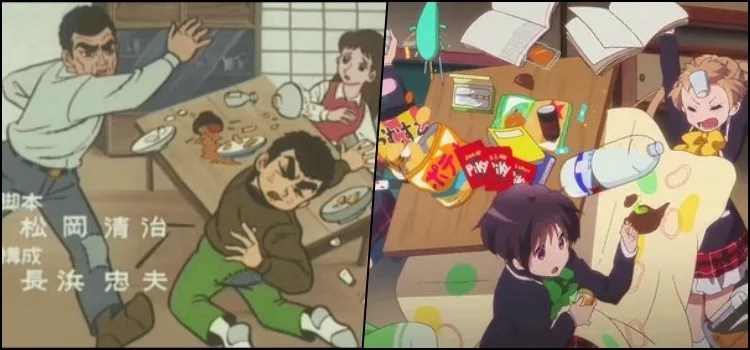
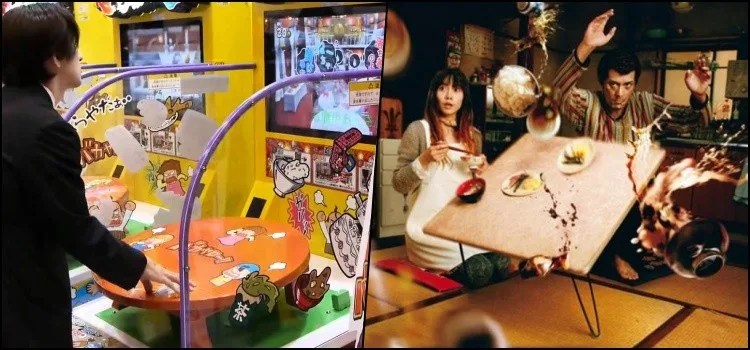
Is it normal when we get angry to throw something at people? In Japan, this becomes more fun because houses have a small table called chabudai (卓袱台). These small wooden tables that have a low height of 15 to 30cm can be easily thrown up when a person is stressed. This act of flipping and throwing the table is called Chabudai Gaeshi (ちゃぶ台返し).
The act of throwing the table in anger has typically been represented by frustrated husbands and fathers in TV shows, mangas, and animes. The first occurrence was in a 1968 anime/manga called “Star of the Giants” and in a 1975 dorama called “Terauchi Kantarou Ikka”. Throwing the table expresses anger, frustration, and disapproval. The chabudai gaeshi is seen as an action of outdated parents, an act that can destroy the family.
Chabudai tables are placed on floors that have tatami, where people sit on a zabuton or on the floor. These tables are used for various purposes such as studying, playing, and even dining. In winter, these tables are replaced by a kotatsu.
Chabudai Emojis – Flipping the table
Japan being one of the countries that invented the emoji, created several expressing the action of flipping and throwing tables at people. These text-based emoticons likely emerged in the early 1990s. Let’s see some below:
(ノ≧∇≦)ノ ミ ┸┸)`ν゚)・;’;
(ノTДT)ノ ┫:・’.::・┻┻:・’.::・
(ノ≧∇≦)ノ ミ ┸━┸
(ノ*`▽´*)ノ ⌒┫ ┻ ┣ ┳
(ノ`m´)ノ ~┻━┻ (/o\)
⌒┫ ┻ ┣ ⌒┻☆)゚⊿゚)ノWTF!
┻━┻︵└(´▃`└)
(ノ ̄皿 ̄)ノ ⌒=== ┫
(-_- )ノ⌒┫ ┻ ┣
┻━┻ ︵ヽ(`Д´)ノ︵ ┻━┻
ノ`⌒´)ノ ┫:・’.::・┻┻
(┛ಸ_ಸ)┛彡┻━┻
(╯°□°)╯︵ ┻━┻
(┛✧Д✧))┛彡┻━┻
(┛◉Д◉)┛彡┻━┻
(ノ`⌒´)ノ ┫:・’.::・┻┻:・’.::・
(ノಥ,_」ಥ)ノ彡┻━┻
(ノ´・ω・)ノ ミ ┸━┸
(╯ರ ~ ರ)╯︵ ┻━┻
─=≡Σ((((╯°□°)╯︵ ┻━┻
┻━┻ミ\(≧ロ≦\)
┻━┻ ︵ ¯(ツ)/¯ ︵ ┻━┻
ミ┻┻(ノ>。<)ノ
.::・┻┻☆()゚O゚)
┻━┻︵└(՞▃՞ └)
(ノ`´)ノ ~┻━┻
(ノಠ益ಠ)ノ彡┻━┻
ヽ༼ຈل͜ຈ༽ノ⌒┫ ┻ ┣
༼ノຈل͜ຈ༽ノ︵┻━┻
ミ(ノ ̄^ ̄)ノ≡≡≡≡≡━┳━☆() ̄□ ̄)/
(ノ`A”)ノ ⌒┫ ┻ ┣ ┳☆(x x)
The table flipping game – Cho chabudai gaeshi
This culture of flipping the table when angry has even turned into a game called cho chabudai gaeshi, whose only objective is to flip the table and throw it, scoring points. This game can be found in the arcades in Japan. The game offers the option to choose scenarios and characters, then just play and flip the table in the best way possible.
Thank you for reading, we appreciate the comments and shares. To conclude the article, watch a video of Velberan flipping the table:
Today I would like to talk about the visa for Japan and the experience I had when obtaining it. In this article, I will specifically talk about the tourist visa! Details of all other types of visas can be found on the official websites of the consulate in each region of Brazil; I will leave the links at the end of the article. I hope the tips in this article help you obtain your tourist visa for Japan.
The tourist visa in Japan is known as a short stay. It can be used to enter the country for leisure travel, visiting relatives, conferences, business, or transit. The main things you need to know are that the visa for Japan is not difficult to obtain; it takes only 2 days, costs approximately 79.00R$, and can have a duration of 15, 30, 45, and 90 days depending on your travel itinerary.
Documents required for the Japan visa
Copy of your ID (authenticated if not present);
Valid passport and previous passports with Japanese visa;
One recent 4.5 x 4.5 cm photo (some places accept 3×4);
Round-trip reservation or ticket;
Reservation of the hotels where you will stay;
Pay stubs and documents proving your occupation and income;
Income tax with receipt;
Bank statement from the last 3 months;
Completed visa application form;
Detailed travel itinerary;
We recommend checking all the details and documents that need to be filled out on the official website of the embassy or consulate in your region, as they may differ from one another. The visa fee is paid on the day of collection, and with the visa in hand, you have 3 months to enter Japan.
If you are staying at someone’s house, we recommend checking the details on the website, but several other documents and proofs are required to stay at a relative’s or friend’s house.
Tips about the Japan tourist visa
The visa can be requested through travel agencies registered with the consulate or embassy. I believe it is money poorly spent, as it is quite easy to go to the nearest embassy or consulate.
If you want to visit Okinawa, your consular fee is waived. You need to prove your ticket to Okinawa and a hotel reservation. If you decide to visit Okinawa, it is possible to find cheap plane tickets for around 500 reais.
It is said that it is good to have around 100$ per day that you will be in Japan. The consulate does not require or specify the necessary amount of money in the account to approve the visa, but it is good to have a good amount. Even if you are exempt, declare your income tax!
The type of visa varies according to the purpose of the trip. There are different types of visas for short and long stays. For students, employees, athletes, artists, religious activities, multiple entries, and others.
More tips I will mention below when sharing my experience at the embassy. The tip is not to worry too much when trying to obtain the tourist visa for Japan. Also remember that the visa can be extended while you are in Japan.
Multiple entry visa
If you are someone who wishes to travel to Japan several times or every year, there is a multiple entry visa. This visa is valid for 3 years and allows you to stay a maximum of 90 days each time you enter the country.
With the multiple entry visa, you can travel to Japan without needing to go to the consulate every time you want to travel. The requirements are not easy, but if you have a good financial condition, you can try. See the requirements below:
Have visited Japan for a short stay in the last three years (Proof with the passport);
Engage in paid activity and have sufficient income or be dependent on someone with sufficient income;
Just like the tourist visa, the maximum travel time will depend on the requirements you meet.
My experience with the tourist visa
I was not very lucky when obtaining my visa for the first time; I went on a Monday to the Japanese embassy on July 18, but it was closed because it was a holiday in Japan, Ocean Day. xD So make sure it is not a holiday in Japan.
Be prepared to alter your itinerary; sometimes it may be necessary to shorten the trip due to lack of money; they will check this before you submit your visa application, so prepare different reservations to avoid unnecessary trips.
I made an itinerary for 15 days but received a visa for 30. I don’t know if this always happens, nor do I recommend making changes to your itinerary when you have the visa in hand. If you want a month in Japan, make an itinerary for 17 days to facilitate approval.
When you arrive in Japan, you will have to go through the counters, and the guard will ask you questions and look at your passport! So be careful, as they might send you back if your itinerary is completely different from the one sent to the consulate.
My visa was requested in the morning, and it was approved and issued on the same day. You should pick it up after 2 days and can try calling the consulate or embassy beforehand to know details and not miss the trip.
And if you go to the embassy, be careful! It didn’t happen at the Japanese embassy, but just because my friend took a photo of a bird in front of the Israeli embassy, the guard came to argue with him.
It is strictly forbidden to photograph the wall outside the embassies, at least the one in Israel. You can forget about bringing a cell phone or camera into the embassies; in some consulates, you can bring a cell phone, but not use it.
Stay calm and don’t be anxious! I hope these tips have helped you who are planning your trip to Japan and need to obtain the visa.
On April 2, 2011, another Japanese viral was born that spread all over the world. The famous Nyan Cat, also known as Pop Tart Cat, appeared with its animation and repetitive music to addict and torment internet users. Have you ever stopped to think about how this meme or viral originated? In this article, we will see a little more about Nyan Cat and its popularity.
For those who don’t know, Nyan Cat is simply an 8-bit animation that shows a cat with the body of a cherry that looks more like a box flying through space. This animation is accompanied by an annoying yet addictive song. This simple feat was able to make thousands of different versions emerge, and also made youtubers, gamers, and other internet creators use it in their projects.
How did Nyan Cat originate? What is its origin?
Nyan Cat was posted on a comic site called LOL COMICS on April 2, 2011. It was created by Chris Torres known as prguitarman who was inspired by his own Russian cat. It was posted only as a gif animation, but on April 5, 2011, a youtuber named Saraj00n posted a video with this gif animation accompanied by a Japanese song made in Vocaloid named Nyanyanyanyanyanyanya.
It was precisely this song composed by the artist Daniwell-P with the voices of Utauloid Momo Momone (the initial idea was to use the famous Hatsune Miku). Quickly, the video surpassed millions of views. Various websites, blogs, and social networks began to spread the animation and music even more across the internet. Today the video has surpassed 150 million views just on the original video, and it is believed that the views may have exceeded billions. Nyan Cat was responsible for the emergence of various games, videos, fan art, memes, and even other virals.
Influence and curiosities about Nyan Cat
On April 13, 2011, the official site nyan.cat emerged along with various other sites where you can follow the animation and the annoying music. There is even a timer to test how long people can stand listening to this song. Various games, apps, and other similar sites began to appear on the internet. Cat was even referenced in the mobile game Buffalo Bison Revenge.
There are reports that Slipknot used the rhythm of the Nyan Cat song in their song psychosocial. This resulted in thousands of comments saying nyanyanyanyanyanyanya on Slipknot’s videos.
Even YouTube got in on the action; in June 2011, it added a progress bar of nyancat in its videos, but it was disabled on July 5. Additionally, various types of loading screens in videos and operating systems received a Nyan Cat theme. Below we leave another video with various different versions of Nyan Cat.
Even after years, this viral still appears and is often remembered. What do you think of Nyan Cat? We appreciate the shares and comments.
You have probably seen someone wearing a geta – a wooden footwear, even if it’s just in movies. Have you ever wondered why? What is the need? What is it for? In this article, we will answer all these questions.
Geta [下駄] is considered a sandal, with a wooden base, similar to a clog, it serves to prevent the foot from coming into contact with the ground. They are worn with traditional Japanese clothing, such as kimono or yukata, or during the summer months.
What is Geta for?
Its purpose is to prevent the foot from coming into contact with snow or rain and to keep the foot dry; it also prevents the kimono from dragging on the ground. In its simplest form, geta is a thick wooden sandal supported on a single piece of wood. The wooden base piece is called a tooth (ha [歯]). Wearing it with only 1 tooth requires a lot of balance, which is why today most have 2 teeth.
Since geta are usually worn only with yukata or other informal clothing, there is no need to wear socks; in some more formal cases where a kimono is worn, they prefer to use zorisandals made from rice straw or other fibers.
The reason for wearing these high platform shoes is not due to fashion, but for practical reasons. If you are wearing an expensive kimono, you wouldn’t want to dirty it with mud.
Curiosities about Geta
Karankoron – Geta makes a noise when you walk. In the Japanese language, this sound is called “karankoron”.
Geisha – The geishas and maiko (apprentices) often wear a type of geta called okobo (or “pokkuri” and “koppori”), okobo are very high and are generally made from a block of willow wood instead of having teeth.
Breaking the tooth – Breaking the tooth of the geta is considered bad luck. For this reason, many people avoid buying cheap footwear, but they are surprisingly easy to break. It is still possible to find places to repair it when broken.
Tetsugeta – These are iron geta, weighing from 3 to 5 kilograms. They were historically used by students of martial arts like karate, to strengthen the legs.
Types of Geta
There are different types of geta, usually categorized by some special characteristic in each of them. Now let’s list the types of Japanese clogs that exist:
Ashida [足駄] – High clogs; rain clogs;
Yamageta [山下駄] – Mountain geta, raw geta, usually made of Japanese cedar;
Kōshi [厚歯] – Clogs with thick teeth in the anterior-posterior direction. Called Bunkara by some students.
Yanagigeta [柳下駄] – Low geta made of willow.
Umageta [馬下駄] – Ancestral made of cedar with different teeth and square. Similar to a horse’s hoof.
Komageta [駒下駄] – A clog that can be worn in any weather. Introduced in the late 17th century and widely used by everyone.
Kirigeta [桐下駄] – Initially painted black, it was used as a luxury item;
Tetsugeta [鉄下駄] – Iron clogs instead of wood.
Takageta [高下駄] – High clogs with long teeth in the vertical direction.
Tageta [田下駄] – The oldest footwear in Japan, which was extracted from remains of the Yayoi period. It is believed to have been used in rice fields and swamps.
Ipponba [一本歯] – Used for walking in mountains, used by monks who practiced in the mountains. It is said to be the origin of the tengu also called tengu clog.
Yoshiwarageta [吉原下駄] – Almost the same as Yamashita, but made of cedar. The thong is made of bamboo skin.
Sukerokugeta [助六下駄] – The clog that the main character is wearing in Kabuki 18 “Sukeroku”. It became popular at the time of its debut (1713).
Ukongeta [右近下駄] – A toothless obstruction with a curved surface. The area around the foot is excavated.
Hiyorigeta [日和下駄] – Geta for use in dry weather.
Toshihisageta [利久下駄] – It is said that Senrikyu invented it.
Azumageta [吾妻下駄] – A type of geta for women with a tatami insole.
Nikkōgeta [日光下駄] – Traditional from Nikko.
Odawarageta [小田原下駄] – From Odawara, the roots of the teeth do not appear and can be replaced.
Shinshoku-yō geta [神職用下駄] – Round clogs made of synthetic white leather used by priests.
Pokkurigeta [ぽっくり下駄] – Got this name because of the sound, they are used by geisha and maiko.
Getasukēto [下駄スケート] – Geta with skating blades.
Robou [露卯] – Clogs with different teeth, where you can see the hozo of the teeth on the table.
Hachitsuwari (yatsuwari) [八ツ割(ヤツワリ)] – Clog without teeth.
Videos about Geta
To finish the article, I will leave a video for you to see the sound that geta makes, how to use it and walk with it. See that it is not a monster with seven heads.
Have you ever asked what school subjects exist in Japan? What topics are covered in a university in Japan? The Japanese have a freedom when it comes to studying; they can choose which subjects to learn, of course, there are mandatory ones. In this article, we will see a list of school subjects in Japanese.
Among the Japanese subjects are Japanese language, social studies, mathematics, sciences, music, arts, health, and physical education, in addition to different classes such as domestic and industrial work, moral education, and citizenship. It is worth highlighting that the kanji Gaku [学] means to learn and study; it will be present in many of the subjects and words in this article.
Unlike school subjects in Brazil, academic topics in Japan are divided into 4 categories that we will see throughout this article.
Human sciences do not refer to the science we know, but rather to the study and behavior of humans.
Kanji
Kana
Rōmaji
Portuguese
哲学
て つ が く
tetsugaku
Philosophy
歴 史
れ き し
rekishi
History
文学
ぶ ん が く
Bungaku
Literature
語 学
ご が く
Gogaku
The study of language
Gogaku should not be confused with 言語学 (gengogaku) “linguistics” (the study of language in general);
社会科学 / Shakai kagaku / Social Sciences
As the name suggests, this science studies the social aspects of the human world.
Kanji
Kana
Rōmaji
Portuguese
心理学
し ん り が く
shinrigaku
Psychology
社会学
し ゃ か い が く
shakaigaku
Sociology
1
言語 学
げ ん ご が く
gengogaku
Linguistics
2
人類学
じ ん る い が く
jinruigaku
Anthropology
地理 (学)
ち り (が く)
chiri (gaku)
Geography
3
経 済 (学)
け い ざ い (が く)
Keizai (gaku)
Economics
4
政治 学
せ い じ が く
seijigaku
Political Science
Should not be confused with gogaku (語学) “the study of language” (learning a language like Japanese or English);
人類 (Jinrui) = Humanity;
経済 (Keizai) = Economics;
政治 (seiji) = Government / politics;
自然科学 / Shizen kagaku / Natural Sciences
Kanji
Kana
Rōmaji
Portuguese
1
生物 (学)
せ い ぶ つ (が く)
seibutsu (gaku)
Biology
2
化学
か が く
kagaku
Chemistry
物理 (学)
ぶ つ り (が く)
butsuri (gaku)
Physics
天文 (学)
て ん も ん (が く)
tenmon (gaku)
Astronomy
地質 (学)
ち し つ (が く)
chishitsu (gaku)
Geology
3
環境 科学
か ん き ょ う か が く
Kankyou kagaku
Environmental Science
生物(seibutsu) = Living beings;
科学 = Also pronounced kagaku, means “science”;
環境 (Kankyou) = Environment;
Other school subjects in Japan
Kanji
Kana
Rōmaji
Portuguese
数学
す う が く
suugaku
Mathematics
統計 (学)
と う け い (が く)
toukei (gaku)
Statistics
工 学
こ う が く
kougaku
Engineering
医学
い が く
Igaku
Medical Science
コンピューター・サイエンス
Konpyūtā Saiensu
Computer Science
英語
え い ご
eigo
English
音楽
おんがく
ongaku
Music
雪氷 学
せ っ ぴ ょ う が く
seppyougaku
Glaciology
史学
し が く
shigaku
History
家庭 科
か て い か
kateika
Home Economics
国語
こ く ご
kokugo
Japanese
日本語
に ほ ん ご
nihongo
Japanese
体育
た い い く
taiiku
Physical Education
宗教
し ゅ う き ょ う
Shuukyou
Religion
Unfortunately, some subjects may have been left off the list, such as optional subjects or school clubs. Thank you for visiting our site; we appreciate the comments and shares. xD

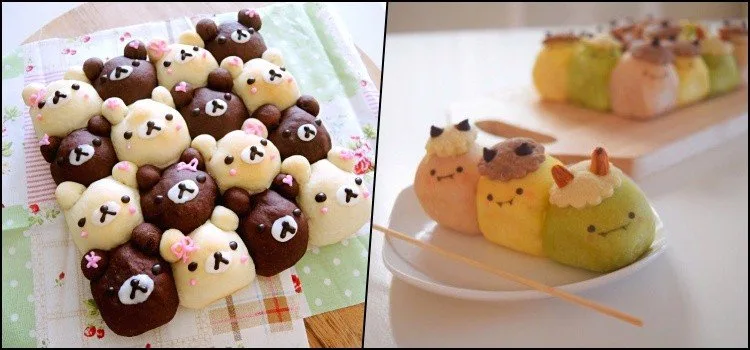


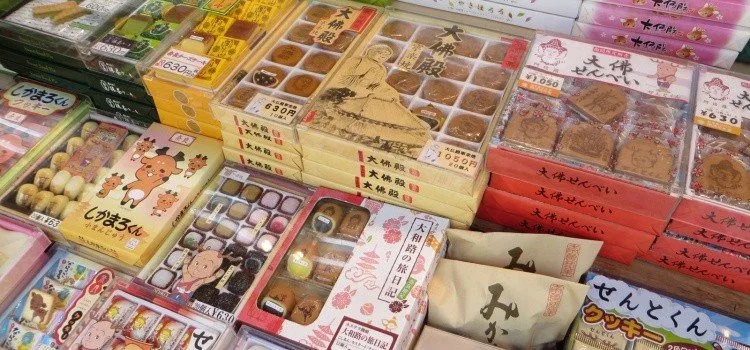


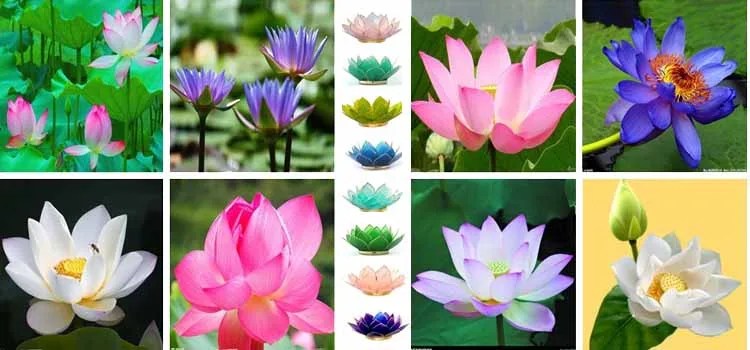
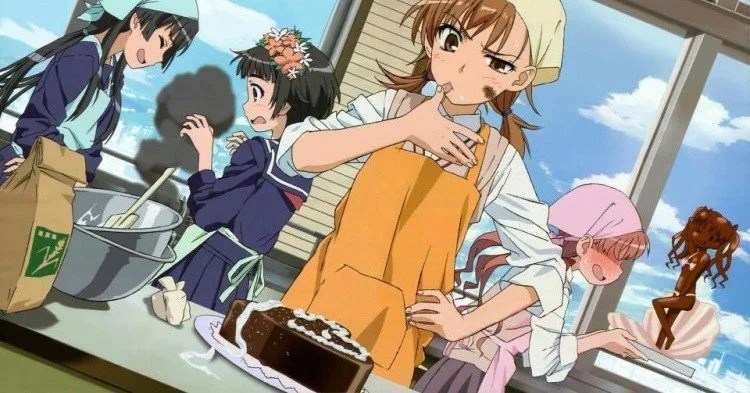

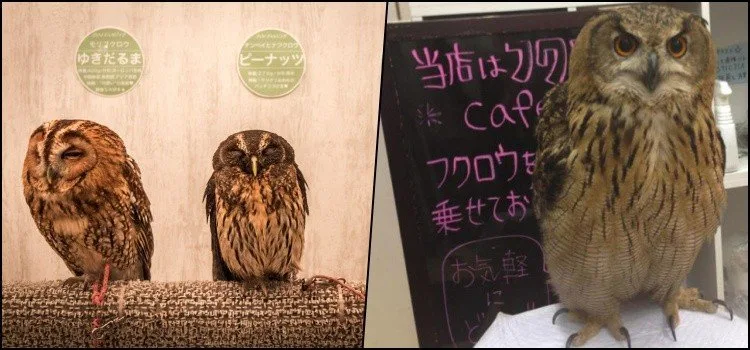


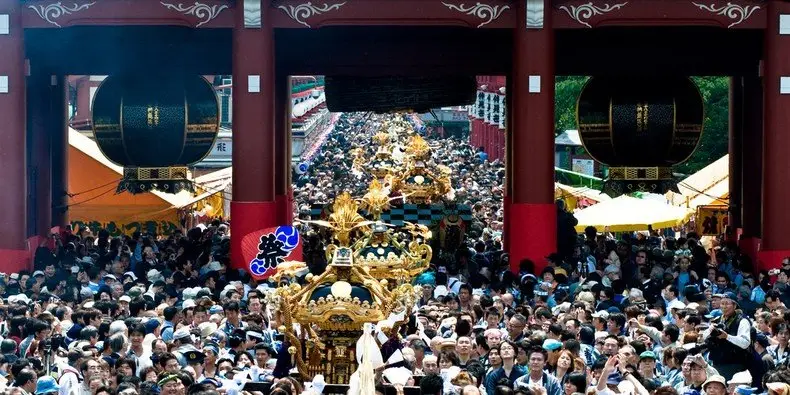

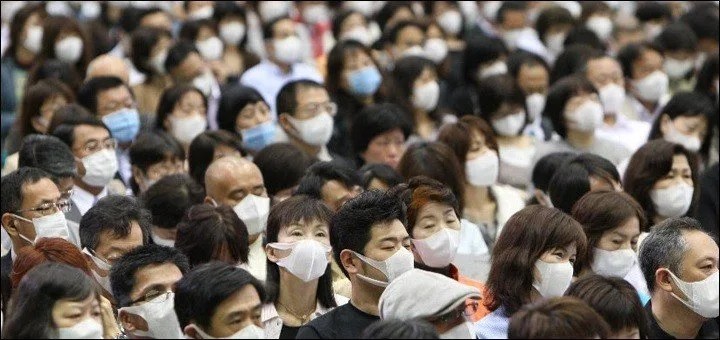


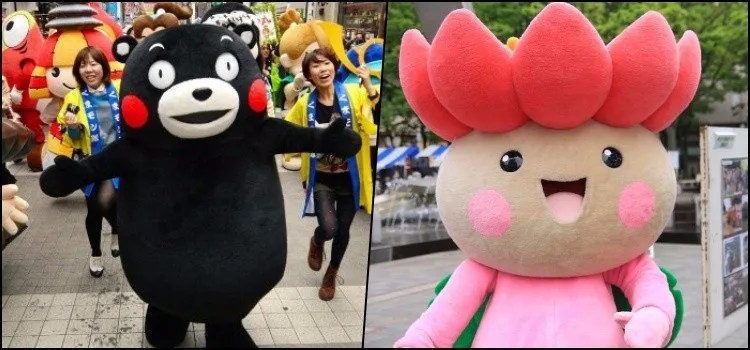
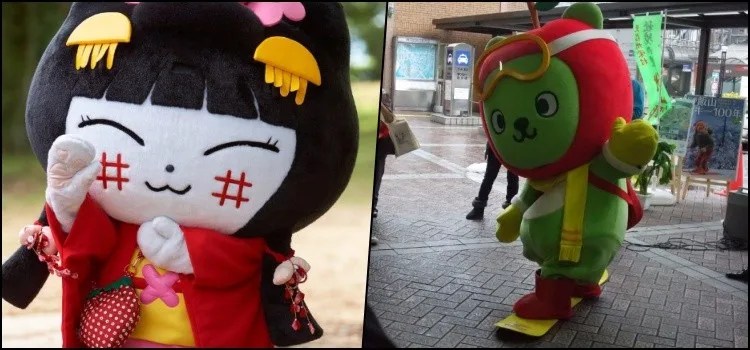
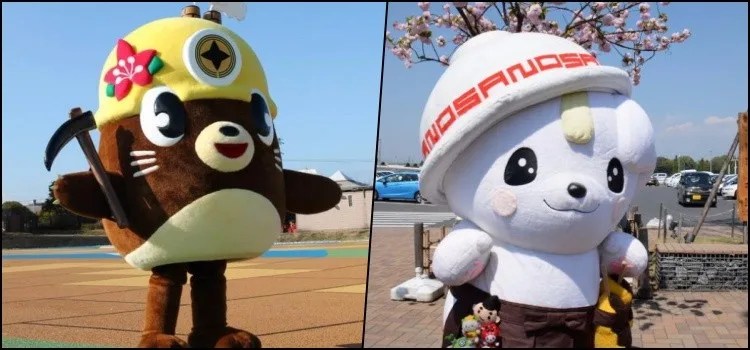
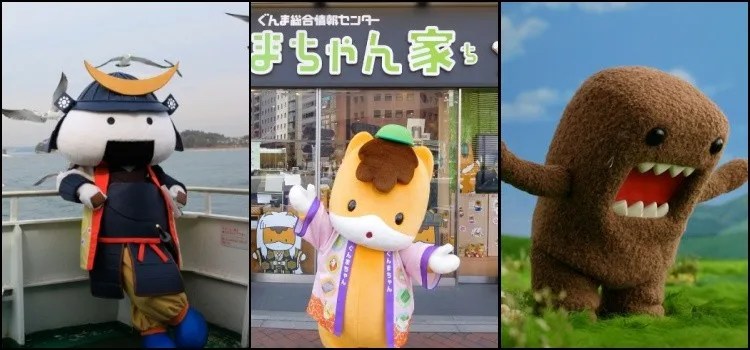
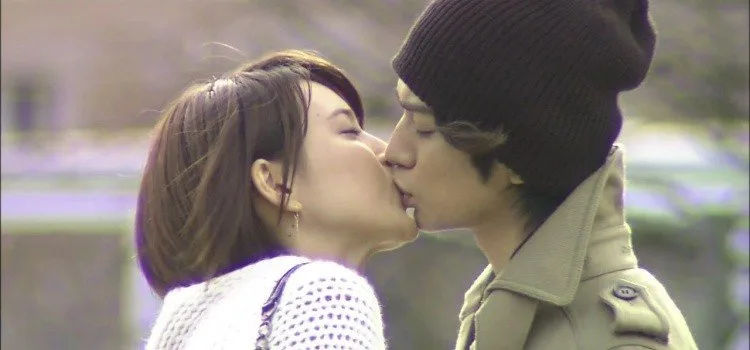


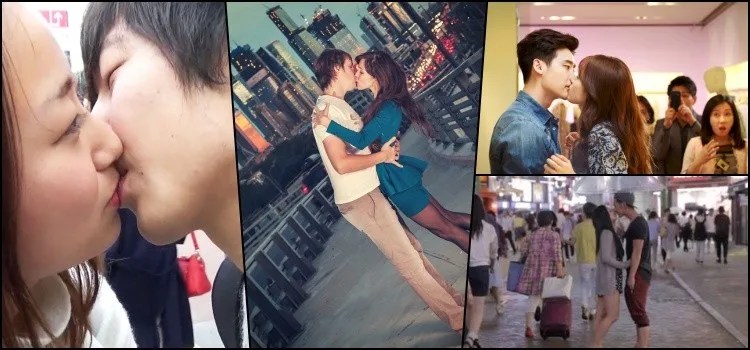
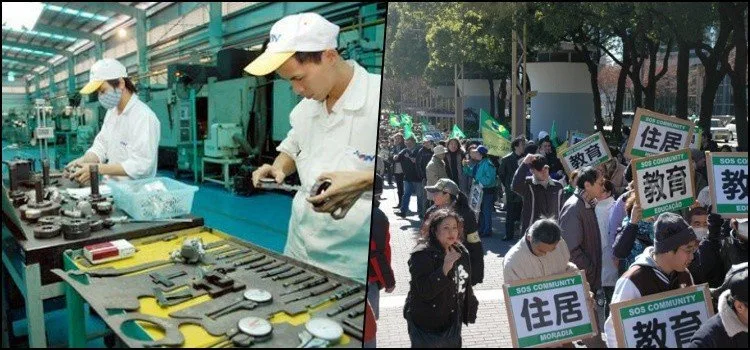
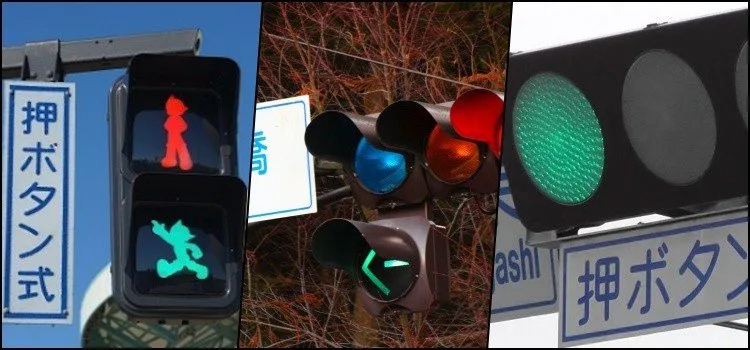




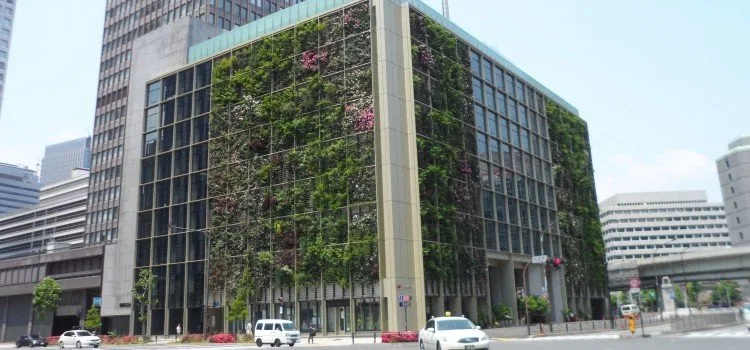

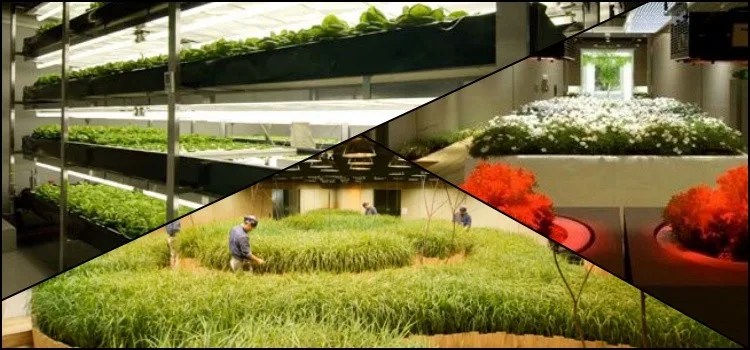
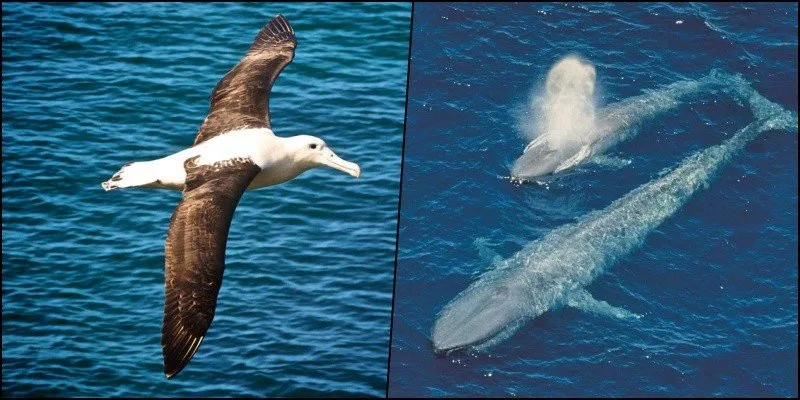




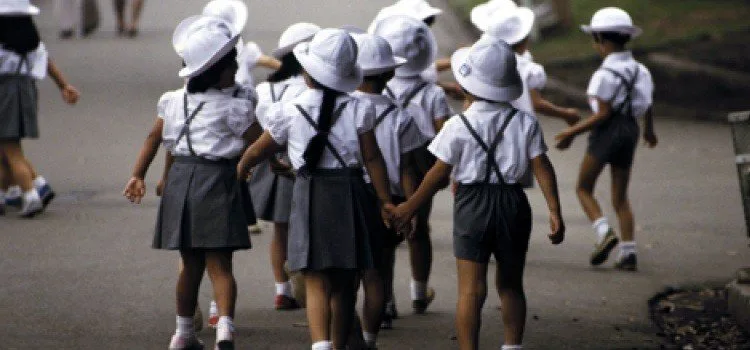
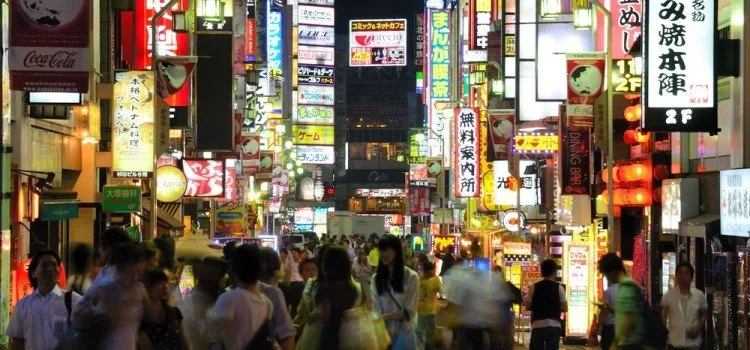


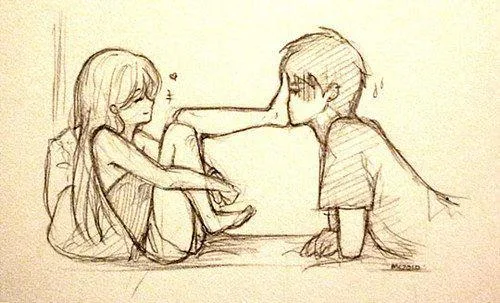


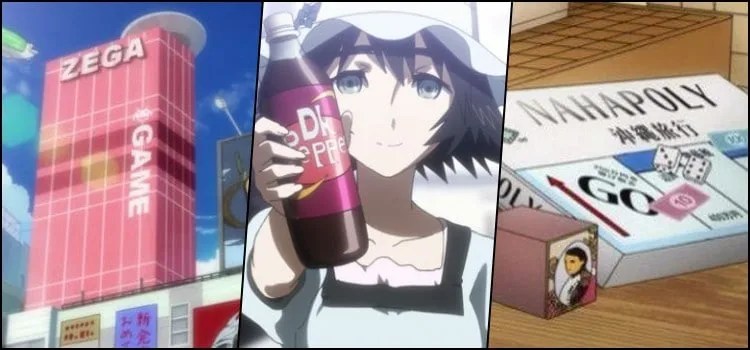

 After thousands of references to the horse head mask, it became popular all over the world. One of the first references happened in 2005 in a guide called Lonely Planet, which told the story of travelers who wore horse masks.