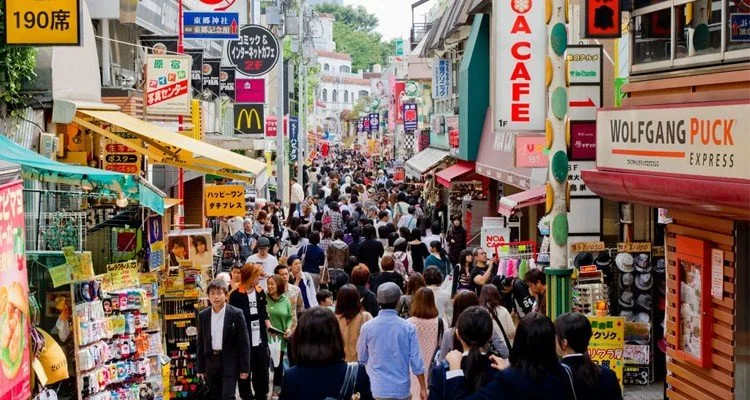
If you are traveling through Tokyo, Yoyogi Park or Yoyogi Koen (代々木公園) is an essential place to visit on your trip. Its location is great, sitting between Shibuya, Shinjuku, and Harajuku, three of the most popular tourist neighborhoods in Tokyo. In other words, the park sits among well-known stops such as Meiji Shrine, shops and cafes, Hachiko, and others.
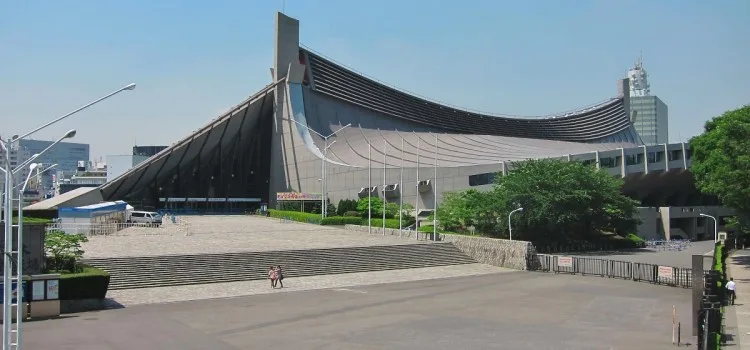
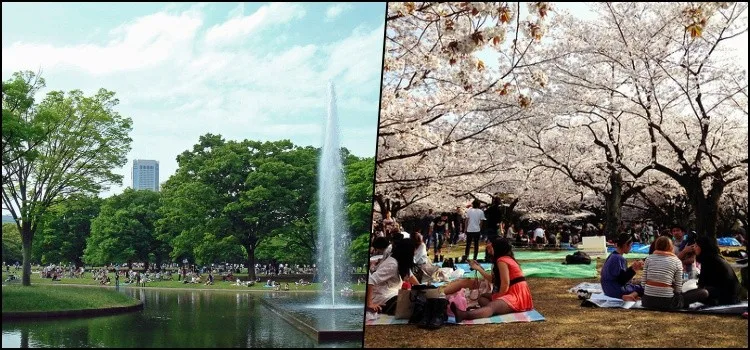
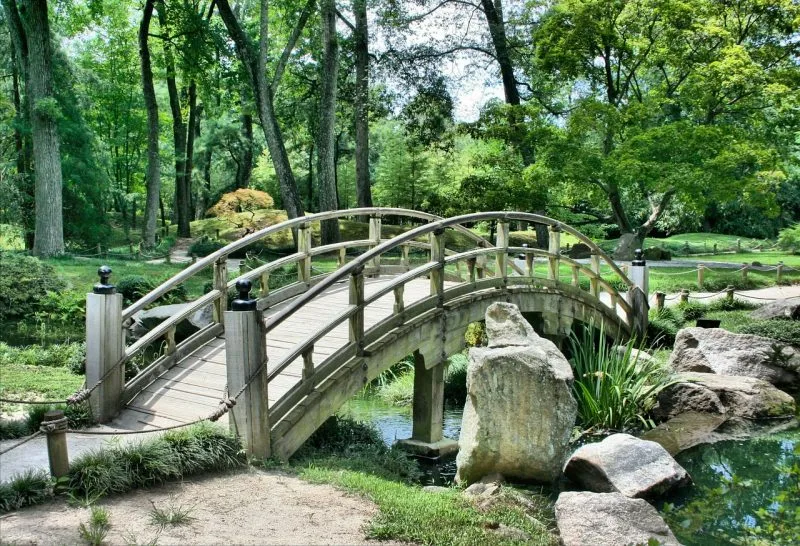
Yoyogi Park is quite peaceful, with plenty of green space and a pond with fountains and water jets. There are several vending machines for drinks, cute dogs walking around, and the NHK Broadcasting Center next door, which may give you a chance to spot a Japanese artist. The park is enormous, about 54 hectares (roughly 545,000 m²), enough to swallow a large piece of the neighborhood. It is not Tokyo's largest park, but among metropolitan parks in the 23 wards it ranks fifth. A road splits it in two: a forest area with tall trees and three fountains that can reach 15 to 30 meters, and a side with sports facilities, an athletics stadium, and baseball fields.
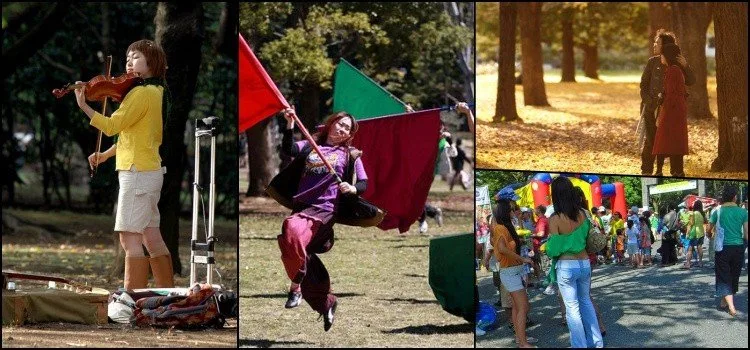
In addition to enjoying nature and wildlife, events are held in the park throughout the year. On weekends, there are many street performers, families, and friends enjoying picnics and sports. It is worth walking through all the trails and feeling nature. Even with all that green in the middle of the city, some people find it monotonous and prefer smaller, more colorful gardens.
Curiosities about Yoyogi Park
Yoyogi Park stands on the old Yoyogi Parade Ground, where Japan's first successful powered flight took place on December 19, 1910. The army used the land for decades. After 1945 it became Washington Heights, housing for U.S. forces, then the athletes' village for the 1964 Tokyo Olympics. The public park opened on October 20, 1967.
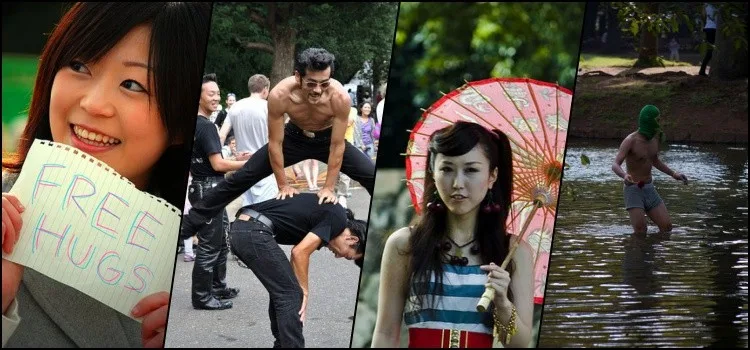
If you go to the park on a Sunday, you will find all kinds of people: dancers practicing, actors rehearsing a scene, drunk people, parties, lovers making out, tourists with giant cameras, fashion events, dogs running around, rockers, and so on. In the center of the park, you will find Chuo Hiroba, a grassy plaza with a large pond and fountains, a clock tower, and a flower garden with more than 30 different varieties.
At the gate next to the park office, you will find a monument to 14 members of Daito-juku, a right-wing group that committed suicide at the site on August 25, 1945.
The Olympic Village still leaves a mark in the southeast corner of the park. There you will find the Sample Garden, with trees grown from seeds that 1964 Olympic athletes brought from their countries. By the Harajuku gate, the old Dutch team house is still standing; in April 2026 it reopened as a café, keeping the same exterior. Yoyogi Park is well known for its relaxed and friendly international atmosphere. Here is the place where Japanese people open up and do what they want despite Japan's rigidity.
My visit to Yoyogi Park
My experience was not one of the best; I was alone and it was raining. I got off at Shibuya station and took a photo with Hachiko, then went to the busiest crossing in the world, which was empty due to the rain, and it was morning. I bought some clothes and then took the long route through the park, through Harajuku until I reached Shinjuku...
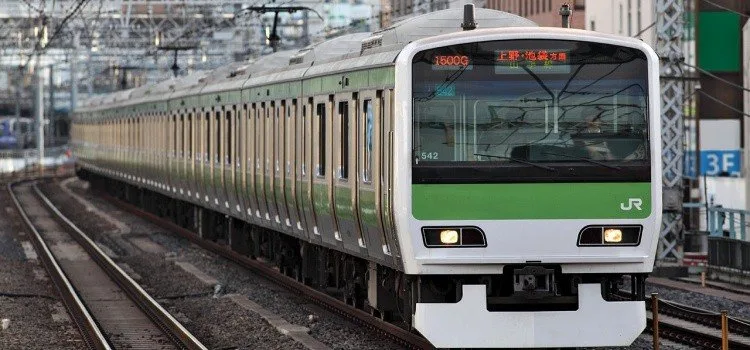
I recommend taking this route, so you have the opportunity to see all the places in one day. If you want to access the park quickly, get off at Harajuku Station — about a three-minute walk from the gate. Yoyogi-koen, Meiji-jingumae, and Yoyogi-Hachiman are close as well. The grounds stay open around the clock and entry is free, though some sports facilities charge. Have you visited Yoyogi Park? What was your experience? We would love to hear about it in the comments, and we appreciate you sharing.
Kevin Henrique has written about the Japanese language, culture, anime, games, and travel since founding Suki Desu in 2014. He first visited Japan in 2016.
Community
Comments
0 comments
There are no published comments in this language yet.

 In addition to enjoying nature and wildlife, events are held in the park throughout the year. On weekends, there are many street performers, families, and friends enjoying picnics and sports. It is worth walking through all the trails and feeling nature. Even with all that green in the middle of the city, some people find it monotonous and prefer smaller, more colorful gardens.
 At the gate next to the park office, you will find a monument to 14 members of Daito-juku, a right-wing group that committed suicide at the site on August 25, 1945.
The Olympic Village still leaves a mark in the southeast corner of the park. There you will find the Sample Garden, with trees grown from seeds that 1964 Olympic athletes brought from their countries. By the Harajuku gate, the old Dutch team house is still standing; in April 2026 it reopened as a café, keeping the same exterior. Yoyogi Park is well known for its relaxed and friendly international atmosphere. Here is the place where Japanese people open up and do what they want despite Japan's rigidity.
At the gate next to the park office, you will find a monument to 14 members of Daito-juku, a right-wing group that committed suicide at the site on August 25, 1945.
The Olympic Village still leaves a mark in the southeast corner of the park. There you will find the Sample Garden, with trees grown from seeds that 1964 Olympic athletes brought from their countries. By the Harajuku gate, the old Dutch team house is still standing; in April 2026 it reopened as a café, keeping the same exterior. Yoyogi Park is well known for its relaxed and friendly international atmosphere. Here is the place where Japanese people open up and do what they want despite Japan's rigidity.
 I recommend taking this route, so you have the opportunity to see all the places in one day. If you want to access the park quickly, get off at Harajuku Station — about a three-minute walk from the gate. Yoyogi-koen, Meiji-jingumae, and Yoyogi-Hachiman are close as well. The grounds stay open around the clock and entry is free, though some sports facilities charge. Have you visited Yoyogi Park? What was your experience? We would love to hear about it in the comments, and we appreciate you sharing.


Community
Comments
0 comments
There are no published comments in this language yet.
Send comment