
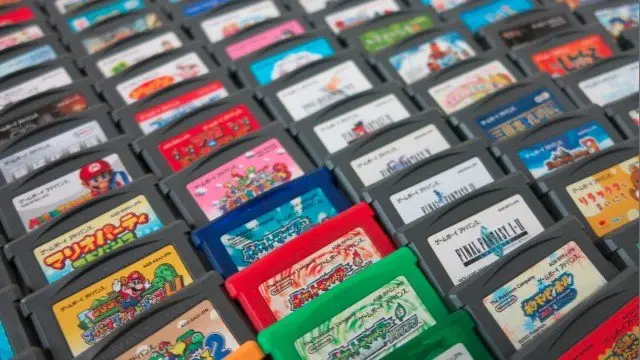
Video games are a core part of Japanese popular culture. From the arcade boom of the late 1970s and the rise of early home consoles to the global success of modern gaming, Japan has shaped the industry in a big way. In this article, we take a closer look at that influence and at the parts of Japanese gaming culture that make it so distinct.
From Nintendo and Sony to game centers, pachinko, and visual novels, Japan's gaming scene is much wider than just consoles.
Contents 5
Nintendo and Sony
The two biggest names in Japan's games industry are Nintendo and Sony. Nintendo helped define modern gaming with systems like the Famicom, Game Boy, DS, and later the Switch. The company has always focused on strong first-party characters, accessible gameplay, and a broad audience.
Sony took a different path with the PlayStation brand: more power, stronger third-party support, and a lineup that often leaned toward more realistic or mature games. That approach made Sony a global force and gave it a very different identity from Nintendo.
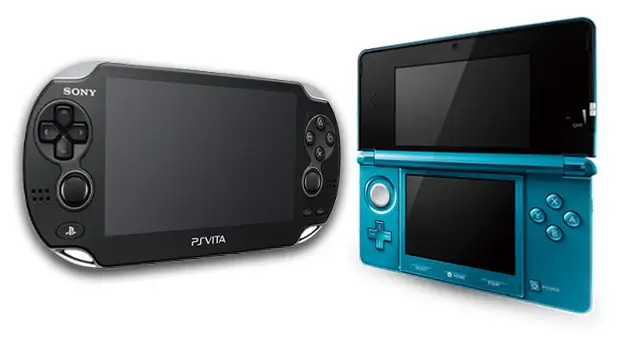
Microsoft never found the same level of success in Japan. It has a loyal audience, but the market has long belonged mainly to Nintendo and Sony. In the handheld space, Nintendo remained dominant for years, while Sony's portable systems found a niche with visual novels and anime-based games.
Game Centers
The famous arcade halls are still very popular in Japan. While many have faded in the West, Japanese game centers still offer rhythm games, fighting games, claw machines, and plenty of other classics. They remain an important part of everyday entertainment in the country.
If you want to see the subject in video form, here is the Velberan video we reference: YouTube video. His channel Japan through other eyes is also worth a look.
Pachinko
Another hugely popular pastime in Japan is pachinko, a Japanese-style game and gambling system. Pachinko halls can be found across the country, and the industry remains a major business. For many players, pachinko is more about entertainment than traditional betting, because the experience often focuses on prizes or points rather than direct cash wagering.
Game centers also have similar machines, including claw games that let players win stuffed animals and other prizes. That blend of play, luck, and collecting is very typical of Japanese entertainment culture.
Visual Novels
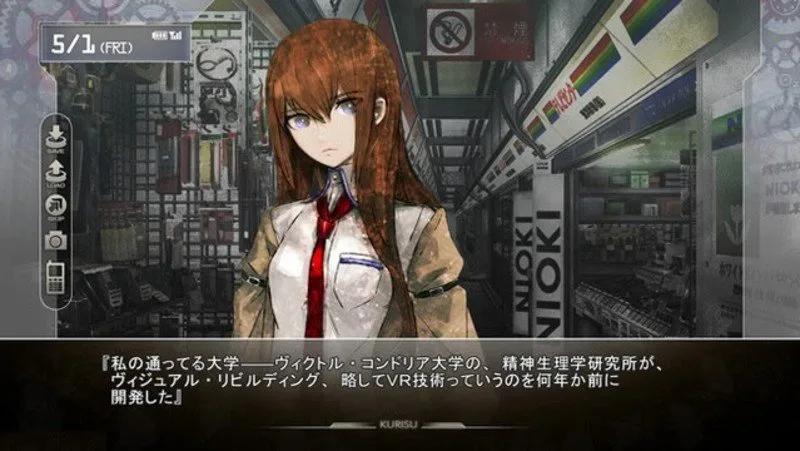
Visual novels are extremely popular in Japan. These are story-driven games where reading, dialogue, and player choices matter more than fast action. Many titles are romantic, others are darker or more experimental, and some are even erotic.
These games are built around text, images, and branching decisions. Some later become anime adaptations, while others are based on anime or manga in the first place. That is why visual novels are such an important part of Japanese game culture.
The Influence of Manga and Anime on Games
Every year, Japan produces thousands of games tied directly or indirectly to manga and anime. A large share of them are visual novels, but there are also adventure, fighting, and strategy games that reach a wide audience. Portable consoles, in particular, have long been a strong home for this kind of release.
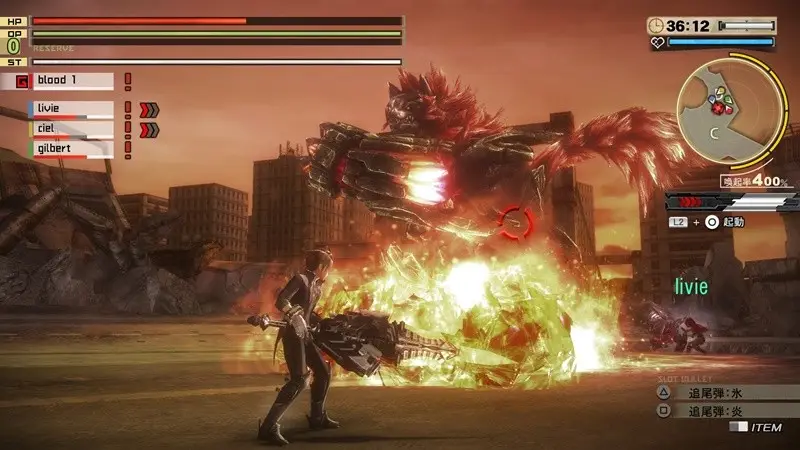
Many well-known franchises have also crossed into other media or inspired successful adaptations. Pokémon, Steins;Gate, and God Eater are good examples of how closely games, anime, and manga are connected in Japan.
Talking about video games in Japan is a huge topic, so this article is only a broad overview. Even so, it covers the main pillars of the scene, from consoles and arcades to pachinko and visual novels. And you? Which part of Japanese gaming culture interests you the most?




Community
Comments
0 comments
There are no published comments in this language yet.
Send comment