
Japan's healthcare system is built around public health insurance, local clinics and hospitals that handle specialist care. For a resident, the usual path is straightforward: show your health-insurance credentials, visit a clinic for a non-emergency problem, and use a referral when a larger hospital or specialist is needed. For a visitor, the priorities change: carry travel insurance, know how to find a facility that can communicate with you, and call 119 for an ambulance in a true emergency.
This guide explains what to expect without treating every illness or every city the same. Reception rules, language support, payment methods and referral fees vary by facility, so contact the clinic or hospital before going whenever you can.
Contents 6
Health insurance for residents in Japan
Japan has public health-insurance systems for residents. Employees are normally enrolled through work, while people who are not covered through an employer may use National Health Insurance through their municipality. Your exact eligibility, premium and paperwork depend on your residence status, household and local government, so the city or ward office is the right place to confirm an individual case.
For many covered services, an insured adult pays part of the bill at the point of care and insurance covers the remainder. A 70/30 split is common for adults, but there are exceptions based on age, income and the type of service. Coverage does not mean every treatment is free or included: ask before a procedure, private room, medicine or dental treatment if cost matters to you.
High bills are not always paid without a limit. Japan has a High-Cost Medical Expense Benefit for eligible insured care, which can reduce the monthly burden after the applicable threshold. The amount and process vary, so ask your insurer or municipal office before planned treatment. If you work in Japan, our guide to Shakai Hoken and social insurance gives useful context on the employee system.
Clinic or hospital: where should you go?
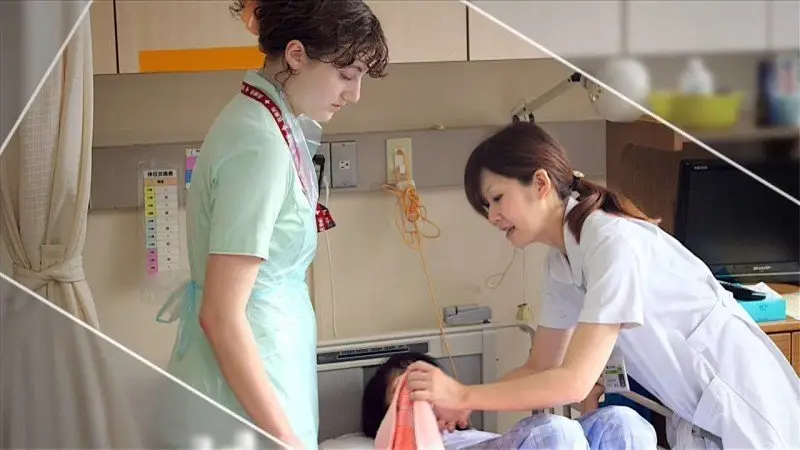
For a cold, rash, minor injury or recurring symptom, a neighbourhood clinic is often the practical starting point. Clinics may be small, focused on one specialty and easier to visit during regular hours. Bring your insurance credentials if you have them, plus a list of medicines, allergies and the reason for your visit.
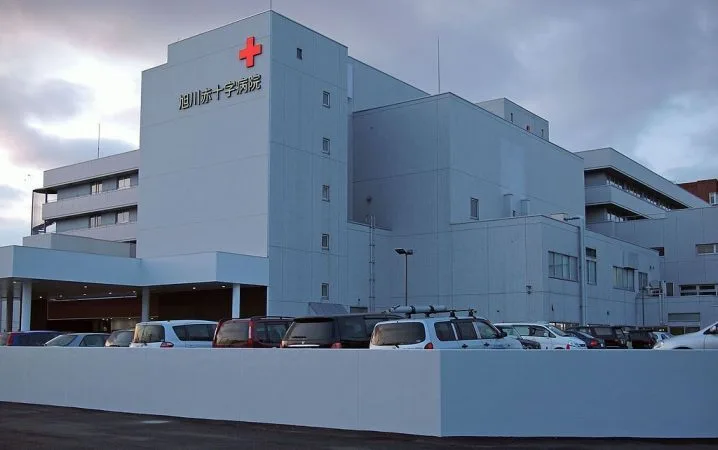
Hospitals handle more complex examinations, surgery, admission and emergency care. Many large hospitals accept patients directly, but a referral letter from a clinic is often useful and may help you avoid an additional charge at certain larger facilities. A referral also gives the hospital a short medical history and test results, which can save time.
Do not assume that every hospital has an English-speaking doctor, that every department is open every day, or that every facility accepts the same payment methods. Call ahead when your condition allows it. Japan National Tourism Organization's medical search lets visitors filter facilities by area, language and department, then check details with the facility itself.
What happens during a medical visit?
At reception, staff may ask for your health-insurance credentials, identification and contact details. A first visit can involve forms and a short description of symptoms. Keeping a note on your phone with the symptom, when it began, medicines you take and allergies can make the conversation easier. It is also useful to bring a Japanese translation of a key medical term, but do not rely on a translation app for urgent decisions.
After the consultation, you may receive a prescription for an outside pharmacy. Look for yakkyoku (薬局), a dispensing pharmacy, near the clinic or hospital. The pharmacist may confirm your name, explain timing and ask about other medicines. For everyday items, a drugstore can help, but prescription medicine and over-the-counter medicine are not interchangeable. Our guide to Japanese pharmacies explains what these shops commonly carry.
Keep receipts, prescription details and referral letters until the treatment is finished. They are useful for follow-up care and for a travel-insurance claim. If you need dental care, see our separate guide to dentistry in Japan; dental coverage and treatment plans need their own questions.
Visitors, travel insurance and language support
Short-term visitors should not assume that Japan's resident insurance system will cover them. Travel insurance with medical coverage can be crucial, especially if hospital treatment, transport or a change of travel plans is needed. Before travelling, save your insurer's assistance number and check how it handles payment, reimbursement and pre-approval.
When you need care, explain that you are a visitor, show your passport and ask about accepted payment methods before treatment when the situation is not urgent. Some facilities can support several languages; others may use a phone interpreter or ask you to bring someone who can help. The official JNTO guide is especially useful because it lists search filters for language, department, credit-card availability and emergency services.
Bring medicines in their original packaging and keep the prescription or a doctor's letter for regular medication. Rules for medicines brought into Japan can be strict, and a medicine that is common at home may not be handled the same way in Japan. For everyday illness vocabulary, our article on colds and flu in Japanese can help you describe a simple problem.
Emergency care: when to call 119
Call 119 for an ambulance when there is a serious or life-threatening emergency, such as a major injury, severe breathing trouble, loss of consciousness or symptoms of a possible stroke. The ambulance service will take the patient to an emergency facility; it is not a substitute for routine transport to a clinic.
If the problem can wait and you need medical advice or a clinic, use the local medical-information service or the JNTO search tool instead. During an emergency, give your location as clearly as possible, keep your phone available and prepare the patient's medicines or insurance information if it is safe to do so.
Quick checklist before seeking care
- For residents: bring health-insurance credentials and photo identification.
- For visitors: bring passport, travel-insurance details and payment method.
- Write down symptoms, allergies and current medicines before you leave.
- Call ahead for language support, opening hours and referral requirements.
- Use a clinic for routine problems when possible; save hospital emergency care for emergencies or referred treatment.
- Call 119 when an ambulance is needed.
Japan's system can feel unfamiliar on a first visit, but a little preparation prevents many common problems. Start with the right type of facility, ask clear questions about cost and communication, and keep official contact information saved before you need it.



Community
Comments
0 comments
There are no published comments in this language yet.
Send comment