
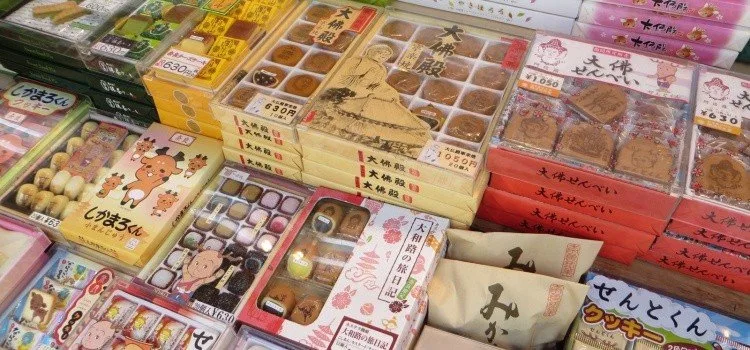
In Japan, gifting goes far beyond a simple exchange of objects; it is a true art that carries centuries of traditions and cultural values. The term "omiyage" (お土産), translated as "gift," "souvenir," or "remembrance," is the manifestation of this deeply rooted custom. These small mementos, found at any tourist spot in the country, represent gratitude, affection, and closeness.
While in other cultures giving a gift can be something punctual or occasional, in Japan it is seen as a nearly mandatory social act in certain situations. More than just an object, omiyage expresses respect and consideration for the relationship with others, being an intrinsically linked practice to the Japanese concept of giri (義理), or "social obligation."
Contents 22
Types of Omiyage and Their Occasions
The practice of omiyage is extremely versatile, encompassing various types and specific occasions. Knowing these variations is essential to understand the meaning behind the act of gifting.
1. Omiyage (お土産): Travel Souvenirs
The most common type of omiyage involves bringing gifts from a trip. Whether typical sweets, handicrafts, or regional products, these items are a way to share the experience of your journey with family, friends, or colleagues. For example:
- Kyoto Green Tea: A classic gift for lovers of traditional beverages.
- Okinawa Purple Sweet Potato: A local delicacy enjoyed throughout Japan.
- Hokkaido Cheeses: Great for those who appreciate dairy products.
When traveling, it is ideal to choose something that reflects the culture or identity of the region visited. The carefully crafted packaging, characteristic of Japanese products, is also crucial.
2. Temiyage (手土産): Gifts for Visits
Whenever you visit someone, bringing a temiyage is practically a rule of etiquette. This gift can vary between foods, such as fruits, sweets, or beverages, to typical products from your region. If you are visiting a friend who lives far away, bringing something characteristic of your place of origin shows consideration and effort.
3. Sashi-ire (差し入れ): Encouragement or Gratitude
The sashi-ire are gifts given to encourage someone who is going to perform an important task or as gratitude after completion. A common example would be offering sweets or tea before a presentation or event. After the task, an additional gift called gawari meishi (替わり 名刺) can be given to express even more gratitude.

Tips for Choosing the Ideal Gift
Choosing the perfect omiyage requires attention to detail, as in Japan what matters is not only the gift itself but also its presentation and the implicit message within it.
If you want to save on the gift, we recommend avoiding stores at tourist spots and looking for something further away from the center. Unfortunately, Omiyage tends to cost more than enjoying local tourism.
1. Prefer Food and Consumables
The most appreciated gifts are those that can be consumed, such as sweets, cookies, or beverages. This prevents the recipient from accumulating objects that they may not use.
2. Take Care of the Packaging
The appearance of the gift is as important as the content. Many omiyage come in decorated boxes or sophisticated packaging, which increases the perceived value. Personalizing the delivery with a card or dedication is another way to make the gift special.
3. Respect the Occasion
Certain gifts are more suitable for specific situations. For visits to hospitals, for example, it is important to avoid flowers like lilies or camellias, which have negative connotations in Japanese culture.
Are you traveling to Japan? Bring an Omiyage from your country!
If you are planning a trip to Japan, don’t forget to bring something special from your country to gift the people you meet there. In Japan, it is considered an act of extreme courtesy to reciprocate hospitality with a gift, and bringing something that represents your culture is a unique way to strengthen personal connections.
Tips for Choosing the Ideal Omiyage
- Regional products: Choose something typical from your country or city, such as sweets, beverages, or handicrafts. This gives the gift an authentic and special touch.
- Compact items: Prefer small and easy-to-carry gifts, such as chocolates, spices, or handcrafted souvenirs.
- Presentation: Just like in Japan, appearance matters! Choose beautiful packaging or personalize with ribbons and decorative papers.
For example, Swiss chocolates, Brazilian coffees, or Chilean wines are excellent options, as they highlight the uniqueness of your country. Gifting something so personal and cultural will be greatly appreciated and will open doors for an even richer exchange of experiences!

List of Omiyage Recommendations
Each region of Japan is famous for some production, sweet, or exclusive delicacy perfect for bringing as Omiyage for your friends. The list below shows the best omiyage recommendations from each region of Japan:
Best Gifts from Kyoto
- Uji Green Tea: Products made with green tea, such as sweets, cookies, and ice creams, are emblematic gifts.
- Yatsuhashi: Traditional cookies flavored with cinnamon, available in baked and raw versions.
- Decorative items: Miniatures of kimonos or scarves printed with classic Kyoto patterns.
Best Omiyage from Tokyo
- Tokyo Banana: Famous cake filled with banana cream, available in various limited editions.
- Asakusa Manju: Traditional sweets filled with red bean paste, found in stores near Senso-ji temple.
- Anime souvenirs: Themed products from famous series, available especially in the Akihabara district.
Delicacies from Hokkaido
- Shiroi Koibito: Buttery cookies filled with white or milk chocolate, a trademark of the region.
- Dairy products: Cheeses, butters, and sweets made with Hokkaido's high-quality milk.
- Yubari Melon: Premium melons with a sweet and refined flavor, considered one of the best in the world.

Exclusive Gifts from Osaka
- Takoyaki Senbei: Crunchy crackers with the flavor of the city's famous octopus balls.
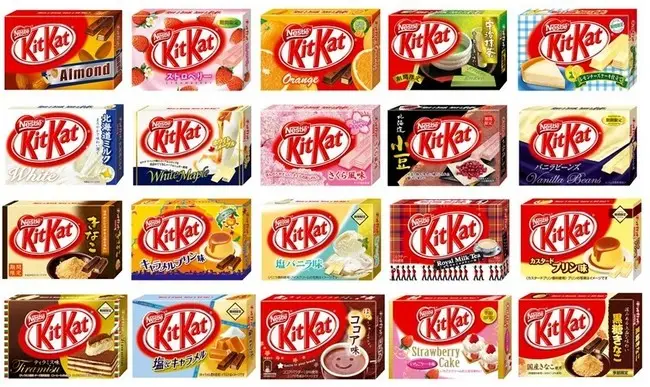
- Regional Pocky: Exclusive flavor varieties that can only be found in Osaka.
- Okonomiyaki kits: Packed ingredients to prepare the traditional Japanese pancake at home.
Unique Souvenirs from Okinawa
- Beni Imo Tart: Little purple sweet potato tarts, one of the island's most popular sweets.
- Awamori: A traditional alcoholic beverage from the island, similar to sake but with a distinctive flavor.
- Shisa decorative products: Statues of guardian lions, representing protection and luck.
Iconic Omiyage from Hiroshima
- Momiji Manju: Sweets shaped like maple leaves, filled with bean paste or cream.
- Setouchi Lemons: Products such as sweets, jams, and beverages made with lemons from the region.
- Smoked Oysters: A local specialty highly appreciated.
Gift Traditions in Nara
- Shika Senbei Cookies: Purchased to feed the sacred deer in the city's parks.
- Nara Ceramics: Decorative utensils that represent the region's history.
- Tea sweets: Delicate and inspired by local herb flavors.
Flavors and Gifts from Fukuoka
- Hakata Torimon: Sweets filled with soft cream, perfect for sharing.
- Mentaiko: Spicy fish roe, known as one of Fukuoka's greatest culinary treasures.
- Hakata Ramen: Instant versions of the city's famous ramen, ideal for taking home.
Authentic Gifts from Nagano
- Nagano Miso: Fermented soybean pastes, ideal for making soups or sauces.
- Apple sweets: Pies, juices, and other products made with the region's famous apples.
- Soba Noodles: Made from local buckwheat, ideal for light and tasty meals.
Memorable Souvenirs from Yokohama
- Motomachi Chocolates: Varieties of chocolates with exclusive flavors from the region.
- Yokohama Curry: Curry kits that represent the fusion of the city's culinary traditions.
- Chinese Sweets: Typical products from the Chinatown district, such as mooncakes and filled cookies.
Other Places and Popular Gifts
Kanazawa
- Edible gold leaves: Commonly used in teas and desserts.
- Wagashi sweets: Handmade, delicate, and inspired by the seasons.
Kobe
- Kobe Beef: Processed versions, such as jerky or canned, are ideal for taking.
- Chiffon Cakes: A light and popular dessert from the region.
Shizuoka
- Green Tea: Recognized as one of the best in Japan, with a rich aroma and intense flavor.
- Wasabi-flavored products: Such as peanuts and spicy snacks.
Regardless of the location visited, each omiyage carries the essence of the region and is a unique way to share memories and cultural traditions.
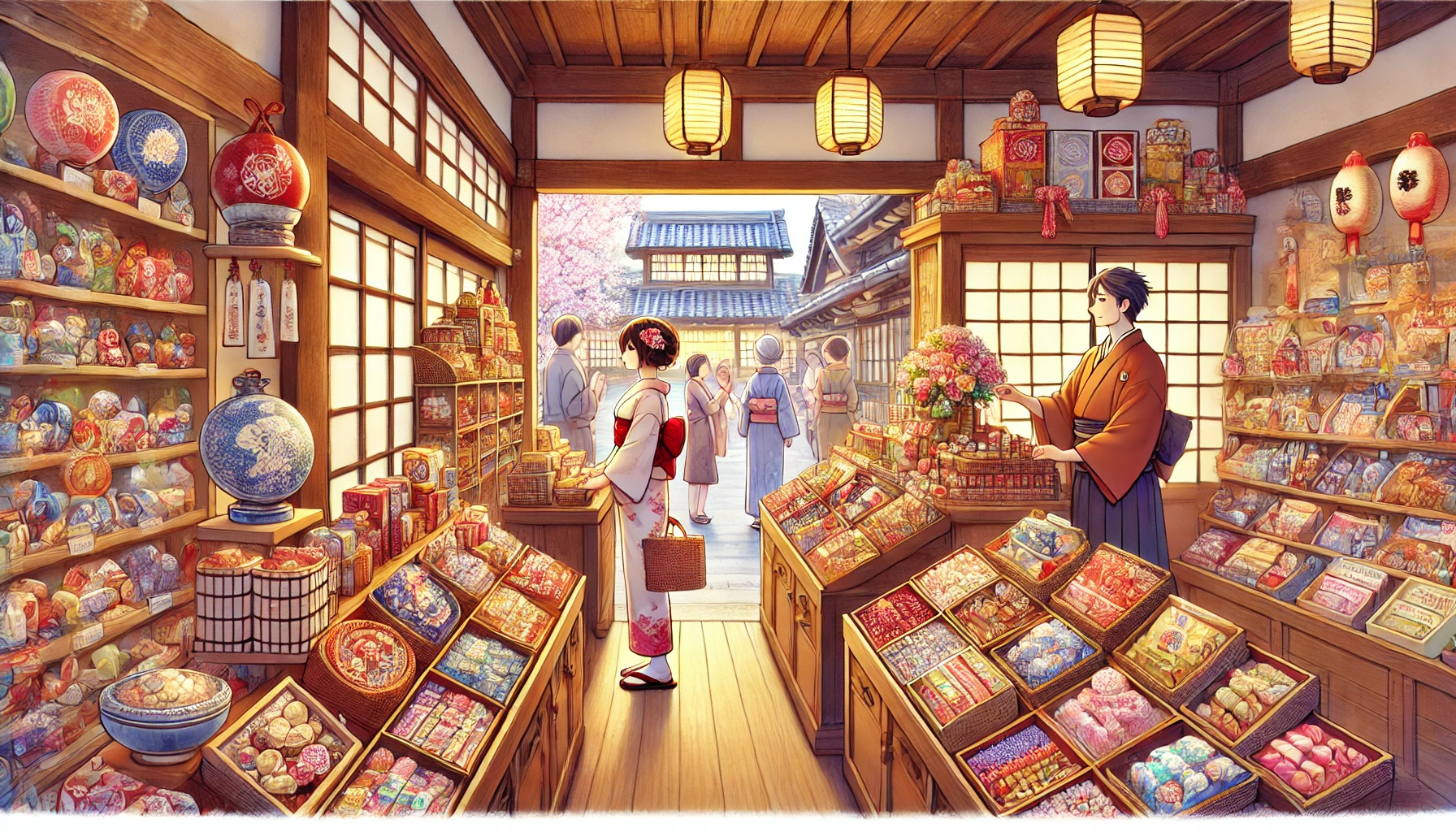
It doesn’t matter if you are exploring a temple, a train station, or a small rural village in Japan, omiyage shops are always present, offering items that reflect the local essence. For tourists, buying an omiyage is more than acquiring a souvenir; it is participating in a tradition that values human connections.

Community
Comments
0 comments
There are no published comments in this language yet.
Send comment