
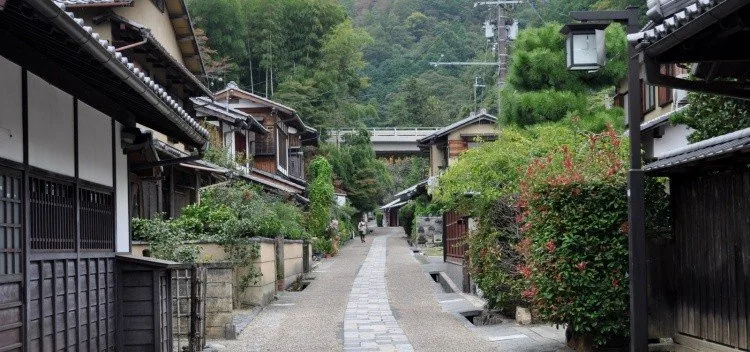
“Only people with Japanese ancestry can live in Japan.” You still hear that line — and it is simply wrong. If you want it and you find a matching residence status, you do not need Japanese blood. Millions of foreigners live in the country legally, and a large share has no family connection to Japan at all.
The myth sticks because many factory recruitment agencies traditionally work with the long-term status available to descendants — that path is often shorter there. Without ancestry, people usually look for other doors: study, skilled work, marriage, a company of their own. Below we gather ten real routes — some obvious, some overlooked — without sugarcoating the paperwork.
Japan is not a free-for-all. Like any country, it asks for rules, sponsors, and often patience. Short visits may be visa-free for many nationalities; living and working usually means a mid- to long-term status. Changing from pure short-stay tourism into work is hard in practice — plan for the right category from the start when you can.
Contents 13
What kinds of Japanese residence status matter?
A classic work-related status is often issued for one to five years and can be renewed while the job and conditions still fit. Without ancestry, you usually get it when a Japanese employer needs specialized skills and supports the application (often via a Certificate of Eligibility, or CoE).
Another clear path is the status of spouse of a Japanese national (or, in related cases, of a permanent resident). Study and language school also open doors — and after graduation, many people switch into work. The student route remains one of the most used entries without a descendant-style status: university, vocational college, or a longer Japanese course.
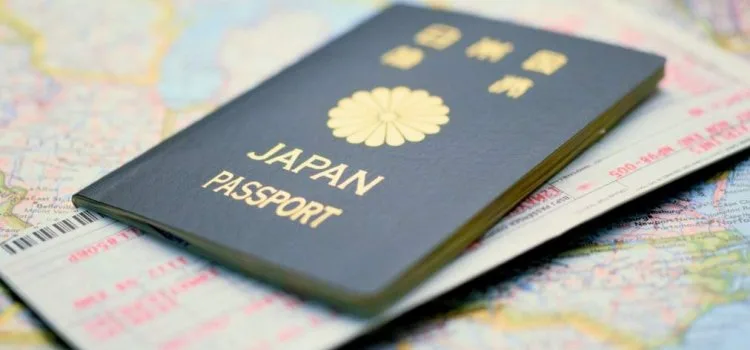
After several consecutive years of legal stay, permanent residence or — under stricter rules — Japanese citizenship can become realistic goals. A short-term visit is not a substitute for a long-term plan; details of short stays and applications are covered in guides such as how to get a visa for Japan.
1 - Marrying a Japanese national
Marriage to a Japanese citizen can lead to a status that supports long-term residence — independent of ancestry. For some people this is the preferred path because it is not tied to a single employer.
That does not mean “marry for a stamp.” Immigration checks whether the relationship is genuine and whether the household can support itself. Paperwork often includes family-register updates in Japan, proof of cohabitation or a real shared history, and financial documents. After the marriage is properly registered, the residence application still takes time — plan for months, not days.
Marrying a permanent resident or certain long-term residents can also open family-based routes; requirements differ from spouse-of-Japanese cases. Using marriage only as a visa trick is fraud and is treated as such.
2 - Starting from a short stay
Some people first enter on a short-term visit (often up to about 90 days, depending on nationality), then try to switch once a school or employer is ready to sponsor them. It can happen — it is not the easiest plan.
In Japan, changing status from tourism into work is tightly controlled. You still need a real sponsor, clean records, and documents that match the new activity. Language skill and professional contacts help a lot, but they do not replace a proper CoE and visa path. If long-term living is the goal, aiming at student or work status from the beginning is usually safer.
A solid command of Japanese remains a practical edge for almost every long-term route. After enough continuous years under a valid status, permanent residence or naturalization may become options — those are separate procedures with their own rules.
3 - Through universities in Japan
If you enroll in a college or university in Japan, you can live in the country for the degree period and often stay afterward by finding a job or continuing studies under a new status.
Entry routes include self-funded study, exchange agreements with a home university, and competitive scholarships. Government programs such as MEXT appear regularly in official calls; always verify current deadlines and eligibility on official announcements for your country.
Many foreigners without Japanese ancestry have built years in Japan starting from campus life — language, internships, and a first full-time offer after graduation.

4 - Student status (school and further study)
Student residence is not only for bachelor’s degrees. It can cover graduate programs, technical colleges, and longer Japanese-language courses at recognized schools.
Scholarships and government tracks sometimes place people in shorter technical programs as well as full degrees. If you can fund tuition and living costs, a language school can buy time to raise your Japanese level while you prepare for work or higher education — within the hour limits allowed for part-time work when permission is granted.

5 - Work status
From outside or already inside Japan, a job offer can unlock a work-related status when the employer sponsors the paperwork. Typical categories include roles such as engineer, specialist in humanities/international services, instructor, researcher, and other specialized fields listed by immigration.
It is easier with a degree or solid experience in the same field, professional contacts, and usable Japanese (or English in specific industries such as language teaching). Japan has long relied on foreign talent in many sectors; non-descendants often compete for office, teaching, tech, and specialist roles rather than only factory contracts associated with descendant recruitment.

6 - Living in Japan by starting a business
Running your own company can lead to a Business Manager status. The upside is control of your project; the downside is capital, an office, and ongoing compliance.
Requirements have evolved over time, but immigration still expects a real business footprint in Japan — typically premises, a viable plan, and a scale of investment and staffing that matches current rules. Confirm the latest thresholds with official guidance or a qualified specialist before you move money; do not rely on outdated blog numbers alone.
This path is serious entrepreneurship, not a loophole. Accounting, taxes, and the ability to support yourself while the business grows all matter.

7 - Start-up visa
For founders who cannot yet meet full Business Manager conditions, Japan’s Startup Visa (via approved municipalities or supporting organizations) offers time to prepare the company under local support.
According to Japan’s Ministry of Economy, Trade and Industry, you can stay for up to two years while preparing the business before full Business Manager requirements are met. You still need a plan accepted by a participating organization and immigration approval. Conditions and industries vary by region — check the current list of supporting organizations rather than assuming every city offers the same package.

8 - Official and diplomatic status
People entering on official business of foreign governments or recognized international organizations — and often their families — receive official status. Length of stay can range from short missions to multi-year postings.
Diplomatic status follows the mission itself. These routes are not open applications for the general public; they depend on appointment or assignment.
9 - Cultural activities
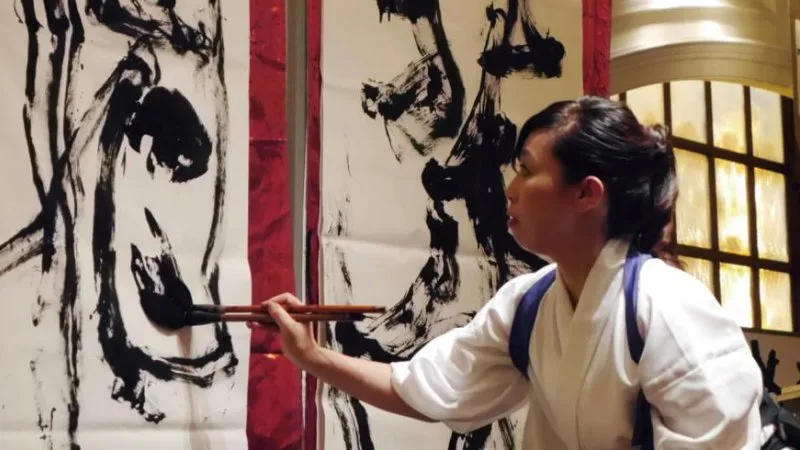
The cultural-activities status can cover unpaid research or deep study of arts and practices connected to Japan — for example, traditional arts, advanced training under a specialist, or institutional research — for periods that may reach up to a few years depending on the case.
It is not a free ticket to work full-time. Activities must match what immigration approved. Paid work usually requires a different status or explicit permission where the law allows it.
10 - Other statuses and specialist routes
Other categories allow varying stays and often still need a Certificate of Eligibility filed by a sponsor in Japan.
Examples commonly discussed in official visa lists include specialized skills (foreign cuisine chefs, sports instructors, pilots, precious-metal work), teaching, religious activities, legal or accounting services licensed in Japan, medical services, entertainment, and related fields. Each has its own evidence bar.
Newer options such as short digital-nomad-style stays exist for high-income remote workers in some cases, but they are usually temporary and not a direct “settle forever” path. Whatever the label, if your goal is to live long-term, plan the next status before the current one expires.
Non-descendants already living in Japan
Friends who live in Tokyo have talked publicly about building lives through work and study routes — not through ancestry paperwork. During a trip to Japan I also met people in Osaka and Kyoto with no Japanese descent who had settled through ordinary statuses.
Those stories repeat the same lesson: ancestry is not the gatekeeper. Preparation, documents, and a legal activity that immigration recognizes are. Plenty of foreigners stay for years, build careers, and eventually aim for permanent residence without ever holding a “descendant” status.
If Japanese culture is what pulls you, the practical question is not “do I have Japanese grandparents?” but “which legal door fits my skills, budget, and timeline?”
Short takeaway: which path is realistic?
For many people without ancestry, the most practical combination is: learn Japanese, make a qualification visible, and find an employer or school that can carry the status. Some companies ask for proof such as the JLPT; “I speak a little Japanese” rarely replaces a diploma or experience immigration can classify.
Marriage can be administratively clear when the relationship is real, but it is not a visa hack. Authorities check lifestyle, finances, and consistency. A clean criminal record and the ability to support yourself help almost every application.
Study, language school, or a focused exchange creates network time before switching into work. Scholarships and foundations (including MEXT and other country-specific programs) are worth researching through official calls — not only social-media rumors. Related reading on exchange-style paths: living in Japan through study and exchange.
Job, campus, start-up, or partner: Japan is reachable for people without Japanese ancestry. It simply demands the same seriousness any immigration system demands — and rewards people who arrive prepared.



Community
Comments
0 comments
There are no published comments in this language yet.
Send comment