
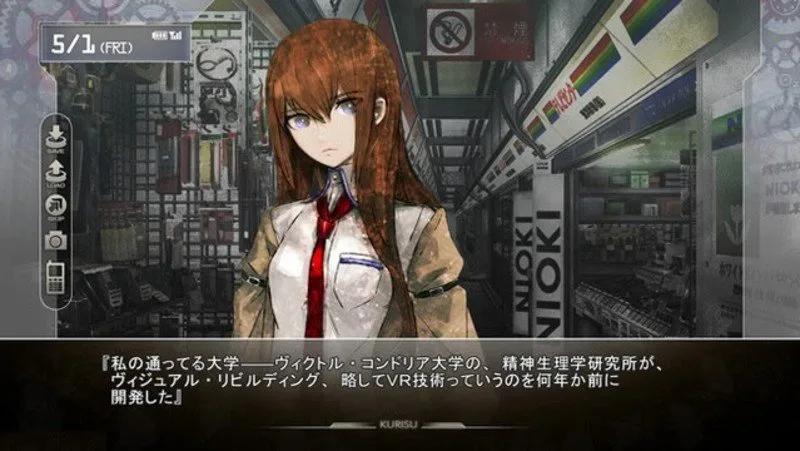
Call it a “clicking game” and half the genre fans will flinch. A visual novel can look quiet on the surface — text advancing one line at a time, a character standing on a school hallway background — until one choice flips the whole route. What looks like “just reading” is often a story machine with art, music, and branches waiting under the surface.
Visual novels (sometimes lumped with “visual romance” titles when the plot leans hard into dating) are not action stages or open-world maps. You progress the narrative, live with the consequences of decisions when they exist, and sit inside scenes built from dialogue, soundtrack, and illustrations. Themes vary a lot: romance is common, but mystery, horror, sci-fi, and pure drama are not rare at all.
Contents 7
What is a visual novel, in practice?
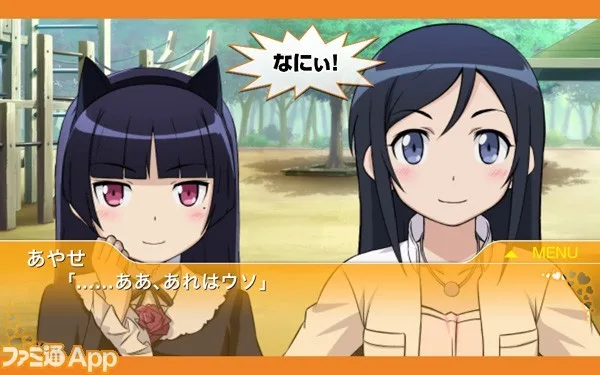
At its core, a visual novel is a story-first game. You click, tap, or press a key to reveal the next line. The screen usually holds a background, character art, and a text box. Interaction ranges from pure reading to menus that choose what your character says, where they go next, or which flag gets set for later endings.
That mix is why people compare them to digital “choose your own adventure” books — with the important caveat that many titles add sound design, voice acting, unlockable art, and systems that only pay off after several playthroughs. Others barely branch at all and still sit comfortably inside the genre.
Gameplay
The market for visual novels has grown far beyond a niche PC corner, from short indie experiments to long commercial titles. What still sets most of them apart is how little “gameplay” looks like a traditional action loop: the main loop is advancing text while art and music frame each moment.
Many titles offer branching routes and multiple endings. Pick the “wrong” option and you may hit a Game Over, a bad ending, or a dead-end flag that locks you out of a character route. Other works deliberately refuse that structure and stay on a single path — Planetarian is a classic example of a linear story presented with the same visual-novel grammar.
Some games layer extra interaction on top of reading when it still serves the plot. Symphonic Rain, for instance, asks you to play musical instruments and only lets the story continue after a solid performance. Hybrids exist, but the narrative remains the center of gravity.
Look, layout, and how scenes are built
Stories are often told in the first person through the protagonist, and paced by days or chapters that follow them from morning to night. Exceptions are part of the genre’s charm: Saya no Uta shifts narrators and drops the neat day structure when the story needs a different pressure.
Graphically, the common recipe is a background that establishes the place, character sprites (standing portraits that change expression and pose), and special full-scene images fans call CGs. CGs usually mark emotional or plot peaks, get stored in a gallery, and reward replaying routes for art you missed the first time.
Text presentation also splits into familiar modes. In ADV (adventure) layout, the dialogue box sits along the bottom so art stays visible. In NVL (novel) layout, text covers most of the screen, closer to reading a page with illustrations behind it. Neither mode is “more correct”; they just change how dense the reading feels.
Genres, romance, and adult content
Romance routes dominate a large slice of Japanese PC history, but fantasy, science fiction, horror, and mystery fill the shelves too. Console ports and all-ages releases often trim or remove adult scenes; many PC originals from amateur circles and some commercial studios include erotic content and other kinds of fan service.
Versioning is common. Little Busters! launched without adult content and later received a version that added it. Titles such as Umineko no Naku Koro ni stay free of that layer entirely. Age rating and platform matter: the same franchise can feel very different between a PC original and a console port.
If you already enjoy prose-heavy Japanese fiction, a light novel can feel adjacent — dense storytelling, character focus, and later anime adaptations — even though the media are not the same. Visual novels add timed reveals, sound, and (often) agency over which route you live through.
Kinetic novels and the “is it a game?” debate
Not every visual novel is a web of choices. Works with little or no branching are often called kinetic novels — a label tied to linear titles that still use the same presentation tools: sprites, backgrounds, soundtrack, and line-by-line pacing. You read and absorb rather than manage flags.
That is why some Western players still argue about whether visual novels “count” as games. In Japan, they sit inside a long tradition of adventure-style PC and console storytelling and make up a huge share of domestic PC releases historically. The more useful question for a new player is simpler: do you want a story that advances when you do, with art and sound built for that rhythm?
Anime series born from visual novels
Plenty of people meet the medium through anime first. These adaptations do not replace the games, but they show how flexible the source material can be — from time-travel thrillers to school drama and character-driven ensemble stories.
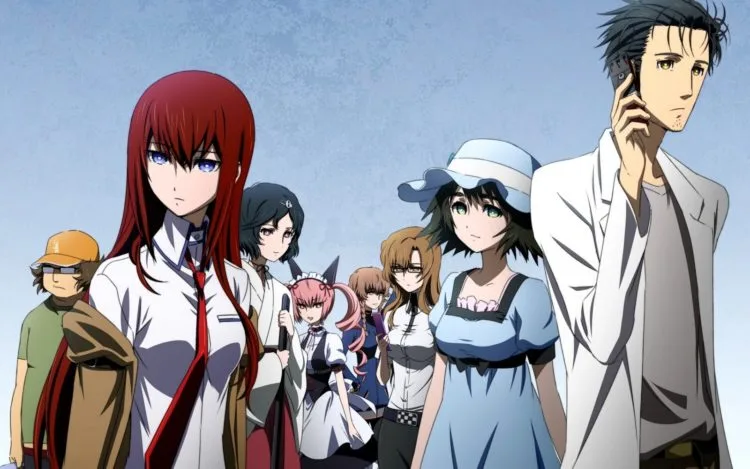
Steins;Gate is set in the summer of 2010, roughly a year after the events of Chaos;Head, around Akihabara. A group of friends turns a microwave into a device that can send text messages into the past. Their experiments attract SERN, an organization with its own time-travel research, and the cast has to stay ahead of capture while the timeline keeps rewriting itself.
School Days follows Makoto Itou, a high-school student who has been watching Katsura Kotonoha on the subway. After a seating change, classmate Sekai Saionji discovers the photo on his phone and offers to help him get closer to Kotonoha — then develops feelings of her own. The triangle of affection, jealousy, and bad timing is the engine of a story that becomes infamous for how dark the routes can turn.
Grisaia no Kajitsu is set at Mihama Academy, a school-like institution built for five girls who each have reasons to live cut off from ordinary life. When Kazami Yuuji arrives as the first male student, the fragile balance of the place shifts. The game leans into character routes: whether those walls of the past come down depends on which story you pursue with him.
Why people keep playing
A strong visual novel is less about high scores and more about attachment: a character route that only opens if you notice small daily choices, a CG that only appears on one ending, a soundtrack that locks a scene in your memory. If you want a longer take on the appeal and how to start, there is a companion piece on why play visual novels, and the broader context of video games in Japan helps explain where the format grew so large.
Start with a title whose theme already interests you — mystery, romance, horror, sci-fi — and treat the first playthrough as one path among several. The second run is often where the genre makes sense: flags, missed scenes, and endings you did not know were waiting.


Community
Comments
0 comments
There are no published comments in this language yet.
Send comment