
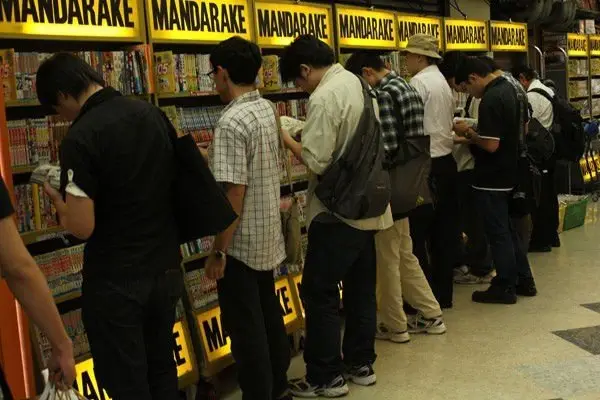
Japan is often described as strange, bizarre, or even “crazy” by people who know the country mainly through viral images, unusual products, anime, or sensational television clips. The short answer is that Japan is not inherently stranger than other countries. It is a large, creative society whose unfamiliar customs and carefully selected media images are often presented without context.
That does not mean Japan has no unusual traditions, products, foods, or subcultures. It does. The useful question is what each example represents: an everyday habit, a regional specialty, a creative niche, or a story chosen because it makes a good headline.
Contents 8
Why does Japan seem strange to outsiders?
Visitors notice differences most clearly when a familiar situation follows a different social rule. People may bow instead of shaking hands, speak quietly on trains, remove their shoes before entering a home, or avoid eating while walking in a crowded area. None of these customs is random. They reflect ideas about cleanliness, consideration, order, and the comfort of the group.
Japan also combines old and new in visible ways. A shrine can stand beside a convenience store, a traditional festival can use modern lighting, and a quiet neighborhood can be a short train ride from a district filled with giant digital advertisements. That contrast catches attention, especially when a visitor expects a culture to fit one simple image.
The “Only in Japan” effect
“Only in Japan” is a memorable phrase, but it is a poor way to understand a country. News sites and social media reward images that look surprising: an eccentric gadget, a colorful sign, a bizarre flavor, or an isolated television segment. Ordinary scenes rarely travel as far online, even though they describe daily life more accurately.
The result is a filtered picture. A niche product becomes proof that everyone in Japan likes the same thing; an unusual fashion scene becomes a description of the whole population; a regional dish is presented as a national staple. The same method could make any country look bizarre if someone searched only for its strangest advertisements, snacks, or television shows.
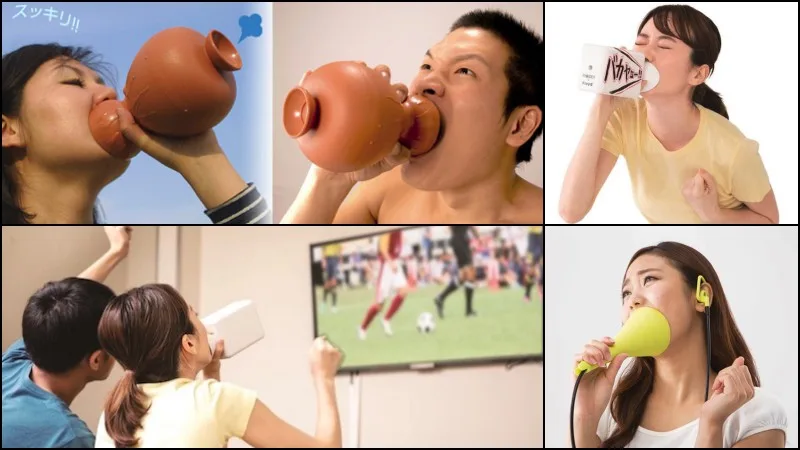
Everyday customs that can feel unusual
Some of the most noticeable differences are small and practical. On many trains, passengers keep their voices low and avoid phone calls. Queuing is expected at stations, shops, and popular attractions. In homes and some traditional establishments, shoes are left at the genkan, the entrance area, to keep indoor spaces clean.
Communication can also seem indirect. The contrast between honne (本音), a person’s private feeling, and tatemae (建前), the position expressed in a social setting, is often used to explain why a polite answer may not sound completely direct. It is not a rule that every Japanese person follows in the same way. It is a useful concept for understanding how people may avoid open conflict and protect a relationship.
These habits can feel strange when compared with another country’s etiquette, but difference is not the same as irrationality. Once a visitor understands the purpose of a custom, the behavior usually becomes easier to read.
Are anime and Japanese pop culture strange?
Anime, manga, cosplay, games, and kawaii design strongly influence how Japan is imagined abroad. They offer striking visuals and stories that can move freely between comedy, horror, fantasy, romance, and social criticism. For someone unfamiliar with those conventions, the result may look excessive or confusing.
Still, pop culture is not a single Japanese style, and anime is not a documentary about Japanese society. It contains children’s stories, historical drama, sports, comedy, science fiction, and many other genres. The same caution applies to cosplay, visual kei, Harajuku fashion, and other subcultures: they are forms of expression practiced by particular communities, not a uniform dress code for the country.
Japan’s Constitution protects freedom of expression in Article 21, which includes speech, press, and other forms of expression. That legal protection helps explain why creators can explore unusual ideas, but it does not mean every provocative work is mainstream or accepted by everyone.

Why do Japanese foods and products look so unusual?
Japanese food culture includes familiar dishes such as rice, noodles, grilled fish, and convenience-store meals, along with regional specialties and seasonal ingredients. The country’s market also encourages limited-edition flavors, themed packaging, and frequent product changes. A seasonal snack can look bizarre to a foreign visitor while being only a temporary novelty for local shoppers.
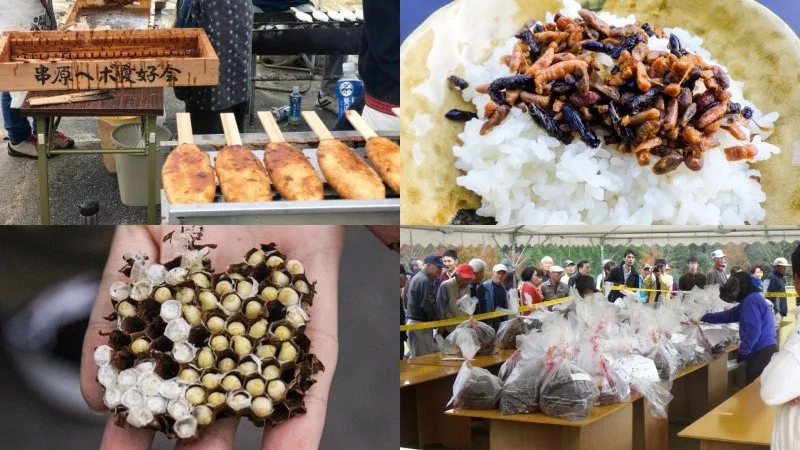
Some foods that surprise visitors are tied to particular regions or traditions rather than everyday meals across Japan. Nagano’s Hebo Matsuri, for example, is connected to a local food tradition involving wasp larvae. It is more accurate to describe such dishes as regional or specialized than to use them as evidence that all Japanese food is unusual.
The presentation of food can also be unfamiliar. An obento lunch box may arrange several small portions with care, while sushi emphasizes texture, seasonality, and visual balance. What seems strange at first may simply follow a different idea of what makes a meal appealing.
Japan has ordinary life and unusual niches
Most people in Japan spend their days working, studying, shopping, meeting friends, caring for family, and enjoying ordinary hobbies. That side of life is less likely to become an international headline. A sensational story does not become representative merely because it is easy to share.
The country does have distinctive creative industries and a strong market for specialized products. That openness can make niche interests more visible, especially in large cities. It does not mean that every person shares those interests, just as a country’s horror films, eccentric advertisements, or underground fashion do not describe everyone who lives there.
How to look at Japan without the stereotype
When an example seems bizarre, ask three questions: Is it common or niche? Is it national or regional? Was it shown with enough context to explain who uses it and why? Those questions separate a real cultural difference from a stereotype built around one memorable image.
Japan can be orderly and playful, traditional and experimental, formal in one setting and relaxed in another. The interesting part is not proving that the country is the world’s strangest place. It is seeing how ordinary people give meaning to customs that may look unfamiliar from the outside.
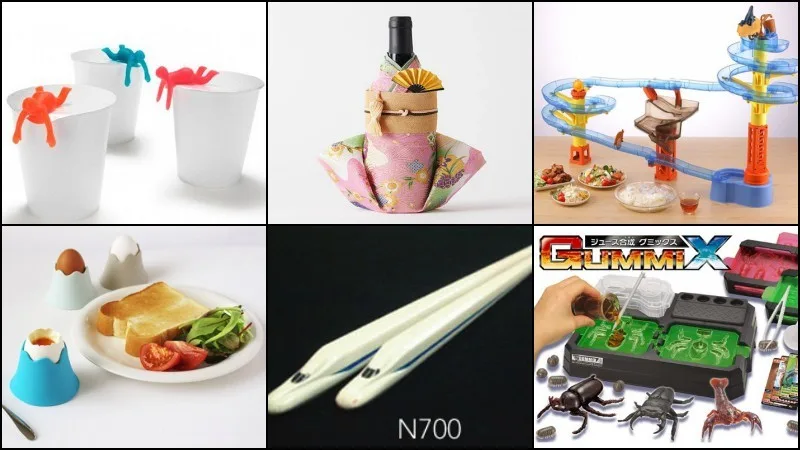
Explore more unusual topics from Japan
These related articles look at specific examples without treating one niche as a description of the whole country:





Community
Comments
0 comments
There are no published comments in this language yet.
Send comment