
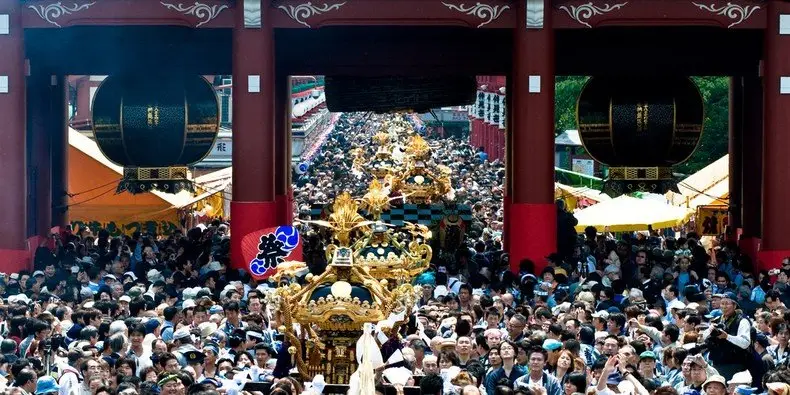
Many people assume Japanese homes are tiny only because the country is small. A better explanation sits in how life concentrates: jobs, schools, nightlife, and status still pull millions toward Tokyo, Osaka, and a handful of other hubs. Tokyo Metropolis alone houses more than 14 million people, and the wider Greater Tokyo area sits near the top of the world’s largest urban regions, with well over 35 million residents depending on the definition.
Nationally, Japan is not racing toward runaway population growth. Birthrates are low, the total population has already entered long-term decline, and rural towns keep aging out of economic life. The pressure people feel on packed trains and expensive apartments is less “Japan is full” and more “too much of Japan wants the same few corridors.” That paradox is what overcrowding looks like here.
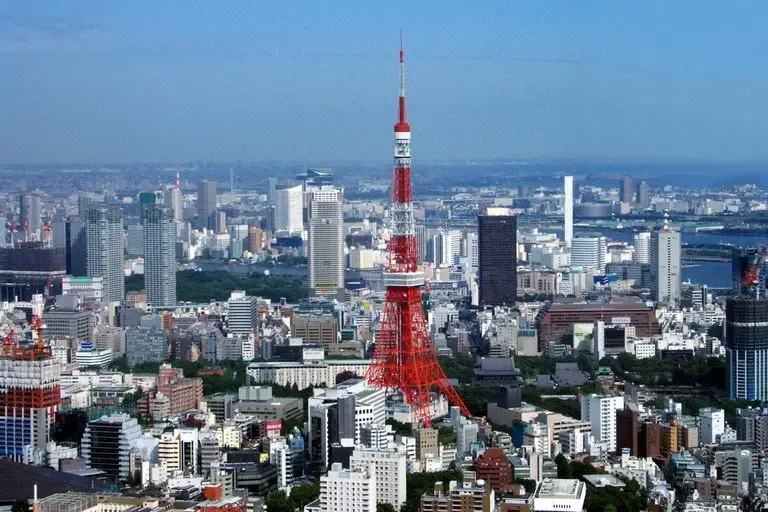
Outside the big metros, the map feels almost empty by comparison. Mountains and forests cover much of the land, so livable flat ground was never unlimited to begin with. Even so, whole municipalities are thinning out while the capital keeps absorbing young workers, students, and newcomers. Local governments try to reverse the flow with relocation support, vacant-home listings known as akiya banks, and occasional near-free properties tied to renovation or residency conditions. The offers grab headlines; the harder part is rebuilding jobs, schools, and daily convenience far from the capital.
Tokyo remains the city of opportunity in the Japanese imagination: better employers, denser entertainment, and the sense that “everything” is a train ride away. Smaller cities often have more amenities than outsiders expect, but they rarely match the career ladder and social gravity of the capital. Until that balance shifts, overcrowding in a few cores and emptiness elsewhere will keep reinforcing each other. Related reading on family size is here: how many children Japanese families usually have.
Contents 3
What overcrowding feels like in Tokyo
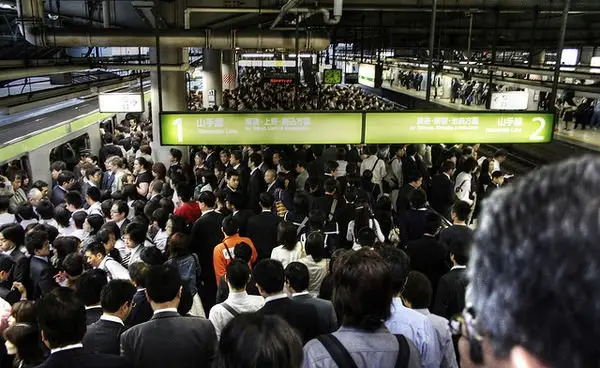
Daily life shows the squeeze before the census does. Morning trains run shoulder to shoulder. Popular daycares and kindergartens can have waiting lists. Parks, pools, and festival streets fill fast on holidays, even when traffic on the roads stays relatively controlled. Crowds in Japan are often orderly, but order does not cancel fatigue.
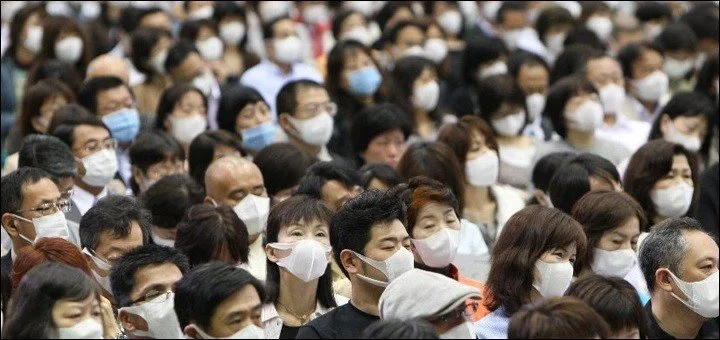
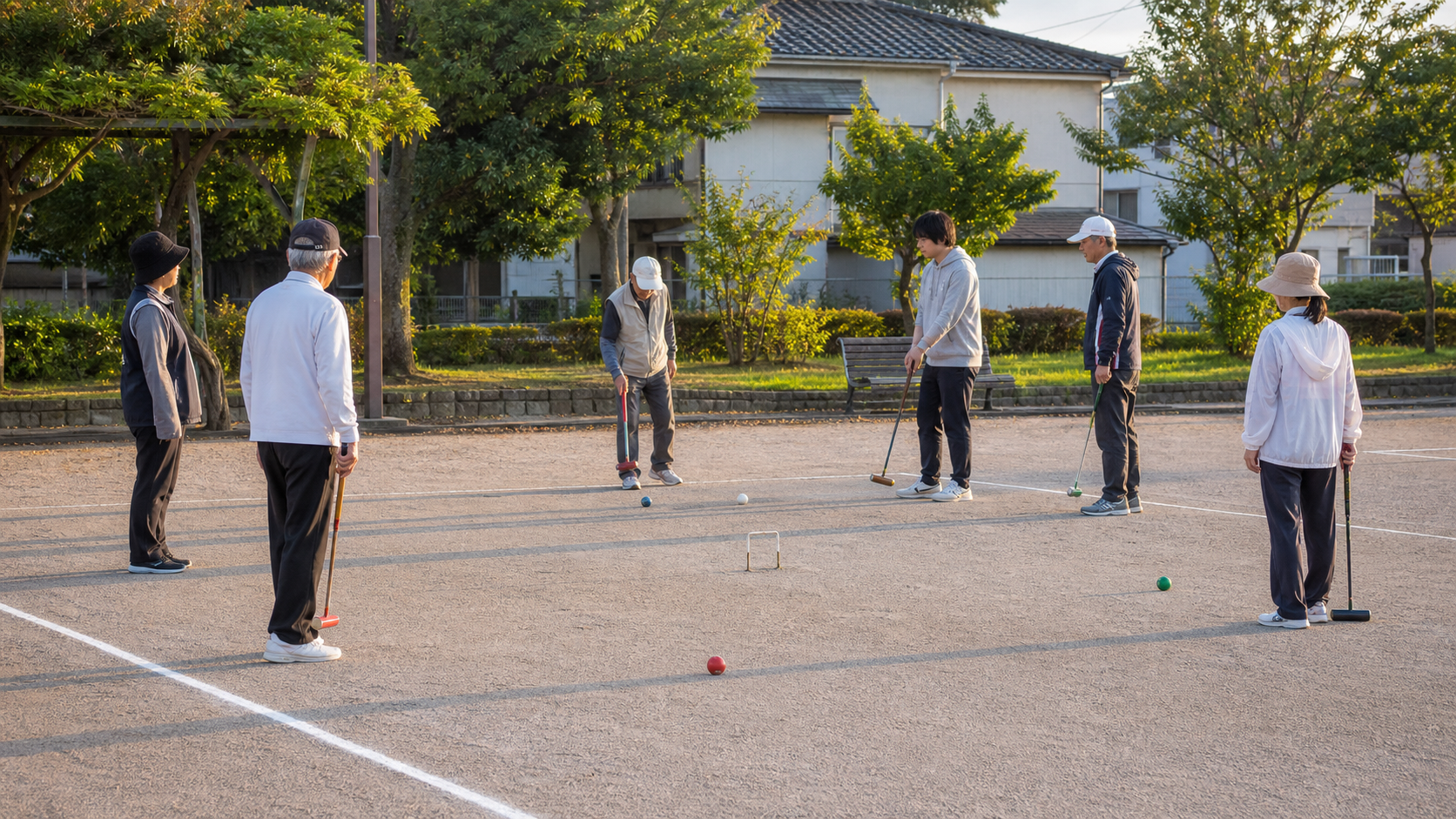
Regional Japan lives the opposite problem: factories short of workers, farms without successors, and main streets with fewer students every year. Some Tokyo administrations have tried partnerships with rural areas and campaigns that encourage people to start over outside the capital. Progress is real but slow, because jobs and networks still cluster where people already are.
Housing and family choices also connect. Dense city living is expensive, apartments are compact, and many women in large metros have fewer children on average than women in less crowded regions. Overcrowding is not the only reason for Japan’s low birthrate, but it is part of the environment that shapes careers, childcare, and time. For a closer look at social attitudes around intimacy and family formation, see this article on Japanese relationships and low desire trends.
In heavily visited public places, authorities have used practical controls rather than slogans:
- Restricted schedules for tourist buses in sensitive spots
- Capacity limits at attractions and event grounds
- Extended operating hours to spread demand
- Higher entry fees or taxes in overloaded sites
- Minimum stay rules in some tourism destinations
Population density: Japan, Tokyo, and the comparison that surprises people
Japan’s average density is high by world standards, yet it is not the densest country on Earth. City-states and tiny territories such as Monaco, Singapore, Hong Kong, Malta, and others rank higher at the national level. What stands out in Japan is the split: very dense metro cores, then large mountain and rural zones with far fewer people.
| City / area | Population (approx.) | Density (people/km²) | Area (km²) |
| Tokyo Metropolis | ~14 million | ~6,000–6,400 | ~2,190 |
| Yokohama | ~3.7 million | ~8,000+ | ~435 |
| Osaka city | ~2.7 million | ~12,000 | ~225 |
| Nagoya | ~2.3 million | ~7,000 | ~326 |
Inside Tokyo’s 23 wards, density is not uniform either. Residential cores such as Toshima, Nakano, or Taitō can exceed 20,000 people per square kilometer, while Chiyoda stays lower because of the Imperial Palace grounds and office-heavy blocks. Average ward density often sits around the mid-teens of thousands per km². Even so, central Tokyo is still less extreme than Manhattan or central Paris on a people-per-square-kilometer basis in many comparisons.
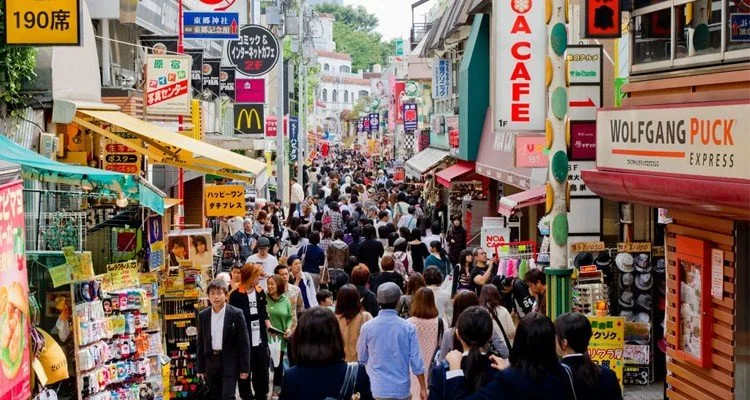
High rents are both a symptom and a feedback loop. Land is scarce where demand is strongest, so buyers and renters pay for location first. Many households respond by taking smaller units closer in, or by living farther out and accepting long commutes. That is why learning the train system is not a tourist nicety: for millions of workers it is the daily spine of urban life. Building taller in some zones can add supply, but zoning, earthquake standards, neighborhood politics, and land assembly all shape how quickly a skyline can absorb demand.
Urbanization rates help explain the mood. According to World Bank figures based on UN urbanization data, around nine in ten people in Japan already live in urban areas. When almost everyone is urban, “growth” often means redistribution between cities and suburbs, not a simple national boom. Greater Tokyo can keep feeling crowded even while Japan’s overall population shrinks.
Smart cities, empty towns, and what actually has to work
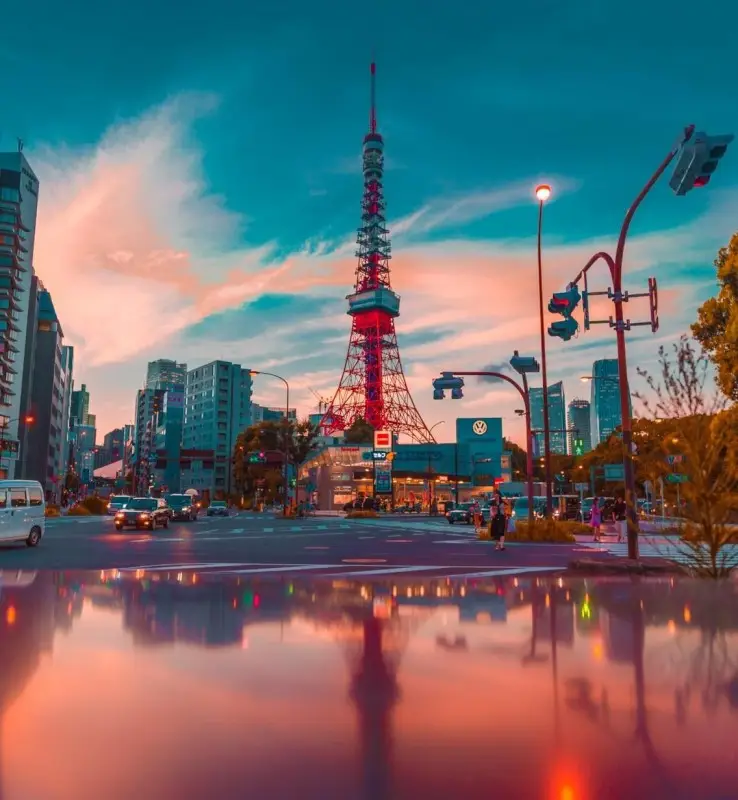
Tokyo will keep attracting attention, so the capital has to keep upgrading systems that make dense life livable: transit reliability, energy efficiency, disaster readiness, and digital services. Japan has also experimented with purpose-built smart-city projects, including early examples such as Fujisawa’s sustainable community concept. Those pilots matter, but they do not replace the harder national task: giving mid-sized and small cities enough jobs, clinics, schools, and culture that leaving Tokyo is not a career dead end.
In practice, “smart” for a regional town is less about a gadget checklist and more about whether daily life feels possible:
- Reliable transport links to larger hubs
- Internet and remote-work infrastructure that actually works
- Accessible healthcare and schools
- Local shops and services that stay open
- Housing that is usable, not just empty
- Jobs or business reasons to stay beyond a one-year experiment
Vacant-home programs and free-land headlines are useful tools, not magic. An empty house still needs renovation money, community acceptance, winter roads, and a reason to open a laptop or a storefront the next morning. Japan’s overcrowding problem will ease only if opportunity spreads, not if people are simply told that Tokyo is full.
So the picture is more nuanced than a single crowded island. Japan has room, mountains, and millions of underused houses. What it lacks is an easy way to move ambition, wages, and young households out of the same few dense corridors. Until that changes, urban concentration will keep defining how Japan feels day to day—even in a country whose total population is no longer growing.




Community
Comments
0 comments
There are no published comments in this language yet.
Send comment