
Harajuku is a compact Tokyo district where youth fashion, character shops, street food and quieter green spaces sit within walking distance. Start near Harajuku Station for Takeshita Street, then choose your pace: the small side streets, the broad avenue of Omotesandō, Meiji Shrine, or Yoyogi Park.
The appeal is in that contrast. Takeshita Street is noisy, bright and crowded; a few blocks away, Omotesandō feels more polished, while the paths toward Meiji Shrine offer a complete change of tempo. This guide helps you decide where to spend your time instead of treating Harajuku as one long shopping street.
Contents 9
What is Harajuku known for?
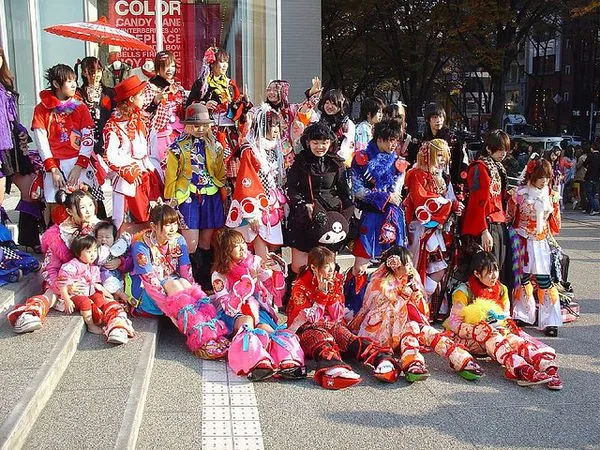
Harajuku is closely associated with kawaii culture and independent fashion. The area has helped make styles such as lolita fashion, decora, punk, goth and visual kei familiar to visitors around the world. Those labels describe many different looks, not a uniform worn by everyone in the neighborhood.
Fashion remains part of the scenery, but Harajuku is also useful for a first look at Tokyo shopping. You can move from inexpensive accessories and vintage clothing to design stores, cafés, toy shops and major brands without leaving the area. It works well for travelers who want a lively afternoon without planning a long cross-city route.
Where to go in Harajuku
Start at Takeshita Street
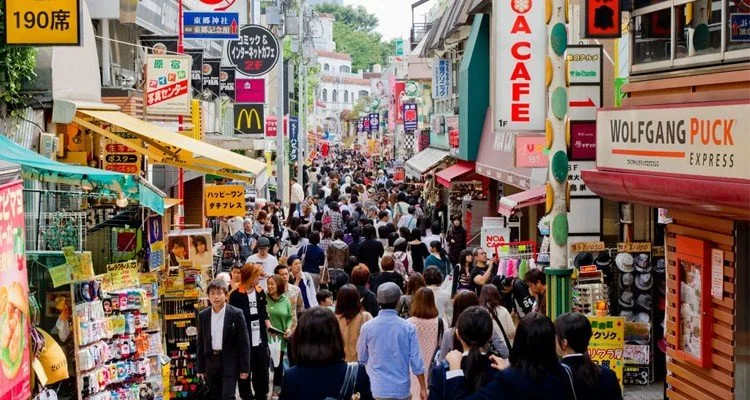
Takeshita Street is the narrow pedestrian street beside Harajuku Station and the best-known stop in the district. Its shops focus on affordable fashion, accessories, cosmetics, character goods and quick snacks. It is short enough to explore without a plan, but busy enough that a slow walk is usually more enjoyable than trying to see everything at once.
Weekends can be particularly crowded. Go earlier if you prefer a calmer walk, or embrace the bustle and use the side streets when the center of the lane feels too packed. If you hope to spot an unusual outfit, keep expectations open: Harajuku fashion is not a performance schedule, and everyday visitors dress in many different ways.
Follow Omotesandō for a different side of the area
South of Takeshita Street, Omotesandō replaces compact storefronts with a tree-lined avenue, architecture, cafés and fashion boutiques. It is a good contrast after the visual overload of Takeshita Street. Nearby lanes, including Cat Street, are worth exploring when you want a less concentrated shopping route and more time to browse.
Fans of Japanese pop culture can also find familiar characters around this part of Harajuku. A stop at a character-goods shop pairs naturally with a broader Tokyo itinerary that includes Studio Ghibli, Pokémon or other Japanese entertainment favorites.
Make room for Meiji Shrine and Yoyogi Park
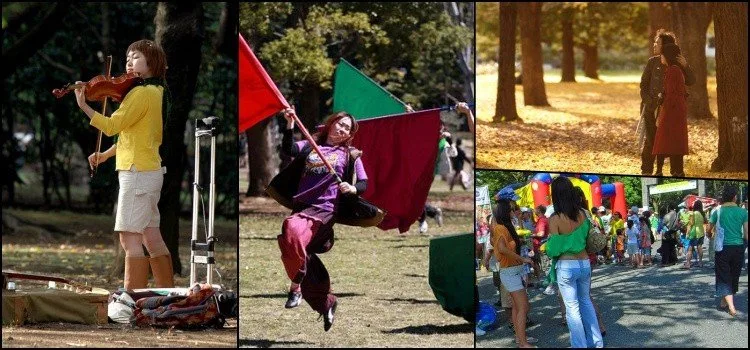
Harajuku is not only about retail. Meiji Shrine lies close to the station behind a wooded approach, and Yoyogi Park is nearby when you want open space after the crowds. Visiting one of them changes the rhythm of the day: take a quiet walk first, then return to the shopping streets, or use the park as a pause before continuing toward Shibuya.
Food, cafés and shopping etiquette
Crepes are one of Harajuku's classic treats, and the area also has sweet drinks, savory snacks and cafés aimed at shoppers. Pick the place that looks good to you instead of chasing a single famous counter; menus and queues change more often than the character of the neighborhood.
When buying a snack, look for seating or space beside the shop and follow posted instructions. That small habit makes crowded lanes easier to enjoy. For a proper meal or a quieter coffee, step away from the busiest part of Takeshita Street toward Omotesandō or the surrounding side streets.
How to get to Harajuku
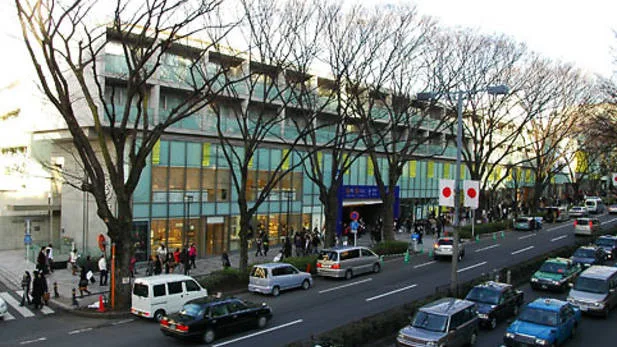
Harajuku Station on the JR Yamanote Line is the most direct arrival point for Takeshita Street, Meiji Shrine and Yoyogi Park. Meiji-jingumae (Harajuku) Station, served by the Tokyo Metro Chiyoda and Fukutoshin lines, is another convenient option. Both make Harajuku easy to combine with Shibuya, Shinjuku and other central Tokyo stops.
Use a map app on the day of your visit for the best exit and current train information. The district is walkable, but the experience changes depending on whether you arrive for the station side, Omotesandō, or a specific shop.
A simple half-day route
- Arrive at Harajuku Station and walk through Takeshita Street.
- Browse one or two side streets instead of trying to cover every shop.
- Continue to Omotesandō for cafés, architecture and a calmer shopping pace.
- Finish at Meiji Shrine or Yoyogi Park, then walk or ride onward to Shibuya if you still have energy.
This route leaves room for discovery, which suits Harajuku better than a checklist of stores. A favorite shop may be hidden on a side street, while a crowded lane can be skipped without losing the essence of the area.
Is Harajuku worth visiting?
Yes, especially if you want to see how several versions of Tokyo fit together in a small area. Come for Takeshita Street if you enjoy playful shopping and people-watching; choose Omotesandō for design and cafés; add Meiji Shrine or Yoyogi Park when you need a quieter finish. Harajuku is most rewarding when you give yourself permission to switch between all three.


Community
Comments
0 comments
There are no published comments in this language yet.
Send comment