
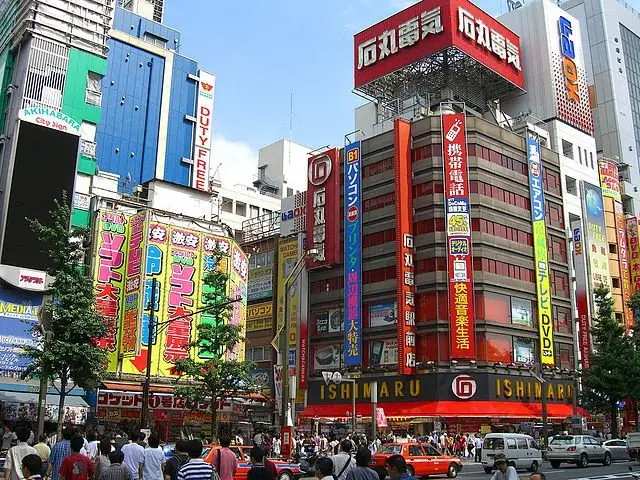
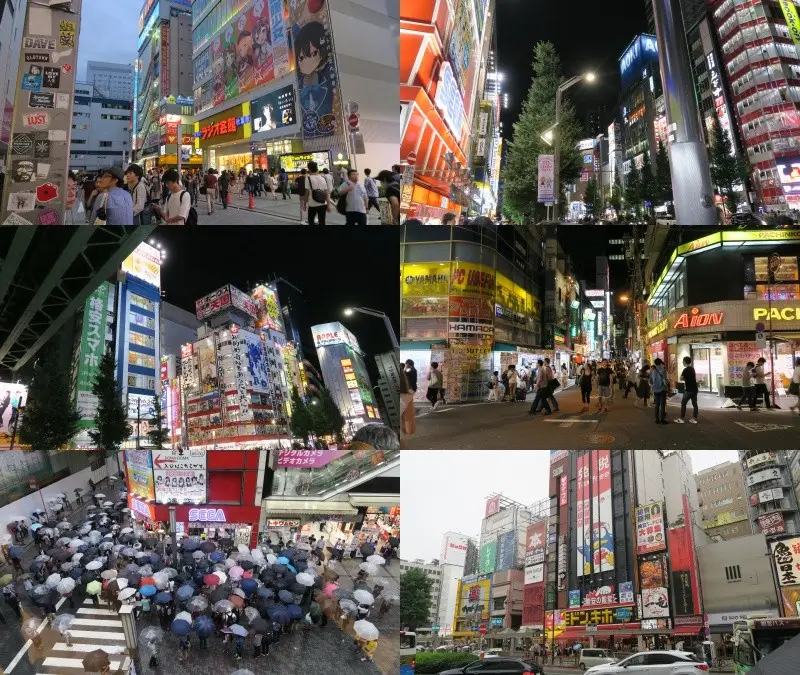
Akihabara [秋葉原], often called Akiba, is one of Tokyo's best-known neighborhoods for electronics, anime, manga, games, arcades, and other parts of otaku culture. It is a useful place to visit when you want to browse many specialized stores in one walk, but it is not a permanent cosplay stage. On an ordinary day, the neighborhood feels more like a busy shopping district than an anime scene.
I have stayed in Akihabara during trips to Japan, and this guide combines that experience with practical ideas for exploring the area. The neighborhood can be exciting, crowded, expensive, and surprisingly ordinary at the same time. That contrast is part of what makes a first visit memorable.
Contents 6
What to see and buy in Akihabara
Akihabara sits in Tokyo's Chiyoda ward. The name is commonly shortened to Akiba, and the area is associated with the older expression Akibagahara (秋葉が原), often translated as “field of autumn leaves.” Today, visitors come for several kinds of stores and entertainment:
- Electronics, computers, components, cameras, and accessories;
- Consoles, retro games, arcades, and card game shops;
- Manga, anime, figures, character goods, dōjinshi, and other specialized merchandise;
- Maid cafés and themed cafés;
- Karaoke, pachinko, and other forms of indoor entertainment.
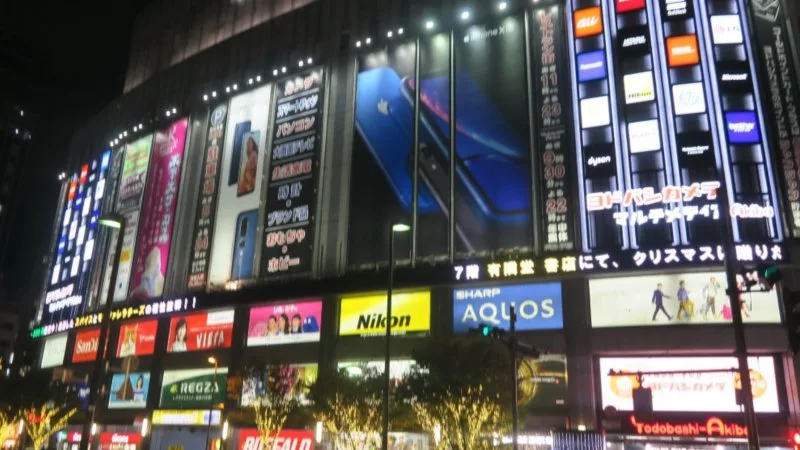
Large stores are easy to spot around the station, while smaller specialist shops are spread through side streets and upper floors. Do not assume that every store has the same prices: new merchandise, used goods, limited items, and popular characters can differ sharply from one shop to another.
How to arrive and start exploring
Akihabara Station is the natural starting point for most visits. From there, walk toward the main shopping streets and then explore the side streets at your own pace. Store locations and tenants change, so checking the current map or official store page before leaving is useful when you have a specific destination.
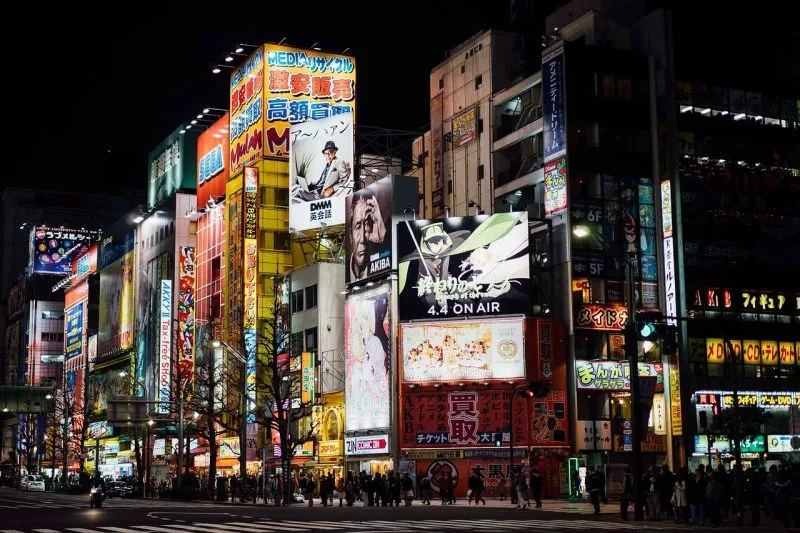
When I first arrived around 7 PM, I took the wrong route while heading to my hotel and initially saw a quieter side of the neighborhood. After crossing the prominent avenue near the station, the atmosphere changed. The contrast was a good reminder that Akihabara is not one single block: the station area, main avenue, and side streets offer different experiences.
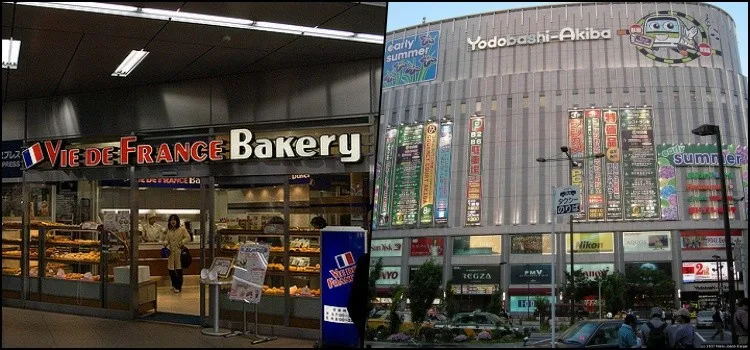
During that summer trip, rain caught me on the way to GRIDS HOSTEL AKIHABARA. The staff welcomed me with a towel. In the mornings, I often bought a smoothie or drink from a vending machine, picked up a nikuman at a convenience store, or stopped at the Vie de France bakery near the station.
I also remember a pharmacy and Yodobashi Camera near the bakery. The store is a useful landmark for electronics, but it is not the only reason to visit the area. Walking through the smaller anime and game shops is often more rewarding when you are looking for second-hand goods or something specific.
Experiences, cafés, and common tourist traps
During my stay in Tokyo, I walked around Akihabara almost every day. Sometimes I met the group from the Online Japanese Program there. We were approached by people inviting us to restaurants in nearby buildings. Be careful with invitations that promise a very cheap meal: some visitors have reported being pressured into expensive bills, so check the menu and price before entering.
A maid café was the most memorable activity I tried with a friend from the Online Japanese Program. It was interesting, but expensive. You can read more in our article about maid cafés in Japan.
Prices, shopping strategy, and disappointments
Akihabara is not automatically a bargain district. I saw anime shirts priced at up to 10,000 yen, and figures varied according to the popularity and condition of each item. Before buying, compare several stores and look at second-hand shops. Our guide to buying manga and anime products in Japan covers alternatives outside Akihabara as well.
I was also surprised by how few cosplayers I saw during my stay. There were many maids, but the neighborhood did not look like a constant convention. Events, weekends, and particular venues can change the atmosphere, so expectations based on anime or promotional photos may not match a normal afternoon.
Stores such as Sofmap, Yodobashi, Maidreamin, Mandarake, and Animate are commonly associated with the area, but their locations and offers can change. You do not need to visit Akihabara to find every major chain; several have branches in other parts of Tokyo and Japan.
Is Akihabara worth visiting?
Yes, especially if you enjoy electronics, games, anime, manga, figures, arcades, or Japanese pop culture. Give yourself time to compare stores, check prices, and look above street level. If you prefer a quieter sightseeing plan, combine the walk with nearby Kanda Myojin Shrine or choose a less crowded time.
Akihabara worked best for me as a neighborhood to explore without a rigid checklist. Some visits were ordinary, some were expensive, and some produced a good story. That is a more useful expectation than imagining every street filled with cosplayers.
Videos about Akihabara
Have you visited Akihabara? Share your experience in the comments and tell us which stores or streets you recommend.





Community
Comments
0 comments
There are no published comments in this language yet.
Send comment