
How much does a trip to Japan cost? There is no single number that fits every passport, season, and appetite — and that is exactly why the question keeps people stuck for months.
I will walk through what I actually spent across my stays (flights, hostels, trains, bowls of gyudon, konbini snacks) and translate the day-to-day prices into yen with rough dollar ranges so you can build a budget that matches your style, not a brochure average.
Exchange rates move. Treat dollar figures as orientation, keep the yen ranges as the real shopping list, and size the trip by how you sleep, how often you hop cities, and how hard you shop.
Contents 7
How much does a plane ticket to Japan cost?
Japan sits on the other side of a long haul: more than 17,000 kilometers from many Western cities, often two or three legs, and a full day in the air. The ticket still does not have to break the trip before you land.
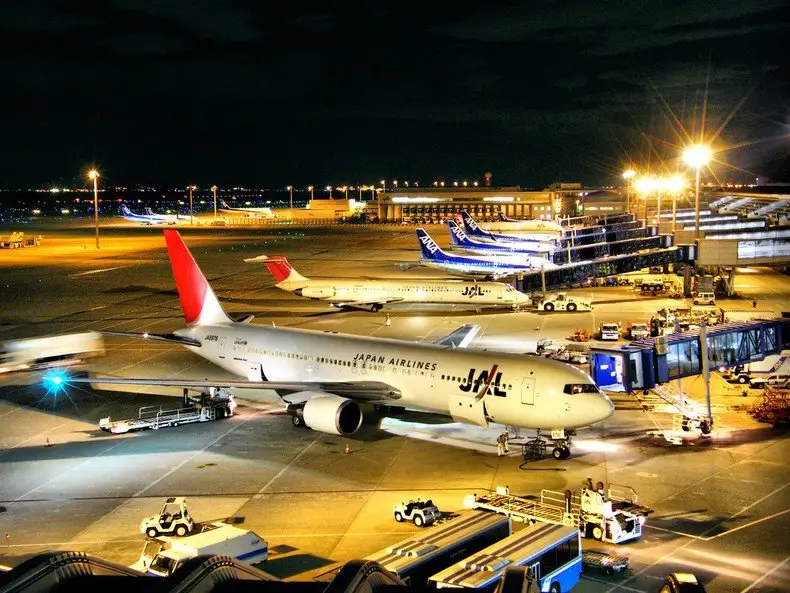
From the United States, Canada, the UK, Australia, or Europe, economy round trips commonly land between about $800 and $1,400 when you book a few months out and avoid cherry blossom, Golden Week, and New Year peaks. Shoulder months and open-jaw tickets (arrive Tokyo, leave Osaka) often shave both money and a redundant shinkansen day.
On my first trip I paid the equivalent of a solid mid-range long-haul fare for a round trip with a Dubai layover on Emirates. I still rate that airline highly for the route, and many passports do not need a transit visa for a simple connection there — always confirm your own nationality before you book.
If you hold a U.S. visa, routing through the United States can open more competitive fares year-round. Direct or one-stop itineraries on other carriers vary widely by departure city; compare total elapsed time, baggage rules, and layover cities instead of chasing the absolute cheapest number.
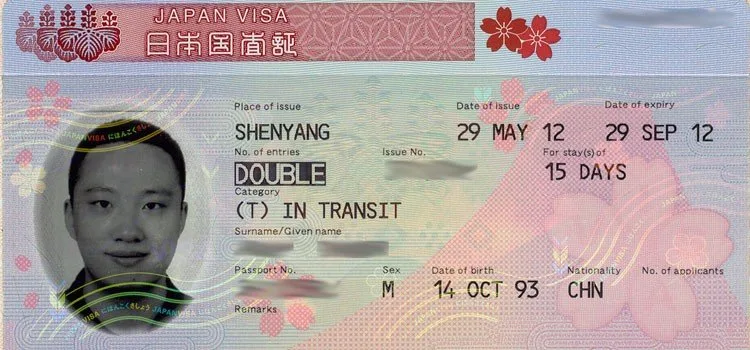
For short tourism, many English-speaking and European passports enter Japan without a tourist visa for stays of up to 90 days (exact length depends on nationality). Check the official exemption list from Japan’s Ministry of Foreign Affairs and the Japan National Tourism Organization before you travel. If your passport still needs a visa, apply through the Japanese embassy or consulate that covers your residence — do not invent a fee from an old blog post. Bring a valid passport, return ticket, and proof you can cover the stay.
For a deeper look at airfares and route tricks, see our guide on the ticket to Japan and, when you need paperwork details, the article on the Japan tourist visa.
How much does transportation cost in Japan?
Inside the country, short-haul flights between Tokyo and Osaka or Tokyo and Hokkaido sometimes appear around ¥5,000 on low-cost carriers such as Jetstar. On a tight multi-city plan, that can beat a full-price shinkansen seat.
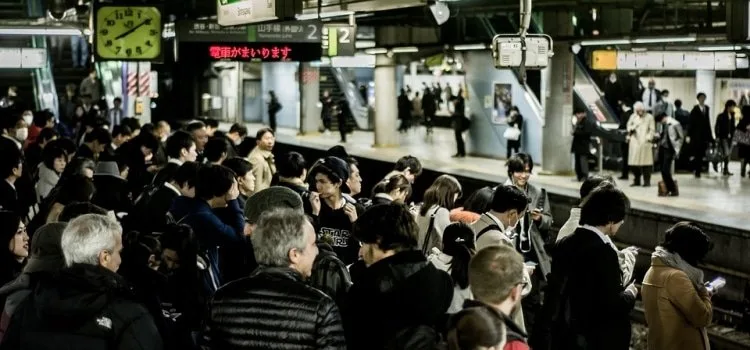
In Tokyo, expect roughly ¥800–1,500 per day on trains and subways if you move a lot. A single ride on city rail is often in the ¥170–310 band; the Yamanote Line loops through the core neighborhoods for the price of one ticket each time you enter the system.
I only recommend the JR Pass when your itinerary is stacked with long-distance shinkansen days. A simple Tokyo–Osaka hop may be cheaper as a one-way ticket (or two) than activating a full national pass. If you do buy a 7-day pass, activate it on the first long ride, not on a quiet Tokyo-only weekend.
Local and rapid trains stitch the whole country together for less money and more time. That trade-off is fine when scenery is the point; it is painful when you only have ten vacation days.
How much does food cost in Japan?
I kept food near ¥1,000 a day when I was thrifty — roughly $7 at a weak-yen rate of about ¥150 to the dollar — and that did not count every drink from a vending machine or late snack at a konbini.
A comfortable daily food envelope for most visitors is closer to ¥3,000–6,000 ($20–40): good lunches, a proper dinner, and the small transport top-ups that sneak in between stations.
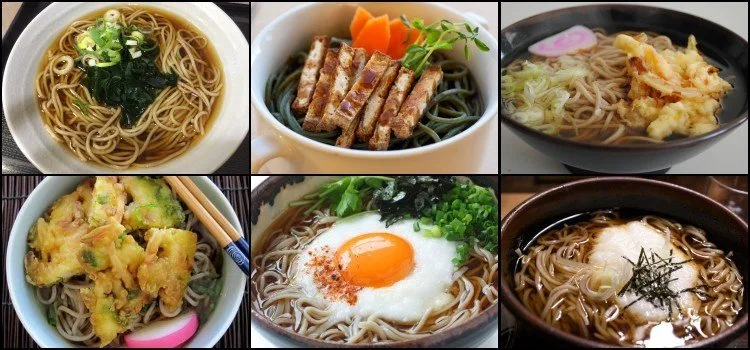
A can of soda, coffee, or water from a machine usually costs ¥100–180. Chain and casual lunch sets land around ¥500–1,200. Sit-down places in central Tokyo can run ¥1,000–5,000 without trying hard, especially once you add drinks.
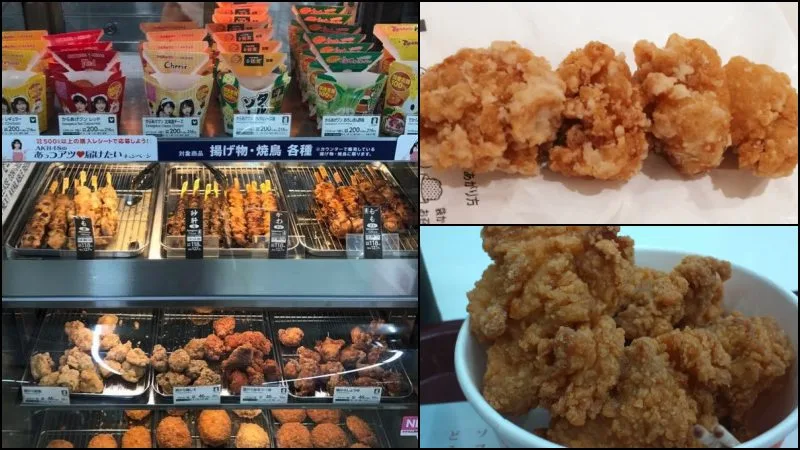
Budget extra for konbini snacks and street treats. You can eat cheaper in Japan than in many Western cities if you stick to gyudon, ramen, and convenience-store bentos — the hard part is walking past the next display without buying something.
How much does accommodation cost in Japan?
Business hotels commonly sit around ¥8,000–15,000 a night ($55–100). Capsules and hostel dorms are often ¥2,500–6,500 ($17–45). Private rooms in solid hostels or simple hotels climb from there; a full ryokan with dinner and onsen is another tier entirely.
I usually recommend hostels and compact business hotels when the plan is to sleep, shower, and get back outside. You rarely need a suite — laundry machines in hostels often run about ¥400–500 per load.
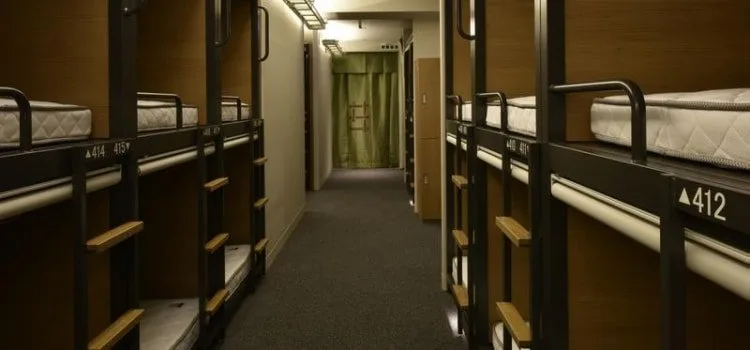
Some hostels even lend a light ryokan-style vibe (yukata on site, communal baths) without the kaiseki price tag. For room types and how to choose, see types of accommodation in Japan and the practical notes on a share house if you stay longer.
How much does sightseeing cost in Japan?
Plenty of shrines, parks, and street views cost nothing. Towers and ticketed decks are another story: plan well over ¥1,500–3,000 for big observation decks such as Tokyo Tower or Tokyo Skytree, depending on the ticket tier.
Theme parks like Disney and Universal are, in my view, a poor value for a short Japan trip: you pay a high day rate to stand in long lines and ride a handful of attractions. If you go anyway, budget a full day and a thick wallet — easily the equivalent of $50–100+ once you add food and transport.
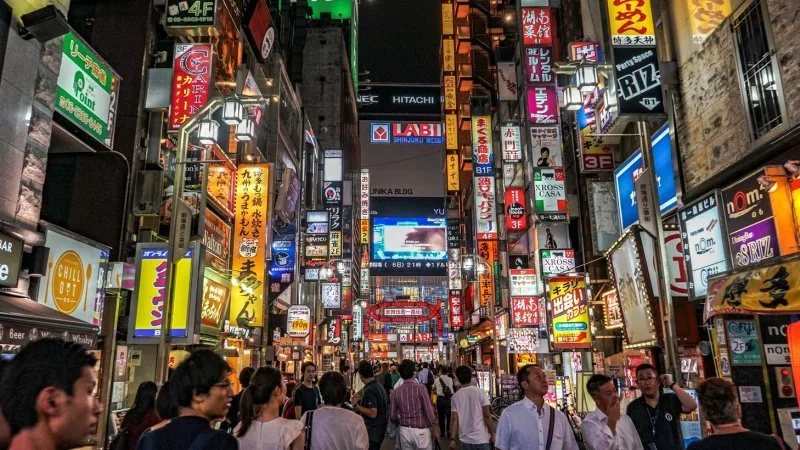
Museums, gardens, temples, and castles are often free or charge ¥200–1,000. Look up each stop so the wallet is ready and you do not waste a half day on a closed wing or a timed ticket you never bought.
How much did I spend traveling to Japan?
On one longer stay I spent the equivalent of a modest hostel bill for about 14 nights at Akihabara Grids in Tokyo — I still recommend it for location and price — and the rest of the nights with friends. Food and local transport together sat near ¥3,000 a day when I was careful; a more “normal” tourist pace often lands closer to ¥8,000–12,000 a day once hotels enter the picture.
Mornings usually started with a vending-machine drink, then a snack at a konbini. I ate a lot of McDonald’s for about ¥500, nikuman and karaage for pocket change, and lunches of gyudon, soba, ramen, or udon around ¥500–900 at chains like Yoshinoya.
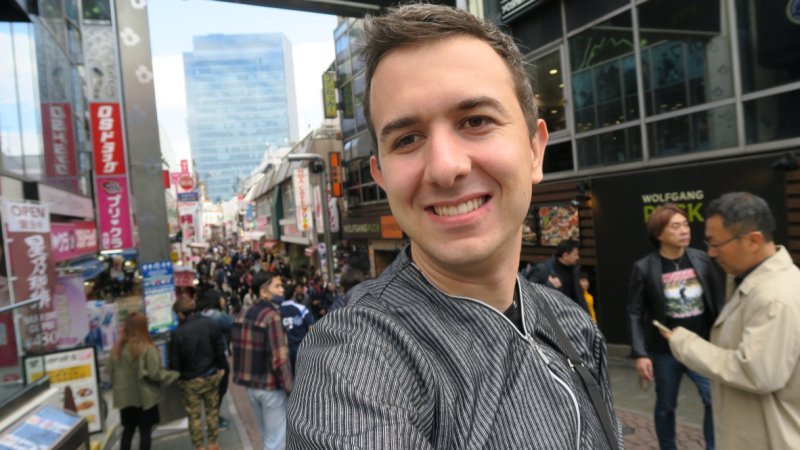
Leave room for souvenirs and electronics if that is part of the plan. For a thrifty 30-day stay on the ground (not counting the international flight), I still think in terms of several thousand dollars if you want breathing room — less if you sleep in dorms, cook almost nothing, and barely shop; more if you collect cameras and anime goods.
With flights and a carefully used JR Pass (only when the math works), a frugal month is possible under a mid four-figure dollar total on the ground. The harder constraint is often entry paperwork and proof of funds for nationalities that still need a visa, not the price of ramen.
Sample budget for 14 days in Japan
Rough mid-2020s orientation for one person, excluding the international flight, using about ¥150 = $1. Your city mix and shopping will move every line.
| Style | Per day (yen) | Per day (USD approx.) | 14 days on the ground |
|---|---|---|---|
| Thrifty hostel + konbini / chains | ¥10,000–14,000 | $65–95 | $900–1,300 |
| Mid-range hotel + mixed meals | ¥20,000–28,000 | $130–185 | $1,800–2,600 |
| Comfort + more attractions | ¥40,000+ | $270+ | $3,800+ |
Add the round-trip flight ($800–1,600 from many Western hubs), airport transfers, and any multi-city shinkansen legs that do not fit a pass. A 10–14 day mid-range trip often lands in the low-to-mid thousands of dollars all-in — less if the yen stays weak and you sleep and eat like a local.
And you? Have you traveled to Japan? How much did you spend? Leave your tips in the comments.




Community
Comments
0 comments
There are no published comments in this language yet.
Send comment