
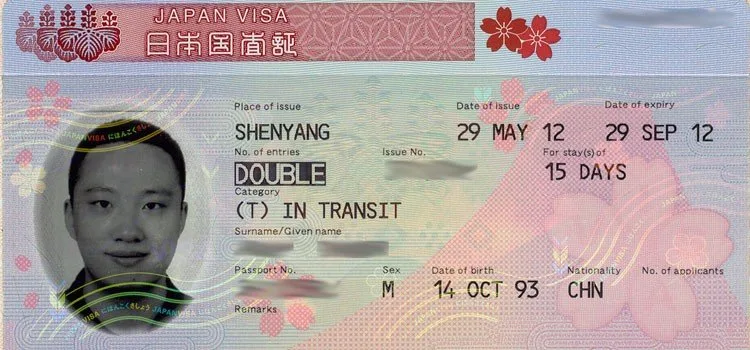
Before you book the shinkansen or argue about which ramen line is “worth it,” one boring question decides half the trip: does your passport need a Japan tourist visa at all? For many travelers the answer is no—and that single fact changes the paperwork, the timeline, and how stressed you should be two weeks before departure.
Japan calls short leisure visits a Temporary Visitor stay (short-term stay). Tourism, family visits, conferences, transit, and unpaid business meetings can sit under that umbrella. Paid work does not. What follows is how exemption, eVISA, embassy applications, and airport entry fit together—so you chase the path that matches your nationality, not a stack of Brazilian forms from another decade.
Contents 8
Do you need a tourist visa for Japan?
Japan maintains reciprocal visa exemption arrangements with dozens of countries and regions. Holders of qualifying passports can usually enter for tourism without applying for a visa in advance. For most of those nationalities the landing permission is up to 90 days; a few arrangements grant 15 or 30 days instead. Some passports also need to be ICAO-compliant ePassports for the exemption to apply—check the official list for your country before you assume you are free to go.
Core idea: exemption follows passport nationality, not where you live, green-card status, or the language of this page. Confirm your country on the Ministry of Foreign Affairs (MOFA) visa-exemption list before packing documents.
If your nationality is on the list and your trip is a genuine short stay without paid work, you typically bring a valid passport, a clear plan to leave Japan, and enough funds for the visit. Immigration still decides the period of stay at the border; a visa sticker is simply not required beforehand.
If your nationality is not exempt, you need a short-term visa issued by a Japanese embassy, consulate, or—when you are eligible—the online JAPAN eVISA system for single-entry tourism.
What Temporary Visitor status allows
Temporary Visitor is the status many tourists receive on landing. It covers leisure travel, visiting relatives or friends, short conferences, transit, and certain business activities that do not involve employment in Japan. It does not authorize you to take a paid job, freelance for Japanese clients on a work schedule, or settle long-term as a resident.
You are expected to leave before the authorized stay ends. A few nationalities with special bilateral rules may later apply inside Japan to extend a short stay up to six months in total; that path is limited and is not the default for every passport. If you need months of work, study, or residence, you are looking at other visa categories entirely—not a tourist stamp stretched past its purpose.
If you need a visa: documents and process
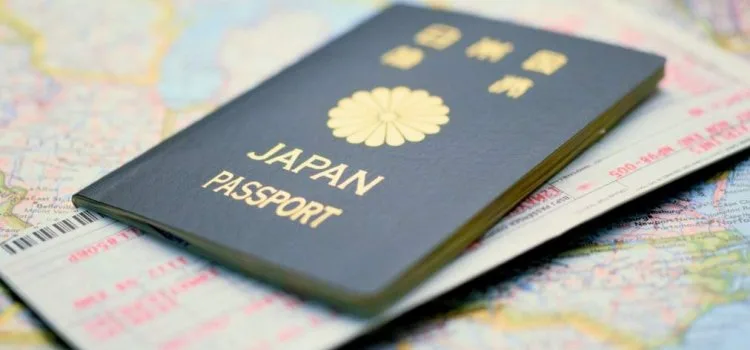
Requirements vary by embassy and by whether you apply online or in person. Always follow the checklist of the Japanese mission with jurisdiction over where you live. In broad strokes, short-term tourism applications commonly ask for:
- Valid passport (and often previous passports if you have Japanese entry stamps);
- Completed visa application form and a recent passport-style photo to the size the mission specifies;
- Round-trip or onward ticket reservation;
- Hotel bookings or a clear itinerary of where you will stay;
- Proof of funds and ties to your home country (bank statements, employment letter, tax documents—whatever that mission lists);
- Extra paperwork if someone in Japan is inviting you or hosting you at a private home.
Fees, processing time, and whether an accredited agency must submit the file differ by country. A single-entry visa is often valid for a limited window (commonly three months from issuance) during which you must enter Japan. The length of stay stamped or approved for tourism is commonly up to 90 days for many short-term visas, but the mission decides what it grants based on your itinerary and documents—not on wishful thinking in a blog comment.
Multiple-entry short-stay visas exist for people who travel to Japan repeatedly and meet stricter income and travel-history conditions. They are useful if you already go often; they are not a shortcut for a first casual weekend if the rules demand a prior visit and solid finances.
JAPAN eVISA when you are eligible
For tourism-purpose single-entry short stays, MOFA operates the JAPAN eVISA system for eligible applicants residing in certain countries and regions. Exempt nationalities should not apply for eVISA “just in case”—you do not need it if exemption already covers your trip.
Where eVISA is available, the application runs online (or through an accredited agency, depending on the country). Incomplete uploads or wrong documents can delay or cancel the case. Approved travelers must be able to show the electronic visa issuance notice under the conditions MOFA publishes (screenshots and printed PDFs are not always accepted at the gate—follow the official display rules).
If your purpose is not tourism, or you need a longer or different status, eVISA will not replace a proper application at the embassy for that category.
Visit Japan Web and arrival
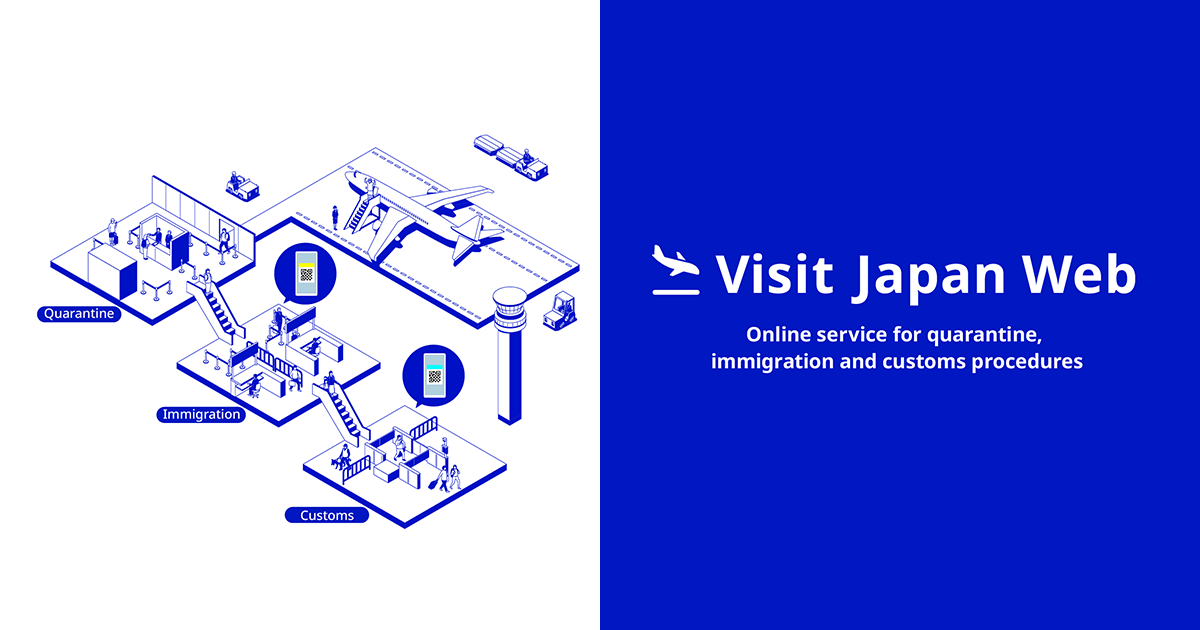
Visa or no visa, landing still means immigration and customs. Japan’s official Visit Japan Web service lets you register trip and passport details ahead of time and generate QR codes for smoother entry and customs declarations. It is strongly recommended for most visitors; it is not a visa by itself.
At the airport you should expect questions that match a tourist profile: where you stay, how long you stay, return plans. Keep hotel confirmations and itinerary details accessible. Fingerprints and a photo are standard for most foreign arrivals. Carry your passport while you travel inside Japan—temporary visitors are expected to have it with them.

Practical tips that still matter
Build your itinerary honestly. Immigration and embassies both dislike fantasy schedules you cannot fund. If money is tight, shorten the trip on paper before you submit anything—changing everything after approval can create awkward questions later.
Watch Japanese public holidays when booking an embassy appointment; missions follow Japanese calendars as well as local ones. Photographing embassy exteriors can get you in trouble in some cities—follow posted rules and staff instructions.
Agencies registered with a mission can file for you where that system exists. For straightforward cases, many people handle the forms themselves; for complex invitations or first-time applicants in strict jurisdictions, a trusted accredited agent can reduce paperwork errors. Neither path guarantees approval.
A tourist permission does not magically become a work visa. If your plan is to live, study long-term, or earn money in Japan, read about the different types of Japanese visas and choose the correct status before you fly. Extending a short stay inside Japan is sometimes possible under narrow conditions—see whether extending a stay in Japan applies to your nationality and purpose.
Where to check official rules
Rules change. Before you buy non-refundable tickets, open the primary sources for your passport and place of residence:
- MOFA visa portal and short-term stay guidance;
- List of visa-exempt countries and regions (notes on ePassports matter);
- JAPAN eVISA page if you actually need a tourism visa online;
- The website of the Japanese embassy or consulate that covers your address;
- Visit Japan Web for pre-arrival immigration and customs registration.
Secondary travel blogs (including this one) help you understand the shape of the process. They never replace the checklist on the mission’s site the week you apply.
After the paperwork: planning the trip
Once entry looks clear, the fun problems return: budget, trains, and how much Japanese you need on the street. These guides stay on the practical side:
- How much does it cost to travel to Japan?
- Japan airport immigration, Visit Japan Web, and useful phrases
- Japan’s digital visa (e-visa) landscape
- How to take the train in Japan
Get the passport path right first. The rest of Japan is much more enjoyable when you are not improvising immigration stories at the counter.


Community
Comments
0 comments
There are no published comments in this language yet.
Send comment