
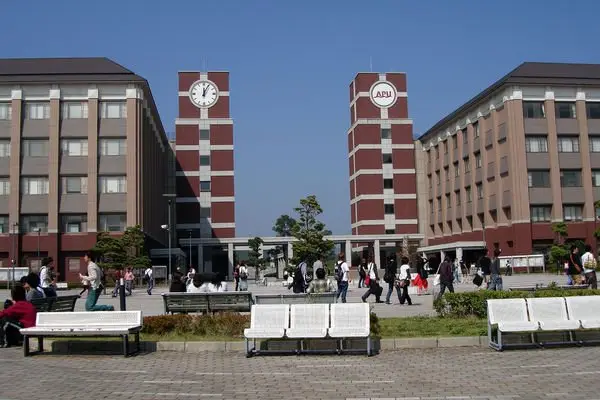
In anime classroom scenes, students argue over 数学 and sprint to 体育 after the bell — but what are those subjects actually called in Japanese school life? The labels on a Japanese timetable do not always match the English words learners expect, and a few pairs look almost identical until you learn the nuance.
This guide lists school subjects in Japanese with kanji, kana, and romaji, then expands into broader academic fields you will meet at university. Keep an eye on the kanji 学 (gaku), “to study / learning”: it shows up in many subject names.
If you want the bigger picture of how schools work day to day, see what Japanese schools are like. For higher education, there is also a guide on universities in Japan.
Contents 5
Core school subjects in Japan
In elementary and secondary school, the everyday word for a class subject is often 教科 (kyōka) or 科目 (kamoku). The set below is the vocabulary you will hear most when Japanese people talk about their school days — not a full government curriculum chart, but the names that stick.
| Kanji | Kana | Rōmaji | English |
| 国語 | こくご | kokugo | Japanese (national language class) |
| 日本語 | にほんご | nihongo | Japanese language (as a foreign language) |
| 算数 | さんすう | sansū | Arithmetic (mainly elementary) |
| 数学 | すうがく | sūgaku | Mathematics (from junior high up) |
| 理科 | りか | rika | Science (school science) |
| 科学 | かがく | kagaku | Science (broader / more advanced) |
| 社会 | しゃかい | shakai | Social studies |
| 英語 | えいご | eigo | English |
| 体育 | たいいく | taiiku | Physical education (P.E.) |
| 音楽 | おんがく | ongaku | Music |
| 美術 | びじゅつ | bijutsu | Art (fine arts) |
| 家庭科 | かていか | kateika | Home economics |
| 道徳 | どうとく | dōtoku | Moral education |
- Kokugo vs nihongo: Japanese students study their native language as kokugo (“national language”). Nihongo is what you usually say when Japanese is taught as a foreign language.
- Sansū vs sūgaku: elementary math is often sansū; from junior high, the subject is sūgaku.
- Rika vs kagaku: school “science class” is commonly rika. Kagaku is the broader word for science (and, with different kanji 化学, also means chemistry — see below).
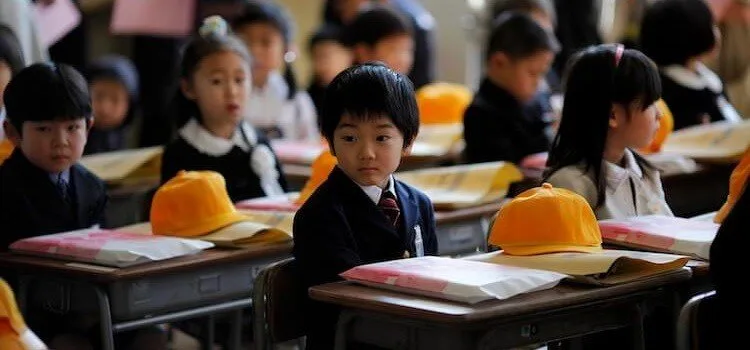
人文科学 / Jinbun kagaku / Humanities
Humanities fields deal with culture, thought, and human expression — not lab science. At university these often sit under 人文科学 (jinbun kagaku).
| Kanji | Kana | Rōmaji | English |
| 哲学 | てつがく | tetsugaku | Philosophy |
| 歴史 | れきし | rekishi | History |
| 文学 | ぶんがく | bungaku | Literature |
| 語学 | ごがく | gogaku | Language study (learning a language) |
- Gogaku should not be confused with 言語学 (gengogaku), “linguistics” — the scientific study of language in general.
社会科学 / Shakai kagaku / Social sciences
Social sciences look at how people organize societies, economies, and institutions.
| Kanji | Kana | Rōmaji | English |
| 心理学 | しんりがく | shinrigaku | Psychology |
| 社会学 | しゃかいがく | shakaigaku | Sociology |
| 言語学 | げんごがく | gengogaku | Linguistics |
| 人類学 | じんるいがく | jinruigaku | Anthropology |
| 地理(学) | ちり(がく) | chiri (gaku) | Geography |
| 経済(学) | けいざい(がく) | keizai (gaku) | Economics |
| 政治学 | せいじがく | seijigaku | Political science |
- Do not confuse gengogaku with gogaku (learning a specific language such as Japanese or English).
- 人類 (jinrui) = humanity / humankind.
- 経済 (keizai) = economy / economics.
- 政治 (seiji) = government / politics.
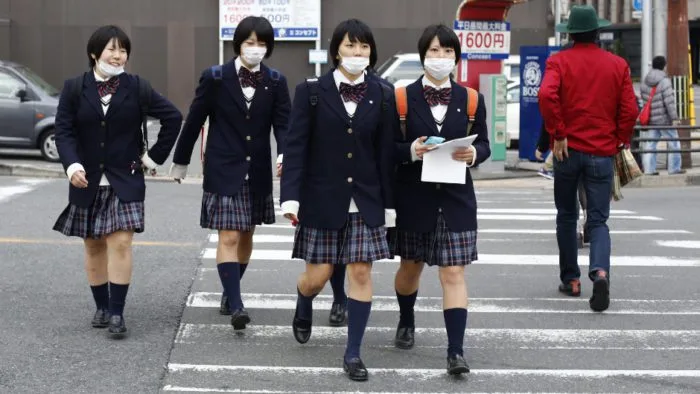
自然科学 / Shizen kagaku / Natural sciences
Natural sciences cover the physical and biological world. In high school and university, rika often splits into more specialized subjects like these.
| Kanji | Kana | Rōmaji | English |
| 生物(学) | せいぶつ(がく) | seibutsu (gaku) | Biology |
| 化学 | かがく | kagaku | Chemistry |
| 物理(学) | ぶつり(がく) | butsuri (gaku) | Physics |
| 天文(学) | てんもん(がく) | tenmon (gaku) | Astronomy |
| 地質(学) | ちしつ(がく) | chishitsu (gaku) | Geology |
| 環境科学 | かんきょうかがく | kankyō kagaku | Environmental science |
- 生物 (seibutsu) = living things.
- 科学 is also read kagaku and means “science” in general; 化学 (same reading) means chemistry — context and kanji decide which one you mean.
- 環境 (kankyō) = environment.
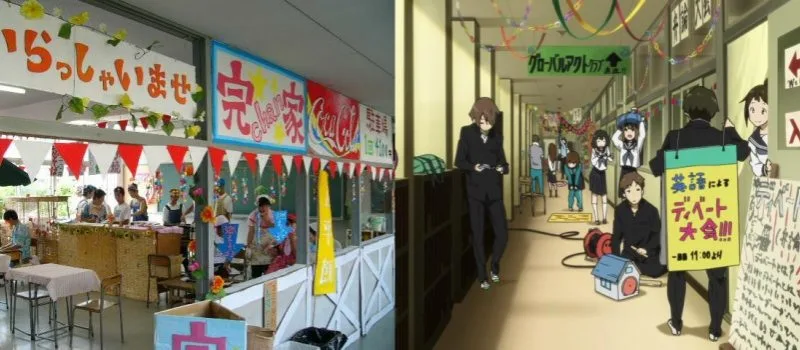
Other subjects and university fields
Beyond the weekly timetable, Japanese also has names for specialized majors and less common fields. Some of these appear mainly at university or as electives.
| Kanji | Kana | Rōmaji | English |
| 統計(学) | とうけい(がく) | tōkei (gaku) | Statistics |
| 工学 | こうがく | kōgaku | Engineering |
| 医学 | いがく | igaku | Medicine / medical science |
| コンピュータ・サイエンス | コンピュータ・サイエンス | konpyūta saiensu | Computer science |
| 雪氷学 | せっぴょうがく | seppyōgaku | Glaciology |
| 史学 | しがく | shigaku | Historical studies |
| 宗教 | しゅうきょう | shūkyō | Religion |
Optional clubs and school activities (部活, bukatsu) are not “subjects” in the same sense as 教科, but they take a huge share of student time — another reason Japanese school vocabulary goes far beyond the classroom list.
The tables above are a working vocabulary map, not every elective on every timetable. Once you can read 国語, 数学, 理科, and 体育 on a schedule, classroom talk and anime school scenes get a lot easier to follow.



Community
Comments
0 comments
There are no published comments in this language yet.
Send comment