Kansai-ben [関西弁] is a group of Japanese dialects from the Kansai region that includes Osaka, Kyoto, Nara, Shiga, and other provinces. This region has the second most popular dialect in Japan, second only to Kanto.
Currently, it is common to see and associate the Kansai dialect (especially that of Osaka) with comedy, being used as something funny in many animes, games, dramas, etc.
Although most people associate the Osaka dialect as the Kansai dialect of the entire region, technically, each province in the region has its own particular dialect, and the residents take pride in their small particular differences. In this article, we will specifically look at Osaka and Kyoto.
Examples of changes in the Kansai dialect
See below a list of changes that occur between traditional Japanese and the Kansai dialect.
Responsive Table: Scroll the table sideways with your finger >>
Traditional Japanese
Romaji Japanese
Kansai-ben
Kansai-ben romaji
ありがとうございます
arigatou(gozaimasu)
おおきに ありがとうさん
ookini / arigatousan
おはようございます
ohayou(gozaimasu)
おはようさん
ohayousan
本当
hontou
ほんま
honma
よ!
yo
で!
de!
本当だよ!
hontoudayo!
ほんまやで!
honmayade!
そうだ
souda
せや
seya
いくら
ikura
なんぼ
nanbo
じゃあ
jyaa
ほな
hona
いい
ii
ええ
ee
だめ
dame
あかん
akan
ということは
toiukotowa
っちゅうことは
ttchyuukotowa
ということだ
toiukotoda
ちゅうこっちゃ
Chuukotcha
だろう
darou
やろう
yarou
ね
ne
な
na
知ってる
Shitteru
知っとる
Shittoru
京都へ行きます
Kyōto e ikimasu
京都へ行ってはる
Kyōto e itte haru
Responsive Table: Scroll the table sideways with your finger >>
Kansai
Tokyo
Portuguese
Chau Akan Meccha wakarahen Aho
Chigau Dame Tottemo wakaranai baka
Different / Wrong Not good / Cannot Very Don’t understand Idiot
Responsive Table: Scroll the table sideways with your finger >>
rude
informal
Polite – desu
Polite – gozaimasu
Formal
Osaka
ja
ya
dasu
de omasu
de gozaimasu
Kyoto
dosu
de osu
Ending
use
See
Eat
Do
Come
-te form
Original verb
tsukau
miru
taberu
suru
kuru
-teru
-naharu
tsukainaharu
minaharu
tabenaharu
shinaharu
kinaharu
-tenaharu
-haru in Kyoto
tsukawaharu
miharu
tabeharu
shiharu
kiharu
-taharu
-haru in Osaka
tsukaiharu
-teharu
-yaharu
miyaharu
tabeyaharu
shiyaharu
kiyaharu
-teyaharu
-te ya
tsukoote ya
あかん ya
tabete ya
shite ya
pipa ya
-totte ya
Curiosities about Kansai-ben
In Kyoto, the word です can become どす
The verb: tsukau (to use) becomes tsukawan, tsukawahen, tsukaehen.
The verb: miru (to see) becomes min, miyahen,meehen, and miihin
Researching and writing about the Kansai dialect is something complex and complicated; there is much more information about the Kansai dialect than about the Fukuoka dialect. Explaining all the details and curiosities of a dialect is quite complicated; there is a website specialized only in the Kansai dialect, you can access it by clicking here.
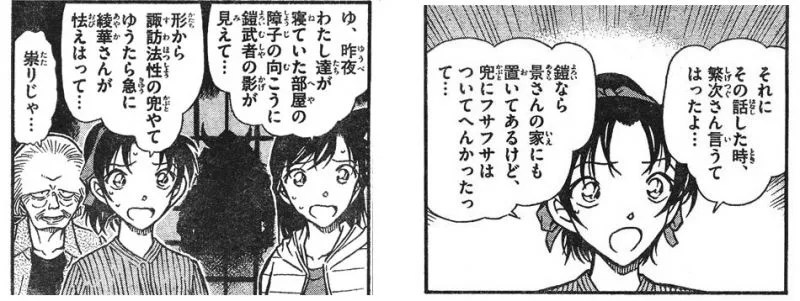
If you watch the anime Detective Conan, you will certainly notice the difference between dialects and the Kansai dialect; one of the important characters in the series, Hattori Heiji, is from Kansai, and we can immediately notice the difference in language. If you can read a little kanji, notice the comic strip below showing Hattori’s friend Kazuha speaking in the Kansai dialect.
What did you think of the Kansai-ben dialect? Did you like the article? If you did, leave your comments and share with friends. Thank you and see you in the next article.
It’s booming this month, an online game, simple and addictive called agar.io. The objective of the game is simple, you choose a name for your ball, and try to survive in a space full of other players, trying to eat smaller balls and grow, while escaping from the other giant balls that try to swallow you.
I don’t know the meaning of Agar.io but at least in Japanese “Oagaryo” is something like go ahead, it even makes a bit of sense. xD But they probably named it that because of the domain “.io” and who knows agar comes from grab.
A brief description and features of the game agar.io:
Eat particles to grow;
Balls of the same size do not kill each other;
There is a green spike ball that if you are bigger and touch it, it explodes and splits into several. If you are smaller you can hide inside it;
You use “Space” to split and escape from enemies;
Use W to throw away some of your mass to shrink and move faster;
The game has 2 game modes, Color Team and Free-for-all;
The game has a ranking of the 10 largest balls in the game room;
If you want to know how the game works, watch this GamePlayer of agar.io made by nerd stuffbelow:
Customize your Ball – Name list
One very interesting thing is that if you rename your ball with any of the names below, it will be decorated with some design or different art, instead of a random color. If you were interested in knowing all the customizations of agar.io, see the list below of names that are decorated. Most are countries of the world or crazy things.
In today’s dismembering of songs, we will study a very nostalgic and famous song. Zankoku Na Tenshi No Teeze (残酷な天使のテーゼ) Thesis of the Cruel Angel, the opening of the classic anime Evangelion which is celebrating 20 years now in 2015.
Below we have the video with the song and its lyrics in Hiragana and Kanji, watch the video as many times as you want, then we will dismember it. Don’t forget to turn up the volume.
Dismembering the lyrics
To facilitate the understanding of the kanji below, we recommend the Insert Furigana plugin (available for other browsers, just search for it, to activate it click on the icon that appears in the corner of the address bar).
Some phrases are difficult to translate with any meaning, so in some phrases, we will leave only the meaning of the words; try to understand on your own the message that the phrase wants to convey. Review, research, study, sing, and do everything possible to enjoy the material below and improve your vocabulary.
残酷な天使のように 少年よ神話になれ
Like a cruel angel, boy, become a legend!
残酷 – ざんこく = Inhumanity, cruelty
天使 – てんし = Angel
ように = Like
少年 – しょうねん = Boy, Young, Kid
神話 – しんわ = Myth, Legend
になれ = Become
蒼い風がいま 胸のドアを叩いても
now, the blue wind knocks on the door of my heart.
青い – あおい = Blue
風 – かぜ = Wind
いま – 今 = Now
胸 – むね = Chest, Heart
ドア = Door
叩い – たたい = Knock
ても = Even
私だけをただ見つめて微笑んでるあなた
You just look at me and smile.
私だけ – わたしだけ = Only me, Just me
ただ見つめて = Staring (見 = Look)
微笑んで – ほほえんで = Smiling
そっと触れるもの 求めることに夢中で
something trembles while seeking what it desires.
そっと = gently, softly, quietly
触れる – ふれる = Touch
もの = Thing
求める = Seek, ask, look for
こと = Thing
夢中= Passion, delirium, deep dream
運命さえまだ知らない いたいけな瞳
your eyes are so innocent, that they don’t even know their fate.
運命 – うんめい – Fate
さえ = Even
まだ = Still
知らない – しらない – Don’t know, not knowing
いたいけ = Innocent
瞳 – ひとみ – Eyes, pupils
だけどいつか気付くでしょう その背中には
but someday you will notice what you carry on your back
だけどいつか = but (however) one day
気付くでしょう = notice, you will notice
その背中 – そのせなか = The back, your back
遙か未来目指すための羽根があること
those strong wings that take you to a distant future.
遙か – はるか = Distant
未来 – みらい = Future
目指すため – めさすため = To aim for, destination, goal
羽根 – はね = Wing
あること = To a / place
残酷な天使のテーゼ 窓辺からやがて飛び立つ
The thesis of a cruel angel will soon fly out the window.
テーゼ = Thesis, statement, Theory
窓辺 – まどべ = By the window
からやがて = Soon from
飛び立つ – とびたつ = Fly out, jump
ほとばしる熱いパトスで 思い出を裏切るなら
if there is a torrent of warm emotions, it will betray your memories.
迸る – ほとばしる = to surge, to gush
熱い – あつい = Hot
パトス = Strong feelings of movement, passion
思い出 = Memories
裏切る = To betray
この宇宙を抱いて輝く 少年よ神話になれ
hold this universe and shine, boy, become a legend!
この = This
宇宙 – うちゅう = Universe
抱いて – だいて = Holding, Embracing
輝く – かがやく = Shining
ずっと眠ってる 私の愛の揺りかご
sleeping for a long time in the cradle of my love,
ずっと = For a long time, always
眠ってる – ねむってる = Sleeping
私の愛 = My love
揺りかご = Cradle
あなただけが夢の使者に呼ばれる朝が来る
only you are called by the messenger of dreams when morning comes.
あなただけが = only you
夢 – ゆめ = Dream
使者 – ししゃ= Messenger
呼ばれる = Called
朝 – あさ = Morning
来る= Come, to come 朝が来る = (Morning comes)
細い首筋を 月あかりが映してる
the moonlight reflects your slender neck.
細い – ほそい = Thin
首筋 – くびすじ = Nape, neck
月あかり = Moonlight
映してる – うつしてる= Reflecting
世界中の時を止めて閉じこめたいけど
I want to stop time all over the world, and confine it.
世界中 – せかいじゅう = All over the world
時 – とき = Time
止め – とめ = Stop
閉じこめ = Lock up, imprison
たいけど = I want
もしふたり逢えたことに意味があるなら
if there is any meaning in our meeting
もし = if
ふたり – 二人 = Two people, both of us, couple
逢えたこと = Meeting, knowing
意味 – いみ = Meaning
あるなら = if there is
私はそう 自由を知るためのバイブル
I will know for myself through the BIBLE
私はそう = I then
自由= Freedom
バイブル = Bible
知るための = To know
残酷な天使のテーゼ 悲しみがそしてはじまる
The thesis of a cruel angel and the suffering begins,
悲しみ – かなしみ = Sadness
そして = and
はじまる – 始まる = Begin
抱きしめた命のかたち その夢に目覚めたとき
with the form of life that is held when awakening from that dream.
抱き – だき = Embrace
命 – いのち = Life
かたち = Form
その夢 = The dream
目覚め -めさめ = Awakening (+ とき = When)
誰よりも光を放つ 少年よ神話になれ
will shine brighter than anyone, boy, become a legend!
誰より = Than anyone
光 – ひかり = Light, shine
放つ – はなつ = To release (to shine, to create light)
人は愛をつむぎながら歴史をつくる
People, while weaving love, create their history
人は愛 = People + Love, depends on the context how to translate..;
つむぎながら = While weaving, sewing, intertwining
歴史 – れきし = History
つくる = To make, to create
女神なんてなれないまま 私は生きる
Without being able to become a goddess, I continue to live
女神 – めがみ = Goddess
なんてなれないまま = Unable to become
生きる = To live
残酷な天使のテーゼ 窓辺からやがて飛び立つ
The thesis of a cruel angel will soon fly out the window.
ほとばしる熱いパトスで 思い出を裏切るなら
If there is a torrent of warm emotions, it will betray your memories.
この宇宙を抱いて輝く 少年よ神話になれ
Hold this universe and shine, boy, become a legend!
I spent 3 hours making this article, I appreciate the comments and shares. Whenever possible, I recommend reviewing this article and the vocabulary to facilitate your learning and help you memorize the words and phrases.
Japan is a country known for its superstitions, culture, and different beliefs, resulting in numerous legends and bizarre creatures. There are hundreds of them, some harmless, others terrifying. In this article, we will learn about some of the most bizarre creatures and legends of Japan.
Kamaitachi – The Sickle Weasel
Kamaitachi [窮奇] is a monster from Japanese folklore that means sickle (kama) and weasel (itachi). The monster is said to take the form of a weasel with sharp teeth like sickles that would cut its victims with extreme speed.
Ancient Japanese say that Kamaitachi is responsible for the cuts that people suffer when hit by strong gusts of cold wind! So, the blow of the Kamaitachi makes a small cut on the person, which initially does not hurt much, as the cut is small, but probably the cut will become infected!
Okiku – The Living Doll in Kimono
Okiku is a small doll dressed in a kimono. She belonged to a little girl named Okiku, who died of cold. Her spirit possessed the doll, and now, her hair grows mysteriously. The doll is now in the Mannenji temple. At first, her hair was short, but over time, the doll’s locks have grown, and today they reach the doll’s waist. No one knows how the doll’s hair continues to grow, but scientific research has concluded that it is the hair of a young child, perhaps Okiku’s.
Umiboozu – The Japanese Sea Monster
Umiboozu (海坊主) is a terrible sea monster that usually appears along the coast of Japan. Its legends are described in the Edo period. The main action of this monster is destruction. It always appears to devastate vessels, taking along with them, humans to the depths of the sea. It is also said that it can form a whirlpool along the coasts in the shape of a pot, pulling humans who are at its edge.
There are many descriptions of the Umiboozu legend. Some people say that it can take on various forms. But its original physical characteristic is monstrous, measuring up to 30 meters out of the water and having a very shiny bald head. This has led to Umiboozu earning the nickname “Bald Monster.” It is said that this monster has no mouth or eyes and its color is black as a moonless night. However, in some legends, Umiboozu is described with a huge mouth and glowing eyes like fire.
Imagine a shark. Now imagine a shark whose fins are like a cheese grater, except that instead of grated cheese, it grates your flesh. This is Isonade, which uses its teeth and fins to make fillet out of you, then drags you down to the bottom of the ocean.
Kushisake Onna – The Woman with the Cut Mouth
Her name (口裂け女) means “the woman with the cut mouth.” If you are walking down the street alone late at night, she will jump out from some corner or alley and stop in front of you. You will not be able to escape, as she will teleport and appear right in front of you. She wears a surgical mask and a tattered coat.
Kushisake will ask you: “Am I beautiful?” If you say no, she will cut off your head with a large pair of scissors. If you answer yes, she will remove the mask, revealing her mouth torn from ear to ear, and will ask “How about now?” If you respond no, you will be cut in half, and if you say yes, your mouth will be cut like hers.
Tomimo no Jigoku – The Cursed Poem
Tomimo’s Hell is a cursed poem, which says it kills those who read it aloud. If you are lucky you will not die, but bad things happen anyway. Tomimo’s Hell was written by Yomota Inuhiko, in his book called “The Heart is like a Rolling Stone,” and is included in Saizo Yaso’s 27th collection of poems from 1919. The poem tells the story of Tomimo, who dies and goes to hell.
Hitobashira – The Human Pillars
Hitobashira (人柱) means “human pillars.” In ancient Japan, the Japanese believed that sealing live people into buildings would make them stronger and more stable. Sealing people in pillars and walls was a common sacrifice to the gods, who, pleased, blessed the buildings to last longer. It is said that the human pillars are haunted by those who served as sacrifices.
Teke Teke – The Elbow Creature
Teke teke teke would be the sound the creature makes when it walks (with its elbow). She was a beautiful young woman who fell (or threw herself, there are various versions) onto the subway tracks. She was cut in half by a train, but her anger and resentment were so intense that her torso continues to seek revenge. Despite the lack of her legs, she can move very quickly, and if you are unlucky enough to be caught by her, Teke Teke will cut you in half with a sickle she carries.
Yuki-onna – The Snow Woman
Yuki-onna (雪女? snow woman) is a spirit or youkai (a type of demon from Japanese folklore) found in Japanese folklore. It is a very common figure in Japanese animation, manga, and literature.
According to folklore, Yuki-Onna sings to seduce men, causing them to get lost in snowstorms and die frozen. They often appear in the form of beautiful young women, and in many legends, they fall in love with men and approach them, marrying and starting families, even having children. However, the love story always ends with her disappearance on a day of heavy mist or storm, probably when the call of her world becomes stronger.
Aka Manto – The Red Cape
Aka Manto means Red Cape/Cloak. It basically refers to a tormented spirit that haunts bathrooms. He will appear when you use the bathroom that has no toilet paper. He will then ask you: “Do you want the red paper or the blue paper?” If you choose the red paper, you will be cut into pieces. If you opt for the blue paper, you will be strangled to death. According to other versions of the story, by choosing the red paper, you will be skinned alive, and if you prefer the blue, your blood will be drained from your body.
Gashadokuro – The Giant Skeleton
Gashadokuro (がしゃどくろ) is a youkai, a creature from Japanese mythology, this spirit is quite simple – it is a giant skeleton made of the bones of people who died of hunger. They roam around, grabbing you and biting your head, drinking your blood, and adding your skeleton to the pile.
The Haunted Inunaki Village
Inunaki Village is a mysterious village completely isolated from other villages, and even from the country itself. It is not known for sure if this village actually exists, but some people say it does. At the entrance of the village, there is a sign that says “The constitutive laws of Japan do not apply here.”
The residents of this village live in a very strange way: incest, cannibalism, and murder are common there. For some reason, you cannot use your cell phone or any other electronic device while in Inunaki Village. There are old shops and some public phones there, but you cannot call anyone. It is said that those who enter Inunaki Village cannot leave.
The Haunted Kyiotaki Tunnel
This tunnel was built in 1927. It is 444m long (4 is a cursed number in Japan, similar to the number 13 for most Western people). Kyiotaki is, according to legends, cursed by all the workers who died while building it, due to the terrible working conditions of the time, which forced them to work like slaves, and by all those who died in the tunnel, victims of accidents caused by the spirits of the workers.
It is said that ghosts can be seen in the tunnel at night, and that they can even possess your car and cause an accident. It is also said that there is a mirror in this tunnel, and that if you look into it and see a ghost, you will have a horrible death. The length of the tunnel can also vary, depending on the time and period you are measuring it (night or day).
Akaname – The Dirt Licker
Akaname can be translated as “dirt licker.” Akaname is a horrible type of bogeyman from Japan that literally licks dirty bathrooms, cleaning everything with its tongue aided by its poisonous saliva. It is believed that the monster may have originated as a way for parents to motivate their children to keep the bathroom clean.
Shirime – The Man with an Eye on His Butt
The description of this character is a bit crude. Shirime was the name given to an apparition of a man with an eye in place of his anus. Eye on the butt, to be more precise.
There is almost no information about its appearances. In fact, there is only one recorded story about Shirime, but the idea of this being was quite assimilated by the artist and poet Yosa Buson who included several supernatural creatures in the paintings he made.
The story of Shirime simply states that a lonely samurai was walking down a road at night when someone called him. He turned to see a mysterious man undressing and pointing to his backside.
Out of nowhere, a large shining eye began to open from the indicated area. The samurai was so horrified that he ran away screaming, and Shirime was never seen again.
In Japan, the return to school in the second semester is marked by tragedies: according to the Japanese government, September 1st is historically the day of the year when the highest number of young people under 18 commit suicide. From 1972 to 2013, more than 18,000 children committed suicide.
On average annually, there were 92 on August 31, 131 on September 1, and another 94 on September 2. Last year, Japan recorded suicide as the leading cause of death for people aged 10 to 19 for the first time. The return to school in April also marks a peak in the number of child deaths.
Shocked by the statistics, a librarian from the city of Kamakura caused controversy by recently tweeting: “The second semester is almost here. If you are thinking about killing yourself, why do you hate school so much? Why not come here? We have comics and light novels. No one will fight with you if you spend the whole day here. Remember us as a refuge if you are thinking of choosing death over school.”
‘Heavy Armor’
In just 24 hours, Maho Kawai’s note was retweeted more than 60,000 times. The initiative was criticized, as it is practically a municipal employee encouraging children not to go to school. But for many, he may have helped save lives. “My school uniform felt as heavy as armor.
I couldn’t stand the school climate, my heart raced. I thought about killing myself because it would have been easier,” wrote the student Masa, whose real name cannot be published to protect his identity. He claims that if it weren’t for his understanding mother, who let him stay home “skipping school,” he would have committed suicide on September 1. Masa’s statement was given to a newspaper for children who decide not to go to school.
“We started this non-governmental organization 17 years ago because in 1997, we had three shocking incidents involving students just before the start of classes,” said the publication’s editor, Shikoh Ishi.
Two of the children mentioned by Ishi committed suicide on August 31. Around the same time, three other students set fire to the school they attended because they didn’t want to return to classes. “That’s when we realized how many desperate children there were, and we wanted to send the message that there is no choice between school or death,” said Ishi.
Support for Suicidal Individuals
For many Japanese children, the competitiveness of Japanese society is unbearable. The Japanese government has also launched a series of initiatives – including hotlines and other services – to support potential suicides of all ages.
Even so, last week, a 13-year-old boy committed suicide on the day of the opening ceremony of the second semester. Ishi himself came very close to committing suicide at that age. “I felt helpless because I hated all the rules, not just those of the school, but also those among the children.
For example, you need to carefully observe the power structure to avoid bullying,” he said. “Even so, if you decide not to join them, you risk becoming the next victim.”
For him, however, the bigger problem is the competitiveness of Japanese society. He himself started thinking about suicide when he couldn’t get into an elite school. “The worst of all is a competitive society, where you have to defeat your friends.” Ishi adds that, in Japanese, the term used for entrance exams includes the word “war.”
What saved him from death was that his parents found the suicide note and did not force him to go to school. “I want children to know that you can escape from school, and that things will get better.”
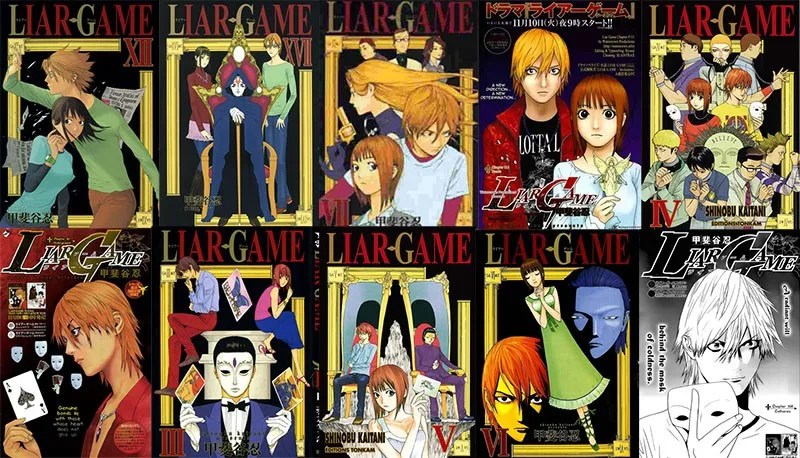
Among the most intriguing and exciting dramas you can watch, Liar Game stands out for its unique approach. Based on the eponymous manga by Shinobu Kaitani, published in the magazine Young Jump, this series combines elements of psychological suspense, surprising twists, and strategy games where lies and manipulation are essential weapons.
In this article, we will explore the entire work of Liar Game, from its origins in the manga to adaptations for dramas and movies. Get ready to dive into the complex universe of one of the most captivating thrillers in Japanese culture.
The Story of Liar Game: A Journey of Deceptions
The plot of Liar Game begins with Kanzaki Nao, an extremely honest and naive young woman. One day, she receives 100 million yen along with a letter informing her that she has been chosen to participate in a game called “Liar Game.” The objective? Deceive other players and steal their 100 million. The loser accumulates a debt equivalent to the lost amount.
Desperate after being deceived by her first opponent, a former teacher named Kazuo Fujisawa, Nao seeks help and finds Akiyama Shinichi, a con artist recently released from prison. Together, they face the stages of the game, where brilliant strategies and moral dilemmas intertwine.
A Unique Psychological Thriller
The difference of “Liar Game” lies in how it explores the human mind. Participants are challenged in their ability to manipulate, deceive, and resist psychological pressure. The games presented in the series involve creative rules, such as voting, money transport, and puzzles with decks, all to test the limits of honesty and morality.
Kanzaki Nao, despite her initial naivety, tries to overcome the challenges honestly, helping other players. Her struggle to maintain ethics in such a corrosive environment is one of the greatest strengths of the series.
Manga: The Origin of Everything
The manga Liar Game started in 2005 and was completed in 2015, with 19 volumes and 201 chapters. Shinobu Kaitani created a complex narrative, where each character has a striking psychological depth.
Differences Between Manga and Drama
While the drama focuses on the dynamics of the games and suspense, the manga delves deeper into the psychology of the characters and the motivations of the game hosts. Additionally, some characters, such as Fukunaga Yuji, have significant differences between the media.
Kaitani’s inspiration for the series came from concepts like “dominant minority,” reflecting the power games and manipulation we see in the plot. For those who love reading, the manga is a must-read recommendation.
The Japanese Drama: A Timeless Success
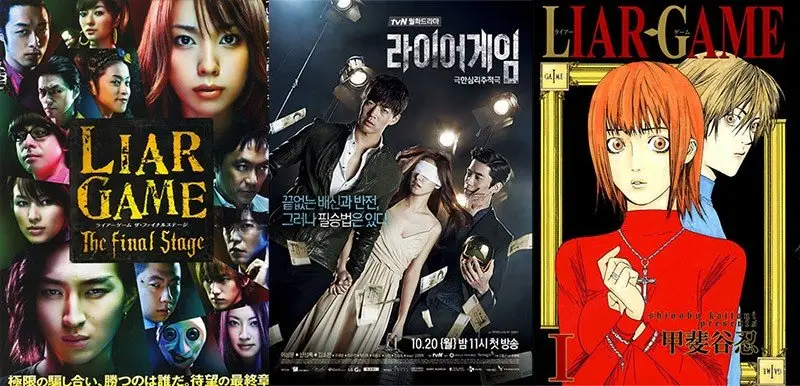
Released in 2007 by Fuji TV, the drama Liar Game brought the story of the manga to life. Erika Toda masterfully plays Kanzaki Nao, capturing her innocence and determination. Akiyama Shinichi takes shape in the hands of Matsuda Shota, whose performance combines intelligence and charisma.
Structure of the Drama
The drama is divided into two seasons and two movies:
Season 1 (2007): 11 episodes, with a two-hour final special.
Season 2 (2009): 9 episodes, expanding the challenges of the game.
Movies:Liar Game: Final Stage and Liar Game: Reborn.
Soundtrack and Acting
The soundtrack of the drama is a highlight in itself, perfectly complementing the atmosphere of tension and suspense. Additionally, characters like Fukunaga Yuji, played by Kosuke Suzuki, add humor and personality to the plot, being nicknamed “Kinoko” (mushroom) for his unique hairstyle.
International Adaptations
In addition to the Japanese drama, Liar Game received a Korean version in 2014, with 12 episodes. Although it has differences from the original work, this adaptation offers a new perspective on the game and its challenges.
Where to Watch Liar Game?
Unfortunately, due to being an older drama, it is difficult to find on streaming services and download sites. Previously, it was even available on Crunchyroll and Amazon Prime. Perhaps in your country it may be available on one of these streaming platforms.
If you enjoyed Liar Game, it’s also worth checking out other similar titles, such as the animes Kaiji and Akaji, which explore themes of psychological games and risky bets.
Final Reflections
Liar Game is not just a drama about games and lies, but an exploration of human nature. With brilliant twists and a profound message about ethics and survival, it is a work that deserves to be watched and discussed.
Have you watched this classic? Share your opinion in the comments!
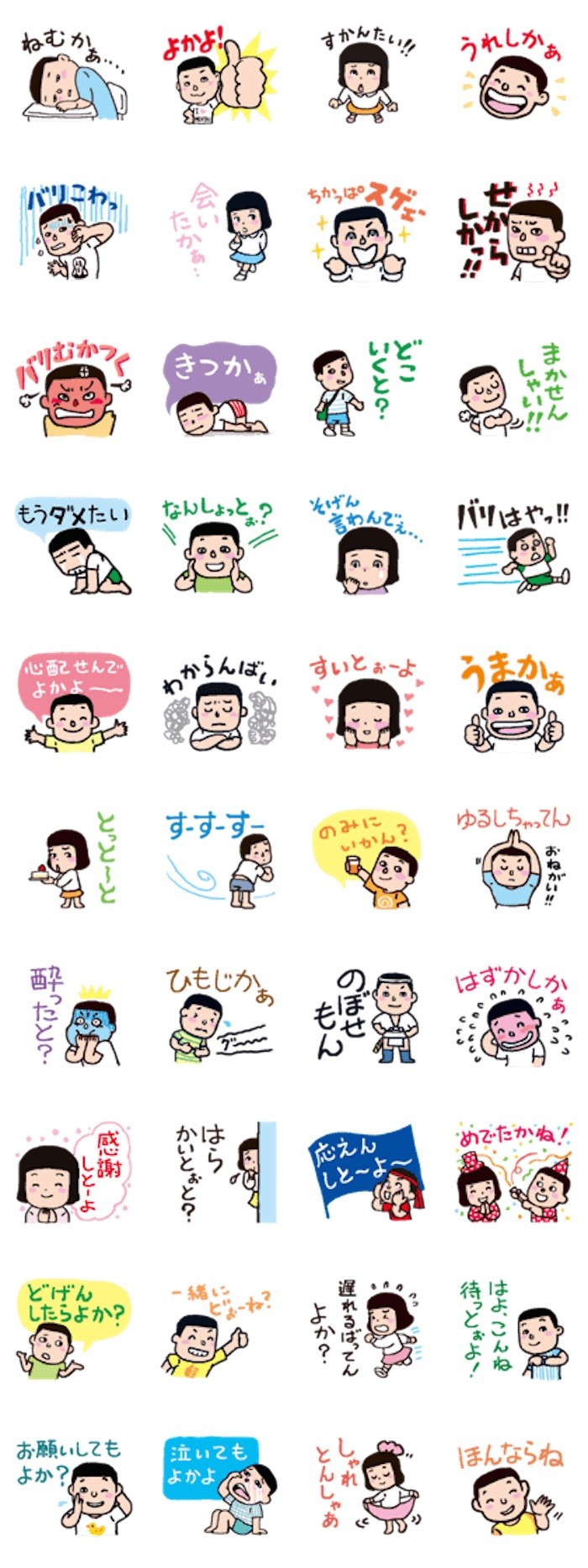
Fukuoka is located on the island of Kyushu and is one of the 10 best places to live on Earth. The dialect is spoken in Fukuoka and around the city, in Hakata Bay.
The dialect has unique distinctions that make it popular among Japanese from other islands. The dialect is called “Hakata Ben” [博多弁] and is considered the most distinct dialect of the Japanese Language. The grammar and writing style also change.
Some of the changes in the Hakata Ben dialect include the use of “tto” when asking questions, for example:
Normal:nani o shiteiru no?
Hakata Ben: nan ba shiyo tto?
Hakata Ben:nan shitō to?
There is also the use of some words:
I – uchi
You – ātan
Yes – yoka
No – innya
Another interesting factor in the dialect is leaving verbs in the negative form, while in traditional Japanese “nai” is used, the Hakata dialect uses only “n,” for example: 食べない > 食べん
Other examples:
Below are more examples of changes in the grammar of the Fukuoka dialect:
te ita => totta / yotta
te ita => totta / yotta
nete ita => netotta / neyotta
te aru => toru / tou
kaite aru => kaitoru / kaitou
akete aru => aketoru / aketou
ja nai ka => roumon
mitemo ii ja nai ka => mitemo yokaroumon
komaru ja nai ka => komaroumon
Conjugation “kedo” => batten
Nihon-jin dakedo => Nihon-jin batten
kana => kaina
mou tsuita kana => mou tsuita kaina
konai kana => kon kaina
oishii kana => oishii kaina
hima kana => hima kaina
The Hakata dialect is quite similar to the Hichiku (肥筑) dialect, which is also spoken in western Japan on the island of Kyushu and encompasses all other local dialects.
Below I will leave an image showing some of the words used in the dialect; if you have knowledge of hiragana and nihongo, try to relate the words to the images.
The Yakuza and Japanese tattoos share a symbiotic relationship that transcends the simple act of marking the skin. The tattoos, known as irezumi, are both a reflection of the cultural identity of the organization and a central element in its code of values and rituals. In this article, we explore how the practice of tattooing was incorporated by the Yakuza and how both influence each other, creating an inseparable bond between crime, art, and tradition in Japan.
How Did Tattoos Enter the Yakuza?
The practice of tattooing in Japan dates back thousands of years, but its connection with the Yakuza began to form during the Edo period (1603–1868). At this time, tattoos began to be used as punishment for criminals, marking them with ideograms and visible lines, stigmatizing them as social outcasts.
The first members of the Yakuza, mostly gamblers (bakuto) and street vendors (tekiya), faced this stigma directly. To hide the punitive marks or transform their condition into a symbol of pride, they began to adopt artistic tattoos, covering the stigmas with elaborate designs full of meaning.
The Evolution of Symbolism
Within the Yakuza, tattoos were not just a means of camouflage, but a demonstration of courage, resilience, and loyalty. The artisanal and painful process of the tebori technique became a rite of passage for members, symbolizing their commitment to the group and their ability to endure challenges on behalf of the organization.
This practice became a distinctive trait of the Yakuza, differentiating its members from the general population and creating a powerful visual identity that reflected the essence of the organization.
The Meaning of Tattoos in the Yakuza
Yakuza tattoos are not just body ornaments; they tell stories and reflect the values of the organization. The designs often incorporate elements of Japanese mythology and culture, such as dragons, carp, cherry blossoms, and waves.
Tattoos serve as a visual language to express the principles of the Yakuza:
Loyalty and Hierarchy: Dragons and carp symbolize strength and perseverance, representing dedication to the clan and the established hierarchy.
Sacrifice: The painful and lengthy process of tattooing is a metaphor for personal sacrifice for the organization.
Group Identity: Tattoos connect members in a visual bond of belonging, distinguishing them from other groups and society at large.
A Second Skin
The practice of covering large areas of the body with tattoos, leaving only the hands and face free, reflects the duality of life in the Yakuza: the ability to blend into society while maintaining a hidden and powerful identity.
The Impact on Social Perception
The strong connection between the Yakuza and tattoos has shaped the way Japanese society views this practice. Although tattoos are appreciated as a form of art, especially in the West, in Japan they continue to be widely associated with organized crime.
Stigma and Exclusion
This historical bond has resulted in significant social restrictions. Places like onsens (hot springs), gyms, and even swimming pools often prohibit tattooed individuals, making it difficult for marked individuals to integrate, even those without a connection to the Yakuza.
Art Recognized Globally
Despite local prejudice, the art of Yakuza tattoos has gained international recognition. Museums and galleries around the world have exhibited preserved pieces of tattooed skin, celebrating the precision and cultural depth of these works.
The Decline of the Yakuza and Changes in Tradition
In recent years, the Yakuza has faced a decline in its influence, resulting from repressive measures by the Japanese government and social pressure. This weakening has also impacted the tradition of tattoos, with many younger members choosing not to get tattooed in order to avoid discrimination and facilitate integration into legitimate environments.
Final Reflections: The Legacy of an Inseparable Relationship
The relationship between the Yakuza and tattoos goes beyond stigma or aesthetics. It is a symbolic interaction, where body art not only reflects the values and rituals of the organization but also shapes how it is viewed by society.
As the Yakuza struggles to remain relevant in a modern Japan, its tattoos continue to intrigue and inspire, serving as a lasting testament to an era where crime, culture, and art intertwined in a unique and unforgettable way.
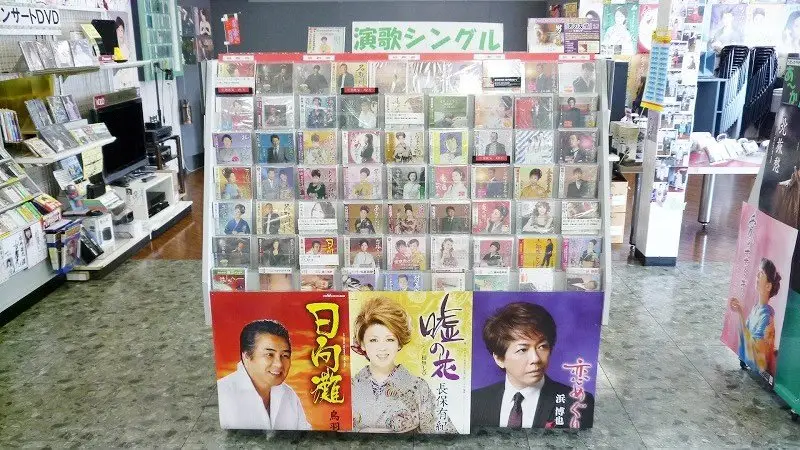
When we talk about Japanese music, one of the most cited is undoubtedly the traditional Japanese music called Enka [演歌]. Do you know how it originated? In this article, we will see some curiosities and the most popular Enka.
When it comes to Enka, some people have the impression that it is old music only listened to by older people. In fact, it is not quite like that; you will see that Enka has played a significant role in the history of Japan and even in other countries.
How does enka music work?
Enka is a unique and modern style that primarily uses the yonanuki tan-onkai scale, a minor scale without the four and seven (D and G). The music is based on the pentatonic scale and has similarities with the blues.
The lyrics of modern enka songs generally talk about love, loss, loneliness, enduring difficulties, perseverance, hardships in life, suicide, and even death.
The enka singers employ a melisma style, where a single syllable of the text is sung while moving between various different notes in succession called Kobushi in Japanese.
Enka suggests a traditional, idealized, or romanticized aspect of Japanese culture and attitudes. Enka singers, predominantly women, often perform in kimono or evening dresses.
Male enka artists tend to wear formal attire or, in some performances, traditional Japanese clothing. Nod to traditional Japanese music is common in enka.
The melodies of enka are Western and use electronic instruments like synthesizers and distorted guitars, but their musical instruments also include guitar, shakuhachi, and the shamisen.
History and origin of enka
Created during the Meiji and Taisho eras, enka is a type of traditional music with foreign melodies; it was initially used more as protest, a speech in the form of music, for political activism.
Its roots come from Ryūkōka, a type of traditional Japanese popular music that emerged around World War I and preceded what we now call J-Pop.
Before modern enka, during the Meiji Period, street singers used the term Enka, which in the early 20th century were political songs and included violin sounds.
Between 1920 and 1940, it was shaped by Japanese popular music Ryukoka. Soon after, during World War II, Enka was influenced by Jazz, reaching its peak popularity in the 1960s.
Enka was a commercial success from the 1960s to the 1980s, where it lost its definition and eventually declined in the 1990s. Even today, enka is very popular among fans, including in the West.
Enka vs Trot
For those who don’t know, Enka emerged alongside a very similar style of music from Korea called Trot. Both were influenced by the traditional Japanese music called Ryūkōka and emerged with the same goal of showing freedom of expression.
The trot [트로트] emerged around 1920 and was the most popular style of music in Korea until the 1980s. It cannot be said that trot is a branch of enka or vice versa. Still, both share influences and almost identical similarities.
The only and biggest difference is that enka is sung by native Japanese, while trot is sung by native Koreans. Generally, a woman in traditional clothing is accompanied by melodies, rhythms, and arrangements that are almost identical.
In fact, some still question and claim that Enka emerged thanks to the influence of Trot, which became popular even earlier. However, modern enka differs quite a bit from the music of the early century.
Some claim that in the 1920s, the Japanese composer Masao Koga mixed traditional Korean music with Western gospel music, which later became Enka and Trot, but it is not considered a major influence.
Kōhaku Uta Gassen
On January 3, 1951, the Japanese public TV NHK created a program called Kōhaku Uta Gassen, which on New Year’s Eve offers musical performances, enka, and J-pop.
Competitions between artists usually take place. Without a doubt, this is one of the programs that keeps the flame of enka alive, being one of the most popular in Japan.
Many famous and popular singers who contributed to making this style increasingly popular appear on the show. Among them is the famous Hibari Misora:
Curiosities about enka
In 2008/2009, a singer named Jero (Jerome Charles White Jr), an African American and grandson of a Japanese woman, became quite popular in Japan and, influenced by his grandmother, began singing the enka musical style.
He is considered the first black person to sing enka; below you can check out a performance of his:
Enka has become popular in other Asian countries, especially among descendants of Japanese living abroad. Those who occasionally attended Japanese events like Obon ended up getting to know the enka style and falling in love with the modern songs that actually sound traditional.
Did you know that Keiko Fuji, known as Junko Abe, a notable enka singer and mother of the famous Hikaru Utada, committed suicide in 2013? Another example that fame does not bring happiness.
The enka is divided into two major sub-groups: Yonanuki major and Yonanuki minor. The Yonanuki major are songs intended for men, with songs generally calming and soothing. The Yonanuki minor, on the other hand, tends to be more emotional, recurrently addressing despair, and is used more in songs for women.
If you like more “modern” music like current Japanese pop and rock, you might not like this musical style very much; however, who knows, starting to listen you might end up liking it? I myself like heavier, more elaborate or classic rock and ended up enjoying this musical style.
Top 10 enka artists
An online survey reveals a list of the 20 most popular Enka. The list may end up being unfair to some, as others sing various styles of music that may influence their popularity in the ranking.
Hibari Misora;
Sayuri Ishikawa;
Hiroshi Itsuki;
Miyuki Nakajima;
Aki Yashiro;
Rimi Natsukawa;
Takashi Hosokawa;
Fuyumi Sakamoto;
Jero;
Saburo Kitajima;
Chiemi Eri;
Shinichi Mori;
Michiya Mihashi;
Naomi Chiaki;
Yuko Nakazawa;
Hideo Murata;
Keiko Fuji;
Chiyoko Shimakura;
Ringo Sheena;
Shingo Murakami;
List of Enka Artists
To conclude the article, let’s leave a complete list of the main Enka artists and singers who have left their mark in Japan:
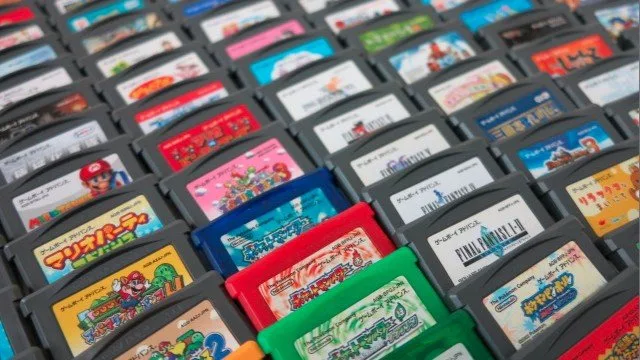
Video games are a living element of Japanese popular culture. The video game industry began to dominate Japan since the late 1970s and over time dominated the global market. In this article, we will talk a little about the influence of games in Japan.
Nintendo and Sony
The 2 Japanese companies have dominated the global gaming market, with Nintendo staying on top for many years, but due to maintaining traditionalism and Japanese culture, it has been losing the war abroad. Sony did exactly the opposite, surrendering to Western culture, and began to release games with more realistic or war-themed content.
Nintendo specializes in creating and developing its own exclusive games and tends to create consoles with gameplay in mind. Meanwhile, Sony has the help of millions of Western companies that release games on its platform due to its more robust hardware focused on realistic graphics.
Microsoft has not been very successful in Japan, neither in games nor in computers. Some prefer to use Apple’s operating system, which is quite popular in Japan.
The real war between Sony and Microsoft can be seen in portable consoles. Nintendo wins this war with its 3DS, which is quite popular worldwide. Meanwhile, Sony’s PSVita has its highest popularity in Japan due to its numerous visual novel games and anime-based games.
Game Centers
The famous arcades are very popular in Japan. While in the West they are dying, in Japan there is one crazier machine than another. A well-known company that focuses on releasing arcade games for Game Centers is Bandai. To talk more about Game Centers, which is a very broad topic, I will leave a video from Velberan. By following his channel, you will learn a lot about Japanese games. Also, check out his other channel Japan through other eyes.
Pachinko
Another very popular pastime in Japan is pachinko, a form of Japanese casino. There are pachinko parlors all over the country. Pachinko is a big business in Japan – the best part is that people do not gamble for money, they play just for fun or to exchange for prizes. It is also worth mentioning another gambling machine that is quite popular in Game Centers, the one that grabs stuffed animals with claws.
Visual Novel
Visual novels are very popular games in Japan. Everyone should know that Japanese people really enjoy reading; there are countless books, mangas, and novels. This also happens in video games. Visual novels are text-based games where you interact within a story and make your own decisions. A large part of these games tends to be romantic, while others are even erotic games. There are thousands of visual novels, many of which end up becoming anime, and some are based on an anime.
Influence of Manga and Anime on Games
Thousands of manga and anime games are produced every year, a large part of which are visual novels, and it is still possible to find good adventure, fighting, and strategy games. Most of these games are released on portable consoles, especially on Sony’s.
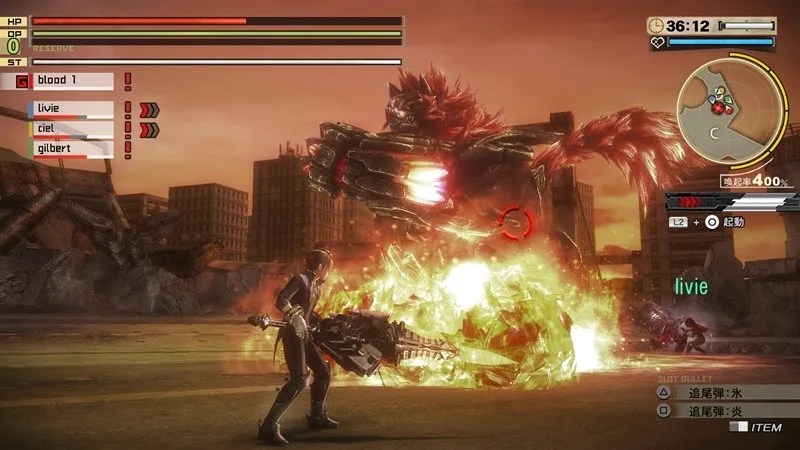
There are also thousands of good games that have been adapted into some anime or manga and even Live Action Movies. We have the example of the famous Pokémon, and a very popular visual novel called Steins;Gate that had a great adaptation, and the most recent anime God Eater.
Talking about games in Japan is quite complicated; it was not possible to cover even 1% of what exists to discuss. This was just a brief summary. And you? What is your opinion about games in Japan? What is your favorite style? Do you have anything to say? Leave your comment!
You have probably heard of ASCII Text Art, or maybe you have come across one of these arts in a Facebook post, in a funny comment, or even received one via email or text message. Yes, we are talking about those Giant Emoticons created entirely with text characters!
ASCII Art is a form of art that exclusively uses the characters available in the ASCII table (American Standard Code for Information Interchange). This type of art dates back to the typewriter era, where artists were already experimenting with creating drawings using letters, numbers and symbols available. However, with the advent of computers, the practice evolved spectacularly. With a wider range of characters and digital tools, these works became increasingly complex and visually impressive.
Japan, in particular, has a rich culture of ASCII Art. The Japanese are intensely dedicated to this form of expression, creating illustrations that depict characters from anime, manga, and other popular figures in Japanese culture. They are masters at transforming text into incredible images, adding a unique touch that reflects the aesthetics of their stories and visual traditions.
You should also know about Kaomoji, the facial emoticons written with characters.
Where to find ASCII Arts?
Although I wanted to include some examples here in the article, the font style used on our site does not allow ASCII arts to be displayed correctly. But don’t worry! I will leave some external links where you can explore these creations and, who knows, share them with your friends for even more fun.
Of course, with the advancement of technology, it is no longer necessary to create text art simply by typing the text. Nowadays, it is easy with the thousands of editors available. With these editors, you can create a drawing as if you were in Paint, and it will transform it into characters for you to copy and share with your friends.
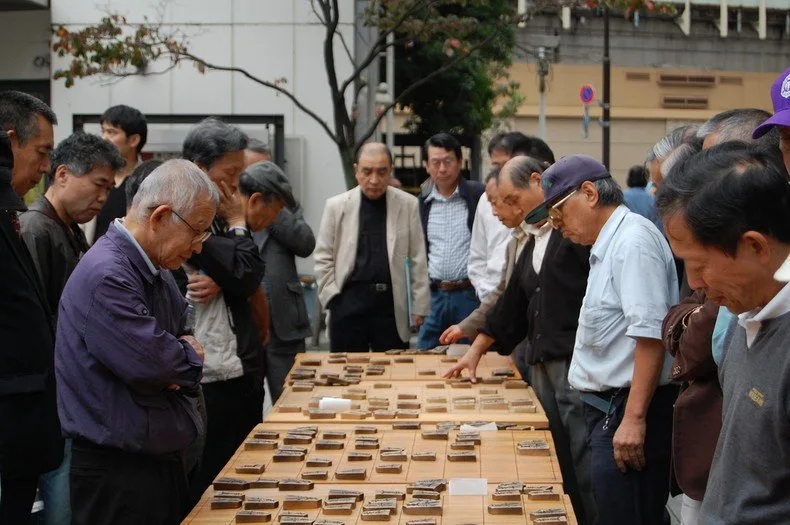
Chess originated from a game called Chaturanga in China. While most of the world plays traditional chess, Japan and some Asian countries have their own version of chess. The Japanese version is called Shogi (将棋). In this article, we will learn how to play this fun and strategic chess.
It is said that shogi was introduced to Japan during the Nara period (704 to 790 AD). If that is the case, then it is possible that shogi does not have origins from chaturanga or Chinese chess. There are notable differences between them. The objective of the game is the same as Western chess, “to capture the opponent’s king.” But the pieces and the board change.
Pieces in Japanese chess
Japanese chess is played on a board of 9 rows by 9 columns. Each player has 20 pieces identical to those of the other player. The pieces of one player are distinguished from those of the other by the direction they point on the board.
The game has equal pieces on both teams to operate the capture and return system in the game. Additionally, some pieces have designs on both sides to identify when a piece has been promoted. The 20 pieces are as follows:
1 king
2 gold generals
2 silver generals
2 knights
2 lances
1 bishop
1 rook
9 pawns
Movements in Japanese chess
According to the image below, you can see all the movements of the pieces in shogi, and see how similar they are to Western Chess.
Promotion in Japanese chess
Whoever reaches the promotion zone can choose to promote their piece which will give them new movements.
The silver general, the knight, the lance, or the pawn assume the movement of a gold general
The rook or the bishop, in addition to their normal movement, gain one more movement. One square diagonally in the case of the rook and one square horizontally or vertically in the case of the bishop;
The image below shows the promotion zone and movement, and the initial position plus the kanji of each piece:
When a piece reaches the last three rows, it may or may not be promoted. The decision is up to the player. They have the opportunity to choose whether to promote their pieces or not, every time they move them through these squares. If the lance, knight, or pawn reach the last row, promotion becomes mandatory.
All pieces when promoted become gold generals, except for the bishop, rook, and the gold general itself. The bishop, in addition to its normal movement, gains the right to move one square vertically or horizontally. The rook, in addition to its normal movement, gains the right to move one square diagonally. The gold general cannot be promoted.
Capture in Japanese chess
Unlike Chess, in Shogi we do not eat pieces, but capture them. A captured piece is kept in hand and can be brought back into the game under the control of the player who captured it (reintroduction), meaning it becomes part of that player’s army as a sort of reserve (but without promotion). In the following title, the rules for reintroducing pieces.
If a king accidentally enters the attack line of a piece, it can be captured and the game ends.
Reintroduction of pieces
Instead of making a normal move, a player can choose one of the pieces they captured and reintroduce it (without promotion) onto the board as one of their pieces. Rules:
The piece must be placed on an empty square (that is, it cannot be placed and already capture another piece) from anywhere on the board (as long as it does not fall under the following restrictions), even in the promotion zone, but promotion is not immediate (promotion can occur normally in subsequent moves);
A piece cannot be placed on a square from which it could not make a legal move (pawns, lances, and knights on the last row, nor knights on the penultimate);
A pawn cannot be placed in a column that already contains another unpromoted pawn of the same player (“nifu”). If a player already has an unpromoted pawn in each column, they cannot reintroduce a pawn anywhere; for this reason, it is common to sacrifice a pawn in order to gain flexibility for reintroduction;
When reintroducing a pawn, it is not allowed to give checkmate (“uchifuzume”), but it can give a check. Other pieces can give immediate checkmate when reintroduced;
A game is won by checkmating the opponent’s king. Because of the piece reintroduction rule, a stalemate (which would mean a draw) is highly unlikely;
Perpetual check is prohibited. The player who causes such a situation is required to abandon it;
The reintroduction ability of Shogi gives the game tactical richness and complexity;
Download Shogi
If you are interested in playing shogi, you can download an app for your Smartphone or Tablet, or play online or download it on your computer.
In this article, we will list 140 things that identify Japan and its culture. This list serves to redirect to some of our articles, and they are also ideas for future articles to be written on the site. Let’s see if you know Japanese culture and try to count how many of these items from the list you fully know?
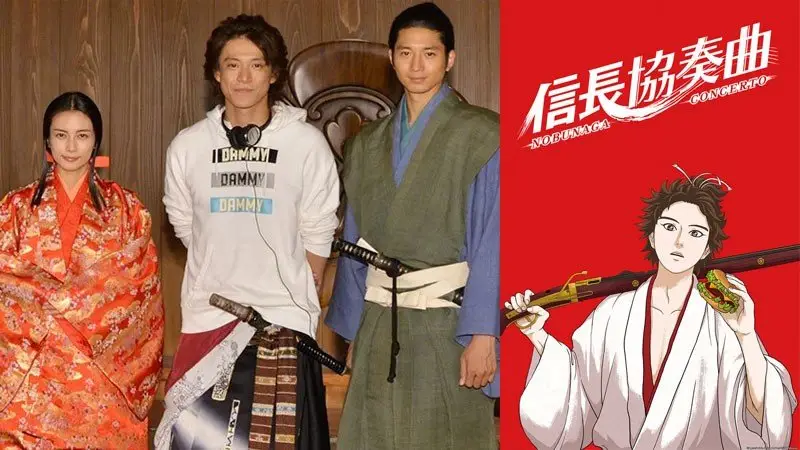
Nobunaga Concerto (信長協奏曲) is a manga series by Ayumi Ishii that tells the story of Saburō, a student who ends up traveling back in time to the Sengoku Period and ends up replacing the famous Oda Nobunaga, the renowned lord who unified Japan. Throughout the series, Saburo will have to learn to live in the Sengoku era and play his role as Nobunaga, trying to end the wars and unify Japan.
The manga is released monthly in the magazine Monthly Shōnen Sunday and received its first animation and TV drama in 2014.
Dorama
Since the manga is monthly, and we currently have only 12 volumes, the dorama was much more developed than the anime and manga, making the story more detailed and slightly changing the aspects of the characters. I really found the dorama to be far superior to the anime; it managed to maintain a comedy, action, and an engaging story from the very first episode. The way the Sengoku Period was portrayed was very good; it truly is a great time travel, both the setting and the story surpass many samurai films that have been made.
The main character, Saburou, is played by Shun Oguri, his lady Kicho is played by Kou Shibasaki, and his right-hand man Tsuneoki Ikeda is played by Mukai Osamu.
The dorama has 11 episodes and has a Live Action set to be released in January 2016; I can’t say whether it will be a film to complement the dorama or a new story.
Some critics had negative thoughts about the series for having changed the main character’s personality quite a bit compared to the manga and anime. Others think that the idea of a man over 30 playing a student is absurd. Nevertheless, the dorama manages to captivate the viewer from start to finish. So watch it! Even if you don’t like doramas… Watch it! I didn’t even have the impression of watching a dorama.
Anime
The anime is also very good, despite using CGI (Computer Graphics), something that many dislike. The anime had only 10 episodes, making it much more concise than the dorama. The events, although similar, occur in different ways compared to the dorama. Kicho’s personality is much gentler in the anime. The anime has a clever soundtrack and direction that knew how to guide the material from start to finish.
It is really worth watching, even if you are bothered by CGI; this anime was a good job and pleased all the fans. It’s true that some will find the animation a bit strange, but that gave a unique touch to the work, and I believe it didn’t hinder it at all. Let’s leave the great Ending for you to get to know a bit of the animation.
Conclusion
It is impossible not to fall in love with this work and its characters. You will cry, laugh, and be moved. I got so involved in the story that when one episode ended, I rushed to the next one without even thinking. Even my mother got addicted.
If you haven’t had the chance to watch Nobunaga Concerto, don’t waste time and watch it now; the Dorama and the Anime are waiting for you.
You can watch both the anime and the dorama of Nobunaga Concerto on Crunchyroll. Or you can resort to pirated means, just search on Google xD
Are you a tourist or citizen in Japan, and planning to choose the best options for fun? In this article, we will look at the best parks in Japan according to the site tripadvisor.
1. Tokyo Disneyland
Tokyo Disneyland has 465,000 m² and is located in Urayasu, Chiba, near Tokyo. This park features the same attractions that exist in Disneyland and Magic Kingdom at Walt Disney World in California. Of course, both have their exclusives; if you like Disney, this will definitely be the best option.
Getting to know Disney in Japan and Disney Sea
2. Tokyo DisneySea
The Tokyo DisneySea has approximately 712 246.73 m2 and is a nautical-themed park. Unlike Tokyo Disneyland, the overall intention is to create a more adult-themed park, including faster and scarier attractions and shows designed for an older audience. It is located at the same address as Tokyo Disneyland; visiting these parks doubles the fun on your trip.
This is a theme park dedicated to Hans Christian Andersen located in Funabashi, Chiba. It features a beautiful replica of a Danish windmill, squares, gardens, a lake, and plenty of greenery. There are plenty of activities for children, such as pony rides at the mini-farm and various rides at the playground. A very pleasant place to spend the day with family.
A famous theme park inspired by great Hollywood movies, opened in March 2001, located on Sakurajima Island in Osaka. It was the first Universal Studios theme park outside the USA.
5. Fujikyu Highlands
A theme park near the base of Mount Fuji. It has many roller coasters, as well as two haunted attractions: The Haunted Hospital, the second largest haunted attraction in the world. And the Hopeless Fortress. Other attractions include Thomas Land, and themed attractions from Gundam and Evangelion.
6. Nagashima Spa Land
An excellent park with several roller coasters and rides for all ages, a very good water park to have fun in the strong heat of Japan, and an outlet with clothes, sneakers, watches, accessories, etc., all from famous brand names and at very affordable prices. Located in Nagashimacho Urayasu, Kuwana – Mie Prefecture.
7. Green Land Resort
A large resort located in Kumamoto that attracts more than 3 million people per year. The resort includes an amusement park, Greenland, hotels, golf courses, barbecue areas, gardens, bowling, pools, onsen, and many other attractions.
8. Rusutsu Resort
Rusutsu Resort has direct access to ski slopes, so you have more time to practice Snowboarding, snow tubing, and snowmobiling. You can visit the spa to relax while enjoying massages, body treatments, or aromatherapy; the BELLE VUE, one of the 9 restaurants, serves French cuisine. This elegant hotel offers 2 bars, a golf course, as well as rooms with flat-screen TVs and refrigerators. Skiers can enjoy access to storage, rentals, and ski lessons. Of course, it also has a huge amusement park.
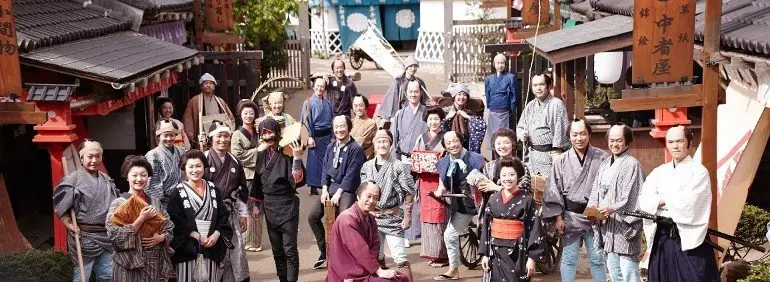
A small theme village from the Edo period located in Nikko – Tochigi. In this village, you will really travel back in time, meet samurais, ninjas, geishas, villagers wearing kimonos, and much more. A true adventure for fans of Japanese culture.
10. Huis Ten Bosch
A theme park in Sasebo, Nagasaki, that recreates Holland, showcasing real copies of old Dutch buildings. The name Huis Ten Bosch comes from the English “House in the Forest”. The park features many Dutch-style buildings, such as hotels, residences, theaters, museums, shops, and restaurants, as well as canals, windmills, amusement parks, and a giant garden of seasonal flowers.
Japan is full of unforgettable places! Have you made plans to visit them all?
The Edo Wonderland park or Nikko Edomura is one of the largest theme parks in Japan, and one of the most interesting places I had the opportunity to travel to. In this article, we will share all the tips, information, and curiosities about this Edo period theme park. Get your questions answered and prepare your trip now!
The article is quite extensive and is divided by subtitles, as we will cover various topics, if some details are not of your interest, just navigate through the remaining topics.
What is Nikko Edomura?
Nikko Edomura [日光江戸村] is a large cultural theme park from the Edo Period, located in Nikko, Tochigi Prefecture. The park resurrects and showcases the life and culture of the Edo Period (1603 to 1868) in 17th century Tokyo. It has an area of 495,000M² (49 hectares) and is based on the golden era of the Edo Period known as Genroku.
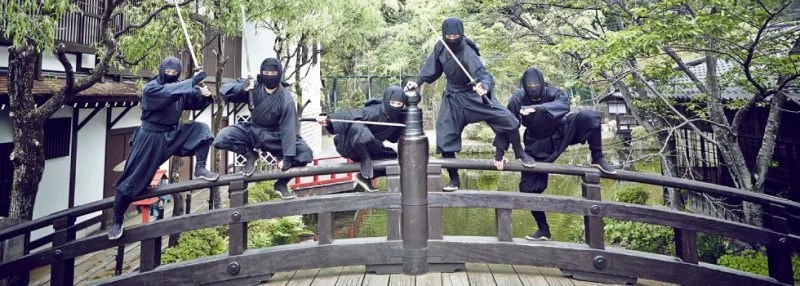
Edo Wonderland houses a wide variety of things from the Edo Period, such as the architecture of urban and rural accommodations, government residences and buildings, castles, and temples. In this large city, you can find Ninjas, Samurais, Geishas, and others.
You can even rent period costumes or simply take photos with actors in costume. There are 7 theaters, the famous Kabuki theater, ninja and samurai demonstrations, shadow shows, and many others.
Edo Wonderland has a mascot known as Nyanmage, which is a samurai cat. Its name is derived from “nyan” (Japanese onomatopoeia for meowing) and “mage,” the name of the samurai hairstyle.
Edo Wonderland was created on April 23, 1986, in Fujiwara-cho, Shioya-gun, Tochigi, which is now known as the Nikko Kinugawa neighborhood. Three more parks were built in Hokkaido, Kanazawa, and Mie, but these parks were sold in the 2000s.
Attractions of Nikko Edomura Park
Now let’s explore some of the hundreds of attractions present in this Edo Period village:
Ninja Experience
This attraction is a fascinating journey into the secret world of ninjas. You will have the chance to practice ninjutsu skills such as shuriken throwing (ninja stars), concealment techniques, and silent running.
This experience is designed to be interactive and educational, showing not only the physical skills of ninjas but also their role and importance in Japanese history.
Samurai Experience
In this activity, you enter the world of samurais. The experience is divided into several sessions, where you will learn about kenjutsu (the art of the sword), combat techniques, and defensive postures.
The instructor will guide you through the fundamentals of bushido, the samurai code of conduct, providing a deeper understanding of this iconic Japanese figure.
Okappiki Police Experience
Here, visitors have the opportunity to take on the role of a police officer from the Edo period. Dressed in traditional attire, you patrol the streets of the park and solve complex puzzles. This experience is unique because it combines action, strategy, and a glimpse into everyday life in feudal Japan.
Chief Firefighter Sen-gumi’s House
This exhibition is dedicated to a hero of the Edo period, Chief Firefighter Sen-gumi. The reconstructed house is an interactive museum that showcases the life and times of the fire chief, along with artifacts and information about the firefighting techniques of the time.
Karakuri Ninja Maze
This is a complex maze where you are challenged to find your way through a labyrinth of moving walls, secret doors, and ninja puzzles. Each section of the maze is designed to test your intelligence, patience, and problem-solving skills.
Kai Kai Ninja House
Known as the “crooked house,” this attraction disorients visitors with its slanted environments and gravity-defying structures. Ideal for those who enjoy optical illusions and a good mental challenge, the Kai Kai Ninja House is a fun and intriguing experience.
Jigoku Temple
This experience is for those who enjoy a bit of thrill. The Jigoku Temple (Hell Temple) is a stylized haunted house that takes visitors into a world of ghosts and scary sounds, based on Japanese legends and folklore.
Kodenma Prison
This attraction is a realistic representation of a prison from the Edo period. The display includes three-dimensional representations of the punishments and living conditions of prisoners, offering a dark yet educational insight into justice in feudal Japan.
Kanuchi Blacksmith Exhibition
Here, you will learn about the art of forging katanas, the famous samurai swords. The exhibition details each step of the manufacturing process, from selecting the ore to the final forging of the blade, highlighting the skill and artistry involved in creating these legendary weapons.
Theatrical Performances
Nikko Edomura offers a variety of theatrical shows, including ninja performances with special effects, historical dramatizations at the Minami Machi Magistrate’s Office, water shows at Mizugei-za, and recreations of love stories from the Edo red-light district at Wakamatsu-ya. Additionally, there is a cinema that screens cultural films about famous characters from the Edo period and parades of Oiran courtesans, showcasing the beauty and elegance of these historical figures.
Each of these attractions offers a unique and immersive experience, allowing visitors to interact directly with the history and culture of Edo period Japan in educational and entertaining ways.
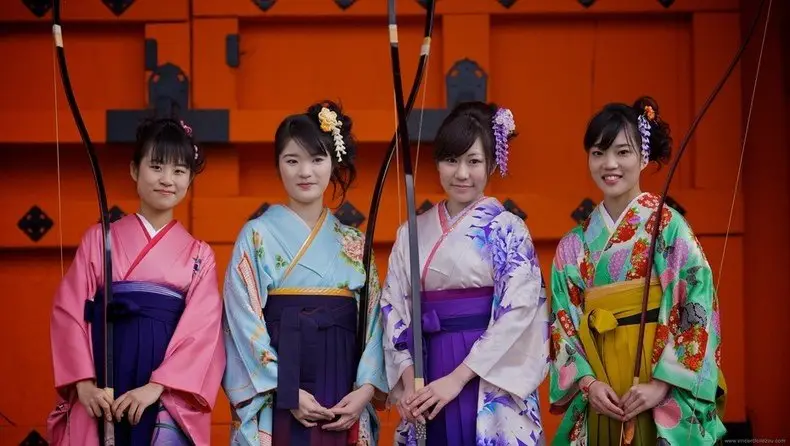
Don’t miss the opportunity to experience street performances, parades, seasonal festivals, and special events. Edo Wonderland also has a series of unique experiences for adults and children, including Ninja workshops, traditional Japanese archery, and you can even throw shuriken.
If you want to learn more about the history of Japan, we recommend the drama Nobunaga Concerto.
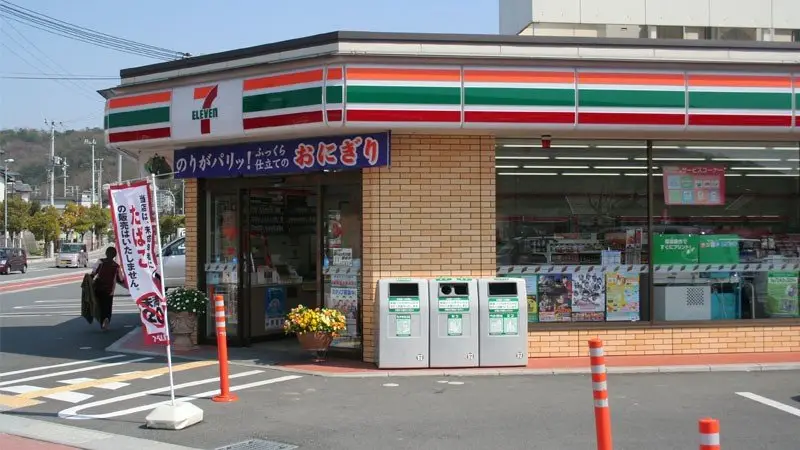
Konbini (コンビニ or konbiniensu sutoa コンビニエンスストア) are convenience stores in Japan that sell everything and are open 24 hours a day, every day, and are spread throughout Japan, leaving any grocery store or small market in the dust.
Inside the Konbini, you can find everything, in addition to the normal things from a market, you can find snacks, obento (lunch box), stationery items, ATMs, pharmaceutical products, tickets and passes for events, prepaid cards, bill payments, seasonal products, you can find absolutely everything, we keep a huge list at the end.
A large number of people prefer to have lunch with the lunch boxes from a konbini to save money and avoid too much hassle. The konbini lunches are placed up to 4 times a day straight from the factory, and you can heat your lunch box at the konbini itself. Not to mention the countless hot and cold drinks to accompany your lunch.
Konbini Chains
There are more than 55 thousand konbini spread throughout Japan, in some places you can find one on every corner. Not to mention that these convenience stores belong to large chains like Seven Eleven, Lawson, Family Mart, and others. The konbini emerged around the 1970s with 7-Eleven Japan wanting to expand its business.
Currently in Japan, the ranking of konbini is divided among the following chains:
Seven Eleven – 16,319 stores
Lawson – 11,606 stores
Family Mart – 10,547 stores
Circle K Sunkus – 6,359 stores
Ministop – 2,218 stores
Daily Yamazaki – 1,600 stores
There are several other chains not mentioned in the article, some tend to be in certain regions of Japan, while others have few stores.
The attendants of the konbini use a formal keigo language, and must know English to serve customers in the best possible way. Some of these konbini even promote events, special products, raffles, and various things for the community.
List of Products and Services
See a list of most products, advantages, and conveniences that these convenience stores offer to the community in Japan. Remembering that the list does not even cover half of what a konbini offers, and sometimes the list includes items that not all konbini have.
Food
Obento (lunch box)
Onigiri
Oden
Various types of bread
Drinks of all kinds
Confectionery, Sweets
Cup noodles and instant food
Ice creams and popsicles
Fresh foods
Frozen foods
Cooking products
Meats, poultry, and fish
Spices
Tobacco and cigarettes
Chinese buns
Health and Beauty
Cosmetics
Accessories
Stain removers
Soap, Shampoo, Deodorants
Sewing products
Food and products for pets
Fabric, toilet paper, sanitary napkins, condoms
Paper bags
Garbage bags
Some medicines
Energy drinks and supplements
Contact lenses
Office Supplies
Postcards
Stamps, tax stamps
New Year postcards
Congratulations and condolence envelopes
Stationery items
Entertainment
Music CDs, DVDs, game software
Toys
Action Figures
Manga and Books
Card games
Lottery
Board games, mahjong, Shogi, GO
Magazines, newspapers
Others
Kitchen utensils
Umbrellas, Raincoats
Batteries
Phone chargers, SD cards, USB drives
Prepaid cards
Prepaid mobile phones
Fireworks
Gifts
Fishing products
Car products
Services
Cash withdrawal
Bill payment
Xerox, Printing, Scanning, Fax
Public services
Mail services
Delivery services
Moving services
Event tickets
Bus tickets and cards
Accounting and Tax Declaration
NHK subscription fee
Resident card
Cleaning Agency
In some cases, you can go to a konbini to use the bathroom, throw away trash, or even to sleep in your car in the parking lots. Others go to konbini just to browse magazines and read without buying, some konbini even offer job vacancies, events, and numerous promotions.
The number of advantages that a konbini offers is truly large!
To finish, I will leave some videos for you to see what it’s like inside a konbini.
Honesty is a quality admired in all cultures, but in Japan it reaches levels that surprise visitors and enchant those who have the opportunity to know the country. For the Japanese, being honest is not just a virtue, but a moral obligation deeply rooted in their way of life. This attitude is reflected in everyday actions, from returning lost items to government practices that prioritize transparency.
Although Japan is not free from problems such as corruption and isolated crimes, Japanese society stands out for the predominance of honest behaviors. This article explores some examples that illustrate how honesty is experienced in Japan and what we can learn from it to apply in our own lives.
Mujin Hanbai: Trust-Based Commerce
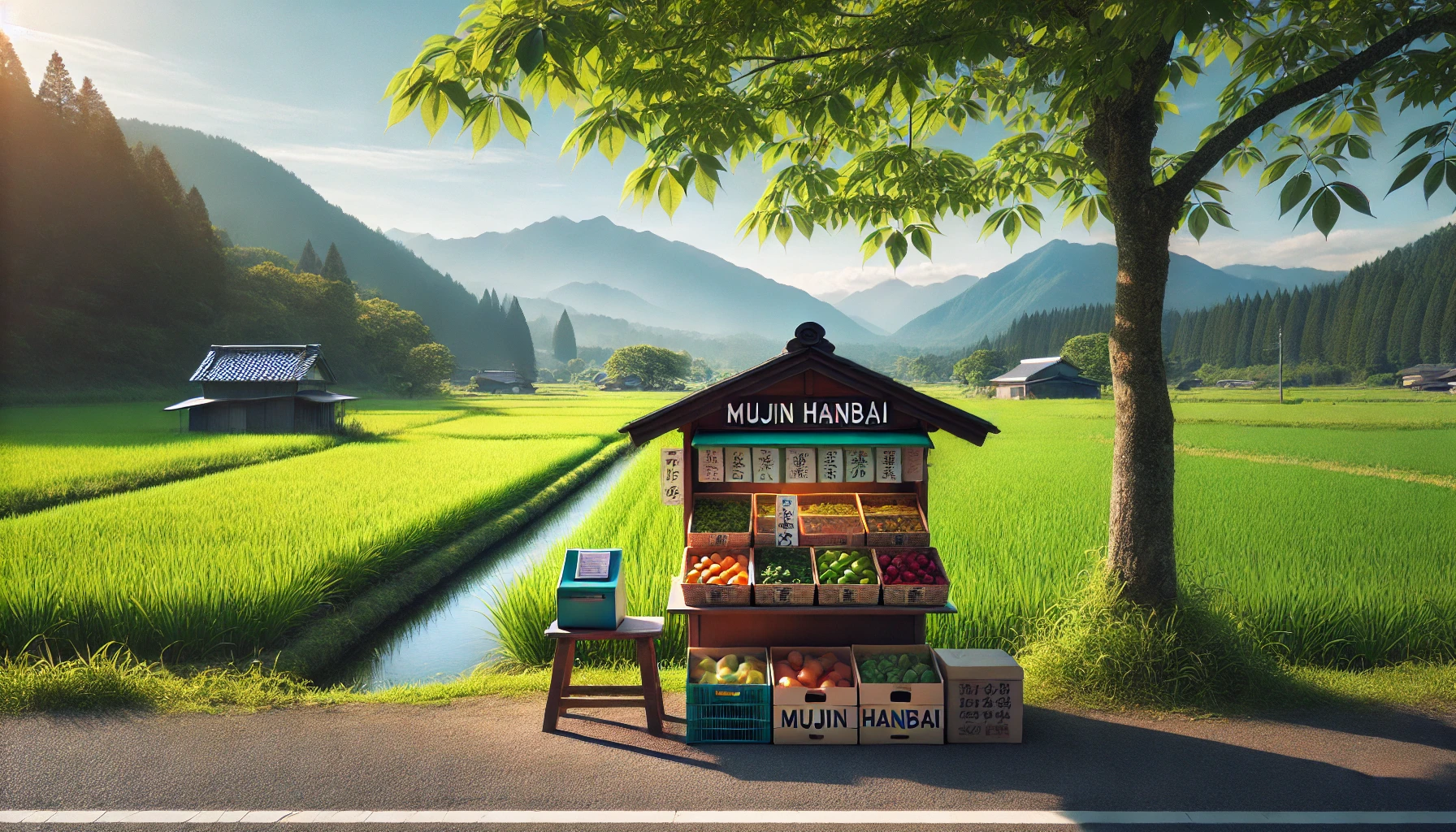
In Japan, it is common to find stalls known as Mujin Hanbai, small structures by the roadside where farmers sell fruits, vegetables, and other products. The curious detail? These stalls have no sellers. The products are made available to customers along with a box for payment. Trust is the foundation of this system, and it is rare for someone to take the products without paying.
This reflects a collective mentality that prioritizes respect for others and a sense of community. While in many countries it would be unthinkable to trust a self-service system without supervision, in Japan it thrives. This practice is a reminder that individual honesty is essential for coexistence in society.
The Role of Education in Honesty
The honesty of the Japanese is fostered from an early age, with values taught in schools and reinforced at home. Children learn that lying or taking advantage is unacceptable, and this solid foundation shapes adult behavior. The result is a society where mutual trust is natural, strengthening human and economic relationships.
Honesty in Daily Life: Lost and Returned Items
One of the most fascinating stories about honesty in Japan is related to the care for lost items. If you forget your wallet or phone in a public place, there is a good chance of recovering them intact. In Japan, the concept of “finders keepers” has no place.
During the earthquake and tsunami of 2011, for example, more than 125 million dollars in cash was returned from debris. From safes to bags filled with yen, the Japanese people returned everything to the police, who worked hard to locate the owners.
A Revealing Experiment
In 2003, a law professor conducted an interesting experiment: he left 20 wallets on the streets of Tokyo and 20 on the streets of New York, all containing money. While in New York only six wallets were returned, in Tokyo the number reached 17. This example reinforces the idea that honesty is an integral part of Japanese culture, influencing the daily attitudes of its citizens.
Piracy
What is abundant in Brazil are stalls selling pirated DVDs and CDs. Then I think: “I don’t want to collaborate with piracy, it’s better to download from the internet.” Know that in Japan most people prefer to pay to download a song rather than download it for free on Google. Downloading songs, movies, and series is seen as a crime, it really is a crime, both in Brazil and in Japan this is still piracy.
Proof of this is that if you search for songs in Japanese, or anything else like books, movies, mangas… You will come across a shopping site, you might even find the download button, but when you click it you will have to shell out some yen. If you search in Japanese, it will be difficult to find pirated media on the internet.
Some still prefer to buy the CD, DVD, CD-ROM instead of pirating. While in Brazil everyone is using the mp3 format with thousands of songs, the classic original CD is quite marketed there.
Governance and Transparency: An Example to Follow
In Japan, even the rulers demonstrate a commitment to honesty that is rare in other countries. Although the country is not free from cases of corruption, the way these incidents are handled is exemplary. When politicians or authorities are caught in dishonest acts, many resign immediately, and some even resort to suicide due to the public shame.
After the tsunami of 2011, the government of Fukushima Prefecture returned about 180 million reais that had been received for humanitarian aid. Instead of withholding the funds, as might be expected in other parts of the world, the authorities chose to return the unused money, reinforcing the image of a system committed to transparency.
Honesty: A Matter of Pride
Japanese law also plays an important role in maintaining honesty. For example, those who find money or valuable items and do not return them may face severe legal penalties. This rigor creates an environment where honest behavior is not only expected but necessary.
Conclusion
The honesty of the Japanese goes far beyond a cultural trait; it is a daily practice that shapes society at all levels. Whether in small fruit stalls without supervision or in the actions of politicians who return public funds, Japan teaches us that honesty is the foundation for a fairer and more harmonious coexistence.
Although each culture has its own characteristics, adopting some Japanese practices could positively transform our lives. Valuing others, returning what does not belong to us, and acting with transparency are universal lessons that start with small gestures and reflect great values.
And you? Have you experienced or heard of an exemplary honesty situation? Share your stories and help inspire others to follow the same path!
I want to share with everyone a great list of verbs in Japanese. So I decided to divide it into JLPT Levels. In this article, we will see a huge list of all the verbs studied in N4. (Some may be missing.)
Remember that verbs can have other uses and meanings, depending on the sentence and may not be present in this list. It is up to you to interpret and grasp the feeling of each verb.
The verbs studied in N5 will not appear in this list, so we recommend taking a look at the previous articles, since in N4, verbs learned previously are also studied.
Every year, the Japanese travel more than 260 billion kilometers using trains. Meanwhile, Americans travel only 10 billion kilometers per year, despite having a larger population and country. In this article, we will see some curiosities about trains in Japan.
Japan has more than 20,000 km of railway lines; the train is the easiest way to get around Japan. Trains have transformed Japanese culture in many ways and have also dramatically improved the quality of life in Japan.
Trains in Japan are used more than cars, as they are much more practical and bring numerous benefits such as:
Helps with health – The person must walk to the train station;
No costs – Many companies usually cover all expenses with a pass;
Safety – There is no danger of a car hitting yours;
Punctuality – Trains in Japan are super punctual; delays are measured in seconds, and they still apologize;
No traffic jams – You won’t have any traffic problems;
Professionalism – Customer service is a priority; all stations are organized, and staff are uniformed;
Nightlife – Thanks to trains, having a fun night becomes easier;
Read and study – On trains, you have the freedom to read, study, and even sleep;
Urban landscapes – You will have a much more pleasant ride;
Environment – Trains pollute less and use less energy than cars;
Transportation – Thanks to trains, it is possible to travel across the country in just a few hours;
Shinkansen – Bullet Train in Japan
The famous bullet train called shinkansen [新幹線] in Japanese is the fastest and safest transportation in the world. They usually operate at speeds of up to 320 km/h.
Since its inauguration in 1964, there has never been a serious accident involving derailment or anything of the sort. Some of these bullet trains have traveled enough to circle the earth 30,000 times.
Currently, the shinkansen system covers more than 2,397 kilometers, connecting all of Japan. Japanese bullet trains are comfortable and quiet, almost like an airplane on tracks.
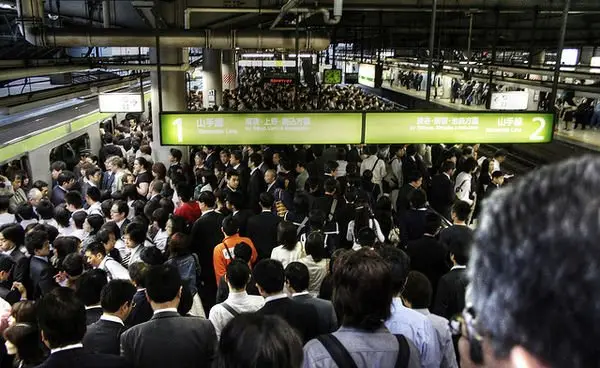
In some places during peak hours, trains in Japan become crowded, making it necessary to push people so they can fit on the train. There are employees who do exactly that, and they are called Oshiya [押し屋].
You can also push people when entering or even inside the train, but it should be done gently, using your body and not your hands, and only when necessary, as depending on the situation it may be considered harassment.
Some trains in Japan are decorated with characters from anime and manga; sometimes even the stations are themed accordingly. There are indeed countless trains and photos spread across the internet that could fill an article solely with these images.
Trains are also full of advertisements; depending on the location, they may have different colors and designs. Some are colorful and eye-catching, while others feature diverse local advertisements.
In the last decade, it has become popular to name Japanese light novels and books as a synopsis. This causes the titles of Light Novels and animes to be gigantic, reaching more than 20 words. In this article, we will see the light novels with the longest titles.
Remembering that most of the ones mentioned are Light Novels (Romance Books), which gained their adaptation into manga, anime, games, etc. They are not common books; they are aimed at young people and have a lighter reading than traditional books.
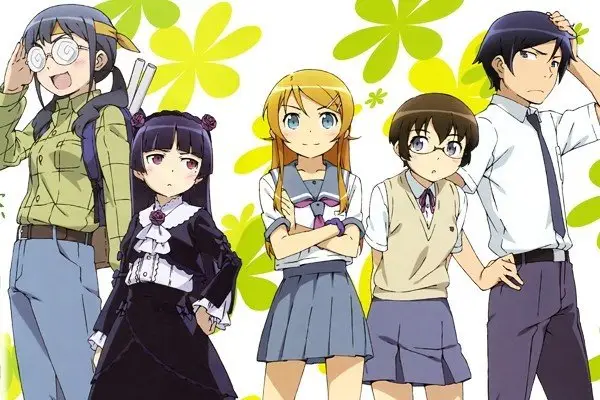
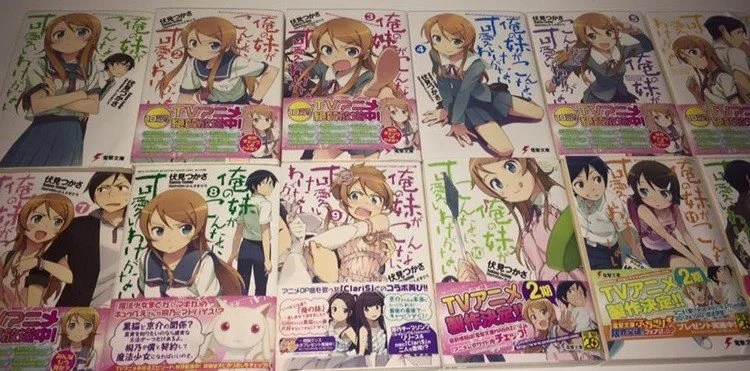
俺の妹がこんなに可愛いわけがない。
Ore no imouto ga konna ni kawaii wake ga nai
There’s no way my sister can be this cute;
A Light novel that gained anime, manga, and several games, very good;
あの日見た花の名前を僕達はまだ知らない。
Ano Hi Mita Hana no Namae o Bokutachi wa Mada Shiranai
We Still Don’t Know the Name of the Flower We Saw That Day;
The famous AnoHana that gained anime, manga, and made many cry;
 俺の脳内選択肢が、学園ラブコメを全力で邪魔している
Ore no Nōnai Sentakushi ga, Gakuen Rabu Kome o Zenryoku de Jama Shiteiru
My mental choices completely interfere with my school – Romantic Comedy
I had difficulty translating this, but it is based on a Light Novel;
This is the police station in front of Kameari Park in Katsuhika Ward
A long and famous manga series and an anime. The series tells the stories of a group of police officers in Tokyo;
男子高校生で売れっ子ライトノベル作家をしているけれど、年下のクラスメイトで声優の女の子に首を絞められている。 Danshi kōkōsei de urekko raitonoberu sakka o shite irukeredo, toshishita no kurasumeito de seiyū no on'nanoko ni kubi o shime rarete iru
I am a high school student and a successful light novel author, but I am being strangled by a classmate who is a voice actress and younger than me;
This is the longest Light novel title I have ever seen in my life;
 邪神に転生したら配下の魔王軍がさっそく滅亡しそうなんだが、どうすればいいんだろうか
Jashin ni tensei shitara haika no maō-gun ga sassoku metsubō shi-sōna ndaga, dōsureba īndarou ka
I have reincarnated as an evil god and my subordinate demon army is on the verge of collapse… What should I do?
 恋人にしようと生徒会長そっくりの女の子を錬成してみたら、オレが下僕になっていました
Koibito ni shiyou to seito kaichō sokkuri no on’nanoko o rensei shite mitara, ore ga geboku ni natte imashita
I trained a girl who looks exactly like the student council president in hopes of making her my girlfriend, and I end up becoming her servant;
 女の子は優しくて可愛いものだと考えていた時期が俺にもありました (電撃文庫)
On’nanoko wa yasashikute kawaii monoda to kangaete ita jiki ga orenimo arimashita (dengeki bunko)
There was a time when I thought girls were lovely and kind;
 名門校の女子生徒会長がアブドゥル=アルハザードのネクロノミコンを読んだら
Meimon-kō no joshi seito kaichō ga abudo~uru = aruhazādo no nekuronomikon o yondara
When a girl student council president from a prestigious school reads Abdul Alhazred’s Necronomicon
 問題児たちが異世界から来るそうです よ?
Mondaiji-tachi ga Isekai kara Kuru Sou Desu yo?
Problematic children come from another world, right?
 俺がお嬢様学校に『庶民サンプル』としてゲッツされた件
Ore ga Ojousama Gakkou ni "Shomin Sample" Toshite Gets♥Sareta Ken
I was kidnapped by an elite girls’ school to be a sample of a common person;
 やはり俺の青春ラブコメはまちがってい
Yahari Ore no Seishun Rabu Kome wa machigatteiru
My teenage romantic comedy… (all wrong, snafu, confusing situation)
These were some long titles of animes, mangas, games, light novels. Of course, there are many others that follow this trend of long synopsis titles. Who do you think started all this?
In this article, we will talk about Japanese verbs, today we will study the dictionary form and the masu form. In other articles, we will study various conjugations.
In Japanese, verbs are not affected by the subject. In other words, whether the subject is singular or plural, first person or second person, the verbs do not change their form. As for verb tenses, there are only two divisions of time; non-past (present and future) and past. Present and future tenses are the same, and can be differentiated by context.
First, we have the simple and original form of the verb, the dictionary form. This form can be used in some casual occasions, we will use it as a basis to change the tense and verb form in this article. In the dictionary form, all verbs end with the letter “U”.
By learning the masu form and the dictionary form, we will be ready to learn new conjugations and forms of verbs.
Throughout the articles, we will learn all the verb forms that are:
the dictionary form (infinitive)
the non-past form
the negative form
the -ta form (preterite)
the -te form
the transitive and intransitive forms
the passive form (-areru, -rareru)
the causative form (-aseru, -waseru)
the potential form (-eru, -rareru)
the conditional form (-eba, -tara)
the imperative form (-nasai)
the desiderative form (-tai)
the volitional form (-ō)
Masu Form ます形
The “ます masu” form is the formal way of speaking a verb. Taking a verb from the dictionary form and converting it to the ます form varies according to its ending, the verbs are divided into groups. (We will see more about this group division in another article).
To facilitate this division and transformation, we should divide the verbs ending in “る – ru” from the other verbs. Once that is done, we can do the following:
Verbs that do not end with “る” should have the last hiragana that ends with “U” replaced by the hiragana of the same group that ends with “i”. See the table with some examples:
Verb
Dictionary Form
Masu Form
Endings
Speak
話す (hanasu)
話します
す = し
Write
書く (kaku)
書きます
く = ぎ
Swim
泳ぐ (oyogu)
泳ぎます
ぐ = ぎ
Read
読む (yomu)
読みます
む = み
Play
遊ぶ (asobu)
遊びます
ぶ = び
Stand
立つ (tatsu)
立ちます
つ = ち
Die
死ぬ (shinu)
死にます
ぬ = に
Sing
歌う (utau)
歌います
う = い
There are verbs with “る” that should be changed to “り” but there are verbs ending in “る” that should have the “る” removed and directly add “ます” such as (Eat – taberu – 食べる = 食べます).For this reason, one should focus on learning the words;
There are other verbs where the rule of replacing the ending does not work, examples:
Verb
Dictionary Form
Masu Form
Do
する
します
Come
来る (くる)
きます
Now let’s see how to conjugate verbs in the ます form according to their verb tense:
Tense
Masu Form
Example (遊ぶ – asobu)
Present / Future
ます
遊びます – Play
Negative
ません
遊びません – Do not play
Past
ました
遊びました – Played
Past Negative
ませんでした
遊びませんでした – Did not play
本を読みます (ほんをよみます) – Read a book
カラオケで 歌いました (カラオケで歌いました) – I sang at karaoke
The same thing happens with the verb in the dictionary form. It is possible to conjugate the verb directly in the dictionary form without converting to the masu form, for that we must learn more verb conjugations. But below I will leave some examples:
Tense
Example (遊ぶ – asobu)
Present / Future
遊ぶ – Play
Negative
遊ばない – Do not play
Past
遊んだ – Played
Past Negative
遊ばなかった – Did not play
本を読む (ほんをよむ) – Read a book
カラオケで歌った (カラオケでうたった) – I sang at karaoke
It is worth remembering that there are other verb conjugations that we will study in another article, which use both the masu form and the dictionary form. We just need to keep in mind that the dictionary form is informal and the masu form is formal, and thus simplify our minds to conjugate verbs in other forms.
As an exercise, I would like you to comment with example sentences in the dictionary form and in the masu form. I will already thank you for the comments and shares, and see you next time!
Automatic vending machines make our lives easier. In Japan, they are known as jidohanbaiki (自動販売機) or simply hanbaiki, and there are over 5 million of them spread across the country. You can find one or five on every corner, even at the entrance of markets and stores. They can even be in the middle of the woods, and no one breaks them or litters nearby.
Most hanbaiki serve hot and cold drinks like teas, sodas, coffees, energy drinks, beers, and others. In reality, there are countless machines that sell even bizarre things that you wouldn’t imagine being sold in an automatic machine; in this article, we will see many types of these machines.
What do Japanese machines sell?
Besides normal products like drinks, snacks, and sweets, there are some hanbaiki that sell rice of all types. Others sell milk, some even sell umbrellas and batteries. There is one that is a drawer where you can place your phone to charge inside. And of course, there are Hanbaiki that sell fruits and vegetables.
It’s not just snacks; some machines sell real savory foods like hot dogs made on the spot. In some temples and shrines, there are automatic machines that sell charms and fortune slips. Some machines dispense ice cream shops, selling ice creams of various flavors.
Why go to a toy store if there is a hanbaiki that sells toys? Those who are shy about going to clothing stores can buy their ties from a hanbaiki. Eggs are also commonly found in hanbaiki.
There are some machines that sell Cup Noodles. Hanbaiki that sell clothes, t-shirts, and accessories for the shy also exist. Going to the extreme, there are machines that sell used panties for the perverts on duty. Others sell gold bars, koi food, and bananas.
We cannot forget to mention the automatic machines that exist in train stations and other places, which sell tickets for trains, tickets for events, or things like that. Even gas stations have automatic machines for payment.
There are many bizarre automatic vending machines that we haven’t mentioned. Some sell bicycles; there is even one that sells cars. Just like the konbini, these machines make life much easier for people in Japan. To explore these machines better, we will leave a playlist of videos below from the channel Japão nosso de cada dia that shows various hanbaiki.
The thermal bath sources like onsen, sento is undoubtedly one of the places highly sought after by tourists and greatly valued by the Japanese. Inexperienced people may have difficulties if it is their first time at the bathhouse or in the onsen. There are some rules on how to behave inside an onsen or sento. For this, we created this article giving some tips and tutorials on how to take this bath without feeling embarrassed.
The onsen (温泉) are natural volcanic hot springs that are appreciated and help to relax, bringing numerous health benefits. We have previously written an article detailing the Onsen in Japan.
Basic rules for entering an onsen
There are some basic rules to follow inside an onsen:
You must wash your body before entering the water;
Do not disturb others, nor swim in the water;
Women with long hair must tie it up;
You should not put the towel in the water (some places allow it);
There are also some important rules and factors that you should not forget:
Take off your shoes – Onsen always have traditional floors (tatami) in the changing rooms, entering with shoes on these floors is a major cause of embarrassment. There will always be a place for you to take off your shoes before entering the changing room or even the location;
Do not enter the wrong bath – Bathhouses are usually divided by gender, most of the time the women’s bath is represented by a red towel with the kanji for woman (女) and the men’s bath will be represented by a blue towel and the kanji for man (男);
Remove your clothes – Practically all onsen prohibit entering with clothes in the bath. So do not be embarrassed to be naked around others. Take off your clothes and place them in the baskets or lockers provided. The only thing you can take with you to the onsen is a small towel, which should not get wet and can be placed on your head;
Shower first – No onsen allows you to enter the bath without washing first. Some provide a small stool with a showerhead. Others you will find a bucket with
Tattoo – In Japan, some places prohibit entry with tattoos. You should try to find a place that allows entry with them, or if they are small, try to hide them in some way. I do not recommend it, it can cause problems;
Of course, there are small differences in the rules from onsen to onsen. They are usually posted on the walls in Japanese. See what people do to imitate them.
Tips for bathing in hot springs
Drink plenty of water before taking a bath. You can avoid dehydration and sweating due to the heat of the springs;
Before entering the bath rinse your body to get used to the temperature. During the cold season, start warming your hands and feet first, and then gradually warm the rest of your body. (Blood pressure is generally higher before the bath.)
When leaving the bath simply drying off with a towel will be enough. The sodium content will preserve the skin’s natural moisture. But exit calmly.
After the bath you will feel relaxed, but your body is tired, so it is recommended that you rest for 30 to 60 minutes, stay hydrated, and enjoy a good meal;
The importance of making a good impression
In the 1990s, foreign sailors drunk caused some problems in several onsen in a port city in Hokkaido. The onsen responded by banning all foreigners from entering. This ended up causing an uproar throughout Japan, and some foreigners found such policies racist.
But that is the past, and the Japanese enjoy seeing foreign visitors visiting the onsen and learning their culture. These etiquette rules will help you impress the locals and not feel embarrassed or cause confusion.