
Tokusatsu (Japanese: 特撮, literally "special effects") refers to Japanese live-action productions built around elaborate special effects - from giant monsters and masked heroes to transforming robots. Godzilla, Ultraman, Kamen Rider and Super Sentai sit alongside cult favourites such as Jaspion and Jiraiya. This guide walks you through the history of the genre, introduces the most important series, and shows you where to watch Tokusatsu online legally from an English-speaking audience's perspective - with a focus on platforms available in the US, UK, Canada, Australia and other major English-language markets.
One note up front: streaming libraries change often. The platforms listed below are the ones that typically carried the main Tokusatsu catalogues in 2024 and 2025. If a specific series is missing, it's worth checking the official channels of the production companies, which often post full episodes or trailers on YouTube.
Contents 17
What is Tokusatsu?
The word Tokusatsu combines the Japanese terms toku (特殊, "special") and satsuei (撮影, "filming") and effectively means "special-effects production". Originally, the term covered any Japanese film that relied on heavy visual trickery. Today it usually refers to:
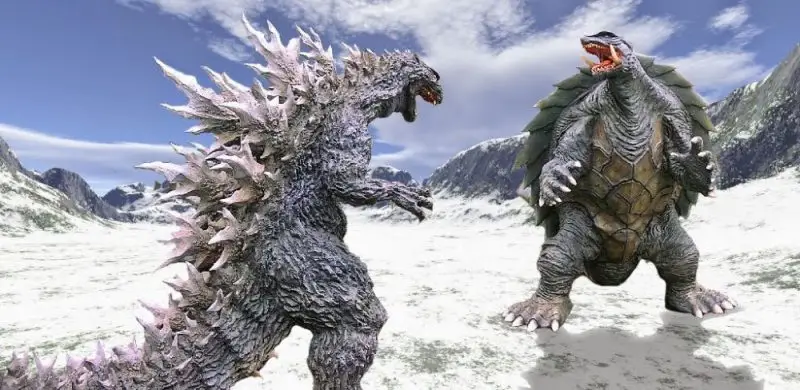
- Kaiju films - giant monsters such as Godzilla, Gamera or Mothra;
- Superhero series - Ultraman, Kamen Rider, Metal Hero;
- Super Sentai - colour-coded hero teams that combine into giant robots;
- Mecha series - shows in which giant machines play a central role.
What ties them all together: staged stunts, hand-built pyrotechnics, distinctive costumes, signature transformation sequences, and a strong bond with Japanese pop culture.
The history of Tokusatsu
It all started in 1954 with the film Gojira, known in the West as Godzilla. The movie became one of the biggest hits of its era and remains a global symbol to this day. The productions that followed picked up the giant-monster template - the so-called Kaijus - and effectively launched the first major Tokusatsu subgenre.
The first proper costumed hero followed in 1958: Gekko Kamen (Moonlight Mask). The series was a major success and opened the door for further hero shows such as Nana Iro Kamen (1959) and National Kid (1960). It was only after these that the classic Tokusatsu trademarks became standard: heroes or hero teams, unusual weapons, vehicles, suits and, later, giant robots.
Many historians read this rise as a response to the growing presence of Western heroes like Superman and Captain America in Japanese media. Tokusatsu gradually established itself as a storytelling tradition with its own vocabulary.
The rise of Ultraman and the giant heroes
In 1966, the Japanese director Eiji Tsuburaya set up his own studio, Tsuburaya Productions, and released the series Ultra Q the same year. Just one year later, he created Ultraman, one of the most recognisable figures in the genre. The first season ran for 39 episodes and quickly became a symbol of Tokusatsu and Japan. In 1967, Ultraseven followed, raising the bar with better effects and a more mature storyline.
That same year, rival studio Toei released Giant Robo, which also became a quick hit. Toei also produced Kamen no Ninja Akakage, its first colour Tokusatsu, which marked a turning point thanks to heavy investment in pyrotechnics and early special-effects work. Out of this grew the Kyodai Heroes - the "giant heroes" subgenre.
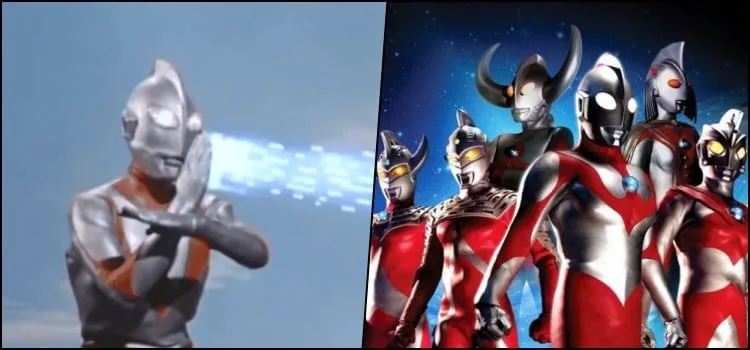
Eiji Tsuburaya died in 1970, a loss that rippled well beyond Tokusatsu. That same year, manga artist Shotaro Ishinomori entered the picture, a creator who would shape the genre for decades. His initially rejected idea Skullman was reworked by Toei and relaunched in 1971 as Kamen Rider. The rest is pop-culture history.
Kamen Rider and Super Sentai
The new series told the story of a man who is half human, half grasshopper and rides a motorcycle into battle against a secret organisation. The premise was simple, but the concept worked: Kamen Rider ran for 98 episodes with strong ratings. In 1973, Kamen Rider V3 repeated the success. In the years that followed, Ishinomori also created Jinzō Ningen Kikaider and Akumaizer 3, two more genre classics.
Worth noting are the series produced by P-Productions, including Magma Taishi (1966) and especially Spectreman (1971), which set the standard for giant-robot battles. In 1972, Kaiketsu Lion Maru arrived as another popular entry, spawning two sequels built on the same formula.
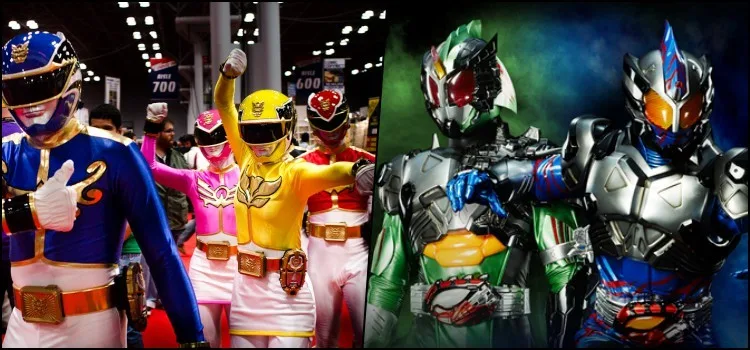
In 1975, Toei and Ishinomori revolutionised the genre again with Himitsu Sentai Goranger, following the adventures of five colour-coded warriors. The series ran for 84 episodes and laid the groundwork for the Sentai subgenre.
The next Sentai series arrived in 1978: Battle Fever J, born out of a partnership between Toei and Marvel Comics. For the first time, a giant robot appeared to take down the enemies - a feature that would become a permanent trademark and define the Super Sentai brand. That same collaboration also produced the Japanese version of Spider-Man (1978), which underperformed commercially but ended the partnership on a clear note.
The Metal Heroes of the 1980s
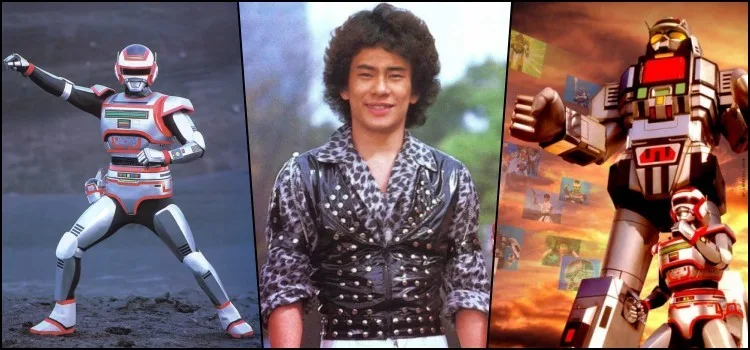
The 1980s saw a wave of new series. Ultraman 80 continued the Ultraman saga, while Kamen Rider Super-1 and Taiyō Sentai Sun Vulcan extended the existing franchises. In 1982, Toei launched another subgenre, the Metal Hero, starting with Uchū Keiji Gyaban. Metallic suits, spaceships, swords and laser weapons became the visual signature.
Uchū Keiji Sharivan (1983) and Uchū Keiji Shaider (1984) followed, alongside the special Kamen Rider ZX. Ishinomori contributed Kamen Machineman and Kyodai Ken Bycrossers. In 1986, Dengeki Sentai Changeman and Chōshinsei Flashman arrived as two Sentai classics that stuck in the memory of an entire generation of fans.
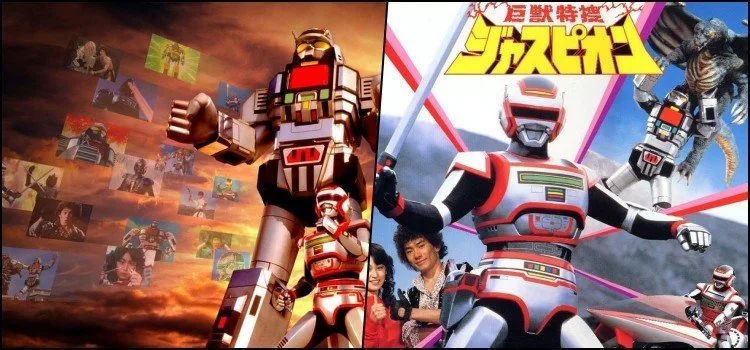
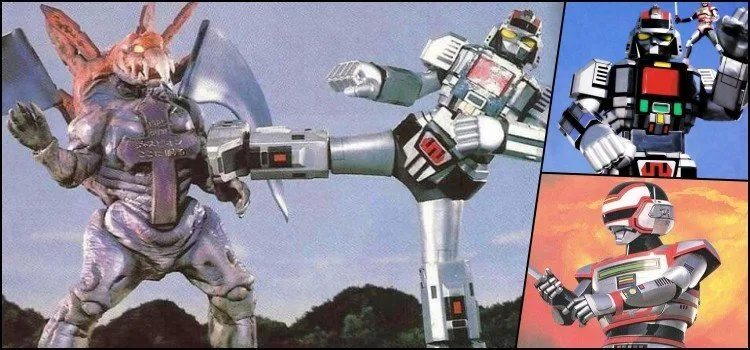
The Metal Hero line continued its run in 1985 with Kyojū Tokusō Juspion - a series that did not quite meet Toei's expectations in Japan but built a devoted international following. In 1988, Toho Company added Dennō Keisatsu Cybercop to the same tradition.
Tokusatsu today and the most popular franchises
New series keep coming out every year. Recent entries such as Ultraman Blazar, Uchu Sentai Kyuranger, Kamen Rider Geats or SSSS.Gridman continue the lineage. One thing worth flagging: Power Rangers, best known in the English-speaking world through the American adaptation, is built directly on the Japanese Super Sentai series - the US version reuses Japanese footage with a new local cast.
In English-speaking markets, several of these shows were broadcast under localised titles in the 1980s and 1990s - among them Flashman, Changeman, Maskman, Jiraya and Jaspion. Many remain popular with collectors and on nostalgia channels.
Where to watch Tokusatsu online legally
Tokusatsu is rarely shown on English-language linear TV these days, but it is well represented on international streaming platforms. The main options are:
Streaming overview
- Crunchyroll - the official home for current and classic Ultraman series, with English subs (and an English dub for several titles);
- Amazon Prime Video - a large catalogue of older Metal Hero and Super Sentai shows, often in the original Japanese with English subs;
- Netflix - some Ultraman anime, the MonsterVerse Godzilla trilogy, and Power Rangers seasons;
- YouTube (official channels) - Tsuburaya Productions and Toei Tokusatsu World Official post free full-length episodes and trailers;
- Pluto TV and free ad-supported services - occasional Tokusatsu and Kaiju film rotations in some regions.
Worth noting: unofficial uploads are usually copyright-protected. Sticking to the official services above is the simpler, cleaner option.
What to watch on Amazon Prime Video
Amazon Prime Video is one of the richest sources for older Tokusatsu, especially Metal Hero classics and Sentai spin-offs. A starter selection:
Classics on Prime Video
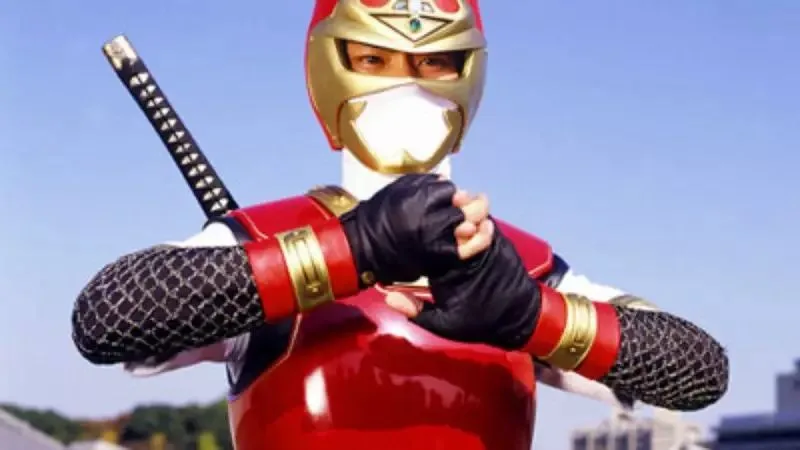
- Jiraiya - The Incredible Ninja (1988): Toha Yamashi is the student and adopted son of Tetsuzan, head of the Togakure ninja clan. When the "treasure of the century" is threatened, Toha must stop ninjas from across the world.
- Jaspion (1985): An orphan raised in space by the prophet Edin must confront the demon Satan Goss and fight to keep peace across the galaxy.
- Kidou Keiji Jiban (1989): Detective Naoto Tamura sacrifices his life fighting a monster and is reborn as the "Steel Cop Jiban" to take down the criminal organisation Biolon.
- National Kid (1960): A hero stronger than the scientific weapons of his time fights to protect world peace.
- Ultraman Orb (2016/2019): Naomi Yumeno is haunted by a recurring dream of a giant of light battling monsters - and sets out to uncover the truth behind it.
- Kamen Rider Amazon (1974): The fourth major Kamen Rider series, in which Haruka and Jin - one tamed, one wild - fight evil as the "Amazon Riders".
Super Sentai on Prime Video
Super Sentai means colour-coded hero teams with distinct powers that combine into giant mechas. Two examples from the Prime catalogue:
- Chōshinsei Flashman: Five children are raised by the people of planet Flash. Twenty years later, they return to Earth to stop an invading force.
- Dengeki Sentai Changeman: Five members of the Earth Defense Force are infused with the power of the Earth itself and granted the strength of dragon, gryphon, pegasus, siren and phoenix.
What to watch on Crunchyroll
Crunchyroll leans heavily on the Ultraman line. A few highlights:
- Ultraman Geed: Geed is the son of Ultraman Belial, the first evil Ultra warrior. Despite his father's DNA, he fights to become a hero of justice.
- Ultraman X: When solar storms bring Spark Dolls to life, humanity arms itself with high-tech gear and forms the defence unit Xio.
- Ultraman Orb: Naomi Yumeno is led by a recurring dream to a paranormal research site called "Something Search People" - and to Ultraman Orb.
You will also find Ultraman Gaia, Ultraman Nexus, Ultraman the Next (film), Ultraman Max and Ultraman Mebius on the platform.
What to watch on Netflix
Netflix is mainly useful for Ultraman anime, the newer Godzilla films, and the Power Rangers adaptations. Its catalogue of classic Japanese Tokusatsu is thinner than Crunchyroll or Prime Video. Specifically, you can find:
- Ultraman anime (CG animated films and series);
- the MonsterVerse Godzilla trilogy and Shin Godzilla;
- Power Rangers seasons such as Ninja Steel, Dino Charge, Super Megaforce and Mystic Force;
- the occasional original series inspired by Tokusatsu elements.
For the classic Japanese originals, Crunchyroll and Prime Video are usually the better bet.
Toei Company - the studio behind the classics
If you watch anime or Tokusatsu, you have almost certainly seen a Toei Company production. Toei is one of the most important studios in Japanese film and animation history. Founded in 1957, it brought Sailor Moon, One Piece, Dragon Ball, Saint Seiya and Kamen Rider to global audiences. Famous names such as Osamu Tezuka, Hayao Miyazaki and Isao Takahata also worked there before founding their own studios, including Topcraft, Studio Ghibli, Mushi Production and Doga Kobo.
Toei shaped the Mahō Shōjo (magical girl) genre as much as Kamen Rider, mecha series and other subgenres. A large share of the best-known Tokusatsu franchises came out of this studio.
A quick look at the history of Toei Company
Toei's predecessor studio was founded in 1948 under the name Japan Animated Films; its first productions were modest commercial performers. In 1956, the Toei company bought the studio and renamed it. In 1957, Toei opened its first own studio in Ochanomizu, Tokyo. Its first feature animation, The Legend of the White Snake (1958), inspired by a Chinese legend, was well received and widely exported. In 1959, Magic Boy followed, based on a Japanese ninja legend.
In 1963, Toei produced its first animated TV series, Wolf Boy Ken, which became a major hit in Japan. The studio then gradually shifted its focus to series. In 1968, GeGeGe no Kitarō arrived as a horror adaptation of Japanese folklore that remains iconic to this day.
Japanese audiences fell in love with the giant robots of Mazinger Z (1972), which effectively launched the mecha genre. In 1978, Toei rode the wave of Star Wars with its own space operas such as Galaxy Express 999 and Captain Harlock. The golden era that began around 1980, with Dragon Ball, One Piece, Digimon, Grendizer and Sailor Moon, made Toei a household name worldwide. Today, it remains one of the largest and most commercially successful anime and Tokusatsu producers in the world.
Notable works from Toei Company
Across its history, Toei has produced thousands of series, films and anime. A small selection of Tokusatsu and related titles:
- 1958 - Gekkō Kamen (Moonlight Mask)
- 1959 - Nana Iro Kamen - early Toei Tokusatsu
- Yūsei Ōji
- 1960 - National Kid
- 1961 - Uchū Kaisoku-sen
- 1967 - Kamen no Ninja Akakage - Toei's first colour Tokusatsu
- Captain Ultra
- Giant Robo
- 1971 - Kamen Rider
- Henshin Ninja Arashi
- Jinzō Ningen Kikaider
- Kikaider 01
- Robotto Keiji
- Inazuman
- 1975 - Himitsu Sentai Goranger - the first Sentai
- Akumaizer 3
- Uchū Tetsujin Kyodain
- The Kagestar
- Ninja Captor
- 1978 - Spider-Man (Japanese version)
- 1979 - Battle Fever J - the first Super Sentai
- Denshi Sentai Denjiman
- Taiyō Sentai Sun Vulcan
- Dengeki Sentai Changeman
- 1985 - Kyojū Tokusō Juspion
- Sekai Ninja Sen Jiraiya
- Chōjū Sentai Liveman
- Kidō Keiji Jiban
- Kōsoku Sentai Turboranger
- Bishōjo Kamen Poitrine
- 1992 - Kyōryū Sentai Zyuranger (the basis for Mighty Morphin Power Rangers)
- Janperson
- Gosei Sentai Dairanger
- Ninja Sentai Kakuranger
- Chōriki Sentai Ohranger
- Chōkō Senshi Changerion
- Seijū Sentai Gingaman
- Tetsuwan Tantei Robotack
- Moero! Robocon
- Pretty Guardian Sailor Moon
- Mahō Sentai Magiranger
Final thoughts
Tokusatsu is far more than Godzilla. From the first Gojira film in 1954 through Ultraman, Kamen Rider and Super Sentai to today's Ultra and Sentai series, the genre has produced a remarkable range of stories. With Crunchyroll, Prime Video and Netflix, plus the official YouTube channels of Tsuburaya and Toei, most major series are within easy reach for English-speaking viewers.
Which Tokusatsu series shaped you the most as a kid, or later in life - and is there a classic you wish the current streaming catalogues would finally pick up?


Community
Comments
0 comments
There are no published comments in this language yet.
Send comment