
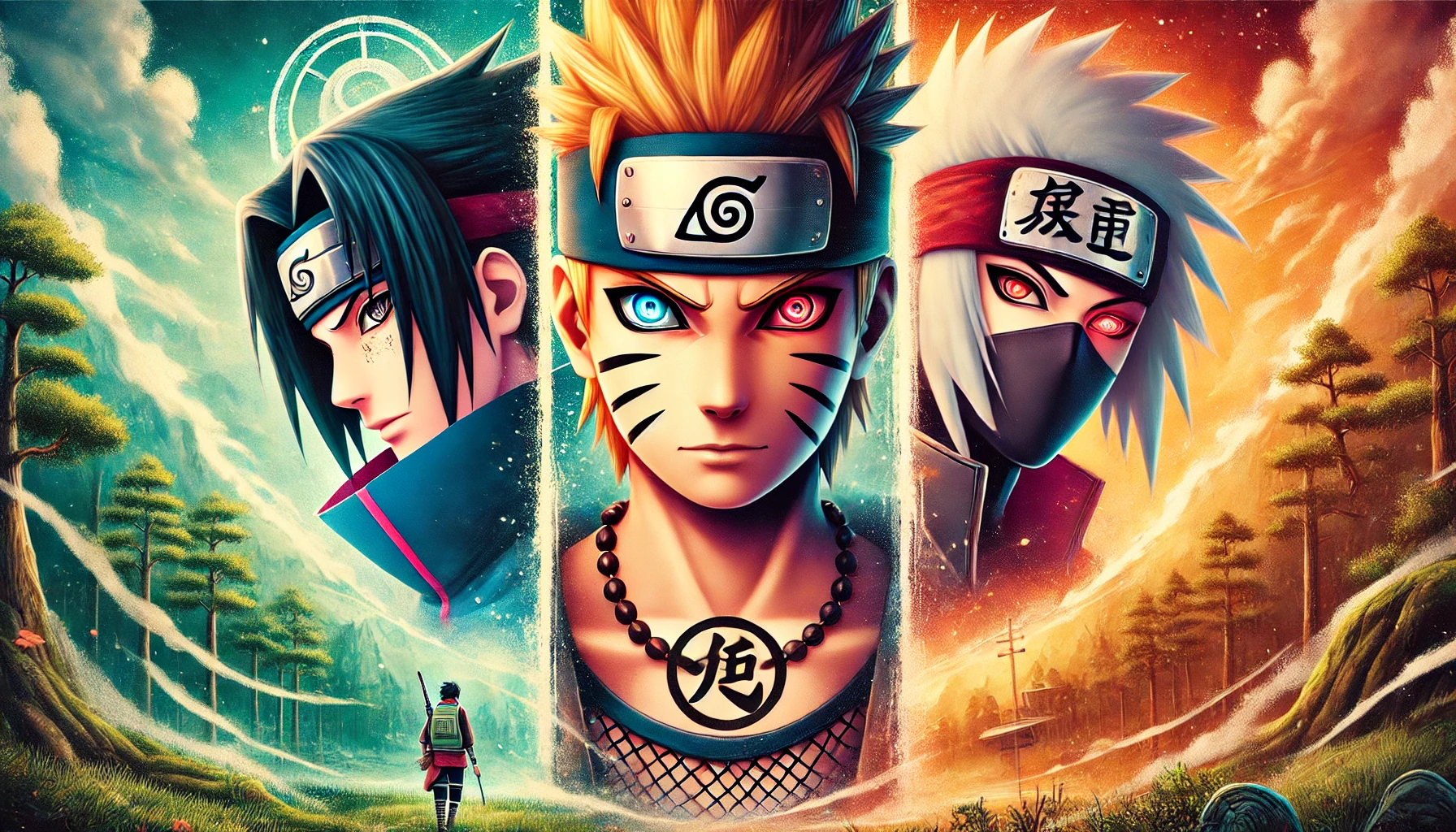
Naruto, the work of Masashi Kishimoto, is one of the most influential and iconic animes and mangas in the history of Japanese pop culture. The universe of the series is filled with symbols and tattoos that carry deep cultural, philosophical, and emotional meanings. These emblems are not mere decorations; they play an important role in the narrative and character development, representing their pains, their achievements, and even their greatest burdens.
In this article, we will explore some of the most striking tattoos and symbols from Naruto, including Sasuke's powerful cursed seal, Gaara's mysterious forehead tattoo, the characters on the legendary Jiraiya's bandana, and other fascinating elements that enrich the plot and mythology of the anime.
Contents 11
Sasuke's Cursed Seal
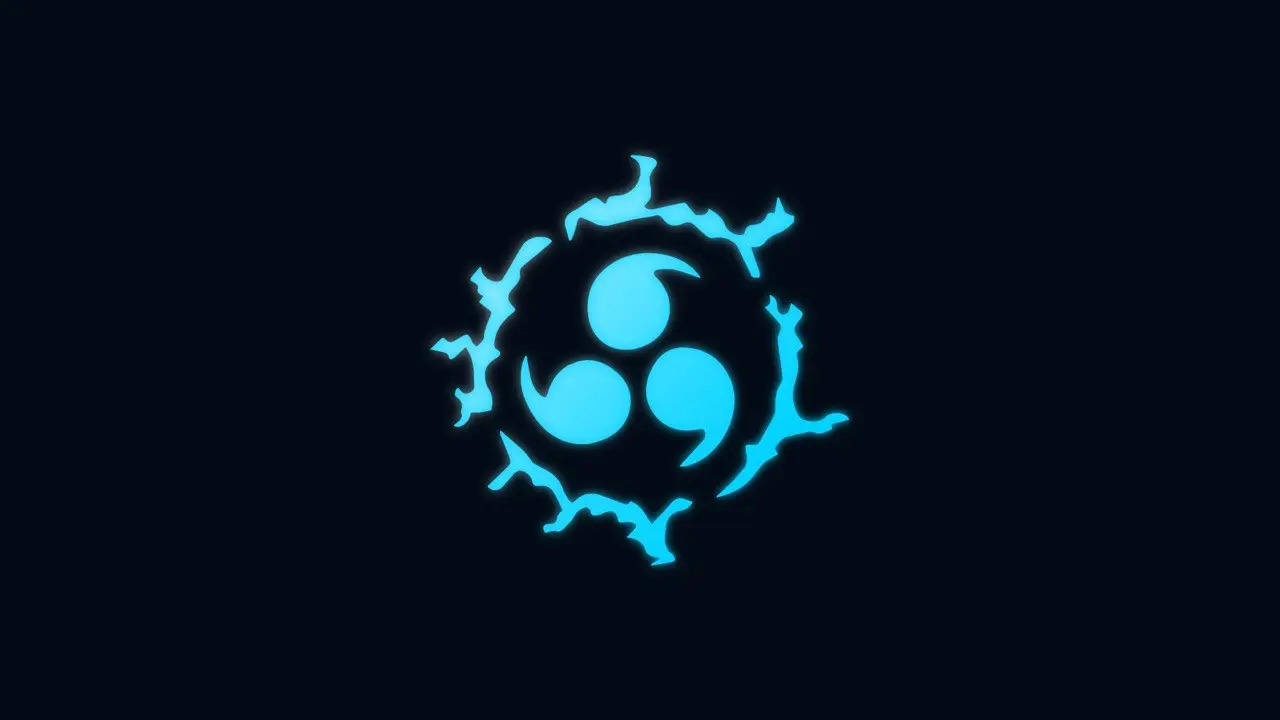
The cursed seal, or "Juinjutsu," that Orochimaru uses on Sasuke, is one of the most fascinating and controversial symbols in Naruto. This seal is introduced during the Chuunin exam and becomes a key piece in the character's development.
Visual Symbolism and the Number Six
The initial mark of the seal on Sasuke's neck has a shape that resembles three tomoe arranged in a circular pattern, and when viewed from a certain angle, it can be mistaken for three number sixes. This has generated speculation about a possible connection to the number “666,” associated with the “number of the beast” in the Christian context. However, it is important to highlight that this is not the intended meaning in the series. Instead, the pattern with three tomoe is derived from the classic emblem of the Uchiha clan's Sharingan and from Japanese mystical traditions that attribute meanings to circular shapes, such as the magatama, a symbol of protection and spiritual power.
Origin and Cultural Influence
In Japanese culture, the concept of curses and symbols that carry power is widely explored. Sasuke's cursed seal reflects ideas of yin-yang and the struggle between opposing energies. Orochimaru, as a character inspired by Japanese mythology of the serpent and in stories of deceit and destruction, uses the seal to control those he wishes to dominate. The seal symbolizes corruption and the offering of power at a price, aligning with the idea of making a dark pact in exchange for superior abilities.
The Cost of Power
The seal corrupts the user, granting them strength while suppressing their own will. When activated, the marks spread across Sasuke's body in fiery and dark patterns, reminiscent of the traits of evil energy. The visual effect also represents the loss of control and the temptation to follow a destructive path.
Gaara's Tattoo: "Love" (愛)
Gaara's forehead tattoo is another iconic symbol that carries a very personal and philosophical meaning. The kanji "愛" (ai), which means "love," is engraved by Gaara on himself after a traumatic event in his childhood.
Meaning and Japanese Context
In Japan, the kanji "愛" is a classic representation of love, but the love represented by Gaara is not romantic or affectionate love. Instead, the tattoo reflects a self-centered love, which Gaara develops as a defense against the hatred and rejection he experienced throughout his childhood. In Japanese philosophy, the idea of “love” is multifaceted and can be seen as a unifying force or as something that can also lead to obsession and isolation, depending on how it is understood.
Symbolic Transformation
Gaara chose this symbol as a way to protect himself emotionally, emphasizing that he could only trust himself. However, the development of his character throughout the series shows that he learns to accept and offer genuine love, something that was only possible through his connection with Naruto. This symbolism echoes one of the main themes of the series: the importance of human relationships and true love.

Jiraiya's Bandana: The Kanji "Oil" (油)
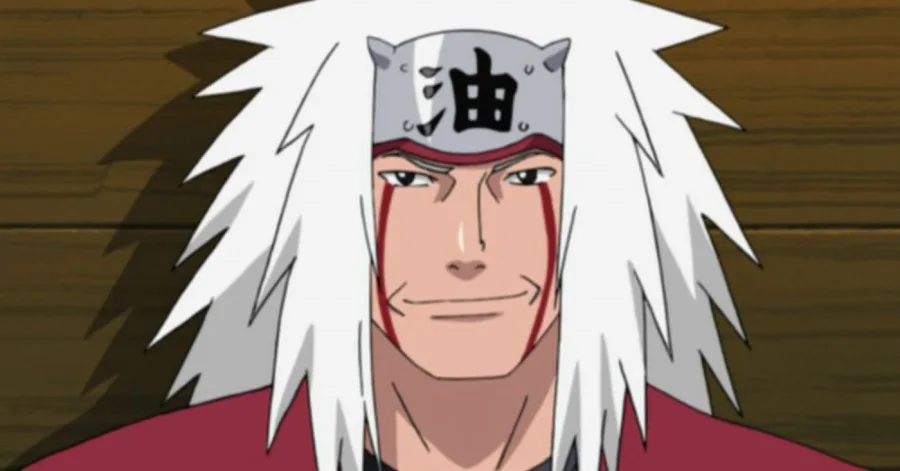
Jiraiya, one of the most charismatic and wise characters in the series, wears a unique bandana that features the kanji "油" (abura), which means "oil." This symbol is not just decorative but has roots in his connection with Mount Myoboku and the practice of Sage Mode.
Cultural and Mythological Significance
The oil represented by the kanji originates from the training of the Sage of Toads. At Mount Myoboku, toad oil is used to facilitate the learning of Sage Mode, helping ninjas connect with natural energy. In a spiritual sense, the concept of oil in Japanese culture can also be associated with the idea of purification and spiritual preparation, something that Jiraiya, as a sage, represents significantly.
The Philosophy of Sage Mode
The training with oil and the use of natural energy reflect the philosophy of balance. To enter Sage Mode, a ninja must perfectly balance their chakra with the natural energy around them, a practice that requires great self-control and discipline. The choice to carry this kanji reinforces Jiraiya's role as a master of the balance between raw power and spiritual serenity.
Other Fascinating Symbols in Naruto
In addition to the symbols already discussed, Naruto has a rich variety of emblems that deserve highlighting:
- The Shinobi Alliance Emblem: During the Fourth Great Ninja War, the five great nations unite under the symbol of the Shinobi Alliance, represented on their bandanas. This symbol is the very ideogram of ninja [忍], thus showing the unity among all nations.
- The Uchiha Clan's Sharingan: The Sharingan, one of the most well-known dojutsus in the Naruto universe, is represented by a pattern of tomoe. The term "tomoe" refers to an ancient Japanese symbol that dates back to historical periods, representing change and continuous movement. In the context of the Uchiha, it symbolizes ocular power and the clan's cursed legacy.
- The Hyuga Family Seal on Neji: The cursed seal that Neji carries on his forehead is a symbol of servitude and hierarchy within the Hyuga clan. Inspired by Japanese practices of social restriction, this symbol is a reminder of the struggle for freedom and equality, concepts rooted in traditional society.
These symbols in Naruto are not just stylized illustrations, but reflect a depth that connects the series to myths, philosophy, and real stories. They help tell the characters' stories in a powerful and evocative way, maintaining the legacy of the series as a work rich in meanings both within and outside the fictional universe.
I hope this article has provided a new understanding of these symbols. If you would like more details or a specific analysis, I am at your disposal!





Community
Comments
0 comments
There are no published comments in this language yet.
Send comment