
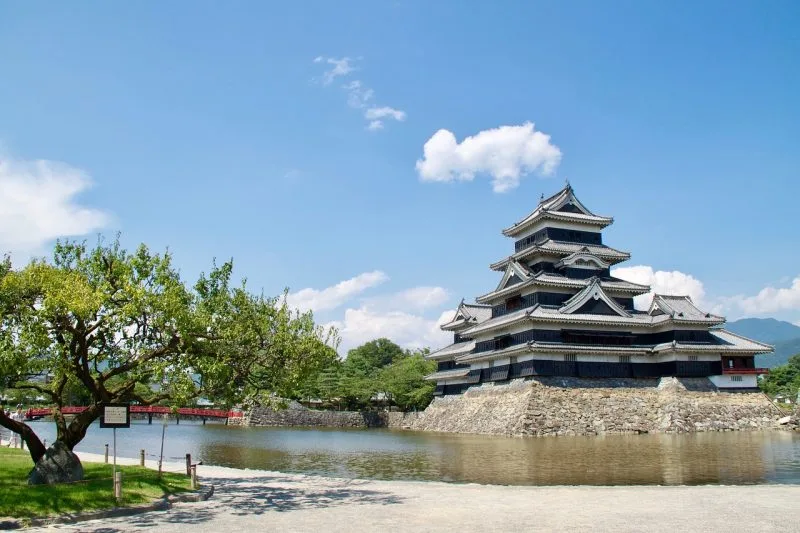
Across Japan, thousands of castle fortifications were built throughout the feudal era to defend strategic territory, command trade routes, and display the political authority of samurai lords. While fire, warfare, and modern urban growth dismantled many historic structures, dozens of remarkable fortresses still welcome travelers today. From majestic UNESCO World Heritage landmarks to mountain citadels and rare original keeps, this guide explains how Japanese castles were engineered, how samurai defenders lived within them, and which fortresses you should explore on your journey.
Contents 20
What is a Japanese castle like?
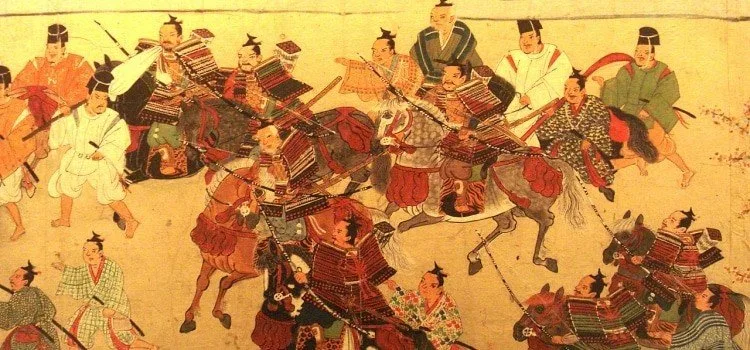
Japanese castles were developed primarily during the intense civil conflicts of the Sengoku Period and the early Edo Period. These structures functioned as sophisticated defensive compounds divided into distinct defensive sectors known as kuruwa [曲輪].
Fortresses were strategically positioned on rugged heights or encircled by deep water moats and massive stone ramparts. Within the outer grounds, concentric stone walls and fortified gates separated each sector of the compound, creating a defensive labyrinth for attacking forces.
Only garrison soldiers, samurai guards, and the lord's immediate family resided within the fortified castle perimeter. Artisans, merchants, and common townspeople lived in designated castle towns, known as jōkamachi, established around the base of the fortress.
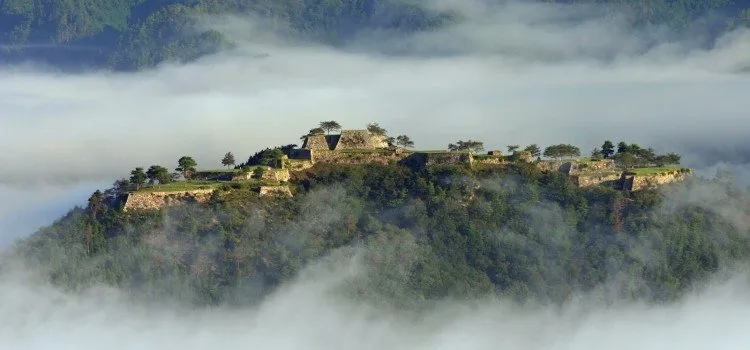
The Japanese word for castle is pronounced shiro [城], commonly taking the suffix -jō [城] when attached to a specific name. Fortresses constructed entirely in rugged terrain are called yamashiro [山城], those built across open plains are known as hirashiro [平城], and fortresses constructed on low hills surrounded by flat plains are called hirayamashiro [平山城].
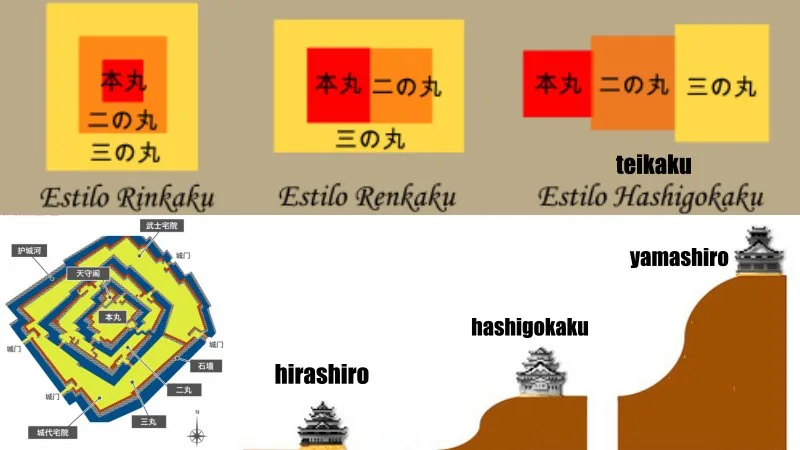
A classic castle compound typically comprised three concentric defensive baileys called the honmaru [本丸] (main bailey), ninomaru [二の丸] (second bailey), and sannomaru [三の丸] (third bailey). Larger regional strongholds occasionally featured expansive outer defense sectors designated as soto-guruwa.
Architects employed distinct spatial configurations depending on the local topography. In the rinkaku [輪郭] concentric layout, the honmaru occupied the central core with secondary rings encircling it. The renkaku [連郭] arrangement placed the honmaru and ninomaru side by side along a defensive ridge. For steep mountain fortresses, builders favored the teikaku [梯郭] terraced design, stepping baileys up the hillside like a defensive staircase.
The protective walls included plaster and earthen ramparts called dobei [土塀], reinforced by formidable dry stone foundations called ishigaki [石垣]. Within these walls, defensive embrasures called hasama [狭間] allowed defenders to fire arrows and firearms through circular, triangular, and square apertures without exposing themselves to return fire.
The owner of the Japanese castle does not live in the tall tower
Popular imagination often pictures the feudal lord living full-time inside the soaring multi-tiered castle tower. In reality, the daimyo, his family, and their administrative retainers resided in spacious single-story palaces, known as goten, built within the flat grounds of the honmaru or ninomaru. The imposing tower served as a symbolic watchtower, military command post, and ultimate redoubt during times of siege.
The multi-story main keep is called the tenshukaku [天守閣] and stood at the heart of the honmaru [本丸]. These defensive towers typically rose between three and six interior levels on top of a stone base, providing panoramic observation over the surrounding valley and castle town.
During an assault, defending warriors guarded the steep interior wooden staircases while commanding officers monitored battle movements from the top floor. If the fortress ultimately fell, defeated samurai leaders carried out ritual suicide, known as seppuku, to preserve their martial honor rather than endure capture. In this ceremonial death, an appointed comrade or assistant, called a kaishakunin, decapitated the warrior with a sword immediately after the abdomen incision to end their suffering quickly.
Following the 1873 Castle Abolition Edict during the Meiji Restoration, hundreds of feudal fortifications were decommissioned, dismantled, or sold for timber as modern Japan centralized authority. Later fires and bombings during World War II destroyed further historic keeps, leaving a precious surviving heritage today.
How to visit a castle in Japan?
Across Japan, hundreds of castle sites welcome travelers, ranging from atmospheric stone ruins to faithfully restored keeps. Only twelve fortresses still preserve an authentic pre-modern wooden main tower (known as genzon tenshu), including Himeji, Matsumoto, and Inuyama. Other castles feature traditional timber reconstructions, modern concrete museums, or surviving historic structures such as the preserved daimyo palace at Kakegawa.
Admission practices vary across regions. Many outer castle parks and moat grounds are free to enter throughout the day, while access to the inner keeps or museum halls charges a modest admission fee, typically between 300 and 1,000 yen. Certain sites collect entry fees at the outer sannomaru gates, while others charge only upon entering the tenshukaku.
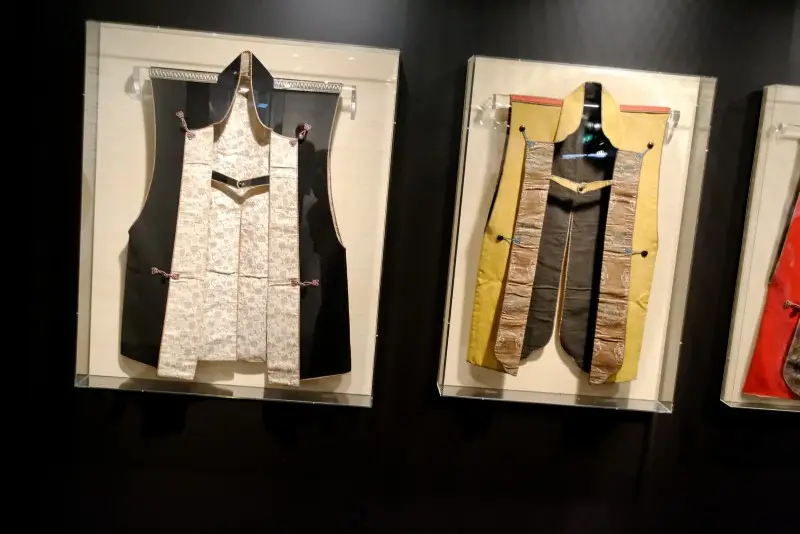
When entering authentic wooden keeps, visitors are regularly required to remove outdoor footwear and slip into provided indoor slippers or carry their shoes in bags. Major urban castles such as Osaka and Nagoya operate modern museum exhibits inside their towers, displaying samurai armor, folding screen paintings, swords, and scale models of feudal cities.
The central tower represents only one highlight of an excursion. Many castle grounds incorporate scenic public parks, cherry blossom groves, and traditional stroll-style landscaped Japanese gardens, along with restored gatehouses and defense turrets.
Travelers looking to uncover lesser-known regional ruins can locate castle sites using the Google Maps app. Keep in mind that historical markers often designate mountaintop sites that retain only overgrown earthworks or partial stone foundations, so checking traveler reviews beforehand helps set accurate expectations.
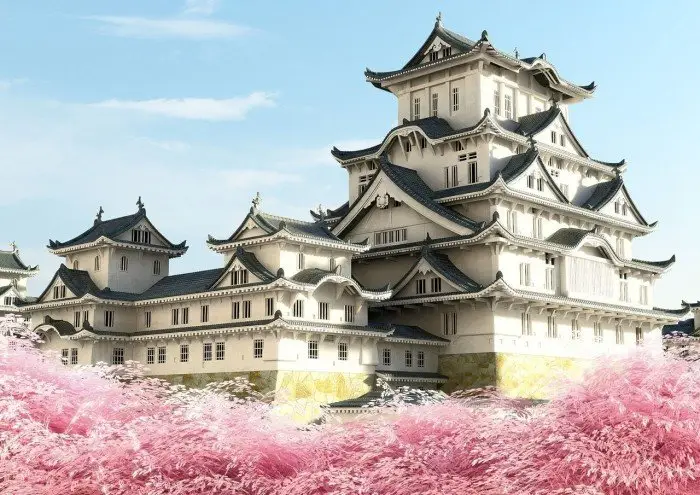
Himeji Castle - The largest castle in Japan
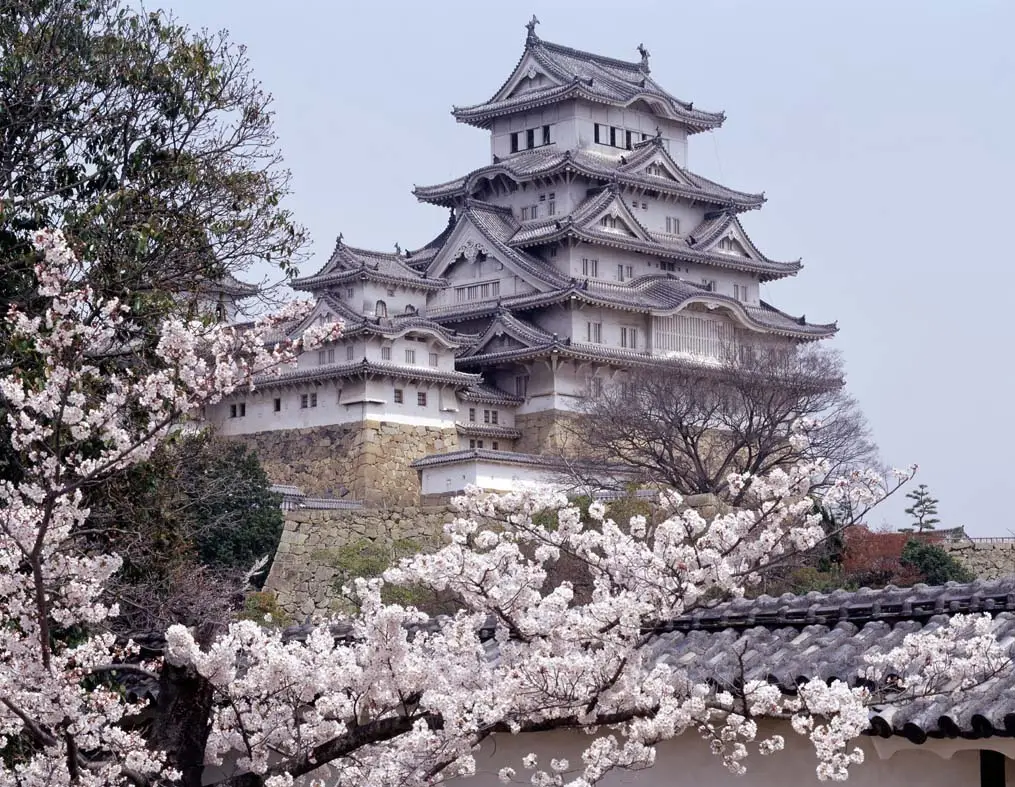
Himeji Castle stands as Japan's largest and best-preserved feudal fortress, celebrated globally as a UNESCO World Heritage site. The sprawling complex comprises 83 surviving wooden structures, three moats, and extensive defensive courtyards set across a 233-hectare grounds. A comprehensive look into its layout and visitor routes can be explored in our dedicated guide to exploring Himeji Castle.
Initial fortifications began in 1346 under Akamatsu Sadanori. The fortress underwent major expansions in 1581 under Toyotomi Hideyoshi and reached its grand five-tier form around 1609 under daimyo Ikeda Terumasa. Known poetically as the White Heron Castle (Shirasagi-jō) due to its brilliant white plaster walls and elegant rooflines, Himeji survived fires, the Meiji period, and wartime bombings completely intact.
Matsumoto Castle
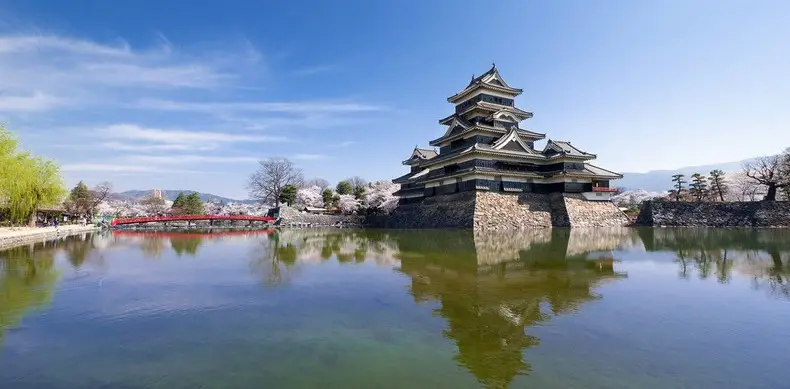
Matsumoto Castle in Nagano Prefecture originated between 1504 and 1594, developing from an earlier Sengoku fortress called Fukashi Castle. It is one of five castles designated as National Treasures of Japan and one of only twelve with an authentic surviving wooden keep.
Nicknamed the Crow Castle (Karasu-jō) because of its distinctive black timber cladding, Matsumoto is a rare flatland castle (hirajiro) surrounded by a broad water moat inhabited by swans and carp, set against the striking backdrop of the Japanese Alps. Local folklore also recounts tales of the castle being haunted by the spirit of a rebellious peasant leader from the feudal era.
Nagoya Castle
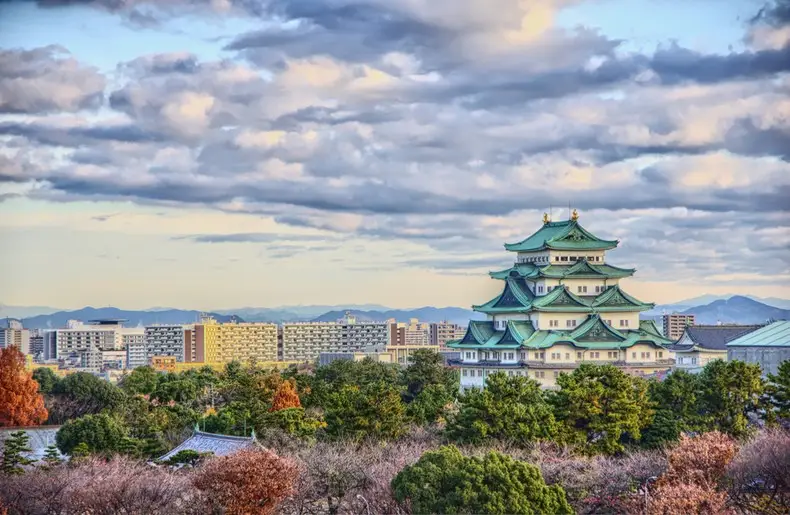
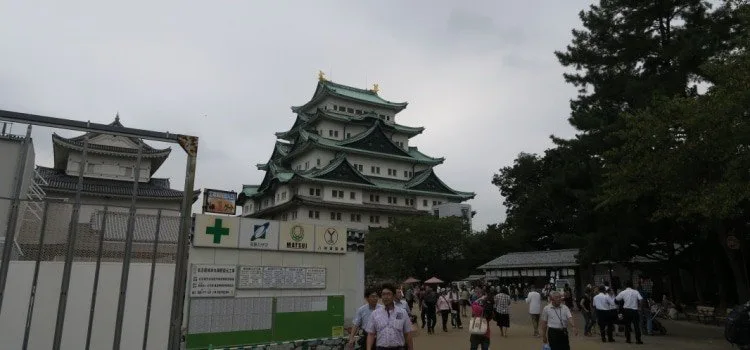
Constructed in 1612 on the orders of Tokugawa Ieyasu, Nagoya Castle anchored one of the most powerful branches of the ruling Tokugawa clan. Situated in the heart of modern Nagoya, the fortress compound is protected by massive stone ramparts and wide moats.
Beyond the imposing main keep, the castle's crown jewel is the meticulously reconstructed Honmaru Palace, completed in 2018 using authentic cypress wood, traditional joinery, and faithful recreations of historical screen paintings by the famed Kano school. The keep's roof is famously adorned with golden tiger-headed carp ornaments called kinshachi, which historically served as protective talismans against fire.
Edo Castle - Imperial Palace of Tokyo
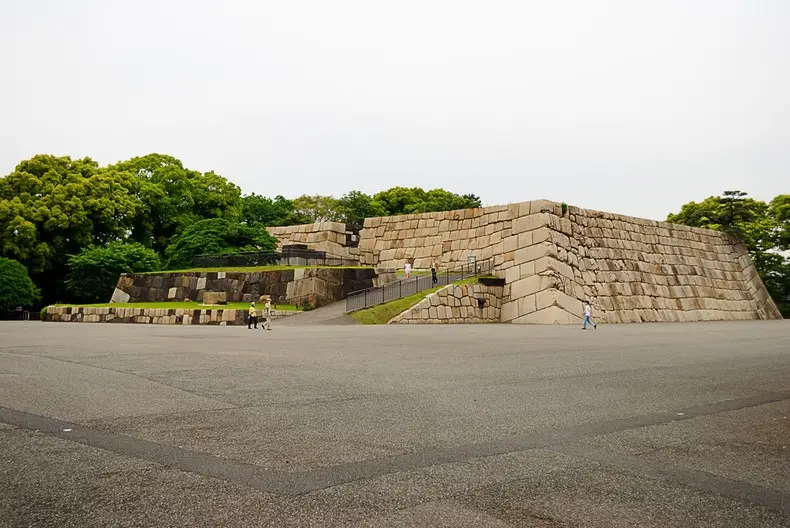
Edo Castle was the colossal administrative seat of the Tokugawa Shogunate and once ranked as the largest fortress complex on earth. Its concentric rings of stone moats and defense sectors once spanned vast portions of central Tokyo. The towering main keep burned down in the Great Fire of Meireki in 1657 and was never rebuilt, although the colossal stone base (tenshudai) still stands.
Today, the historic castle grounds form the Tokyo Imperial Palace. While the private inner palace remains reserved for the Emperor, the expansive East Gardens of the Imperial Palace are open freely to the public, allowing visitors to walk atop the massive tenshudai foundation, stroll through peaceful gardens, and admire surviving Edo-period guardhouses and gate structures.
Osaka Castle
Few fortresses have played as decisive a role in national history as Osaka Castle. Originally erected in 1583 by Toyotomi Hideyoshi as the centerpiece of his unifier regime, the fortress withstood historic sieges in 1614 and 1615 before falling to Tokugawa forces.
During the Second World War, the castle complex housed military arsenals and suffered severe aerial bombardment. The modern five-story concrete keep, originally restored in 1931, contains an extensive eight-floor museum of regional history and weaponry, offering panoramic views from its observation deck across Osaka's skyscrapers.
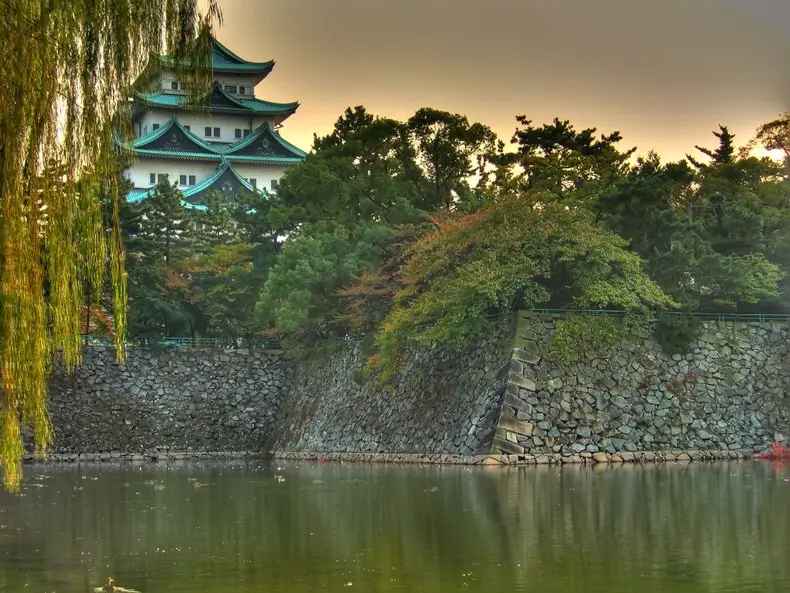
Fukuoka Castle - Maizuru Park
Perched above Hakata Bay, Fukuoka Castle was constructed between 1601 and 1607 by Kuroda Nagamasa. At its peak, this sprawling fortress featured 47 defense turrets (yagura) and multiple rings of stone walls before being decommissioned in 1871.
Today, the site forms Maizuru Park, located adjacent to picturesque Ohori Park. Visitors can explore surviving stone ramparts, preserved gatehouses, and the atmospheric Tamon Yagura turret. The fortress was historically called Maizuru Castle (Dancing Crane Castle) because its graceful silhouette resembled a crane taking flight over the coastline.
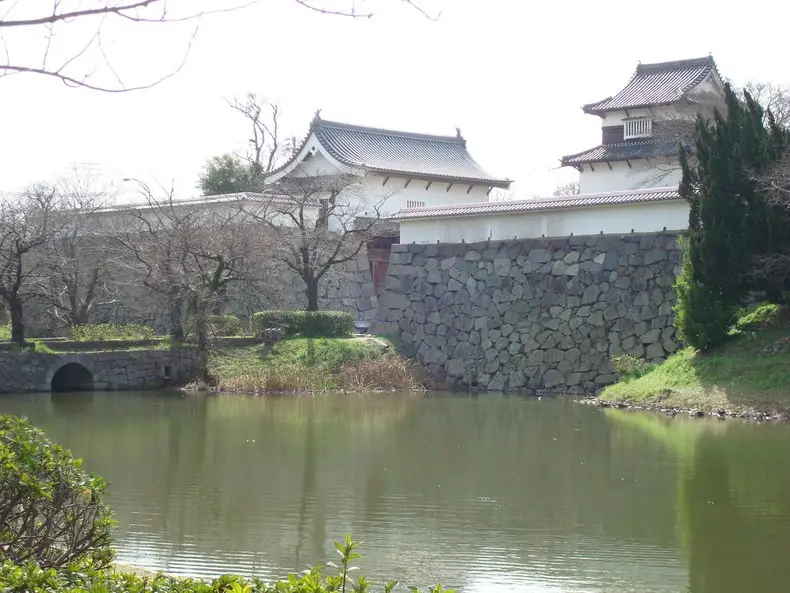
Nijo Castle
Nijo Castle in Kyoto offers a vivid portrait of Tokugawa political supremacy. Completed in 1603 by Tokugawa Ieyasu as his official residence during visits to the imperial capital, the fortress is enclosed by two rings of moats and massive stone walls.
Unlike conventional defensive keeps, Nijo is famed for the magnificent Ninomaru Palace, an authentic Momoyama-era masterpiece designated as a National Treasure. Walking through its tatami chambers, visitors can hear the famous nightingale floors (uguisubari) chirping beneath foot traffic, an ingenious early warning system designed to detect approaching intruders.
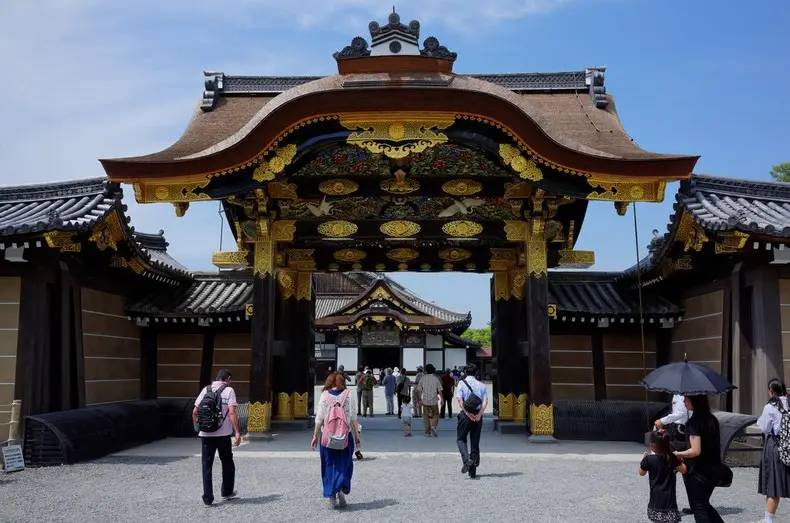
Inuyama Castle
Inuyama Castle stands atop a forested bluff along the Kiso River in Aichi Prefecture. Its compact wooden keep, originally constructed in the late Sengoku period around 1537, ranks among Japan's oldest surviving original castle towers and holds National Treasure status.
Steep interior wooden ladders lead to an open wooden observation gallery that rewards visitors with scenic vistas across the Kiso River, where the ancient traditional art of cormorant fishing (ukai) is still practiced during summer months.
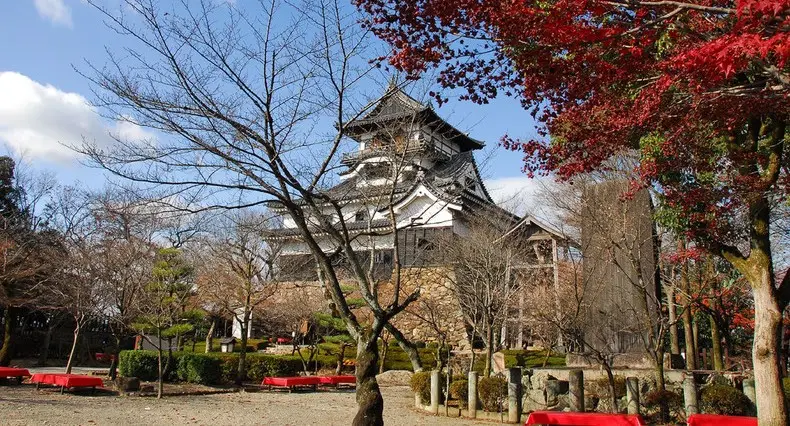
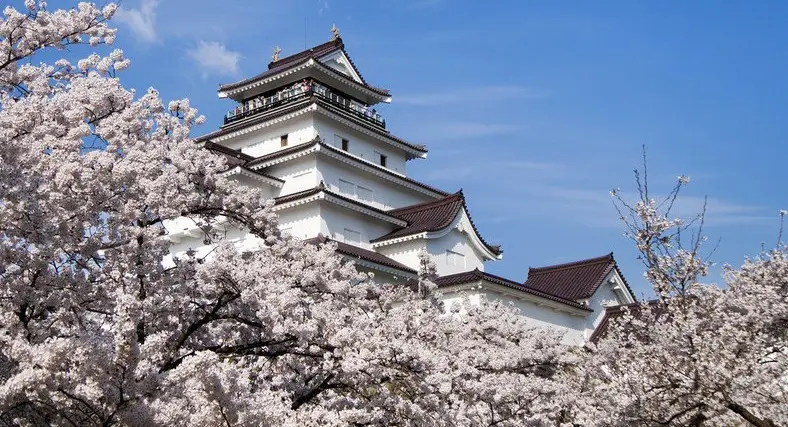
AizuWakamatsu Castle
AizuWakamatsu Castle, also known as Tsuruga Castle, anchors the city of Aizuwakamatsu in Fukushima Prefecture. The fortress traces its origins to Kurokawa Castle, founded in 1384 by Ashina Naomori, before being expanded by Gamo Ujisato in the late 16th century.
The fortress is renowned for withstanding a month-long siege during the Boshin War of 1868, symbolizing samurai defiance in northern Japan. Rebuilt in concrete in 1965, the keep was updated in 2011 with traditional red roof tiles (akagawara), restoring the rare winter-hardy appearance it possessed in the late Edo period.
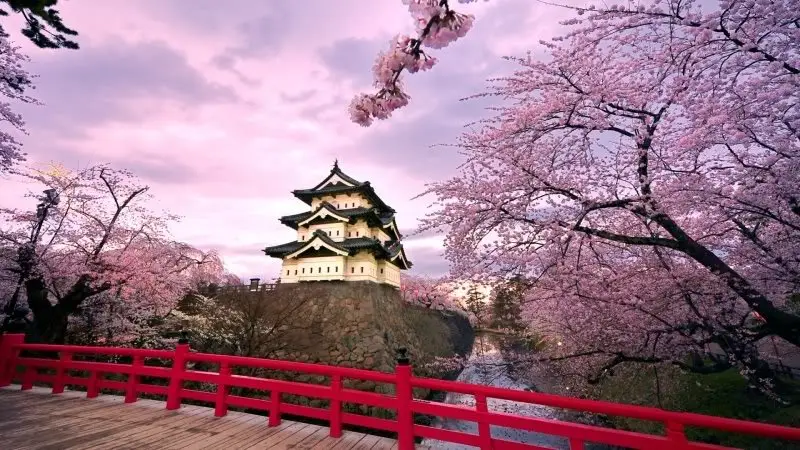
Hirosaki Castle
Completed in 1611 by the Tsugaru clan, Hirosaki Castle in Aomori Prefecture is the only authentic Edo-period castle keep surviving in northern Tohoku. The original compound featured five defensive baileys spread across a large defensive perimeter.
The compact three-tier keep stands amidst Hirosaki Park, world-famous for its springtime cherry blossom festival featuring more than 2,500 sakura trees that blanket the castle moats in pink petals.
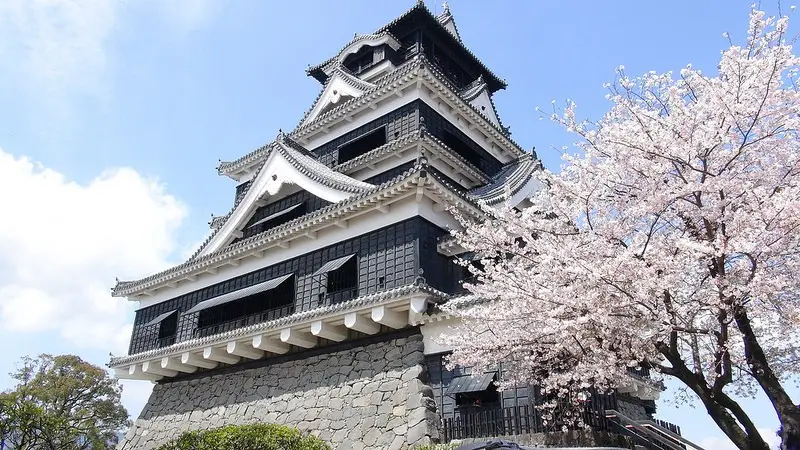
Kumamoto Castle
Built between 1601 and 1607 by master castle architect Kato Kiyomasa, Kumamoto Castle is celebrated as one of Japan's three premier fortresses alongside Himeji and Matsumoto. The stronghold played a dramatic role during the Satsuma Rebellion of 1877, successfully enduring a 53-day siege by Saigo Takamori's forces.
Kumamoto is celebrated for its towering, gracefully curved stone walls, known as musha-gaeshi (warrior repellers), which rise nearly vertical near the top to prevent enemies from climbing. Following severe earthquake damage in 2016, meticulous restoration work reopened the central keep to visitors with state-of-the-art earthquake-resistant engineering.
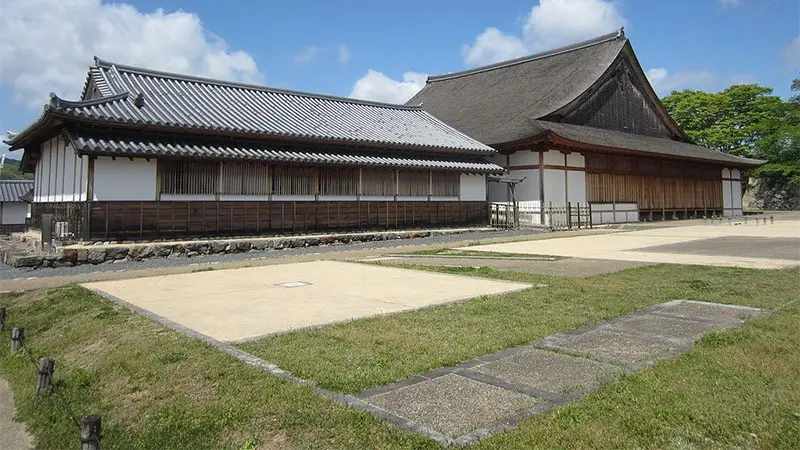
Sasayama Castle
Sasayama Castle in Hyogo Prefecture was constructed in 1608 under Tokugawa Ieyasu's direct orders to contain hostile western daimyos, with construction completed in just six months under architect Todo Takatora.
While the fortress lacked a towering keep by design, its sprawling stone walls and moats housed the magnificent Oshoin Grand Hall. Completely destroyed in 1944, the Oshoin was faithfully reconstructed in 2000 using traditional materials, offering visitors a firsthand view of authentic feudal administrative halls.
Gifu Castle
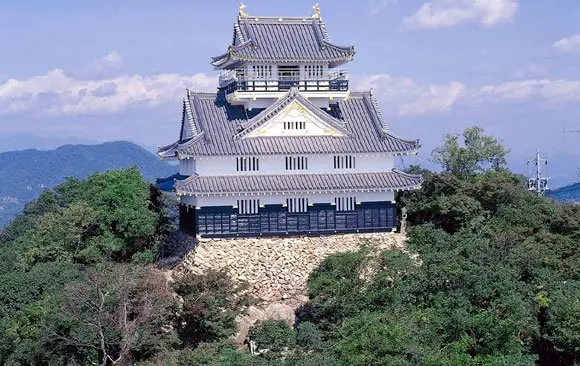
Perched atop the summit of Mount Kinka overlooking the Nagara River, the Gifu Castle [岐阜城 Gifu-jō] was originally built around 1201 by the Nikaido clan and was long known as Inabayama Castle.
In 1567, warlord Oda Nobunaga conquered the fortress, renamed both the castle and the surrounding settlement to Gifu, and used the mountaintop stronghold as his primary operational headquarters during his unification drive. Today, visitors can ascend Mount Kinka via ropeway to tour the reconstructed keep and take in views across the river plain.
Hiroshima Castle
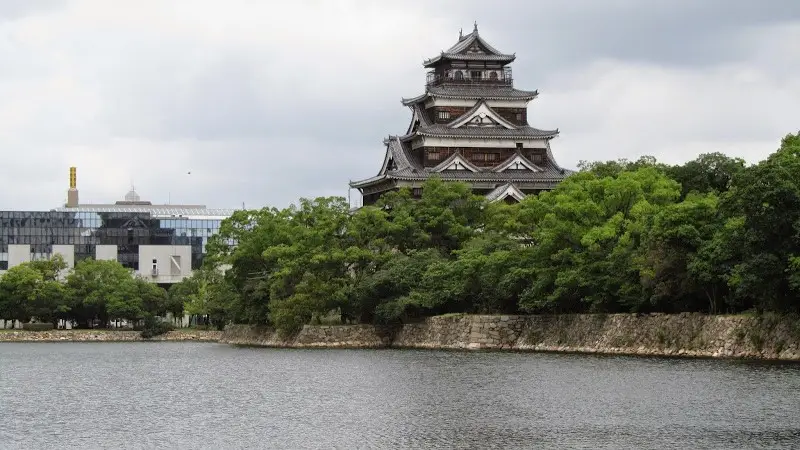
Hiroshima Castle, also known as the Carp Castle (Rijō), was constructed in the 1590s by Mori Terumoto on the delta of the Ota River. Serving as the primary feudal stronghold of western Chugoku, the original fortress survived until August 1945, when the atomic bombing destroyed the historic structure.
The main five-tier keep was reconstructed in 1958 with a wooden-faced exterior, operating today as an informative cultural museum detailing the history of Hiroshima before World War II and the architectural techniques of feudal castle building.
Kakegawa Castle
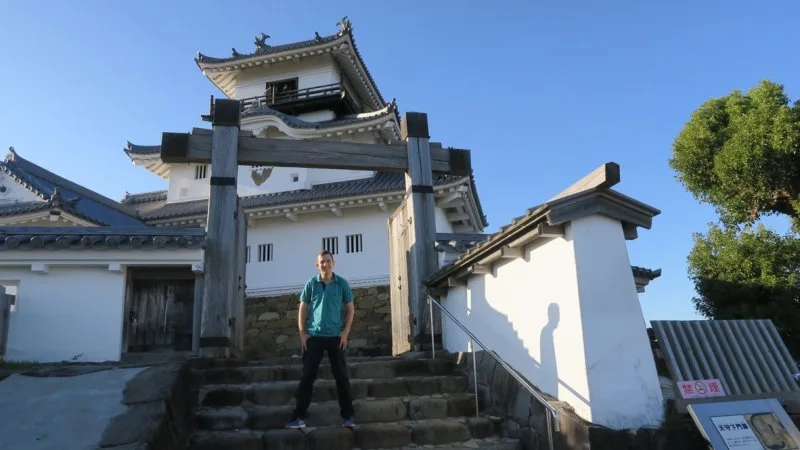
Kakegawa Castle in Shizuoka Prefecture holds a special place in architectural history as a classic flatland-mountain fortress. While its historic keep was destroyed by an earthquake in 1854, the city reconstructed the three-tier wooden tenshukaku in 1994 using authentic traditional timber joinery methods rather than concrete.
Equally remarkable is the castle's Ninomaru Goten, an authentic single-story daimyo palace built in 1861 that survived both the Meiji era and wartime intact. As one of only four original castle palaces remaining across all of Japan, it provides visitors with a rare look at genuine feudal residential quarters.
Small Tsu Castle
The Tsu Castle [津城] is situated in the city center of Tsu in Mie Prefecture. Originally constructed by Hosono Fujiatsu in 1558, the fortress was captured by Oda Nobunaga in 1568 and entrusted to his younger brother Oda Nobukane.
In 1608, legendary castle architect Todo Takatora became lord of Tsu Castle, expanding its defensive baileys and moats. Although the main tower was lost to fire in 1600 and never restored, the site preserves reconstructed corner turrets (yagura), stone gates, and scenic moat sections.

Demilitarized during the Meiji period, Tsu Castle grounds now form a quiet downtown park featuring historic monuments, landscaped green spaces, and a statue commemorating Todo Takatora in the central honmaru. The park can be reached easily from Kintetsu Shintsumachi Station, making it a pleasant cultural stop when exploring Mie Prefecture.
What Makes Japanese Castles Unique Today?
Japanese castles reflect a brief yet intensely creative architectural era where military engineering and artistic prestige merged. From the steep ishigaki stone foundations designed to withstand earthquakes and invaders to the intricate wooden joinery of the tenshukaku, each fortress reveals how feudal domains adapted to their terrain. Whether you choose to visit an authentic wooden survivor like Himeji or Matsumoto, explore palace halls like Nijo and Kakegawa, or wander the atmospheric stone ruins of provincial citadels, these historic castles offer an unmatched window into samurai history and feudal Japan.

Community
Comments
0 comments
There are no published comments in this language yet.
Send comment