
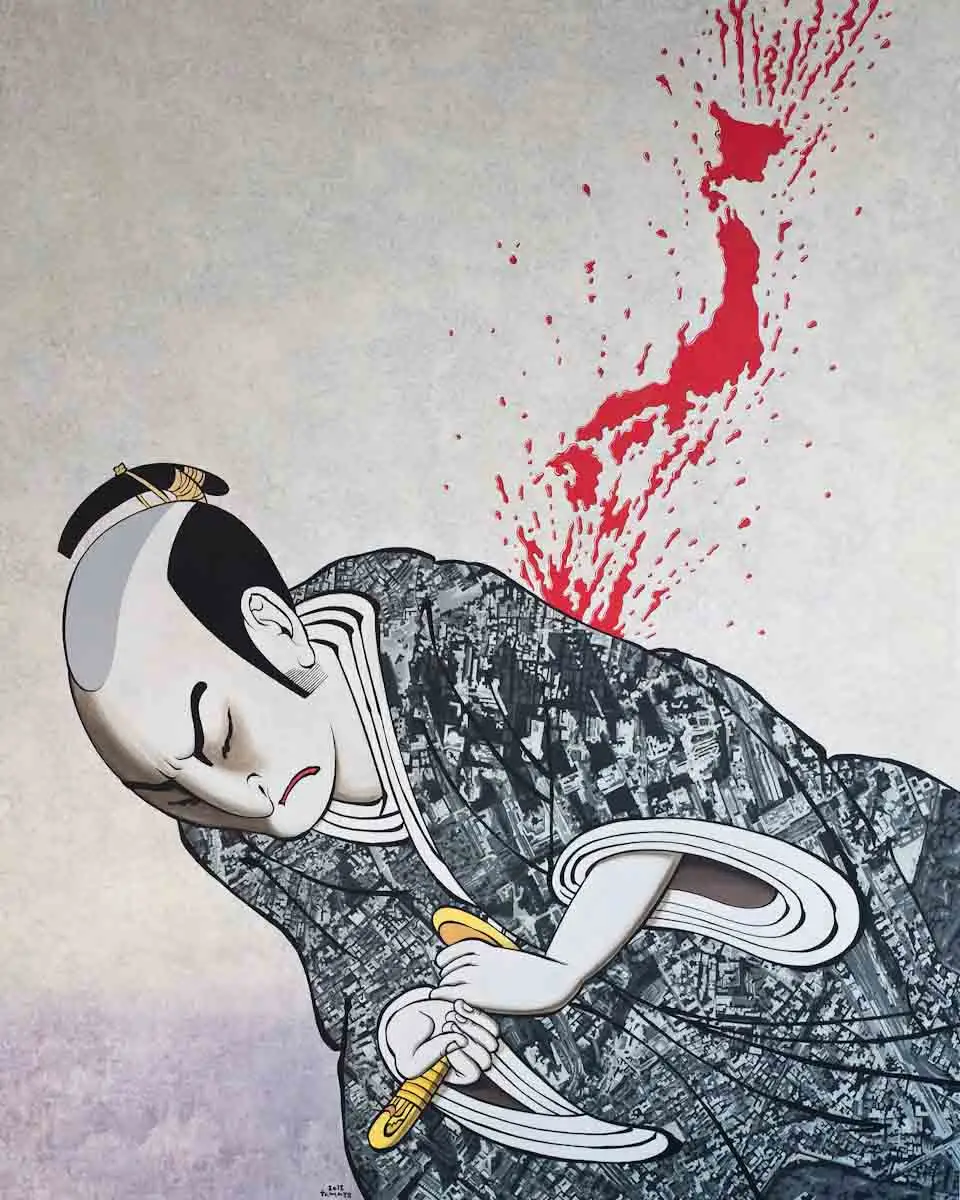
In Japan, the return to school after the break has long been associated with tragedy, because the start of the second term can be overwhelming for many teenagers. According to Japanese government data, September 1st has historically been the day of the year with the highest number of suicides among people under 18. From 1972 to 2013, more than 18,000 children and teenagers died by suicide.
On average, there were 92 deaths on August 31, 131 on September 1, and another 94 on September 2. The previous year, Japan recorded suicide as the leading cause of death for people aged 10 to 19 for the first time. The return to school in April also marks another peak in child deaths.
That reality helped turn a librarian from Kamakura into a controversial figure when he posted on Twitter that the second semester was almost here and that young people who felt overwhelmed could treat the library as a safe refuge. He said there were comics and light novels there, and that no one would bother them if they spent the whole day inside.
The Heavy School Uniform
In just 24 hours, Maho Kawai's post was retweeted more than 60,000 times. The initiative was criticized because, in practice, it sounded like a public employee encouraging children not to go to school. For many readers, though, it may have offered a small but real lifeline.
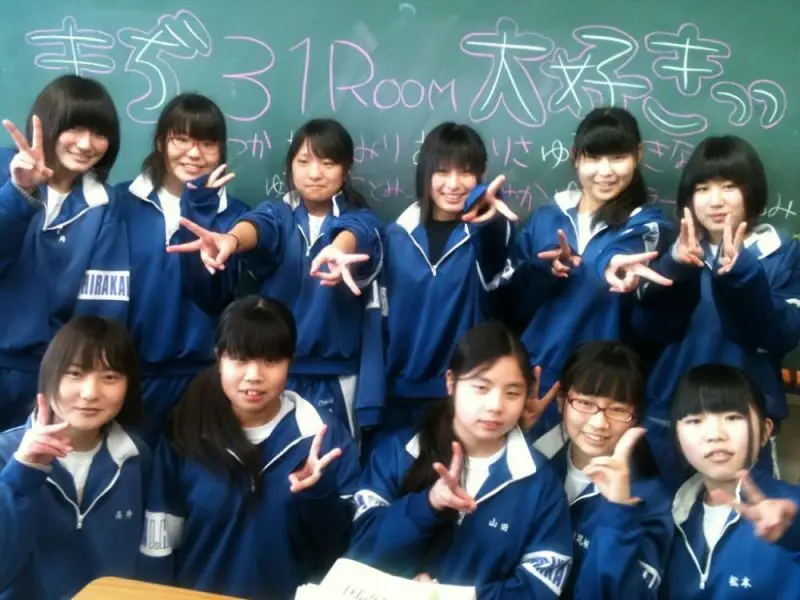
"My school uniform felt as heavy as armor," wrote student Masa, whose real name was not published to protect his identity. He said the school climate felt unbearable, his heart raced, and he thought about killing himself because it seemed easier. According to Masa, if his understanding mother had not let him stay home and skip school, he would have died on September 1st.
Masa's statement was given to a children's newspaper that wanted to give a voice to students who did not want to go back to school.
"We started this non-governmental organization 17 years ago because in 1997 we had three shocking incidents involving students just before the start of classes," said the publication's editor, Shikoh Ishi.
Two of the children mentioned by Ishi died by suicide on August 31. Around the same time, three other students set fire to the school they attended because they did not want to return to class. "That was when we realized how desperate children could be, and we wanted to send the message that there is no choice between school and death," Ishi said.
Support for Those at Risk
For many Japanese children, the pressure of a highly competitive society is unbearable. The Japanese government has also launched a series of initiatives, including hotlines and other services, to support people of all ages who may be at risk of suicide.
Even so, the following week, a 13-year-old boy died by suicide on the day of the second-term opening ceremony. Ishi himself came close to suicide at that age. "I felt helpless because I hated all the rules, not only those of school, but also the rules among children.
For example, you have to carefully observe the power structure to avoid bullying," he said. "If you still choose not to join in, you risk becoming the next victim."
For him, however, the bigger problem is the competitiveness of Japanese society. He himself began thinking about suicide when he failed to get into an elite school. "The worst thing is a competitive society where you have to defeat your friends." Ishi adds that the Japanese word for entrance exams contains the word "war."
What saved him was that his parents found the suicide note and did not force him to go to school. "I want children to know that you can escape from school and that things will get better."
To learn more about suicide in Japan, we recommend reading our article about the truth about suicide in Japan.


Community
Comments
0 comments
There are no published comments in this language yet.
Send comment