Blog

  • The advancement of Android robots in Japan

    The advancement of Android robots in Japan

    Over the years, the Japanese have always tried to create a humanoid robot, and currently they are getting close. In this article, I will share some videos showing a bit about the advancement of robotics in Japan.

    We will focus only on Androids (robots with human appearances). We will notice several videos showing a bit of how the Androids were presented and how their technology has advanced, in terms of speech and movement.

    It is worth remembering that one of the ways to designate a robot in the female form is actually ginoid.

    A robot to train dentists!

    The Showa University created Showa Hanako, to help dental graduates to train in their profession.

    Talking robots

    It was a great advance in 2010 when talking robots were presented, although with a huge limitation. The video shows a bit of the presentation; you should know English or Japanese to understand.

    Robot that imitates movements

    Report and interview with two robots

    Asuna

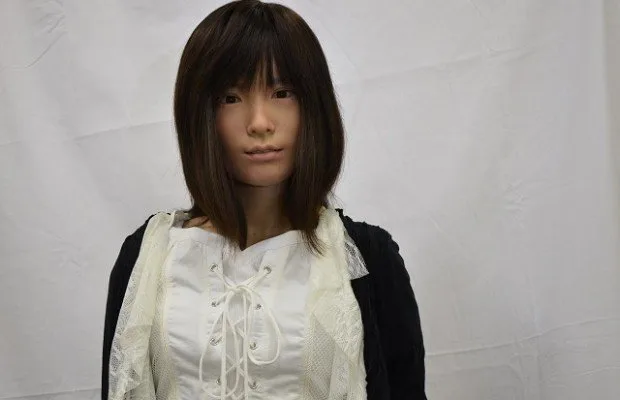
    Asuna is a robot with more human-like movements, which was presented in 2014 and 2015, showing a great advancement in robotics. Although it is still not fully realistic, and sometimes even scary, we can notice in the dialogue below, her ability to answer questions easily and even make informal confirmations…

    In the dialogue, the Japanese asks her name, she responds and even states her age. When the Japanese says: 18 years? She confirms: “juugosai Dayo” which caught my attention.

    She was also presented at a fair in February 2015 a little differently.

    We see that her appearance resembles a persocon that is part of an anime chobits.

    Robot that sings and dances

    The female robot HRP-4C presented in the videos below is capable of singing and dancing.

    In this way, soon the vocaloids come to life.

    These were some videos I found to give an idea of how the advancement of Androids is in Japan. What do you think? Will it still take a while for them to build a more human-like robot?

  • 10 Japanese cars that were successful

    10 Japanese cars that were successful

    Japanese car manufacturers invaded the American market during the oil crisis of the 1970s. At first, Japanese cars were ridiculed as immense junk. Until it became clear that Japanese cars were on the same level or even superior to American and European cars. Thus, small Japanese cars began to gain ground in the world. Japan introduced and competed in all markets with large cars, sports cars, luxury cars, minivans, motorcycles, and trucks.

    Japan continues to revolutionize the automotive world to this day, with thousands of projects and new technologies created every year, such as the announcement of the “mirai” hydrogen-powered car. In this article, we will look at 10 classic cars up to the year 2012 that had some influence or importance in the automotive industry. It is worth noting that we will not mention the best or the most well-known, just 10 cars out of the thousands that exist.

    1. Toyota Corolla

    The Toyota Corolla is the best-selling car in history. Since its introduction in 1966, a Corolla has been sold every 40 seconds (on average). The Corolla has undergone 10 major redesigns over the years.

    toyota corolla 1966 first model

    2. Toyota Prius

    The Prius was the world’s first mass-produced gasoline-electric hybrid car. It was launched in 1997 with a friendly design that revolutionized the automotive industry. By 2008, the Prius was offered in 70 countries and sold over 1 million units. The humble Prius became a status symbol representing concern for the environment. Other Prius drivers took pride in the car’s ability to reduce their dependence on foreign oil.

    Toyota Prius second generation 2004

    3. Mazda RX-7

    The Mazda RX-7 was a sports model produced by Mazda from 1978 to 2002. It features rear-wheel drive and a 260 horsepower engine with a maximum rotation of 9000 rpm. It was introduced in 1978 with a 1146 cc (twin-rotor) rotary engine. It offered sporty performance at a reasonable price. A total of 811,634 cars were produced.

    Efini RX 7 AKA Mazda RX 7

    4. Honda Accord

    The Honda Accord was the first Japanese car to be manufactured in the United States, in 1982. It was the best-selling Japanese car in the U.S. for 15 consecutive years (1982-1997). The Accord has a long-standing reputation as one of the most reliable cars ever made. Several drivers have reached the maximum on their speedometers, driving over 1,600,000 km.

    Honda Accord 1976

    5. Lexus LS400

    The Lexus LS400 was the first Lexus from Toyota to enter the American luxury car market. It was launched in 1989 and was an instant success. Its design won awards and innovative customers. Other brands felt threatened, which stimulated competition, generating innovations worldwide.

    Lexus LS400

    6. Nissan Leaf

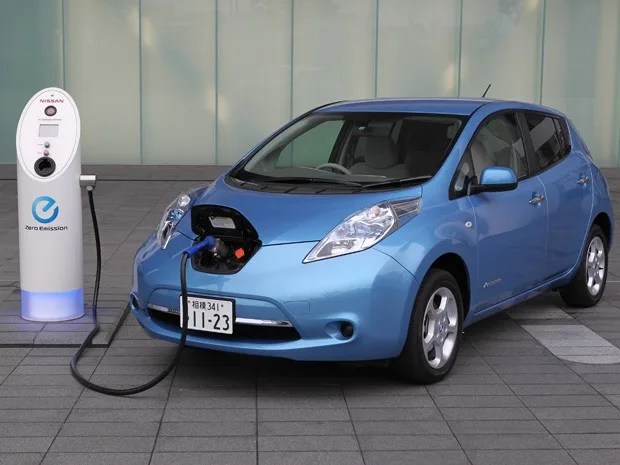
    Nissan was the first to bring a fully electric car to market in 2010. The LEAF won numerous awards, including the European Car of the Year in 2011. (That’s because it’s Japanese.)

    10 Japanese cars that were successful

    7. Datsun 240Z

    A sports model, popular marketed by Nissan in the U.S. as the Datsun 240Z from 1970 to 1978. The Datsun 240Z pleased many with its comfort and low cost. Despite its popularity, it began to disappear from the roads in the 1980s.

    Datsun 240Z

    8. Subaru Legacy

    The Subaru Legacy was created to compete against the Honda Accord and the Toyota Camry. Its sleek design won fans among snowboarders, camping enthusiasts, and anyone else looking for an affordable AWD model.

    legacy

    9. Honda Civic

    A compact and reliable model introduced in 1972 – a year before the oil crisis of the 1970s. Civics are also used for racing. It is a popular family car as well. After several generations, the model continues to be successful to this day.

    1975 honda civic

    10. Acura Integra or Honda Integra

    Acura Integra

    A compact coupe from Honda, manufactured worldwide from 1985 to 2006, and is still being produced in Japan today. It also won numerous awards for best car.

    These were some cars that were successful. It does not mean they are the best or the most successful. Most of those mentioned had recognition in the West. There are thousands of car models, and many others in the eyes of the Japanese.

    This article was written based on research conducted by “Japan Talk” dated 2012, some information may have changed over the years, however, we did some additional research, some of the models’ photos are the oldest.

  • Examining the Kanji and verb – 行 – Go / Travel

    Examining the Kanji and verb – 行 – Go / Travel

    Today we will examine in detail the Kanji . This is the 20th most used kanji. Learning it opens doors to various conversations and phrases.

    Reading and Writing – 行

    • On: コウ / ギョウ / アン
    • Kun: .く / .く / –.き / –ゆき / –.き / –いき / おこな.う/ おこ.なう
    • Meanings: Go, travel, traveling, conduct, enjoy (That’s right…)
    • See the Stroke Orders below:
    行-bw

    Vocabulary

    Kun Reading Compounds

    • 行 く- (iku) – Go, Move towards a place. (Let’s go, I will, We will)
    • 行 う – (okonau) – Execute, carry out, do or conduct some action;
    • 行方 – (yukue) – whereabouts
    • 行き方 – (yukigata) – way, process
    • 奥行き– (okuyuki) – depth
    • 行った – (itta) – went

    On Reading Compounds

    • – (gyou) – line; verse [of poetry]
    • – (gyou) – spiritual exercise, rigorous practices
    • – (kou) – crossing / guild
    • 行動 – (koudou) – behavior, conduct, action
    • 淫行 – (inkou) – prostitution
    • 印行 – (inkou) – publish, editorial,
    • 銀行 – (ginkou) – bank
    • 宇宙旅行 – (uchuuryokou) – space travel
    • 血行 – (kekkou) – blood circulation
    • 下行 – (kakou) descending
    • ..;

    Conjugating the verb 行 – Go

    GoIk – 行
    Te formitte 行って
    Infinitiveiki 行き
    Type FormPositiveNegative
    Present Indicative


    Common and objective statements

    Simpleiku
    行く
    ikanai
    行かない
    Politeikimasu
    行きます
    ikimasen
    行きません
    Presumptive


    Probability, belief or intention

    Expresses Intention

    Simpleikō
    行こう
    iku darō
    行く だろう
    ikanai darō
    行かないだろう
    Politeikimashō
    行きましょう
    iku deshō
    行くでしょう
    ikanai deshō
    行かないでしょう
    Imperative


    To give commands, orders.

    Simpleike
    行け
    iku na
    行くな
    Politeitte kudasai
    行ってください
    ikanai de kudasai
    行かないでください
    Past Indicative


    Completed actions in the past

    or a perfect past

    Simpleitta
    行った
    ikanakatta
    行かなかった
    Politeikimashita
    行きました
    ikimasen deshita
    行きませんでした
    Past Presumptive


    Probability or belief regarding the past.

    Simpleittarō
    itta darō
    行っただろう
    ikanakatta darō
    行かなかっただろう
    Politeitta deshō
    行ったでしょう
    ikanakatta deshō
    行かなかったでしょう
    Present Progressive


    Ongoing actions, continuous,

    state of being.

    Simpleitte iru
    行って いる
    Politeitte imasu
    行って います
    itte imasen
    行って いません
    Past Progressive


    Continuous past action,

    or state of being.

    Simpleitte ita
    行って いた
    Politeitte imashita
    行って いました
    itte imasen deshita
    行って いませんでした
    Conditional provisional – eba


    Equivalent to “if”

    (if it’s cheap, I buy)

    Simpleikeba
    行けば
    ikanakereba
    行かなければ
    Politeikimaseba
    行きませば
    ikimasureba
    行きますれば
    ikimasen nara
    行きませんなら
    Conditional (Form -tara)


    Condition and event,

    past hypothesis. “if”

    Simpleittara
    行ったら
    ikanakattara
    行かなかったら
    Politeikimashitara
    行きましたら
    ikimasen deshitara
    行きませんでしたら
    Potential


    Expresses the idea of ability

    Simpleikeru
    行ける
    ikenai
    行けない
    Politeikemasu
    行けます
    ikemasen
    行けません
    Causative


    Someone made me do something.

    Idea of making or can

    mean “let” or “allow”

    Simpleikaseru
    行かせる
    ikasenai
    行かせない
    Politeikasemasu
    行かせます
    ikasemasen
    行かせません
    Passive


    It is used when something is done to someone

    Simpleikareru
    行かれる
    ikarenai
    行かれない
    Politeikaremasu
    行かれます
    ikaremasen
    行かれません

    Examples of sentences

    Where are you going?
    doko ni iku no desuka
    Where are we going?

    If you are in a hurry, go by bus
    Isogu nara, basu de ikinasai
    If you are in a hurry, go by bus

    When the weather is nice, we will go to the park
    Tenki ga ī to, kōen ni ikimasu
    When the weather is good, we will go to the park

    I will go to Ginza to shop.
    Ginza e itte kaimono o shimasu
    I will go to Ginza to shop.

    I called instead of going
    iku kawari ni denwa o shimashita
    I called instead of going

    Last week I went to see his older sister.
    Senshū watashi wa kare no ane ni ai ni ikimashita.
    I went to see his older sister last week.

    The police took swift action to deal with the riot.
    Keisatsu wa bōdō ni taisho suru tame jinsokuna kōdō o totta.
    The police took immediate measures to deal with the riot. (kodo = Action)

    George calculated the cost of the trip.
    Jōji wa ryokō no hiyō o keisan shita.
    George calculated the cost of the trip.

    I prefer to stay home than go shopping.
    Kaimononiiku yori mo, mushiro ie ni itai.
    I prefer to stay home than go shopping.

    The meeting was held last week.
    Sono kaigō wa senshū okonawa reta.
    The meeting was held last week.

    She said she is eager to go there.
    Kanojo wa zehi soko e ikitai to itta.
    She said she is eager to go there.

    The doctor is seeing that patient now.
    Sensei wa ima, sono kanja-san no kenshin o okonawa rete imasu.
    Professor, The doctor is seeing that patient.

    The children chased the circus parade.
    Kodomo-tachi ga sākasu no gyōretsu o oikaketa.
    The children chased the circus parade.

    I decided to go.
    Watashi wa iku koto ni shita.
    I decided to go.

    I had to go to the dentist
    Haisha ni itte kita nda.
    I had to go to the dentist

    He often used to go to that hill.
    Kare wa yoku sono oka e itta monoda.
    He used to go to that hill often.

    I am dying to go to another foreign country.
    Watashi wa gaikoku e ikitakute tamaranai.
    I am dying to go to another foreign country.

    I regret going there.
    Watashi wa soko e itta koto o kōkai shite iru.
    I regret going there.

    I went to maintain appearances.
    Taimen o tamotsu tame ni itta.
    I went to maintain appearances.

    I went to the station.
    Watashi wa eki ni itta.
    I went to the station.

    This was a brief explanation and examples of the kanji 行. If you have any questions, suggestions, or if you found something wrong, please comment.

  • The true creator of the Selfie Stick

    The true creator of the Selfie Stick

    Do you know how the Selfie Stick or Selfie Pole came about? Who invented this ingenuity that is so popular today? In this article, we will talk about the true story of the selfie stick that few people know.

    It is an extending rod used to take selfie photos with a wider angle of coverage. Although it became a very popular resource starting in 2014, when did it really emerge?

    An American claims to be the inventor of the famous “selfie stick” about 10 years ago, but it has been discovered that this accessory has existed for more than 20 years or even centuries, where it was initially invented in Japan and considered a useless invention.

    The True Origin of the Selfie Stick

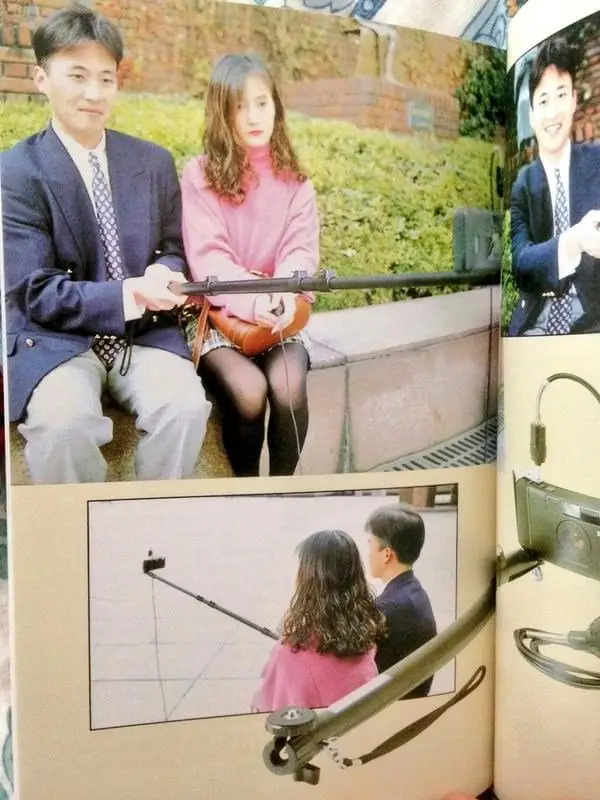
    In early 2015, the user @_tessr posted a photo of a book published in 1995 that showed “101 useless Japanese inventions.” In this book, we find a selfie stick long before it became popular.

    Originally called “Extender” (エクステンダー), the first selfie stick was launched by Minolta in 1983. It was part of a kit sold specifically for taking self-portraits, which included a trigger button at the end.

    The description says “camera on a stick for self-portraits” invites users to take the photo without the need for help, especially on trips where it becomes awkward to ask a stranger to take a photograph.

    The true story of the Selfie Stick made by a Japanese
    The true story of the Selfie Stick made by a Japanese

    Why Was the Selfie Stick Useless?

    Why did this invention not succeed at the time the Japanese created it? It is not certain, but it was probably due to the lack of a front screen, the need for development, and other factors that made the selfie stick impractical.

    Nowadays, there are still people who consider the selfie stick a useless invention. In fact, the selfie stick is losing its space thanks to better front cameras than rear ones, with a wide angle.

    So was the selfie stick really made by a Japanese? This is uncertain; it is difficult to identify the true creator, as there are some suspicious photos from 1925 that appear to show someone using a selfie stick.

    Unfortunately, there is no way to know, but someone in the past probably tried to tie a camera to a stick to take photos. Now it is difficult for someone to sue another for plagiarism, and generate a new useless legal battle.

    Despite this, I believe that the Japanese was the first to create a complete version with a photo-taking button attached. Just as the Japanese at the time considered this invention useless. Do you find it useful? Why has it become so popular now?

  • Yokohama – About/Tourism – Discover Minato Mirai 21 and Yamashita Park

    Yokohama – About/Tourism – Discover Minato Mirai 21 and Yamashita Park

    The population of Yokohama is 3.7 million people, large enough to make it one of the great cities in Japan and the world. Yokohama has a strong influence on industrial Japan. And it becomes a major rival to Tokyo.

    In the 1960s, Yokohama came up with a bold plan to transform its industrial urban landscape into a futuristic city to rival Tokyo. Train lines were built, warehouses were torn down, and artificial islands were created.

    As a result, Yokohama took its place on the world stage. It now ranks just behind Tokyo in terms of quality of life (43 and 49 of the cities with the highest quality of life in the world). Yokohama has much to offer visitors. In this article, we will examine the most interesting Tourist Spots of this Beautiful City.

    Tourist Spots

    Let’s see some of the best tourist spots in the city of Yokohama.

    Sankeien Garden is a famous garden located in Yokohama with a large lake and filled with historic buildings from Japan.

    The Yokohama Station is the fifth busiest train station in the world, serving 760 million passengers a year. The area around the station is full of shops, restaurants, izakayas, pachinko, and karaoke.

    Shomyoji is a temple in southern Yokohama that is a hidden treasure and not very popular compared to other temples in Japan.

    Yokohama

    Yokohama also has a shopping street, with a European touch called motomachi.

    Zoorasia is a popular zoo in Yokohama. It is divided into several climate zones, including tropical, Asian, subarctic, African, and even Amazon.

    This is just the beginning; the real attractions of the city are below:

    Minato Mirai 21

    It means Port of the Future 21, and it is an important part of the city. Here you will find entertainment centers, shops, and cultural attractions.

    Located here is also one of the tallest skyscrapers in the world, the Landmark Tower. A building 295.8 meters tall, built in 1993 with 70 floors.

    • Yokohama Bay Bridge has a pedestrian walkway known as Sky Walk;
    • Nippon Maru is a ship that was built in 1930 in Kobe. It traveled enough kilometers to circumnavigate the globe 45 times and is open to the public in front of the LandMark Tower;
    • Kanagawa Shimbun – An event that takes place in August, featuring a fireworks display,

    Yamashita Park

    A seaside park that connects many of Yokohama’s best attractions through a pleasant walkway. See some of these attractions below:

    Yamashita Park
    • Hikawa Maru is a large luxury ship built in the 1920s and is open to the public;
    • At the southern end of the park, a 5-minute walk away, is one of the largest Chinatowns in the world. With over 4,000 Chinese and more than 300 shops;
    • Yokohama Marine Tower a lighthouse considered one of the tallest in the world. The tower is open to the public and is approximately 106 meters tall;

    This park is located about a 30-minute walk from Minato Mirai and close to the Motomachi Chukagai station.

    Museums and Others

    Yokohama also has its art gallery focusing on artists and the history of the city. And a photography gallery and several areas for special exhibitions.

    Ramen museum recreates an indoor street in the Shitamachi area of Tokyo in the late 1950s. Allowing you to learn about the history and culture of ramen, as well as try great dishes.

    ramen museum in main Yokohama area

    There is also the Cup Noodles Museum to entertain children and young people. In addition to learning about and enjoying the noodles, it allows you to design your own cup noodle.

    These were some of the tourist spots that this city offers. We haven’t even covered half of what this great city has to offer. The best way to get to know it is by visiting. So if you have the opportunity, enjoy! To finish, we will leave a complete map of the city to better understand its attractions.

    map of the Yokohama port area
  • The map of Japan and its 8 Regions

    The map of Japan and its 8 Regions

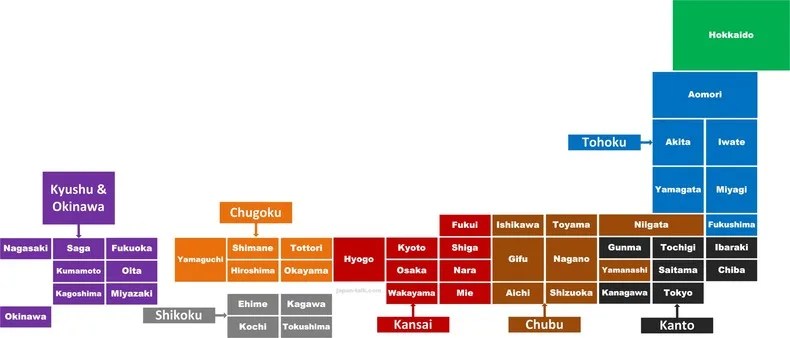
    Japan is an archipelago of more than 6,000 islands inhabited by over 127 million people. It may seem strange, but Japan is divided into 47 states and 8 regions. Regions are associated with climate, geographical features, culture, food, and Japanese dialects. Below we will look a little at each region of Japan.

    The map of Japan and its 8 Regions

    Hokkaido 北海道

    Hokkaido is the second largest island in Japan, located in the north. It is a vast area of farms, mountains, small towns, and famous cities like Sapporo and Asahikawa that surprisingly have large areas for recreation and tourism. The population of the island is about 5.5 million people.

    The map of Japan and its 8 Regions

    Tohoku 東北

    Tohoku (Touhoku) literally means northeast, located in the north of the main island of Japan, and includes six provinces: Akita, Aomori, Fukushima, Iwate, Miyagi, and Yamagata.

    Tohoku has a reputation for being a frozen desert, but the region has hot summers and a population of over 9 million people, including several large cities like Sendai and Morioka. The region has a Japanese dialect known as Tohoku-ben that is strong enough to make communication a bit difficult for people from Tokyo.

    Many people are embarrassed to use the dialect outside their hometown because it has a stigma of being rural. Tohoku is known for its winter sports, festivals, hospitality, and excellent food.

    The map of Japan and its 8 Regions

    Kanto – 関東

    Kanto is a populous region of 43 million people centered around Tokyo. It also includes Kanagawa, Chiba, Saitama, Ibaraki, Tochigi, and Gunma.

    Much of the region is a giant block of urban area known as Greater Tokyo. Unlike other regions of Japan, few people strongly identify by saying they are from the Kanto region. Instead, they tend to identify with their city, such as Tokyo, Yokohama, or Saitama. If you ask people where they are from, no one says Kanto.

    Kanto is a gigantic place, an endless journey with all kinds of adventure.

    Kanto can also be divided into North and South

    The map of Japan and its 8 Regions
    The map of Japan and its 8 Regions

    Kansai – 関西

    Kansai is a region of 22 million inhabitants centered around the cities of Osaka, Kyoto, and Kobe, which form a large urban area. The region has a dialect of the Japanese language known as Kansai-ben.

    Kansai and Kanto have an intense rivalry that has lasted for centuries. The region includes Kyoto, Osaka, Hyogo, Nara, Wakayama, Mie, Shiga, and Fukui. Kansai also has the best tourist attractions in Japan.

    Note: Kansai was formerly called Kinki 近畿.

    The map of Japan and its 8 Regions

    Chugoku – 中国

    The Chugoku region is in the lower part of the main island of Japan and includes Hiroshima, Okayama, Shimane, Tottori, and Yamaguchi.

    The Kanji for Chugoku is 中国 which is also the Japanese word for China meaning “country of the middle.” This is a strange name for a region of Japan, so an alternative name is Sanin-Sanyo, used occasionally. Chugoku has several distinct Japanese dialects. Some parts of the region are heavily industrialized while others are rural areas.

    Chugoku has a population of 7.5 million and Hiroshima is its largest city. The Hiroshima area is also home to many tourist attractions, such as the Itsukushima Shrine and the Hiroshima Peace Memorial Museum.

    The map of Japan and its 8 Regions

    Kyushu and Okinawa 九州

    Kyushu is a populated island with 13 million people, it is the 37th largest island in the world. The island is lush and green and has several of the most active volcanoes in Japan. It is divided into seven provinces: Fukuoka, Saga, Kumamoto, Nagasaki, Oita, Kagoshima, and Miyazaki.

    Kyushu has been inhabited since prehistoric times and has a rich history represented by many castles and temples in the area. Kyushu also has several of the largest cities in Japan and the most famous hot springs.

    Okinawa is a chain of islands in the south of Japan with a humid subtropical climate and a unique culture. Its population is relatively low, just over 2 million people. Okinawa has eight main islands, each with a unique local culture.

    The map of Japan and its 8 Regions

    Shikoku 四国

    Shikoku is the smallest of the four main islands of Japan and is the 50th largest island in the world.

    There are Ehime, Kagawa, Kochi, and Tokushima, which have relatively low populations. The total population of the island is 4 million. Shikoku has pleasant nature, temples, hot springs, and great festivals.

    The map of Japan and its 8 Regions

    Chubu 中部

    Chubu is a collection of provinces in the middle of Japan between Kyoto and Tokyo. Its provinces are Aichi, Gifu, Ishikawa, Nagano, Niigata, Shizuoka, Toyama, and Yamanashi. The region contains the most mountainous areas of Japan, including Mount Fuji. Chubu also includes Nagoya, the fourth largest city in the country. The population of the region is close to 22 million.

    Chubu can also be divided into 3:

    • Hokuriku (northwest of Chubu)
    • Koshinetsu (northeast of Chubu)
    • Tokai (south of Chubu, includes Nagoya)
    The map of Japan and its 8 Regions
    The map of Japan and its 8 Regions
    The map of Japan and its 8 Regions

    These were the 8 Regions of Japan. I hope you enjoyed it, and don’t forget to share. Below we will leave another map so you can understand more about the geography of Japan.

    map-of-the-regions-of-Japan-Hokkaido-Tohoku-Kanto-Chubu-Kinki-Chugoku-Shikoku-Kyushu-and-Okinawa
  • Goya Chanpuru – A bitter dish from Okinawa

    Goya Chanpuru – A bitter dish from Okinawa

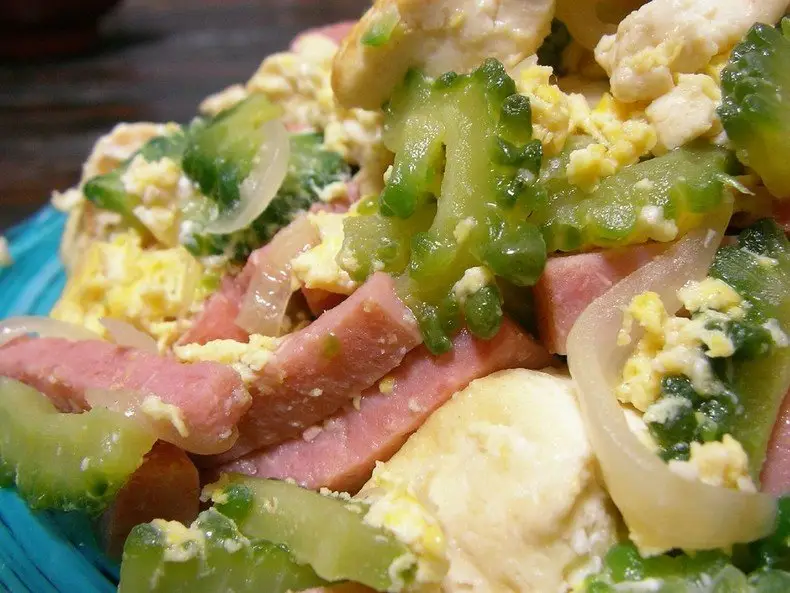
    Goya Chanpuru is a typical dish from Okinawa that consists of a stir-fry of goya with pork and tofu. Not everyone likes it since goya is quite bitter, much worse than jiló.

    Goya can be known in Brazil by the name of Nigauri, Nigagori, bitter melon, or momordica. And the word Chanpuru means mixture. The name Nigaiuri means bitter cucumber.

    It is possible to find this Goya all over Japan and even in Brazil, especially in the summer. This bitter vegetable is the fruit of an Asian cucurbit (Momordica charantia), with eastern India and southern China as possible origins. Today it is widely cultivated around the world precisely for the value of its immature and bitter fruits.

    Moreover, Goya has many beneficial properties for those who consume it, it lowers blood sugar levels for diabetics, helps with digestive problems, is an anti-inflammatory, and even prevents cancer, among others. It is no wonder that it is said that one of the reasons for the longevity of Okinawa is due to this cucumber. This recipe also includes pork, which contains vitamins B6 and B12.

    We also recommend reading:

    Goya Chanpuru - A bitter dish from Okinawa

    Recipe for Goya Chanpuru

    Ingredients:

    • 2 medium goyas or nigauri;
    • 2 eggs
    • 150g of pork (can be bacon or ham, or even another meat.)
    • 200g of tofu;
    • 1 onion sliced;
    • 1 tablespoon of sake
    • 1 tablespoon of sugar
    • 2 tablespoons of miso
    • Soy sauce and seasoning to taste;
    • A little hondashi (fish stock powder)

    Preparation Method:

    • Cut the Goya lengthwise, remove the seeds, wash well and cut into small half-moons;
    • Wrap the tofu in paper towel. Place on a plate and microwave for 2 to 5 minutes on high power. Remove the damp paper towel and wrap in another dry one. Cut into cubes of 2 to 3 cm;
    • Break the 2 eggs and beat lightly;
    • Cut the pork or ham into strips;
    • In a bowl, mix the miso with sugar, sake, soy sauce, hondashi and add water until forming a paste that is neither thick nor thin;
    • Heat a large frying pan over high heat with a little oil. Pour in the eggs and scramble, do not fry too much;
    • Now with a little more oil, add the tofu, until golden on all sides;
    • Do the same procedure frying the meat, then sauté the onion and the goya, until slightly wilted, and sprinkle the miso paste on top;
    • Then mix everything, and create your Chanpuru. (Mixed)
    Goya Chanpuru - A bitter dish from Okinawa
  • Is it possible to learn Japanese by watching anime and dramas?

    Is it possible to learn Japanese by watching anime and dramas?

    The number of people who watch thousands of hours of anime and dramas around the world is large. But less than 10% of these people learn the basics of Japanese. These people spend hours and hours on the screen, watching shows with subtitles, but don’t know a bit of the language, except for things like Kawaii and Senpai.

    If you intend to learn Japanese by watching anime and dramas, keep in mind that it will be a great battle, with a small success rate. In this article, we will see some tips that can help you learn and increase your vocabulary with anime.

    We also recommend reading:

    Get rid of the subtitles

    If you really want to learn Japanese with anime and dramas, the subtitles will not help you. While you see something in Portuguese on the screen, your brain will focus on the subtitles, being the easiest option to understand.

    Of course, if you are going to watch an anime for the first time for fun, and don’t have much knowledge of the Japanese language, there is no need to remove the subtitles, otherwise you won’t understand anything. But we have found many people who enjoy re-watching anime, so why not take this opportunity and watch without subtitles?

    Is it possible to learn Japanese by watching anime and dramas?

    Put on the subtitles

    We just told you to remove the subtitles, but now you should put them on. Yes, you should use subtitles in Japanese. This way you learn reading and writing. Of course, for this, you need to know hiragana, katakana, and a little kanji.

    Moreover, following the subtitles in Japanese can help you understand the meaning and grammar of the sentence, and know how to differentiate the thousands of similar words that exist in the language.

    There is a great site where you can find subtitles in Japanese:

    You can also explore the subtitles by opening the [.ass] or [.srt] file with Notepad. This way you can find the lines and phrases from the anime, translate them, copy them, and study them.

    Be patient

    If you think you will learn Japanese just by watching episode by episode, you are mistaken. You will get stuck on an episode until you understand and learn everything.

    It doesn’t have to be necessarily like that, but you have to be prepared to resolve all the doubts you encounter while studying. If you don’t understand a sentence or word, go back and research and understand. Most of the time, you will hear words that are too fast, or you will think it’s one word, but in reality, it’s another.

    Make sure you can read the subtitles, try to pronounce the sentences that the characters say, try to engage in the dialogue. You can develop your way of studying the dialogues in the anime, do it however you want, just be patient and do things right.

    maxresdefault

    Don’t forget the songs

    The openings and endings of anime can also be of great help, especially if you are used to singing karaoke, even better. When we sing, we use another part of the brain, and we may find it easier to sing with the lyrics in Hiragana than to read. If you are already used to memorizing the song in your head, take the opportunity to examine its lyrics and meanings. If you are just starting now, the best thing to do is analyze the openings and endings.

    We recommend reading: KANA: Definitive Guide to Hiragana and Katakana – Japanese Alphabet

    The easiest way

    If you don’t live in Japan, with little contact with Japanese people, watching anime and dramas is the best way to experience Japanese dialogues. There is no better way to learn Japanese than to witness and create dialogues. But before that, study a lot of hiragana, katakana, and kanji, and expand your vocabulary a bit, so you can understand the conversations present in anime and dramas.

    An easier way to study dialogues is by playing visual novels. Unlike anime, you experience calmer dialogue with subtitles present, and you have plenty of time to research the meanings. But know that there is nothing better than reading a good Japanese book and practicing dialogues with friends. And of course, we cannot forget about manga.

  • How to Shop at the Market in Japan

    How to Shop at the Market in Japan

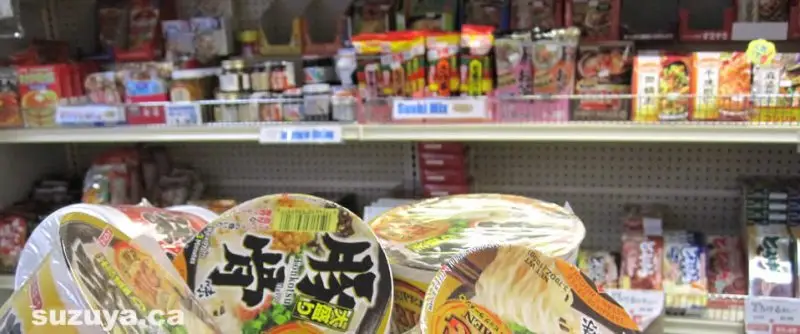
    Visiting a Japanese market is a unique experience, full of flavors and products that we often only find in Japan. To make the most of your visit, it is important to know some basic terms and understand how the purchasing process works, as well as having useful tips to explore the best stores and find the right products.

    This article is a practical introduction for those who want to learn more about the world of Japanese supermarkets, with a list of useful vocabulary, shopping tips, and some recommendations for stores and products.

    Essential Vocabulary for Supermarkets in Japan

    Before entering a Japanese market, it is helpful to learn some words and phrases to facilitate your shopping. Here is a list of terms that you will frequently see:

    Common Terms

    • 野菜 (Yasai) – Vegetables
    • 果物 (Kudamono) – Fruits
    • 肉 (Niku) – Meat
    • 魚 (Sakana) – Fish
    • 米 (Kome) – Rice
    • パン (Pan) – Bread
    • 卵 (Tamago) – Eggs
    • 牛乳 (Gyuunyuu) – Milk
    • お菓子 (Okashi) – Sweets/Snacks
    • 弁当 (Bento) – Lunch box

    Useful Phrases

    • これはいくらですか? (Kore wa ikura desu ka?) – How much is this?
    • 安い (Yasui) – Cheap
    • 高い (Takai) – Expensive
    • お会計お願いします (Okaikei onegaishimasu) – I would like to pay, please
    • 袋いりません (Fukuro irimasen) – I don’t need a bag
    Shopping in a market in Japan

    How to Find and Choose Japanese Markets

    The variety of markets in Japan is vast. From local supermarkets to large chains and specialty stores, each has its peculiarities.

    Popular Supermarkets

    1. AEON: One of the largest supermarket chains in Japan. Offers everything from fresh food to household items. It is an excellent choice for those looking for affordable prices and frequent promotions.
    2. Seiyu: Part of Walmart, Seiyu is known for its variety and low prices. Many Seiyu supermarkets operate 24 hours, which is ideal for those with irregular schedules.
    3. Life Supermarket: A well-distributed chain that offers a wide selection of fresh foods, including organic products.

    Tips for Saving at Markets

    • Check promotion times: Most supermarkets offer discounts on fresh food in the evening, especially on fish, sushi, and meats. Keep an eye on discount labels.
    • Use market apps: Apps like LINE and PayPay sometimes offer discounts and cashback for purchases.
    • Buy in bulk: Products like rice and snacks are often cheaper when bought in large quantities.
    • Use local markets: Small local markets may have affordable prices for certain specific products. Always look for local producer markets to buy vegetables and fruits.
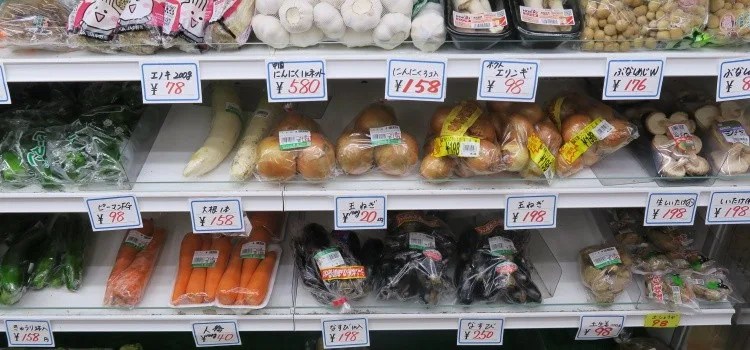
    Prices of fruits and vegetables in a Japanese market

    Procedures and Tips for Shopping

    Shopping in Japan may seem challenging at first glance, but with some tips, the experience becomes smoother.

    Purchase Process

    1. Carts and Baskets: Upon entering, you will find shopping baskets or carts. Place your basket in the smaller cart that fits underneath, a common practice in Japanese supermarkets.
    2. Etiquette in the Food Section: In the fish and meat areas, avoid touching products directly without packaging. Fruits are sold by unit or packaging, and prices can vary widely.
    3. Payment: Many markets accept credit cards, but having cash is always a good idea. Use the self-checkout if you are in a hurry.

    Etiquette and Culture

    • Use of Bags: Plastic bags are charged, so bring your own eco-bag to save money and be more sustainable.
    • Disposal of Packaging: Before leaving, dispose of any packaging and plastics you won’t take home using the available trash bins.
    Konbini - Convenience stores in Japan

    Convenience Stores and Recommended Products

    The famous konbini (convenience stores) are another practical option. Chains like 7-ElevenFamilyMart and Lawson offer a wide range of products, from ready meals to essential items. Many expatriates and tourists take advantage of the convenience of these stores, which are open 24 hours.

    Products You Need to Try

    1. Melon Pan: A sweet bread with a light melon flavor, perfect as a snack.
    2. Onigiri: Stuffed rice balls, a tasty and affordable option.
    3. Karaage: Japanese-style fried chicken, usually sold in the hot section of many supermarkets.

    Specialty Stores

    • Kaldi Coffee Farm: Ideal for those looking for international and imported ingredients.
    • Don Quijote: A mix of supermarket and convenience store, famous for its low prices and varied products.

    With these tips and vocabulary in mind, you will be ready to explore the world of Japanese markets and make the most of your shopping experience!

    Shopping in a market in Japan

    Videos

    The video below from Velberan is quite recent and explanatory, showing details about the products and their prices.

    The video below shows shopping inside the supermarket.

    Another video that shows shopping inside a market, a bit older.

  • Bathroom in Japan – the Superiority of the Japanese Toilet

    Bathroom in Japan – the Superiority of the Japanese Toilet

    It is not just the Japanese language and culture that differ from other countries. There are thousands of everyday elements that are absurdly different in Japan. Today we will examine something quite interesting, the toilet and bathroom in Japan.

    There are thousands of curiosities and differences between a Western bathroom and a Japanese bathroom. To start, the toilet and the bathing area are in separate locations; you will rarely find a toilet alongside a shower and ofuro.

    And who has never dreamed of having a bathtub at home? A luxury item, only the wealthy have. In Japan, bathtubs are so common that you will hardly find a house without an ofuro. This is because we haven’t even talked about the toilets yet.

    We also recommend reading:

    Bathroom in Japan - the Superiority of the Japanese Toilet

    The Japanese Toilet

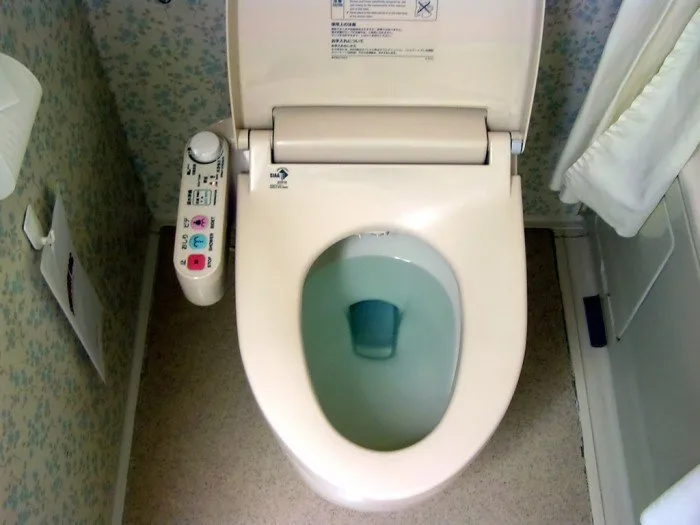
    75% of homes in Japan have an electronic toilet. They are designed to enhance comfort, privacy, and cleanliness. They cost between $500 to $5,000, which is not expensive compared to those simple Brazilian toilets with nothing.

    Japanese toilets also have 2 powerful jets; one is used to clean your backside, the other called Bidet is used to clean the front of women. It is possible to control the speed of the jet and the water pressure.

    Almost all houses in Japan allow you to adjust the water temperature, even in the toilets, and of course, in the ofuro (bathtub). It’s not just the water; even the toilet seats are heated.

    Bathroom in Japan - the Superiority of the Japanese Toilet

    Toilets also usually have their own deodorizer to purify the air. Some bathrooms also have a “Noisemaker” that creates sounds or music so you can poop in peace and have your privacy. They also perform automatic cleaning.

    Toilets often open and close the seat automatically; those that do not do this, when closing the lid, it descends slowly and pleasantly without slamming and making noise.

    Toilets often have a timer used to save energy. For example, you can set your seat to be nice and warm in the morning, and cold while you are at work. Some also have a button capable of automatically washing your toilet.

    Bathroom in Japan - the Superiority of the Japanese Toilet

    Some also install panels and remote controls to control the temperature of the bathtub and toilet from any room in the house.

    There are some special toilets used by doctors that are even connected to the internet to collect information… It is worth mentioning that toilet paper is thrown inside the toilet; there are no trash cans in Japanese bathrooms.

    The baths taken in the ofuro involve an ancient culture; for this, there is a small removable showerhead that replaces the shower we are used to. It can be placed at different heights and used by hand.

    Bathroom in Japan - the Superiority of the Japanese Toilet

    How to Use the Electronic Toilet in Japan

    Using the bathroom in Japan may seem like a difficult task; to help tourists and the curious, let’s learn some tips so you can use the bathroom in Japan safely. It is worth remembering that not all bathrooms are the same and not always electronic.

    Some toilets have the controller next to the seat, and in some public bathrooms, it is located on the wall nearby. Most toilets have the function to spray water to wash the intimate parts; with the buttons, you can control the water temperature and its power.

    Some toilets have options to play ambient sound effects or flushing sounds to disguise the noise…

    The first thing you should do upon finding a bathroom is to use it (obviously). Then you should decide whether you want to use traditional toilet paper or the water jet; although it may seem scary, it is quite comfortable.

    Some bathrooms also have the option to dry after using the jet; otherwise, just use toilet paper, throw it in the toilet, and flush. There is no secret to using the Japanese bathroom; the only thing that changes is that it has buttons to control and heat the water jet.

    How to use the electronic toilet in Japan

    Electronic Bathroom Vocabulary

    Below we will see a list of words that you will find on the buttons of the panels of these electronic toilets.

    JapaneseHiraganaRomajiPortuguese
    お尻おしりoshiriwash behind, butt.
    ビデbidebidet.
    やわらかyawarakasofter wash.
    とまるtomarustop.
    停止ていしteishistop.
    乾燥かんそうkansoudry.
    水勢すいせいsuiseiwater pressure.
    よわいyowaiweak.
    つよいtsuyoistrong.
    音量おんりょうonryouvolume (sound).
    音停止おとていしototeishistop sound.
    流すながすnagasuflush.
    パワー脱臭パワーだっしゅうpawaa dasshuudeodorizing power.

    Now you will not have any problems using the Japanese bathroom. In any embarrassing situation, just press the button marked in red with (止) or (■) to stop the jet. Some toilets have 2 options for flushing: (大) for a strong and large flush and (小) for a small and light flush that saves water.

    Washiki Toire – Japanese Style Toilet

    For a tourist traveling to a country on the other side of the world, it is already a great adventure. You will certainly see new things and have new experiences, so imagine arriving in Japan and going to the bathroom to do your business and right away seeing a hole in the ground? There are toilets similar to this in some places in Brazil, which consist of just a hole, but the ones in Japan go further as you can see in the photo.

    Bathroom in Japan - the Superiority of the Japanese Toilet

    It may seem strange and funny because I think everyone expects to find those high-tech toilets that open by themselves and heat, in addition to the famous jet. However, these traditional toilets with a hole in the ground are easily found in public places, train stations, and others.

    It is a toilet that is located on the ground, and to use it, you have to squat; if you think the position is bad and are afraid of falling, don’t worry because most have walls or a pipe nearby for you to hold onto. If you still do not want to use this type of bathroom, in most public places, you will find the traditional toilet.

    Bathroom in Japan - the Superiority of the Japanese Toilet

    High Tech Toilet vs. Washiki

    But why use the washiki toilet if there is a high tech toilet? Washiki is more hygienic since you do not need to touch the toilet, while the purpose of the high-tech toilet is to provide more comfort.

    In homes, it is not common to find a washiki-style toilet, and even many public places are replacing this hole toilet with common toilets with technology where you can clean the seat before sitting or place a disposable hygienic cover on the seat. Other than that, both Japanese toilets can have automatic flushing or different levels of flushing.

    Bathroom Phrases

    Where is the bathroom?

    トイレはどこですか?
    Toire wa dokodesu ka?

    I am going to the bathroom.

    トイレに行きます。
    toire ni ikimasu;

    It is occupied.

    忙しいです。
    isogashīdesu;

    I want to go to the bathroom.

    私はトイレに行きたいです。
    Watashi wa toire ni ikitaidesu;

    Videos of Japanese Bathrooms

    To conclude the article, we will leave some videos about the bathrooms in Japan. If you liked the article, share it and leave your comments. Thank you very much and see you next time!

  • Onigiri – Japanese rice ball

    Onigiri – Japanese rice ball

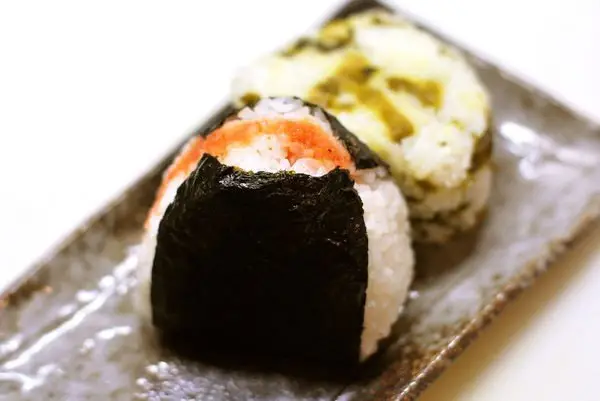
    You probably know or have seen onigiri somewhere. Onigiri (お握り) are Japanese rice balls, which are usually wrapped in seaweed (nori). They tend to have a triangular shape, but it is common for onigiri to be made in any circular or other shape, since the name means hand-formed rice ball.

    Onigiri can have various types of filling, but it is traditionally filled with fried salmon, umeboshi, katsuobushi, or any other type of salty or sour ingredient. (don’t be surprised to see sweet onigiri)

    Onigiri is usually made from white rice, flavored rice, fried rice, Osekihan (steamed rice with adzuki beans), or gohan takikomi (steamed rice with vegetables, fish, or meat). Just don’t use sushi rice, or it would be called sushi.

    There are few rules when it comes to onigiri. It does not have to be filled or wrapped in nori. In fact, sushi restaurants sell onigiri, but quite different from what we expect when we hear the word.

    We also recommend reading:

    Onigiri - Japanese rice ball - お握り

    Samurai Balls

    The origins of onigiri are quite remote. It is believed that onigiri originated in the 15th century, when samurai stored rice balls in bamboo and used them as meals during battles.

    Before chopsticks (hashi) became widespread in the Nara Period, rice was often rolled into small balls so that it could be served easily. In the Heian Period, it was also made in rectangular shapes to be stacked on a plate and eaten easily.

    Another piece of information is that “onigiri” can indicate the combination of two words: “oni” which means demon and “kiri” which means to cut. The origin of the name is a Japanese folk story that tells the story of a man named Oni Taro. He was a very large man who made an onigiri for a demon to satisfy its hunger.

    Onigiri - Japanese rice ball - お握り

    Types of Onigiri and Fillings

    Today, onigiri has moved from the battlefield to the convenience store. They are as common in Japan as sandwiches in the West. Onigiri are available in convenience stores, restaurants, and supermarkets throughout Japan.

    Onigiri can be made with many different flavors, including meat, fruits, fish, vegetables, cheese, and even chocolate. Some of the most popular onigiri flavors are sweet rice, brown rice, and red rice.

    People also often make it at home. Its variety is limited only by imagination. Below are the most popular types of onigiri and fillings in Japan.

    • Salmon or salmon with mayonnaise
    • Tsuna Mayo (tuna and mayonnaise)
    • Ikura (salmon roe with salt)
    • Chicken, Fried chicken or chicken with mayonnaise
    • Tarako (salted cod roe)
    • Mentaiko (cod or Pollock roe marinated in chili sauce)
    • Umeboshi (pickled Japanese plum)
    • Konbu (dried seaweed)
    • Just rice (salty)
    • Nikumaki (pork or meat)
    • Omelet
    • Katsuo (dried bonito)
    • Tempura
    • Furikake
    • Takikomi Gohan (steamed rice with vegetables, fish, or meat)
    • Unagi (eel)
    • Tsukudani (seafood, meat, or seaweed cooked in soy sauce and mirin)
    • Shiokara (a category of salted and fermented meats and seafood)
    Onigiri - Japanese rice ball - お握り

    Grilled Onigiri

    Onigiri can be made in many different shapes, but the most popular shape is that of a triangle. Onigiri can be made in square, circular, oval shapes, and even in animal shapes.

    Another form is Yaki Onigiri, which are grilled over fire with a butter and soy sauce glaze until they become brown, golden, and crispy.

    Onigiri - Japanese rice ball - お握り

    Videos about Onigiri

    To conclude, check out the videos below, showing a little more about the tasty onigiri. The video below shows different types of konbini onigiri and their prices.

    The video below shows traditional onigiri

    Thank you for reading our article, if possible, leave your comment, share, and follow us on social media.

  • Japanese words of Portuguese origin

    Japanese words of Portuguese origin

    The Portuguese arrived in Japan around 1542-1543, being the first Europeans to establish a continuous and direct flow of trade between Japan and Europe. This also influenced the Japanese Language, as various products arrived in Japan during that time through the Portuguese.

    Over the years, it is speculated that more than 4,000 Japanese words have been influenced by the Portuguese Language and the Portuguese. In this article, we will see a list of some of these words.

    RomajiKana / KanjiArchaic PortugueseModern Portuguese
    arukōruアルコールálcoolsálcool
    bateren伴天連 / 破天連padrepadre
    bīdamaビー玉vi(dro) + 玉 (dama = “ball”)berlinde, marble
    biidoroビードロvidrovidro
    birōdoビロード ou 天鵞絨veludoveludo
    bouro/bouruボーロボールbolocake, ball
    botanボタン釦 / 鈕botãobutton
    burankoブランコbalançoswing
    charumera/charumeruチャルメラ / 哨吶charamelacharamela
    chokkiチョッキjaquejacket, vest
    furasukoフラスコfrascoflask
    iesuイエスJesuJesus
    igirisuイギリス / 英吉利inglezEnglish
    irumanイルマン / 入満 / 伊留満 / 由婁漫irmãobrother
    jouroじょうろ / 如雨露jarrojug
    juban/jibanじゅばん / 襦袢gibãot-shirt
    kanakin/kanekin金巾 / ▽かなきん / ▽かねきんcanequimcanequim
    kantera/kandeyaカンテラ / カンデヤcandeia, candelacandeia
    kapitan甲比丹 / 甲必丹capitãocaptain
    kappa合羽caparaincoat
    karutaかるた / 歌留多 / 加留多 / 骨牌cartasplaying cards
    kasutera, kasuteera,kasuteiraカステラcastellasponge cake
    kirishitanキリシタン / 切支丹 / 吉利支丹christãochristian
    kirisutoキリスト or 基督ChristoChrist
    kompeitō金米糖 / 金平糖 / 金餅糖confeitoconfetti
    koppuコップcopocup
    kurusuクルスcruzcross
    marumero木瓜 or マルメロmarmeloquince
    meriyasuメリヤス / 莫大小 / 目利安meiassocks
    miiraミイラ / 木乃伊mirramyrrh
    orandaオランダ / 和蘭(陀) / 阿蘭陀HollandaHolland
    panパン / 麺麭 / 麪包pãobread
    pandoroパンドロPão-de-lósponge cake
    rasha羅紗raxatwill
    rozarioロザリオrosarioRosary
    sabatoサバトsábadoSaturday
    sarasa更紗saraçamorim
    shabonシャボンsabãosoap
    shabondamaシャボン玉sabão + 玉 (dama = ball)soap bubble
    shōroショーロchorochoro
    shurasukoシュラスコchurrascobarbecue
    subetaすべた / スベタespadasword
    tabako煙草 / 莨tabacotobacco
    tempura天麩羅 / 天婦羅TêmporasTêmporas
    zabon朱欒 / 香欒zamboagrapefruit

    Curiosities

    Below are some more terms of Portuguese origin (or not) that gained prominence in the Japanese language:

    Tempura – The Têmporas were days of religious fasting on which Portuguese Catholics did not eat meat and fried battered vegetables and fish, foods that were normally consumed raw or cooked by the Japanese.

    Iruman – Term used at the beginning of the Christianization of Japan to identify the missionary before becoming a priest.

    Arigatou

    Arigato does not have Portuguese origins as some think. In reality, “arigato” is the modern form of “arigatashi” from archaic Japanese, which consists of the agglutination of “Ari” from the verb “Aru” (to be, to exist) and “Katashi,” an adjective that means difficulty. In other words, I have difficulty expressing my gratitude.

    The Ne of Portuguese x Ne of Japanese

    This word is used to emphasize what has just been said. In Portuguese, “né” also has the same function, being a contraction of the phrase “Não é?”. However, it is very likely that it is just a coincidence.

    To learn more, we recommend reading: What does ne [ね] mean in the Japanese language

    I intend to expand this list soon. If you find any important missing words or any errors, please leave your comment.

  • Ways to Express Desire – Want – Tai and Hoshii

    Ways to Express Desire – Want – Tai and Hoshii

    Have you ever wondered how to say that you want something, or wish to do something in Japanese? Or even how to say that you don’t want to do something? Learning this is very useful in basic conversation. For this, we will learn the “tai” and “hoshii” forms.

    • The “tai” form is used to indicate that you want to do something. (play / have fun / kill / sing…)
    • The hoshii form is used to indicate that you want something. (object / thing / person / animal)

    Form “Tai” たい

    When you intend to say that you want to perform an action, which is a verb, we use the “tai” たい form. The suffix tai works the same way as “masu” ます. In other words, if you desire something, you should end the verb with “tai” instead of “masu”.

    Example: I want to eat / tabetai desu 食べたいです

    Just like the “masu” suffix, “-tai” has its grammatical forms.

     Present/FuturePast
    Affirmativetai desutakatta desu
    Negativetakunai desutakunakatta desu

    Here is a list of desires with the “-tai” form that you can learn:

     VerbVerb – kanjitai – romajitai – kanjiMeaning
    kau買うkaitai買いたいI want to buy
    matsu待つmachitai待ちたいI want to wait
    noru乗るnoritai乗りたいI want to ride
    nomu飲むnomitai飲みたいI want to drink
    shinu死ぬshintai死にたいI want to die
    asobu遊ぶasobitai遊びたいI want to play
    iku行くikitai行きたいI want to go
    oyogu泳ぐoyogitai泳ぎたいI want to swim
    hanasu話すhanashitai話したいI want to talk
    miru見るmitai見たいI want to see
    suruするshitaiしたいI want to do
    kuruくるkitaiきたいI want to come

    By learning this you can start creating sentences like this:

    私は 車を 買いたいです。
    Watashi wa kuruma o kaitai desu;

    I want to buy a car

    日本へ 行きたいです。
    Nihon e ikitai desu;

    I want to go to Japan

    Form “hoshii” ほしい / 欲しい

    When it comes to nouns, we use the term ほしい to say that we want something. Pay attention to how the sentence is organized:

    (私は) noun が ほしい です
    (watashi wa) noun ga hoshii desu

    The hoshii form is quite simple. Just place the noun you want to say that you want something. The hoshii form can only be used for things and objects. It should not be used to indicate that you want to perform an action; for that, there is the “tai” form.

    Just like the “-tai” form, hoshii has its grammatical forms:

    FormatKanjiFurigana
    Rōmaji
    Simple Form欲 し いほしいhoshii
    Past欲 し か っ たほしかったhoshikatta
    Negation欲 し く な いほしくないhoshikunai
    Past Negation欲 しくなかったほしくなかったhoshikunakatta
    -sa Form欲しさほしさhoshisa
    -sou Form欲しそうほしそうhoshisou

    Example Sentences

    田中さんは犬がほしいです。
    Tanaka san wa inu ga hoshii desu;

    Mr. Tanaka wants a dog

    あなたは何がほしいですか。
    Anata wa nani ga hoshii desu ka;

    What do you want?

    今日は雨が降っています。傘がほしいです。
    Kyou wa ame ga futte imasu. Kasa ga hoshii desu;

    Today it is raining. I want an umbrella

    私は恋人がほしいです。
    Watashi wa koibito ga hoshii desu;

    I want a boyfriend/girlfriend

    私は日本人の友達がほしいです。
    Watashi wa nihonjin no tomodachi ga hoshii desu;

    I want a Japanese friend

    私はとても忙しいから、時間がほしいです。
    Watashi wa totemo isogashii kara, jikan ga hoshii desu;

    I’m so busy, I need time

    子供の時人形がほしかったですが、今はほしくないです。
    Kodomo no toki ningyou ga hoshikatta desu ga, ima wa hoshikunai desu;

    I wanted a doll when I was a child, but now I don’t want it anymore

    五年前にカメラがほしくなかったですが、今はほしいです。
    Gonen mae ni kamera ga hoshikunakatta desu ga, ima wa hoshii desu;

    I didn’t want a camera five years ago, now I want it

    Video

    Below is a video that can help with the tai form:

  • How to take a taxi in Japan?

    How to take a taxi in Japan?

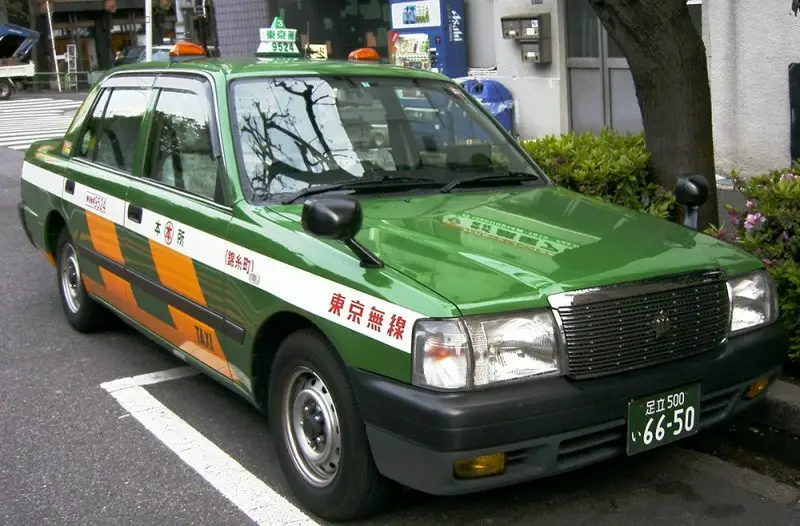
    If you are in Japan without a car, the chances of getting stuck somewhere are high. Despite the thousands of train lines, every now and then, you will end up needing a taxi, especially if you missed your last train. In this article, we will see tips and a step-by-step guide on how to take a taxi.

    We also recommend reading:

    Where to find a taxi

    If you are at a train station, big or small, there will always be several taxi drivers outside waiting for passengers to appear. If you are far from a station, you should make a call.

    To get the number of a taxi driver, you can follow these tips:

    • Write down the number of a taxi driver near the station.
    • Search the Internet for: タクシー( takushii ) plus the name of the city. The results should show some places and the contact phone number.
    • Look on the site taxitaxi.jp or taxisite.com. The site is in Japanese, but it is quite easy to use.
      • Click on the prefecture you are in;
      • On the page that opens, click on the city;
      • Sometimes, you may also need to click on a ward;
      • A list of taxi companies will appear, write down some numbers;
    • If you are with a colleague or at a hotel, just ask them for help. Just say: タクシー を よん で ください” (takushii o yonde kudasai);

    Calling for a taxi

    This can be the most difficult part if you have no knowledge of Japanese. Below we will leave a dialogue for the call with a taxi driver.

    When answering the phone, you can say: Could you come pick me up?

    お迎えに来てもらえますか
    Omukae ni kitte moraemasu ka?

    After he says yes, he will probably say: What is your address or where do you want to be picked up?

    住所 は どこ です か
    Juusho wa doko desu ka?

    Tell him your address in Japanese (or the address of where you are, or a landmark in the area).

    In response, he may say: I am on my way.

    今 から お迎え に 来 ます
    Ima kara omukae ni kimasu

    The taxi driver will give an estimate of the time when he will arrive.

    Of course, the conversation on the phone will not be exactly like this. If you do not understand what the taxi driver said, you can ask him to repeat, or to speak more slowly.

    • もう一度いって下さい。
    • Mou ichido itte kudasai
    • Repeat please;
    • もっとゆっくり言って下さい。
    • Motto yukkuri itte kudasai
    • Speak more slowly please;
    How to take a taxi in Japan?

    Arriving at the place you intend to go

    Once you are in the taxi, the driver will ask:

    • どちらへ? ( dochira e? )
    • どちらへいきますか?( dochira e ikimasu ka?)

    Say where you want to go. You can say the name of the place plus “おねがいします” (onegaishimasu = Please) which is the most polite way to ask.

    You can show the address, saying: Look here!

    ここへ行ってください 
    Koko e itte kudasai

    If the taxi driver is having difficulty finding the location, or you do not know the address but know the streets and where to turn, you can help him by saying:

    Turn right here, please.

    ここで右に曲がって下し
    Koko de migi ni Magatte kudasai

    Turn left here, please.

    ここで左に曲がってくさい
    Koko de hidari ni Magatte kudasai

    Go straight ahead, please.

    真っすぐ行ってください;
    massugu itte kudasai;

    It is next to _______.

    _______の隣にあります;
    _______no tonari ni arimasu;

    It is across from _______.

    _______の向かいにあります
    _______ no mukai ni arimasu

    It is near _______

    _______の 近く に あり ます
    _______no Chikaku ni arimasu

    It is next to the police station.

    交番の隣にあります
    Kouban no tonari ni arimasu

    So when you arrive at the place you want to get off, say: This is good;

    ここでいいです
    Koko de ii desu.

    It is not difficult to take a taxi in Japan, it is worth remembering that taxi doors usually close by themselves, so do not try to close the door by yourself, to avoid embarrassment.

    Source: survivingnjapan

  • Tsunami in Japan – The largest of all time

    Tsunami in Japan – The largest of all time

    Japan is known for its numerous earthquakes and tsunamis. Earthquakes constantly occur in Japan, but they are just small tremors that do not shake anyone. However, throughout history several strong earthquakes have occurred and formed large tsunamis. In this article, we will learn about some of the tsunamis that have occurred in Japan.

    Hakuho – 684 AD

    The first tsunami that occurred in Japan was on November 29, 684 in the regions of Nankaido, Shikoku, Kii, and Awaji. It is estimated that the earthquake had a magnitude of 8.4, and the number of deaths is unknown.

    Sendai – 869 AD

    The Sendai region was hit by a large wave that caused flooding extending 4 km from the coast. The city of Tagajo was destroyed, with an estimated 1,000 casualties. The earthquake responsible is called Sanriku.

    Nankai – 887 AD

    On August 26, 887, a large earthquake that struck Osaka, Shiga, Gifu, and Nagano caused a tsunami that flooded the coastal region of Osaka; the tsunami was also observed on the coast of Hyuga, Miyazaki.

    Kamakura – 1293 AD

    An earthquake with a magnitude of 7.1 caused a tsunami that hit Kamakura, resulting in over 23,000 deaths including those from the fires caused by the earthquake.

    Nankai – 1361 AD

    On August 3, 1361 during the Shohei era, an earthquake of 8.4 struck Nankaidō followed by a tsunami that hit Yukiminato and Awa destroying over 1,700 houses and drowning more than 60 people in Awa.

    Nankai – 1498 AD

    tsunami in Japan

    On September 20, 1498, an earthquake of 7.5 magnitude occurred and caused a tsunami. The port in Wakayama was damaged by a tsunami several meters high. More than 30,000 people died. The building around the Great Buddha of Kamakura (7m tall) was swept away by the tsunami.

    Nankaidō – 1605 AD

    On February 3, 1605, an earthquake of 8.1 caused a tsunami over 30 meters high that was seen on the coast of Boso and on Kyushu Island. More than 3,600 people drowned in the Shishikui area. The wave height reached 6-7m in Awa, 5-6m in Kannoura, and 8-10m in Sakihama. In total, there were over 5,000 drownings.

    Seikaido-Nankaidō – 1698 AD

    On December 22, 1698, a large tsunami hit Seikaido-Nankaidō.

    Hoei – 1707 AD

    On October 28, 1707, during the Hoei era, an earthquake of magnitude 8.4 caused a tsunami up to 10 m high that hit Kochi. More than 29 thousand houses were destroyed and washed away, causing 30,000 deaths. In Tosa province, 11,170 houses were washed away, and 18,441 people drowned. About 700 people were killed and 603 houses were washed away in Osaka; the waves reached up to 20 meters in Tanezaki.

    Hokkaido – 1741 AD

    On August 29, 1741, the western side of Hokkaido was hit by a tsunami associated with a volcanic eruption from the Oshima islands. The cause of the tsunami was a large landslide triggered by the eruption. 1,467 people were killed in Hokkaido and 8 in Aomori.

    Yaeyama Islands, Okinawa – 1771 AD

    An estimated magnitude 7.4 underwater earthquake occurred near the Yaeyama islands in the ancient Ryukyu kingdom (now Okinawa) on April 4, 1771, around 08:00. The earthquake did not result in any deaths, but a tsunami killed approximately 12,000 people. It is estimated that the waves reached up to 80 meters. The tsunami also caused long-lasting effects such as epidemics, malaria, and ultimately destroyed and harmed crops.

    Mount Unzen, Nagasaki, Kyushu – 1792 AD

    The eruption of Mount Unzen in Nagasaki triggered earthquakes, avalanches, and even a tsunami that hit the province of Higo and Ariake causing over 5,000 deaths.

    tsunami in Japan

    Nankai, Tokai, and Kyushu – 1854

    The earthquake that struck the Ansei southern coast of Japan was actually a series of three earthquakes, two earthquakes of magnitude 8.4 and one 7.4 earthquake over several days.

    • An 8.4 magnitude earthquake on November 4, 1854, near what is now Aichi and Shizuoka produced tsunamis of 4-6 meters;
    • Another 8.4 magnitude earthquake on November 5 in Wakayama. The resulting tsunami reached a height of 8.4 m. More than 1,443 people died;
    • A 7.4 magnitude earthquake on November 7, 1854 in Ehime and Oita prefectures;

    The total result was 80,000-100,000 deaths. (Earthquakes + Tsunamis)

    Edo (Tokyo) – 1855 ANNOUNCEMENT

    A large earthquake and tsunami occurred in Tokyo causing the death of 4,500 to 10,000 people.

    Meiji Sanriku – 1896 AD

    On June 15, 1896, around 19:36, a large underwater earthquake occurred off the coast of Sanriku, northeastern Honshu, triggering tsunami waves that hit the coast about half an hour later. The earthquake did not kill anyone, but the tsunami reached waves of 30 meters, and killed about 27,000 people.

    tsunami in Japan

    Kanto – 1923 AD

    The Great Kanto Earthquake, which occurred in eastern Japan on September 1, 1923, and devastated Tokyo, Yokohama, and surrounding areas, caused tsunamis that ravaged the coast of Shonan, the Boso Peninsula, Izu Islands, and the eastern coast of the Izu Peninsula. In Atami, waves were recorded reaching 12 meters. Examples of tsunami damage include about 100 people killed along the beach of Yuigahama in Kamakura and an estimated 50 people in Enoshima. However, tsunamis represented only a small proportion of the final death toll of over 100,000, most of whom died in the fire.

    Showa Sanriku – 1933 AD

    On March 3, 1933, the Sanriku coast in northeastern Honshu caused an 8.1 earthquake destroying about 5,000 houses and killing 3,068 people, the vast majority as a result of tsunami waves. Iwate prefecture lost 42% of its population and 98% of its buildings. Taro is now protected by a huge tsunami wall, currently 10 meters high and over 2 kilometers long.

    Tonankai – 1944 AD

    1,223 people were killed by the wave caused by an 8.0 earthquake on December 7, 1944, about 20 km from the Shima Peninsula.

    Nankaidō – 1946 AD

    The Nankai earthquake on December 21, 1946 had a magnitude of 8.4 at 04:19 (local time). It caused a wave that took 1,451 houses and resulted in 1,500 deaths.

    Niigata – 1964 AD

    28 people died and entire buildings were destroyed by liquefaction. The tsunami destroyed the port of Niigata.

    Okushiri, Hokkaido – 1993 AD

    A devastating tsunami occurred along the coasts of Hokkaido, resulting from a 7.8 magnitude earthquake, 130 km off the coast, on July 12, 1993. Within minutes, the Japan Meteorological Agency issued a tsunami warning, which was broadcast by NHK in English and Japanese. However, it was already too late for Okushiri, a small island near the epicenter, where some waves reached 30 meters and hit within two to five minutes of the earthquake. Despite being surrounded by tsunami barriers, Aonae, a small village, was devastated over the next hour by 13 waves over two meters high coming from various directions. Of the 250 people killed as a result of the earthquake, 197 were victims of the tsunami that hit Okushiri; the waves also caused deaths along the coast of Hokkaido.

    Tsunami in Japan – Tohoku – 2011 AD

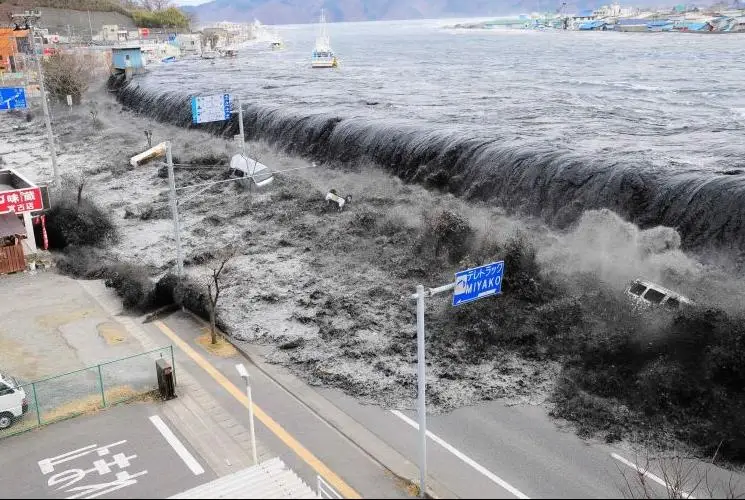
    On March 11, 2011, along the Pacific coast of Japan, a 9.0 magnitude earthquake produced a tsunami 10 meters high along the northeastern coast of Japan. The wave caused widespread devastation, with an official death toll of 18,550 people. The largest tsunami recorded in Miyako, Iwate reached a total height of 40.5 meters. Additionally, the wave caused several explosions at the Fukushima nuclear power plant. Tsunami warnings were issued along the entire Pacific coast.

    tsunami in Japan

    As devastating as it may be, we cannot be afraid, the unexpected can happen anywhere. Not to mention that throughout Japan’s history, all these deaths caused do not even come close to the deaths caused by violence and traffic recklessness in Brazil.

  • Numbers in Japanese – Complete Guide

    Numbers in Japanese – Complete Guide

    Have you ever wondered what the numbers are like in Japanese or Chinese? How do the Japanese usually count or write numbers? In this article, we will provide a complete guide on numbers in Japanese so you can start counting or understanding any number you come across.

    To make it easier to navigate this article about numbers in Japanese, we will leave a summary below:

    Numbers in Japanese and their readings and ideograms

    In the table below, we can see the numbers in Japanese and their readings:

    NumberKanjiOn YomiKun Yomi
    0零 / 〇zero – rei – maru
    1ichihito(tsu)
    2nifuta(tsu)
    3sanmi(tsu)
    4shiyon / yo(tsu)
    5goitsu(tsu)
    6rokumu(tsu)
    7shichinana(tsu)
    8hachiya(tsu)
    9ku, kyukoonotsu
    10ju, jyuto
    11十一ju-ichi
    12十二ju-ni
    13十三ju-san
    20二十ni-ju
    25二十五ni-ju-go
    100hyaku
    1000sen
    10.000一万ichi-man
    50.000五万go-man
    1.000.000百万hyaku-man
    100.000.000一億ichi-oku (oku)
    1.000.000.000.000一兆ichi-chō

    Number groupings in the West are usually in millions (1 million) while in Japanese and Chinese they are usually in myriads (10,000). It seems easy, but things get complicated when the numbers get larger and we realize that 1,500,000 is just 150万.

    This can confuse the mind, but we need to keep in mind that the ideogram 万 represents 4 digits of zero. Something similar happens with other ideograms. So be careful not to get confused when mixing Roman numbers with numbers in ideograms. Below we will provide more examples of large numbers and mixed numbers.

    NumbersKanjiRomaji
    11,0011万1,001ichimanissenichi
    20.000二万niman
    100.000十万juuman
    10.000.000一千万issenman
    1.000.000.000十億juuoku
    10.000.000.000百億hyakuoku
    100.000.000.000一千億issenoku
    10.000.000.000.000十兆jucchou
    11十一juu ichi
    17十七juu nana, juu shichi
    151百五十一hyaku go-juu ichi
    302三百二san-byaku ni / san-hyaku ni
    469四百六十九yon-hyaku roku-juu kyuu
    2025二千二十五ni-sen ni-juu go

    If you are wondering what the digits in myriads are after [兆], the ideograms are: 京, 垓, ?, 穣, 溝, 澗, 正, 載, 極;

    Numbers in Japanese - Complete Guide

    Different ways to say a Japanese number

    Before you learn the numbers in Japanese, you need to be aware that Japanese ideograms originated from China. This means that numbers in Japanese have two readings, the Chinese (ON) and the Japanese (KUN). This results in not just one but different ways to say a single number or to pronounce a Kanji.

    Of course, this shouldn’t be a hindrance; in reality, it’s quite simple. The other pronunciations usually only appear when accompanied by a numerical counter. Each pronunciation is used in different situations. This even results in various puns involving Japanese numbers.

    Don’t get too attached to the different readings that a single Japanese ideogram presents. If you are a novice in the Japanese language and are only interested in learning the numbers, we recommend using the readings of Chinese origin, except for 4 (yon) and 7 (nana), where it is very common to use the Japanese reading, possibly because shi from the Chinese reading resembles [死] for death.

    Also note that in the Chinese readings, I placed the tsu [つ] in parentheses. This tsu is one of the most common counters used in the Japanese language, used to count objects. It is also common to use the Japanese reading when talking about people, such as “two people, together” futari [二人].

    Indicators – Counters in Japanese

    In Japanese, we use suffixes or prefixes to count and indicate things in the language. When we talk about, for example, the number of people, number of days, number of years, number of cars, or number of other objects, we must use an ideogram that follows the number. Below we will provide a small list of numerical counters:

    HumanNINNumerical counter for people and humans.
    AnimatedHIKIPIKIBIKICounter for small animals, such as fish, cats, rats, etc.
    GeneralTSUWith tsu, you can count most things and objects that do not correspond to other categories.
    InanimateKOFor lifeless objects, small or compact, usually rounded. We can count apples, oranges, lemons, stones, croquettes, and things of that nature.
    Large and electric objectsDAIFor large objects like cars, wardrobes, cabinets, including the counting of all kinds of appliances, such as refrigerators, computers, and phones, etc.
    Thin objectsHONPONBONVery commonly used to count thin and elongated objects like pencils, pens, trees, etc. The most curious thing about this counter was realizing that it was also used to count video tapes and phone calls.
    Printed materialSATSUIt is a counter used for practically all types of printed material such as books, magazines, pamphlets, workbooks, etc.
    Thin objectsMAIFor the Japanese, thin objects are things like shirts, sheets of paper, plates, dishes, cookies, blankets.

    To see other counters, read our article on counting indicators in Japanese.

    Numbers in Japanese – Ordinals

    • 第一 DAI ICHI – 1st, first;
    • 第二 DAI NI – 2nd, second;
    • 第三 DAI SAN – 3rd, third;
    • 第四 DAI YON – 4th, fourth;
    • 第五 DAI GO – 5th, fifth;
    • 第六 DAI ROKU – 6th, sixth;
    • 第七 DAI SHICHI – 7th, seventh;
    • 第八 DAI HACHI – 8th, eighth (hachi ban 八番);
    • 第九 DAI KYŪ – 9th, ninth;
    • 第十 DAI JŪ – 10th, tenth;

    In addition to the prefix DAI, the suffix BAN can be used as exemplified in the eighth [八番].

    Numbers in Japanese – Multiplicatives

    Doubleni-bai二倍
    Triplesan-bai三倍
    Quadrupleyon-bai四倍
    Twice as bigni-bai gata ookina二倍方大きな
    Three times smallersan-bai gata chiisana三倍方小さな
    A pairitsui一対
    Two pairsnitsui二対

    Some things in this article are a bit complex and are meant for people who already have a certain level in the Japanese language, but I hope you have understood the basics of numbers in Japanese. To conclude, we also recommend reading:

  • Seasons, Time, and Weather in Japanese

    Seasons, Time, and Weather in Japanese

    Japan is one of the few countries where the 4 seasons we learned in school actually work. Japan also gave rise to the word we know as tsunami. In this article, we will expand our vocabulary in Japanese by learning the seasons, weather, and climate.

    Seasons (季節)

    Below we will see some words in Japanese related to the seasons of the year:

    • 四季 (shiki) – The 4 seasons
    • 春夏秋冬 (shunkashūtō) – The four seasons of the year (Spring, Summer, Autumn, Winter)
    • 季節 (kisetsu) – Season
    • 春 (haru) – Spring
    • 夏 (natsu) – Summer
    • 秋 (aki) – Autumn
    • 冬 (fuyu) – Winter
    • 乾季 (kanki) – Dry season
    • 雨期 (uki) – Rainy season
    • 梅雨 (tsuyu) – Rainy season (rainy period from June to July)
    Seasons, Weather and Climate in Japanese

    Weather/Climate (天気)

    Below is a list of words related to weather and climate in Japanese:

    • 気象 (kishō) – Weather
    • 気候 (kikō) – Climate
    • 天気 (tenki) – Weather (atmospheric)
    • 天気予報 (tenkeyohō) – Weather forecast
    • 太陽 (taiyō) – Sun
    • 風 (kaze) – Wind
    • 晴れ (hare) – Sunny
    • 雲 (kumo) – Cloud
    • 曇り (kumori) – Cloudy
    • 雨 (ame) – Rain
    • 台風 (taifū) – Typhoon
    • ハリケーン (harikēn) – Hurricane
    • サイクロン (saikuron) – Cyclone
    • 霧 (kiri) – Fog
    • 朝霧 (asagiri) – Morning mist
    • 夕霧 (yūgiri) – Evening mist
    • 雪 (yuki) – Snow
    • 温度 (ondo) – Temperature
    • 湿度 (shitsudo) – Humidity
    • 暑い (atsui) – Hot / heat
    • 暖かい (atatakai / attakai) – Warm (pleasant)
    • 寒い (samui) – Cold
    • 涼しい (suzushī) – Cool / refreshing
    • 雨曇り (amagumori) – Cloudy (with rain)
    • じめじめ (jimejime) – Humid
    • 日照り (hideri) – Drought
    • ざーざー (za-za-) – Downpour
    • 小糠雨 (konukame) – Drizzle
    • 霙 (mizore) – Sleet
    • 氷雪 (hyōsetsu) – Ice and snow
    • 雷雨 (raiu) – Thunderstorm
    • 雷 (kaminari) – Thunder
    • 稲妻 (inazuma) – Lightning
    • 気温 (kion) – Air temperature
    • 竜巻 (tatsumaki) – Tornado
    • 虹 (niji) – Rainbow
    • 洪水 (kōsui) – Flood
    • 地震 (jishin) – Earthquake
    • 雪片 (seppen / sunō furēku) – Snowflake
    • 暴風 (bōfū) – Storm
    • 雹 (hyō) – Hail
    • 晴天 (seiten) – Sunny (clear sky)

    You may also be interested in the article 50 ways to say rain in Japanese.

    Seasons, Weather and Climate in Japanese

    Phrases about weather and seasons

    See below some phrases in Japanese to help you talk about the weather and time in Japanese:

    What is the weather forecast for today?

    今日の天気予報は何ですか
    Kyō no tenki yohō wa nan desu ka?

    How is the weather?

    天気はどうですか
    Tenki wa dō desuka?

    What is the temperature?

    気温は何度ですか
    Kion wa nando desu ka?

    How is it outside?

    外はどうですか
    Soto wa dō desu ka?

    The questions can be answered with the words learned in the article followed by です (desu). See some examples below:

    It is Sunny

    晴天です
    Seiten Desu

    It is Windy

    風が強いです 
    Kaze ga tsuyoi desu
  • List of the 500 most used Kanji

    List of the 500 most used Kanji

    Today I present to you a list of the 500 most used Kanji by the Japanese. It is very helpful if you have doubts about which kanji to learn first.

    1. Day
    2. One
    3. Country
    4. Meeting
    5. Person
    6. Year
    7. Big
    8. Ten
    9. Two
    10. Book
    11. Middle
    12. Long
    13. Exit
    14. Three
    15. Same
    16. Time
    17. Politics
    18. Affair
    19. Self
    20. Go
    21. Company
    22. See
    23. Month
    24. Minute
    25. Discussion
    26. After
    27. Before
    28. People
    29. Life
    30. Link
    31. Five
    32. Issue
    33. Interval
    34. Opposition
    35. Above
    36. Part
    37. East
    38. Person
    39. Party
    40. Earth
    41. Combine
    42. City
    43. Business
    44. Inside
    45. Mutual
    46. Direction
    47. Four
    48. Decide
    49. Now
    50. Return
    51. New
    52. Place
    53. Gold
    54. Member
    55. Nine
    56. Enter
    57. Select
    58. Establish
    59. Open
    60. Hand
    61. Rice
    62. Power
    63. Study
    64. Question
    65. High
    66. Generation
    67. Bright
    68. Reality
    69. Adjust
    70. Body
    71. Change
    72. Field
    73. At
    74. Eight
    75. Six
    76. Approximately
    77. Main
    78. Topic
    79. Below
    80. Head
    81. Intention
    82. Law
    83. Not
    84. Come
    85. Make
    86. Nature
    87. Essential
    88. Use
    89. System
    90. Govern
    91. Degree
    92. Business
    93. Strong
    94. Spirit
    95. Small
    96. Seven
    97. Become
    98. Period
    99. Public
    100. Hold
    101. Field
    102. Cooperation
    103. Take
    104. Capital
    105. Peace
    106. Unification
    107. By
    108. Machine
    109. Flat
    110. Total
    111. Add
    112. Mountain
    113. Think
    114. House
    115. Talk
    116. World
    117. Receive
    118. District
    119. Area
    120. Many
    121. Prefecture
    122. Continue
    123. Advance
    124. Correct
    125. Safe
    126. Establish
    127. Protect
    128. Reform
    129. Number
    130. Record
    131. Institute
    132. Woman
    133. First
    134. North
    135. Noon
    136. Indicate
    137. Authority
    138. Heart
    139. World
    140. Support
    141. Number
    142. Production
    143. Conclusion
    144. Hundred
    145. Faction
    146. Point
    147. Teach
    148. Report
    149. Economy
    150. Write
    151. Government
    152. Active
    153. Source
    154. Before
    155. Common
    156. Gain
    157. Understand
    158. Name
    159. Exchange
    160. Resource
    161. Forecast
    162. River
    163. Direction
    164. Occasion
    165. Examine
    166. Win
    167. Surface
    168. Committee
    169. Announce
    170. Military
    171. Literature
    172. Counter
    173. Origin
    174. Heavy
    175. Near
    176. Thousand
    177. Consider
    178. Judgment
    179. Recognize
    180. Picture
    181. Sea
    182. Participate
    183. Sell
    184. Benefit
    185. Group
    186. Know
    187. Plan
    188. Road
    189. Trust
    190. Policy
    191. Gather
    192. Exist
    193. Case
    194. Group
    195. Separate
    196. Thing
    197. Side
    198. Responsibility
    199. Pull
    200. Use
    201. Request
    202. Place
    203. Next
    204. Water
    205. Half
    206. Product
    207. Last
    208. Discussion
    209. Plan
    210. Death
    211. Official
    212. Increase
    213. Relation
    214. Feeling
    215. Special
    216. Emotion
    217. Throw
    218. Show
    219. Change
    220. Hit
    221. Man
    222. Base
    223. Private
    224. Each
    225. Begin
    226. Island
    227. Direct
    228. Both
    229. Morning
    230. Reform
    231. Value
    232. Style
    233. Confirm
    234. Village
    235. Propose
    236. Operate
    237. End
    238. Election
    239. Result
    240. West
    241. Force
    242. Reduce
    243. Platform
    244. Wide
    245. Container
    246. Must
    247. Respond
    248. Performance
    249. Electricity
    250. Age
    251. Live
    252. Conflict
    253. Talk
    254. Ability
    255. None
    256. Again
    257. Rank
    258. Place
    259. Plan
    260. True
    261. Flow
    262. Pattern
    263. White
    264. Deep
    265. Character
    266. Answer
    267. Night
    268. Manufacture
    269. Ticket
    270. Situation
    271. Sound
    272. Apply
    273. Form
    274. Deliver
    275. Reach
    276. Supply
    277. Possible
    278. Role
    279. Structure
    280. Tree
    281. Divide
    282. Hear
    283. Body
    284. Cost
    285. Attach
    286. Implement
    287. Cut
    288. Reason
    289. Explain
    290. Turn
    291. Eat
    292. Compare
    293. Difficult
    294. Prevent
    295. Supplement
    296. Car
    297. Excellent
    298. Husband
    299. Research
    300. Collect
    301. Decision
    302. Well
    303. What
    304. South
    305. Stone
    306. Foot
    307. Different
    308. 退
    309. 姿

    For a focused study, check out The 150 most used Kanji in the Japanese language which complements this list.

  • The 150 most used Kanji in the Japanese language

    The 150 most used Kanji in the Japanese language

    Today we will see the 150 most used kanji in the Japanese language. I can’t say how this research was conducted, but I confirm its accuracy.

    Can you recognize and understand all the kanji on the list? Can you remember words that are commonly used in everyday life that use the kanji from the list below?

    There may be some errors, or the translation may not make sense, because everything will depend on the context or other kanji that will form the words. A kanji cannot be merely translated or given a meaning.

    We also recommend reading:

    Bushu – Radicals – Structures of Kanji and their variants
    Radicals

    List of Most Used Kanji in Japanese

    Below is the list of the most used ideograms in Japanese ordered by ranking:

    RankingStrokesKanjiOn-YomiKun-YomiPortuguese
    1 4 NICHI/ SHITSU hi/ -bi/ -ka day, sun, Japan
    2 1 ICHI/ ITSU hito-/ hito(tsu) one
    3 2 JUU/ JIT-/ JUT- too/ to ten
    4 2 NI/ JI futa/ futa(tsu)/ futata(bi) two
    5 3 DAI / TAI oo-/ oo(kii)/ -oo(ini) big, huge
    6 3 SAN/ ZOU mi/ mi(tsu)/ mit-(tsu) three
    7 9 KEI kaka(ru)/ kakari/ -gakari/ kaka(waru) person in charge, connection, duty, concerns oneself
    8 6 KAI/ E a(u)/ a(waseru)/ atsu(maru) meeting, gathering, party, association, interview, unite
    9 8 KOKU kuni country, land, nation
    10 6 NEN toshi year
    11 4 CHUU naka/ uchi/ ata(ru) in, interior, medium, middle, center
    12 5 HON moto book, present, real, true, main, suffix for counting long things
    13 4 GO itsu/ itsu(tsu) five
    14 5 SHI yo/ yo(tsu)/ yot-(tsu)/ yon four
    15 5 SHUTSU/ SUI de(ru)/ -de/ da(su)/ -da(su)/ i(deru)/ i(dasu) exit, leave
    16 3 JOU/ SHOU/ SHAN única/ -única/ uwa-/ kami/ a(geru)/ -a(geru)/ a(garu)/ -a(garu)/ a(gari)/ -a(gari)/ nobo(ru)/ nobo(ri)/ nobo(seru)/ nobo(su)/ yo(su) above, up, over, rise, climb, on top, scale
    17 10 JI toki/ -doki time, hour
    18 6 DOU ona(ji) same, agree, equal
    19 8 CHOU naga(i)/ osa long, aspire, leader, chief
    20 8 TOU higashi east
    21 6 KOU/ GYOU/ AN i(ku)/ yu(ku)/ -yu(ki)/ -yuki/ -i(ki)/ -iki/ okona(u)/ oko(nau) go, travel, journey
    22 8 JI/ ZU koto/ tsuka(u)/ tsuka(eru) matter, thing, fact, business, reason, possibly
    23 8 GAKU mana(bu) study, learning, science
    24 5 SEI/ SHOU i(kiru)/ i(kasu)/ i(keru)/ u(mareru)/ u(mare)/ umare/ u(um)/ o(u)/ um(eru)/ um(yasu)/ ki/ nama/ nama-/ na(ru)/ na(su)/ um(su)/ -u life, genuine, birth
    25 4 GETSU/ GATSU tsuki month, moon
    26 8 SHA mono someone, person
    27 4 ROKU/ RIKU mu/ mu(tsu)/ mut-(tsu)/ mui six
    28 12 KAN/ KEN aida/ ma/ ai interval, space
    29 4 HOU kata/ -kata/ -gata direction, person, alternative
    30 4 BUN/ FUN/ BU wa(keru)/ wa(ke)/ wa(kareru)/ wa(karu)/ wa(katsu) part, minute, segment, part, degree, duty, understand, know, value, 1%, opportunities, shaku/ 10
    31 9 ZEN mae/ -mae in front, before
    32 9 GO/ KOU nochi/ ushi(ro)/ ushiro/ ato/ oku(reru) behind, back, later
    33 6 CHI/ JI earth, ground
    34 12 JOU/ CHOU ba location, place
    35 4 SHU/ ZU te/ te-/ -te/ ta- hand
    36 9 SEI/ SHOU matsurigoto/ man politics, government
    37 8 TEKI mato center of target, mark, target, object
    38 9 HATSU/ HOTSU ta(tsu)/ aba(ku)/ oko(ru)/ tsuka(wasu)/ hana(tsu) release, departure, publish, emit, from, reveal
    39 6 GOU/ GAT-/ KAT- a(u)/ -a(u)/ a(i)/ ai-/ -a(i)/ -ai/ a(wasu)/ a(waseru)/ -a(waseru) fit, unite
    40 2 HACHI ya/ ya(tsu)/ yat-(tsu)/ yo_ eight
    41 20 GI deliberation, consultation, debate, consideration
    42 11 BU -be section, bureau, department, class, copy, part, portion, suffix for counting newspapers or magazines
    43 14 TOU/ TE ine/ ina- rice plant
    44 10 IN employee, member, number, in charge
    45 7 KEN mi(ru)/ mi(eru)/ mi(seru) see, hopes, opportunities, idea, opinion, look, visible
    46 8 KYOU/ KEI/ KIN miyako capital, 10 to the power of 16
    47 2 KYUU/ KU kokono/ kokono(tsu) nine
    48 7 SHA yashiro company, firm, office, association, temple
    49 7 TAI/ TSUI aite/ kota(eru)/ soro(i)/ tsurea(i)/ nara(bu)/ muka(u) vis-a-vis, opposite, even, equal, versus, anti-, compare
    50 13 GYOU/ GOU waza business, vocation, arts, performance
    51 2 SHICHI nana/ nana(tsu)/ nano seven
    52 3 SHI/ SU/ TSU ko/ -ko/ -t-(ko)/ ne child
    53 13 SHIN atara(shii)/ ara(ta)/ ara-/ nii- new
    54 6 JI/ SHI mizuka(ra)/ ono(zukara)/ ono(zuto) oneself
    55 10 KOU taka(i)/ taka/ -daka/ taka(maru)/ taka(meru) expensive, high
    56 4 NAI/ DAI uchi interior, inside, between, among, house, home
    57 5 RITSU/ RYUU/ RITTORU ta(tsu)/ -ta(tsu)/ ta(chi-)/ ta(teru)/ -ta(teru)/ ta(te-)/ tate-/ -ta(te)/ -da(te)/ -da(teru) stand up, rise
    58 9 SOU/ SHOU ai- inter-, mutual, together, mutually, state minister, advisor, aspect, face, physiognomy
    59 9 DO/ TO/ TAKU tabi/ -ta(i) degrees, occurrence, time, suffix for counting occurrences
    60 6 KAI/ E mawa(ru)/ -mawa(ru)/ -mawa(ri)/ mawa(su)/ -mawa(su)/ mawa(shi-)/ -mawa(shi)/ motoo(ru)/ ka(eru) times, round, game, revolve, suffix for counting occurrences, turn
    61 11 MON to(u)/ to(i)/ ton ask, question, problem
    62 8 TEI/ JOU sada(meru)/ sada(maru)/ sada(ka) determine, fix, establish, decide
    63 15 OKU one hundred million, 10 to the power of 8
    64 5 MOKU/ BOKU me/ -me/ ma- eye, class, look, vision, experience, attention, favor
    65 3 SHOU chii(sai)/ ko-/ o-/ única- small, little
    66 2 RYOKU/ RIKI/ RII chikara strength, strong, effort, endure, exercise
    67 6 ZEN matta(ku)/ sube(te) whole, all, everything, complete, fill
    68 4 EN maru(i)/ maru/ mado/ mado(ka)/ maro(yaka) circle, yen, round
    69 6 KI/ KE iki spirit, mind
    70 9 to_ge mountain peak, mountain pass, climax, summit, (kokuji)
    71 8 KIN/ KON/ GON kane/ kana-/ -gane gold
    72 10 TSUU/ TSU too(ru)/ too(ri)/ -too(ri)/ -doo(ri)/ too(su)/ too(shi)/ -doo(shi)/ kayo(u) traffic, pass through, avenue, commute, suffix for counting letters
    73 12 KAI hira(ku)/ hira(ki)/ -bira(ki)/ hira(keru)/ a(ku)/ a(keru) open, unfold, unseal
    74 13 SEN ikusa/ tataka(u)/ onono(ku)/ soyogu/ wanana(ku) war, battle, dispute
    75 5 SHI ichi market, city, town
    76 6 BEI/ MAI/ MEUTORU kome/ yone rice, USA
    77 5 MIN tami people, nation, affairs
    78 3 SEN chi thousand
    79 10 REN tsura(naru)/ tsura(neru)/ tsu(reru)/ -dzu(re) lead along, priority, unite, connect, party, gang, group
    80 7 KETSU ki(meru)/ -gi(me)/ ki(maru)/ um(ku) decide, fix, agree on, appoint
    81 11 GEN arawa(reru)/ arawa(su) present, existence, reality
    82 2 NYUU/ NIT- i(ru)/ -i(ru)/ -i(ri)/ i(reru)/ -i(re)/ hai(ru)/ hama(ru) enter, insert
    83 4 GO uma noon
    84 5 UM/ TAI ka(waru)/ kawa(ru)/ kawa(ri)/ -gawa(ri)/ ka(eru)/ yo/ shiro substitute, change, convert, replace, period, age, generation, load, value, rate
    85 11 JÁ/ TEI prefix for ordinal numbers, residence
    86 8 JITSU/ SHITSU mi/ mino(ru)/ makoto/ makotoni/ mino/ michi(ru)/ jit- reality, truth
    87 5 SHU/ SU/ SHUU nushi/ omo/ aruji lord, chief, master, main thing, principal
    88 11 DOU ugo(ku)/ ugo(kasu) move, movement, change, fusion, exchange, stir
    89 8 MEI/ MYOU/ MIN a(kari)/ aka(rui)/ aka(rumu)/ aka(ramu)/ aki(raka)/ a(keru)/ -a(ke)/ a(ku)/ a(kuru)/ a(kasu) bright, light
    90 10 TOU nakama/ mura party, faction, clique
    91 6 TOU a(taru)/ a(tari)/ a(teru)/ a( te)/ masa(ni)/ masa(nibeshi) hit, right, appropriate, oneself
    92 3 KA/ GE shita/ shimo/ moto/ única(geru)/ única(garu)/ kuda(ru)/ kuda(ri)/ kuda(su)/ -kuda(su)/ kuda(saru)/ o(rosu)/ o( riru) below, down, descend, inferior, low, under, beneath
    93 14 KAN seki/ -zeki/ kaka(waru)/ karakuri/ kannuki connection, obstacle, passage, involve, concerning
    94 10 KA/ KE ie/ ya/ uchi house, home
    95 15 調 CHOU shira(beru)/ shira(be)/ totono(u)/ totono(eru) song, tone, meter, clef (music), style of writing, prepare, exorcise, investigate
    96 18 DAÍ topic, subject
    97 11 KYOU oshi(eru)/ oso(waru) teach, faith, doctrine
    98 13 I idea, mind, heart, taste, thought, desire, attention, liking
    99 4 KU/ OU/ KOU waº, district
    100 5 HOKU kita north
    101 16 KI hata mechanism, opportunity, occasion, machine, airplane
    102 9 YOU I(ru) need, main point, essence, pivot, key to
    103 4 KA/ KE ba(keru)/ ba(kasu)/ fu(keru)/ ke(C132suru) change, take the form of, influence, enchant, deceive, seduce, -ization
    104 11 YA/ SHO no/ no- plains, field, rustic, civilian life
    105 7 RAI/ TAI ku(ru)/ kita(ru)/ kita(su)/ ki(tasu)/ ki(taru)/ ki/ ko come, due, next, cause, become
    106 11 RI kotowari logic, arrangement, reason, justice, truth
    107 7 TAI/ TEI karada/ katachi body, substance, object, reality, suffix for counting images
    108 11 KYOU/ GOU tsuyo(i)/ tsuyo(maru)/ tsuyo(meru)/ shi(iru)/ kowa(i) strong, powerful, force
    109 6 SEI/ JOU na(ru)/ na(su)/ -na(su) become, obtain, grow, pass, reach
    110 5 GAI/ GE soto/ hoka/ hazu(su)/ hazu(reru)+C190/ to- outside
    111 11 TO/ TSU miyako metropolis, capital
    112 7 SAKU/ UM tsuku(ru)/ tsuku(ri)/ -dzuku(ri) make, production, prepare, construction
    113 15 SEN era(bu) elect, select, choose, prefer
    114 8 SHO tokoro/ -tokoro/ dokoro/ toko place
    115 3 MAN/ BAN yorozu ten thousand
    116 4 KOU/ KU ooyake public, prince, official, governmental
    117 8 HYOU omote/ -omote/ arawa(su)/ arawa(reru)/ ara(wasu) surface, table, chart, diagram
    118 12 SAI/ SHU motto(mo)/ tsuma maximum capacity, greatest, extreme
    119 7 KIN/ KON chika(i) near, early, blood relative, equivalent
    120 12 KI/ GO period, time, date, term
    121 9 SHI omo(u)/ omoera(ku)/ obo(su) think
    122 5 SEI/ SHOU tada(shii)/ tada(su)/ masa/ masa(ni) correct, justice, right, proper, 10 to the power of 40
    123 8 BUTSU/ MOTSU mono/ mono- thing, object, matter
    124 12 DOU/ TOU michi path, road, street, district, journey, course, moral, teachings, philosophy
    125 8 FU borough, urban area, high commission, representative body, depot
    126 8 HOU/ HAT-/ HOT-/ FURAN nori method, law, rule, principle, model, system
    127 9 YOU promise, approximately, retreat
    128 5 YOU mochi(iru) use, business, service, employ
    129 9 TEN tsu(keru)/ tsu(ku)/ ta(teru)/ sa(su)/ tobo(su)/ tomo(su)/ bochi point, mark, decimal point
    130 6 AN yasu(i)/ yasu(maru)/ yasu/ yasu( raka) relax, calm, low, cheap, restful, peaceful, satisfied
    131 4 FU/ BU negative prefix, negative, no, ugly, bad, inelegant
    132 11 tsuto(meru) task, duties
    133 4 SHIN kokoro/ -gokoro heart, mind, spirit
    134 11 SAN u(mu)/ u(mareru)/ ubu-/ mu(su) products, give birth, be born, give rise, birth, native, goods
    135 4 KON/ KIN ima now
    136 3 SEN kawa stream, river
    137 11 KEI/ KYOU he(ru)/ ta(tsu)/ tateito/ jáka(ru)/ nori sutra, longitude, pass through, expire, bend
    138 8 I yuda(neru) committee, entrust to, leave to, dedicate, discard
    139 5 I mot-(te) by means of, because, in view of, compared with
    140 6 KYOU tomo/ tomo(ni)/ -domo together, both (in affirmative), none (in negative), all, and, likewise, with
    141 10 GEN hara meadow, original, primitive, field, plain, prairie, tundra, wilderness
    142 9 JUU/ CHOU e/ omo(i)/ omo(ri)/ omo(nau)/ kasa(neru)/ kaum(naru)/ omo heavy, pile up, stack of boxes, -fold
    143 12 KETSU/ KECHI musu(bu)/ yu(u)/ yu(waeru) tie, unite, contract, union, organize, braid, close
    144 9 KAI umi ocean, sea
    145 4 SUI mizu/ mizu- water
    146 5 DA/ DAASU u(tsu)/ u(chi-) hit, access, strike, pound, dozen
    147 6 MEI/ MYOU na/ -na name, fame, distinction, reputation
    148 7 CHOU machi village, town, block, street
    149 4 YO/ SHA arakaji(me) in advance, prior, myself, I
    150 6 TA oo(i)/ masa(ni)/ masa(ru) many, frequent, much

    This list was sent by Bebeto Guerra.

  • Amanatto – The Bean Jelly

    Amanatto – The Bean Jelly

    Amanattō [甘納豆] is a traditional Japanese sweet made from azuki beans or other grains. Amanatto is a Japanese dessert where the beans are cooked in water with sugar, and after being dried, they are coated with more sugar.

    This recipe was developed around 1860, shortly after sugar became widely available throughout Japan. Before sugar, beans were and still are used to sweeten Japanese desserts. And now the combination of sugar with beans sweetens your mouth even more.

    The Amanattō was developed by Hosoda Yasubei during the Bunkyu years (1861-1863) in the Edo period. He opened a wagashi in Tokyo, which he named after his childhood name: Eitaro. This shop is still in operation today.

    Amanatto - The Bean Jelly

    Not only azuki, but soybeans and other beans can be used to make an Amanatto, thus creating your own flavor. The amanatto is more popular with the elderly over 60 years old, and it is often served with tea in nursing homes in Japan. Amanatto is also used to make other recipes like Sekihan.

    The amanattō was originally called amananattō (甘名納糖) and the name was shortened to amanattō after World War II. The similarity of the name to the fermented soybean dish natto is merely a coincidence.

    Amanatto - The Bean Jelly

    Amanatto Recipe

    Ingredients:

    • 1 package of ready-to-use beans (preferably azuki)
    • 1 cup (tea) of sugar
    • 2 cups (tea) of water

    Instructions:
    Drain the water from the box of ready beans. Set aside.

    Bring the mixture of water and sugar in a thick-bottomed pot. Boil until the sugar completely dissolves. Turn off the heat and add the drained beans. Store this immersion of the beans in syrup in a closed jar, overnight in the refrigerator.

    Place in a clean, large plastic bag:
    1+1/2 cups (tea) of sugar
    1+1/2 tablespoons of ground cinnamon

    Instructions:
    Shake the mixture of sugar and cinnamon so that the two ingredients combine.

    Drain the beans soaked in syrup and discard the sugar syrup.

    Place the beans in the plastic bag, in the sugar and cinnamon mixture.

    Twist the end of the bag and shake so that all the beans are coated in sugar.

    Pour this mixture into a coarse sieve, reserving the remaining sugar and cinnamon mixture.

    Spread the sugared beans on a baking sheet lined with aluminum foil and bake in a preheated oven at 180°C for about 30 minutes.

    During this time, the beans will release water and the sugar will caramelize, forming a thin caramel.

    After this time, drain the beans with a slotted spoon (or metal sieve) and toss the beans in the reserved sugar and cinnamon mixture, coating them completely. Let cool completely.

    When cool, store in well-sealed jars.

    Recipe source: chocolatria.com

  • Meet Nara – The City of Deer

    Meet Nara – The City of Deer

    Nara is a city rich in history, culture, and natural beauty, located in the province of the same name, in the Kansai region of Japan. Known for its friendly deer that roam freely through the streets, Nara is a destination that captivates travelers with its tranquil atmosphere and fascinating sights. This article presents the main highlights of the city, which was once the first capital of Japan during the Nara period (710-794).

    deer

    History and curiosities about Nara

    The city of Nara has an unparalleled historical significance in Japan. During the Nara period, it was established as the first permanent capital of the country, a milestone that brought cultural and political development. Before that, capitals changed location with each new emperor, following Shinto traditions. It was during this period that many of the city’s iconic temples and monuments began to be built.

    Additionally, Nara is famous for its sacred deer, which are considered messengers of the gods in Shintoism. Today, these animals are a symbol of the city and coexist harmoniously with the residents and tourists.

    Key numbers and facts about Nara:

    • Population: About 368,000 inhabitants.
    • Nara Park Area: 502 hectares.
    • Capital period: 710-794 (before the Heian period).

    Nara Park

    The Nara Park is the heart of the city and houses various attractions, including temples, museums, and gardens. Over 1,400 deer live in the park, and they are as much a part of the local experience as the historical monuments. Visitors can buy senbei (special crackers) to feed the deer, who politely bow asking for food.

    Moreover, the park offers stunning views of Mount Wakakusa, a perfect spot for hiking. In January, the famous Wakakusa Yamayaki festival takes place, where the mountain is set on fire in a traditional ceremony.

    Below is a video showing my visit to the Nara region:

    Charming gardens in Nara

    Isuien Garden

    The Isuien Garden is a combination of two gardens created in the 17th and 19th centuries. With traditional tea houses and a design that reflects Japanese aesthetics, it is a perfect place to relax. The carefully planned landscapes include lakes, bridges, and views of the surrounding temples.

    Yoshikien Garden

    The Yoshikien Garden features three different styles of Japanese gardening: the moss garden, the seasonal flower garden, and the tea garden. Located near Isuien, this garden offers a serene refuge, especially since it is less crowded than other attractions in the city.

    nara

    Temples and shrines of Nara

    Todaiji Temple

    The Todaiji is one of the largest architectural works in Japan and houses the famous Great Buddha of Nara (Daibutsu). This bronze statue is 15 meters tall and is one of the largest representations of Buddha in the world. The temple itself was once considered the largest wooden building on the planet, reflecting the grandeur of the Nara period.

    Horyuji Temple

    The Horyuji is the oldest wooden structure still existing in the world. Founded in 594, this temple is a UNESCO World Heritage Site and a living example of Buddhist architecture and spirituality.

    Kasuga Taisha

    The Kasuga Taisha is a Shinto shrine famous for its more than 3,000 stone and bronze lanterns. During the Setsubun Mantoro festival, held in February, all the lanterns are lit, creating a magical atmosphere. The shrine is surrounded by a sacred forest, which is also home to many deer.

    nara

    Festivals and cultural events

    Nara hosts various traditional festivals that reflect the vibrant culture and traditions of the city:

    • Omizutori Festival (early March): Buddhist ceremony at Todaiji, where large torches are lit in a purification ritual.
    • Setsubun Mantoro (February 3): Lighting of the lanterns at Kasuga Taisha to mark the beginning of spring.
    • Wakakusa Yamayaki (January 24): Ritual burning of Mount Wakakusa, a tradition dating back to land disputes in the 18th century.
    Discover Nara - The City of Deer

    Tips for visiting Nara

    Visiting Nara is an unforgettable experience, and its proximity to cities like Osaka and Kyoto makes the destination even more accessible. Here are some tips to make the most of your visit:

    • Set aside a full day: There is much to explore, from the deer in the park to the temples and gardens.
    • Be careful with the deer: Although friendly, they can be persistent when it comes to food.
    • Visit during festivals: The celebrations enrich the cultural experience and reveal unique traditions.

    Conclusion

    Nara is a destination that uniquely combines history, nature, and spirituality. From the grand temples to the deer that roam freely, every detail of the city offers a glimpse into the cultural essence of Japan. Include Nara in your itinerary when visiting Kansai and prepare to be enchanted by the magic of this historic city.

  • Discover the Takayama Matsuri Festival

    Discover the Takayama Matsuri Festival

    The small town of Takayama is located in the mountains, northwest of Tokyo and northeast of Kyoto. Takayama is famous for its historic district and the Takayama Matsuri, a festival that takes place twice a year, in spring (Sanno Matsuri, on April 14 and 15) and in autumn (Yahata Matsuri, on October 9 and 10).

    The Takayama Matsuri (festival) is considered one of the three most beautiful in Japan, started in the 16th century, and attracts visitors from all over the country (and foreigners too).

    Because of this, travelers must book hotels well in advance, as the hotel availability in this town is quite limited and they are all fully booked on the 2 days of the festival. Options for those who cannot stay in the city are the neighboring towns of Furukawa and Gero Onsen.

    We also recommend reading:

    Takayama Matsuri (高山祭り), one of the most famous festivals in Japan.

    How to get to the Takayama Matsuri?

    There is no direct train from Tokyo to there; travelers first have to go to Nagoya and then take a bullet train to Takayama, the journey takes between 4-5 hours in total.

    From Kyoto, there is an express train to Takayama, which also takes between 4-5 hours (be careful not to take a train that stops frequently and takes much longer).

    Another important point to remember: the weather! Since Takayama is in the mountains, it is much colder than other cities at sea level – in April 2006, there was still snow remaining in the fields, and the temperature was around 5 degrees.

    I advise buying gloves and a hat in the city; otherwise, you might end up freezing, especially at night when the parade of floats takes place on the first day of the festival.

    Takayama Matsuri (高山祭り), one of the most famous festivals in Japan.

    Attractions of Takayama Matsuri

    The attractions of the festival are the floats (yatai), which are a cultural heritage of Japan, and during these days they are displayed on the streets of the city (in case of rain, they are displayed in their “garages” at different points in the city).

    The floats on the streets are truly fantastic: all carved in wood or metal, lacquered, painted in minute detail, and adorned with gold leaf. They are indeed mobile treasures, each one is hundreds of years old and is the pride of this artisan city.

    The floats of the spring festival are different from those of autumn; there are 12 in spring and 11 in autumn (according to websites and travel guides). At the end of the day, at 6:30 PM, the night procession begins, with the floats illuminated by lanterns and carried through the streets of the city, with children waving from the tops of the floats.

    Some of the floats have their own music, and in others, adults and children play flutes (on top of the float or walking in front and behind). The night parade only takes place on the night of the first day of the festival if it is not raining.

    Takayama Matsuri (高山祭り), one of the most famous festivals in Japan.

    On the second day, the schedule is the same, except for the night parade: the floats are displayed on the streets during the day, there are puppet shows at two different times (morning and afternoon), and the daytime procession (on the first day the altar is taken from the temple to another location, and on the second day it returns to the temple, concluding the festivities).

    If you visit Takayama outside of the festival days, you can see some of the floats at the Yatai Kaikan, which is a special hall to showcase 4 of the 25 floats throughout the year (the floats are not always the same; they change sometimes during the year).

    Takayama Matsuri (高山祭り), one of the most famous festivals in Japan.
  • Jōyō kanji: The 2136 most used kanjis

    Jōyō kanji: The 2136 most used kanjis

    Does Kanji scare you? Of course. There’s no denying it: learning Japanese without overcoming this obstacle seems impossible. There are thousands of ideograms, each with its nuances and readings. In this scenario, many people freeze, not even knowing where to start.

    It was precisely to alleviate this burden that the Ministry of Education of Japan created the famous list of Jōyō Kanji (常用漢字). Have you heard this name? No? Then, pay attention: knowing this list is a game changer for anyone who wants to learn Japanese strategically and not get lost in the chaos of thousands of characters.

    And do you want to know the best part? Even before reaching the end of this list, you will already be able to read newspapers, magazines, and signs on the streets of Japan. Does it seem impossible? It’s not.

    どんな - Donna - Pronoun used in Japanese

    What is Jōyō Kanji?

    The term Jōyō Kanji literally means “common use kanji.” It is an official set of ideograms that form the basis of reading and writing in Japanese society. This list emerged in 1946, as an attempt by the government to standardize written language after World War II, reducing the absurd number of ideograms that circulated until then.

    But don’t think the list became rigid. Quite the opposite. Since its creation, it has been updated several times, until it reached the current version, formalized in 1981 and last revised in 2010, when 196 kanji were added and five removed. Today, there are 2,136 characters considered essential for anyone who wants to communicate in writing in Japanese.

    And here’s an interesting fact: by mastering approximately 1,000 to 1,200 of these kanji, you will already be able to understand most of the informative content of everyday Japanese.

    Jōyō kanji: The 2136 most used kanjis

    Why is Jōyō Kanji so important?

    It may seem obvious, but it’s worth reinforcing: learning Japanese without knowing kanji is like trying to swim without water. And the Jōyō Kanji list serves as a reliable map in this vast ocean.

    First, it limits a manageable number of characters, preventing the student from getting lost trying to learn thousands of rare and unnecessary ideograms. After all, it’s not necessary to know all the more than 50,000 kanji cataloged throughout history to read a newspaper in Japan.

    Moreover, the Jōyō Kanji defines the kanji taught in Japanese schools, from elementary school to the end of high school, over 12 years of study. In other words, the Japanese education itself follows this order.

    Are you wondering if you need to follow the same sequence? The answer is: not necessarily. But understanding how natives learn can be an efficient shortcut.

    Finally, the Jōyō Kanji is essential for anyone intending to take the JLPT (Japanese Language Proficiency Test). This exam, which certifies your proficiency in Japanese, requires the progressive mastery of kanji according to the level. Not mastering the list is equivalent to poorly preparing for the test.

    How to study Jōyō Kanji without going crazy?

    Here’s the point where many people stumble: studying kanji is not about memorizing endless lists. At least, not if you want to truly learn.

    The first thing you should know: kanji are not isolated entities. The same ideogram can have multiple readings, depending on the word and context. For example, the kanji 生 can be read as sei, shō, nama, or ikiru. If you try to memorize the kanji alone, without context, you will likely get confused — or give up.

    So, how to proceed? Smartly:

    • Learn kanji within words and phrases: this helps to understand not only the meaning but the real usage.
    • Focus first on the most common readings: the famous Pareto principle applies here. Few readings are responsible for most uses.
    • Use visual resources: flashcards, recognition apps, and reading native texts with furigana are indispensable allies.

    Rhetorical question: and when there’s no furigana? Well… you will have to manage. That’s why studying actively and contextually is essential.

    Practical tips to master Jōyō Kanji

    No one said it would be easy, but it doesn’t have to be a nightmare. Here are some practical strategies:

    • Study frequently, not intensely: the brain absorbs better with spaced repetition than with sporadic marathons.
    • Use authentic materials: manga, newspapers, music, and even street signs.
    • Follow the stroke order: this helps not only with memorization but also with correct writing.
    • Don’t skip Hiragana and Katakana: they are the foundation of everything. Without them, you won’t advance an inch.

    Curiosity: did you know that there are Japanese people who, with the advent of digital writing technologies, also forget how to write some kanji? This shows that the challenge is not just yours!

    Jōyō Kanji and its impact on your fluency in Japanese

    Imagine that you want to travel to Japan or work with Japanese companies. Without Jōyō Kanji, your ability to read contracts, signs, or even menus will be severely limited.

    Moreover, those who intend to consume Japanese culture without intermediaries — reading manga in the original, watching anime without subtitles, or understanding song lyrics — need this repertoire. Not all at once, of course. But gradually, consolidating the learning.

    Even more: if your goal is to live in Japan, mastering Jōyō Kanji will be as necessary as knowing how to order food or get around.

    So, don’t waste time: start today!

    Conclusion: mastering Jōyō Kanji is your bridge to the real Japan

    Instead of drowning in thousands of kanji aimlessly, you can walk step by step, using the Jōyō Kanji list as a safe guide. It’s not an obligation, but a strategic tool that will accelerate your learning, open cultural doors, and increase your confidence.

    So, will you continue to think that kanji is impossible or will you take the first step now?

    If you want, you can download the complete table with the 2,136 Jōyō Kanji, organized by the official order. Use it as a reference and inspiration.

    Don’t be afraid to make direct proposals for your learning: either you master kanji, or kanji masters you.

  • Discover the Tateyama Kurobe Alpine Route: The Wonder of Japan’s Alps

    Discover the Tateyama Kurobe Alpine Route: The Wonder of Japan’s Alps

    The Northern Alps of Japan are home to one of the most impressive routes in the world: the Tateyama Kurobe Alpine Route. This route is famous for its imposing snow walls, which can reach up to 20 meters high during spring. However, Tateyama Kurobe offers much more than frozen landscapes: it is a destination filled with history, engineering, and natural beauty that fascinates visitors.

    800px-TKalpenloute_linemap_japanese

    Connecting Toyama to Omachi in Nagano Prefecture, the Alpine Route is a unique example of integration between nature and sustainable tourism. Its logistical complexity, combined with the diversity of attractions, makes this journey a memorable experience. Let’s explore more about what makes this route so special.

    The Alpine Route: An Unforgettable Journey

    The Tateyama Kurobe Alpine Route spans 37 km between Toyama and Omachi, combining different modes of transport such as buses, trolleybuses, trams, and cable cars. This integrated system allows visitors to traverse the Northern Alps while enjoying breathtaking views.

    Tateyama Kurobe Alpine Route

    Murodo and the Snow Walls

    In spring, the massive snow walls of Murodo are the highlight. Measuring up to 20 meters high, these formations create an impressive white corridor known as “Yuki no Otani.” It is possible to walk along the walls on specially prepared trails, a surreal experience that attracts tourists from around the world.

    Other Activities on the Route

    Besides the snow walls, the Alpine Route offers various attractions for those seeking contact with nature. Some options include:

    • Camping Areas: Great for those who prefer a more intimate connection with nature.
    • Trails and Alpine Flowers: In summer, hiking trails reveal fields of rare flowers covering the mountains.
    • Accommodation: There are cabins and hotels available for travelers who wish to explore the route more leisurely.
    Tateyama Kurobe Alpine Route

    The Impressive Kurobe Dam

    Another highlight of the route is the Kurobe Dam, the highest in Japan. Built in the 1950s, it was a landmark of Japanese engineering, requiring seven years of hard work and a high human cost: 171 workers lost their lives during construction.

    The dam is 492 meters long and 186 meters high. During summer, the controlled release of water creates a spectacular view, attracting thousands of visitors. To reach the dam, one must take a trolleybus that traverses tunnels dug into the mountains, adding a touch of adventure to the trip.

    Tateyama Kurobe Alpine Route

    Curiosities and Challenges of the Route

    Although the route is short in terms of distance, at only 37 km, the vertical drop is considerable, making the journey unique. The route requires six transfers between different modes of transport and takes about five hours, with an average cost of 8,060 yen per person.

    Originally, the section between Kurobe Dam and Ōgisawa was created to facilitate the construction of the dam. The stretch between Tateyama and Kurobeko was designed for tourists from the beginning. Today, the route is exclusively tourist-oriented and not used for regular transportation.

    Tateyama Kurobe Alpine Route

    History and Cultural Significance of the Region

    The Tateyama Kurobe Alpine Route is not just a tourist spot; it has a strong historical and cultural significance. The Tateyama area is considered sacred in Japan, associated with Mount Tateyama, one of the Three Sacred Mountains of the country, alongside Mount Fuji and Mount Haku. For centuries, pilgrims have traversed these mountains as part of spiritual rituals, believing they represented a path to the spirit world.

    Moreover, the construction of the Kurobe Dam in the 1950s symbolized Japan’s post-war effort to rebuild its infrastructure and provide vital hydroelectric power for the country’s economic recovery. This combination of spirituality and engineering makes the site unique, laden with symbolism.

    Tateyama Kurobe Alpine Route

    Practical Tips for Visitors

    If you plan to visit the Tateyama Kurobe Alpine Route, it is best to plan your trip in advance, especially if you want to see the snow walls. The route opens to tourists in spring and offers different landscapes throughout the year, making it a fascinating destination in any season.

    If you plan to explore the Tateyama Kurobe Alpine Route, here are some tips to make the most of your experience:

    1. Best Time to Visit:
      • The snow walls are most impressive between April and June. During summer, hiking trails and alpine flowers offer a different charm.
    2. What to Bring:
      • Warm clothing, even in spring, as temperatures can be extremely low in Murodo. A good pair of hiking shoes is also essential.
    3. Avoid Weekends:
      • The location can get quite busy, especially during Japanese holidays. Visiting on weekdays provides a more tranquil experience.
    4. Book Accommodations in Advance:
      • If you plan to stay overnight on the route, such as in Murodo, plan and book in advance, as accommodation options are limited.

    Take the opportunity to capture memorable images and experience one of Japan’s most impressive natural wonders!

    Videos of Tateyama Kurobe

    As not everyone may have the opportunity to visit this beautiful route, we must settle for just a video.