

Fukuoka sits on Kyushu and is home to Hakata-ben (博多弁), a local dialect that stands out even to many Japanese speakers. It is closely tied to everyday life in Hakata and the wider Fukuoka area.
Hakata-ben has its own vocabulary, sentence endings and rhythm. If you hear it in conversation, you usually notice it right away, even if you do not understand every word.
Contents 6
What makes Hakata-ben different
Compared with standard Japanese, Hakata-ben often feels shorter and more direct. That is one reason it is so recognizable. The dialect is not just a set of word swaps; it also has its own flow and tone.
For learners, that makes it interesting to listen to. Even a few common patterns can help you follow the rhythm of local speech much more easily.
Question endings
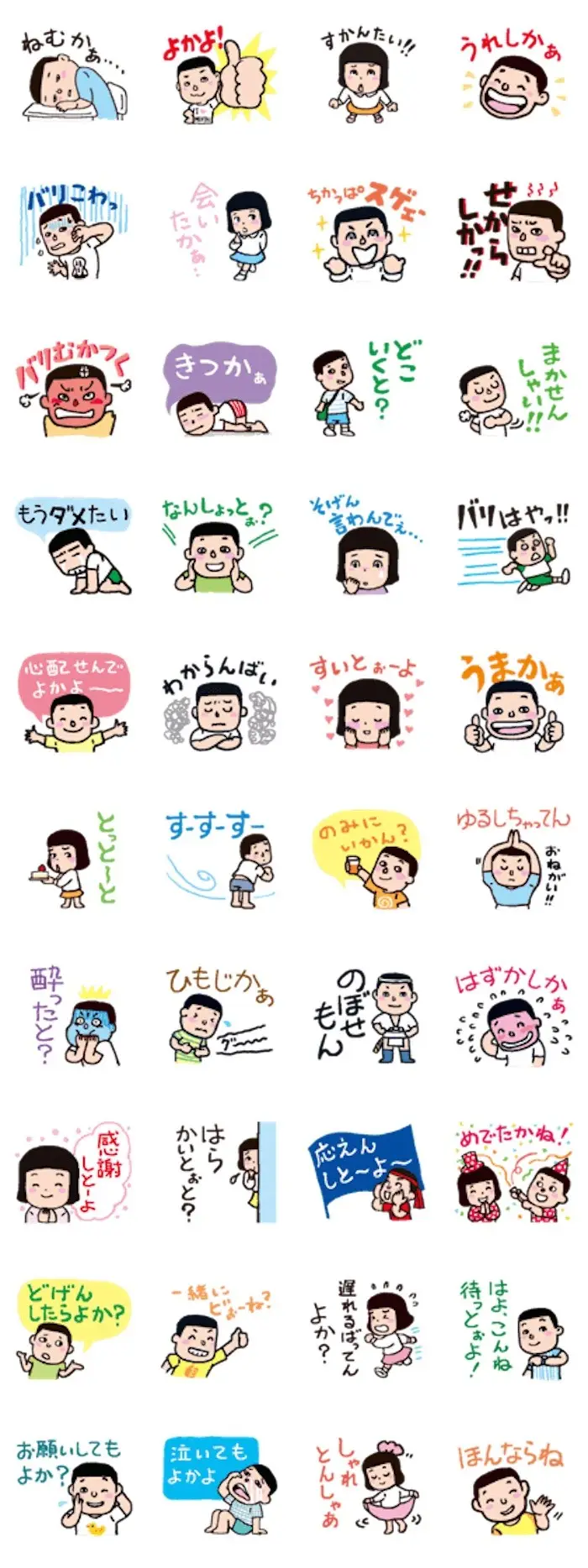
One of the best-known markers is tto in questions. A few examples:
- Standard: nani o shiteiru no?
- Hakata-ben: nan ba shiyo tto?
- Hakata-ben: nan shitō to?
The exact spelling can vary a little, but the pattern is easy to hear once you know what to listen for.
Common words
Hakata-ben also uses some words that sound very regional:
- I - uchi
- You - ātan
- Yes - yoka
- No - innya
These words make Hakata-ben instantly identifiable. They show up in conversations, local media and casual speech across Fukuoka.
Shortened negatives
Another characteristic is the shortened negative form. Standard Japanese often uses nai, while Hakata-ben frequently shortens it to n. For example: 食べない becomes 食べん.
That kind of shortening is one of the details that makes the dialect stand out so clearly to listeners from other regions.
Related dialects
Hakata-ben is closely related to other Kyushu dialects, especially those from western Kyushu. It shares a regional feel with them, but it still has a strong identity of its own.
If you spend time in Fukuoka or watch local media from the area, you will notice that the dialect is not only different in sound. It also carries a very clear sense of place and local character.
Why it matters
For learners, Hakata-ben is a good reminder that Japanese is not spoken in only one way. Regional speech carries history, humor and local identity. Understanding a few common patterns helps you follow conversations and enjoy Fukuoka culture more naturally.
If you ever visit Fukuoka, listening for Hakata-ben is one of the easiest ways to feel the city’s personality.






Community
Comments
0 comments
There are no published comments in this language yet.
Send comment