
Honesty is a quality admired in all cultures, but in Japan it reaches levels that surprise visitors and enchant those who have the opportunity to know the country. For the Japanese, being honest is not just a virtue, but a moral obligation deeply rooted in their way of life. This attitude is reflected in everyday actions, from returning lost items to government practices that prioritize transparency.
Although Japan is not free from problems such as corruption and isolated crimes, Japanese society stands out for the predominance of honest behaviors. This article explores some examples that illustrate how honesty is experienced in Japan and what we can learn from it to apply in our own lives.
Contents 8
Mujin Hanbai: Trust-Based Commerce
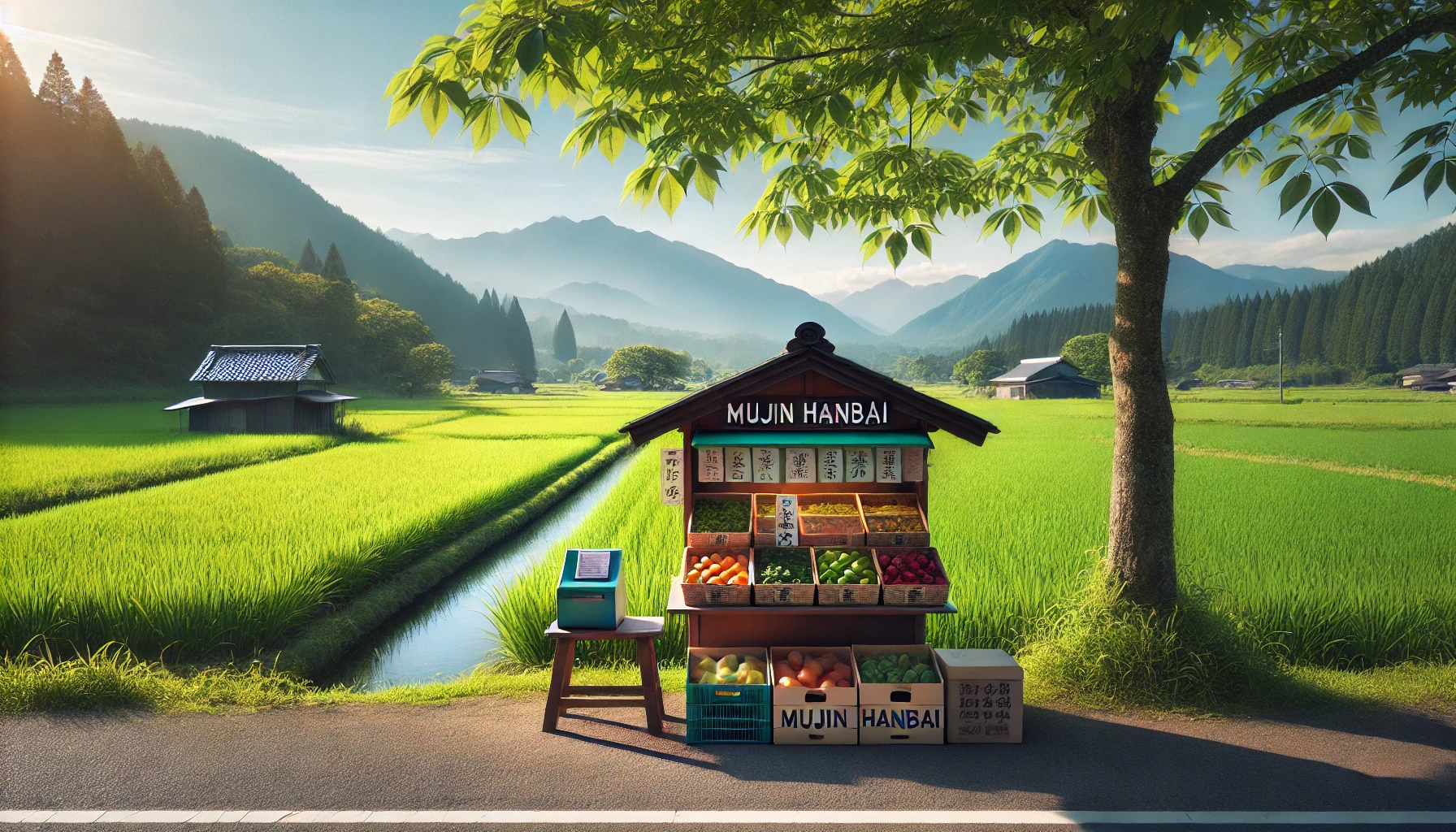
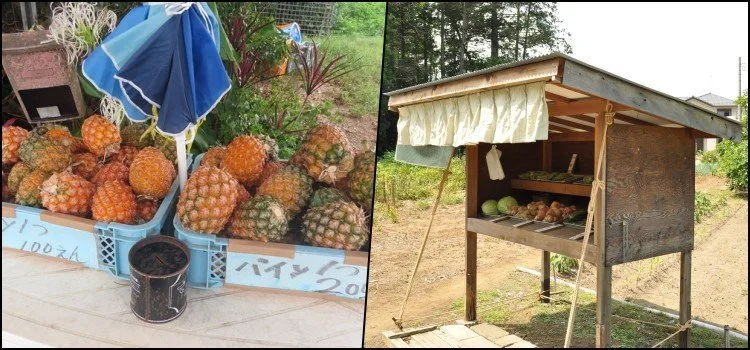
In Japan, it is common to find stalls known as Mujin Hanbai, small structures by the roadside where farmers sell fruits, vegetables, and other products. The curious detail? These stalls have no sellers. The products are made available to customers along with a box for payment. Trust is the foundation of this system, and it is rare for someone to take the products without paying.
This reflects a collective mentality that prioritizes respect for others and a sense of community. While in many countries it would be unthinkable to trust a self-service system without supervision, in Japan it thrives. This practice is a reminder that individual honesty is essential for coexistence in society.
The Role of Education in Honesty
Honesty is encouraged from an early age, with values taught in schools and reinforced at home. Children learn that lying or taking advantage is not acceptable, and that foundation shapes adult behavior. The result is a society where mutual trust feels natural and supports both personal and economic relationships.
Honesty in Daily Life: Lost and Returned Items
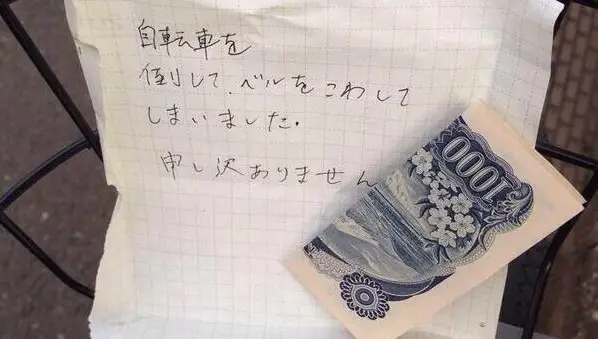
One of the most fascinating stories about honesty in Japan is related to the care for lost items. If you forget your wallet or phone in a public place, there is a good chance of recovering them intact. In Japan, the concept of "finders keepers" has no place.
After the 2011 earthquake and tsunami, reports described large amounts of cash and valuables being turned in to the police. From safes to bags filled with yen, many found items made their way back to the authorities, who worked hard to locate the owners.
A Revealing Experiment
A frequently cited experiment compared wallets left in Tokyo and New York. Far more of them came back in Tokyo than in New York. That supports the observation that honesty carries real weight in Japanese daily life.
Piracy
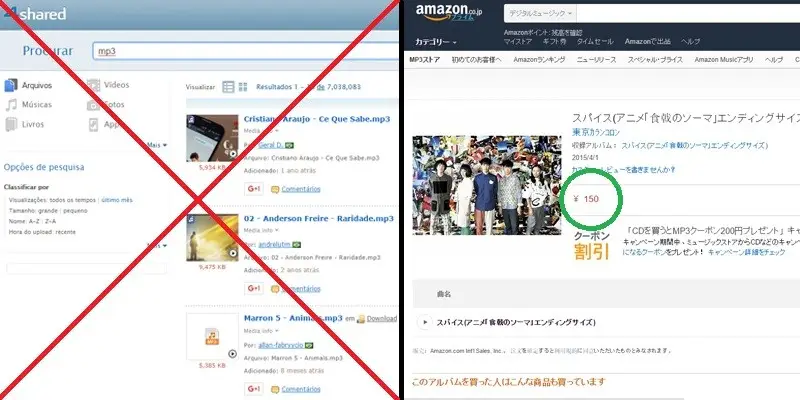
What is abundant in Brazil are stalls selling pirated DVDs and CDs. Then some people think: "I do not want to support piracy, so it is better to pay for the content." Did you know that in Japan many people prefer to pay to download a song instead of searching for free, often illegal downloads? Downloading songs, movies, and series without permission remains piracy in Japan just as it does in Brazil.
One sign of this is that if you search in Japanese for music, books, movies, or manga, you will often land on a shopping page first. You may still find a download button, but it usually leads to a paid offer. If you search in Japanese, it is much harder to find pirated media online.
Some still prefer to buy the CD, DVD, CD-ROM instead of pirating. While in Brazil everyone is using the mp3 format with thousands of songs, the classic original CD is quite marketed there.
Governance and Transparency: An Example to Follow
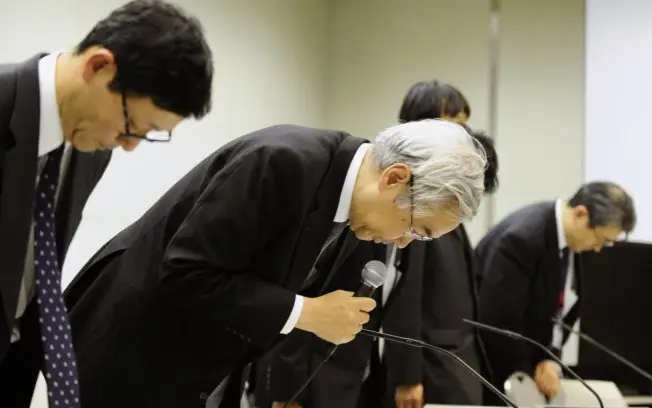
In Japan, even leaders are expected to show a level of responsibility that is rare in many countries. Although the country is not free from corruption cases, the way scandals are handled often involves quick resignations because the public pressure is intense.
After the 2011 tsunami, reports also described unspent humanitarian funds being returned or reassigned instead of simply being withheld. That kind of response helps reinforce the image of a system that takes transparency seriously.
Honesty: A Matter of Pride
Japanese law also plays an important role in supporting honest behavior. People who find money or valuable items and do not return them may face clear legal consequences. That rigor helps create an environment where honesty is not only expected but also reinforced.
Conclusion
The honesty of the Japanese goes far beyond a cultural trait; it is a daily practice that shapes society at all levels. Whether in small fruit stalls without supervision or in the actions of politicians who return public funds, Japan teaches us that honesty is the foundation for a fairer and more harmonious coexistence.
Although each culture has its own characteristics, adopting some Japanese habits could make a positive difference in everyday life. Valuing others, returning what does not belong to us, and acting with transparency are universal lessons that start with small gestures and reflect great values.
And you? Have you ever experienced or heard about a remarkable act of honesty? Share your stories and help inspire others to do the same!




Community
Comments
0 comments
There are no published comments in this language yet.
Send comment