
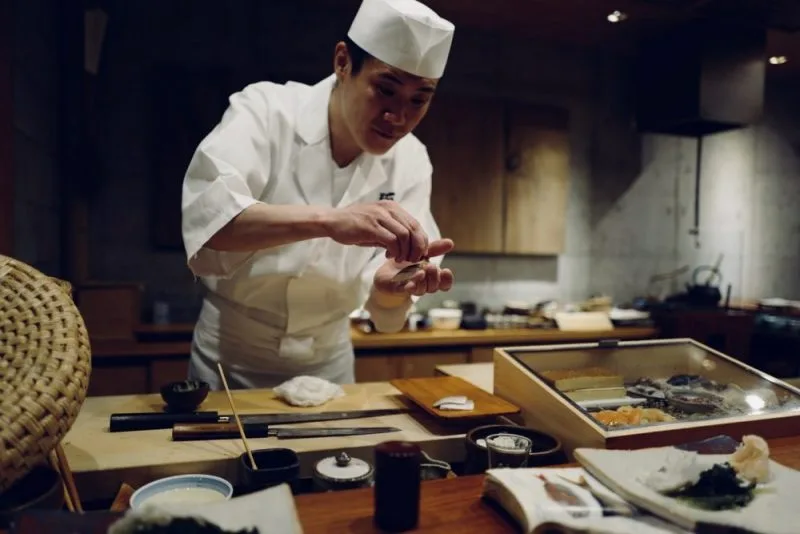
Do you know the meaning of the Japanese word Omakase spoken in sushi restaurants? In this article, we will study in depth the history of this beautiful word and its role in Japanese culture.
The word Omakase [お任せ] literally means "I'll leave it to your care" and is a vote of confidence between the customer and the chef who is responsible for choosing all the prepared dishes.
Let's say you regularly visit a local restaurant, the chef knows you and knows what you like. One day you enter the place and say: "Surprise me!", because you trust him.
Contents 4
The meaning of the word Omakase
The word Omakase comes from the verb makaseru [任せる] which means to trust. By saying this word you are entrusting your meal to the chef. The ideogram [任] conveys the idea of responsibility, burden, duty, deadline, trust, and task;
To say Omakase is like saying: Surprise me!
It is believed that Omakase has origins from Kaiseki, which consists of meals prepared in a specific order and served one at a time with high-class dishes. Simply put, it is basically a tasting menu.
A quite popular and similar word is osusume [お勧め] which literally means recommendation or house suggestion. You can ask the waiter what he recommends from the menu by saying osusume. Meanwhile, Omakase is a deeper word that places total responsibility in the hands of the restaurant chef.

Be careful not to confuse it with Omatase, which is also a word heard in restaurants, but means sorry for making you wait. Often heard as omataseshimashita [お待たせしました].
This word can be used in any restaurant, it doesn't have to be a sushi restaurant. You can also use this word to leave your meal in the care of a friend and not necessarily the chef of the place.
How to order an Omakase
Some restaurants offer the option of omakase [お任せ] on the menu with some variations in the amount of food. If you choose this option, you cannot make changes, but they will ask what you can or cannot eat.
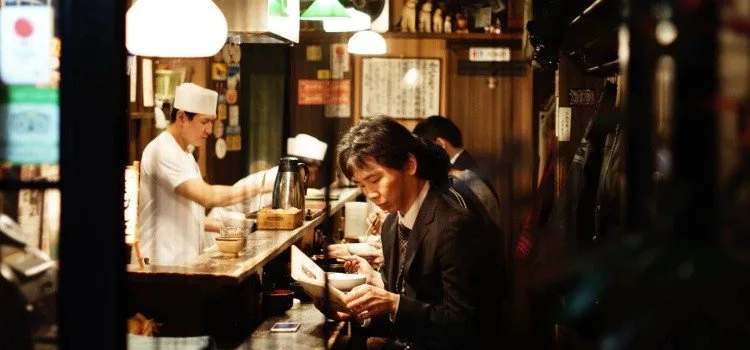
This does not work in fast-food restaurants or famous franchise places. It is more common to order an omakase in traditional restaurants, where you know the chef or cook. You can say: Omakase shimasu [お任せします].
Generally, the cook will choose seasonal ingredients and prepare the dishes he thinks are the best. It may not be to your taste if the chef is not aware of your personal preferences.
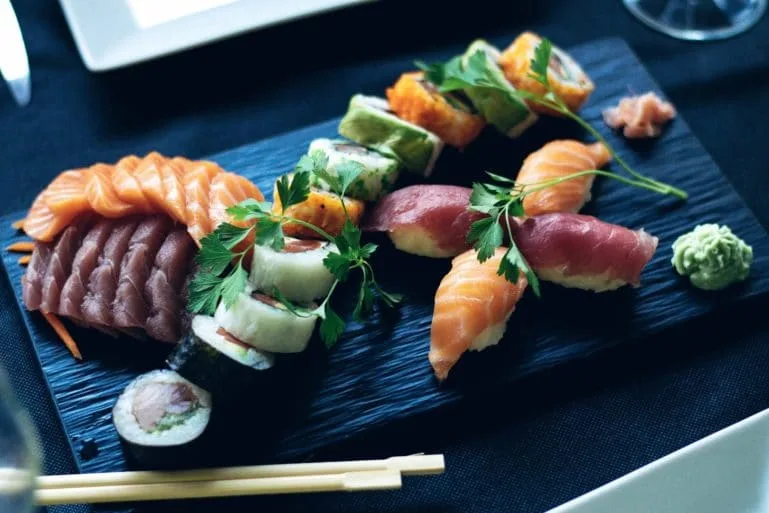
Sometimes Omakase involves an extensive conversation with the chef, in these cases you can expect a meal completely tailored to your palate. It may take a few hours, and sometimes it can be cheaper than the menu price.
To have a better experience at the restaurant, opt to choose a place at the counter near the chef to see the preparation of your meal. Be prepared to eat things you are not used to, just in case natto shows up in your meal.
You may need to make a reservation at the restaurant. We recommend not wearing perfumes to appreciate the aroma and flavor of the fish, and do not ask too many questions or disturb the chef. You can request a miso soup after the meal.
We recommend reading: Misoshiro - The Delicious Japanese Soy Soup
Where to find restaurants with Omakase
In Japan, you can find restaurants that offer Omakase for prices ranging from $50 to $150. In Brazil, there are also several places and sushi restaurants that offer this tasting option.
If you search for Omakase on Google, you will come across thousands of articles written by sushi restaurants. Most of the large sushi restaurants, especially in São Paulo, offer [お任せ] plans.
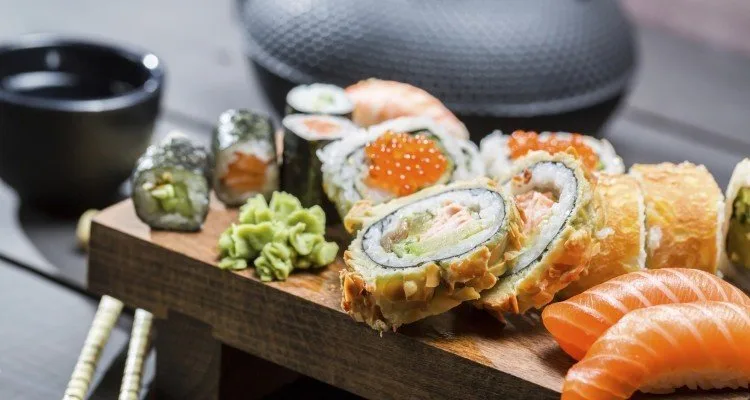
Some popular places are Pub Kei, Kan Suke, By Koji, Jun Sakamoto, Hamatyo, Shin-zushi, Aizome, Aya Japanese Cuisine, Jiro, and Kinoshita.
If you are looking for a good Omakase, do not go to cheap restaurants or those with conveyor belts. The art of Japan's tasting menu needs to be appreciated at a counter with a view of the chef cutting the fish or grilling your food.
Differences between Omakase and Kaiseki
The "Kaiseki" has meticulous preparation and beautiful presentation, it is considered one of the most expensive meals in Japan. In the past, "Kaiseki" was a simple banquet served to monks at the tea ceremony, but it eventually became a sophisticated banquet.
Although we mentioned that Omakase originated from kaiseki, both are totally different things. While with a tasting menu, you entrust your meal to the chef, in kaiseki you have a super traditional formal dinner.
Also read: Kaiseki: The Japanese Art of Food
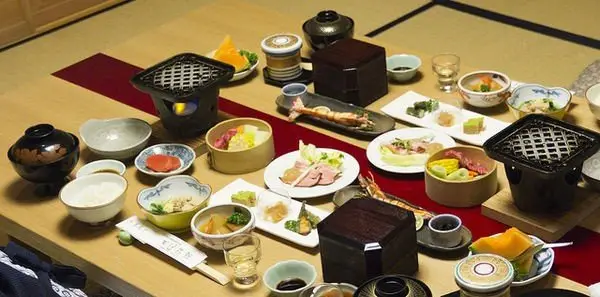
Omakase is a universal verb and not exclusive to meals, while kaiseki is a type of meal focused on local and seasonal foods with a unique way of preparing and serving customers.
[お任せ] allows you to taste almost everything the Chef desires, without worrying about ordering full portions of certain dishes or menu items.
Did you know about Omakase? Have you had the opportunity to taste a meal specially made for you by the chef? What is your experience? If you liked the article, share it and leave your comments!



Community
Comments
0 comments
There are no published comments in this language yet.
Send comment