
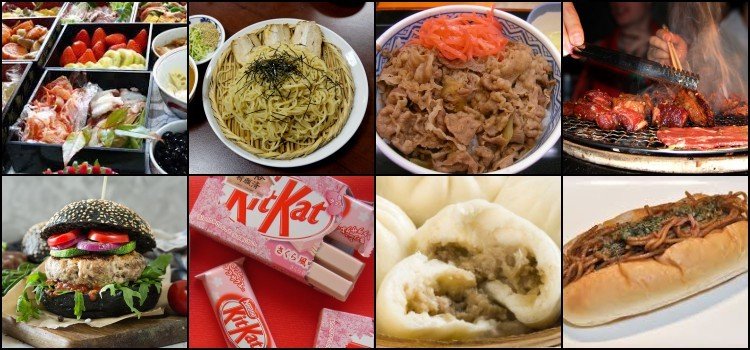
Ask someone outside Japan to name Japanese food and sushi usually comes first. Fair as a postcard, but a weekday here is more likely a beef bowl at lunch, ramen after work, or a couple of yakitori skewers at the counter while the train still has time to wait.
Japanese cuisine has thousands of dishes that never travel well on a Western menu: cheap noodles, steamed buns from the convenience store, winter pots, festival balls, and sweets that have nothing to do with a California roll. The walk starts with yakitori, because that is where a lot of evenings in Japan actually begin.
Contents 18
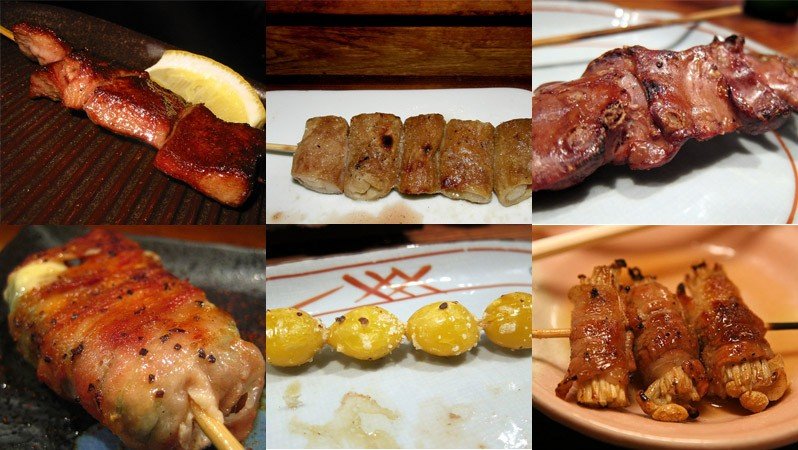
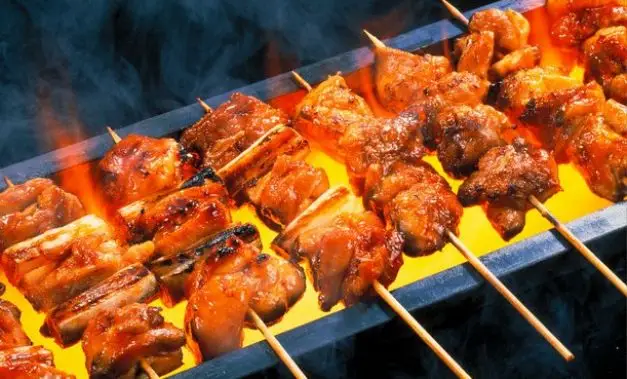
1 - Yakitori - Japanese chicken skewers
Yakitori [焼き鳥] is the grilled chicken skewer you meet in izakaya, festivals, and street stalls. It is one of the most popular foods in Japan and it is not only chicken: beef, pork, and vegetables share the same charcoal.
The wider family is often called kushiyaki [串焼き], grilled food on a skewer. Bell peppers, cheese, mushrooms, tofu, and other bits become skewers too, usually with a tare sauce or just salt.
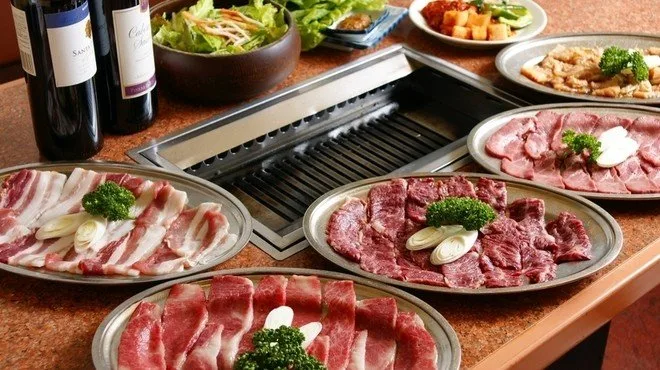
2 - Yakiniku - Japanese barbecue
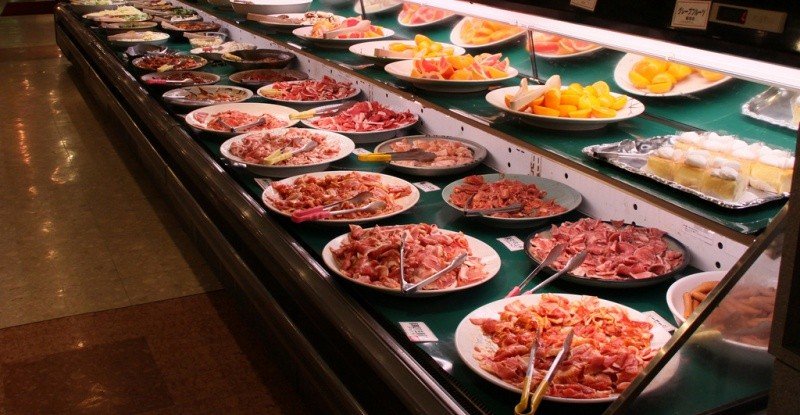
Unlike a thick Western steak on a grill, the meat in Japan is cut very thin and cooked in a few minutes, often still pink, then dipped in sauce. You sit at the table and grill it yourself.
The cuts are different too, and some are very juicy. Yakiniku restaurants are a kind of all-you-can-eat that can be easier on the wallet than a sit-down steakhouse, which is why groups go so often.
3 - Ramen - The noodle soup Japan made its own
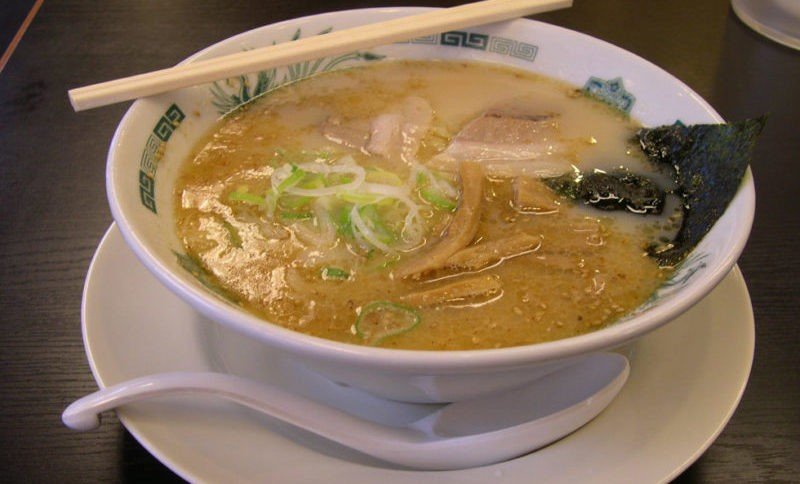
Ramen started in China, but it is one of the most popular Japanese foods in the country now. There are thousands of bowls, each with its own broth, noodles, and toppings. Some shops sell only one regional style and do that one thing all day.
A bowl is wheat noodles in a broth — shoyu, miso, shio, or tonkotsu — usually with pork and a few vegetables. It has almost nothing to do with the instant cup noodles from the supermarket shelf.
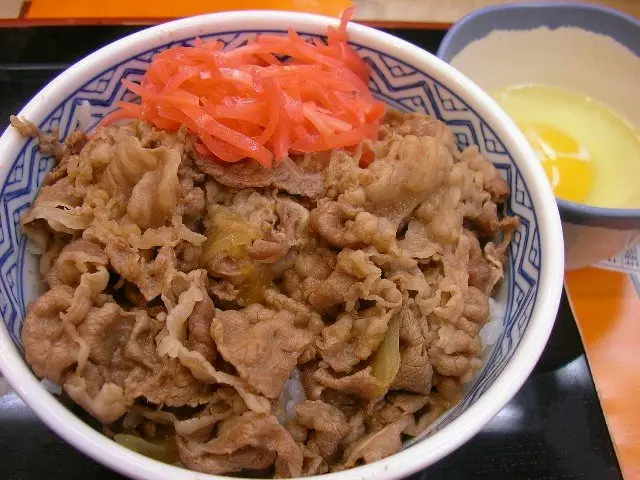
4 - Gyudon - Beef and onion over rice
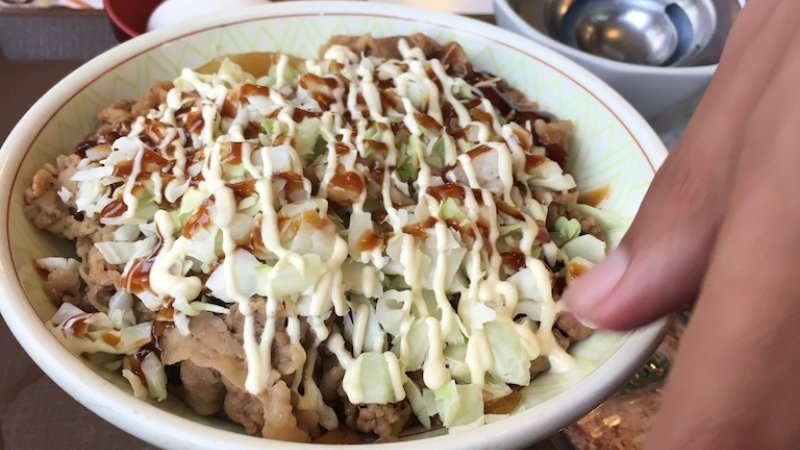
Gyudon is one of the cheapest and most popular dishes in Japan: rice topped with simmered beef and onion. It looks simple, and that is the point — the Japanese version of a fast lunch that still tastes like someone cared about the sauce.
A bowl can cost around 500 yen at chains such as Yoshinoya and Sukiya. If you want the everyday version, that is the one salarymen eat between trains.
5 - Soba - Buckwheat noodles
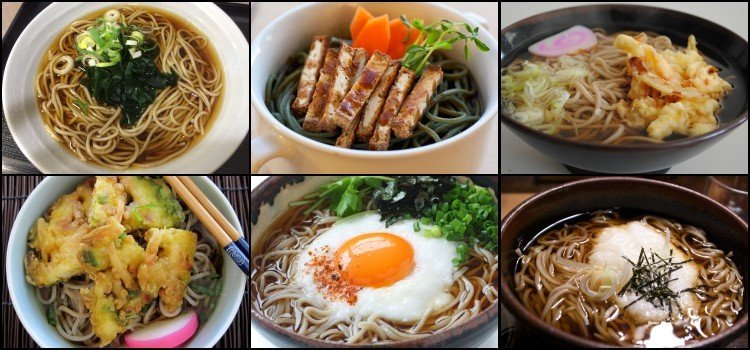
One of my favorite cheap, simple dishes. The noodles are made from buckwheat and come hot or cold, most often with chopped green onions, tofu, bits of tempura batter, egg, and whatever the shop puts on that bowl.
You can find soba restaurants everywhere. A standing-shop bowl can cost around 200 yen, and sit-down bowls with extra toppings climb toward 1,000 yen without anyone making a fuss about it.
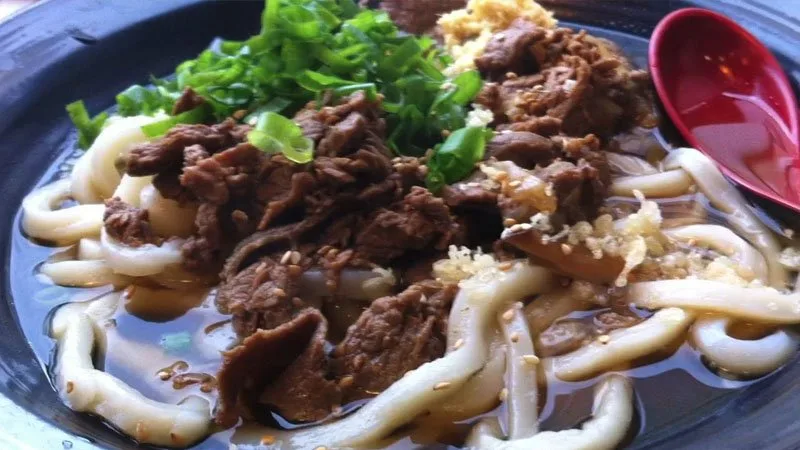
6 - Udon - Thick wheat noodles
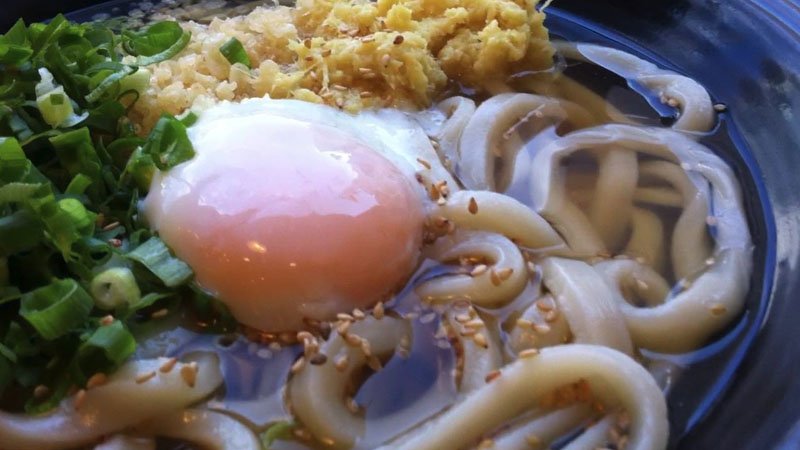
Udon is the thick white cousin of soba, sold in thousands of restaurants across Japan at a low price. The difference is the noodle: wheat flour instead of buckwheat, so it is chewier and paler.
The toppings often match soba. If you find a tanukisoba, you can usually find a tanukiudon too — same idea, different noodle.
7 - Nikuman - Steamed bun filled with meat
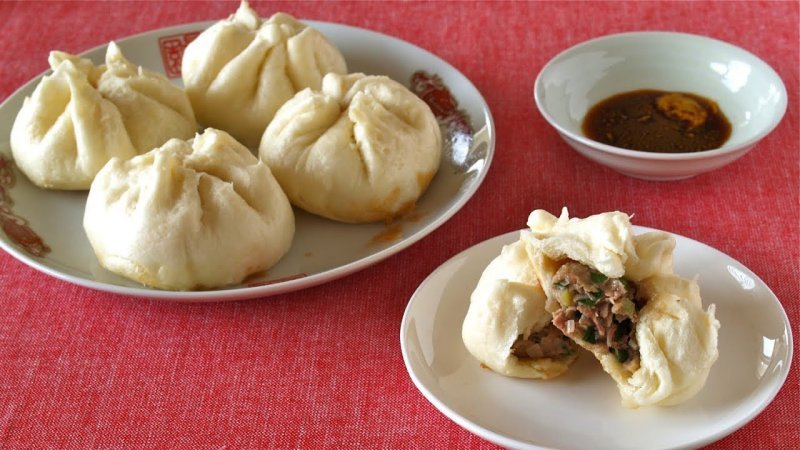
Nikuman is the bun you grab at a convenience store counter when you do not want a full meal. It is steamed dough filled with meat, pizza-style toppings, sweet azuki beans, and plenty of other flavors depending on the season.
If you have watched Kung Fu Panda, you have seen the Chinese ancestor of these buns. In Japan they belong to everyday eating. The name nikuman [肉まん] is Japanese and means meat bun.
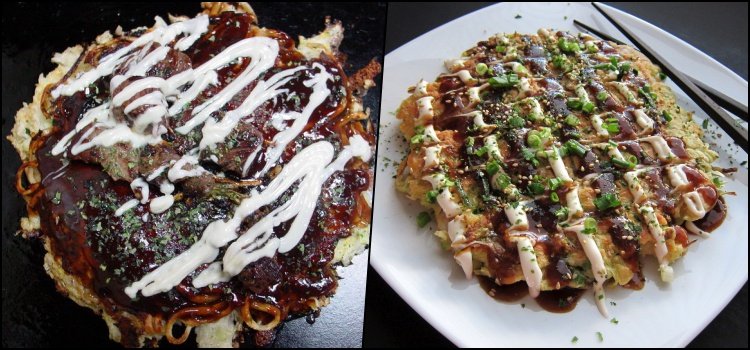
8 - Okonomiyaki - The Japanese savory pancake
Okonomiyaki is a savory pancake packed with cabbage, egg, and then whatever you asked for: pork, cheese, onion, octopus, shrimp, mayonnaise, even noodles. Osaka and Hiroshima do not make it the same way, so the name on the menu is only the start.
The word okonomiyaki literally means “grilled as you like.” Yaki [焼き] is grilled or fried, and okonomi [お好み] is what you want. You can put a lot into this dish, and people do.
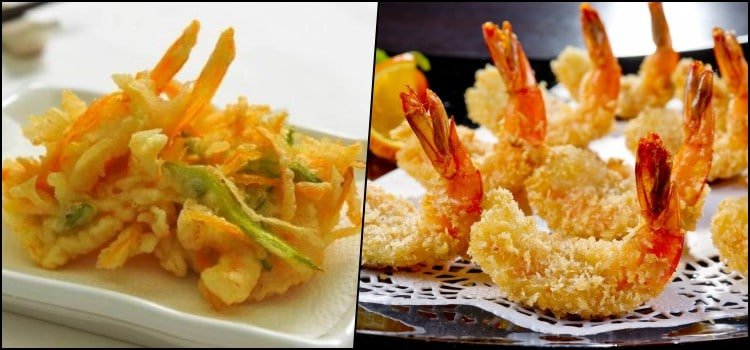
9 - Tempura - Fried shrimp and vegetables
Seafood and vegetables are dipped one by one in a thin batter and fried in very hot oil for only two or three minutes. The coating should stay light. You usually eat it with rice, noodles, or as a side.
The secret is the batter, which is mixed just enough and fried fast so it does not turn heavy. Tempura shows up in soba and udon shops, street stalls, and as an appetizer. The dipping sauce, tentsuyu, is where the soy-and-dashi note comes from — not from the batter itself.
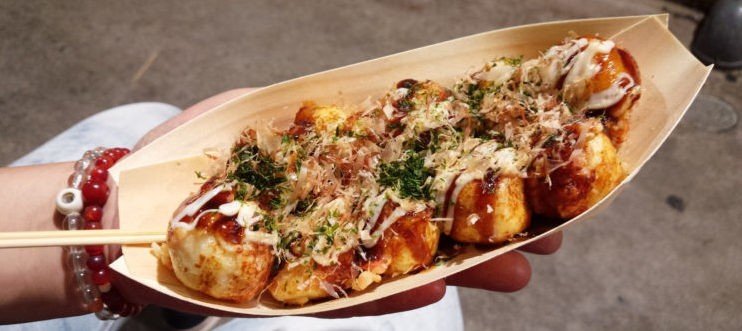
10 - Takoyaki - Octopus balls
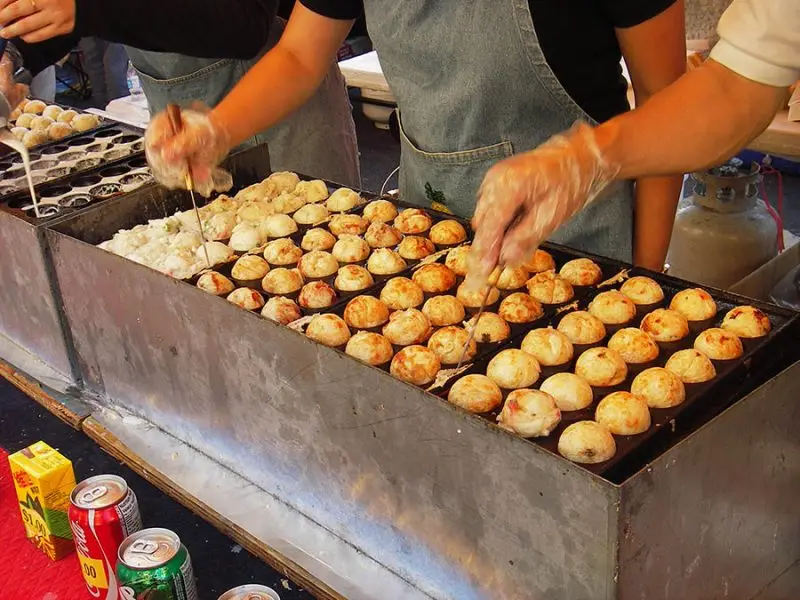
Takoyaki is a Kansai favorite: a wheat batter close to okonomiyaki, cooked in a molded iron pan, with chopped octopus in the middle. The balls are turned until they are round, not dropped into a deep fryer.
They come with tenkasu (tempura scraps), pickled ginger, green onions, aonori, and katsuobushi (bonito flakes), plus a sweet-savory sauce. One of the best Japanese street foods, especially if you eat it standing up while it is still too hot.
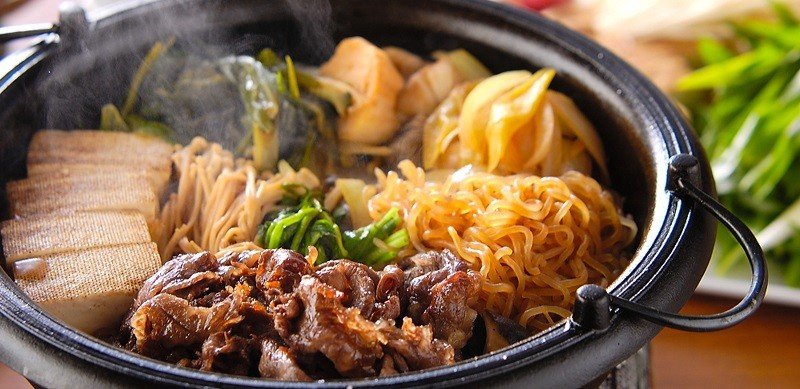
11 - Sukiyaki - Japanese hot pot
Sukiyaki is a Japanese stew of thinly sliced beef, vegetables, mushrooms, udon or shirataki, negi, and tofu, cooked in a shallow iron pot with a sweet soy broth.
It is served as nabemono: the pot stays on the table and people take what they want while they talk. Before eating, many dip the hot pieces in a beaten raw egg. This is the kind of meal you book when the group actually wants to sit down.
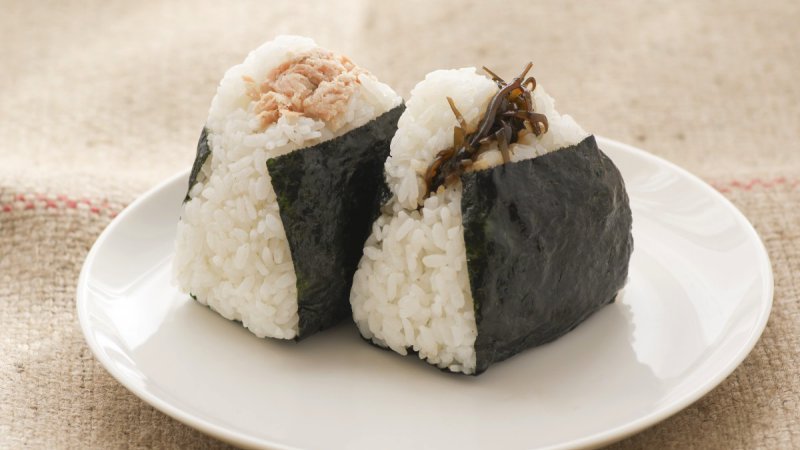
12 - Onigiri - Rice balls
Onigiri are rice balls, often wrapped in nori, filled with tuna, salmon, umeboshi, chicken, or mixed with furikake instead of a hidden filling. The usual shape is a triangle you can eat with one hand.
They have been a portable meal for a long time — rice pressed so it travels. Today they are the cheap thing you buy before a train, not a restaurant dish you dress up for.
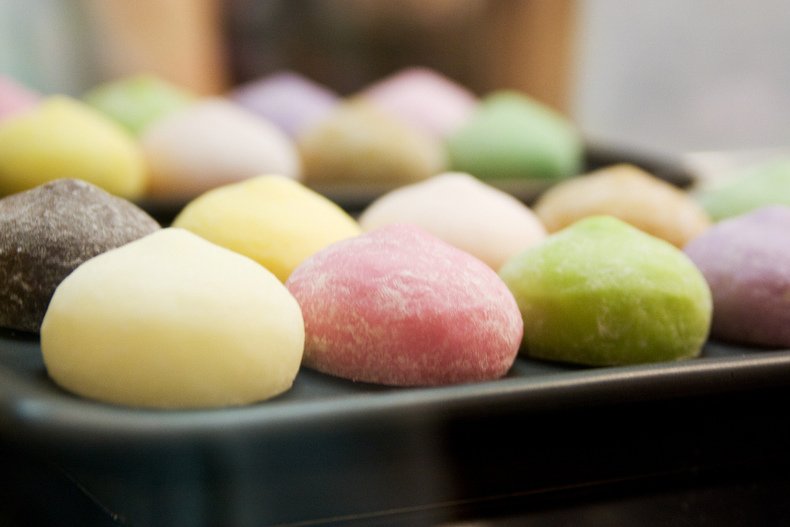
13 - Mochi - Sweet sticky rice cake
Mochi is made by pounding sticky rice called mochigome until it becomes a dough. That dough turns up in sweets, New Year soup, and snacks that look nothing like each other until you bite them.
The same paste can be colored, shaped, or filled. Many are stuffed with sweet azuki beans. If you only know ice-cream mochi from overseas, the Japanese versions are chewier and less about the freezer.
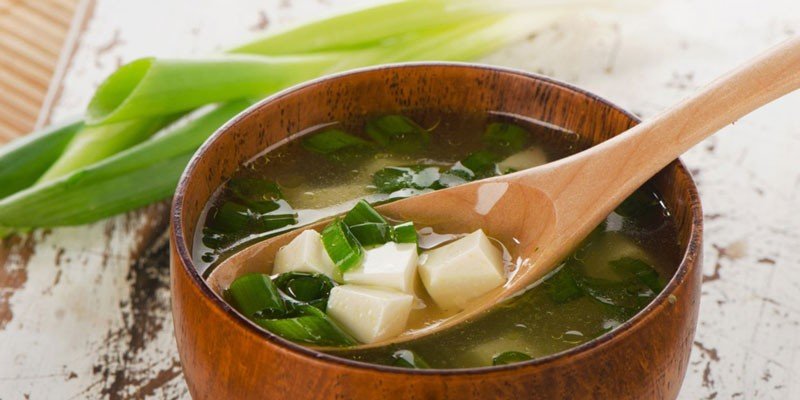
14 - Miso soup - Everyday soup with miso and dashi
Miso soup, or misoshiru, is the bowl that follows rice through breakfast, lunch, and dinner. It is not a heavy “soy soup.” It is fermented soybean paste dissolved in dashi, usually with tofu, wakame, and green onions.
A traditional Japanese meal often lands with rice, pickles, a main, and this soup. That is why it feels so common: it is the background of eating at home, not a restaurant specialty.
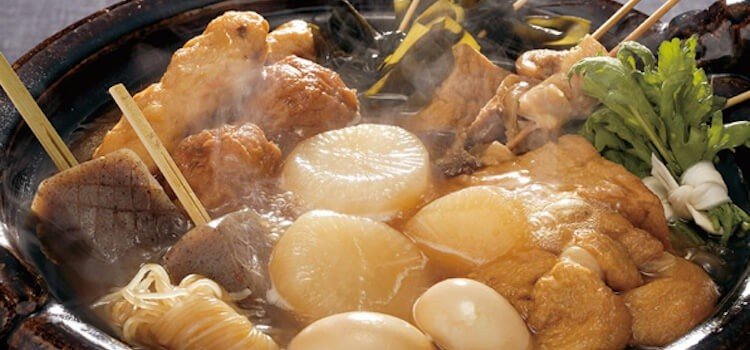
15 - Oden - Simmered foods in dashi
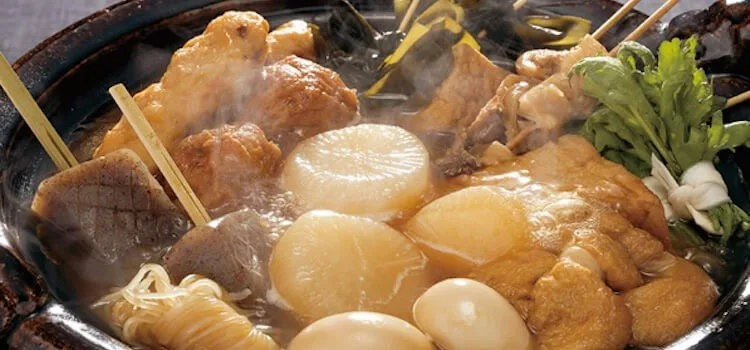
Oden is a winter favorite you can still find year-round in convenience stores, restaurants, markets, and street stalls. This is the type of Japanese food that older guys like, sitting with a can of beer and fishing daikon out of the pot.
Vegetables, tofu, eggs, and fish cakes simmer in soy and dashi until they are very tender. Some pieces stay in the broth all day. It is not fish sauce. It is a light stock that tastes stronger the longer the pot has been working.
16 - Karaage - Japanese fried chicken
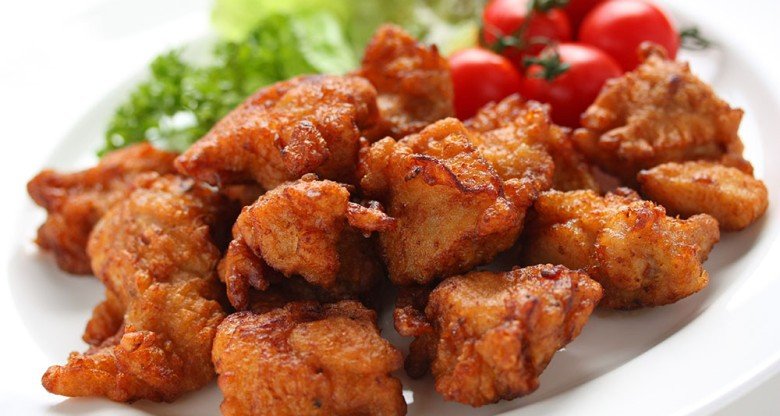
Karaage is food fried so the crust is crisp and the inside stays juicy. Chicken is the usual order, but the same method is used for other meats and fish. The coating is often potato starch and flour after a soy, ginger, and garlic marinade.
Convenience stores sell karaage that looks a bit like nuggets, except you can still tell it was a real piece of chicken. It was one of my favorite snacks from those stores — hot, salty, and gone before the next station.
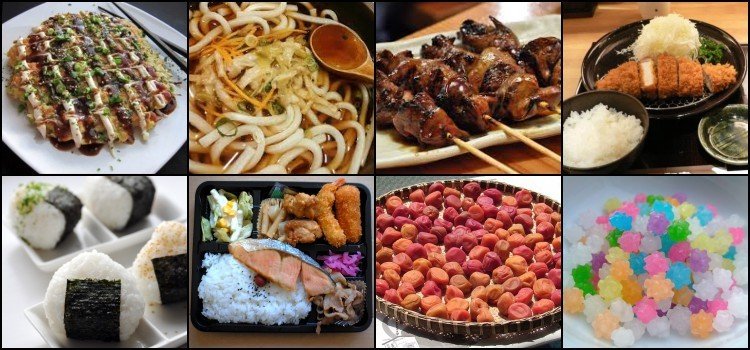
Popular Japanese foods — savory
The sixteen dishes above are the ones that get a proper stop. The list below is a catalog of other popular savory foods in Japan, with a short note each — not a ranking and not a claim that every kitchen agrees on the order.
- Hiyashi chuka — Cold ramen-style noodles with a tangy topping
- Karee — Japanese curry rice
- Yaki-imo — Roasted sweet potato
- Sushi — Vinegared rice with fish or other toppings
- Senbei — Japanese rice cracker
- Natto — Fermented soybeans
- Kushiage — Deep-fried skewers
- Korokke — Breaded mashed-potato croquette
- Tonkatsu — Breaded fried pork cutlet
- Donburi — Rice bowl with a topping
- Oyakodon — Chicken and egg over rice
- Gyoza — Pan-fried dumplings
- Omuraisu — Fried rice wrapped in omelet
- Omusoba — Omelet filled with yakisoba
- Teriyaki — Meat or fish glazed with sweet soy sauce
- Unagi — Freshwater eel
- Shabu-shabu — Thin meat swished in hot broth
- Fugu — Pufferfish, served only by licensed chefs
- Ikizukuri — Sashimi prepared immediately from live seafood
- Tataki — Briefly seared, then sliced (often bonito or tuna)
- Basashi — Horse sashimi
- Rebasashi — Raw liver sashimi
- Edamame — Boiled young soybeans
- Kaiseki — Seasonal multi-course Japanese cuisine
- Yuba — Tofu skin
- Himono — Dried and grilled fish
- Chankonabe — Hearty stew associated with sumo stables
- Nikujaga — Meat and potatoes simmered in soy
- Nigiri — Hand-pressed sushi with fish on rice
- Sekihan — Sticky rice with azuki beans
- Wakame — Seaweed, often in soup or salads
- Shiokara — Salted fermented seafood
- Goya chanpuru — Okinawan stir-fry with bitter melon
- Zoni (ozoni) — New Year soup with mochi
- Somen — Thin wheat noodles, often served cold
- Kinpira — Stir-fried burdock, carrot, and similar roots
- Temaki — Hand-rolled nori cone with rice and fillings
- Tsukemono — Japanese pickles
- Tonjiru — Pork and vegetable miso soup
- Ebi furai — Breaded fried shrimp
- Yaki onigiri — Grilled rice ball
- Shogayaki — Sliced pork fried with ginger
- Umeboshi — Salt-pickled Japanese plums
- Tamago kake gohan — Hot rice with raw egg
- Chikuwa — Tubular fish cake
- Yakisoba — Stir-fried wheat noodles with vegetables and meat
- Kiritanpo — Pounded rice on a skewer
- Shioyaki — Salt-grilled fish
- Tazukuri — Dried sardines cooked with sugar and soy
- Sunomono — Vinegared salad
- Kamaboko — Steamed fish cake
- Motsunabe — Offal hot pot
- Tofu — Soybean curd
- Harumaki — Spring roll
- Wagyu — Japanese beef
- Shoga — Ginger, often pickled
- Mentaiko — Spicy pollock roe
- Kayu — Rice porridge
- Teppanyaki — Meat, seafood, and vegetables on an iron griddle
- Hayashi raisu — Hashed beef over rice
- Monjayaki — Runnier savory pancake from the Kanto region
- Chawanmushi — Savory steamed egg custard
Popular Japanese foods — sweet
Sweets sit in a different corner of the same kitchen: tea-house wagashi, festival cakes, and the convenience-store desserts you eat on the way home. Did you already know all of these?
- Dango — Mochi dumplings on a skewer
- Manju — Steamed bun with sweet bean paste
- Melonpan — Cookie-crusted sweet bun
- Anpan — Bread filled with anko
- Kakigori — Japanese shaved ice
- Kenpi — Crunchy sweet-potato sticks
- Daifuku — Soft mochi with a sweet filling
- Dorayaki — Pancake sandwich with anko
- Crepes — Street crepes, especially in Harajuku-style shops
- Higashi — Dry, molded tea sweets
- Shiruko — Sweet azuki soup
- Yokan — Firm agar jelly with bean paste
- Amanatto — Sugar-coated beans
- Kasutera — Castella sponge cake
- Kohi zeri — Coffee jelly
- Anmitsu — Agar cubes with fruit, anko, and syrup
- Monburan — Mont Blanc chestnut cream dessert
- Omogashi — Moist sweets served with tea
- Pocky — Chocolate-coated biscuit sticks
- Purin — Japanese custard pudding
- Kompeito — Star-shaped sugar candy
- Taiyaki — Fish-shaped cake, usually filled with anko
That is a long menu, and it still is not the whole kitchen. If one of these is already your favorite, the next bowl in Japan is rarely the same as the last.

Community
Comments
0 comments
There are no published comments in this language yet.
Send comment