
A purikura booth turns a quick photograph into a tiny shared project. Friends pose, choose a look, race through a decorating screen and leave with a sheet of stickers that can be divided, saved or sent on digitally.
The word purikura (プリクラ) comes from purinto kurabu (プリント倶楽部, Print Club). What began as a photo-sticker machine became part of the visual language of kawaii culture, with its own poses, filters and keepsakes.
Contents 5
What is purikura?
Purikura are automatic photo machines found throughout Japan, especially in arcades and entertainment venues. Instead of producing a plain passport-style picture, they create small photo stickers that can be shared with friends.
In addition to the photographs, users can add frames, phrases, stamps and effects before the images are printed. Different machines have different visual styles: some lean toward a soft, natural finish, while others deliberately exaggerate eyes, makeup or skin effects.
How did purikura begin?
The first Print Club machines were released by Atlus in 1995. Early versions were much simpler than the booths found today: they took a photograph, placed it in a decorative frame and printed a small sticker sheet.
The name purikura is a shortened form of purinto kurabu (プリント倶楽部). As the machines spread beyond arcades, the nickname became the familiar name for the whole category, even when the booth was made by another company.
Arcades were the first natural home for the machines, but purikura later appeared in shopping and amusement spaces as well. Their appeal was never only the printout: choosing a booth, posing together and comparing the finished sheet are part of the ritual.
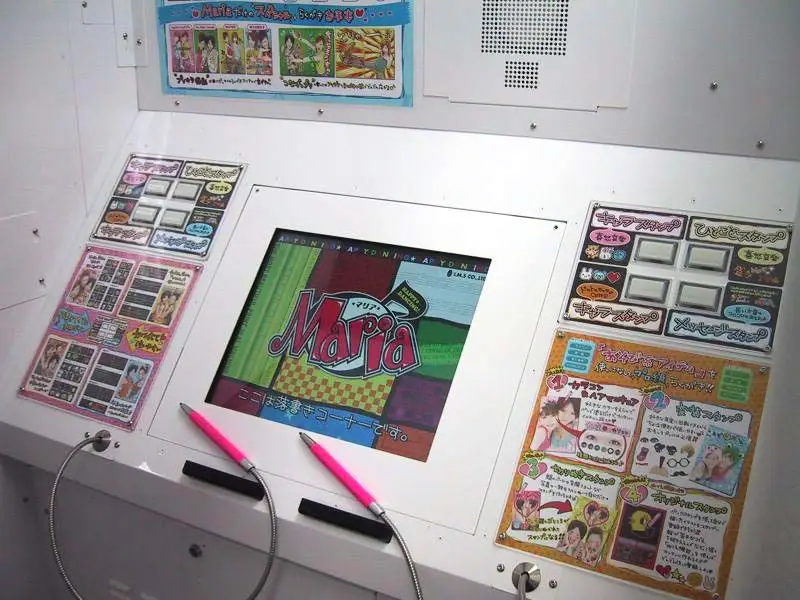
How does a purikura machine work?
Most booths guide you through a short sequence: choose a layout or background, pose for several shots, then move to a separate editing area. The pace is part of the experience; prompts and timers can move quickly, and many machines use Japanese on-screen instructions.
The booth is commonly divided into a photo area and a rakugaki (落書き) corner. Rakugaki means doodling. There, users select pens, stamps and decorations such as hearts, stars, animals, wigs or handwritten notes.
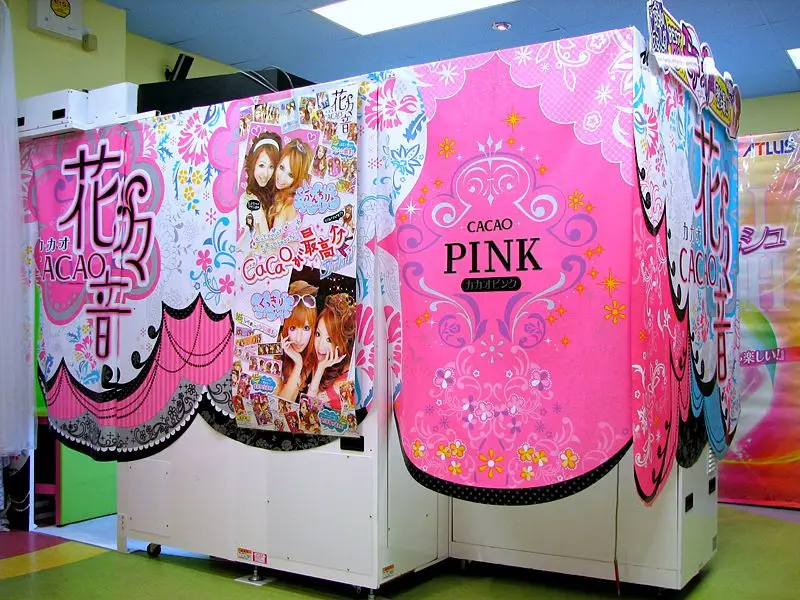
Modern machines can smooth skin, alter color, enlarge eyes or add makeup-like effects automatically. The exact options depend on the machine, so the result can range from lightly polished to intentionally stylized. Some booths also offer a digital copy in addition to the printed stickers.
What should visitors expect?
Purikura is easiest to enjoy with a little preparation. Decide on poses before the timer begins, keep an eye on the screen, and move promptly when the machine directs you to the editing station. The best part is often the shared editing time rather than the photograph alone.
Venue rules vary. In some purikura areas, men arriving alone may not be admitted, so check the signs or ask staff rather than assuming every arcade follows the same policy. Machines are usually found in game centers, with some dedicated photo-booth spaces in busy shopping districts.
Purikura as a keepsake
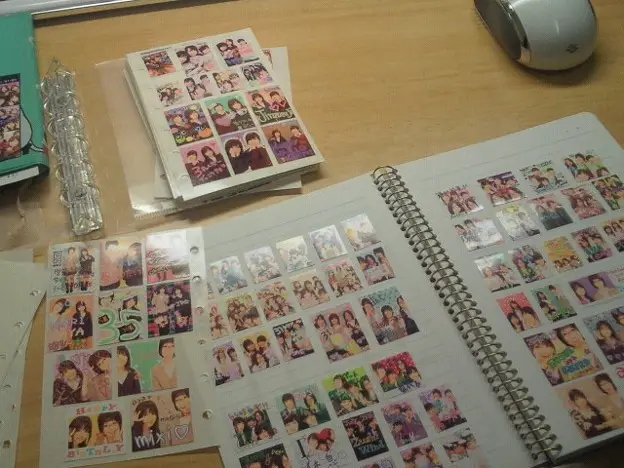
Some fans collect their finished stickers in a purichou (プリ帳), a small album made for purikura. The habit explains why the printed sheet still matters even when a digital copy is available: it is a memento of a particular outing and the people who shared it.
That mix of technology, playful self-presentation and friendship is why purikura remains more than an ordinary photo booth. For a wider look at the ideas that shaped this aesthetic, explore Japanese culture and everyday life.


Community
Comments
0 comments
There are no published comments in this language yet.
Send comment