
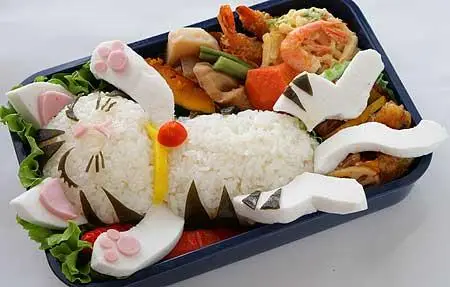
Bento is more than a lunch box in Japan. It is a compact meal designed to be easy to carry, satisfying to eat, and pleasant to look at. A homemade bento can be very simple, while a store-bought ekiben may highlight local specialties and a kyaraben can turn everyday food into something playful.
That blend of practicality and care is what keeps bento relevant. In this guide, we look at how bento developed, what usually goes inside the box, why people say obento, and which styles are most common today.
Contents 7
How did bento become an art form?
The idea behind bento is simple: pack one complete meal in a form that travels well. What makes the Japanese version stand out is the attention paid to balance, color, spacing, and seasonality. A good bento is practical, but it also feels inviting the moment you open the lid.
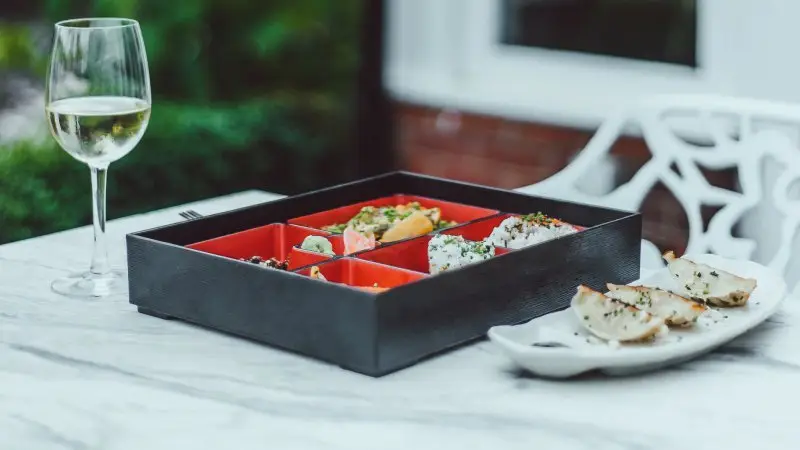
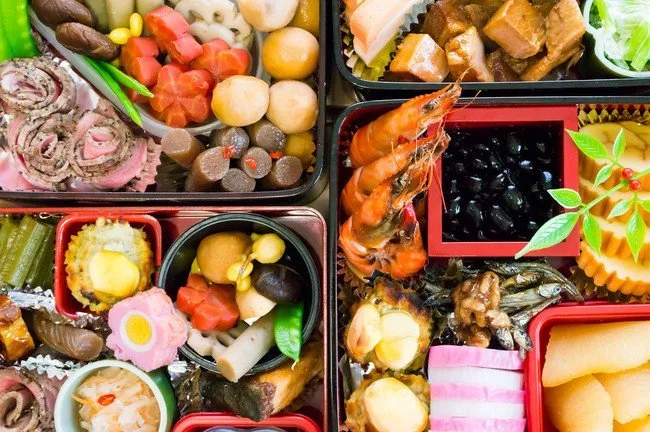
That is why so many bento meals are arranged with clear compartments and contrasting colors. Rice, protein, vegetables, and small side dishes are separated so flavors stay distinct and the meal remains easy to eat. This visual order is part of the pleasure, not just decoration.
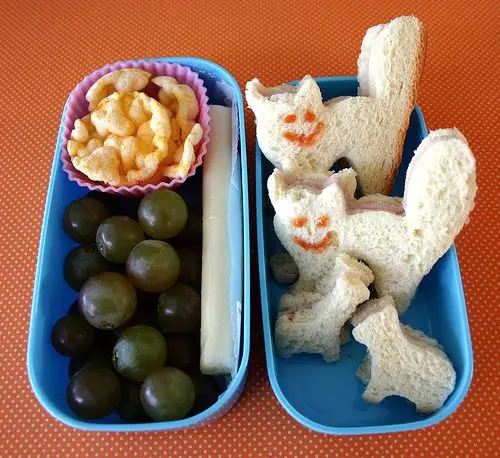
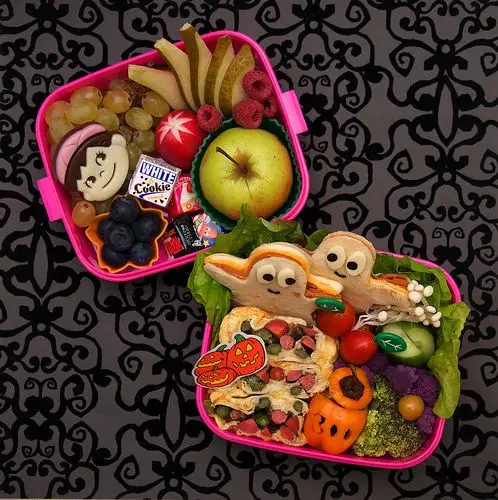
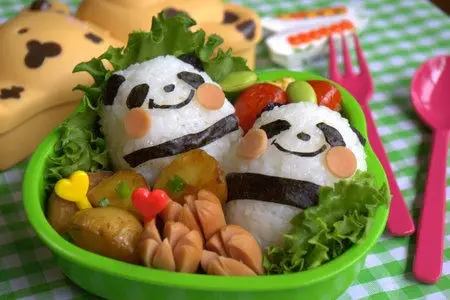
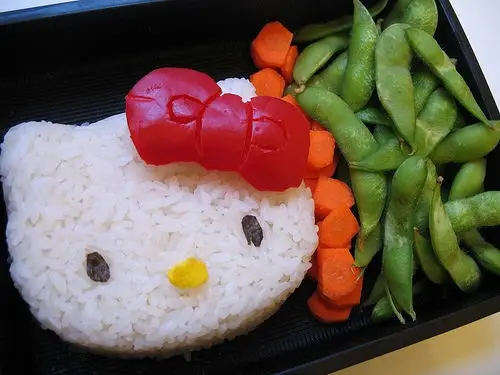
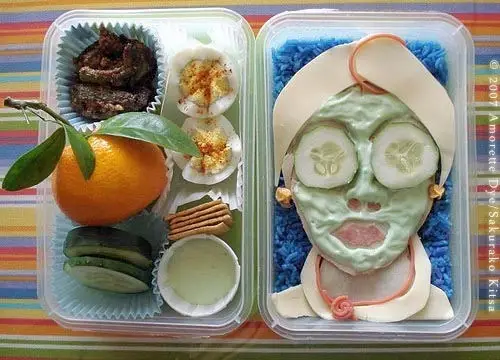
Some lunches take that care even further. Character bentos, known as kyaraben, use rice, nori, vegetables, and small cutters to turn the food into animals, faces, or famous characters. They connect naturally with Japan's broader kawaii culture, but they also show how everyday cooking can become expressive without losing its practical purpose.
The history of bento in Japan
The roots of bento go back centuries. During the Kamakura period, travelers and workers carried hoshii, cooked rice that had been dried so it could be rehydrated or eaten later. That made it practical as portable food long before the modern lunch box existed.
By the Azuchi-Momoyama and Edo periods, meals packed for outings had become more refined. Bento appeared in settings such as travel, theater trips, tea gatherings, and flower viewing. Containers evolved from leaves and simple wraps to lacquered or wooden boxes that looked more deliberate and elegant.
The modern image of bento expanded again in the Meiji era, when railway travel spread across Japan. Station bentos, or ekiben, became a memorable part of long trips because they combined convenience with local specialties. Utsunomiya is often cited in connection with one of the earliest ekiben examples, and the format soon spread widely.
During the Taisho period, aluminum lunch boxes became common, especially for students and workers. Later, wartime shortages and postwar changes in school meals altered how often children brought homemade lunches. In the late twentieth century, department stores, supermarkets, and convenience stores gave bento a new daily role. Microwave reheating and mass production made it easier to buy a quick lunch, but homemade bento never disappeared.
What usually goes into a bento?
A classic Japanese bento is built around one staple, a main dish, and several small sides. Rice is the most common base, but noodles can also appear. Around that, you often find grilled fish, karaage, tamagoyaki, pickles, simmered vegetables, or quick cold sides that hold up well until mealtime.
One reason bento feels satisfying is that it is compact without being monotonous. Many home cooks aim for a balanced mix of carbohydrates, protein, vegetables, and a little contrast in texture and color. This is why a small bento can still feel complete even when the portions are modest.
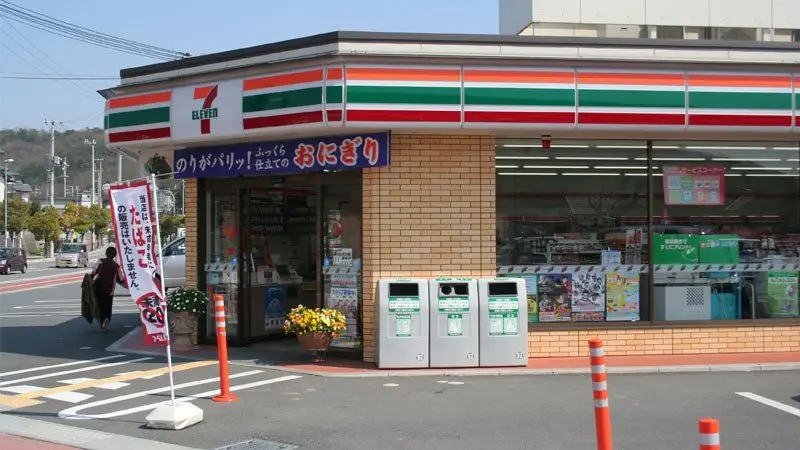
Store-bought bento follows the same basic logic. Convenience stores and specialty shops sell everything from simple rice-and-fish sets to larger boxes with several dishes. The best versions are easy to eat, travel well, and avoid excess liquid, which is why many bento sides are grilled, fried, pickled, or lightly seasoned rather than saucy.
What does the word bento mean?
In modern Japanese, 弁当 simply means a boxed meal or packed lunch. The term is often linked to an older Chinese expression associated with convenience, which matches the way the word is used today: a meal prepared to be carried and eaten away from home.
Because of that, the meaning is broader than a decorative lunch for children. A supermarket lunch set, a station meal, a picnic box, and a homemade work lunch can all be called bento if they follow that portable, self-contained format.
You will sometimes find folk explanations that break the characters apart and assign symbolic meanings to each one. Those interpretations can be interesting, but in everyday use the important point is much simpler: bento refers to a practical meal packed in its own container.
Bento and obento: what is the difference?
There is no difference in the food itself. Obento is simply the more polite or softer-sounding version of bento. The prefix o- is an honorific element that appears in many everyday Japanese words.
In practice, both forms are common. Someone might say bento casually with friends and obento in a kinder or more polite context, especially when speaking to children, customers, or family members. The choice says more about tone than about the meal.
That is why both terms appear in English-language writing about Japan. If you see bento and obento in the same article, they usually point to the same tradition rather than two different categories of lunch.
Common types of bento
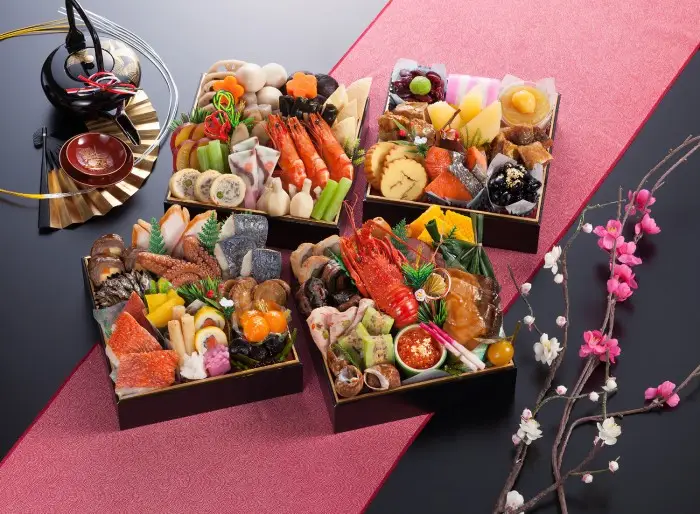
Bento names often reflect where the meal is sold, who it is made for, or what style it follows. Some are everyday staples, while others are tied to travel or specific occasions.
- Kyaraben [キャラ弁]: a character bento decorated to resemble animals, faces, or pop culture icons.
- Oekakiben [お絵かき弁]: a picture-style bento that uses food to create scenes, objects, or simple illustrations.
- Ekiben [駅弁]: a station bento sold at railway stations or on long-distance trains, often highlighting local ingredients.
- Makunouchi bentō [幕の内弁当]: a classic assorted style with rice, fish, egg, pickles, and multiple side dishes.
- Hinomaru bentō [日の丸弁当]: white rice with umeboshi in the center, echoing the colors of the Japanese flag.
- Noriben [海苔弁]: a simple bento built around rice, nori, and a few savory toppings.
- Shidashi bentō [仕出し弁当]: a catered bento delivered for meetings, gatherings, or events.
- Shōkadō bentō [松花堂弁当]: a more formal compartmentalized box associated with traditional presentation.
- Soraben [空弁]: an airport bento sold for travelers.
- Kamameshi bentō [釜飯弁当]: a bento style linked to rice served in a pot-like container, often sold as a memorable regional specialty.
Furoshiki and carrying a bento
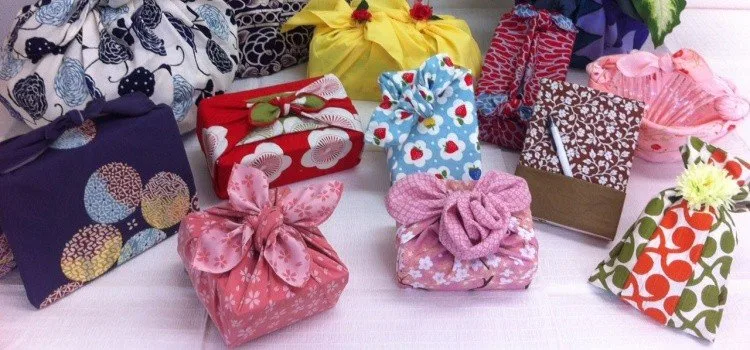
Before insulated bags and plastic lunch totes became common, many people wrapped bento in cloth. That cloth is called furoshiki, and it is still used today because it is reusable, light, and easy to fold around different shapes.
A furoshiki wrap protects the box, makes it easier to carry, and adds another layer of style to the meal. It also connects bento to a broader Japanese habit of wrapping and presenting everyday objects with care. If you want to explore that tradition in more detail, take a look at our guide to furoshiki and Japanese wrapping cloths.
That is part of why bento remains so appealing. Even when the meal is simple, the container, arrangement, and wrapping can make lunch feel intentional rather than improvised. A bento does not need to be elaborate to feel special; it only needs balance, care, and enough thought to make the meal pleasant from the first glance to the last bite.


Community
Comments
0 comments
There are no published comments in this language yet.
Send comment