
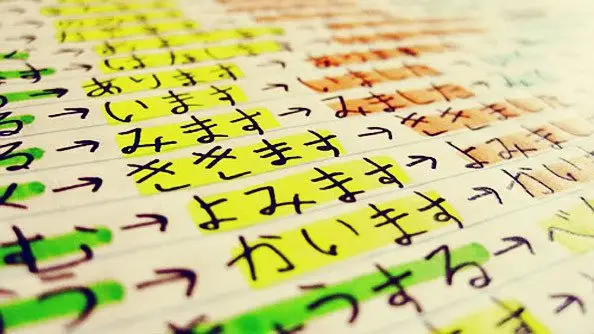
I want to share a useful list of Japanese verbs with you. So I decided to divide them by JLPT level. In this article, we will see a large list of the verbs studied in N4. A few may be missing.
Remember that verbs can have other uses and meanings depending on the sentence, and they may not appear in this list. It is up to you to interpret the meaning of each verb in context.
The verbs studied in N5 do not appear in this list, so we recommend taking a look at the previous article as well, since many verbs learned earlier are also studied in N4.
N4 Verbs List
- 合う (au) - to match, to fit, to meet
- 上がる (agaru) - to rise, to go up
- 空く (aku) - to be empty
- 上げる (ageru) - to raise, to lift, to give
- 置く (oku) - to place
- 掛かる (kakaru) - to take (time, money), to hang
- 聞こえる (kikoeru) - to be heard, to listen
- 決まる (kimaru) - to be decided, to depend
- 決める (kimeru) - to decide
- くださる (kudasaru) - to give (respectfully)
- 比べる (kuraberu) - to compare
- 暮れる (kureru) - to get dark
- くれる (kureru) - to give (to me) in its plain form
- 込む (komu) - to crowd, to complicate
- 壊す (kowasu) - to break, to destroy
- 壊れる (kowareru) - to be broken, to be destroyed
- 探す (sagasu) - to search, to look for
- 下がる (sagaru) - to go down, to fall, to delay
- 下げる (sageru) - to lower (for example, to bend)
- 差し上げる (sashiageru) - to give (humbly)
- 騒ぐ (sawagu) - to make noise, to be happy, to shout
- 触る (sawaru) - to touch, to feel
- 叱る (shikaru) - to scold, to fight
- 知らせる (shiraseru) - to inform
- 調べる (shiraberu) - to investigate
- 過ぎる (sugiru) - to exceed
- 進む (susumu) - to advance, to make progress
- 捨てる (suteru) - to throw away
- 滑る (suberu) - to slide, to slip
- 吸う (suu) - to smoke, to suck (for example, a pacifier)
- 済む (sumu) - to finish, to complete
- 育てる (sodateru) - to grow (for example, a plant)
- 倒れる (taoreru) - to fall, to break
- 足す (tasu) - to add
- 訪ねる (tazuneru) - to visit
- 尋ねる (tazuneru) - to ask, to inquire
- 建てる (tateru) - to build
- 立てる (tateru) - to raise, to stand up
- 楽しむ (tanoshimu) - to enjoy
- 足りる (tariru) - to be sufficient, to be worth it
- 捕まえる (tsukamaeru) - to catch, to seize
- 付く (tsuku) - to stick, to adhere, to connect
- 漬ける (tsukeru) - to soak, to dip
- 伝える (tsutaeru) - to convey, to report
- 続く (tsuzuku) - to continue (next episode)
- 続ける (tsuzukeru) - to continue
- 包む (tsutsumu) - to wrap
- 連れる (tsureru) - to lead (for example, to walk a dog)
- 手伝う (tetsudau) - to help, to assist
- 届ける (todokeru) - to deliver
- 泊まる (tomaru) - to stay (for example, at a hotel), to dock
- 止める (tomeru) - to stop
- 取り替える (torikaeru) - to replace, to exchange
- 直す (naosu) - to correct, to repair
- 直る (naoru) - to be repaired
- 治る (naoru) - to heal
- 無くなる (nakunaru) - to disappear, to lose
- 亡くなる (nakunaru) - to die, to pass away
- 投げる (nageru) - to throw, to toss
- なさる (nasaru) - to do (respectfully)
- 慣れる (nareru) - to get used to
- 逃げる (nigeru) - to escape
- 似る (niru) - to resemble
- 盗む (nusumu) - to steal
- 塗る (nuru) - to paint (nails), to apply (cream, lipstick)
- 濡れる (nureru) - to get wet
- 眠る (nemuru) - to sleep
- 残る (nokoru) - to remain, to leave
- 乗り換える (norikaeru) - to transfer, to change
- 運ぶ (hakobu) - to transport, to carry
- 始める (hajimeru) - to start
- 払う (harau) - to pay
- 冷える (hieru) - to get cold
- 光る (hikaru) - to shine
- 引き出す (hikidasu) - to take out (from a drawer, money)
- 弾く (hiku) - to play (an instrument)
- 引っ越す (hikkosu) - to move (house)
- 開く (hiraku) - to open, to undo, to unpack
- 拾う (hirou) - to pick up, to gather
- 増える (fueru) - to increase
- 太る (futoru) - to gain weight
- 踏む (fumu) - to step on
- 降り出す (furidasu) - to start to rain
- 褒める (homeru) - to praise
- 参る (mairu) - to go, to come (humble form)
- 負ける (makeru) - to lose
- 間違える (machigaeru) - to make a mistake, to confuse
- 間に合う (maniau) - to be in time for
- 回る (mawaru) - to turn, to revolve, to see places
- 見える (mieru) - to be seen
- 見つかる (mitsukaru) - to be found
- 見つける (mitsukeru) - to discover, to find
- 向かう (mukau) - to face, to head towards
- 迎える (mukaeru) - to greet, to welcome
- 申し上げる (moushiageru) - to say, to express (respectfully)
- 申す (mousu) - to be called
- 戻る (modoru) - to return
- 貰う (morau) - to receive
- 焼く (yaku) - to bake, to grill
- 役に立つ (yakunitatsu) - to help, to be useful
- 痩せる (yaseru) - to lose weight
- 止む (yamu) - to stop, to cease
- 止める (yameru) - Stop!
- ゆれる (yureru) - to shake, to sway
- 汚れる (yogoreru) - to get dirty
- 寄る (yoru) - to approach, to get close
- 喜ぶ (yorokobu) - to rejoice, to be happy
- 沸かす (wakasu) - to boil, to heat
- 別れる (wakareru) - to separate (relationship)
- 沸く (waku) - to boil
- 笑う (warau) - to laugh, to smile
- 割れる (wareru) - to break
I hope you enjoyed the article. Don't forget to check the N5 Verbs List.



Community
Comments
0 comments
There are no published comments in this language yet.
Send comment