Blog

  • Shodo – The art of Japanese calligraphy

    Shodo – The art of Japanese calligraphy

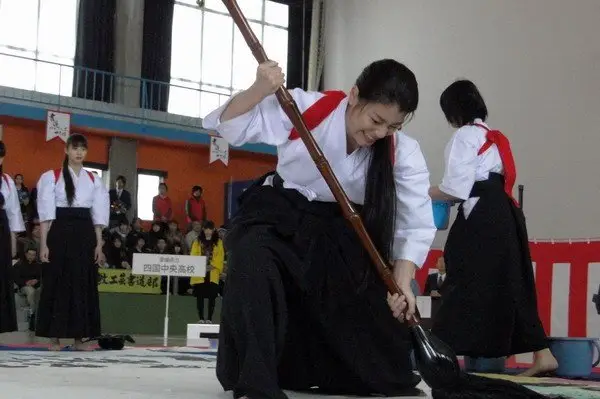
    Shodo (書道, way of writing) is the art of Japanese calligraphy that uses a brush to paint individual characters, words, or short poems. Most Japanese people studied shodo in school and have an appreciation for this art.

    This art is produced through writing with sumi (black ink) and a brush, on paper, using Japanese or Chinese characters. The art of calligraphy is considered a metaphor for life itself, thus alternating strong brush strokes with more delicate ones, varying the effect according to speed, ink color, pressure on the paper, spacing between strokes, and the material used.

    See also: 15 Types of Japanese Art and Cultural Techniques

    Shodo - The art of Japanese calligraphy

    The art of writing originated in China over 3,000 years ago, around 1,300 BC during the Yin dynasty. It was introduced to Japan at the end of the Yuan dynasty and has advanced throughout Japan’s history.

    The Hiragana was created thanks to the art of Shodo. The Kanjis deformed by brush artists gave rise to rounder and simpler forms, which inspired the creators of Hiragana.

    Shodo in Modern Times

    Nowadays, Shodo is still highly valued; some dedicate their entire lives to this art, and various competitions for all ages take place to honor the art. Around the world, people have awakened an interest in the art of Shodo.

    The first Japanese immigrants who came to Brazil in 1908 already brought the art of Shodo. Moreover, it was common for them to bring in their luggage examples of calligraphic art drawn by artists to adorn the walls of their new homes. In 1975, Shodo gained a significant boost in Brazil with the “Exhibition of Modern Calligraphic Art from Japan.”

    Shodo - The art of Japanese calligraphy

    Life of a Calligrapher

    It may seem simple, but it requires concentration; the person must be inspired and must have practice, some are placed in intensive training from childhood.

    The life of a calligrapher is not so simple. It is not just about writing letters on paper; the materials for practicing traditional shodo are expensive, and most of the time, stores prefer to print a digitized shodo, and even some professionals save money by using cheap ink and paper.

    Besides writing and participating in competitions, a calligrapher often teaches classes, also works with banners, posters, and signs for various purposes, whenever there is a need or preference for manual writing, such as in some festivals, traditional events, and typical stores. Thus, a shodo practitioner survives.

    Like a painter, the goal of the Shodo master is to provoke sensations and feelings in the people who see their works. Like any artist, the great challenge of the Eastern calligrapher is not only to master the technique and the rules but to be able to go beyond them and develop a personal style. To learn more about the life of a shodo artist, we recommend the anime Barakamon.

    Principles and Techniques of Shodo

    Shodo - The art of Japanese calligraphy

    Tensho 篆書 – It is the most primitive and archaic style of writing, from which all others originated.

    Reisho 隷書 – Clerical writing – It is a simplification of Tensho.

    Kaisho 楷書 – Straight lines. Its form is more square, and its lines are straight, firm, and precise.

    Gyosho 行書 – Semi cursive. These are writings done quickly with smooth and rounded lines and semi-sequential strokes.

    Sosho 草書 Cursive, Italic. Also called grass writing. The writing is done in an impetuous, quick, and sequential manner.

    Tools of Shodo

    In shodo, a large number of tools are used to create the art of writing.

    Shodo - The art of Japanese calligraphy

    Suzuri (硯 – inkstone) – A utensil used to hold the ink. They are made of stone and also have a concavity where a small amount of water is placed, which will be used to dilute the ink stick.

    Fude (筆 – brush) – There are various types, sizes, and thicknesses. The tips vary, and the hairs used are from sheep, ram, badger, and others.

    Sumi (墨 – ink stick) – Ink based on charcoal. It can be in solid form, needing to be diluted in water, or in liquid form, ready for use. However, traditional art recommends using the solid form, as the preparation and dilution of the ink is seen as a moment of concentration, where the artist seeks inspiration to compose the art. The older, the better; the best ones are 50 to 100 years old.

    Bunchin (文鎮 – paperweight) – Helps keep the paper still to facilitate the artist, preventing possible mistakes if the paper moves; it is usually made of iron or ceramic.

    Shitajiki (下敷き – cloth) – To place under the paper to prevent ink from leaking and staining the area. (can be replaced by newspaper)

    Washi (和紙 – rice paper) – It is a special paper made with fibers from rice, bamboo, or banana tree leaves. It is handmade and does not use chemical components. This makes its durability extremely superior to common paper.

    Some tend to stamp their works with a Japanese seal: Inkan or Hanko.

    Online Shodo Course – Introduction to Japanese Calligraphy

    Learn the history, techniques, and details of Japanese calligraphy Shodo with this online course from Domestika taught by Rie Takeda.

    In this course, you will learn Shodo, Mushin Mind, Styles and techniques of Shodo, Tools and Materials used in Shodo, Basic brush movements, fundamental strokes, creation of a Shodo piece and a creation stamp.

    To know more details and enroll in this Japanese calligraphy course, just access the button below and see all the details:

    Videos about Shodo

    Want to understand a little more about the art of shodo? To conclude, we leave some videos below:
  • Adverbs and short expressions in Japanese

    Adverbs and short expressions in Japanese

    One of the difficulties of creating a conversation in Japanese is the thousands of different expressions and grammars, our uncle Google translator only worsens our learning in times of need, translating incorrectly, using dead and meaningless expressions.

    Japanese has many small words, adverbs, and expressions that help enrich our sentences and conversations in Japanese. In this article, I have separated several words to deepen your nihongo.

    For those who don’t know, the adverb is the grammatical class of words that modify a verb, an adjective, or another adverb.

    Words and time adverbs

    さっき – sakki – A while ago

    さっきのことはありがとう。
    Sakki no koto wa arigatō;

    Thank you for what you did a while ago;

    先ほど – sakihodo – A little while ago, previously

    先ほどいらっしゃいました。
    Sakihodo irasshaimashita;

    (he) came a little while ago;

    We saw previously;

    • たったいま – tattaima – just, just now
    • たまに – tamani – occasionally, sometimes
    • まさに – masani – certainly, exactly, just, precisely…
    • 結局 – kekkyoku – after all, after everything, in the end
    結局,恋人になりました。
    Kekkyoku, koibito ni narimashi

    In the end, they became girlfriend/boyfriend;

    • たいてい – taitei – normally, always, generally, more, almost
    • いつでも – itsudemo – anytime, always, at any moment
    いつでも来て下さい。Itsudemo kitte kudasai

    Please come at any time;

    きまって – kimatte – always, routinely, constantly

    ずっと – zutto – all the time, all the way, long, a long time, always

    彼はずっとテレビを見た。
    kare wa zutto terebi wo mita;

    He watched TV for a long time;

    いつか – itsuka – sometime, someday

    いつか,月へ行きたい。
    itsuka, tsuki ele ikitai;

    Someday I want to go to the Moon;

    しばらく – Shibaraku – for a while, for now, a little

    しばらくお待ち下さい。
    Shibaraku Omachi kudasai;

    Please wait a little;

    そろそろ – sorosoro – soon, for now, shortly

    そろそろ始めましょう。
    sorosoro hajimemashou;

    Let’s start soon;

    • とっくに – tokkuni – already, a long time ago
    • このごろ – konogoro – nowadays, these days
    • いまごろ – imagoro – about this time, around this time
    あしたのいまごろ
    Ashita no imagoro

    tomorrow at this time

    In the present time

    さきに – Sakini – before, to do, ahead, forward

    さいしょに – Saisho ni – at first, in the first place

    最初に食べましょう。
    Saisho ni tabemashou;

    Let’s eat first;

    さいごに – saigo ni – in the end, finally, lastly

    最後になりました。
    saigo ni narimashita;

    Finally arrived / I was the last

    いまだに – imadani – still, even so, even now

    Descriptive words

    • きちんと – kichinto – precisely, exactly, orderly
    • ちゃんと – Chanto – correctly, orderly
    • ぴったり – Pittari – exactly, perfect, complete
    • はっきり – hakkiri – clear, clearly, evident
    • ぎりぎり – girigiri – just in time, by a little
    ぎりぎり逃げた 
    girigiri nigeta

    Escaped by a little;

    • いっしょうけんめい – isshoukenmei – using all power, the best one can do
    • 自由に – Jyuu ni – freely, at will, spontaneously
    自由に座って下さい 
    JIYUU ni suwatte kudasai;

    Please feel free to have a seat;

    ちょくせつ – chokusetsu – directly, precisely

    ちょくせつ言う
    choku setsu iu

    Will speak directly;

    急に – kyuuni – suddenly, unexpectedly, inopportunely

    にくい – Nikui – difficult, detestable, hard, painful

    このパンは食べにくいです 
    Kono pan wa tabe Nikui desu;

    This bread is difficult to eat;

    やすい – Yasui – easy, simple, cheap, affordable

    コーラは飲みやすいです 
    wa kora nomi Yasui desu.;

    It is easy to drink coke;

    全く – mattaku – exactly, really, truly, completely, quite, very,

    全く同じ 
    Mattaku Onaji

    Exactly the same

    たいがい – taigai – most, mainly, very likely

    Degree of…

    • ずいぶん – zuibun – very, quite, extremely,
    • かなり – kanari – quite, relatively, reasonably
    • 結構 – kekkou – fairly, reasonably, considerably, quite
    結構上手ですね 
    Kekkou jouzu desu ne;

    He is very good..;

    • もっと – motto – more
    • できるだけ – dekiru dake – as much as possible, as much as one can do, possible
    できるだけ,早く帰ってね
    Dekiru dake hayaku Kaette ne

    Return as quickly as possible;

    • ちっとも – chittomo – not at all, not a bit, absolutely
    • ほとんど – hotondo – most, almost, nearly all
    ほとんどのアメリカ人は日本語ができない 
    Hotondo no amerikajin wa nihongo ga dekinai;

    Most Americans cannot speak Japanese;

    • あんなに – annani – such, like that, like that one, similar, like this
    • ほど – hodo – about some, more or less, such, like this, similar, in this way
    • ほど~ではない ~ hodo dewanai – not so much, not like,

    Conjunctions

    • だが- Daga – but, although, just, otherwise, though, except, entertaining, however
    • (な)のに – (na) noni – although, despite, still, however, although
    勉強してのに,いつも失敗 
    noni benkyou shite, itsumo shippai;

    Although I study, I always fail;

    (な)ので – (na) node – then, because, for the reason, since, instead of

    日本語は難しいのでもっと勉強します 
    Nihongo wa muzukashīnode motto benkyō shimasu;

    Because Japanese is difficult, I will study more;

    Others

    • とにかく – tonikaku – anyway, in any case, in any way
    • について – nitsuite – about, for, regarding, in favor of
    くまのプーさんについて話しましょう 
    Kuma no pū-san ni tsuite hanashimashou;

    Let’s talk about Winnie the Pooh

    ため – tame – For this reason, for your benefit, cause

    由美のためにプレゼントを買った 
    Yumi não tame ni purezento o katta

    I bought a gift for Yumi

    ように~ youni – Thus, in this way, like

    私のようにして下さい 
    Watashi no youni shite kudasai;

    Please do as I do;

    • まるで – marude – just like, quite, like
    • くれぐれも –  kure guremo – time and again; repeatedly; seriously
    • しても –  shitemo – even if, even though, if
    • らしい – Rashii – seems, it seems that, they say that, appear
    その絵はとてもピカソらしいですね 
    Sono e wa totemo Pikaso Rashii desu ne;

    Isn’t it that the painting looks a lot like Picasso?

    特に – tokuni – especially, particularly, in particular

    特に素晴らしいことです 
    tokuni subarashii koto desu;

    It’s something especially wonderful!

    はず –  hazu – must be, should be, must have

    あの店はあるはずです 
    Ano mise wa aru hazu desu;

    That store must have;

    • その上 – sono ue – in addition to, moreover, in it
    • など – nado – and so on, such as,  etc.
    • すなわち – sunawachi – that is, namely, or
    • むしろ – mushiro – rather (than)
    • しかも – shikamo – moreover, and yet

    These were some adverbs and small expressions in Japanese, I hope you liked it, and that this list of words has been useful.

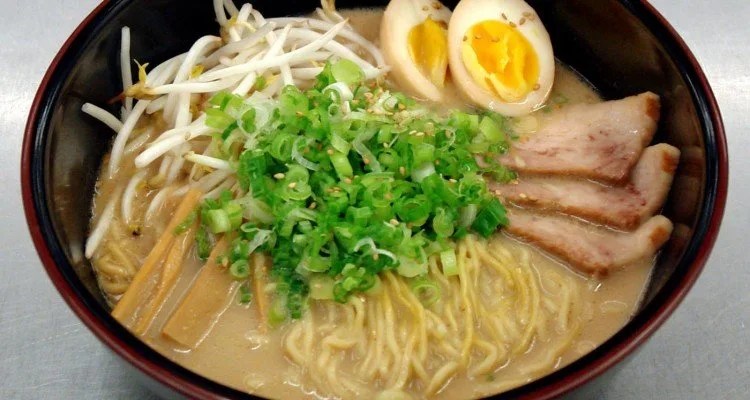
  • Moyashi – Bean sprouts – Cheap and nutritious

    Moyashi – Bean sprouts – Cheap and nutritious

    Some are surprised to learn that in Japanese cuisine, the consumption of beans is not common as it is in the West; the Japanese only use beans (azuki) to make desserts. Most say that beans are a necessary food because they are rich in iron and various other nutrients and believe they should be part of every cuisine in the world, but not in Japan and some other countries.

    How can they replace the nutrients of traditional beans? Japanese cuisine is one of the healthiest and richest in nutrients, and one of the substitutes is the sprout itself. The famous moyashi or bean sprout is rich in fiber, Vitamins A, B, C, E, Iron, Calcium, Potassium, and various other nutrients, in addition to being present in most Japanese dishes and having few calories. Moreover, bean sprouts aid digestion and have antioxidant properties, meaning they combat free radicals, responsible for aging.

    Another advantage of moyashi is its crunchiness and its price, which is very cheap compared to any other vegetable and legume. It is possible to find a 200g package of moyashi for less than 30 yen (80 cents). It can also be consumed in various dishes such as soups, salads, stir-fries, ramen, and others.

    Moyashi - Bean sprouts - Cheap and nutritious

    Origin of Moyashi

    The famous bean sprout moyashi used in Japanese cuisine comes from the mongo or mung bean, which has a long history of medicinal and food use throughout Asia. The grain of this bean is also used to make some recipes like soups; it is very small but quite powerful.

    Moyashi became popular during World War II due to the ease and speed of cultivation. It can be grown in low light, enabling the germination technique on Japanese warships. It is believed that germination was introduced from China by Buddhist monks.

    Moyashi - Bean sprouts - Cheap and nutritious

    Germination is simple, requiring moisture, warmth, and little exposure to sunlight. The seeds are moistened and left at room temperature inside a transparent container. The container must allow excess water to escape; if the grains are submerged in water, they die. They should also be rinsed several times a day; within 3 to 10 days, the sprouts grow and can be used. They should be cooked for 15 minutes to kill germs and consumed within 2 days.

    How to Prepare Moyashi

    There is no secret; moyashi can be used and prepared in various ways. The sprout can be eaten raw, fried, or quickly cooked and stir-fried. You can place it in a colander and pour boiling water over it. Then you can fry it along with onions, meat, and other vegetables like carrots. Season with soy sauce, grated ginger, and other seasonings from Japanese cuisine.

    One tip is not to leave moyashi in water because it becomes soft, and the best part is its crunchiness. It can be used as an accompaniment to ramen, salads, and meat dishes. If you want to eat cooked moyashi, boil it in water for just one minute so it doesn’t lose its crunchiness.

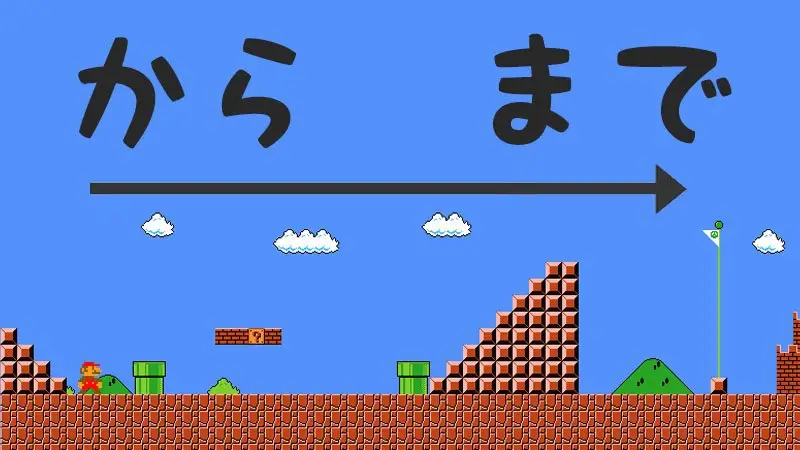
  • Basic lesson – Kara and Made particles

    Basic lesson – Kara and Made particles

    Today you will learn about the particles kara (から) and made (まで), essential elements in the Japanese language. In summary, kara means “from” or “starting from,” while made translates as “until.” Although they seem simple, they have important nuances that apply to situations of time, space, and even expressions of quantity and location. Let’s explore together how these particles work, with practical examples to facilitate understanding.

    Understanding the correct use of kara and made can help build precise and expressive sentences. Both are widely used in Japanese, serving to indicate a starting point or origin (kara) and an endpoint or limit (made). We will see how these particles can be combined or used separately to add clarity to communication.

    Basic lesson - Kara and Made particles

    Kara – から

    The particle kara is used to indicate a starting point or origin, meaning “from” or “starting from.” When associated with nouns, it can mean “from” or “of.” When used with adjectives or verbs, kara can indicate the reason or cause of something.

    For example, see how it works in different contexts:

    どこから来ましたか
    Doko kara kimashitaka?

    Translation: Where did you come from?

    Here, kara is used to ask about the person’s origin, even though the literal translation does not explicitly use “from.”

    お母さんからの手紙
    Okaasan kara no tegami

    Translation: Letter from mother.

    In this example, kara expresses the origin of the letter, highlighting who it came from.

    Furthermore, the particle kara can be used to indicate the reason for an action, as in this case:

    コンピュータが安かったからたくさん買いました。
    Konpyūta ga yasukattakara takusan kaimashita.

    Translation: I bought many computers because they were cheap.

    Here, kara indicates the cause of the action: the affordable price of the computers.

    Point Card - Learn about Japan's Point Cards

    Made – まで

    On the other hand, the particle made is used to indicate an endpoint or limit, usually translated as “until.” It defines how far something happens or to what extent an action or situation extends.

    See some examples that demonstrate the use of made:

    今までありがとう
    Ima made arigatō

    Translation: Thank you until now.

    The sentence expresses gratitude up to the present moment, with made marking the temporal limit.

    この電車は東京まで行きますか?
    Kono densha wa Tōkyō made ikimasu ka?

    Translation: Does this train go to Tokyo?

    The use of made here asks if the train reaches the final destination, Tokyo.

    どこまでいらっしゃいますか。
    Doko made irasshaimasu ka?

    Translation: How far are you going?

    In this context, made refers to the limit of the person’s trip or movement.

    What is the Kyoto Protocol?

    Using Kara and Made Together

    The particles kara and made can be combined to indicate a complete range, from the beginning to the end of an event, trip, or period. In these constructions, kara is translated as “from” and made as “until.”

    私は八時から六時まで仕事をします。
    Watashi wa hachiji kara roku-ji made shigoto o shimasu.

    Translation: I work from 8 to 6 (o’clock).

    This example clearly shows the time interval that the person is busy working.

    今日は家から学校まで自転車で通っています。
    Kyō wa ie kara gakkō made jitensha de tōtte imasu.

    Translation: Today, I go from home to school by bicycle.

    Here, the sentence defines a complete route with kara and made, from the starting point to the destination.

    今日から明日まで勉強します
    Kyō kara ashita made benkyō shimasu.

    Translation: I will study from today until tomorrow.

    Thus, we see how these particles help build precise and clear sentences in Japanese.

  • Days, Months, and Years in Japanese

    Days, Months, and Years in Japanese

    Do you know how to write and say the days, months, and years in Japanese? In this article, we will examine in detail how to write and pronounce the days, months, and years in the Japanese language. Remembering that the writing is usually similar to that of the Chinese language, which can help you recognize both.

    The days, months, and years can be written both with Roman numerals (123) and with the ideograms of the Japanese language (一二三). There is no rule for when to use each of these forms; they usually coexist on different occasions. Of course, when pronouncing, it is recommended to use the popular reading in the Japanese language.

    We also recommend reading:

    How are the days of the week said in Japanese?

    Although the focus of this article is on days, months, and years, we should start by looking at the days of the week in Japanese (from Monday to Sunday), which are practically the names of the planets or the 5 elements.

    Sunday日曜日nichiyoubi
    Monday月曜日getsuyoubi
    Tuesday火曜日kayoubi
    Wednesday水曜日suiyoubi
    Thursday木曜日mokuyoubi
    Friday金曜日kinyoubi
    Saturday土曜日doyoubi

    How are the days of the month said in Japanese?

    The days of the month are accompanied by an ideogram that is pronounced nichi [日] which means sun and day. The table below explains better the ways to pronounce the days of the month in Japanese.

    We provide below 2 readings, both are correct but are used differently. When referring to a specific day of a month, we usually use the special reading in bold.

    DAYROMAJIKANJISPECIAL ROMAJI
    1ichi nichi一日 tsuitachi
    2ni nichi二日 futsuka
    3san nichi三日 mikka
    4shi/yon nichi四日 yokka
    5go nichi五日 itsuka
    6roku nichi六日 muika
    7nana nichi七日 nanoka
    8hachi nichi八日 youka
    9kyu nichi九日 kokonoka
    10juu nichi十日 tooka
    11juu ichi nichi十一日
    12juu ni nichi十二日
    13juu san nichi十三日
    14juu yon nichi十四日 juu yokka
    15…juu go nichi十五日
    20nii ju nichi二十日 hatsu ka
    24nii ju yon nichi二十四日 ni juu yokka
    25nii ju go nichi二十五日
    30san juu nichi三十日
    31san juu ichi nichi三十一日
    Days, Months, and Years in Japanese

    How are the months said in Japanese?

    In the Japanese language, there is no special name for each month. They usually say the number followed by the ideogram tsuki (月) which means moon (tsuki) and month (gatsu). It may seem strange to say Month 1 Month 2 Month 3, but when you think about it, it is much simpler and easier.

    • 1月 (Ichigatsu) – January
    • 2月 (Nigatsu) – February
    • 3月 (Sangatsu) – March
    • 4月 (Shigatsu) – April
    • 5月 (Gogatsu) – May
    • 6月 (Rokugatsu) – June
    • 7月 (Shichigatsu) – July
    • 8月 (Hachigatsu) – August
    • 9月 (Kugatsu) – September
    • 10月 (Jūgatsu) – October
    • 11月 (Jūichigatsu) – November
    • 12月 (Jūnigatsu) – December

    The Japanese also have an old traditional way of saying the months in Japanese that is rarely used. Nowadays, it is usually used in horoscopes, lunar calendars, and other traditional things.

    This calendar is called wafuu getsumei [和風月名] which literally means names of the months in the Japanese style.

    KanjiRomaji
    1月睦月mutsuki
    2月如月kisaragi
    3月弥生yayoi
    4月卯月udzuki
    5月皐月satsuki
    6月水無月minadzuki
    7月文月fumidzuki
    8月葉月hadzuki
    9月長月nagatsuki
    10月神無月kannadzuki
    11月霜月shimotsuki
    12月師走shiwasu

    Note that not all months in this traditional list have the ideogram for moon.

    Days, Months, and Years in Japanese

    How is the year said in the Japanese language?

    The year works the same way as the day and month, the number accompanied by the ideogram “nen” [年] which literally means year. See an example below of how to say “April 1, 2005”:

    • 2005 年 4 月 1日 (Nii sen go nen / shigatsu / tsuitachi) 二千五年 四月 一日

    We notice that the year comes first, then the month, and finally the day. If we know all the numbers in the Japanese language, we can easily write the days, months, and years in the language.

    Also read: Numbers in Japanese – Complete Guide

    Words related to the Calendar in Japanese

    We cannot talk about years, days, months, and dates without mentioning calendars and other related words such as leap year in Japanese, lunar calendar, and other words related to dates. Make good use of the vocabulary table below:

    • karendaa (カレンダー)-Calendar
    • Koyomi (暦)-Calendar
    • Tayoureki (太陽暦)-Solar Calendar
    • Taiinreki (太陰暦)-Lunar Calendar
    • Heinen (平年)-Common Year
    • Jyunen (閏年)-Leap Year
    • Seireki (西暦)- Common Era

    I hope you enjoyed this simple article! We also appreciate the shares. If you wish to learn Japanese, we recommend checking out our course.

  • Melody Roads – Streets that play music in Japan

    Melody Roads – Streets that play music in Japan

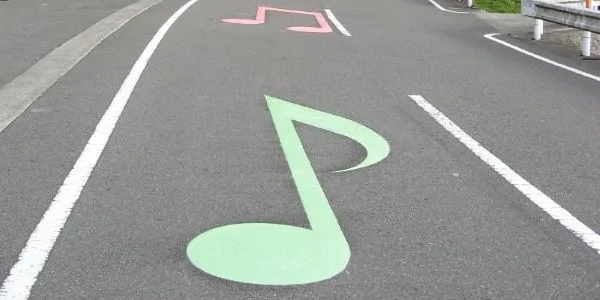
    Have you heard of the musical roads in Japan? In Japan, there are streets, highways, or roads that play a song as cars pass by. These roads are called “Melody Roads” [メロディーロード].

    Just drive at the right speed, and the sound of the melody begins to vibrate directly from the tires into the car. It’s an experience that blends engineering, music, and a touch of Japanese magic. Let’s understand how this works — and where you can hear these melodies with your own ears.

    The music is played as the car passes over a road with grooves in the ground, all without the use of technology. These grooves implanted in the asphalt create vibrations with the tires that actually produce the sound of the music.

    These musical roads are found not only in Japan but also in Denmark, South Korea, the United States, Mexico, China, and San Marino. I want to take advantage of the article to list where you can also find these highways in other countries.

    We also recommend reading:

    How did the music-playing streets come about?

    The first musical road was made in Denmark, specifically in Gylling in 1995. It was created by two Danish artists who named it Asphaltophone; the music played on this stretch is an arpeggio in the F Major key.

    In Japan, Shizuo Shinoda accidentally scratched some markings on a road with his tractor and realized that it was possible to create music depending on the depth and spacing of the grooves.

    In 2007, the National Institute of Industrial Research in Hokkaido, which had already worked on a system using infrared and lights to detect dangerous roads, created the Melody Road using Shizuo Shinoda’s discovery.

    roads

    The depth of the asphalt is 3mm-6mm of paving on the road surface, and the width is from 6 millimeters to 24 millimeters. It is recommended to drive at a speed of 40km to hear the music well; its speed will depend on your speed. A blogger also recommends passing over these roads with closed windows to hear the music better.

    Where to find the melody roads?

    In Japan, there are many Melody Roads; there are 6 just in Gunma. Let’s see in the table below:

    ProvinceCityYearSegment (m)Melody
    HokkaidoShibetsu2004565mShiretoko Ryojō
    HokkaidoHokuto Murayama2015250mAkatonbo, red dragonfly
    HokkaidoHokuto Murayama2015317mĪmondanafurusatoha
    HokkaidoShibetsu2010700mmusical road practical test
    FukushimaOnuma-gun Kanayama-cho2014278mCountry Road
    NaganoChino2008210mScarborough Fair
    AichiToyota2007301mDongurikorokoro
    ShigaOtsu2009610mBiwako shūkō no uta
    WakayamaKimino-cho2007320mMiagetegoran’yorunohoshiwo
    OkinawaNago2012340mFutami Jowa
    HiroshimaSera-cho2009513mTotoro no sanpo
    GunmaKusatsu300mKusatsu Onsen
    GunmaTsumagoi2010Snowy Mountain Song of Praise
    GunmaTakasaki, Lake Haruna2008280mQuiet Lake
    GunmaMaebashi2010Tulip
    GunmaNumataShirasawa
    HiroshimaAkitakata2014270mKagura-demon segment
    IshikawaNanao – Anamizu20151200mMaresora ~ rare Zola ~
    OitaTaketa2007Kojo no Tsuki
    EhimeIkata2011430mMikan’no hanasa kuoka

    The music-playing streets around the world

    There are many other Melody Roads scattered around the world. In 2019, Hungary had its first musical road in memory of the death of Cipő (vocalist of the band Republic) on Road 67.

    In Anyang, Gyeonggi in South Korea, Singing Roads were designed to help drivers stay alert and awake, as 68% of traffic accidents in South Korea are caused by inattentive and sleepy drivers.

    In the Netherlands, a music track was removed because drivers were not passing at the appropriate and recommended speed, causing the music to play in a bad tone, disturbing the entire neighborhood, which ended the songs on the road.

    The same happened in the USA on K Avenue in Lancaster, California. It seems that only the Japanese know how to appreciate classical music being played by car tires. How did these two countries succumb to neighborhood complaints?

    Videos of streets playing music

    To finish, let’s leave some videos showing the musical roads. I hope you enjoyed the article; if you did, share it and leave your comments. Have you had the chance to drive on one of these roads? I have driven on one in Gunma.

    The first video shows how the roads make sound with different vehicles, including bicycles, skates, and wheelchairs. The other videos show some roads scattered throughout Japan.

  • Fukubukuro – Lucky Bags

    Fukubukuro – Lucky Bags

    In Japan, the beginning of the year is marked by various traditions, but few are as anticipated and fun as the Fukubukuro (福袋), or “lucky bags.” This unique practice brings together consumers and stores in an experience of exchange, surprise, and often, great deals. Originating at the end of the Meiji period (1868-1912), Fukubukuro has become an annual tradition that combines the spirit of renewal of the New Year with the opportunity to acquire quality products at attractive prices.

    Although the concept is simple, Fukubukuro is loaded with cultural nuances and stories that make it special, from the excitement of the purchase to the potential disappointment. Let’s explore more about this tradition and how it reflects interesting aspects of Japanese culture.

    Fukubukuro - Lucky Bags

    The History and Meaning of Fukubukuro

    Fukubukuro emerged as a creative way for stores to get rid of leftover stock from the previous year while offering customers an opportunity to acquire high-quality items at reduced prices. Traditionally, the products inside the bags are a mystery, but the appeal lies exactly in that: the chance to discover something valuable or unexpected.

    The Symbolism of the New Year

    The New Year is a time of rebirth in Japan, and Fukubukuro is deeply connected to this theme. The idea of starting the year with “luck” is a powerful incentive for consumers. Moreover, the mystery of the bags refers to the concept of leaving the old behind and embracing the new, whether it is good or bad.

    How Fukubukuro Works

    The bags are sold in practically any type of store, from large retailers to small boutiques, covering categories such as fashion, electronics, food, and even travel. Prices vary considerably, starting at 1,000 yen, but some luxury bags can exceed 200,000 yen. It is common for famous brands, such as Apple and Uniqlo, to offer bags that generate great anticipation, leading consumers to form long lines hours before the stores open.

    Fukubukuro - Lucky Bags

    Where and How to Buy Fukubukuro

    During the first week of January, it is possible to find Fukubukuro in almost all physical stores and also in e-commerce in Japan. Department stores, such as Takashimaya and Isetan, are famous for their exclusive bags. Additionally, many clothing stores organize the bags according to size and gender, making it easier for shoppers to choose.

    Tips for Buying Fukubukuro

    1. Arrive early: The most sought-after bags, such as those from luxury brands, sell out quickly.
    2. Research beforehand: Many stores provide tips or clues about the contents of the bags, helping to decide where to invest.
    3. Share the experience: It is common for Japanese people to open the bags with friends, exchanging items they do not like.

    Online and Transparent Fukubukuro

    With modernization, some stores have started selling Fukubukuro online, allowing consumers outside Japan to also participate in this tradition. Additionally, to avoid customer dissatisfaction, some companies opt to use transparent bags or reveal the available items in advance.

    Utsubukuro: The Not-So-Lucky Side

    If on one hand Fukubukuro represents luck, there is also the Utsubukuro (鬱袋), or “depression bag.” This happens when the products found do not meet expectations, such as outdated items or less valuable than the price paid. Although it is rare in reputable stores, some smaller brands may use Fukubukuro as an excuse to get rid of stagnant stock.

    This disappointment, however, does not diminish the overall enthusiasm for the tradition. Many people see it as part of the fun, reinforcing the spirit of “accepting luck.”

    Examples of Memorable Bags

    1. Apple Fukubukuro: Apple has previously included iPads and MacBooks in its bags, making them one of the most coveted items.
    2. Luxury Bags: Stores like Louis Vuitton and Gucci offer Fukubukuro that can include everything from haute couture bags to exclusive accessories.
    3. Electronics and Gadgets: Stores like Bic Camera offer everything from cameras to rare devices.

    Conclusion

    Fukubukuro is more than just a surprise bag; it represents a celebration of Japanese culture, combining the love for promotions with the thrill of discovery. Whether to find valuable products or just to experience a unique tradition, participating in this practice is a memorable experience.

    Whether you are a tourist or a resident in Japan, Fukubukuro is an excellent way to start the New Year. After all, who knows? Maybe your lucky bag will bring not only amazing products but also good memories for the entire year.

  • Katana – The legendary swords of Japan

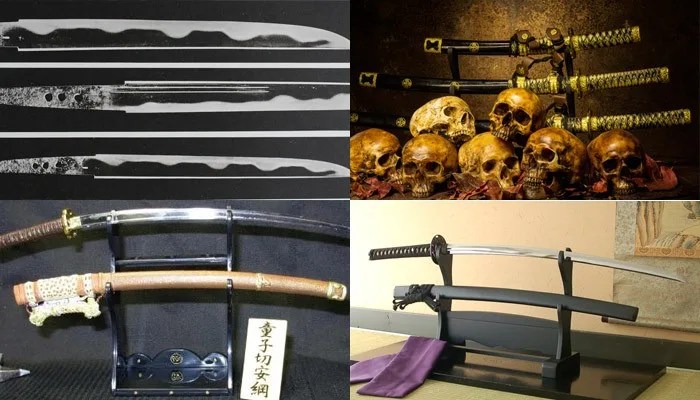
    Katana – The legendary swords of Japan

    Katana [刀] is a famous Japanese saber used by samurais in open field battles. Nowadays it is a collector’s item, which also appears in various games, movies, and animes. There are thousands of katanas in the history of Japan, many of which are found in museums and castles.

    The sword was the most used weapon in medieval Japan, among them we have the Katana and the Wakizashi. In this article, we will check the existing types of the sword, and the most legendary of the history of Japan. We will show you where you can buy a katana cheaply for your collection.

    Katana - The legendary swords of Japan

    What is the katana like?

    The katana can have various shapes, be short or long, have different appearances and parts. It has an artistic part, the signature of the blacksmith, and several other details such as texture and others. Some of the important parts of the sword are:

    • Saya – The sheath of the sword, made of wood;
    • Tsuba – The tsuba is an iron disc that serves to protect the hand from the blade of the opponent’s sword;
    • Tsuka – The handle of the sword;
    • Kojiri – It is the end of the saya (sheath);
    • Kurigata – It is where the sageo (cord) is tied;
    • Koi-guchi – The koi-guchi is the “mouth” of the saya;
    • Habaki – It is the part of the sword that fits into the koi-guchi

    All the details and parts of the katana can be seen in the image below:

    Katana - The legendary swords of Japan

    History of the Katana

    Throughout the history of Japan, fighting techniques changed, and thus the swords also changed shape. There are several types of katana, they were made to adapt to the samurai wielding it. But there are 4 periods in which the swords underwent major changes.

    Jokoto – During the Jokoto period (800 A.D.), the swords used were straight, with a single edge (the Chokuto) or double (Ken) and poorly tempered. There was no standard design and they were tied to the waist by means of cords.

    Koto (1596-1624)- In the Heian Period, the change in fighting style created the need to change the sword. Battles were no longer fought on foot, but on horseback. The swords became long, curved, with a wider and stronger base and a very fine tip. Before, Japanese swords were called Tachi, only in the Muromachi period did the classic Katana emerge.

    Shinto (1596-1624) – During the Tokugawa government, with more accessible raw materials and the exchange of experience, the swords were even more refined, even with the existence of firearms. This period was harsh, as the use of swords and weapons was prohibited.

    Gendaito (1876-1953) – In the Meiji Era, the swords were made for Japanese military officials, for rituals and public occasions. Although they had the same shapes as a traditional sword, they lacked the main characteristics of craftsmanship (handmade) and non-industrial steel.

    Katana - The legendary swords of Japan

    The Legendary Katanas

    It was in the Kamakura period (1185-1333) the golden age of the Japanese sword. Many swords considered national treasures were produced during this period. Some legendary swords are still on display today, while others were only mentioned in documents. I propose we get to know some.

    Masamune 正宗 – The swords that bore this name were made by the legendary blacksmith Masamune. There are many katanas that carry the name masamune, such as the Shimazu-masamune which was recently found in 2014, it had been missing since 1862.

    Muramasa 村正 – This name is famous in video games, there are several swords that were made by the legendary blacksmith Muramasa. It is known for being a demon blade that turns people into assassins. It was also responsible for the death of many members of the Tokugawa family.

    Mikazuki-Munechika – The name of this katana means “Crescent Moon” and has a beautiful curve. It is one of the oldest remaining from the 10th century and is kept at the Tokyo National Museum.

    Jyuzumaru 数珠丸 – This name comes from a Buddhist rosary that was with the sword. It was kept for a long time at the Nichiren Temple. Currently, it is available for exhibition only once a year, on November 3rd at Honko-ji, Hyogo.

    Tenka-Göken 天下五剣 – Means Five Swords Under the Heavens. A group of 5 legendary swords from the Muromachi period, the swords are: Dōjigiri, Juzumaru, Mikazuki Munechika, Onimaru and Ōtenta.

    Did you like the article? Do you know other legendary swords? Leave your comment and share with friends. Thanks for the comments and to katana.org and wasa-bi.com for the images and inspiration to write this article.

    Katana - The legendary swords of Japan

    Where to buy a Katana?

    A real katana with a sharp blade made to kill people will be hard to find, but you can easily find replicas for display and decoration in your home. We recommend Amazon, where you can find the cheapest and best.

    If you are interested in acquiring a Japanese sword, there are some options to find one:

    1. Specialized stores: Look for physical or online stores that specialize in martial arts or Japanese swords. These stores usually have a variety of authentic katanas available for sale.
    2. Specialized blacksmiths: There are traditional Japanese blacksmiths who produce high-quality katanas. However, this type of katana tends to be more expensive and requires specialized knowledge to distinguish authenticity and blade quality.
    3. Auction and specialized markets: In some cases, it is possible to find katanas for sale at specialized sword auctions or in antique markets. These events can be an option to acquire a unique or historical katana.

  • Challenges and Cultural Differences in Japan

    Challenges and Cultural Differences in Japan

    The chances of you liking Japan are high. But that doesn’t mean there aren’t dangers, challenges, and cultural shocks that you will face. Today we will look at some cultural challenges, differences in culture, and things that only exist in Japan.

    Remembering that most of these points are not important or affect a minority, but should be mentioned. This article is more about curiosity; we have others discussing cultural differences that visitors face.

    We recommend reading:

    Cultural Challenges in Japan

    Etiquette Rules – They are quite different from the West, but there are small things like leaving chopsticks stuck in the food plate, which is considered disrespectful.

    Seiza – It is a formal and common way to sit in Japan; you sit on your knees, which can be painful for those who are not used to it.

    Excess of Nerds and Otakus – The youth is filled with nerds, addicted to anime, games, and some are overly obsessed with fashion, always wearing extravagant and different clothes; this can cause a significant cultural impact if you are not accustomed to it.

    Cultural Challenges and Differences in Japan

    Education Education is so great and indescribable that you may be surprised to see Japanese people greet you every time they see you in the store: Irasshai. Or apologizing for any reason.

    Tattoos – The Japanese society does not like tattoos. Tattoos are strongly associated with criminality (Yakuza). You will not enter most public baths or gyms if you have a tattoo.

    Read more: Tattoos and Yakuza

    Nudity – Onsen are one of the best reasons to visit Japan. If you are shy, prepare yourself, because it is very common to be naked in public baths or even in other occasions; Japanese people do not mind in this regard. In the past, it was common for the opposite sex to be naked in public baths, but now it has become something uncommon.

    Also read: Onsen – Natural Hot Springs of Japan

    Cultural Challenges and Differences in Japan

    Stupid Foreigners / Baka gaijin – You will encounter people who work to earn money but constantly complain about life in Japan. Some do not adapt to the culture and complain about Japan in a prejudiced way. Associating too much with negative people will leave you discouraged; keep a certain distance.

    Cultural Differences in Japan

    Leaving belongings lying around – It is very common to find bicycles left on the street without any lock; people leave their belongings on restaurant chairs to go to another place, and no one steals them; there is no need to be afraid. This may surprise visitors.

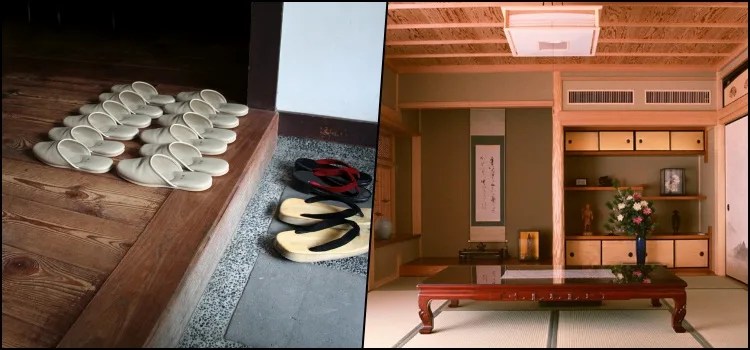
    Taking off shoes – Even knowing that you should take off your shoes in most places you enter, be careful not to forget or feel embarrassed.

    Cultural Challenges and Differences in Japan

    Making noise while slurping noodles – This is considered rude in the West; however, in Japan, not making noise and slurping noodles is seen as disrespectful, a way of saying that you do not like the noodles, so make noise without hesitation.

    One should not blow their nose in public – I don’t need to give details; just don’t do it; it’s uncommon in Japan.

    Sleeping on trains – Many newcomers to Japan are not familiar with the custom of sleeping on trains; this is extremely common and funny; this practice is called Inemuri.

    We recommend reading: Inemuri – Japanese napping in public places

    Cultural Challenges and Differences in Japan

    Masks – It is very common for Japanese people to wear masks to avoid allergies and spreading diseases to others. You may be surprised to see people wearing masks commonly. I think this is great, but uncommon abroad.

    Japanese TV – If you haven’t watched it, you will be shocked by the programming, the bizarre commercials that appear on Japanese TV. It is a huge cultural shock with Japanese programming, its 15-second trailers, and crazy reality shows.

    Notable Differences in Japan

    Everything is too cute and pretty – The term kawaii is part of Japan; in any place, you will come across things that seem childish, colorful, and cute. Police posters look more like a cartoon banner.

    See more: Meaning of Kawaii – Culture of cuteness in Japan

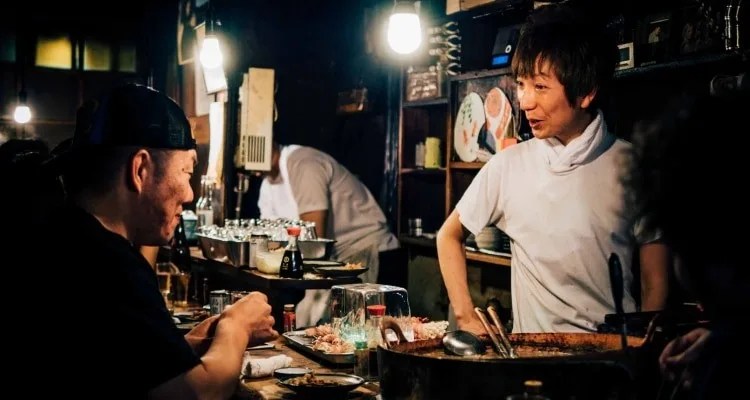
    Nightlife is too good – The nightlife in Tokyo is so good that some people forget themselves and take things a bit too far. There are thousands of restaurants and bars everywhere.

    Cultural Challenges and Differences in Japan

    Crowded streets – Yes, the streets can be crowded in big cities; you will be surprised, but you will feel calm with the organization and safety that the country provides. The best part is that no one bothers or disrespects you.

    Lack of sidewalks – In many neighborhoods and places in Japan, there are no sidewalks, only small alleys. Some streets are so narrow that only one car can pass, or sometimes no car at all; they are exclusive for pedestrians.

    Different bathrooms – Public bathrooms may have a different shape than what you are used to, and in homes and other places, they can be quite technological, full of buttons that spray water. Some even lift the lid and flush by themselves.

    Cultural Challenges and Differences in Japan

    Uniforms – Even though in several countries schools and companies use uniforms, you will notice the enormous difference and impact in Japan.

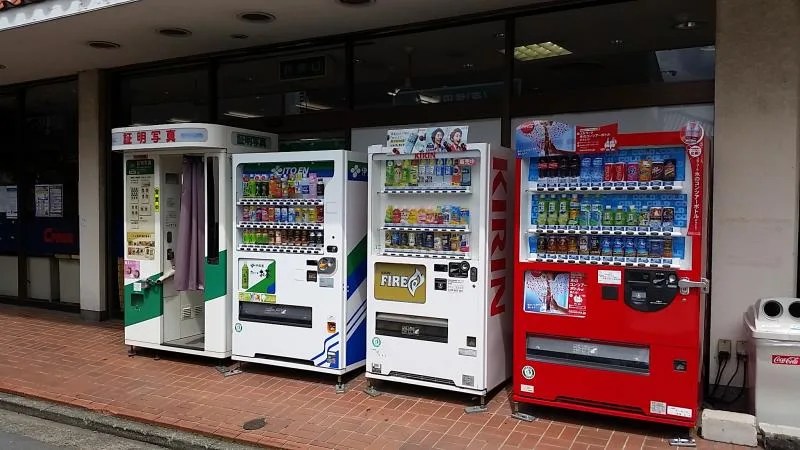
    Many vending machines – You will be shocked by the number of machines and the places where they are located. Sometimes even at the entrance of supermarkets. There are machines that sell everything from rice to underwear.

    Of course, I haven’t mentioned even half of what I should, but there are many points that do not culturally fit or need more details; however, know that Japan can cause a huge cultural impact.

    Cultural Challenges and Differences in Japan

    It may seem like you are on another planet; even with television programs or reading articles, you will not know even 10% of the things that differentiate Japan from the rest of the world. This can be a good or bad experience, depending on each person.

    I hope you enjoyed the article; if you did, share it and leave your comments. Thank you, and see you next time!

  • How do you say Husband and Wife in Japanese?

    How do you say Husband and Wife in Japanese?

    In Japanese, there are several ways to refer to a wife and husband, depending on the situation and the relationship between the people. Here are some of the most common ways to refer to a wife and husband in Japanese:

    • 夫 (otto) – husband (formal)
    • 妻 (tsuma) – wife (formal)
    • 旦那 (danna) – husband (informal)
    • 奥さん (okusan) – wife (informal)
    • 主人 (shujin) – husband (formal or informal)
    • 家内 (kanai) – wife (formal or informal)
    • マイペース (maipēsu) – husband (informal, slang)
    • ラブラブ (raburabu) – wife (informal, slang)
    • パパ (papa) – dad (informal, also used to refer to the husband)
    • ママ (mama) – mom (informal, also used to refer to the wife)
    • 家族 (kazoku) – family
    • 私たち (watashitachi) – we (used to refer to the couple)

    Additionally, it is common to use the personal pronouns “私 (watashi)” to refer to oneself and “あなた (anata)” to refer to the partner, regardless of being a husband or wife. However, it is important to remember that the use of these pronouns may vary depending on the region and situation, so it is always important to be informed about local social conventions.

    It is also common to use the titles “Mr.” and “Mrs.” to refer to the husband and wife in a more formal manner. The words “Mr.” and “Mrs.” in Japanese are “ご主人様 (goshujin-sama)” and “ご夫人様 (gofujin-sama)”, respectively.

    How to call your spouse in Japanese?

    You may not know the difference or have doubts about which of the listed forms to use. See details about each of them below:

    • 夫 (otto) and 妻 (tsuma) are the most formal ways to refer to husband and wife, respectively. They are mainly used in official documents or formal situations.
    • 旦那 (danna) and 奥さん (okusan) are informal ways to refer to husband and wife, used mainly in informal situations, such as among friends or at home.
    • 主人 (shujin) and 家内 (kanai) are formal and informal ways to refer to husband and wife, respectively. They are used in both formal and informal situations, depending on the context.
    • マイペース (maipēsu) and ラブラブ (raburabu) are informal ways to refer to husband and wife, used mainly among friends or in informal situations, considered slang.

    The words used to refer to a wife and husband may vary according to the age of the people. For example, it is more common for young people to use more informal words, while older people may prefer more formal words.

    There are other words and expressions to refer to relationships in Japanese. For example, 彼 (kareshi) is used to refer to a boyfriend or fiancé, while 彼女 (kanojo) is used to refer to a girlfriend or fiancée.

    Other related words

    Here are some other words that may be useful for referring to relationships in Japanese:

    • 伴侶 (hanryo) – partner (used to refer to any type of partner, whether romantic or not)
    • 恋人 (koibito) – boyfriend/girlfriend (used to refer to the romantic partner)
    • 結婚 (kekkon) – marriage
    • 結婚式 (kekkonshiki) – wedding ceremony
    • 婚約 (kon’yaku) – engagement (used to refer to the engagement of marriage)
    • 交際 (kousai) – relationship
    • 愛人 (aijin) – lover
  • The best Mahou Shoujo animes + Complete List

    The best Mahou Shoujo animes + Complete List

    Magical Girl is a style of anime aimed at a female audience, as it features girls with magical powers. They usually receive their power through a magical object that allows them to transform into a superheroine by saying a specific phrase and have a magical mascot. They go on many adventures and fight to defeat evil villains and protect good.

    Some animes completely break this cliché of cute little girls, turning the Magical Girl genre into something dark and obscure, as in the case of Madoka Magica. There are thousands of Magical Girl animes, and in addition to the 10 we will recommend, we will conclude the article with a complete list of all Magical Girl animes.

    Read our other article about shows that copied the Magical Girl from Sailor Moon.

    Sakura Card Captors Magical Girl

    Cardcaptor Sakura – THE MOST KNOWN IN BRAZIL

    The young Kinomoto Sakura opens the magical book of Clow cards and ends up scattering them around the world. Then the guardian of the seal, Kerberos, makes her a card hunter, and the adventures to capture all the Clow cards begin, alongside her friend Tomoyo and Kerberos.

    A very classic anime that has aired on open TV in Brazil. If you want to buy the manga, we recommend the Amazon Store below:

    Sailor Moon – THE MOTHER OF MAGICAL GIRLS

    A girl sees boys beating a cat on her way to school. Faced with such injustice, she rebels and saves it. After the incident, she removes a bandage from her forehead, which curiously hides a crescent moon.

    Later, the cat goes to the girl’s house and contacts her in her room, saying her name is Luna. From this event, the girl becomes a Sailor warrior. She will face demons and, along with other sailors, will search for the Moon Princess on planet Earth.

    Sailor Moon Magical Girl

    She receives some gadgets, among them a brooch that transforms her into Sailor Moon when she shouts “By the power of the moon prism!” and her special weapon is the Moon Tiara activated with the phrase “Moon Tiara, action!”. She also receives a special pen that, when she says “Moon Power!”, transforms her into any chosen professional.

    This is one of the first animes that defined and went viral in the Magical Girl genre.

    Mahou Shoujo Madoka Magica – AGAINST CLICHÉS

    This anime is not a traditional magical girl, which is aimed at a child audience; it is directed at an adult audience. It deals with different issues related to adult life. The main character is Kaname Madoka, a 14-year-old middle school student. After a strange encounter, she becomes a magical girl and changes her destiny forever.

    Madoka Magica Magical Girl

    Princess Tutu

    Ahiru (means duck in Japanese) is a magical creature, more specifically a duck transformed into a human by a curiously mysterious man named Drosselmeyer. She discovers that through her magical pendant, she can transform into Princess Tutu.

    This is a talented and very beautiful ballerina, who, when she dances, relieves all the torment of the hearts of those who see her, from the simplest to the most dreadful. Then she receives a challenge and accepts it. To collect the fragments of the prince’s heart. This was shattered when he sealed a demonic crow to save his kingdom.

    Princess Tutu - Magical Girl

    Full Moon wo Sagashite

    The protagonist is Mitsuki Kouyama, who is 12 years old, and her biggest dream is to be a singer. This is also a promise she made to her childhood friend, whom she loves, Eichi. However, she receives the diagnosis of a malignant tumor in her throat.

    This unpleasant surprise reduces her life expectancy, although she does not know for how long. Then two Shinigami, supernatural entities, visit her and tell her that she has one more year to live. This is the motivation she receives to strive to fulfill her great dream and keep her promise to her childhood love.

    Full Moon Wo Sagashite Magical Girl

    Shugo Chara!

    The Seyo primary school receives a new student, Hinamori Amu, who is unjustly treated with infamous rumors about her and her behavior. After all, deep down, the student is like any other; she just wants to make good friends and have someone to talk to.

    She even falls in love with the school idol. The change in her life really occurs when, after several events, she has to face a strange and alternative reality. Thus, the adventures and mystery begin.

    Shugo Chara Magical Girl

    Tokyo Mew Mew

    Everything changes in the life of 13-year-old Momomiya Ichigo when, while visiting a museum, she ends up receiving DNA from a wild mountain cat or Iriomote cat.

    To return to normal, she must defeat the Chimeras, aliens who want to steal the planet. Over time, four more girls appear who receive DNA from an endangered animal and are tasked with saving the planet.

    Tokyo Mew Mew

    The team discovers a blue Aqua stone, which could be a great advantage in the fight against the Chimeras. There are two problems: the Chimeras are also looking for the stone. The second problem is that the girls need to know how to find it and how to use it.

    Shin Shirayuki-hime Densetsu Prétear

    A girl adapting to a new stage in her family receives a visit from seven boys, who inform her that she has magical powers. She distances herself from them and is forced to reconnect when a monster threatens her friend’s life.

    Without any preparation or training, she must take on the duty of Prétear. She will have to work with the strange group of boys and smooth out their rough edges to become a true team and be able to defeat the evil princess, whose main goal is destruction.

    Shin Shirayuki-hime Densetsu Prétear

    Mahou Shoujo Lyrical Nanoha

    Takamachi Nanoha hears the telepathic call for help from a wizard named Yuuno Scrya. He comes from a very distant planet and tries to recover and seal the Jewel Seeds, which were accidentally scattered around the world.

    In an attempt to seal a seed, he failed and turned into a ferret. The girl receives a magical pearl called Raising Heart, which enables her to transform into a Magical girl lyrical. Her mission is to seal the twenty-one Jewel seeds to help the wizard.

    Mahou Shoujo Lyrical Nanoha

    Kamichama Karin

    Karin lives with her aunt after losing her parents and her cat. She then meets an orphan who coincidentally is the same age as her, named Kazune Kujyou. With his help, she discovers that her mother’s ring has the power to transform her into a goddess. The trio of Karin, Kazune, and her cousin Himeka is formed.

    As she and Kazune have divine powers, they need to protect Karin’s ring and her cousin’s from the malicious Kirio Karasuma (also divine). This trio will live many adventures and meet friends who will have much information about the divine transformation of gods and goddesses, as well as Kazune’s missing father.

    Kamichama Karin - Magical Girl

    Complete List of Magical Girl Animes

    To conclude the article, we will leave a complete list of Magical Girl animes. I hope you enjoyed the article; if you did, share it with your friends and leave your comments.

    • Akko-chan’s Secret 3
    • Angel Tales
    • Animal Detective Kiruminzoo
    • Bottle Fairy
    • Cardcaptor Sakura
    • Cardcaptor Sakura: Clear Card Arc
    • Corrector Yui
    • Creamy Mami, the Magic Angel
    • Cutey Honey Flash
    • D4 Princess
    • Day Break Illusion – Il Sole Penetra le Illusioni
    • Dokidoki! PreCure
    • Earth Maiden Arjuna
    • Fairy Musketeers Little Red Riding Hood
    • Fancy Lala
    • Fate/kaleid liner Prisma Illya
    • Fate/kaleid liner Prisma☆Illya 3rei!!
    • Floral Magician Mary Bell
    • Fresh Pretty Cure!
    • Full Moon o Sagashite
    • Futari wa Pretty Cure Max Heart
    • Futari wa Pretty Cure Splash Star
    • Getsumen to Heiki Mina
    • Ground Defense Force! Mao-chan
    • Guardian Angel Getten
    • Happy Seven
    • HeartCatch Precure!
    • Hime Chen! Otogi Chikku Idol Lilpri
    • I’ve Had Enough of Being a Magical Girl. Second Season
    • Idol Angel Welcome Yoko
    • Is This a Zombie?
    • Is This a Zombie? of the Dead / Hell Chapter
    • Jewelpet
    • Jewelpet Kira☆Deco!
    • Jewelpet Sunshine
    • Jewelpet Tinkle ☆
    • Kaito Tenshi Twin Angel ~Kyun Kyun Tokimeki Paradise!!~
    • Kamichama Karin
    • Key Princess Story Eternal Alice Rondo
    • Kirakira PreCure a la Mode
    • Lady Jewelpet
    • Lalabel, The Magical Girl
    • Lunlun the Flower Child
    • Madam is a Magical Girl / Bewitched Agnes
    • Magic Knight Rayearth
    • Magic User’s Club
    • Magical Angel Sweet Mint
    • Magical DoReMi
    • Magical Emi, the Magic Star
    • Magical Fairy Persia
    • Magical Girl Lyrical Nanoha
    • Magical Girl Lyrical Nanoha A’s
    • Magical Girl Lyrical Nanoha StrikerS
    • Magical Girl Raising Project
    • Magical Meow Meow Taruto
    • Magical Princess Minky Momo
    • Magikano
    • Maho Girls PreCure!
    • Majokko Tickle
    • Matoi the Sacred Slayer
    • Mermaid Melody Pichi Pichi Pitch Pure
    • Miracle Girls
    • Moetan
    • Nanatsuiro Drops
    • Nurse Angel Ririka SOS
    • Omishi Magical Theater: Risky Safety
    • Pastel Yumi, the Magic Idol
    • Petite Princess Yucie
    • Phantom Thief Jeanne
    • Please My Melody
    • Power Puff Girls Z
    • Pretear
    • Pretty Cure
    • Puella Magi Madoka Magica
    • Red Riding Hood Chacha
    • Renkin 3-kyuu Magical? Pokaan
    • Sailor Moon
    • Sailor Moon Crystal: Season III
    • Sailor Moon R
    • Sailor Moon S
    • Sailor Moon Sailor Stars
    • Sailor Moon SuperS
    • Saint October
    • Saint Tail
    • Sasami: Magical Girls Club
    • Selfish Fairy: Mirmo de Pon!
    • Shrine of the Morning Mist
    • Shugo Chara Party!
    • Shugo Chara!
    • Shugo Chara!! Doki
    • Smile Pretty Cure
    • Sore Yuke! Gedou Otometai
    • Steel Angel Kurumi 2
    • Sugar Sugar Rune
    • Super Pig
    • The Diary of a Crazed Family
    • Tokyo Mew Mew
    • Twin Princesses of the Mysterious Planet
    • UFO Ultramaiden Valkyrie
    • Ultra Maniac
    • Umi Monogatari ~Anata ga Ite Kureta Koto~
    • Uta-Kata
    • ViVid Strike!
    • Wedding Peach
    • Wish Upon the Pleiades
    • Yes! Pretty Cure 5
    • Yes! Pretty Cure 5
    • Yumeria

    I hope you enjoyed the article!

  • Difficulties that tourists face in Japan

    Difficulties that tourists face in Japan

    Japan is a unique country, but it can present challenges during your trip. Many tourists face situations that can be both exciting and complicated. In this article, we will explore some of these difficulties and how to deal with them.

    The difficulties addressed here can help you prepare better and avoid potentially serious problems, as well as offer a new perspective on these challenges, turning them into opportunities for a more enjoyable experience.

    Difficulties with Weather and Disasters

    If you are not used to intense cold, be prepared. Additionally, Japan has long rainy seasons and typhoons, which occur between July and September.

    Although rare, you may feel some apprehension regarding earthquakes. Don’t worry, there is a saying that states it is more likely to be hit by a cow than to die in an earthquake in Japan.

    Other events that may cause concern include tsunamis, radiation, and even attacks from other countries. However, these are just remote possibilities. Japan is actually much safer than many imagine. Weather and disaster-related issues can be easily managed with the right information.

    Meaning of Sayonara + 50 Ways to Say Goodbye in Japanese

    Difficulties with Communication

    Even if you speak Japanese or English, there may be difficulties in communication. If your pronunciation is not perfect, it can be hard for the Japanese to understand what you are saying. Focus on learning to pronounce words correctly rather than memorizing an extensive vocabulary.

    Although many Japanese people know English, comprehension may be limited. Try to speak slowly and, if possible, combine English and Japanese. It is also helpful to know that the English accent of Japanese people can be difficult to understand.

    Honne and Tatemae - Understanding the Two Faces

    Difficulties with Food

    Japanese cuisine is rich and varied, and some dishes may be quite different from what you expected. Dishes like kaiseki may include ingredients that are a mystery even to the Japanese.

    You may encounter exotic foods that you might not like, such as raw chicken sashimi or natto. However, Japan does not offer foods like insects or dogs, found in some Asian countries. Be prepared to follow Japanese etiquette rules and learn to use chopsticks correctly.

    Menus can be complicated, not only because they are in Japanese but also because they use complicated fonts.

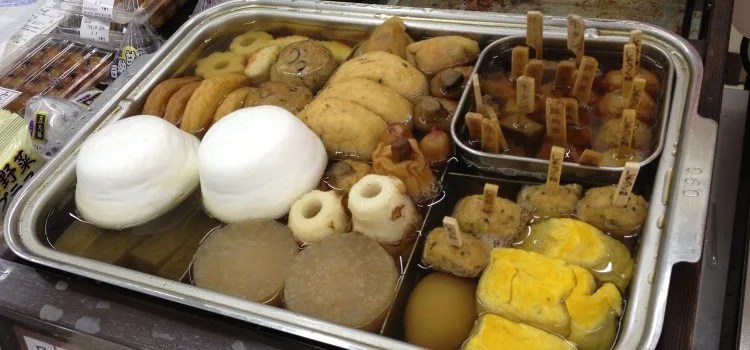
    Oden - Foods Cooked in Dashi Broth

    Difficulties with Transportation

    Finding the right train or station can be challenging. Train lines are complex, and in some small stations, there may be no announcements in romaji or English. If you miss the last train, which is usually around midnight, you may have to look for a manga café or hostel, or pay for an expensive taxi (Uber is more expensive in Japan).

    Trains can be crowded, and you may end up being pushed during peak hours. Be prepared and know the train rules. Even with a map, it is possible to get lost in large and confusing neighborhoods.

    If you decide to rent a car, be aware that the streets can be extremely narrow and traffic rules may be different. The curves and mountains can make driving a true adventure.

    8 Types of People We Encounter on Trains in Japan

    Other Difficulties Tourists May Face

    • Hot Springs: The onsens are a unique experience. Study the etiquette to avoid embarrassing situations.
    • Sitting on the Floor: The Japanese often sit on the floor at small tables, which may seem strange at first.
    • Bowing: The correct way to bow can be difficult to master, and there is a correct angle for each occasion.
    • Removing Shoes: In many places, it is necessary to remove shoes, which can be a challenge for those not used to it.
    • Medications: Bring all the medications you use, as products in Japan may be different and some medications may require multiple pills.
    • Toilets: Toilets can be challenging, especially the futuristic ones with many buttons or the “hole in the ground” type.
    • Bank Cards: Many places still prefer cash payment, and not all ATMs accept credit cards.
    • Monkeys: Be careful with monkeys in the mountains and hot springs; they may try to steal your food.
    • Choices and Orientation: Japan is full of small shops, bars, and restaurants, and you may have difficulty deciding where to go. Be prepared and have a plan.
    • Vertical Signs: Be prepared to look for store and restaurant signs vertically, especially in older areas.
    • Large Cities: Large Japanese cities, such as Tokyo, can be overwhelming, with crowds, bright lights, and many shopping and dining options. Plan your outings in advance and choose quieter neighborhoods if you prefer.
    Onsen - Natural Hot Springs of Japan

    Overcoming Challenges: Tips for an Amazing Trip

    • Planning: Research and plan your trip in advance, including transportation, accommodation, tours, and activities.
    • Flexibility: Be open to new experiences and surprises. Japan is a country full of surprises, and flexibility is key to making the most of your trip.
    • Respect for Culture: Respect Japanese culture and customs, adapting to their norms and etiquette.
    • Apps and Resources: Use translation apps, maps, transportation, and travel guides to make your journey easier.
    • Travel Insurance: Get travel insurance that covers medical expenses, lost luggage, and other unforeseen events.
    • Positive Attitude: Maintain a positive and open attitude, and remember that challenges are part of the adventure of traveling to a different country.

    And you? What challenges did you face or overcome on your trip to Japan? Share your stories and tips in the comments below and inspire other travelers to uncover the wonders of this fascinating country! 🇯🇵

    Remember: Japan is a safe and welcoming country, and with a little preparation and flexibility, your trip will be an unforgettable experience. Venture out, explore, and enjoy everything Japan has to offer!

  • The 15 Best Music Animes + Complete List

    The 15 Best Music Animes + Complete List

    A genre that is widely explored in Japan is music, whether with bands or classical instruments. With that in mind, we wrote this article with a complete list of the best music animes of all time. In addition, we will provide a complete list of these animes for those who want to explore the genre 100%. We will also include the famous Idol animes.

    To keep things organized, we will separate them into categories of bands, instruments (classical music), and idols. We will not provide any order or ranking; we believe that each music anime mentioned in this list has its merits, while the other animes will be in a final list. If any anime is missing from the list, or if you want to comment on it, use the comments section at the end of the article.

    Some music animes focus solely on music, while others have a deeper story and place music in the background. We will leave a number of • (1-3) that represent how much music is present in the anime.

    We also recommend reading:

    Classical music and instrument animes

    I propose we start with recommendations for classical music or instrumental animes:

    Shigatsu wa Kimi no Uso

    This is undoubtedly one of the best and saddest music animes of all time. A heavy drama involving piano and violin. The art, design, soundtrack, story, characters, and direction are worthy of a masterpiece.

    Like any anime, it has its flaws, but it is a must-watch for anyone who enjoys the genre. It tells the story of a boy with a trauma of playing piano due to his mother, until he meets a violinist who will help him overcome it. MANDATORY! •••

    Shigatsu wa Kimi no Uso

    Nodame Cantabile

    Another very good anime, with a lot of comedy and drama involving classical music. This was one of the animes that brought the genre to life, telling the story of a crazy pianist who likes to play freely without relying on rules and sheet music and a perfectionist musician who only knows how to follow rules. The anime has several seasons and even a drama. HIGHLY RECOMMENDED! •••

    Nodame Cantabile

    Sakamichi no Apollon

    An anime that deals with the jazz genre, often overlooked. It tells the story of a classical pianist named Kaoru who is introduced to the world of jazz music by a delinquent named Sentarou. The anime shows the bonds formed through friendship and music. VERY GOOD! •••

    Sakamichi no Apollon

    Piano no Mori

    A film involving a piano in the forest. I don’t quite know how to describe this story, but I recommend it!

    Piano no Mori

    Hibike! Euphonium

    A fresh and light anime with a different proposal, mixing music, moe, and instruments we didn’t expect to see in an anime. The anime has a good background story, full of secrets and drama. We chose to place it in the instruments category, but they are a band from a school club. RECOMMENDED! ••

    Hibike! Euphonium

    Other classical music animes:

    • Kono Oto Tomare!
    • Detective Conan – Movie 12;
    • Piano;
    • Haruchika;
    • Princess Tutu;
    • La Corda D’Oro;

    Music animes involving bands

    K-On

    One of the most moe and famous animes of the genre. It tells the story of a light music club with five lovely, cute, and talented girls. The anime is light, funny, and quite popular. HIGHLY RECOMMENDED! ••

    Moe moe kyun – What is the origin and meaning of moe?

    Nana

    An anime focused on drama and adult people. It tells the story of 2 girls named Nana who start sharing an apartment. One is a punk rocker while the other is a dreamer looking for a romance. The anime has a great soundtrack and captivates viewers with a deep story. MANDATORY! •

    100 Romance Animes – List of the best for you to watch

    Beck

    It tells the story of a band that bears the same name, with 5 young musicians who have to deal with rising fame and daily struggles. The songs in the anime are performed by the voice actors themselves, taking you on a wild rock journey. HIGHLY RECOMMENDED! ••

    Music Animes - Complete list of the best

    Detroit Metal City

    This hilarious anime follows the story of a shy boy who always dreamed of being a pop idol, but to pay the bills, he ends up joining a death metal band. HIGHLY RECOMMENDED! ••

    White Album 2

    Although it is written 2, they are different stories. It shows the story of a vocalist, a pianist, and an indecisive boy, a very heavy drama with a surprising ending. The anime seems to start focusing on music, but the romance of the story goes much further. MANDATORY! • (The 1 is also cool…)

    We also recommend reading: Netorare – Unraveling the Japanese betrayal genre

    So Ra No Wo To

    It tells the story of Kanata who enlists in the armed forces just to play the cornet. The anime shows motivation and inspiration in music, as well as the hard training of the army. VERY GOOD! ••

    Music Animes - Complete list of the best

    Other musical animes involving bands:

    • Macross Frontier (Recommended);
    • Tari Tari;
    • Fuuka (2017);
    • Kami nomi zo Shiru Sekai;
    • Super Sonico;
    • Fukumenkei Noise;
    • Shinkyoku Soukai Polyphonica;
    • Bakumatsu Rock (2017);
    • Shelter;
    • Show By Rock!!;
    • Kowarekake no Orgel;
    • BanG Dream!;
    • Fukumenkei Noise;

    Music animes involving Idols and singers

    Love Live!

    The story presents a group of talented students who intend to compete in an event called Love Live. For those who want to get to know the genre, this is MANDATORY! ••

    The iDOLM@STER

    The second most famous idol anime, featuring the story of 13 moe girls who strive! The anime portrays a story of friendship and struggle! VERY GOOD! ••

    Get to know a little about Japanese Idols

    Full Moon wo Sagashite

    It may look like just another moe anime with a Sailor Moon vibe, but it deals with a dark theme different from traditional shoujo animes. The main character is diagnosed with throat cancer and her singing career seems impossible, but she doesn’t want to give up. PERFECT! ••

    Music Animes - Complete list of the best

    Other animes involving Idols:

    • Macross Frontier;
    • Uta no☆Prince-sama;
    • Suite Precure; Symphogear;
    • Kaikan Phrase;
    • Shinkyoku Soukai Polyphonica;
    • Pretty Rhythm;
    • Mermaid Melody Pichi Pichi Pitch;
    • AKB0048;
    • Wake Up, Girls!;
    • Sekkou Boys;
    • Miss Monochrome;
    • Starmyu; B-Project;
    • Aikatsu!; Magical☆Star Kanon 100%;
    • Magic-Kyun! Renaissance;
    • Tenshi no 3P!;
    • ClassicaLoid;

    Honorable Mention: Guilty Crown

    A great action and drama anime, where the protagonist is an idol. The anime tells the story of an apocalyptic world dominated by a disease and military control. A boy has the power to pull weapons from the protagonist. Perfect soundtrack! MANDATORY! •

    Music Animes - Complete list of the best

    Ranking of the best music animes

    Below I will share in numerical order a ranking with about 12,000 votes from Ranker showing which are the best music animes. You might prefer to follow this order when watching animes of this genre.

    1. Your Lie in April
    2. K-On!
    3. BECK: Mongolian Chop Squad
    4. Uta No Prince Sama
    5. Kids on the Slope
    6. Love Live! School idol project
    7. NANA
    8. Comic Book Series
    9. Nodame Cantabile
    10. Corda D’Oro – primo passo
    11. Video Game
    12. Full Moon o Sagashite
    13. Nodame Cantabile: Paris
    14. Fuuka
    15. Mermaid Melody Pichi Pichi Pitch
    16. Comic Book Series
    17. Sound! Euphonium
    18. fukumekei noise
    19. Pretty Rhythm Aurora Dream
    20. Gravitation
    21. IDOLM@STER
    22. Tari Tari
    23. B-project
    24. Show by Rock!
    25. Uta No Prince Sama: Legend Star
    26. Wake Up, Girls!
    27. Lost Song
    28. White Album
    29. White Album 2
    30. Kaikan Phrase
    31. Valvrave the Liberator
    32. Senki Zesshō Symphogear
    33. Senki Zesshō Symphogear G
    34. Sugar: A Little Snow Fairy
    35. Fancy Lala

    The best music mangas

    Not all music, band, and idol mangas and light novels receive adaptations into anime. Now we will recommend some music mangas and light novels:

    1. BECK: Mongolian Chop Squad – Harold Sakuishi
    2. Your Lie in April – Naoshi Arakawa
    3. Forest of Piano – Makoto Isshiki
    4. Fuuka – Kōji Seo
    5. Kids on the Slope – Yuki Kodama
    6. Nodame Cantabile – Tomoko Ninomiya
    7. Fukumekei Noise – Ryoko Fukuyama
    8. K-On! – Kakifly
    9. Full Moon o Sagashite – Arina Tanemura
    10. NANA – Ai Yazawa
    11. Pretty Rhythm – Mari Asabuki
    12. Tari Tari – Evergreen (original work), Tohru Naomura (construction)
    13. Detroit Metal City – Kiminori Wakasugi
    14. Bremen – Haruto Umezawa
    15. Mermaid Melody Pichi Pichi Pitch – Michiko Yokote
    16. Seishun Pop! – Touta Kitakawa
    17. Uta No Prince Sama – Utako Yukihiro; Broccoli; Kunozuki Kanon; Kurahana Chinatsu
    18. Love Live! School idol project – Sakurako Kimino
    19. La Corda d’Oro – Yuki Kure
    20. Watashitachi no Shiawase na Jikan – Sumomo Yumeka
    21. Gravitation – Maki Murakami
    22. White Album – Leaf
    23. Sensual Phrase – Mayu Shijou
    24. Idol Dreams – Arina Tanemura
    25. Solanin – Inio Asano
    26. THE iDOLM@STER – Tatsuya Takahashi
    27. Rin Miasa – B-Project: Mousou*Scandal – Morino Mizu
    28. Mashiro no Oto – Marimo Ragawa
    29. Nousatsu Rock Shounen – Kamuro Kikuchi
    30. Aozora Yell
  • Perasaan dan emosi dalam bahasa Jepang

    Perasaan dan emosi dalam bahasa Jepang

    In today’s article, we will learn some feelings and emotions in Japanese. I hope this article helps you express your feelings in Japanese. First, we will look at a large vocabulary list of feelings and emotions, and then some example sentences.

    Remember that the list below contains all kinds of feelings and emotions, whether good or bad. Therefore, we recommend using your browser’s locator (CTRL + F) to search for the feeling you are looking for.

    If you are looking for a more specific article, we recommend the following links:

    List of feelings and emotions in Japanese

    It is worth noting that Japanese is a quite complex language, and there are various different words that can have the same meaning as well as others. Perhaps my choice of words is not the most popular or commonly used.

    Remember that the list below does not contain only adjectives. Sometimes, Japanese people use other types of words to indicate the quality, feeling, or emotion of people. They even use verbs as adjectives. So the list below is quite mixed.

    Responsive Table: Scroll the table sideways with your finger >>
    JapaneseRomajiPortuguese
    感情kanjouEmotion, feelings
    うきうきukiukiExcited, thrilled, fun
    恐ろしいosoroshiiFearful
    びっくりしたbikkurishitaSurprised
    気がするkigasuruFeel, have a hunch
    感じ(る)kanji(ru)Feel, feeling
    まごまごmagomagoConfused
    優しくyasashikuKind, gentle
    怒るikaru ou okuruAngry, mad, irritated, upset
    こうぜんkouzenExultant, open
    穏やかodoyakaCalm, gentle, quiet
    悲しいkanashiSad, unhappy
    哀れ(な)awareDeplorable, miserable
    不幸(な)fukouSad, unhappy
    幸せ(な)shiawaseHappy, joyful (happy person, happy with life)
    嬉しいureshiiHappy, joyful about something specific.
    孤独(な)kodokuIsolated, lonely
    落ち込むochikomuDepressed
    怒るokoruAngry, irritated
    悔しいkuyashiiFrustrated
    厄介(な)yakkaiPainful, oppressive, uncomfortable, annoying, tedious
    がっかりgakkariDisappointed, discouraged, disheartened
    感謝(する)kanshaPleasant, grateful
    平静(な)heiseiCalm
    生き生きiki ikiAlive, active, cheerful
    おかしがるokashigaruFun, sweet
    満ち足りるmichitariruContent, satisfied, willing
    小腹が立つkobaragatatsuA little annoyed / irritated
    怯えるobieruScared
    心配(する)shinpaiWorried
    恋(する)koiIn love
    退屈(する)taikutsuBored
    疲れるtsukareruTired
    驚くodorukuSurprised, astonished
    羨ましいurayamashiiJealous, enviable
    やましいyamashiiGuilty
    緊張(する)kinchouNervous
    恥ずかしがるhazukashigaruShy
    恥ずかしいhazukashiiEmbarrassed, shameful
    気楽(なkirakuCarefree, at ease
    ゆっくり(する)yukkuriSlowly, easy
    憎しみnokushimiHatred
    強気tsuyokiStrong, confident, self-assured
    くたくたmokutakutaExhausted
    断固(たる)dankoHard, determined, firm
    独創的(な)dokusouteCreative, original, ingenious
    意欲的iyokutekiAmbitious, motivated, intentional
    忙しいisogashiiBusy, committed
    情熱jounetsuPassion
    愛情aijouLove
    びっくりbikkuriSurprised
    落ち着くochitsukuCalm
    憂えるureeruWorrying, anxious, troubled

    Sentences about feelings and emotions in Japanese

    See below some sentences that demonstrate feelings and emotions in Japanese:

    • 君は恋するには若すぎる。
    • Kimi wa koi suru ni wa waka sugiru;
    • You are too young to be in love;
    • 彼はすぐ怒る。
    • Kare wa sugu okoru;
    • He gets angry very easily;
    • 情熱は苦悩を生む。
    • Jōnetsu wa kunō o umu;
    • Passion generates anguish. (or creates suffering);
    • それはあまりにも悲しい。
    • Sore wa amarini mo kanashī;
    • That is very sad;
    • 愛情と憎しみは正反対の感情だ。
    • Aijō to nikushimi wa seihantai no kanjōda;
    • Love and hatred are opposite emotions;

    Videos about feelings and emotions in Japanese

    To conclude the article, we will leave some videos about feelings and emotions in Japanese:

  • Japanese phrases for WhatsApp and social status

    Japanese phrases for WhatsApp and social status

    In this article, we will share some phrases in Japanese for you to use as status on WhatsApp, LINE, or other social networks like Instagram, Twitter, TikTok, and Facebook. We chose simple phrases in Japanese from various different categories for you to choose and use.

    They are phrases in Japanese about love, friendship, and knowledge. In addition to proverbs, quotes, and sayings of Japanese or Western origin, which provide a unique meaning that your friend who doesn’t know Japanese will never understand. There are various phrases in Japanese to show your friends that you are smart!

    Although these phrases are intended to be used as status, they are actually a great source of study for the Japanese language. I hope you learn each essence of the phrases in Japanese displayed in this article. Perhaps you prefer to use the Portuguese version, since your friends do not speak Japanese.

    I really don’t know if the phrases below are of interest to anyone to use as status or profile description. This is quite relative, not to mention that nowadays the profile status on WhatsApp is dead. And most of the quotes we post in photos on other social networks are objective.

    We also recommend reading:

    Phrases in Japanese for WhatsApp and social statuses

    Phrases in Japanese – Quotes

    自業自得 
    Jigoujitoku

    The act of someone, the profit of someone – Equivalent to reaping what you sow.

    進み続けてさえいれば、遅くとも関係ない。 
    Susumitsudukete sae ireba, osoku tomo kankei nai.

    It doesn’t matter how slowly you go, as long as you don’t stop!

    目指すべき所に、近道は存在しない。 
    Mezasubeki tokoro ni, chikamichi wa sonzai shinai.

    There are no shortcuts to places worth going!

    俺があきらめるのをあきらめろ! 
    Ore ga akirameru nowo akiramero!

    Give up! On making me give up!

    過去を悔やんでばかりでは前に進めないぞ弟よ!! 
    Kako wo kuyande bakari dewa mae ni susumenai zo, otouto yo!!

    How can you move forward if you keep regretting the past?

    何事も始めるのに遅すぎるということはない。 
    Nanigotomo hajimeru no ni ososugiru to iu koto wa nai.

    It’s never too late to start something.

    明日死ぬかもしれないなら、今日を楽しく生きなさい。 
    Ashita shinu kamoshirenai kara, kyou wo tanoshuku ikinasai.

    You might die tomorrow, so enjoy life today!

    辛い時こそ目標を見失わないで 
    Tsurai toki koso mejirushi wo miushinawanaide.

    Don’t lose sight of your goals, especially when you’re going through a tough time.

    虹を見たければ、ちょっとやそっとの雨は我慢しなくちゃ。 
    Niji wo mitakereba, chotto yasotto no ame wa gaman shinakucha.

    If you want the rainbow, you must endure the rain.

    私の歩みは遅いが歩んだ道を引き返すことはない。 
    Watashi no ayumi wa osoi ga ayunda michi wo hikikaesu koto wa nai.

    I walk slowly, but I never walk back.

    成長は往々にして苦痛を伴う過程である。 
    Seichou wa ouou ni shite kutsuu wo tomonau katei de aru.

    Growth is often a painful process.

    猿も木から落ちる 
    Saru mo kikara ochiru

    Even monkeys fall from trees (everyone makes mistakes).

    二兎を追う者は一兎をも得ず。 
    Ni usagi wo ou mono wa ichi usagi wo mo ezu.

    If you try to catch two hares at once, you won’t catch any.

    戦いが平和を証明したことは一度もない。 
    Tatakai ga heiwa o shōmei shita koto wa ichido mo nai.

    Peace has never proven a battle.

    Phrases in Japanese for WhatsApp and social statuses

    Phrases in Japanese – Love Status

    そばにいてください。
    Soba ni ite kudasai;

    Stay by my side.

    いつだって君には私がいるから。
    Itsu datte kimi ni wa watashi ga iru kara;

    I am here whenever you need me.

    遠くに行っても私はあなたのそばにいます。
    Tooku ni ittemo watashi wa anata no soba ni imasu;

    Even if you go far away, I will be by your side.

    愛は風のよう、あなたはそれを見ることはできませんが、それを感じることができます。
    Ai wa kaze no yō, anata wa sore o miru koto wa dekimasen ga, sore o kanjiru koto ga dekimasu;

    Love is like the wind, you cannot see it, but you can feel it.

    私は決して彼女に彼女が好きだとは言っていない。
    Watashi wa kesshite kanojo ni kanojo ga sukida to wa itte inai;

    I never told her that I loved her.

    いつも嵐の後の私の虹でいてくれてありがとう。
    Itsumo arashi no ato no watashi no niji de itekurete arigatō;

    Thank you for always being my rainbow after the storm.

    「愛」はただ単に「愛」である。説明なんてできない。
    “Ai” wa tada tan ni “ai” de aru. Setsumei nante dekinai;

    Love is just love, it can never be explained!

    Check more love phrases in our other article by clicking here. 

    Phrases in Japanese for WhatsApp and social statuses

    Phrases in Japanese about friendship

    ずっと友達でいよう。
    Zutto tomodachi de iyou;

    Let’s always be friends!

    あなた一人じゃない。
    Anata hitori janai;

    You are not alone.

    人生最大の贈り物は友情であり、私はもう手に入れました。
    Jinsei saidai no okurimono wa yuujoudeari, watashi wa mō te ni iremashita;

    The greatest gift in life is friendship, and I have received it.

    真の友情よりかけがえのないものなんてこの世にはない。
    Shin no yuujou yori kakegae no nai mono nante konoyo ni wanai;

    There is nothing in this world that can replace true friendship.

    友情は相互理解にある。
    Yuujou wa sougo rikai ni aru;

    Friendship consists of mutual understanding.

    真の友情は千金にも代え難い。
    Shin no yuujou wa senkin ni mo kae gatai;

    True friendship is priceless.

    友情という植物には絶えず水をやらねばならない。
    Yuujou to iu shokubutsu ni wa taezu mizu o yaraneba naranai;

    Friendship is a plant that must often be watered.

    Phrases in Japanese for WhatsApp and social statuses

    Other Phrases in Japanese

    記憶に無い事は無かった事なんだって、記憶に無い人は最初からいないんだって
    Kioku ni nai koto wa nakatta koto nandatte, kioku ni nai hito ha saisyo kara inaindatte..;

    If you are not remembered, you never existed.

    今はそんなことしてる時間がない。
    Ima wa sonna koto shiteru jikan ga nai;

    There is no time for that now.

    もし私があなただったら、気にしない。
    Moshi watashi ga anata dattara, ki ni shinai;

    If I were you, I wouldn’t care.

    俺とは関わらない方がいい。
    Ore to wa kakawaranai hou ga ii;

    Don’t mess with me!

    頭おかしいんじゃない?
    Atama okashiin janai?

    What the hell were you thinking?

    お前とは喋りたくない。
    Omae to wa shaberitakunai;

    I don’t want to talk to you!

    すばらしい仕事をするには、自分のやっていることを好きにならなくてはいけない。
    Subarashii shigoto wo suru ni wa, jibun no yatte iru koto wo suki ni naranakute ha ikenai;

    The only way to do great work is to love what you do.

    もしそれがまだ見つかっていなければ、探し続けなくてはならない。
    Moshi sore ga mada mitsukatte inakereba, sagashi tsuzukenakute wa naranai;

    If you haven’t found it yet, keep looking!

    忍耐と粘り強さ、努力は成功へと導いてくれる無敵の組み合わせだ。
    Nintai to nebarizuyosa, doryoku wa seikō e to michibiite kureru muteki no kumiawase da;

    Patience, persistence, and hard work make an unbeatable combination for success.

    幸せはもうすでに出来上がっているものじゃない。自分の行動が引き付けるものだ。
    Shiawase wa mō sude ni dekiagatte iru mono ja nai. Jibun no kōdō ga hikitsukeru mono da;

    Happiness is not something ready-made. It comes from your own actions.

    I hope you enjoyed this little article, if possible, share it with friends and leave suggested phrases in the comments. They are simple phrases, you may not have found the one you want.

    To finish, let’s leave one of our video lessons in Japanese teaching some basic phrases:

  • Daijoubu – Understanding the meaning and use of the Japanese word

    Daijoubu – Understanding the meaning and use of the Japanese word

    One of the most popular words in the Japanese language that does not have a literal translation is daijoubu, which is written using the ideograms [大丈夫]. Its meaning is somewhat ambiguous, so we will clarify the confusion this word causes for Japanese learners.

    The word daijoubu is often translated as “don’t worry or it’s all right,” but in this article, we will try to investigate more deeply the true meaning and usage of the word daijoubu.

    The word daijoubu can be an adjective, an adverb, and a noun used in questions and answers in different situations in the Japanese language. This expression has also become popular in the West due to otaku and anime. It is commonly used as a response when people ask if they can do something.

    Daijoubu - Understanding the meaning and use of the Japanese word

    What is the meaning of Daijoubu?

    As a [な] type adjective, the word daijoubu [大丈夫] can mean that something is safe, free of problems, that one can perform the action without any fear, that everything is fine, or okay.

    When daijoubu is used as an adverb, it conveys the idea that everything is all right, without doubts or problems.

    The word daijōbu (another romanization) can also be used to reject certain things equivalent to a “thank you” or another form of gratitude.

    It can convey the idea of “no thank you,” “it’s all right,” “everything is fine,” “don’t mind me.” The most common interpretation of the word is a simple “I’m fine,” especially if accompanied by ”desu” [です] or “da” [だ].

    When used as a question, we can translate it as “are you okay?” or “everything all right?”. If someone trips, looks sad, appears scared, or does anything that involves concern, the expression “daijoubu” may be the most polite to use.

    The meaning of the word will depend on the context used!

    Daijoubu - Understanding the meaning and use of the Japanese word

    What is the origin of Daijoubu?

    In the past, the word referred to a tall, great man, which is why the ideograms 大 (great), 丈 (tall), and 夫 (husband) are used. What do these ideograms have to do with the meaning of the word?

    In ancient China, calling young men “strong and resilient men” was a type of compliment about how they were growing and becoming healthy.

    Over time, this term was used for both sexes to refer to their health and well-being.

    Studying these ideograms in depth, their meaning makes total sense. “Dai” [大] means big, strong, and much. The rest of the word “joubu” [丈夫] means healthy, robust, strong, solid, and durable.

    It is interesting to remember that the name Masurao can be written with the ideograms [大丈夫]. There is also the expression "daijoubukkyou" [大乗仏教] which refers to Mahayana Buddhism, ironically referring to a great vehicle, a popular classificatory term in Buddhism.
    Daijoubu - Understanding the meaning and use of the Japanese word

    When to use Daijoubu for Questions?

    There are numerous situations involving questions where you can use the expression daijoubu. One of the most popular is when offering something, and you wish to politely decline.

    If you were sick last week, a friend might ask you:

    • 大丈夫ですか
    • daijoubu desu ka?

    In this case, you can respond:

    • 大丈夫です
    • daijoubu desu

    Alternatives to Daijoubu

    What other words can be used instead of daijoubu? What are the differences between them? First, we will make a list and then explain a little about each of them.

    • Genki [元気] – Are you okay?
    • Kekkou desu [結構です] – I’m fine;
    • Iidesu [良いです] – It’s okay;

    The phrase “kekkou desu” [結構です] means splendid, good, wonderful, sufficient, and quite. It is usually used to politely refuse something.

    On the other hand, “iidesu” [良いです] literally means it’s good. This word is often used beyond just good; it is commonly used to accept or reject something.

    What is the difference between daijoubu and genki?

    Another word with a similar meaning is genki [元気], which is often used to ask about a person’s health or if they are okay.

    Although both words mean “to be well,” the word “daijoubu” is used to inquire about a situation at the moment. In contrast, “genki” is used for a continuous “to be well,” as if you had a good day.

    “Daijoubu” is especially used when something is wrong or someone is hurt. Meanwhile, “genki” is often used when greeting and starting a casual conversation.

    Daijoubu - Understanding the meaning and use of the Japanese word

    Sentences and expressions that use daijōbu

    To conclude the article, we will leave some example sentences that use the expression daijoubu. I hope you enjoyed the article, and we appreciate your comments and shares.

    PortugueseJapaneseRomaji
    My mother said she was fine.母は大丈夫だと言ったHaha wa daijōbuda to itta
    Everything is probably fine.多分大丈夫ですTabun daijōbu desu
    Are you feeling okay?気分は大丈夫ですかKibun wa daijōbudesuka
    Is everything all right?全て大丈夫ですかSubete daijōbudesuka
    This water is fine to drink.その水は飲でも大丈夫です。Sono mizu wa in demo daijōbudesu.
    Everything will be fine if you hurry.急がば大丈夫ですIsogaba daijōbudesu
    I am not okay (formal).大丈夫じゃありませんDaijoubujyaarimasen
    I am not okay.大丈夫じゃないDaijoubujyanai
    Everything will be fine.きっと大丈夫だよKitto daijobu dayo
    Is everything alright for tomorrow?明日は大丈夫ですかAshita wa daijobu desu ka?
    Is it okay to ask?お願いしても大丈夫ですかOnegaishitemo daijobudesu ka?
    Are you okay?大丈夫なのかdaijoubunanoka
  • Himitsu – How to say Secret in Japanese?

    Himitsu – How to say Secret in Japanese?

    Have you ever wondered how to say secret in Japanese? In this article, we will analyze the word himitsu [秘密] which means secret and also some synonyms like naisho and kimitsu. You will also learn many secret words for your vocabulary.

    What does Himitsu mean?

    The word himitsu [秘密] can be a noun or an adjective of the type na [な] that means secret; confidentiality; privacy; mystery; discretion; secretive and also esoteric teachings. The word [秘密] has a greater, generalized, and more lasting feeling.

    The word himitsu is composed of the ideogram [秘] which means secret and hide along with the ideogram [密] which means confidentiality, density, minutiae, and care. There isn’t much secret about this word.

    See below some phrases, related words, or composed of himitsu:

    • Himitsuhojikeiyaku [秘密保持契約] – Non-disclosure agreement;
    • Himitsu no tobira [秘密の扉] – Secret door;
    • Himitsu ga arimasu [秘密があります] – There is a secret;
    • Himitsuna kanojou [秘密な彼女] – Secret girlfriend;
    • Himitsujanai [秘密じゃない] – No secrets;
    • Kojintekinahimitsu [個人的な秘密] – Personal secret;
    • Kigyouhimitsu [企業秘密] – Corporate secrets; business, industrial, or commercial secrets;
    • Himitsu no bakuro [秘密の暴露] – Secret disclosure;
    • Himitsukeisatsu [秘密警察] – Secret police;
    • Himitsukessha [秘密結社] – Secret Society;
    • Himitsushugi [秘密主義] – Secretism;
    • Himitsuyaku [密約] – Secret agreement;
    Himitsu - How to say Secret in Japanese?

    Naisho – Just for your eyes

    It is also common to use the word naisho [内緒] to refer to some personal secrets, confidences, and privacies. The word can also present a circumstance (especially physical) and also inner realization and personal enlightenment.

    The expression naishogoto [内緒事] is used to indicate a secret; private matter or confidential matter. When we talk or tell a secret, it is called naishohanashi [内緒話] which means secret conversation.

    The word naisho [内緒] has a less formal touch, a bit more personal and temporary. Generally, this type of secret is not something to be kept for many years, nor something very serious, but that doesn’t mean it’s okay to gossip about it.

    See some examples of the word naisho:

    • Kore wa naisho dayo [これは内緒] Please keep this a secret;
    • Naisho de tabako wo suu [内緒でたばこを吸う] – Smoking in secret;
    • Naisho no hanashi – [内緒の話] – Secret conversation;
    • Naisho de soko e itta [私は内緒でそこへ行った] – I went there in secret;
    Himitsu - How to say Secret in Japanese?
    My Criptex to keep hidden secrets!

    Kimitsu – State secret – Confidential

    We also have the formal word kimitsu [機密] used to refer to institutional, governmental, or military secrets. Highly classified and confidential information. It can be used to refer to secret funds, security, and much more.

    See below some examples of use and words composed with kimitsu:

    • Kimitsujouhou [機密情報] – Confidential information;
    • Kimitshogo – [機密保護] – Security (of data, passwords, and others);
    • Kokkakimitsu [国家機密] – State secrets; national secret;
    • Kimitsuhi [機密費] – Secret funds;
    • Kimitsubunsho [機密文書] – Confidential/classified document;
    • Kimitsushorui [機密書類] – Classified, confidential, top secret, or sensitive documents;
    • Kimitsurouei [機密漏洩] – Leak of official secrets; leak of confidential information;
    • Tokumukikan [特務機関] – Secret military agency; secret service;
    • Gunjikimitsu [軍事機密] – Military secret;
    Himitsu - How to say Secret in Japanese?
    Koi to Uso – An anime full of secrets

    Other secret words in Japanese

    Who doesn’t remember the character Hisoka from Hunter x Hunter? Did you know that the word hisoka [密か] is an adjective that means secret, reserved, private, and surreptitious? Don’t these meanings well represent the character’s traits?

    We also have the word shinpi [神秘] which means mysterious; mystery; secret and sacred mysteries. We also have kakushigoto [隠し事] which means hidden thing or secrecy. Onmitsu [隠密] is used for hidden, clandestine, covered secrets and spies.

    The word hiketsu [秘訣] refers to secrets involving methods and tricks, key codes, mysteries involving art and commerce as well as recipes and tricks. Hiden [秘伝] can also mean secrets of medicine, recipes, and mysteries of art;

    • Naibun [内分] – Secret, confidential;
    • Shuhigimu [守秘義務] Duty of confidentiality;
    • Hitoshirenu [人知れぬ] – Secret; hidden; unnoticed; inward;
    • Misokagoto [密か事] – Secret; private matter; love affair; connection;
    • Inji [隠事] – Secret (obscure term);
    • Naibun [内聞] – Private information; secret;
    • Okuyurushi [奥許し] – Secret, initiation, diploma;
    • Himeyaka [秘めやか] – Secretive;
    • Shitagokoro [下心] – Secret intention; hidden motive;
    • Shiikuretto [シークレット] – From the English secret;
    • Gokui [極意] – Most intimate secrets (art, skill); mysteries; essence;
    • Maruhi [マル秘] = Confidential; secret; referring to the symbol [㊙];
    • Uchiuchi [内々] – Secretly; privately; confidentially; within the family circle;
    • Hisaku [秘策] – Secret plan; secret scheme; secret strategy; secret method;
    • Mitsuji [密事] – Secret matter;
    • Kakureru [隠れる] – Hide; encrypt; disappear;
    Himitsu - How to say Secret in Japanese?
    Nisekoi – Another anime full of mysteries and secrets

    Exposing secrets in Japanese

    Now let’s learn words related to the revelation of secrets and things like that:

    • Bakurohanashi [暴露話] – Expose; reveal conversation; internal conversation;
    • Tousatsu [盗撮] – Sneaky photography; non-consensual photography; spying photos;
    • Netabare [ネタバレ] – Spoiler;
    • Touchou [盗聴] – Interception; phone tapping; bug;
    • Ashigaderu [足が出る] – Exceed budget; have a secret revealed;
    • Gekihaku [激白] – Frankly revealing; revelation; disclosure; confession;
    • Kokuhaku [告白] – Confession; acknowledgment; love confession; professing feelings;
    • Kougai [口外] – Revealing; disclosure; saying; letting out;
    • Taneakashi [種明かし] – Reveal how a trick is done; disclosure of a secret; exposure; explanation;
    • Tagen [他言] – Tell others; revealing to others;
    • Kenshou [顕正] – Revealing the truth; demonstrating the truth;
    • Himitsuroueizai [秘密漏洩罪] – Crime of revealing state secrets; charged with revealing them;
    • Mitomeru [認める] – Acknowledge; admit; accept;
    • Sarakedasu [さらけ出す] – Expose; disclose; strip; confess;

  • The meaning of ReiWa [令和] – New era of Japan

    The meaning of ReiWa [令和] – New era of Japan

    On April first (It’s not a lie), which marks a new fiscal year in Japan, the name of the country’s new era was announced as Reiwa [令和]. In this article, we will understand the true meaning of Reiwa and why this name was chosen.

    Japan always changes eras when a new emperor ascends, but this time the Emperor requested abdication from the throne and the ascension of Crown Prince Naruhito will begin on May first, 2019, marking the start of the New Era.

    The Emperor of Japan, Akihito, was the first to abdicate the throne in the last 200 years, with his departure set for April 30th. Although the fiscal year begins on April first, I thought it was a terrible day to make this announcement.

    The era that bore the name of Akihito is called Heisei [平成], which began on January 8, 1989, and ended on April 30, 2019, totaling a period of about 30 to 31 years.

    In total, Japan has had nearly 250 eras, which is actually a number greater than the number of emperors. These eras are called gengo [元号].

    The meaning of ReiWa [令和] of the new era of Japan

    The meaning of Reiwa [令和]

    According to Prime Minister Shinzo Abe, the word Reiwa [令和] suggests that culture is born and nurtured when people “care beautifully for one another.”

    The word Reiwa [令和] is composed of the ideograms:

    • [令] which means command, order, decree, ancient laws, good fortune, command, and decree;
    • [和] which means harmony, Japanese style, peace, Japan;

    In summary, we can understand the two ideograms as order and command and peace and harmony. The ideograms are selected from ancient Chinese texts, but this time it was taken from a collection of classical Japanese poetry called Manyoshu.

    Manyoshu [万葉集] – Collection of the ten thousand leaves, an ancient collection of Japanese poems compiled around 759 during the Nara period. At the end of the article, we will provide links to this book.

    Shinzo Abe added that the poem, over 1200 years old, speaks of the ume [梅] plum blossoms that bloom fully, signaling the arrival of spring after surviving the intense cold of winter. He added that each person can hope for the future and make their own flowers bloom.

    Original Poem: 「初春の月にして、気淑く
    く風ぎ、梅は鏡前の粉を披き、蘭は珮後の香を薫らす」

    Romanized Poem: Shoshun no reigetsu ni shite kyoku kuyawara gi kyouzen no konawohiraki ranwahaigo no kou wo kaorazu.

    The meaning of ReiWa [令和] of the new era of Japan

    Experts say that the choice taken from a book of Japanese poetry created a milestone in Japan’s history. This was indeed the first time a name was taken from outside ancient Chinese books.

    Reiwa also carries feelings such as hope, resilience, prosperity, peace, and unity. There is also a homonym of reiwa [例話] which means illustration and anecdote.

    Does Reiwa remind of peace and harmony?

    Unfortunately, the name peace, pronounced Heiwa [平和], could not be chosen as the name of the new era. There is a rule that the names of the eras cannot have the same initials, so names starting with H, M, T, and S were out of consideration.

    Still, the name Reiwa [令和] was not chosen by chance; the goal was to remind of the word Heiwa [平和] which means peace. These similarities are not mere coincidence; the name of the new era may not contain the ideogram [平], but it ends with [和] which means harmony.

    The meaning of ReiWa [令和] of the new era of Japan

    The previous era name Heisei [平成] reminded of the homonymous word [平静] which means calmness, serenity, and tranquility. Where [平] means peace or fullness and [成] means to transform, to become, to stay, to grow, to arrive, and to proceed.

    Notice that if we combine the first ideogram [平] of the previous era and the second ideogram [和] of the new era, we will form the word Heiwa [平和] which means peace and harmony. Not to mention the Showa Era.

    The names of previous Japanese eras were “Meiji” (enlightened government) of Emperor Mutsuhito; “Taisho” (great legitimacy) of Emperor Yoshihito and “Showa” (peace and harmony) from 1926.

    How is the name of the new era Reiwa chosen?

    The names of the eras in Japan need to be composed of two Chinese characters, easy to read and write. It is also recommended not to use a combination that has been used before or that is commonly used.

    Currently, the name should align with the ideals of the nation; some academics and bureaucrats compile a list of suggestions, and the cabinet makes the final decision.

    The meaning of ReiWa [令和] of the new era of Japan

    Nowadays, only about 34% of people use the gengo [元号] or the counting of eras in their daily lives. Japan is globalized, and many question the need to use the system of eras and periods.

    What did people think of the name Reiwa? Most approved the choice, but some questioned the choice of the ideogram [令] which means order.

    What did you think of the name of the new era Reiwa [令和]? If you liked this article, don’t forget to share it with friends and leave your comments.

  • Kyoto Imperial Palace Park and Gardens

    Kyoto Imperial Palace Park and Gardens

    The park of the Kyoto Imperial Palace is a large public park in the center of Kyoto that is known for its plum blossoms, cherry blossoms, and autumn leaves. As the name suggests, the park surrounds a palace called the Kyoto Imperial Palace.

    The Park and Garden of the Kyoto Imperial Palace

    This park also contains the Japanese Garden of the Palace known as “Sento” which has a pond with 2 tea houses that was built for Emperor Go-Mizunoo in 1630. Previously, there was a palace in this garden that was burned down in 1854 and was never rebuilt.

    The Park and Garden of the Kyoto Imperial Palace

    The Kyoto Imperial Palace was the home of the Emperor during the Edo period when Kyoto was the capital of Japan. The park surrounding the palace was designed by qualified landscape artists, resulting in something beautiful and in trees with different characteristics. The park also has several small shrines and Torii gates.

    The Park and Garden of the Kyoto Imperial Palace

    The Kyoto Imperial Palace Park along with the Garden and the Palace are close to the Kyoto train station, Imadegawa, Jingu-Marutamachi, and Marutamachi.

    Videos of the Kyoto Imperial Palace

    Image sources: Japan talk and others.

  • The serenity, gentleness, and harmony of the Japanese.

    The serenity, gentleness, and harmony of the Japanese.

    Japan is one of the safest countries in the world, where incredibly less than 5 people are murdered with firearms each year. How do the Japanese manage to preserve harmony, gentleness, and serenity in this troubled world?

    Japan has not always been peaceful

    It may be ironic, but Japan was once one of the most violent countries on earth. Not only because of the events of World War II, but Japan has lived in war throughout its millions of years of history.

    Internal and external wars have always occurred, and Japan has a long history of wars with the famous Samurai, Ninjas, Emperors, and a great unjust hierarchy full of misfortune.

    It was only after World War II that the Japanese changed drastically in a way that impressed the world. They only managed this because despite their previous wars, the Japanese were dedicated and respectful.

    The serenity, gentleness, and harmony of the Japanese

    The dedication of the Japanese to work and the education of the young has made Japan a peaceful place. The country benefited from a rich cultural history and customs that became a pillar for the nation to become what it is today.

    This shows us that Brazil can change and improve, but for that, we need law and organization. We need to change the selfish and ignorant way of thinking of most people in our society.

    Harmony in the name of Japan

    Have you heard of the kanji wa [和]? This ideogram means harmony, peace, sum, and totality. However, people recognize this ideogram as representing the Japanese style or Japan. It is present in various words that refer to Japan, its art, and culture.

    The ideogram [和] is also present in the word nyuuwa [柔和], which means gentleness, tenderness, and softness, themes addressed in the article. Notice that even the Japanese language refers to Japan as a gentle and harmonious place.

    The serenity, gentleness, and harmony of the Japanese
    sasint / Pixabay

    Even the names of the eras of Japan referred to harmony. Many things in Japan, especially traditional things that refer to style, culture, and customs, use [和] referring to Japan.

    For example, wagyuu [和牛] is Japanese beef; washitsu [和室] is the Japanese-style room; wafuku [和服] are the traditional clothes of Japan like the Kimono. Everything from Japan refers to harmony.

    Harmony is a word with origins in the Greek language that indicates an agreement or consonance both in the artistic and social context. Often related to the chaining of simultaneous sounds.

    GENTLENESS IN THE WAY OF THINKING of the JAPANESE

    The main reason Japan has so much harmony and peace today lies in the way of thinking of the Japanese. The culture and education of Japan manage to refine a large part of the thoughts that cause misfortune in society.

    The Japanese are taught to have humility, obedience, and gentleness. These qualities are the complete opposite of pride, anger, and disobedience that end up being spread in Brazilian culture, resulting more and more in thieves, corrupt individuals, proud, stressed, and violent people.

    The serenity, gentleness, and harmony of the Japanese

    Nowadays, it is increasingly common for a person to get angry and want to fight another person over trivial matters. The Japanese, on the other hand, rarely lose their composure and stoop to that level.

    We do not want to personify anyone; although the Japanese are peaceful, one of the reasons is that they rarely want to take the trouble to get involved in problems, whether to help or to cause them. This can sometimes be a bad attitude.

    School and society teach the Japanese to be gentle, not to get involved in or cause problems, and to be obedient to the laws. The Japanese are not obliged to follow this path, but there are consequences for those who do not fit into society.

    Unfortunately, our Brazil seems to be going in the opposite direction. It seems that here being honest is being foolish or being peaceful is being weak. All a result of the impatience of Brazilian society that focuses on fulfilling its own desires instead of making wise decisions.

    The serenity, gentleness, and harmony of the Japanese

    The biggest mistake of Brazil is the desire to satisfy things immediately without thinking about the next person or future consequences. I wrote exactly about this topic on one of my websites; I recommend reading the article about immediate satisfaction by clicking here.

    Japanese customs that result in harmony

    If you have ever practiced martial arts, you must remember the rules, respect, and dedication involved in this art. The truth is that almost everything the Japanese do in their culture results in harmony and not disorder.

    Classical music is famous in Japan and can be heard in various public places. Students are encouraged to learn to play instruments like the piano and violin. This music, which is part of Japanese culture, calms the population, resulting in harmony.

    The serenity, gentleness, and harmony of the Japanese

    In Brazil, however, we have an apocalyptic scenario. Unfortunately, a large part of the people despise classical and instrumental music but love songs with lyrics directed towards sex, betrayal, drinks, and sometimes even glorifying crime and drugs.

    If you listen to a calmer, more poetic, and romantic song, you are criticized by the new generation. The same happens with movies, series, and cartoons. I have lost count of the times I have been criticized for not liking excessive violence in the media.

    In Japan, people diversify their cultural activities; students have the option to choose a club where they will dedicate a large part of their school life to some type of art or sport that requires a lot of discipline and persistence.

    From an early age, Japanese children are taught to take care of the cleanliness of the school. It may seem unimaginable to Westerners, but this helps us get used to doing things that are not fun or that we do not like, reducing our selfishness and helping us accept things in order to maintain peace.

    The serenity, gentleness, and harmony of the Japanese

    These are small tasks, rules, and aspects of Japanese culture that enable the Japanese to be gentle, peaceful, serene, and harmonious. Of course, there will always be people opposed to these qualities; just ignore them.

    Principles that lead the Japanese to serenity

    There are some thoughts and principles that lead the Japanese to serenity, harmony, and gentleness. In Japanese culture, art, poetry, philosophy, and religion, there are thousands of aspects that lead to serenity. Let’s see some below:

    Shouganai – Nothing can be done; it is a Japanese thought where they accept that something is impossible and cannot be resolved. A reminder to accept things as they really are, avoiding negative thoughts.

    Mugon-no gyō – Refers to meditation and reflection before doing something or making a decision; making hasty decisions can lead a person to make mistakes and harm others.

    The serenity, gentleness, and harmony of the Japanese

    Kodawari – Involves paying scrupulous and determined attention to details, motivated by passion and self-discipline, even if this receives no recognition or result.

    I have also written several articles discussing Japanese cultural aspects and some principles that result in this gentleness and harmony. I will conclude the article with a list of these articles below. Thank you for sharing!

  • Gyaru – Get to know the style of the Gals

    Gyaru – Get to know the style of the Gals

    Have you heard the term gyaru (Gal)? Usually present in animes, these Japanese girls stand out for their blonde hair, dark skin, strong personality, and different way of speaking. In this article, we will understand a little about this Japanese style.

    Origin and Meaning of Gyaru

    Gyaru [ギャル] is a Japanese fashion style that emerged due to a brand of jeans called “Gurls.” This word originated from the English “girl” and the slang “gals” used to refer to pretty girls.

    It all started when the company Gurls launched a slogan saying:

    “I can’t live without men.”

    Gurls

    This phrase became popular among Japanese teenagers, which ended up creating this fashion style and also a personality and lifestyle of its own.

    In the 1990s and 2000s, it was hard to walk the streets and not find a group of gals. Nowadays, this fashion style has declined. Gals can now only be found on the streets of Shibuya and Harajuku.

    Gyaru (Gals) Fashion Style

    Girls belonging to the gyaru (gal) style usually mix colors, prints, sparkles, and all kinds of fashion and personal style in a very bold way, different from the Eastern standard.

    They often get artificial tanning, completely change their hair, and wear thousands of colorful and exotic accessories.

    Gyaru is also characterized by having very bleached or dyed hair (mainly dark brown to blonde tones), highly decorated nails, and dramatic composition.

    Gyaru - Discover the independent style in Japan

    The makeup consists of dark eyeliner and false eyelashes used in ways intended to make the eyes look bigger. The clothing pieces for gals differ depending on which gyaru style the girl chooses. They would roll up their skirts to make them shorter, had their own slang, and frequented specific places. They have a habit of posing with their tongues out when taking photos.

    There are many famous models in this area, among them the most popular are: Tsubasa Masuwaka, Kumiko Funayama (Kumicky), Rie Matsuoka (Okarie), Hikari Shiina (Pikarin), Satomi Yakuwa (Satomin), Sayoko Ozaki, Rina Sakurai, and Blogger Jenny Franz (It Girl J).

    Things declined when the stereotype of the schoolgirl emerged, and gals began to be associated with inappropriate things. There were even hentais and erotic works associating with the gals. Over time, the idea of the independent and rebellious gyaru became a cuter style.

    We also recommend reading:

    Gyaru - Discover the independent style in Japan

    Styles and Types of Gyaru

    This fashion style is divided into several categories that involve fashion and gender choices. They are:

    • Gyaru-kei (ギャル系): Name given to gals who adopt the standard style of a gyaru.
    • Bibinba (ビビンバ): Involves the use of large amounts of gold, jewelry, and accessories;
    • Ganguro (ガングロギャル): Occurred in the 90s, girls with artificial tanning, with brown or bleached hair;
    • Banba (バンバ): Use a lot of sparkle, more extreme types of false eyelashes and colored contact lenses, use less makeup;
    • Hime gyaru or hime kei: One of the most expensive styles, dress like Western princesses, wear pink dresses with lots of lace, bows, pearls, crowns, and decorate their homes;
    • Gyaruo (ギャル男): It is the term used for men who follow this fashion;
    • Kogyaru: Generally a high school student;
    • JK gyaru: recent term for Kogyaru, or gyaru still in school uniforms.
    • Onee Gyaru (Onee: older), with a more mature and sophisticated style;
    • B-gals: Focused on the Hip Hop world;
    • HaadyGyaru: Inspired by the 80s, with many colors and sparkles;
    • Kigurumi: Animal or anime costumes;
    • Ane gyaru: A more rebellious style, like motorcycle gangs;
    • Kogal: subgenre of gyaru, also known as a young, or baby gyaru (based on school uniforms).
    • Gyaru mama (ギャルママ): Mothers with children who follow this lifestyle;
    types_gyaru

    Gyaru Vocabulary

    Gyaru have their own language called gyarugo (ギャル語), a type of dialect composed of some slang and endings. Many words have changed over time, many have fallen out of use.

    Gyaru often use the suffix poyo (ぽよ) at the end of some words and slang. We separated some for you to understand better:

    • ぽよ (poyo) – Suffix that indicates “looks pretty,” used at the end of many gyaru slang;
    • あげぽよ (agepoyo) – More popular slang meaning super excited, energetic;
    • さげぽよ (sagepoyo) – sad, disappointed;
    • らぶぽよ (rabupoyo)Feeling of love, passionate;
    • やばぽよ (yabapoyo) – bad, evil, dangerous, risky;
    • とりま (torima) – Anyway;
    • ぱちこく (pachikoku) – to tell a lie;
    • ぱギャル (pagal) – Not fully gal, half gyaru;
    • うけぴい (ukepii) – Funny;
    • あとんす (atonsu) – thank you;

    Even though the style is divided into thousands and doesn’t have as much strength as in the past, gyaru has a lot of influence in Japan and the world, especially in animes, many of them spicy.

  • Shogunate: Feudal period of Japan – History of Japan

    Shogunate: Feudal period of Japan – History of Japan

    Japan is currently a parliamentary constitutional monarchy since 1868, after the Meiji Restoration, following the Boshin War, which ended the shogunate and returned the main power to the Emperor.

    At that time, the samurai class lost its prestige and its reputation declined to the point of being persecuted and extinguished, the shogun had his lands and power taken by the Emperor, and finally, after six centuries, a civil government was reestablished.

    Before that, Japan was a feudal military government directly ruled by the shogun, who was a kind of military dictator controlling all of Japan and was the de facto governor of the entire country while the Emperor was the de jure ruler.

    The shogunate emerged after the power takeover of the Kamakura clan. Minamoto no Yoritomo (1147 – 1199) became the first regent shogun and initiated the period now known as the Kamakura Period, establishing a feudal system where the samurai, who were previously simple soldiers belonging to a low position in the military hierarchy, rose to power and were placed above the aristocracy to serve directly under the shogun.

    However, there were times when the shogunate was overthrown by a coup d’état perpetrated by another clan to take power from the clan that ruled Japan, leading to another shogunate, causing the shogunate to be divided into three periods: Kamakura Period (1185 – 1333), Ashikaga Period (1336 – 1573), and Tokugawa Period (1603 – 1868).

    History of Japan - What was the Shogunate?

    Kamakura Shogunate

    The first shogunate, Kamakura Shogunate, began after Minamoto no Yoritomo usurped the Emperor’s power and became the military governor of Japan.

    During this time, there were power disputes between the Kamakura clan and the Houjou clan, which were the clans that had influence over the shogun.

    The Kamakura Shogunate ended with its fall caused by Emperor Go-Daigo (1288 – 1339), who unsuccessfully tried to overthrow the shogunate through a coup d’état with the purpose of establishing a civil government.

    As a result, Go-Daigo lost the throne, was banished from the aristocracy, and exiled. Despite Go-Daigo’s failure, the shogunate weakened and fell in 1333.

    Ashikaga Shogunate

    The military Ashikaga Takauji (1305 – 1358) tried to help Go-Daigo regain his throne only to later betray him and, after being appointed the new shogun, initiated the Ashikaga Shogunate, the second shogunate.

    During the Ashikaga Period, Japan maintained political and commercial relations with Korea and China.

    Due to tensions among daimyos, the feudal lords of Japan, who competed for power during the Onin War (a civil war that lasted from 1467 to 1477), loyalty to the shogun severely weakened and resulted in the Sengoku Period, marked by political and social instability, conflicts, and riots among the military.

    The Sengoku Period was the cause of the fall of the Ashikaga Shogunate, which ended with the expulsion of Ashikaga Yoshiaki (1537 – 1597) by the daimyo Oda Nobunaga (1534 – 1582) in 1573.

    As a result, Nobunaga gained control of power and all of Japan.

    Shogunate: Feudal Period of Japan - History of Japan

    Tokugawa Shogunate

    Nobunaga managed to rule all of Japan until 1582, when he was betrayed and killed by the samurai Akechi Mitsuhide (1528 – 1582).

    Toyotomi Hideyoshi (1537 – 1598), Nobunaga’s apprentice, sought to avenge his master’s death at the Battle of Yamazaki. Defeating Mitsuhide, who had become shogun after assassinating Nobunaga, Toyotomi became the new shogun.

    However, Toyotomi’s shogunate weakened when Japan’s invasions of Korea were a fiasco. As a consequence, his clan lost power and influence in Japan. Thus, the shogunate fell in 1598, after Toyotomi’s death.

    After his death, no one was appointed as shogun, leaving a power vacuum in the Japanese government.

    In 1600, at the Battle of Sekigahara, the military Tokugawa Ieyasu (1543 – 1616) defeated the Western Army along with his army, the Eastern Army. And thus, he took power, becoming the new shogun, thus initiating the Tokugawa Shogunate (1603 – 1868).

    The Tokugawa Period was marked by Japan’s isolationist policy. Avoiding any type of political and economic relationship with foreigners, Japan became a closed country to the rest of the world.

    Shogunate: Feudal Period of Japan – History of Japan

    End of the Shogunate and the Meiji Restoration

    With the country being pressured by foreign trade and remittance, Japan opened up to foreigners.

    However, the shogunate took measures to prevent the country from having any type of relationship with foreign forces. The Ikokusen Muninen Uchiharairei, also known as the “no second thoughts policy”, was implemented to isolate Japan.

    However, to keep foreigners away, the Japanese would have to learn about foreign sciences. Thus, they began to acquire firearms through the Dutch. And then, they studied the manufacturing of these firearms to produce them of the same type and quality.

    After conflict with foreign forces, Japan had to negotiate treaties to prevent the country from being attacked again. Thus, the “no second thoughts policy” came to an end.

    Subsequently, through these treaties, foreigners were allowed to establish trade relations with the Japanese. This made the shogun feel aggrieved and used the samurai to stop these trade relations.

    In 1868, samurai from the Satsuma clan gathered in favor of the Emperor to overthrow the Tokugawa Shogunate. And they did so, resulting in the resignation of Tokugawa Yoshinobu (1837 – 1913), the last shogun.

    And then, the shogunate was abolished, returning power to the Emperor, opening Japan to the world, abolishing the samurai class, and establishing a parliamentary constitutional monarchy based on Western monarchies.

    The 10 Japanese Martial Arts + List

    Modernization of Japan

    Subsequently, with the abolition of the shogunate, Japan quickly industrialized and militarized. Thus, it became a power that conquered territories throughout Asia.

    What did you think of this article? If you want to add anything, feel free to comment and share with friends. We also recommend reading:

  • 8 Beauty Tips from Japanese Women

    8 Beauty Tips from Japanese Women

    Japanese women have a beauty and vitality that is enviable, don’t you think? But for many, many years, their beauty secrets were kept under lock and key, until they were finally revealed to the world. And it is with pleasure that we bring you some Japanese beauty tips to always be beautiful and radiant from head to toe.

    How do Japanese women stay beautiful?

    Japanese women, in addition to starting to take care of their skin and hair from a very young age (unlike Western women), also maintain a strict routine of skincare and hair care that makes all the difference. Only now, after centuries, do we see a greater dissemination of good skincare practices, such as the skincare routine, for example. But today we are here to reveal all the beauty tips of Japanese women.

    1- Camellia oil:

    Floral oils are gradually being included in the skincare routines of Brazilian women. In Japan, however, camellia oil has been used for a long time and is one of the greatest beauty secrets of Japanese women. It can combat the effects of aging and balance the skin’s moisture.

    2- Head massage:

    It is no secret that our body needs a good massage from time to time. However, our head is often neglected when it comes to massage. Know that Japanese women often massage their heads, especially the scalp, to stimulate blood circulation in that area.

    Companions and prostitution in Japan

    3- Washing the face the right way:

    Washing the face may seem like a simple process, but the women of the land of the rising sun take it very seriously. In addition to massaging with their fingertips, they never sleep with makeup on, and they apply facial lotions and moisturizing creams every day upon waking and also before going to bed.

    4- Using plenty of sunscreen:

    Another thing that Japanese women take very seriously is protecting their skin from the sun’s rays. Unlike the sun in Brazil, in Japan, the sun’s rays can cause severe burns, especially during the summer. Therefore, Japanese women often use sunscreen even on cloudy days.

    5- Drinking green tea:

    Green tea is one of the main elements of Japanese cuisine, and what better than it being one of the greatest beauty secrets of Japanese women? Besides being a great weight reducer, green tea is also an excellent antioxidant.

    Japanese tea ceremony - All about Chanoyu

    6- Eating a lot of fish:

    Another major element of Japanese cuisine is fish. Saltwater fish are great sources of Omega 3, which is one of the main elements for a healthy life and a beautiful body.

    7- Meditation and self-care:

    In the East, the practice of meditation is one of the great secrets to longevity and a fuller life. In our busy daily lives, it is very common for us not to stop even to observe the world around us and also to take care of ourselves. Therefore, take a moment, breathe, and relax from time to time, as stress is harmful not only to health but also to the soul.

    8- Self-esteem:

    Self-esteem is one of the main elements for a fuller life and even for a healthier body. You don’t need to always be radiant to feel good about yourself; try to look within and notice all the qualities that exist inside you, for only then will you start to take better care of yourself.

  • What is the difference between the particles は (wa) and が (ga)?

    What is the difference between the particles は (wa) and が (ga)?

    The particles in the Japanese language are amazing. They make the language simpler, more direct, and easier to understand, but sometimes they can complicate things.

    One point that confuses many people when learning nihongo is the particles は (wa) and が (ga). They have similar functions, and this can create a real “bug” in the mind. Today, we will try to explain the difference between these two particles so that you never get confused again.

    Basic Summary

    The particles は and が are super important in Japanese. You will use them all the time in almost every sentence. In summary:

    • The particle は (wa) is used to mark the topic of the sentence.
    • The particle が (ga) is used to mark the subject of the sentence.

    Now that you know this, have you solved your problems? Probably not. This explanation of “topic” and “subject” may seem a bit confusing, after all, the two terms are very similar.

    Many people say that you will understand the difference between が and は over time, but who wants to wait that long? We want to understand now! Let’s go, but keep in mind that this requires a basic knowledge of the Japanese language.

    Particles へ, に, で which and when to use?

    The True Difference Between は and が

    Let’s talk a little more about what each particle does:

    Particle は (wa)

    • Marks the topic of the sentence.
    • Used when something has already been mentioned before or is familiar to both the speaker and the listener.
    • Indicates contrast or highlights the topic.
    • Although it is written with the hiragana は (ha), it is pronounced “wa”.
    • It appears after a noun to indicate that something will be said about it.
    • Can indicate contrast between two items or show a limit number.

    Particle が (ga)

    • Marks the subject of the sentence.
    • Used when a situation or event is presented for the first time.
    • Also connects two sentences, with the meaning of “but”.
    • Can indicate the object of a subordinate or relative clause.
    • Can be used to soften a statement or refusal.

    These explanations may seem like a lot of information, but don’t worry, the main focus is to understand the basic difference: wa marks the topic and ga marks the subject. But what exactly is this difference?

    Topic vs Subject: What Does This Mean?

    Topic (は)

    The topic is the general “subject” of the conversation, something that has already been mentioned or is known by both the speaker and the listener.

    • When to use は?
      • To compare two things.
      • When you are giving general information.
      • When talking about people or abstract ideas.

    Subject (が)

    The subject is what is directly related to the verb, that is, who performs or suffers the action.

    • When to use が?
      • For neutral statements that focus on specific information.
      • To describe physical things or point out something specific from a group.

    Example Sentences

    Example 1:

    (1) 猛男さん が イチゴを 食べました。
    (2) 猛男さん は イチゴを 食べました。

    Both sentences mean “Mr. Takeo ate the strawberry”. The difference lies in what is emphasized:

    • In the first sentence, the particle が emphasizes who ate the strawberry (Takeo).
    • In the second sentence, the particle は emphasizes what was eaten (the strawberry).

    Example 2:

    (1) これ が 臭い です (kore ga kusai desu)
    (2) これ は 臭い です (kore wa kusai desu)

    Both mean “This is stinking”, but:

    • The sentence with が emphasizes that this specifically is what is stinking.
    • The sentence with は emphasizes the act of stinking, without focusing so much on the object.

    Example 3:

    (1) 私 が 行きます (watashi ga ikimasu)
    (2) 私 は 行きます (watashi wa ikimasu)

    Both mean “I will go”, but:

    • In the first sentence, with が, you are highlighting yourself, as if saying: “I am the one going”.
    • In the second sentence, with は, you are simply informing that you will go.

    Example 4:

    (1)このボールペンが赤です。(Kono bōrupen ga akadesu.)
    (2)このボールペンは赤です。(Kono bōrupen wa akadesu.)

    This pen is red

    Once again, the first example, which uses the particle “Ga“, emphasizes the pen and not its color. It’s as if the sentence wanted to say: “THAT pen is the red one!!!” (and not that other pen).

    While the particle “Wa” is trying to say: “This pen is RED!!!” (and not blue)

    Simply put, we can conclude that: the particle Ga emphasizes what is before the particle while Wa emphasizes what is after it.

    Example 5:

    Let’s go to one more small example:

    • 私はケビンです ( I am Kevin )
    • 私がケビンです( I am the am Kevin)

    Or you can simply say informally ケビンです without using any particle;

    Conclusion

    This article showed only a basic view of the difference between the particles は and が. There are still many details that can vary depending on the situation, but understanding that emphasizes what comes before it and what comes after it will help you a lot. Depending on the context, you will need to decide which particle to use to sound more natural.

    Remember: you won’t always need to use particles in your responses. Often, a short answer is enough!