
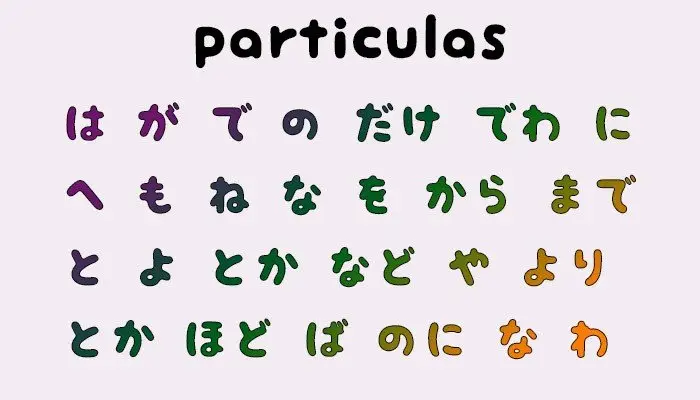
Japanese nouns are usually easier to form than English nouns, but they can feel harder to interpret at first. The reason is simple: Japanese does not force a noun to change for singular or plural, and it does not assign grammatical gender the way many European languages do. A word like neko can mean “cat” or “cats” depending on context, and that is perfectly normal.
This also affects the way pronouns work. Japanese has words that function like pronouns, but native speakers often avoid repeating them when the subject is already clear. If you want to sound more natural, it helps to stop looking for a one-to-one match with English and start paying attention to context, particles, and register. Our article on context in Japanese goes deeper into that habit of leaving information implied.
Contents 9
How Japanese nouns work
Japanese nouns do not change form to mark gender or number. In other words, the noun itself usually stays the same whether you are talking about one thing, several things, men, women, or mixed groups. What changes is the surrounding sentence.
- 猫 (neko) can mean “a cat,” “the cat,” or “cats.”
- 学生 (gakusei) can mean “student” or “students.”
- 先生 (sensei) can refer to a teacher regardless of gender.
Because of that, Japanese relies heavily on particles, counters, and context. A number like san-nin already tells you there are three people, so the noun itself does not need a plural ending. The same idea appears in everyday sentences, where the listener is expected to infer what is singular, plural, definite, or general from the situation.
Proper and common nouns
Just like English, Japanese has proper nouns and common nouns. Proper nouns name a specific person, place, or entity, while common nouns refer to a general category.
- 東京都 (Tōkyō-to) - Tokyo Metropolis
- 富士山 (Fuji-san) - Mount Fuji
- ブラジル (Burajiru) - Brazil
- 猫 (neko) - cat
- 本 (hon) - book
- 映画 (eiga) - movie
When you start combining nouns, particles become just as important as vocabulary. For possession and noun-to-noun relationships, the particle no (の) is one of the first pieces you should master.
Do Japanese pronouns work like English pronouns?
Not really. Japanese has pronoun-like words, but they behave more like nouns than like fixed grammatical forms. They do not change for subject or object the way English pronouns do, and they are often dropped when context already makes the meaning clear.
That is why many beginner textbooks overuse words such as watashi and anata. In real Japanese, repeating “I” and “you” too often can sound stiff, blunt, or foreign. Speakers frequently use a name, a title, or no explicit pronoun at all.
| Role | Common forms | Main nuance |
|---|---|---|
| 1st person | watashi, boku, ore, watakushi | Choice depends on formality, gendered tone, and social setting. |
| 2nd person | anata, kimi, omae | Often avoided in favor of a name or title. |
| 3rd person | kare, kanojo, ano hito | Used when a clear reference is needed, but omission is still common. |
First-person pronouns
There is no single Japanese word for “I” that fits every situation. Watashi is the safest all-purpose option in polite speech. Boku sounds softer and is common among boys and men. Ore is casual and strongly masculine. Watakushi is more formal and appears in speeches, service language, and business situations.
The choice of pronoun says something about the speaker, not just the grammar. That is one reason Japanese pronouns feel cultural as well as grammatical.
Second-person pronouns
Second-person pronouns need more care. Anata is often taught as the basic word for “you,” but in real conversation it can feel distant, overly direct, or unnatural depending on the relationship. Kimi is more casual and usually flows downward or sideways in status. Omae is rough and should not be treated as a neutral everyday option.
In many situations, the most natural Japanese simply uses the person's name, job title, or no second-person pronoun at all. This is one reason context matters so much in the language.
Third-person references
Kare and kanojo can mean “he” and “she,” but they can also mean “boyfriend” and “girlfriend” in the right context. When speakers want a less loaded reference, they often use expressions like ano hito (“that person”) or mention the person by name.
If you are curious about how gendered expression appears beyond pronouns, our article on gendered language in Japanese adds useful background.
How Japanese expresses plural
Japanese does have ways to express plurality, but they are not identical to the English idea of adding -s to a noun. Most of the time, plural meaning comes from context, numbers, counters, or the type of noun being discussed.
When a speaker wants to mark a group more explicitly, suffixes such as -tachi, -ra, and -gata can appear. These are common with people and pronouns, but they are not universal plural endings for every noun in the language.
| Suffix | Example | Meaning | Nuance |
|---|---|---|---|
| -tachi | watashi-tachi | we / us | Neutral, widely used, also means “and company.” |
| -ra | kare-ra | they | Common with pronouns; tone depends on the base word. |
| -gata | anata-gata | you all | Formal and respectful. |
These suffixes do not automatically turn every noun into a normal plural. For example, inu-tachi suggests a specific group of dogs, not “dogs” in the broadest possible sense. That distinction matters.
Plural through repetition and counters
Japanese can also show plurality through repetition or through counters.
- 人々 (hitobito) means “people.”
- 山々 (yamayama) means “mountains,” often in a literary or descriptive tone.
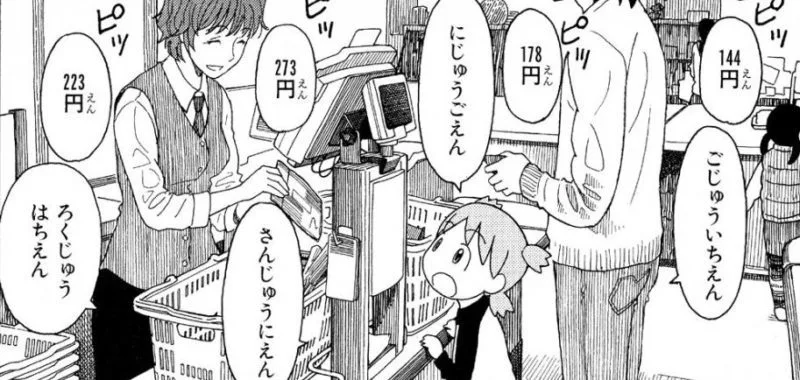
- 三人の学生 (san-nin no gakusei) means “three students.”
- りんごが二つある (ringo ga futatsu aru) means “there are two apples.”
So when learners ask whether Japanese has plural, the best answer is yes, but not in the same place or with the same frequency as English. Quantity is usually expressed outside the noun itself.
Key points to remember
- Japanese nouns usually do not change for plural or gender.
- Pronouns exist, but they are often omitted when context is clear.
- Anata is not a universal replacement for English “you.”
- Plural can be shown with counters, context, repetition, or suffixes like -tachi and -ra.
- Particles still control sentence meaning, so grammar around the noun matters as much as the noun itself.
If you want to keep building from here, it is worth reviewing how wa and ga work in Japanese, since those particles often shape how nouns and pronoun-like words are understood in a sentence.




Community
Comments
0 comments
There are no published comments in this language yet.
Send comment