
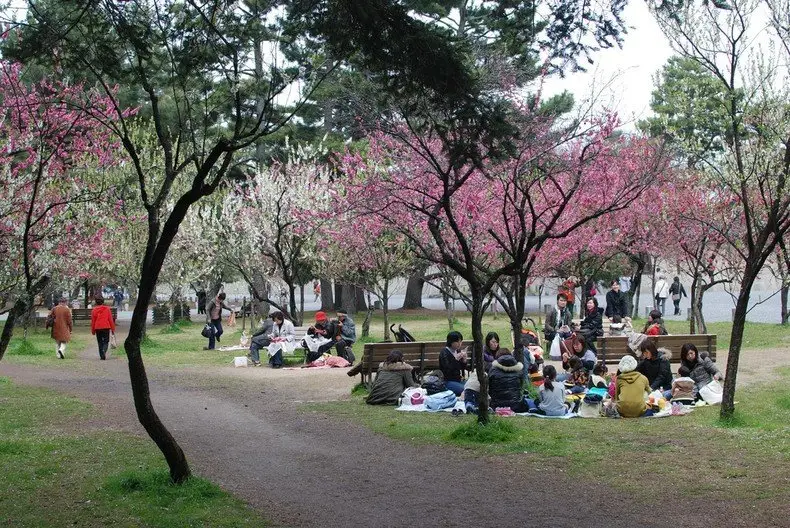
Kyoto Gyoen is the large national garden that surrounds the Kyoto Imperial Palace, but the place makes more sense when you stop calling everything "the palace garden." What most visitors actually experience first is a wide, peaceful green space with gravel paths, old trees, seasonal blossoms and enough room to slow down in the middle of Kyoto.
If you are planning a visit, the key distinction is simple: Kyoto Gyoen is the public park, Kyoto Imperial Palace is the former imperial residence inside it, and Kyoto Sento Imperial Palace is a separate palace-and-garden complex in the same area. Knowing that difference helps you avoid the most common confusion when reading maps, guidebooks and travel forums.
Contents 4
What is Kyoto Gyoen exactly?
According to the official Kyoto Gyoen information, the garden stretches about 1.3 kilometers north to south and 0.7 kilometers east to west. It was once part of the court nobles' residential district, and after the capital moved to Tokyo the area was reshaped to preserve the imperial grounds. Today it is open to the public and works both as a historic setting and as one of central Kyoto's most relaxing walking areas.
That is why the atmosphere feels different from a ticketed attraction. People come here to walk, sit under the trees, watch the seasons change and move between cultural landmarks without the pressure of a tightly scripted route. In late winter and spring, plum and cherry blossoms draw attention. In autumn, the foliage becomes one of the quiet rewards of visiting this part of the city.
Park, palace and Sento: what is the difference?
Kyoto Imperial Palace was the residence of Japan's emperors for centuries, and the current palace buildings date from 1855 after an earlier fire. The park around it is public, but the palace itself follows its own visitor rules. The official Imperial Household Agency guidance also notes that the palace can close on Mondays, on the year-end holiday period and sometimes for official functions, so it is worth checking the latest calendar before you go.
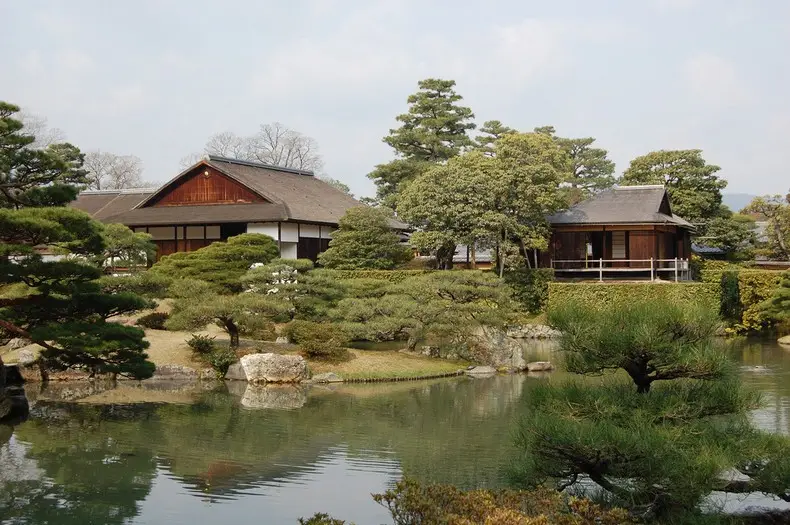
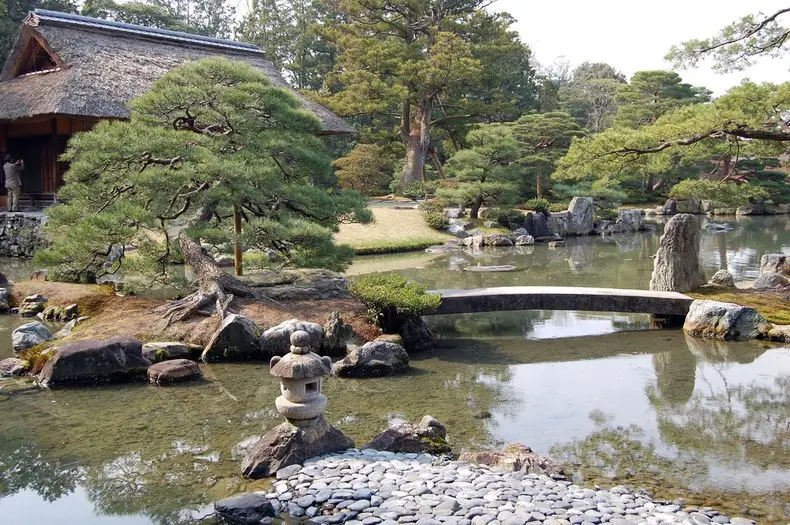
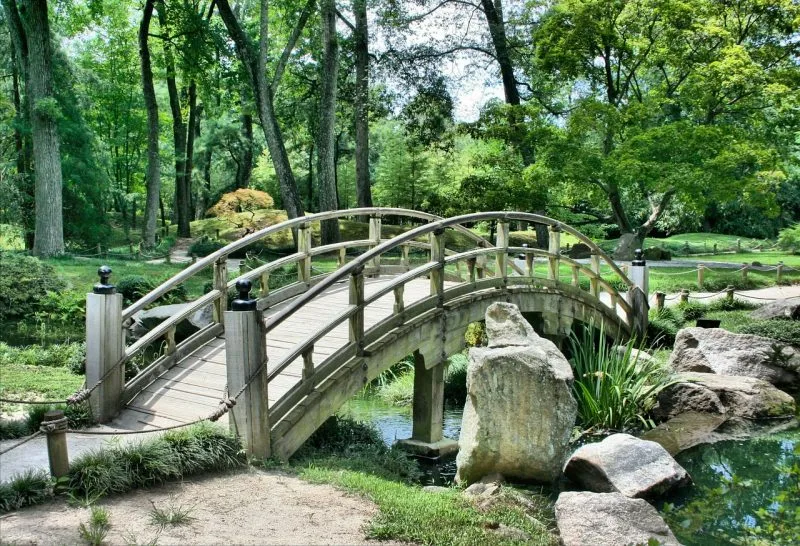
Kyoto Sento Imperial Palace, often shortened to Sento Gosho, is different again. It is associated with the retired emperor and is known for its elegant pond-centered garden landscape, bridges and teahouses. If someone tells you that the "garden of the imperial palace" is the prettiest part of the visit, they are often thinking of the Sento side rather than the open park itself.
What is worth seeing during a visit?
The appeal of Kyoto Gyoen is not just one monument. It is the contrast between court history and everyday calm. One moment you are beside walls and gates tied to imperial ceremony; the next, you are on a broad path with birds, cyclists passing outside the grounds and locals using the park as part of daily life. That change of pace is exactly what makes the area memorable.
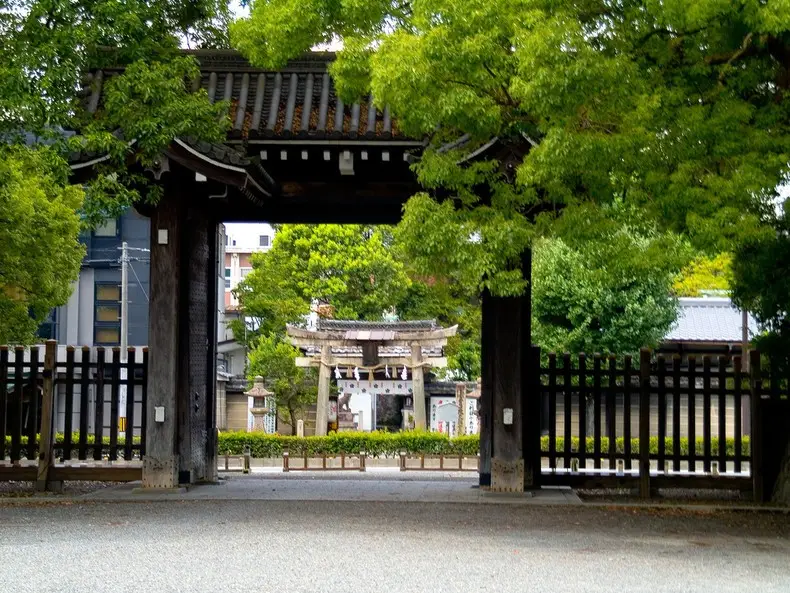
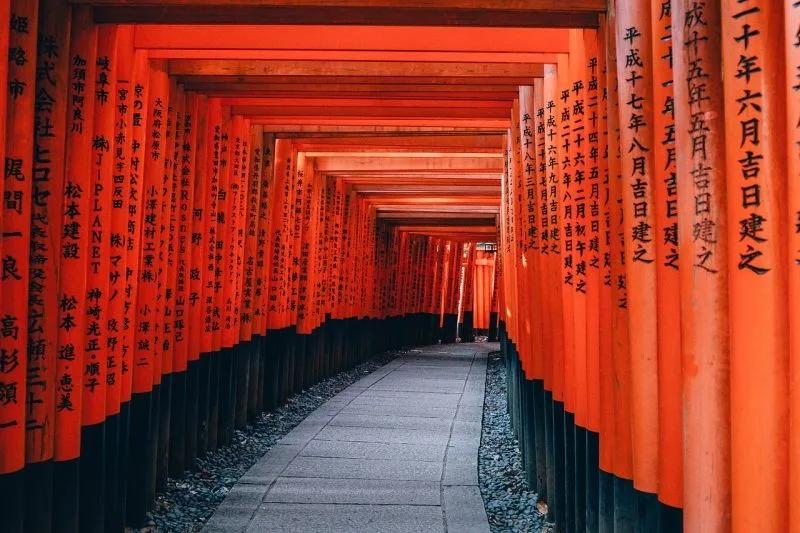
If you enjoy Kyoto sites that connect landscape and history, this stop pairs well with a broader Kyoto travel itinerary. You can also notice smaller cultural details around the grounds, including gates, shrines and architectural elements that make more sense once you understand the symbolism behind features such as torii gates in Japan.
Practical tips before you go
The park is easy to reach from central Kyoto, especially from Imadegawa and Marutamachi on the Karasuma subway line. The paths are wide and comfortable, but many are gravel rather than smooth pavement, so practical shoes help more than fashionable ones.
- Best time for atmosphere: early morning if you want quieter paths and softer light.
- Best seasons: plum blossoms and cherry blossoms in late winter and spring, or autumn foliage later in the year.
- How long to plan: around 30 to 60 minutes for the park alone, longer if you also want to enter palace areas on a day when visits are available.
- Important detail: the park itself is broadly accessible, but the Imperial Palace and Sento areas follow separate schedules and entry rules, so always confirm the official information shortly before your visit.
For travelers who like Kyoto beyond the busiest temple circuits, Kyoto Gyoen offers something rarer: a place where history, scale and silence work together. It is less about checking off a landmark and more about understanding how the old imperial center still breathes inside the modern city.


Community
Comments
0 comments
There are no published comments in this language yet.
Send comment