
Many beauty habits associated with Japan are less about miracle products and more about consistency. Gentle cleansing, daily sun protection, lightweight hydration, and food choices that support the skin all appear again and again in Japanese beauty routines. Below are eight practical tips that still make sense today if you want healthier skin, shinier hair, and a routine that feels realistic to maintain.
Contents 9
How do Japanese beauty routines usually stand out?
One common trait is simplicity. Instead of aggressive steps that can leave the skin irritated, many routines focus on cleansing without stripping, adding hydration in light layers, protecting the skin from UV exposure, and sticking to habits that can actually be repeated. That is why topics such as scalp massage, green tea, and daily sunscreen show up so often in discussions about Japanese skincare.
1. Use camellia oil with moderation
Tsubaki, or camellia oil, has long been associated with Japanese hair care because it helps smooth dry ends and add shine without feeling as heavy as some richer oils. A small amount can work well on the lengths of the hair or on very dry areas of the body. The key is moderation: too much oil can weigh the hair down, and anyone with sensitive or acne-prone skin should patch test before applying it to the face.
2. Do not ignore scalp massage
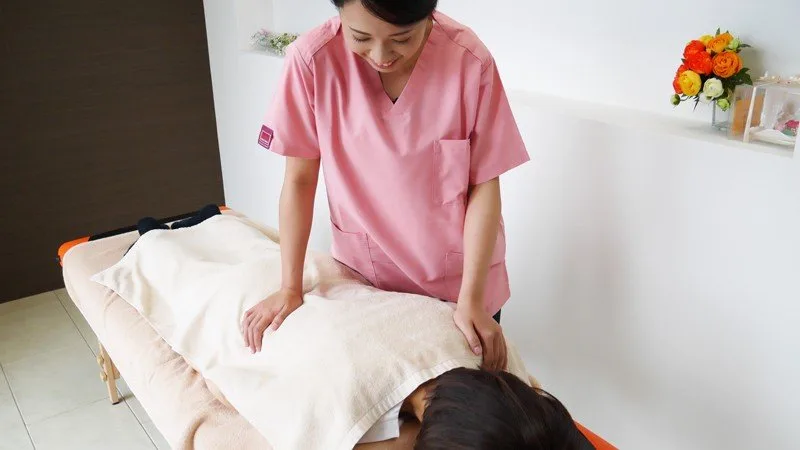
Healthy-looking hair often starts with scalp care, not only with the strands themselves. A gentle scalp massage while washing the hair or applying a light hair oil can help distribute product more evenly and turn a rushed routine into a calmer one. If you enjoy this kind of ritual, it pairs naturally with techniques such as Kobido facial massage, which is also known in Japan for its relaxing and revitalizing feel.
3. Cleanse gently and hydrate right away
One of the clearest differences in Japanese-inspired skincare is the preference for gentle cleansing followed by hydration while the skin is still comfortable. Instead of over-scrubbing, the focus is usually on removing sunscreen, makeup, and excess oil without damaging the skin barrier. Lightweight lotions, essences, and creams are then layered to keep the skin balanced. Traditional ingredients such as rice bran appear often in this context, but the real lesson is not to confuse harshness with effectiveness.
4. Treat sunscreen as a daily habit
Sun protection is one of the most consistent points across Japanese beauty guides, and for good reason. UV exposure contributes to dark spots, uneven tone, and premature signs of aging, so sunscreen is not just a beach product. Applying it every day and reapplying when necessary matters much more than chasing miracle treatments later. Japanese sunscreens are especially popular because many of them feel light on the skin, which makes daily use easier.
5. Keep green tea close to the routine
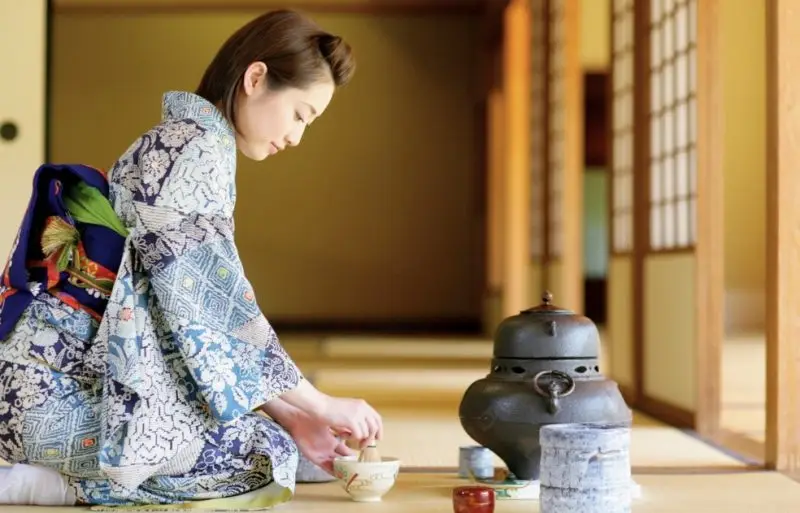
Green tea is deeply connected to everyday life in Japan, and it appears often in beauty conversations because it is rich in antioxidants. Drinking it can be part of a balanced lifestyle, and its extracts are also common in skincare formulas aimed at soothing the skin. If you enjoy exploring this side of Japanese culture, it is worth learning about different types of Japanese tea and how they fit into daily habits beyond beauty trends.
6. Eat fish and balanced meals more often
No skincare product can replace the basics of a balanced diet. Fish, vegetables, fermented foods, and simple meals built around variety are often highlighted in Japanese wellness and beauty discussions. Fish in particular is a practical source of protein and omega-3 fats, which support overall health. The point is not that there is one perfect beauty food, but that consistent eating habits usually show up on the skin over time.
7. Make baths and rest part of self-care
Bathing has a stronger ritual side in Japan than many people expect. A warm bath at home or time spent learning about onsen culture reflects an idea that relaxation is also part of caring for the body. A bath will not solve every skin issue, but it can help create a routine that slows you down, reduces tension, and makes the rest of your skincare steps easier to enjoy and maintain.
8. Build beauty around self-respect, not pressure
The most sustainable beauty habit is consistency without obsession. Taking care of your skin, hair, sleep, hydration, and emotional well-being tends to work better than constantly changing products. In that sense, self-esteem matters: when you respect your own limits and routines, it becomes easier to keep simple habits that improve how you look and feel over time.
Japanese beauty tips are useful not because they promise perfection, but because many of them return to the same idea: take care of the basics every day. Gentle cleansing, light hydration, sunscreen, balanced meals, and quiet moments of self-care may sound simple, yet they are exactly the kind of habits that age well.






Community
Comments
0 comments
There are no published comments in this language yet.
Send comment