
Japanese idols are entertainers whose appeal goes beyond singing or acting. What defines idol culture in Japan is the mix of performance, public image, visible effort, and a direct relationship with fans. Some idols become national TV stars, while others build loyal followings through small live houses and frequent meet-and-greets.
That difference matters because many newcomers compare idols to mainstream pop stars and miss what fans actually follow: not just polished talent, but the feeling of supporting someone’s growth in real time. This is one reason the idol world overlaps so naturally with J-pop and its wider scene, variety shows, anime tie-ins, and highly participatory fandoms.
Contents 6
What makes a Japanese idol different?
In Japan, an idol is usually marketed as approachable rather than distant. Agencies train members in singing, dancing, stage presence, media appearances, and fan interaction, but perfection is not always the main selling point. The appeal often comes from charisma, effort, personality, and the sense that fans are watching a career unfold step by step.

This is why terms such as oshi and graduation matter so much. Fans often choose a favorite member, follow her progress for years, buy goods, attend events, and celebrate milestones almost like chapters in an ongoing story.
How fan culture works
Idol fandom is built on participation. Beyond concerts, fans support groups through fan clubs, photo cards, limited editions, online campaigns, and events designed to create a sense of closeness. In the AKB48 model, handshake events became especially famous because they turned music releases into direct fan contact.
Live shows also have their own vocabulary and etiquette. Penlights, member colors, chants, and wotagei cheering routines help transform a concert into a shared ritual instead of a passive show. That collective energy is one of the reasons idol culture feels so different from simply listening to pop music at home.
Major idols, underground idols, and graduation
Not every idol follows the same path. Major idols belong to big agencies, appear on television, release music through large labels, and tour nationally. Underground idols, often called chika idols, work in smaller venues, stay closer to their fans, and rely more heavily on live events and direct merchandise sales.

Another defining feature is the graduation system. Instead of treating every departure as a scandal or breakup, many groups frame a member’s exit as a transition to a new stage. New members join, older members leave, and the group keeps evolving. This constant renewal is part of why idol projects can last for decades.
Why idols matter in Japanese pop culture
Idols do not exist in a bubble. They shape fashion, advertising, variety television, fan language, and even fictional media. Anime and game franchises borrow idol aesthetics all the time, turning stage performance, member colors, and fan rituals into stories that reach people who may never attend a real concert.
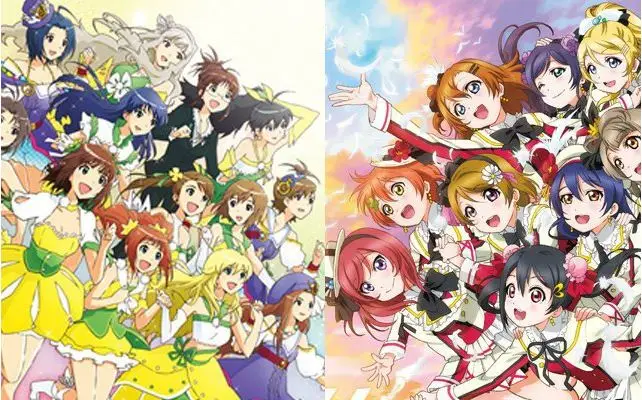
The 1980s idol boom also left a strong legacy. Figures such as Yukiko Okada still matter because they represent how deeply idols became tied to emotion, media visibility, and generational memory in Japan.
The appeal and the criticism
Idol culture can be joyful, communal, and incredibly creative, but it is not free from criticism. The same closeness that attracts fans can create pressure around image, behavior, and privacy. Some agencies have long been criticized for strict expectations, while parts of the industry have faced debate over dating rules, overwork, and the safety of highly interactive events.
That tension is part of what makes the subject so interesting. Japanese idols are not only singers or actresses. They sit at the crossroads of performance, commerce, fandom, and social expectation, which is why the industry keeps generating both devotion and debate.
So what are Japanese idols, really?
They are entertainers, but also symbols of effort, access, and belonging. To follow idols in Japan is often to follow a group story: auditions, training, member colors, stage growth, graduations, and the small rituals that turn admiration into community. That combination is what makes idol culture feel unmistakably Japanese, even as its influence keeps spreading abroad.







Community
Comments
0 comments
There are no published comments in this language yet.
Send comment