

In Japanese, there are several ways to refer to a wife and husband, depending on the situation and the relationship between the people. Here are some of the most common ways to refer to a wife and husband in Japanese:
- 夫 (otto) - husband (formal)
- 妻 (tsuma) - wife (formal)
- 旦那 (danna) - husband (informal)
- 奥さん (okusan) - wife (informal)
- 主人 (shujin) - husband (formal or informal)
- 家内 (kanai) - wife (formal or informal)
- マイペース (maipēsu) - husband (informal, slang)
- ラブラブ (raburabu) - wife (informal, slang)
- パパ (papa) - dad (informal, also used to refer to the husband)
- ママ (mama) - mom (informal, also used to refer to the wife)
- 家族 (kazoku) - family
- 私たち (watashitachi) - we (used to refer to the couple)
Additionally, it is common to use the personal pronouns "私 (watashi)" to refer to oneself and "あなた (anata)" to refer to the partner, regardless of being a husband or wife. However, it is important to remember that the use of these pronouns may vary depending on the region and situation, so it is always important to be informed about local social conventions.
It is also common to use the titles "Mr." and "Mrs." to refer to the husband and wife in a more formal manner. The words "Mr." and "Mrs." in Japanese are "ご主人様 (goshujin-sama)" and "ご夫人様 (gofujin-sama)", respectively.
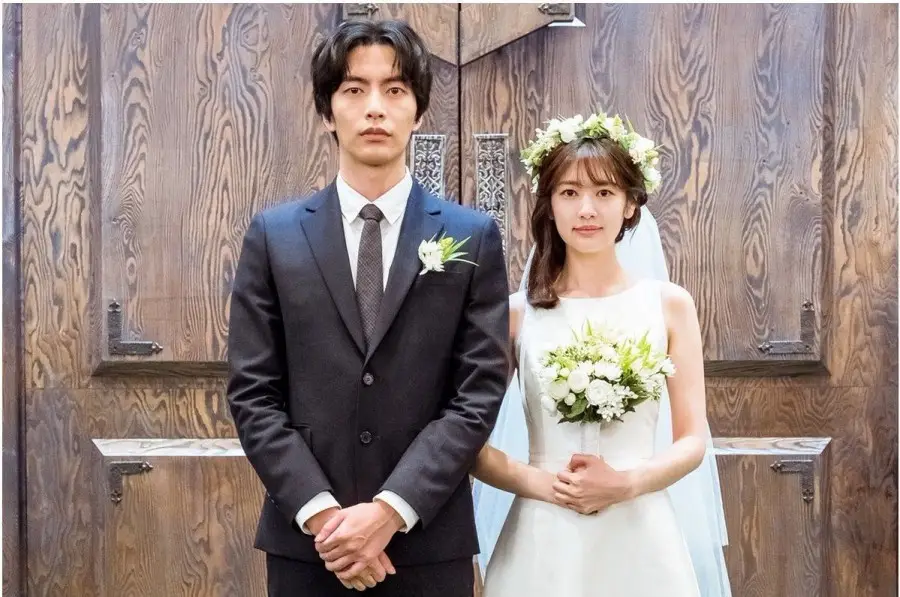
How to call your spouse in Japanese?
You may not know the difference or have doubts about which of the listed forms to use. See details about each of them below:
- 夫 (otto) and 妻 (tsuma) are the most formal ways to refer to husband and wife, respectively. They are mainly used in official documents or formal situations.
- 旦那 (danna) and 奥さん (okusan) are informal ways to refer to husband and wife, used mainly in informal situations, such as among friends or at home.
- 主人 (shujin) and 家内 (kanai) are formal and informal ways to refer to husband and wife, respectively. They are used in both formal and informal situations, depending on the context.
- マイペース (maipēsu) and ラブラブ (raburabu) are informal ways to refer to husband and wife, used mainly among friends or in informal situations, considered slang.
The words used to refer to a wife and husband may vary according to the age of the people. For example, it is more common for young people to use more informal words, while older people may prefer more formal words.
There are other words and expressions to refer to relationships in Japanese. For example, 彼 (kareshi) is used to refer to a boyfriend or fiancé, while 彼女 (kanojo) is used to refer to a girlfriend or fiancée.
Other related words
Here are some other words that may be useful for referring to relationships in Japanese:
- 伴侶 (hanryo) - partner (used to refer to any type of partner, whether romantic or not)
- 恋人 (koibito) - boyfriend/girlfriend (used to refer to the romantic partner)
- 結婚 (kekkon) - marriage
- 結婚式 (kekkonshiki) - wedding ceremony
- 婚約 (kon'yaku) - engagement (used to refer to the engagement of marriage)
- 交際 (kousai) - relationship
- 愛人 (aijin) - lover





Community
Comments
0 comments
There are no published comments in this language yet.
Send comment