

During the months I spent traveling across Japan in 2018, I encountered numerous situations where local residents went out of their way to assist me, often before I even thought to ask. While travelers frequently hear idealized stories or sharp criticisms about life in Japan, daily interactions reveal a society where practical consideration and civic attentiveness are woven into ordinary routines.
These reflections are based on real encounters with hospitality, patience, and personal effort. Not every person behaves identically, but people in Japan consistently demonstrate a strong awareness of others in public spaces. The following three moments from Hamamatsu, Tokyo, and Haneda Airport illustrate how that spirit of service and empathy appeared in my own journey.
Contents 4
Ryugashido Cave and the Inasa Dairy Farm
My friend Roberto Pedraça and I decided to visit Ryugashido Cave, an impressive limestone cavern located in the northern district of Hamamatsu in Shizuoka Prefecture. In the surrounding area, Roberto had heard about a local dairy farm renowned for fresh regional milk, where visitors could learn about daily farm work and take photos. He was eager to visit, so we tried to find out how to get there.
While buying our admission tickets at the Ryugashido booth, Roberto asked the attendant for directions to the dairy farm, even though the cavern office had no business connection with that private farm. The attendant did not know the details offhand, but she immediately searched online, printed out a location map, and handed it to us with detailed directions.

A second staff member standing beside her checked the farm schedule and noticed that it was the owner's regular day off, meaning the facility was officially closed. Roberto was disappointed but understood completely, so we proceeded with our self-guided walk through the underground passages of Ryugashido.
After finishing the cave tour, we stopped at an ice cream parlor nearby to enjoy some local gelato. To our surprise, another staff member from the cave ticket area walked into the shop looking for us. She explained that she had called the dairy farm directly, explained our interest as foreign travelers, and arranged a special exception so Roberto could visit and taste their fresh Inasa milk.
When we arrived at the farm, the gates were shut as expected, yet the owner came out specifically to welcome us. She took time out of her personal day off to chat, show us around the barn, explain how they care for the cows, and serve us glasses of fresh milk. Both the cave receptionists and the farm owner showed an extraordinary degree of attentiveness that left a lasting impression on us.

An Unexpected Cultural Evening in Ginza
Another memorable encounter occurred in Tokyo shortly after stepping off the train at Ginza Station. A young Japanese woman was collecting voluntary donations on the concourse to support relief funds following the September 2018 Hokkaido Eastern Iburi earthquake. I stopped to contribute, and as we chatted, she noticed my curiosity about Japanese traditions and invited me to attend an evening cultural gathering organized by local community members.
At first, traveling alone in a foreign metropolis made me somewhat cautious about accepting an invitation from a stranger. She handed me an informative leaflet, exchanged contact details on Line, and offered to meet me after her volunteer shift so I would not get lost finding the venue.
We met at Ginza Station around five in the evening and walked together toward the venue. Although she had already sent me the address near my accommodation, she preferred to walk alongside me to ensure I arrived comfortably and felt welcome from the start.
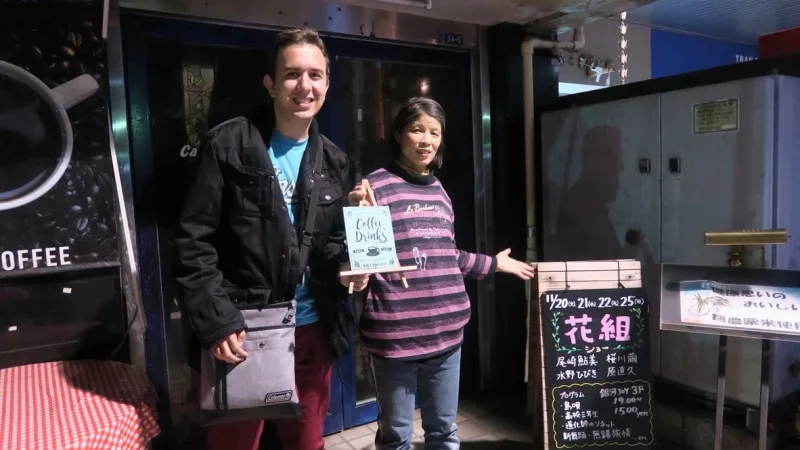
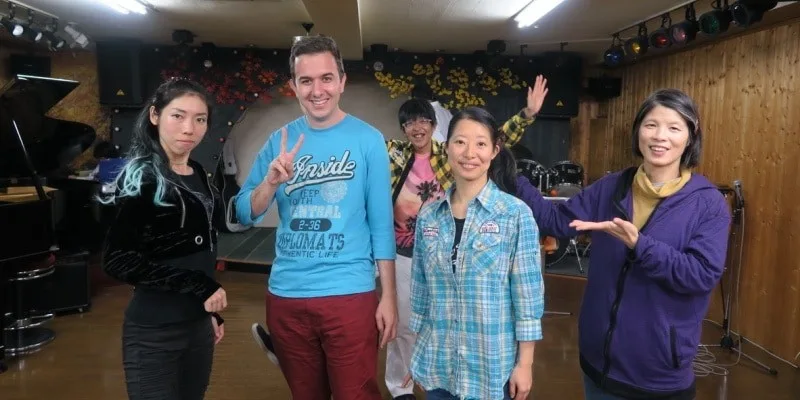
Upon entering the dining hall, I found a warm space filled with neighborhood residents and seniors. Everyone greeted me with genuine kindness, delighted that an overseas visitor was interested in their gathering and attempting to converse in basic Japanese. They shared traditional snacks and introduced me to the famous folk melody Shima Uta, explaining its roots in Okinawan musical tradition and community spirit.
At the end of the evening, after singing and taking commemorative photos together, the volunteer and her companion walked me back toward my hotel, even though it took them in the opposite direction of their commute. That evening offered a window into the natural warmth found in Tokyo neighborhood life.
Navigating a Missed Flight at Haneda Airport
The most stressful moment of the trip arrived at Haneda Airport when a misunderstanding regarding departure dates caused me to miss my scheduled flight. Stranded in a bustling international terminal, speaking little English or Japanese at the time, I sat down near the terminal concourse feeling overwhelmed by the logistical confusion.
A customer service representative at the airport information counter noticed my distress and approached me proactively. Instead of directing me to a generic telephone line, she listened patiently, helped carry my luggage across the terminal, and contacted several airline desks on my behalf to explore rebooking alternatives.
When her scheduled shift concluded, she did not simply walk away. She introduced me to the incoming attendant, briefed her colleague thoroughly on my itinerary, and ensured the next staff member took over the case without missing a detail. That attentive handover, along with clear practical guidance on handling flights and airport procedures in Japan, turned a distressing crisis into a manageable situation.
Everyday Kindness, Omotenashi, and Mutual Respect
Reflecting on these encounters reveals a deeper cultural foundation than simple polite manners. In Japanese society, the concept of omotenashi represents an ethic of selfless hospitality, where one anticipates the needs of a guest with thorough preparation and quiet discretion. It pairs naturally with majime, the earnest diligence that drives individuals to treat their obligations with serious personal responsibility.
Whether in the dedicated efforts of an airport information desk, the generosity of a dairy farmer sharing her rest day, or the neighborly welcome of an Okinawan musical circle, these experiences demonstrate that practical empathy remains central to the Japanese travel experience. Observing these customs offers visitors a practical perspective on how social harmony and mutual consideration function in everyday life.



Community
Comments
0 comments
There are no published comments in this language yet.
Send comment