
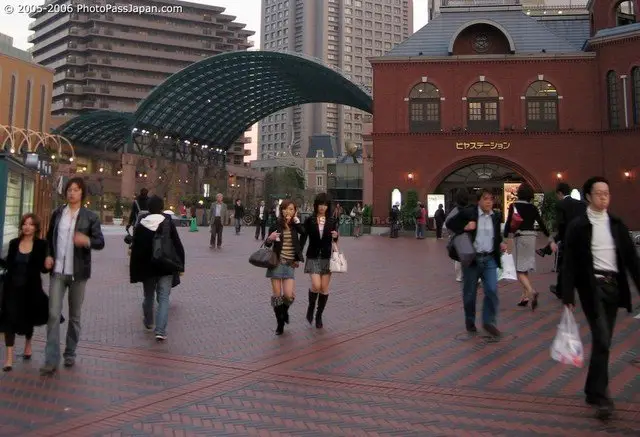
Japan rarely feels difficult because people are hostile. What surprises many foreigners is the opposite: daily life runs on quiet rules, shared spaces, and small gestures of consideration that are not always explained out loud.
That is why culture shock in Japan often comes from ordinary moments rather than dramatic events. A train ride, a restaurant entrance, an onsen, or a simple conversation can feel very different if you arrive expecting the same social rhythm found in your own country.
The good news is that most of these differences become easy to understand once you notice the logic behind them. In many situations, the goal is not perfection. It is to avoid disturbing others, read the room, and act with a little more awareness than you might need elsewhere.
Contents 10
Why Japan feels different to many foreigners
Many of the cultural differences in Japan come from a stronger emphasis on harmony, indirect communication, and respect for shared environments. This affects everything from greetings to public transport, customer service, noise levels, and the way people handle inconvenience.
For someone new to the country, that can create two opposite reactions. Some people fall in love with the order, cleanliness, and sense of safety. Others feel overwhelmed because they are suddenly expected to notice unwritten rules that locals learned from childhood.
If you want a broader view of the practical side of visiting the country, our article on the difficulties tourists face in Japan complements this topic well.
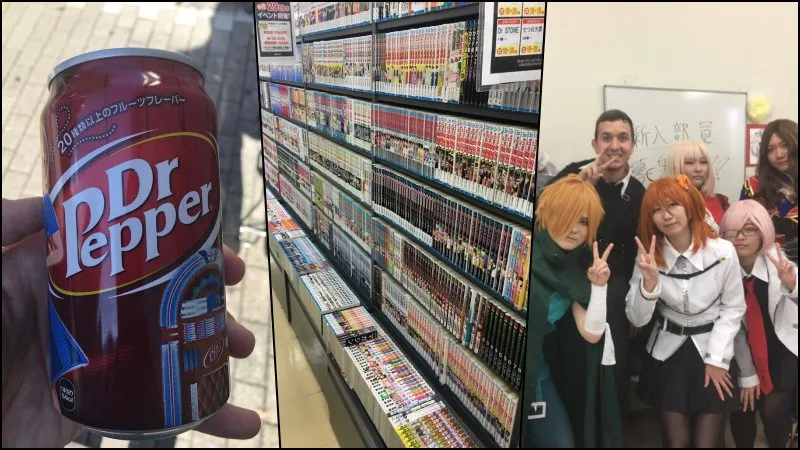
Common etiquette and social habits that surprise foreigners
Quiet public spaces matter
One of the first things many visitors notice is how quiet public transport can be. Trains are not always silent, but loud calls, speaker audio, and exaggerated conversations are frowned upon because they disturb everyone sharing the same space.
This same logic appears in queues, elevators, waiting rooms, and many shops. Japan often feels calm not because people are cold, but because they are constantly adjusting their behavior to reduce friction around others.
Shoes, indoor spaces, and cleanliness
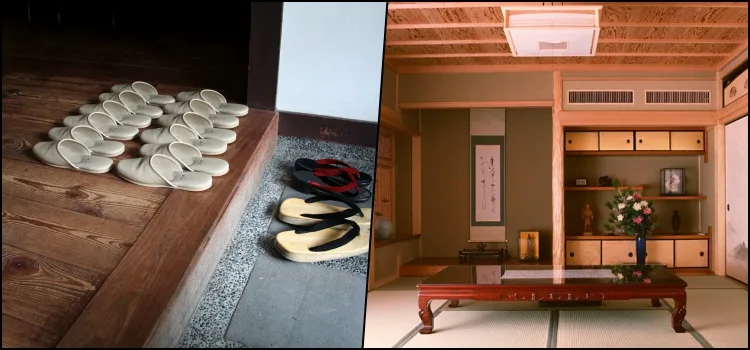
Removing your shoes is more than an old custom. It is part of a broader sense of separation between outside dirt and indoor space. Homes, ryokan, some schools, changing rooms, temples, and traditional restaurants may expect this automatically.
You will also notice that indoor slippers can change depending on the room. Bathroom slippers, for example, are not meant to be worn back into the main house. It sounds small, but this detail says a lot about how Japanese etiquette links cleanliness with consideration.
Onsen, nudity, and tattoos
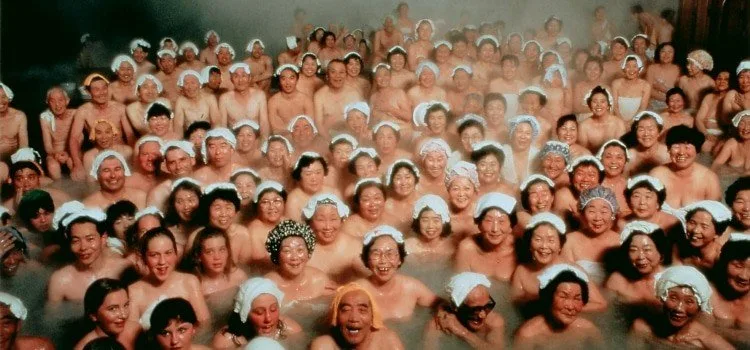
For many foreigners, public baths are one of the biggest cultural shocks. In an onsen or traditional bath, nudity is normal and practical, not sexualized. You wash yourself thoroughly before entering the hot water, keep the atmosphere calm, and follow the house rules without improvising.
Tattoos can still be sensitive in some places. Policies vary, but it is safer not to assume access is automatic. Some facilities accept small covered tattoos, some offer private baths, and others continue to restrict visible body art.
Indirect communication and social reading
Communication in Japan is often less direct than in many Western countries. People may avoid a blunt refusal, soften criticism, or leave part of the meaning to context, tone, and timing. If you expect every answer to be explicit, you may feel confused at first.
This does not mean Japanese people are dishonest. In many cases, they are trying to protect the relationship, avoid embarrassment, or keep the conversation smooth. Learning to slow down and read intent matters as much as understanding vocabulary.
Masks, allergies, and consideration for others
Many people outside Japan still associate masks only with the pandemic, but mask use was already common in daily life long before that. People wear them during allergy season, when they have cold symptoms, or simply because it feels considerate in crowded places.
If you want a deeper look at the topic, we have a related article on why Japanese people wear masks. Once you understand that the habit is tied to courtesy and public awareness, it stops feeling unusual very quickly.
Everyday details that often feel unusual at first
Not every difference is a formal rule. Some are simply patterns that stand out when you spend time in the country.
- People often keep their voices low in trains and buses.
- It is common to see personal belongings left briefly in low-risk spaces without panic.
- Noodle slurping is usually treated more casually than in many Western countries.
- Blowing your nose loudly in public can feel more impolite than quietly stepping away.
- Many public bathrooms use controls and functions that first-time visitors do not expect.
- Vending machines, convenience stores, and customer service standards can feel unusually efficient.
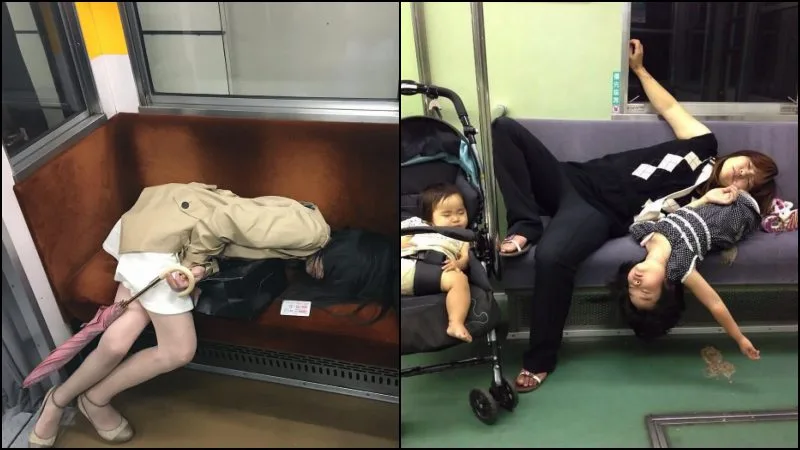
You may also notice people sleeping on trains or in waiting spaces. That scene often surprises newcomers, especially because it does not automatically carry the same stigma found elsewhere. If you are curious about that habit, our piece on inemuri in Japan explores it in more detail.
Avoid turning every difference into a stereotype
One mistake foreigners make is assuming every unusual habit represents all of Japan in the same way. The country is not a museum, and daily life changes by region, age, context, and generation. Tokyo, a rural town, and a resort area will not always feel the same.
It is also easy to romanticize or criticize too quickly. Some people arrive expecting a perfect society, while others exaggerate every inconvenience into proof that the culture is impossible. Both reactions flatten the reality.
A better approach is to stay curious, observe before judging, and understand that many customs were shaped by crowded cities, limited space, and a strong preference for social balance. When you see the context, the behavior usually makes much more sense.
How to adapt to cultural differences in Japan
You do not need to memorize every rule before landing in the country. In practice, a few habits solve most problems:
- Watch what people around you are doing before acting automatically.
- Keep your voice lower in public transport and enclosed spaces.
- Check entrances for signs about shoes, photography, baths, or queue rules.
- Do not treat politeness as weakness or distance.
- When unsure, choose the more discreet and considerate option.
Japan can absolutely cause culture shock, but that shock is often what makes the experience memorable. The more attention you pay to everyday etiquette, the easier it becomes to appreciate the country on its own terms instead of constantly comparing it with home.
In the end, the biggest cultural difference in Japan may be how much value is placed on making shared life run smoothly. Once you understand that, many confusing moments stop feeling strange and start feeling coherent.



Community
Comments
0 comments
There are no published comments in this language yet.
Send comment