
Some travelers are surprised to learn that in Japanese cuisine, beans are not a daily staple the way they are in much of the West. The main exception is the azuki bean, which is mostly reserved for sweets like anko and other desserts. In many parts of the world, beans are considered a nutritional cornerstone because of their iron, protein, and fiber; in Japan and a few other Asian food traditions, that role is filled by other ingredients.
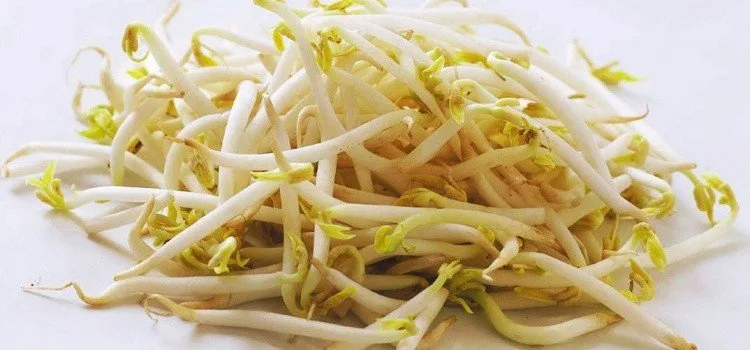
How, then, do the Japanese replace the nutrients found in whole beans? Japanese cooking is widely regarded as one of the healthiest and most nutrient-dense cuisines in the world, and one of the most important stand-ins is the sprout itself. Moyashi, the everyday Japanese term for these bean sprouts, is rich in fiber, vitamins A, B, C, and E, along with iron, calcium, potassium, and a range of other micronutrients. It shows up in countless Japanese dishes and stays low in calories. On top of that, bean sprouts support digestion and carry antioxidants that help neutralize the free radicals linked to premature aging.
Another advantage of moyashi is its crunch and its price, which is hard to beat compared with most vegetables and legumes. A 200 g bag of moyashi typically sells in Japan for under 30 yen (around 80 cents at recent exchange rates), making it one of the most affordable fresh produce items in the country. The sprouts slot easily into soups, salads, stir-fries, ramen, and many other everyday dishes.
Origin of Moyashi
The bean sprout known as moyashi in Japanese cooking comes from the mung bean, a legume with a long history of medicinal and culinary use across Asia. The dried mung beans themselves are also cooked directly in recipes such as soups; the seeds are small, but they are remarkably rich in nutrients.
Moyashi became especially popular in Japan during World War II, when food shortages called for crops that were quick and easy to produce. The mung bean sprouts can be grown in low light, a property that even allowed the germination technique to be carried out aboard Japanese warships. The practice of sprouting beans is thought to have traveled from China into Japan with Buddhist monks, who had long used sprouted grains in their vegetarian temple cooking.
Sprouting at home is simple. All it needs is moisture, warmth, and limited sunlight. The mung beans are rinsed, soaked briefly, and left at room temperature in a transparent container. The container has to drain freely; if the seeds sit fully submerged, they rot. Rinsing them several times a day keeps them alive, and within roughly three to ten days the sprouts are ready to eat. Before eating, they should be cooked for about 15 minutes to kill any bacteria and then used within two days for the best texture and flavor.
How to Prepare Moyashi
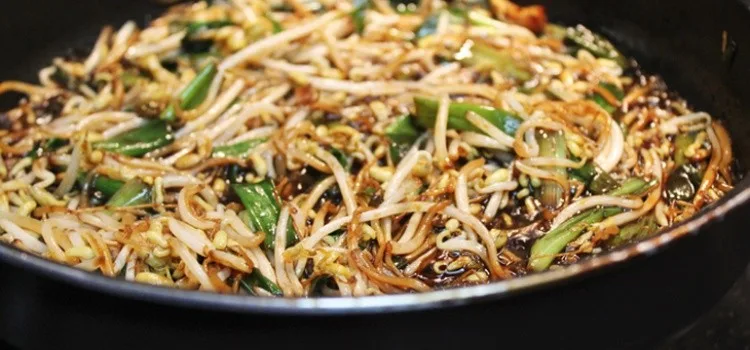
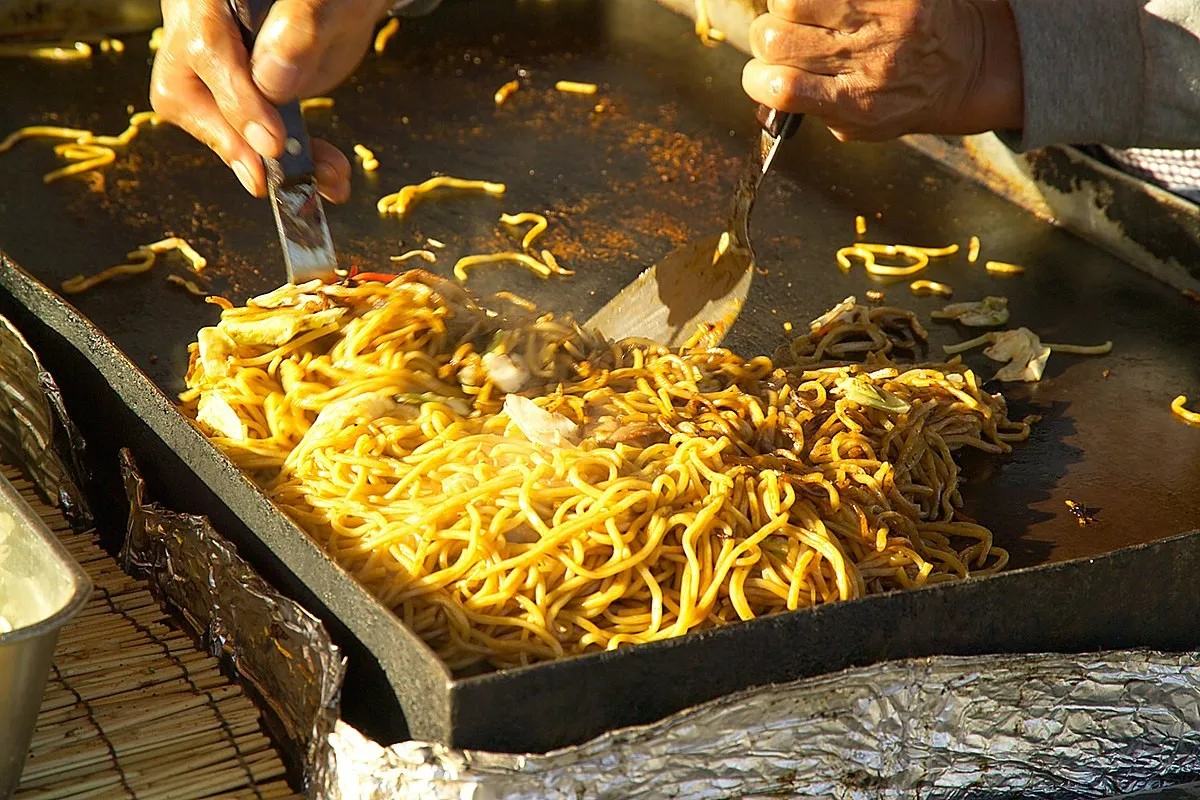
There is no single right way to cook moyashi, and that is part of the appeal. The sprouts can be eaten raw in salads, briefly blanched, or quickly stir-fried. A common technique is to place them in a colander and pour boiling water over them for a few seconds. From there, they can be tossed into a pan with onions, sliced meat, and other vegetables such as carrots, then seasoned with soy sauce, grated ginger, and other Japanese pantry staples.
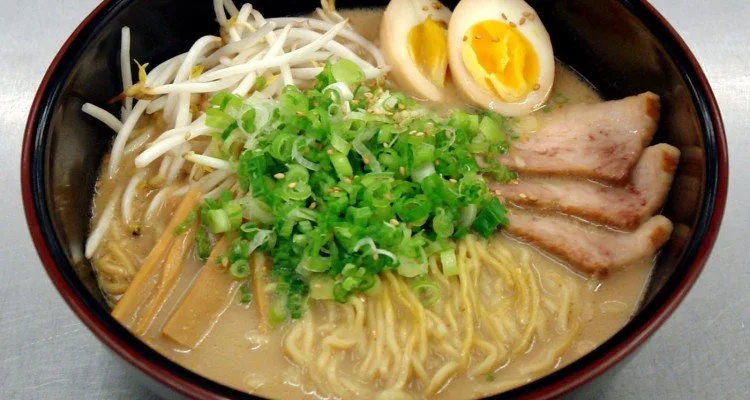
The main rule with moyashi is to keep it out of standing water, because the sprouts turn soft and lose the very thing that makes them interesting: the snap. For cooked preparations, a one-minute boil is usually enough to soften them slightly while keeping the bite. Moyashi works well as a ramen topping, mixed into salads, or served alongside grilled meat and fish, and a small handful is often enough to add texture to an entire dish.




Community
Comments
0 comments
There are no published comments in this language yet.
Send comment