
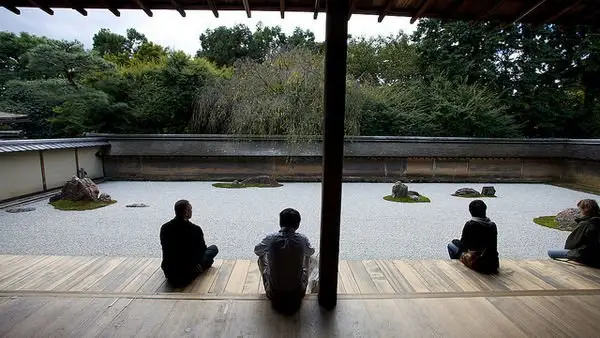
Japan is one of the most rewarding countries to visit, but it can feel surprisingly demanding during a first trip. The trains are efficient yet intimidating, social rules are subtle, and everyday habits that locals barely notice can confuse visitors in the middle of a long travel day. Most of these problems are not dangerous, but they can become stressful when you arrive tired, jet-lagged, and unable to read the room.
Before deciding, watch the comparison below. It highlights the points that matter most when choosing an eSIM for a trip: coverage, data allowance, price, and activation.
The good news is that the biggest difficulties tourists face in Japan are predictable. If you understand them before you land, you can avoid the most common mistakes and enjoy the parts of the country that make the trip unforgettable. Recent travel coverage and official tourism reporting have also highlighted a few issues that stand out today, especially the lack of public trash bins, language friction in some services, and crowding in the busiest destinations.
This guide focuses on the obstacles that actually affect travelers on the ground: communication, transportation, payments, food, etiquette, weather, and overtourism. None of them should stop you from visiting Japan, but each one becomes easier when you prepare with realistic expectations instead of idealized travel advice.
Contents 6
Language barriers and small misunderstandings
The language barrier is still one of the first difficulties tourists notice in Japan, especially outside major airports, big hotel chains, and famous attractions. English support has improved over the years, but that does not mean every restaurant, clinic, taxi, shop, or rural station can handle a detailed conversation. In practice, many visitors are fine until they need to explain a special request, a food restriction, a train problem, or a medical issue.
What helps most is not speaking more, but speaking more simply. Short sentences, clear pronunciation, screenshots, maps, and translation apps solve more problems than fast English. It also helps to learn a few essential phrases and to understand that polite body language matters. If you are worried about this part of the trip, read our guide on what you need to know before traveling to Japan and keep basic requests saved on your phone.
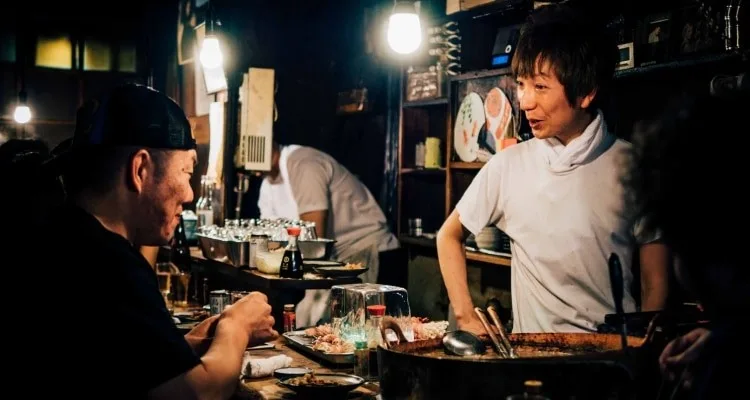
Another common mistake is assuming that a polite smile means full understanding. Sometimes the person in front of you is being kind while still missing part of what you want. When something matters, such as a reservation, luggage delivery, or allergy warning, confirm the key detail twice and show it in writing if possible.
Transportation and stations can overwhelm first-time visitors
Japan is famous for punctual trains, but that does not automatically make the system easy for newcomers. Large stations such as Shinjuku, Ueno, Tokyo, or Osaka can feel like cities inside buildings. Different railway companies share the same area, exits are numerous, and one wrong platform can waste a surprising amount of time. Even experienced travelers sometimes lose time simply because they picked the wrong exit.
The most stressful moments usually happen when you are carrying luggage, changing lines during rush hour, or trying to catch the last train. Smaller towns can be tricky in a different way: fewer English signs, less frequent service, and buses that require more attention to route numbers, boarding doors, and payment methods. If trains still feel mysterious, our article on how to take a train in Japan is a useful companion before the trip.
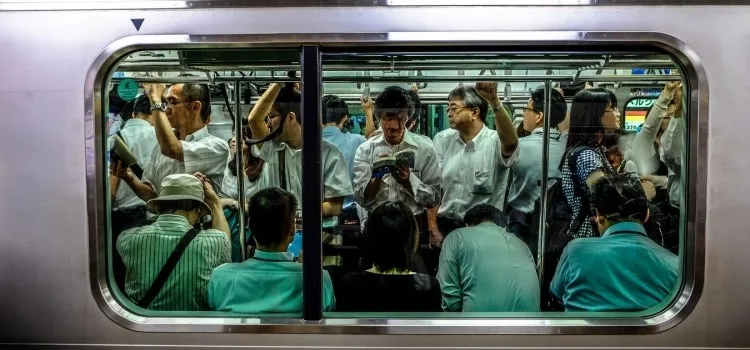
Transportation etiquette is part of the challenge too. People queue carefully, keep conversations low, and avoid phone calls on trains. If you block the door with luggage, stop in the middle of a staircase, or talk loudly in a quiet carriage, you will stand out immediately. These are small mistakes, but learning them in advance makes daily travel smoother.
Cash, trash bins, and staying connected
Many travelers expect Japan to be frictionless because it is technologically advanced. In reality, daily convenience depends on a few practical details that visitors often underestimate. One is payment. Cards are far more common now than they were a decade ago, yet small restaurants, older inns, local markets, temple areas, and rural businesses may still prefer cash. ATMs are not equally friendly to foreign cards, so relying on one payment method alone is risky.
Another issue is trash. A recent Japan travel survey widely reported in 2025 found that the lack of public bins remained one of the biggest complaints among foreign visitors. This surprises people who are used to eating on the go and throwing things away immediately. In Japan, you may need to carry your trash until you find a convenience store, a station, or a recycling point near vending machines. That sounds minor, but it becomes annoying after a long day outdoors.
Reliable internet also matters more than many first-time visitors realize. Maps, train routes, restaurant reviews, reservation emails, and translation apps all become essential once you are moving through unfamiliar neighborhoods. If your connection fails inside a giant station or on a regional detour, even simple decisions become slower. For budgeting and payment planning, our guide to using credit cards in Japan can help you avoid a few classic mistakes.
Food, dietary needs, and cultural rules that are easy to miss
Food is one of the great joys of traveling in Japan, but it can also be unexpectedly difficult. Menus may be available only in Japanese, some dishes contain ingredients hidden in broths or sauces, and dietary restrictions are not always easy to explain. Vegetarians, vegans, and travelers with allergies need extra care, especially because ingredients such as dashi, bonito flakes, or sesame oil may appear in dishes that look simple at first glance.
Etiquette adds another layer. Rules in Japan are often quiet rather than aggressive, which means visitors may not realize they are doing something awkward. Eating while walking, speaking loudly on trains, entering certain spaces with shoes on, or treating an onsen like a swimming pool can create uncomfortable moments even when nobody says anything directly. If you want a quick overview, our guide to etiquette rules in Japan covers many of the habits that matter in daily life.

Onsen etiquette deserves special mention because it intimidates many travelers. The basic rules are straightforward: wash before entering the bath, keep towels out of the water, and respect the quiet atmosphere. The difficulty is not the rule itself, but the fear of making a mistake in a public space. Reading the basics in advance removes most of that anxiety.
Weather, crowds, and unexpected disruption
Some travel difficulties in Japan are seasonal rather than cultural. Summer can be brutally hot and humid, the rainy season affects outdoor plans, and typhoon season sometimes disrupts flights and trains. Winter brings different problems depending on the region, from icy streets to heavy snow in northern and mountain areas. Travelers who imagine Japan as comfortable year-round often discover that climate shapes the entire rhythm of the trip.
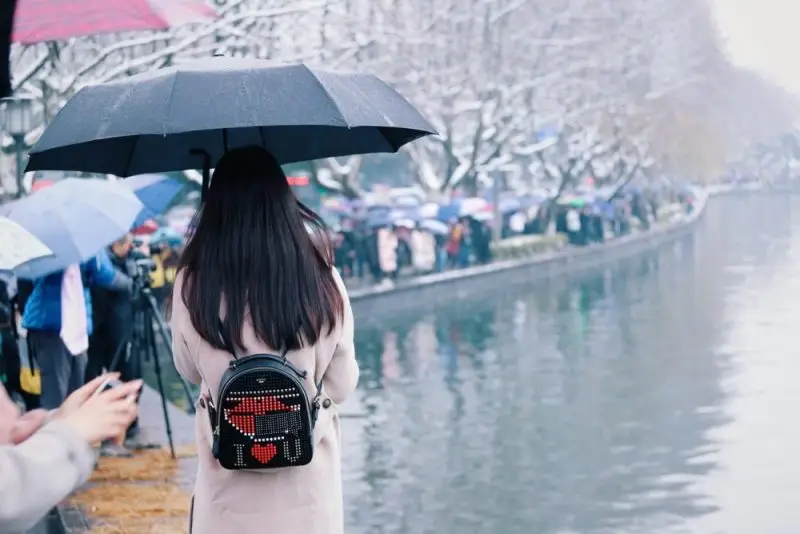
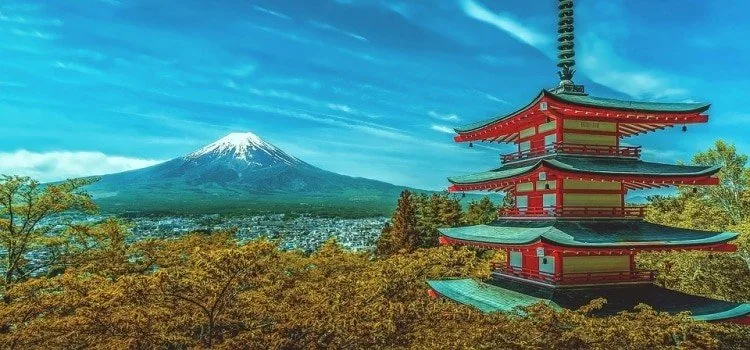
Crowds are another modern travel challenge. Popular areas in Kyoto, central Tokyo, Osaka, and some Mount Fuji viewpoints can feel packed at the wrong hour, especially during weekends, cherry blossom season, autumn foliage, and long national holidays. The problem is not only waiting in lines. Crowds slow trains, fill restaurants, raise stress, and make the most famous spots feel less magical than expected. A more flexible itinerary, earlier starts, and at least one less obvious neighborhood each day can change the experience completely.
Japan is also a country where weather alerts and transport notices matter. Earthquakes are part of life, and most are minor from a visitor's perspective, but you should still know where to check train delays, typhoon warnings, and local guidance. Calm preparation is more useful than fear. The point is not to worry constantly, but to avoid being the traveler who discovers a disruption only after arriving at the station.
How to make the trip easier from day one
The easiest way to reduce travel stress in Japan is to prepare for friction instead of perfection. Download offline maps, save your hotel address in Japanese, carry some cash, get mobile data, and learn a few phrases that help in stations, restaurants, and convenience stores. Give yourself extra time on transfer days and do not schedule every hour too tightly. Japan rewards curiosity, but it also rewards patience.
It also helps to treat local etiquette as a form of observation rather than a list of traps. Watch how people line up, where they stand, how they dispose of trash, and when they lower their voices. You do not need to perform the culture perfectly. You just need enough awareness to move with it instead of against it.
In the end, the biggest difficulties tourists face in Japan are manageable because they are rooted in daily habits, not hostility. Most visitors who struggle with trains, communication, or social rules on the first day settle into the rhythm quickly. With a bit of planning, those same challenges often become part of what makes traveling in Japan feel memorable, specific, and deeply different from anywhere else.



Community
Comments
0 comments
There are no published comments in this language yet.
Send comment