

Japan is one of the safest countries in the world, where in a typical year only one to four people are killed in shooting incidents. How do the Japanese manage to preserve harmony, gentleness, and serenity in this troubled world?
Contents 5
Japan has not always been peaceful
It may be ironic, but Japan was once one of the most violent countries on earth. Not only because of the events of World War II, but Japan has lived in war throughout centuries of recorded history.
Internal and external wars have always occurred, and Japan has a long history of wars with the famous Samurai, Ninjas, Emperors, and a great unjust hierarchy full of misfortune.
It was only after World War II that the Japanese changed drastically in a way that impressed the world. They only managed this because despite their previous wars, the Japanese were dedicated and respectful.
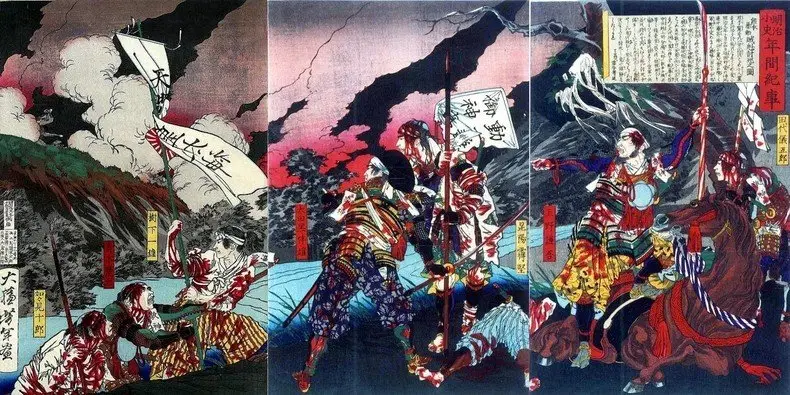
The dedication of the Japanese to work and the education of the young has made Japan a peaceful place. The country benefited from a rich cultural history and customs that became a pillar for the nation to become what it is today.
This shows us that Brazil can change and improve, but for that, we need law and organization. We need to change the selfish and ignorant way of thinking of most people in our society.
Harmony in the name of Japan
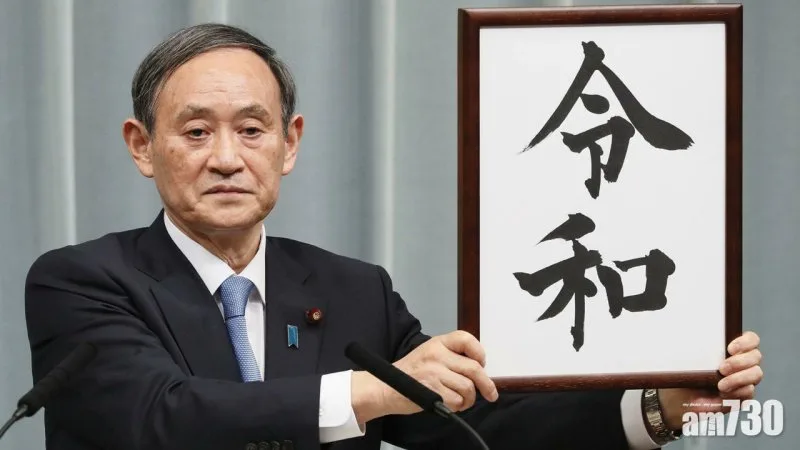
Have you heard of the kanji wa [和]? This ideogram means harmony, peace, sum, and totality. People also recognize this ideogram as representing the Japanese style or Japan. It is present in various words that refer to Japan, its art, and culture. Prince Shōtoku put that same value first in the Seventeen-Article Constitution: harmony is to be valued.
The ideogram [和] is also present in the word nyuuwa [柔和], which means gentleness, tenderness, and softness, themes addressed in the article. Notice that even the Japanese language refers to Japan as a gentle and harmonious place.
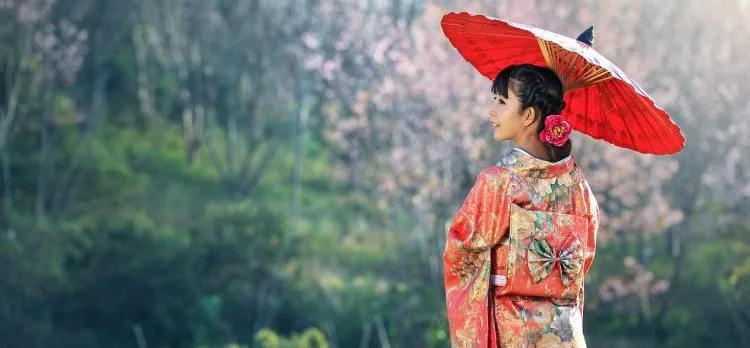
Even the names of the eras of Japan referred to harmony. Many things in Japan, especially traditional things that refer to style, culture, and customs, use [和] referring to Japan.
For example, wagyuu [和牛] is Japanese beef; washitsu [和室] is the Japanese-style room; wafuku [和服] are the traditional clothes of Japan like the Kimono. Everything from Japan refers to harmony.
Harmony is a word with origins in the Greek language that indicates an agreement or consonance both in the artistic and social context. Often related to the chaining of simultaneous sounds.
Gentleness in the way of thinking of the Japanese
The main reason Japan has so much harmony and peace today lies in the way of thinking of the Japanese. The culture and education of Japan manage to refine a large part of the thoughts that cause misfortune in society.
The Japanese are taught to have humility, obedience, and gentleness. These qualities are the complete opposite of pride, anger, and disobedience that end up being spread in Brazilian culture, resulting more and more in thieves, corrupt individuals, proud, stressed, and violent people.
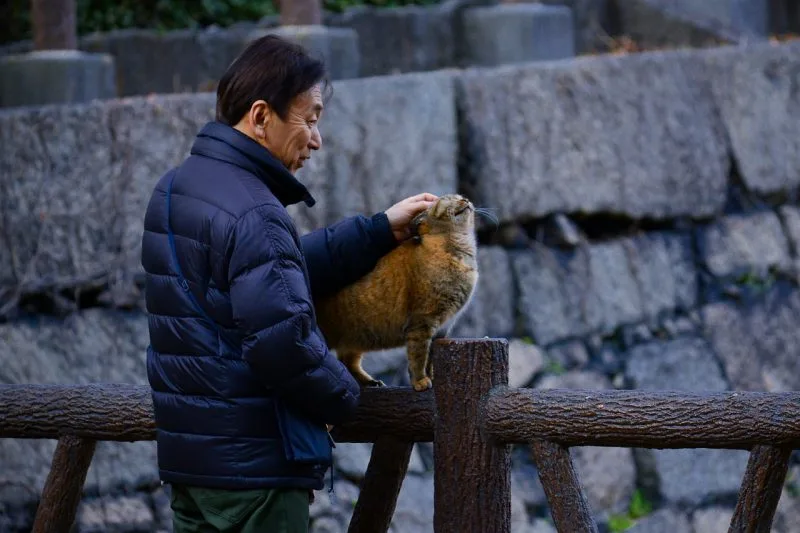
Nowadays, it is increasingly common for a person to get angry and want to fight another person over trivial matters. The Japanese, on the other hand, rarely lose their composure and stoop to that level.
We do not want to stereotype anyone; although the Japanese are peaceful, one of the reasons is that they rarely want to take the trouble to get involved in problems, whether to help or to cause them. This can sometimes be a bad attitude.
School and society teach the Japanese to be gentle, not to get involved in or cause problems, and to be obedient to the laws. The Japanese are not obliged to follow this path, but there are consequences for those who do not fit into society.
Unfortunately, our Brazil seems to be going in the opposite direction. It seems that here being honest is being foolish or being peaceful is being weak. All a result of the impatience of Brazilian society that focuses on fulfilling its own desires instead of making wise decisions.

The biggest mistake of Brazil is the desire to satisfy things immediately without thinking about the next person or future consequences. I wrote exactly about this topic on one of my websites.
Japanese customs that result in harmony
If you have ever practiced martial arts, you must remember the rules, respect, and dedication involved in this art. The truth is that almost everything the Japanese do in their culture results in harmony and not disorder.
Classical music is famous in Japan and can be heard in various public places. Students are encouraged to learn to play instruments like the piano and violin. This music, which is part of Japanese culture, calms the population, resulting in harmony.

In Brazil, however, we have an apocalyptic scenario. Unfortunately, a large part of the people despise classical and instrumental music but love songs with lyrics directed towards sex, betrayal, drinks, and sometimes even glorifying crime and drugs.
If you listen to a calmer, more poetic, and romantic song, you are criticized by the new generation. The same happens with movies, series, and cartoons. I have lost count of the times I have been criticized for not liking excessive violence in the media.
In Japan, people diversify their cultural activities; students have the option to choose a club where they will dedicate a large part of their school life to some type of art or sport that requires a lot of discipline and persistence.
From an early age, Japanese children are taught to take care of the cleanliness of the school. It may seem unimaginable to Westerners, but this helps us get used to doing things that are not fun or that we do not like, reducing our selfishness and helping us accept things in order to maintain peace.
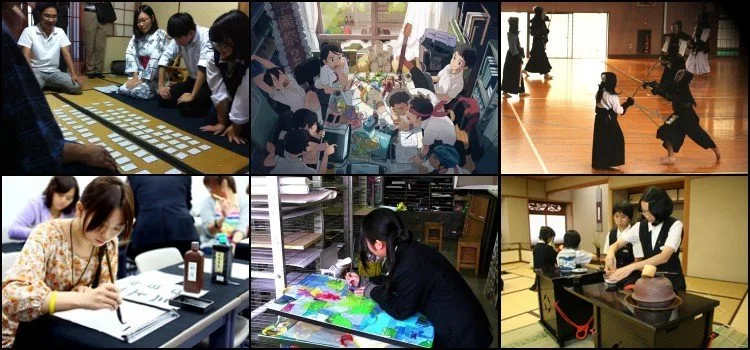
These are small tasks, rules, and aspects of Japanese culture that enable the Japanese to be gentle, peaceful, serene, and harmonious. Of course, there will always be people opposed to these qualities; just ignore them.
Principles that lead the Japanese to serenity
There are some thoughts and principles that lead the Japanese to serenity, harmony, and gentleness. In Japanese culture, art, poetry, philosophy, and religion, there are thousands of aspects that lead to serenity. Let's see some below:
Shouganai - Nothing can be done; it is a Japanese thought where they accept that something is impossible and cannot be resolved. A reminder to accept things as they really are, avoiding negative thoughts.
Mugon-no gyō - The ascetic practice of keeping silent, a Buddhist training of not speaking in order to settle the mind. In everyday Japanese it can also mean staying quiet on purpose instead of rushing into a reply.

Kodawari - Involves paying scrupulous and determined attention to details, motivated by passion and self-discipline, even if this receives no recognition or result.
I have also written several articles discussing Japanese cultural aspects and some principles that result in this gentleness and harmony, from majime to the willingness of the Japanese to help. Thank you for sharing!





Community
Comments
0 comments
There are no published comments in this language yet.
Send comment