

In English, “happy” often covers a whole mood. Japanese splits the same feeling faster: 嬉しい (ureshii) points at a moment of joy, while 幸せ (shiawase) leans toward a steadier sense of being well with life. That split shows up across the language of feelings.
If you want to talk about feelings and emotions in Japanese, a word list alone is not enough. You also need the small differences between adjectives, verbs, and everyday phrases that Japanese speakers actually reach for.
For related vocabulary, these pages go deeper into love, confession, and relationships:
- Kokuhaku — how to confess your love in Japanese
- Ai, koi, suki — ways to say love in Japanese
- What is dating like in Japan?
- Relationships, love, and friendship vocabulary
Contents 4
List of feelings and emotions in Japanese
Japanese is dense with near-synonyms. Two words may share an English gloss and still sound wrong in the same scene. The table below mixes adjectives, na-adjectives, verbs, and set expressions — because speakers do the same thing in real conversation.
Use your browser search (Ctrl + F / Cmd + F) to jump to a specific feeling.
Responsive table: scroll sideways on small screens >>
| Japanese | Romaji | English |
| 感情 | kanjou | Emotion; feelings |
| うきうき | ukiuki | Excited; thrilled; buoyant |
| 恐ろしい | osoroshii | Terrifying; dreadful |
| びっくりした | bikkuri shita | Surprised |
| 気がする | ki ga suru | To feel; to have a hunch |
| 感じ(る) | kanji(ru) | Feeling; to feel |
| まごまご | magomago | Flustered; confused |
| 優しく | yasashiku | Kindly; gently |
| 怒る | okoru | To get angry; to be mad |
| 穏やか | odayaka | Calm; gentle; quiet |
| 悲しい | kanashii | Sad; unhappy |
| 哀れ(な) | aware (na) | Pitiful; miserable |
| 不幸(な) | fukou (na) | Unhappy; unfortunate |
| 幸せ(な) | shiawase (na) | Happy; content with life |
| 嬉しい | ureshii | Glad; happy about something specific |
| 孤独(な) | kodoku (na) | Lonely; isolated |
| 落ち込む | ochikomu | To feel down; to get depressed |
| 悔しい | kuyashii | Frustrated; mortified |
| 厄介(な) | yakkai (na) | Troublesome; annoying; burdensome |
| がっかり | gakkari | Disappointed; discouraged |
| 感謝(する) | kansha (suru) | Gratitude; to thank |
| 平静(な) | heisei (na) | Calm; composed |
| 生き生き | ikiiki | Lively; full of life |
| おかしがる | okashigaru | To find something funny or amusing |
| 満ち足りる | michitariru | To feel content; satisfied |
| 小腹が立つ | kobara ga tatsu | To get a little annoyed |
| 怯える | obieru | To be scared; to cower |
| 心配(する) | shinpai (suru) | Worry; to be worried |
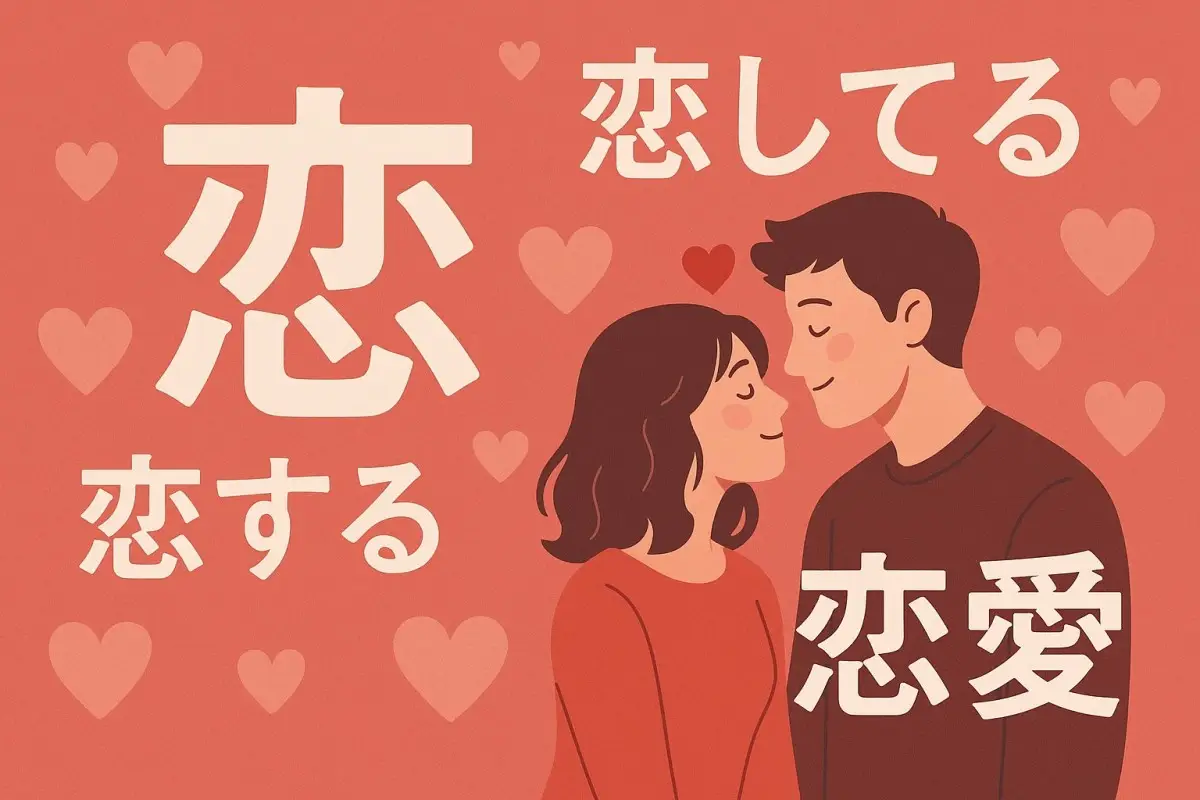
| 恋(する) | koi (suru) | Romantic love; to be in love |
| 退屈(する) | taikutsu (suru) | Boredom; to be bored |
| 疲れる | tsukareru | To get tired |
| 驚く | odoroku | To be surprised; astonished |
| 羨ましい | urayamashii | Envious; jealous |
| やましい | yamashii | Guilty; with a bad conscience |
| 緊張(する) | kinchou (suru) | Nervousness; to feel tense |
| 恥ずかしがる | hazukashigaru | To act shy; to feel bashful |
| 恥ずかしい | hazukashii | Embarrassed; shameful |
| 気楽(な) | kiraku (na) | Carefree; at ease |
| ゆっくり(する) | yukkuri (suru) | Slowly; to take it easy |
| 憎しみ | nikushimi | Hatred |
| 強気 | tsuyoki | Confident; assertive |
| くたくた | kutakuta | Exhausted; worn out |
| 断固(たる) | danko (taru) | Firm; determined |
| 独創的(な) | dokusouteki (na) | Creative; original |
| 意欲的 | iyokuteki | Motivated; ambitious |
| 忙しい | isogashii | Busy |
| 情熱 | jounetsu | Passion |
| 愛情 | aijou | Affection; love |
| びっくり | bikkuri | Surprise |
| 落ち着く | ochitsuku | To calm down |
| 憂える | ureeru | To worry; to feel troubled |
Ureshii and shiawase are not the same “happy”
English often collapses several Japanese emotions into one word. Two of the most useful contrasts:
- 嬉しい (ureshii) — glad about a concrete event: a message, a gift, a good grade.
- 幸せ (shiawase) — a broader sense of happiness or contentment with life.
- 怒る (okoru) — the everyday verb for getting angry (the older reading ikaru is rare in conversation).
- 驚く (odoroku) and びっくりする (bikkuri suru) — both cover surprise; bikkuri feels more colloquial and sudden.
When you pick a word, ask what kind of moment you are naming: a flash of feeling, a lasting state, or an action (getting angry, calming down, falling into a low mood).
Example sentences about feelings and emotions
These short examples show the words inside a sentence, with romaji and English:
- 君は恋するには若すぎる。
- Kimi wa koi suru ni wa waka sugiru.
- You are too young to be in love.
- 彼はすぐ怒る。
- Kare wa sugu okoru.
- He gets angry very easily.
- 情熱は苦悩を生む。
- Jounetsu wa kunou o umu.
- Passion creates suffering.
- それはあまりにも悲しい。
- Sore wa amari ni mo kanashii.
- That is far too sad.
- 愛情と憎しみは正反対の感情だ。
- Aijou to nikushimi wa seihantai no kanjou da.
- Affection and hatred are opposite emotions.
- 試験に合格して嬉しい。
- Shiken ni goukaku shite ureshii.
- I am glad I passed the exam.
- 最近ちょっと落ち込んでいる。
- Saikin chotto ochikonde iru.
- I have been feeling a bit down lately.
How to use emotion words more naturally
Many Japanese emotion words work as i-adjectives (ureshii, kanashii, hazukashii), na-adjectives (shiawase, shinpai), or verbs (okoru, odoroku, ochikomu). Mimetics such as ukiuki, gakkari, and bikkuri often pair with suru or stand alone in casual speech.
If a line from a drama or song does not match the dictionary gloss, trust the situation first. Emotion vocabulary is learned as much from tone and context as from a clean one-to-one translation.




Community
Comments
0 comments
There are no published comments in this language yet.
Send comment