
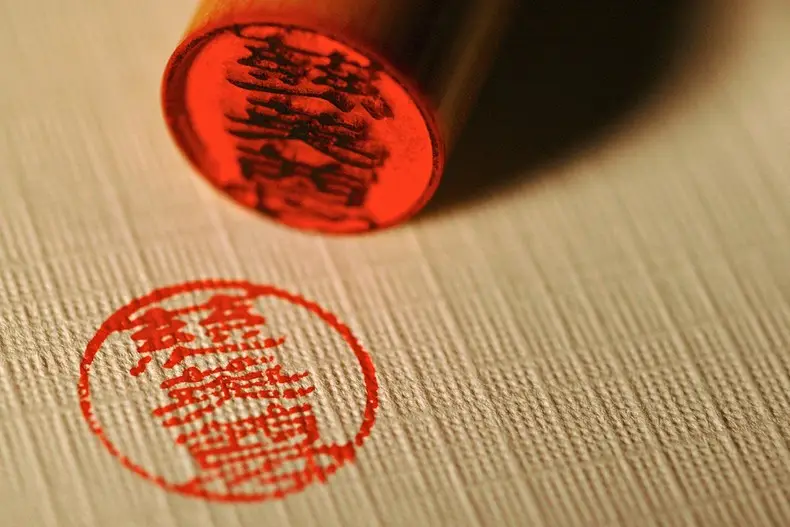
Inkan (印鑑) and hanko (判子) are Japanese personal seals. They leave a red impression on paper and can show approval, receipt or agreement in place of a handwritten signature. You will still see them in daily life, at banks and in paperwork, but the exact seal required depends on the organization and the document.
For a visitor, a small name seal can be a souvenir. For a resident, it can become part of a local procedure. The useful question is not whether every person in Japan needs one, but which kind of seal is being requested and why.
Contents 13
What do inkan and hanko mean?
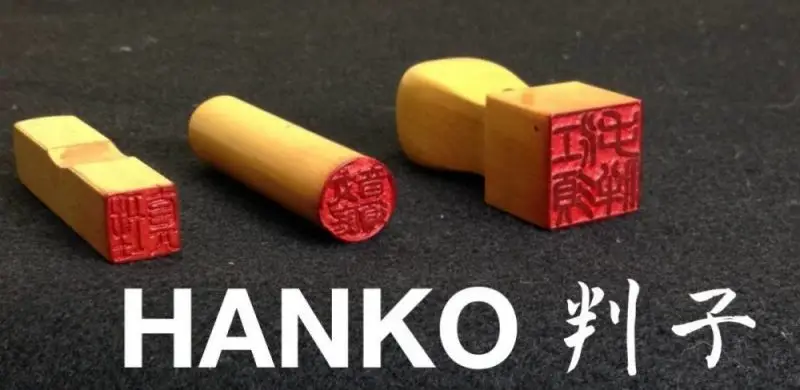
In ordinary conversation, inkan and hanko often refer to the same familiar object: a seal carved with a name or other characters. The words can carry slightly different nuances depending on the setting, so there is no need to overthink the distinction when someone at a counter says hanko.
What matters is the role of the seal. A personal seal may be used for a routine acknowledgement, registered with a municipality, or recorded by a bank. The same physical object does not automatically have the same status everywhere.
Three common kinds of Japanese seals
Jitsuin (実印): registered personal seal
A jitsuin is a seal registered with a local municipality. When a procedure calls for one, the related inkan tōroku shōmeisho (印鑑登録証明書), or certificate of seal registration, may also be required. This combination is used for important procedures; local government pages commonly list matters such as real-estate or vehicle registration as examples.
Registration is local. Eligibility, accepted characters, dimensions, documents and fees are set by the municipality, so use the rules of the city or ward where you are registered rather than a general checklist found online.
Ginkō-in (銀行印): bank seal
A ginkō-in is the seal a customer records with a financial institution. It is associated with banking procedures, not with municipal seal registration. Requirements differ by bank and by service, so ask the bank what it accepts before ordering or changing a seal.
Mitome-in (認印): everyday acknowledgement seal
A mitome-in is the everyday category: a seal used to acknowledge a delivery, a notice or another routine document. It is not a substitute for a registered seal when a procedure specifically requires a jitsuin and its certificate.
How seal registration works
Seal registration is called inkan tōroku (印鑑登録). A resident brings the chosen seal and identification to the appropriate municipal office. The office checks whether the seal meets its rules and, when registration is accepted, issues a registration card. The certificate is a separate document that confirms the registered impression.
Names are especially important. Municipal rules normally connect a registrable seal to the name shown in the resident record, but the permitted spelling and character forms can vary. A foreign resident should check the local office before buying a seal with a Roman alphabet name, katakana or another form.
If you lose a registered seal or registration card, contact the municipal office promptly. If that seal was also recorded by a bank, contact the bank as well. Keep the seal, its card and any certificate separately; they serve different purposes.
Do you need a hanko in Japan?
Not always. A workplace, landlord, bank or public office may have its own procedure, and some transactions accept a handwritten or electronic signature instead. Do not assume that a souvenir seal will work for a formal step, and do not assume a formal seal is needed for every form.
If a procedure requests a seal, ask these three questions first:
- Is a seal required, or is a signature accepted?
- Does it need to be a registered jitsuin, a bank seal or an everyday seal?
- Which name and character style will the office or institution accept?
Those answers prevent the most common mistake: buying a seal first and discovering later that its name, size or type cannot be used for the intended registration.
Choosing and caring for a personal seal
Seals are made from materials such as wood, stone, resin and metal. Material alone does not make a seal official; registration and acceptance by the relevant organization do. Choose a readable impression, keep it clean and store a seal used for important procedures somewhere secure.
It is also sensible to avoid using the same seal for every purpose. A seal used casually for routine acknowledgements should not be treated as interchangeable with one tied to a major municipal or banking procedure. When in doubt, follow the instructions of the office handling the document.
Hanko are not the same as tourist stamps
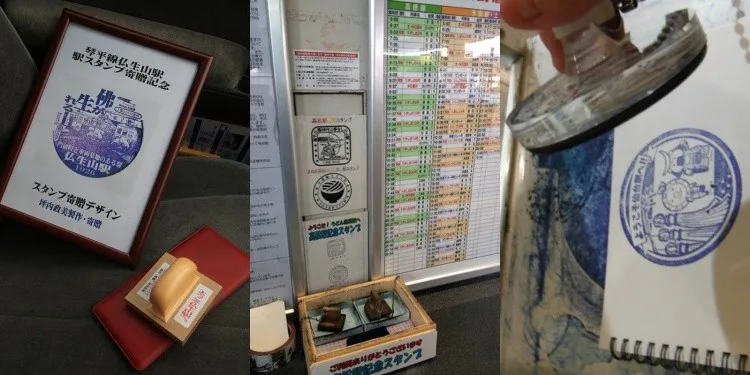
Japan also has sutanpu (スタンプ), commemorative stamps found at stations, museums and sightseeing spots. They are collected as travel memories and have no signing function. If you enjoy that side of stamp culture, see our guide to Japanese tourist and train station stamps.
Frequently asked questions
Can a foreign resident register an inkan?
Many municipalities allow residents who meet their local conditions to register a seal. Age, residency status, accepted names and documentation are local matters, so confirm the rules with the city or ward office where you live.
Can one seal be used for everything?
A single seal can have different roles only when the relevant institutions accept it. Because a municipal registration and a bank record are separate, it is safer to follow each organization’s instructions instead of treating every seal impression as equivalent.
What is shuniku (朱肉)?
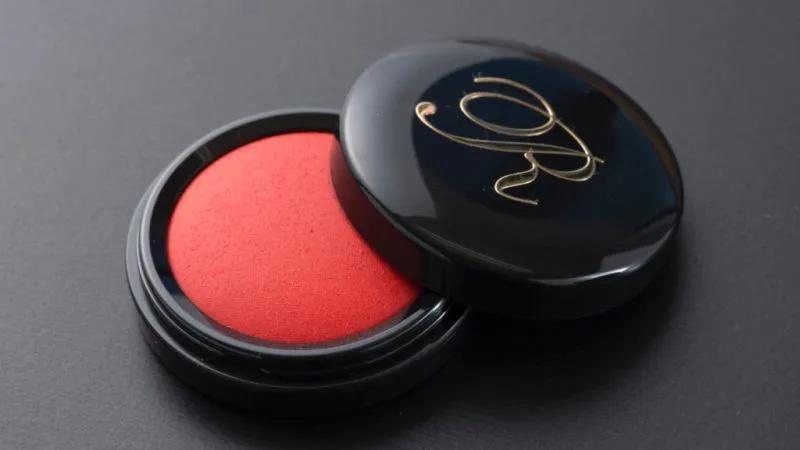
Shuniku is the red ink paste or pad used to make a seal impression. It is different from the ink built into many self-inking office stamps. For a formal procedure, use the type of seal and ink presentation requested by the office handling the document.
A Japanese personal seal is a small object with a large practical difference: its meaning comes from where it is registered and how it is used. Check the local rules, then choose the seal that matches the job.





Community
Comments
0 comments
There are no published comments in this language yet.
Send comment