Blog

  • Kanji: How They Work, Why They Exist, and How to Master Them

    Kanji: How They Work, Why They Exist, and How to Master Them

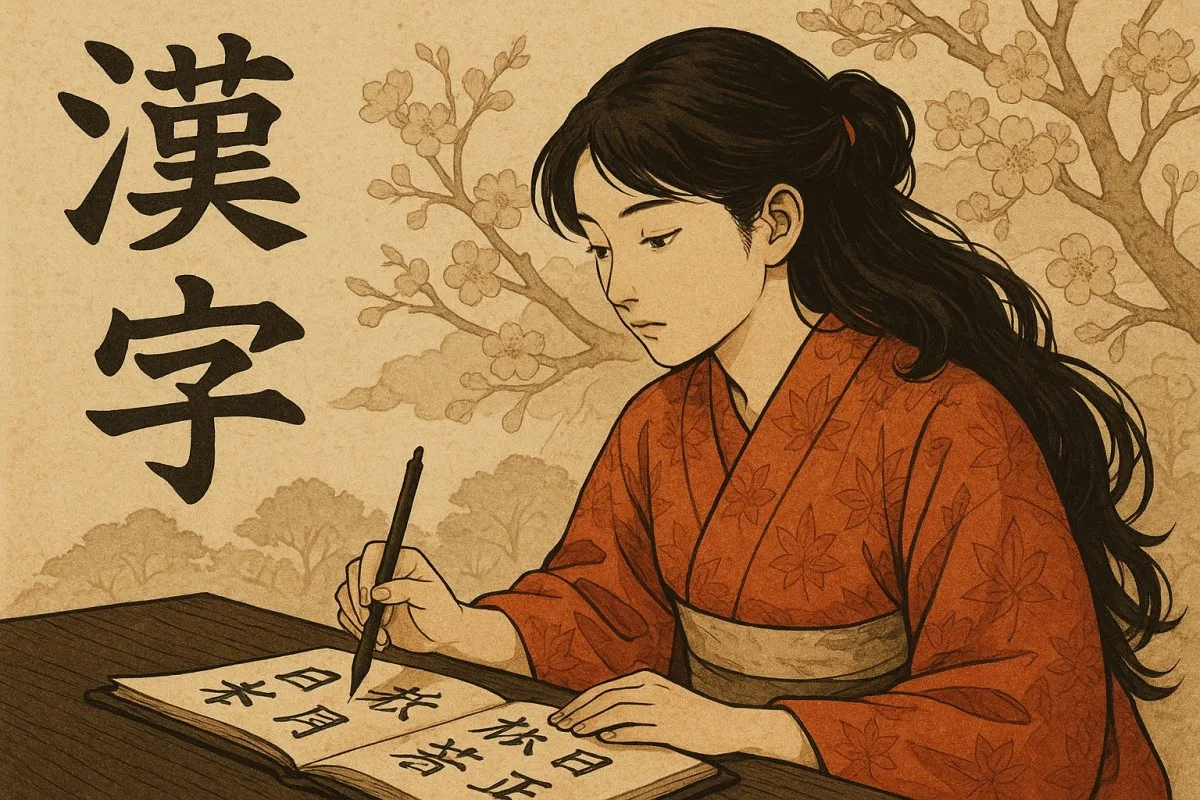
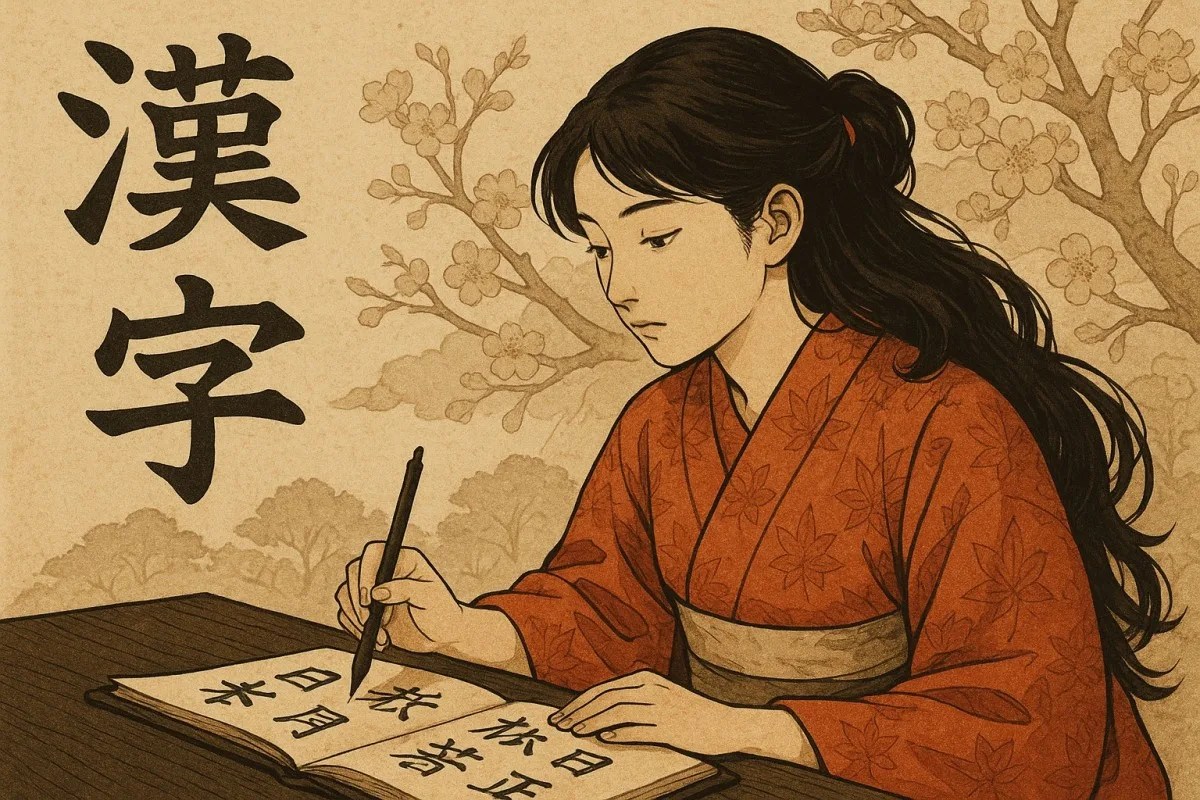
    Kanji is one of the three writing systems used in the Japanese language, alongside hiragana and katakana. These characters originated in China but have been adapted over the centuries to meet the linguistic needs of Japanese. The term “kanji” (漢字) literally means “Chinese characters,” and each symbol carries not only sound but also meaning.

    For those starting to learn Japanese, kanji is one of the biggest challenges. Not only because of the quantity — there are thousands — but also because the same character can have several different readings, depending on the context. But don’t be alarmed: understanding what kanji are, how they originated, and how they work can completely transform your experience with the language.

    Next, we will explore the universe of kanji in a clear, objective, and practical way.

    Origin and evolution of Kanji

    The history of kanji begins around the 5th century when Chinese characters arrived in Japan via Korea. At that time, Japan did not yet have its own writing system. The introduction of kanji was not only a linguistic leap — it was also a cultural revolution.

    Initially, the Japanese used Chinese characters to write in classical Chinese. Over time, they developed methods to adapt kanji to Japanese grammar, which is quite different from Chinese. Thus, the dual reading system emerged: on’yomi (Sino-Japanese reading) and kun’yomi (native Japanese reading).

    This adaptation resulted in a unique writing system in the world: a language that uses ideograms with their own meanings, combined with phonetic syllabaries. A true visual and auditory alchemy.

    How Kanji works in practice

    Each kanji represents an idea or concept. For example, the kanji 木 means “tree” or “wood.” It can be used alone or combined with others to form compound words.

    Let’s look at a practical example:

    • 木 (ki) – tree
    • 林 (hayashi) – grove (two trees)
    • 森 (mori) – forest (three trees)

    Did you notice the visual logic? Three “trees” form a forest. This shows how kanji have a strong semantic component, which even helps with memorization.

    The reading changes according to the context:

    • 木を見ます (ki o mimasu) – “I see the tree” → Japanese reading (kun’yomi)
    • 木曜日 (mokuyōbi) – “Thursday” → Chinese reading (on’yomi)

    You will need to get used to this game of interpretations. Don’t try to memorize everything mechanically. Seek to understand the pattern.

    How many Kanji do you need to learn?

    Yes, there are over 50,000 kanji cataloged, but don’t worry: you don’t need to master them all. The Japanese government has established a list called Jōyō Kanji (常用漢字), which contains 2,136 commonly used characters. This list covers practically everything that appears in newspapers, books, and websites.

    If your focus is everyday communication, learning the kanji from the Jōyō list is more than enough. For tests like the JLPT (Japanese Language Proficiency Test), there are clear divisions:

    • N5: about 100 kanji
    • N4: about 300 kanji
    • N3: about 600 kanji
    • N2: up to 1000 kanji
    • N1: over 2000 kanji

    In other words, with planning and practice, it is entirely possible to master the essential kanji to read and write well in Japanese.
    How to study Kanji effectively

    Learning kanji requires technique. It is not enough to just copy repeatedly hoping to memorize by osmosis. You need a strategy.

    Here are some recommended practices:

    • Learn with context: use real sentences and everyday examples.
    • Use flashcards with spaced repetition (SRS).
    • Draw the kanji by hand to fix the stroke and shape.
    • Watch anime or read manga with furigana to reinforce recognition.
    • Associate images or mental stories with kanji to activate visual memory.

    Avoid memorizing loose lists. Focus on understanding the radicals — the components that form kanji. This greatly speeds up the process and provides a basis for guessing meanings and readings of unknown kanji.

    Curiosities and cultural applications

    Kanji goes far beyond written language. They appear in proper names, signs, products, tattoos, and even in protection amulets like omamori. It is also common in shodō (書道), the art of Japanese calligraphy, where the act of writing becomes an artistic and spiritual expression.

    One curiosity: the Japanese annually elect the “kanji of the year” (今年の漢字), a single character that represents the feelings or significant events of that period. In 2023, for example, the chosen kanji was 税 (tax), reflecting the economic concerns of the population.

    Understanding kanji is also opening a window into the mind and history of Japan. Each character carries centuries of meanings, and many of them still influence the way people think, communicate, and live today.

    Mastering kanji is not a quick task, but it is entirely possible with consistency and a good study plan. Want to read manga without relying on translation? Want to write a formal letter in Japanese? Or simply want to understand the names that appear in anime? It all starts with kanji.

    In addition to the articles above from the friend site ganbarouze, we will leave other related articles from our site below:

  • Strangest Honorary Citizens of Japan

    Strangest Honorary Citizens of Japan

    What if a giant monster were to hold an official government position? We’re not talking about a metaphor. In 2015, Godzilla was appointed the “tourism ambassador” of the Shinjuku district in Tokyo. An icon of destruction now promoting travel. Yes, this really happened — and it’s not the only case.

    Japan has a unique talent for transforming fictional characters, eccentric mascots, and even inanimate objects into symbolic citizens. It may seem exaggerated, but there is logic to it. The country masters the art of cultural personification, and the strangest “honorary citizens” are proof of that.

    If you think it’s strange to see Godzilla as a public authority, wait until you find out who else has received an official title in the archipelago.

    Godzilla is recognized as a Japanese citizen

    Godzilla: from chaos to functional ID

    In 2015, the Shinjuku district officially decided to name Godzilla as its “Tourism Ambassador.” It’s no joke. A certificate was issued, complete with the date of appointment and a formal justification. The reason? Godzilla is part of the collective imagination of the region. Toho Studios, the original producer of the films, is headquartered there, and the monster’s head was installed atop the Toho Cinemas Kabukicho building.

    The appointment was also a clever marketing move. Godzilla’s image began to appear on tourist materials, and tourists from all over the world started visiting the site to see the famous statue — which even roars at specific times.

    Would you imagine using a monster to attract tourism? Well, that’s exactly what Shinjuku did, and it worked.

    GR 1

    Yuru-Chara: mascots with badges and salaries

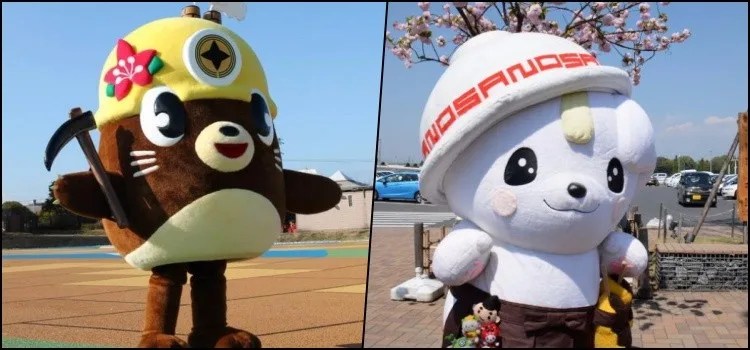
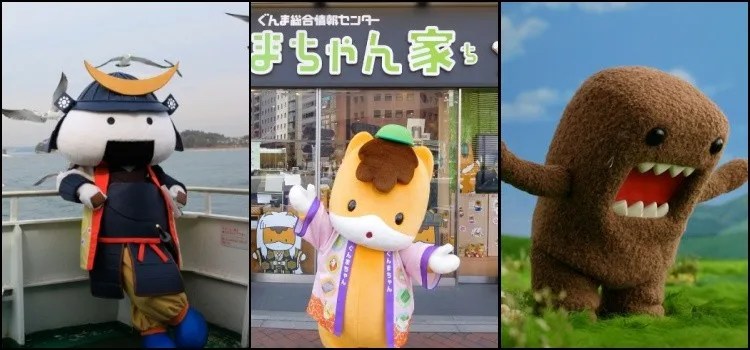
    If you’ve ever seen a Japanese mascot posing at local events, there’s a good chance you’re in front of a yuru-chara. These are characters created by local governments to represent cities, provinces, or even public offices.

    The most famous of them might be Kumamon, the mascot of Kumamoto Prefecture. Created in 2010, Kumamon became a national — and international — phenomenon. He was given the title of “Sales Director and Happiness Manager” of the prefecture. The role? Promote tourism and local products. Successfully: the region’s economy grew, and the mascot raised billions of yen in licensing.

    Another unusual example is Funassyi, an unofficial “alien pear” from the city of Funabashi. Even without initial support from the local government, he gained so much popularity that he became a regular presence on TV shows, got his own anime, and ended up being recognized as a cultural representative of the city.

    It’s not an exaggeration to say that some of these mascots have more influence than real politicians.

    Japanese Mascots - Curiosities and Cuteness

    Doraemon, Totoro, and other ambassadors of the impossible

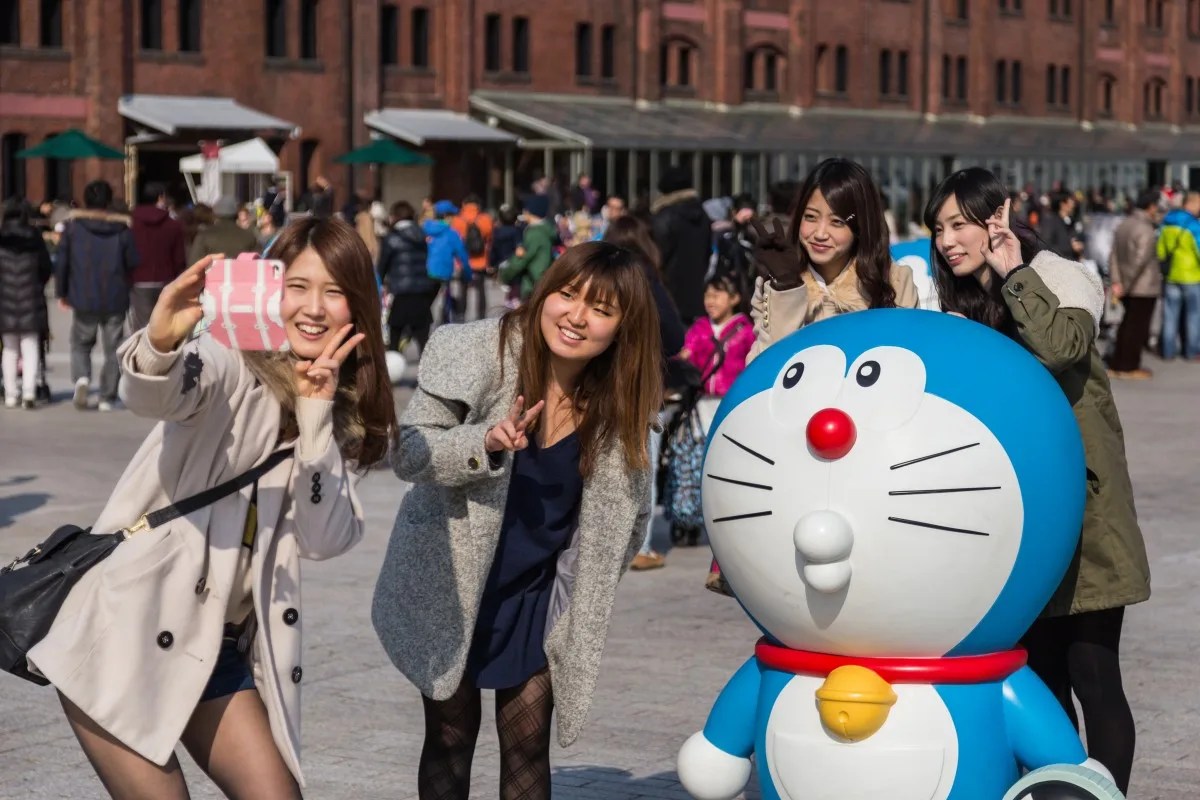
    The appointment of famous characters doesn’t stop at mascots. In 2008, the Ministry of Foreign Affairs appointed Doraemon as “Anime Ambassador.” The goal was to promote Japanese pop culture as a diplomatic tool. Mission accomplished: the character participated in international events, promotional videos, and was a key player in cultural projects of Japanese diplomacy.

    Totoro, the forest spirit created by Hayao Miyazaki, although never formally appointed, is treated as a protective symbol in various rural communities. Some areas have installed statues of the character as if they were sacred totems. For many residents, Totoro represents the spirit of the place and environmental preservation.

    These characters not only entertain — they represent ideals. And Japan knows how to use this to its advantage.

    Girls take photo with Doraemon figure

    When objects become citizens

    If you think only characters receive titles, get ready. In Japan, even objects can become public figures.

    • The Hayabusa train, from the Shinkansen line, received the symbolic title of “technology ambassador.”
    • Ceremonial swords from temples have been named “living treasures” with almost human status.
    • Robots, like the famous Pepper, have served as “official receptionists” in tourist offices and banks.

    These appointments mix technological reverence with ancient cultural values, such as Shintoism, where objects (including tools) can contain spirits (kami). The boundary between the functional and the symbolic is much more flexible in Japan.

    Why does Japan do this?

    It’s not just marketing or eccentricity. There is a deep cultural logic. The practice of personification — whether mascots, monsters, or objects — is rooted in how the Japanese view the world. In Shintoism, everything can have a soul. This concept translates today into how governments and companies create visual representations to establish emotional connections with people.

    Moreover, using characters allows public messages — such as environmental education, tourism, or disaster prevention — to be delivered in a friendlier way. Children pay attention. Adults smile. Foreign visitors share on social media.

    It’s a modern way of making culture live in everyday life.

    So… who would you appoint?

    Can you imagine your city adopting a character as an honorary citizen? Perhaps a local mascot, a famous artist, or — why not? — a character that represents the spirit of the place. In Japan, this not only happens but works. It attracts tourists, strengthens the sense of identity, and brings people closer to culture.

    What seems strange at first glance is actually a powerful tool. It mixes charisma with tradition, entertainment with diplomacy. And more than anything, it reminds us that symbols also have a voice.

    Don’t be afraid to think outside the box. Sometimes, it’s precisely in the absurd that genius resides.

  • The 15 Best Animes of the year 2000

    The 15 Best Animes of the year 2000

    In 2000, the anime scene was undergoing a silent — but profound — transformation. Studios were taking more risks, writers were avoiding the obvious, and the audience was starting to demand less linear and more emotional stories. This year was not just another turn of the calendar; it was the beginning of a new creative generation.

    Today, looking back, it is clear that many titles from that year are still remembered not only fondly but as mandatory references. The following list brings the 15 best animes of 2000, chosen for their cultural relevance, market impact, narrative quality, or unique aesthetics.

    And we go beyond the obvious — some of these you may have never seen, but you should.

    1. Hajime no Ippo

    If you still think that sports animes are all the same, start here. Hajime no Ippo emerged at the end of 2000 like a punch in the face (in a good way). With a precise mix of drama, comedy, and well-choreographed fights, Ippo’s journey in the world of boxing is captivating from start to finish.

    More than technique, the anime speaks of personal overcoming. It’s impossible not to root for him.

    2. Boogiepop Phantom

    Few animes have been as bold narratively as Boogiepop Phantom. The dark palette, fragmented rhythm, and constant tension create an experience that demands from the viewer. But it rewards.

    Each episode is a piece of a psychological puzzle. Ideal for those who enjoy animes like Lain or Texhnolyze.

    3. Great Teacher Onizuka (GTO)

    GTO is that type of anime that starts as a joke and ends as social criticism. Onizuka, a former delinquent who becomes a teacher, is an imperfect but real protagonist.

    The series discusses bullying, school pressure, and adult hypocrisy with courage. And all this without losing humor. A true lesson in well-balanced narrative.

    4. Inuyasha

    A classic by author Rumiko Takahashi, Inuyasha mixes romance, adventure, and Japanese folklore with enviable naturalness. The setting in the Sengoku period is a charm in itself, and the characters remain among the most beloved to this day.

    It’s worth watching — or rewatching — with more mature eyes.

    5. Love Hina

    You can’t ignore the phenomenon that was Love Hina. Although today the harem genre is saturated, at the turn of the 2000s it was still new. And this anime set the tone, with light humor, absurd situations, and a clumsy protagonist.

    It may not please everyone, but it marked an era and influenced dozens of subsequent series.

    6. FLCL (Fooly Cooly)

    If you enjoy creative chaos, FLCL is a feast. A visual and auditory avalanche with flying guitars, teenage metaphors, and mysterious aliens. It’s short — only six episodes — but each one feels like a whirlwind.

    And yes, the soundtrack by The Pillows is legendary for a reason.

    7. Vandread

    Want space action with giant robots, planets separated by gender, and a touch of comedy? Vandread delivered all that. And more. It was one of the first series to explore the theme of the battle of the sexes in a fun and, at times, reflective way.

    Although it didn’t gain as much prominence as other titles, it’s worth discovering — especially if you enjoy sci-fi with a different twist.

    8. Vampire Hunter D: Bloodlust

    A film with impeccable production, gothic aesthetics, and visually striking characters. Vampire Hunter D: Bloodlust is a delight for the eyes, and for those who enjoy dark narratives and solitary protagonists.

    D is also one of the most stylish anti-heroes ever created. Impossible to deny.

    9. Saiyuki

    Inspired by the Chinese legend Journey to the WestSaiyuki brought a new take on the classic story. Violence, religion, demons, and existential drama frequently appear, creating a dense and stylized universe.

    The characters have an uncommon emotional depth for the genre. And that captivates.

    10. Argento Soma

    Little talked about today, but at the time it was a surprise. Argento Soma explores themes like grief, revenge, and identity with a sci-fi approach that resembles Evangelion, but with its own identity. The art direction and soundtrack create a melancholic atmosphere that is hard to forget.

    A hidden gem from the year 2000.

    11. Sakura Wars

    One of the first animes to mix musical, mechas, and steampunk aesthetics. Strange? Yes. Did it work? Also.  Sakura Wars is based on a game, but stands well on its own with charismatic characters and a well-built universe.

    Ideal for those who enjoy out-of-the-box concepts.

    12. Banner of the Stars

    The direct continuation of Crest of the Stars elevated the level of science fiction in the animes of the time. With tactical space battles, focus on interstellar politics, and subtle relationships, Banner of the Stars is a true miniature space opera.

    It’s one of those animes that grows with each episode.

    13. Digimon Adventure 02

    The continuation of a global phenomenon. Although it doesn’t have the same emotional impact as the first Digimon, this second part brought more mature themes and explored the psychological consequences of digital adventures.

    Yes, it is aimed at a young audience, but it still managed to be narratively relevant.

    14. Carried by the Wind: Tsukikage Ran

    This one is for those who love samurais. And tough female protagonists. Tsukikage Ran is a mix of chanbara(Japanese sword films) with episodic comedy, and it works very well. Ran is charismatic, skilled, and lives independent adventures full of style.

    Little remembered, but it deserved more attention.

    15. Hand Maid May

    Within the romantic sci-fi subgenre, Hand Maid May made its mark with its light charm and colorful visuals. A technology student accidentally activates a miniature android — and the confusion begins. It’s not a deep anime, but it’s creative, funny, and full of references to the geek culture of the time.

    And that has its value.

    Revisiting 2000 with new eyes

    It’s easy to fall into the trap of thinking that only current animes have quality. But just looking at this list reveals: in 2000, creativity was running wild. There was boldness, experimentation, and a lot of variety — genres ranging from frantic action to dense psychological dramas.

    Therefore, revisiting these titles is more than nostalgia. It’s study. It’s appreciation.
    And, why not say, it’s rediscovering the pleasure of watching something made with soul, without following rigid formulas.

  • How to know the correct reading of a kanji?

    How to know the correct reading of a kanji?

    You look at a kanji, recognize the shape, remember that you’ve seen it somewhere else… but get stuck when it comes to reading it. The correct reading of a kanji is not always intuitive, and yes, there are several ways to read it. In Japanese, the same character can have different readings depending on the context, the word, and even the combination with other kanjis. This happens because of the on and kun readings, among other nuances.

    But hold on. There is logic behind this apparent confusion. Understanding this logic is the first step to mastering the readings and stopping the guessing. Let’s explore each of the factors that influence the correct reading of a kanji, with practical examples, cultural insights, and tips to facilitate your learning.

    The question that begs to be asked: can you tell when to use kun-yomi or on-yomi just by looking? The answer is: almost. With practice, patterns, and observation, you’ll get there.

    Kun and on readings: what they are and when to use them

    First of all, you need to understand that kanjis came from China, but the Japanese language already existed. This means that each character was adapted, gaining at least two forms of reading: a native one (kun-yomi) and one of Chinese origin (on-yomi).

    The kun-yomi is the original Japanese reading, usually used when the kanji appears alone or in more “Japanese” words. The on-yomi is the adapted Chinese reading, and it mainly appears in compounds of two or more kanjis.

    We already have a complete article discussing the reading kun yomi and on yomi. But let’s make a brief summary in this article. See the example with the kanji 山 (mountain):

    • Kun-yomi: やま (yama) → 山に登る (climb the mountain)
    • On-yomi: サン (san) → 富士山 (Fuji-san, Mount Fuji)

    Did you notice that the reading changes depending on the usage? This is the general rule, but as always, Japanese likes exceptions. There are words with mixed readings, and some forms that only appear in proper names or fixed expressions.

    When to use which?

    • Kanji alone → usually uses kun-yomi
    • Two kanjis together → usually uses on-yomi
    • With okurigana (kana that accompany the kanji)kun-yomi
    • Technical or Sino-Japanese wordson-yomi

    But that’s not all. Some words have more than one valid reading, depending on the context. Therefore, it’s no use memorizing in isolation. You need to see the kanji in action.

    Radicals: the key to understanding and memorizing

    The radicals (bushu) are the building blocks of kanjis. They provide clues about the meaning, and sometimes even about the reading. Knowing how to identify the radicals can save you a lot of time when trying to guess what a kanji means.

    Think of radicals as LEGO pieces. Together, they form a more complex character, but each piece still carries its meaning. A clear example is the radical 氵(sanzui), which appears in kanjis related to water:

    • 海 (うみ, umi, sea)
    • 河 (かわ, kawa, river)
    • 洗 (あらう, arau, wash)

    Even if the reading is not the same, the radical helps you visually associate the kanji with an idea.

    Some radicals also indicate reading

    It’s rare, but it exists. Some radicals or components carry phonetic clues. An example is 青 (ao, blue), which appears in:

    • 清 (せい, sei) — clean
    • 晴 (せい, sei) — clear weather

    These kanjis share part of the reading because of the phonetic component 青. But be careful: this pattern is not guaranteed. Use it as a hint, not as a fixed rule.

    Bushu - Radicais - Estruturas dos Kanji e suas variantes

    Reading in proper names: the treacherous part

    If you’ve ever tried to read Japanese names, you know what comes next. The kanjis in proper names can have readings that deviate from any pattern. This happens because names allow more freedom in choosing readings, even using nanori — readings used only in names.

    For example, the kanji 一 can be read as:

    • いち (ichi, on reading)
    • ひと (hito, kun reading)
    • かず (kazu, nanori reading)

    So, if you see 一美, it could be Kazumi, Hitomi, Ichimi… without context, there’s no way to know for sure. The only solution? See how the person reads their own name. Simple as that.

    Practical tip: when studying names, memorize them as a unit. Don’t try to decipher piece by piece — it’s like trying to guess a Wi-Fi password.

    Other readings and special cases

    In addition to on, kun, and nanori, there are other surprises in the world of kanjis. Some gain special readings in fixed words, idiomatic expressions, or due to historical language changes.

    A good example is 今日. The kanjis literally mean “this day,” but the reading is きょう (kyou), which does not exactly correspond to any of the traditional readings of 今 (ima) or 日 (hi/nichi).

    These cases are called 読み方特有 (tokuyuu yomikata), meaning specific reading. They are exceptions that need to be memorized, but they appear frequently.

    Another trap is the ateji — kanjis used solely for their pronunciation, without any connection to the meaning. An example is 寿司 (sushi), where the kanjis have nothing to do with raw fish. They are just used for their sound.

    Want a way to avoid confusion? Use reliable dictionaries and tools like jisho. They show all possible readings of a kanji, with practical examples and even the radicals used.

    Tips to discover the reading of a kanji

    You don’t need to memorize all the readings. The secret is to learn the patterns and train your intuition. Here are some strategies that work:

    • Analyze the context: what comes before and after the kanji changes everything.
    • See if there is okurigana: if there is, it’s probably kun-yomi.
    • Look for the type of word: technical, abstract, or compound words tend to use on-yomi.
    • Use the most common reading first: some kanjis have more frequent readings — start with them.
    • Study by words, not by isolated kanjis: memorize complete words and their real readings in everyday life.

    Additionally, listening to spoken Japanese helps to solidify. Watch anime, dramas, listen to podcasts. Try repeating sentences with the kanjis you are studying. This improves your memorization and your confidence.

  • Discover the most loved sports by the Japanese

    Discover the most loved sports by the Japanese

    When it comes to Japanese sports, it’s easy to think only of judo or sumo. But the truth is that Japan has an intense, vibrant, and surprisingly diverse relationship with the sports world. From ancestral practices to new passions that arrive with force, the sports there reflect discipline, team spirit, and an incredible thirst for overcoming challenges that infects the entire country.

    The question remains: do you know which sports really fill stadiums and paralyze Japan today? The answer may surprise you – many of them were not born on Japanese soil. Let’s dive into this universe, exploring fields, courts, and arenas to discover what moves crowds in the land of the rising sun.

    Baseball: The “Yakyuu” that Became a National Soul

    To understand Japanese sports, start with baseball (or yakyuu). It arrived with the Americans in the 19th century but was embraced with a passion that transformed the game into almost a religion. It’s not just a pastime; it’s a rite of collective effort and honor.

    The peak of this fever? The school tournament Koshien. Watching it is to feel the Japanese soul: boys crying from exhaustion, crowds singing in unison, entire families glued to the TV. Professional teams, like the legendary Yomiuri Giants or the beloved (and suffering) Hanshin Tigers, have fanatic fans. But the heart of yakyuu truly beats in the school leagues. Players become national heroes overnight. Want to feel the pulse of Japanese sport? Start here. Baseball still reigns.

    Judo, Karate, and Sumo: The Living Force of Tradition

    Thinking that martial arts and sumo have become museum pieces is a mistake. They have only changed. They have become powerful cultural expressions, full of meaning.

    Sumo still paralyzes the country during major tournaments (honbasho). The rikishi (wrestlers) are treated like demigods. Every gesture in the dohyo (the sacred ring) is ritual: the salt thrown to purify, the silence broken by sudden shouts from the audience. It’s pure tradition in motion.

    Meanwhile, judo and karate, propelled by the Olympic Games, have gained the world and brought medals back. In Japan, they remain pillars in education. It’s not just about fighting; it’s about building character, inner discipline. Schools and dojos are still packed. It’s a pursuit that goes far beyond the physical.

    Football: The J-League and the Revolution That Came to Stay

    To say that football was a supporting act in Japan is old news. The creation of the J-League in 1993 was an earthquake. Today, it’s normal to see children wearing shirts of Kawasaki Frontale, Urawa Reds, or the national team (the “Blue Samurai“) running in any park.

    The men’s national team shines in World Cups, and the women’s team? Made history by winning the 2011 World Cup! The Japanese fanbase has a unique style: organized, respectful, but with contagious energy. Stadiums like Saitama Stadium 2002 are buzzing. A new generation prefers the ball rolling to the baseball bat. Football is no longer a promise; it’s a solid reality.

    Volleyball: Passion on the Rise with the V.League

    Volleyball deserves a highlight! The professional league (V.League) attracts large crowds, and the women’s national team is a constant powerhouse, with Olympic medals in their resume. The games are high-intensity events, with very enthusiastic crowds and a tradition of excellence that inspires youth throughout the country. A team sport that perfectly combines with the Japanese spirit of teamwork and precision.

    Tennis, Skate, Basketball, and More: The Wave of the New Generation

    Recent Olympic Japan revealed a youth eager for sports with a different vibe. Tennis exploded with stars like Naomi Osaka and Kei Nishikori – it became synonymous with global success and modern discipline. Skate, driven by Olympic gold from Yuto Horigome, brought attitude, freedom, and urban style to the streets and parks.

    And look at basketball there! The unified and professional B.League is growing rapidly, with packed arenas and talents like Rui Hachimura shining in the NBA. It attracts a crowd that enjoys the fast pace and the spectacle.

    We can’t forget about surfing (Olympic gold!), sport climbing, and even golf, with idols like Hideki Matsuyama. These sports speak of individual expression, connection with nature, and personal challenges. They are the voice of a generation that wants less formality and more authenticity.

    Some highlights:

    • Tennis: High-level discipline and global projection.
    • Skate: Freedom, creativity, and urban culture on the rise.
    • Basketball (B.League): Dynamism and explosive growth.
    • Volleyball: Tradition of success and vibrant collective passion.
    • Surfing/ Climbing: Connection with elements and extreme challenges.

    This explosion of modalities shows a Japan in transformation – more plural, open to experimentation.

    Bukatsu: The Cradle of the Japanese Sports Spirit

    The secret of Japan’s sports strength may lie in schools. Do you know about bukatsu? They are school sports clubs. There, training is almost a mission: swimming, athletics, table tennis, badminton, kendo, rugby… Any modality becomes a lesson in grit, collective effort, and daily overcoming.

    Students dive in headfirst, training before and after classes. School tournaments, like the famous Ekiden (long-distance relay race), are taken seriously nationwide. Many stars of Japanese professional sports have come from these clubs, from simple courts, guided by dedicated teachers.

    The bukatsu not only forms athletes; it forges character. It teaches that talent is just the beginning. What really matters is the sweat, persistence, and knowing that you are not alone. It is the root of a sports culture that admires effort above all.

  • JESTA: Japanese Electronic System for Travel Authorization

    JESTA: Japanese Electronic System for Travel Authorization

    Soon, entering Japan will require a new digital step. The JESTA (Japanese Electronic System for Travel Authorization) is not a traditional visa, but a mandatory electronic authorization for travelers from 71 visa-exempt countries — including Brazil, the USA, and European nations.

    Inspired by the American ESTA and the European ETIAS, the system arises as a response to overtourism that pressures locations like Mount Fuji and the historic neighborhoods of Kyoto. In 2024, Japan received 36.9 million tourists, and issues such as the invasion of private properties in Gion (to photograph geishas) and environmental degradation accelerated the creation of this “smart filter.”

    What Is JESTA and Why Did Japan Create It?

    JESTA is a pre-screening system that analyzes traveler data before boarding. Its goal? To identify risks of illegal immigration or tourist overload. Unlike a visa, its approval is quick (within 72 hours) and electronically linked to the passport.

    Why now? The Japanese value omotenashi (hospitality), but recent events forced a rebalancing:

    • In Ginzan Onsen, century-old hot springs limited access to non-guests after 8 PM due to noisy tourists;
    • In 2024, 15% of irregular stays in the country came from visa-exempt travelers;
    • The government seeks to protect heritage sites like Kiyomizu-dera, where visitors eat in sacred areas;

    Step by Step: JESTA in Practice

    When mandatory, you will need to follow these steps:

    1. Online filling: A digital form will collect personal data, itinerary, and address in Japan.
    2. Automated analysis: Systems will cross your information with global security databases.
    3. Result: If approved, you will receive an e-confirm; if denied, you will need to apply for a consular visa.

    Tourists from countries outside this list (e.g., China, India) will continue to require a physical visa. The validity will be 90 days per entry, for use in tourism, business, or transit — never for work.

    Here’s an irony: while JESTA arises to control flows, Brazilians gained visa exemption in 2023 as part of the 115 years of Japanese immigration in Brazil, which created a new difficulty and cost for Brazilians.

    Privacy vs. Security

    JESTA requires sensitive details: travel history, contacts in Japan, and even social media. The government assures that the information will be anonymized and encrypted, but NGOs like the Electronic Frontier Foundation warn: “Such systems create juicy databases for hackers.”

    And there’s another risk: algorithmic bias. In 2024, tests with similar systems in Europe denied 40% more authorizations to citizens from African and Middle Eastern countries. Will JESTA repeat this pattern?

    Preparing for the JESTA Era

    As the system enters testing in 2025, you can prepare:

    • Check your passport: It must be electronic and issued after 2011;
    • Document your trip: Have updated hotel reservations and round-trip tickets;
    • Monitor official sources: Japanese [Immigration] and consulate websites will have updates.

    And most importantly: study Japanese etiquette. In Kyoto, there are already signs in Portuguese saying: “Do not photograph geishas without permission.” Remember: JESTA is not just a procedure — it is a pact of mutual respect.

  • How to know if the reading of the Kanji is ON or KUN?

    How to know if the reading of the Kanji is ON or KUN?

    Do you know what ON YOMI reading or KUN YOMI reading is? Have you ever wondered how the Japanese manage to read the text without mispronouncing or stumbling? If you have been studying Japanese for some time, you should know that kanji, or ideograms, are imported from Chinese and have several pronunciations.

    The Kanji in the Japanese language is divided into 2 Readings:

    • On yomi (音読み) – Sound reading – These are the readings of Chinese origin;
    • Kun yomi (訓読み) – Semantic reading – These are the readings of Japanese origin;

    Why? When the Chinese ideograms were imported to Japan, the Japanese associated the words already used in Japanese with the ideograms, and also associated and converted the Chinese readings into Japanese ideograms.

    Take the example of the ideogram for east [東]. In Chinese, it is pronounced “dong,” which was converted to Japanese as “tou,” becoming an ON reading. However, the Japanese already used “higashi” or “azuma” to refer to the east, so this ideogram ended up gaining these 3 and other pronunciations. Remember that the ON reading will always be written in Katakana, while the KUN reading will be in hiragana.

    Tip on how to know when to pronounce ON and KUN

    It is impossible to know precisely when to use the ON or KUN reading of a word without knowing it. However, there is a tip that works for most words, but it is worth clarifying that it does not apply to 100% of cases.

    To know the reading of ideograms in most cases, keep the following in mind:

    • ON – It is read when the Kanji is accompanied by another;
    • KUN – It is read when the Kanji is accompanied by a hiragana;

    The custom is to read the entire word using the ON reading, but in some cases, it can end with the KUN reading;

    When the ideograms are usually isolated, they are verbs or individual words that originated from ancient Japanese. ON reading is most often when an ideogram is next to another, because ON readings tend to have 1 syllable, or as the name suggests, a sound.

    Verbs, suffixes, and prefixes usually have the KUN reading. Remembering that a reading can also vary. It is worth noting that people’s names often have other readings besides ON and KUN.

    We recommend reading:

    Examples of Kanji with ON and KUN Readings

    Below, see how knowing this will help us identify the reading of the Japanese ideogram. And also see how this tip does not work 100% of the time.

    kanji

    See below the example of the ideogram that means to study and learn in Japanese:

    学 
    ON =  gakko 
    KUN = mana
    • 学校 – gakkou – School (Used a variation of on, because it is accompanied by a kanji.)
    • 学ぶ – manabu – To learn (Used kun because it is accompanied by a hiragana (it is a verb);

    Below we have the ideogram with the meaning of big and its ON YOMI and KUN YOMI readings:

    大
    ON = dai
    KUN = oo
    • 大好き – daisuki – (Used on, because it is accompanied by a kanji.)
    • 大き – ooki – (Used kun, because it is accompanied by a hiragana.)

    Now let’s see the example of the ideogram for day and sun:

    日
    ON = nichi, jitsu
    KUN - hi, _bi, _ka
    • 日曜日- nichiyoubi Sunday (Started using the Chinese reading and ended using the Japanese reading.)

    Below, let’s see the example of the ideogram for person:

    人 
    ON = jin, nin
    KUN = _to, hito, _ri
    • ブラジル人 – burajirujin Brazilian (used on without being accompanied by a kanji.)
    • 二人 – futari – Two People (both used the kun reading.)

    For this reason, it is important for us to know the vocabulary; not all ideograms follow this rule.

    Whenever you find a kanji followed by a hiragana, remember that its reading is likely Japanese (kun yomi).

    And when you come across several ideograms forming a word, its reading is usually Chinese (on yomi), but its last ideogram may be a Japanese reading (kun yomi).

    Knowing this makes us more confident in reading and prevents us from getting lost when trying to figure out how to read a word.

    How to know if the reading of the Kanji is ON or KUN?

    Why did I decide to write this article?

    To this day, I have never found this small and simple tip in any book or course. Knowing when the reading is ON or KUN helps a lot in learning ideograms and pronouncing unknown words. What do you think of this tip? Have you noticed that it is like this?

  • Gengō – What does each Era of Japan mean?

    Gengō – What does each Era of Japan mean?

    Have you ever heard the terms “Meiji era,” “Shōwa,” or “Reiwa” and wondered what they really mean? In Japan, time is not just counted — it is named. Each era has a unique name, chosen with extreme care, symbolizing the spirit of the time and aspirations for the future. This tradition, called Gengō (元号), transforms the calendar into a cultural narrative.

    In this article, we will walk from the first official era to the current era, discovering the meaning of each name, the reason for the choice, and what it says about Japan at that time. Get ready, because this is an intense journey through history encoded in two ideograms at a time.

    Asuka Period (538–710)

    Taika (大化) – “Great Reform”

    The first official era of Japan, which began in 645. “Taika” marks the beginning of the centralization of power under Emperor Tenji, with profound administrative reforms known as the Taika Reforms. The choice of name reflected this movement of rupture and reconstruction. Dai (大) means “great”; ka (化) is “transformation.” A name that perfectly summarizes the ambition of the moment.

    Hakuchi (白雉) – “White Pheasant”

    Used between 650 and 654, it received this name after a white pheasant was offered to the emperor, considered a sign of good omen. Haku (白) means “white,” and chi (雉) is “pheasant.” An example of how natural phenomena influenced political decisions.

    Nara Period (710–794)

    During this period of fixed capital in Heijō-kyō (present-day Nara), Japan formalized the regular use of eras.

    Wadō (和銅) – “Pacific Copper”

    Adopted in 708, with the discovery of pure copper in Japan. Wa (和) is an ancient name for Japan, also translated as “harmony”; dō (銅) means “copper.” The name united national identity and economic prosperity.

    Tenpyō (天平) – “Celestial Balance”

    Used between 729–749. Ten (天) means “heaven” and pyō (平), “balance or peace.” It reflected the Buddhist ideal and the desire for spiritual and social stability under the rule of Emperor Shōmu.

    Tenpyō-kanpō (天平感宝) – “Heaven, Peace, and Sensitive Treasures”

    This variation lasted only a few months. It shows how certain names were attempts to correct or bless difficult periods, often due to superstition.

    Heian Period (794–1185)

    The era of aesthetic refinement and court culture.

    Kōnin (弘仁) – “Expanded Virtue”

    Used from 810 to 824. It symbolized the desire for the expansion of morality and stability during the reign of Emperor Saga. The ideogram Kō (弘) means “expand,” and nin (仁) is “virtue,” an essential quality in Confucian values.

    Jōgan (貞観) – “Correct Vision”

    From 859 to 877. A time of stability, marked by culture and Buddhism. The name reflects the pursuit of morality and just governance.

    Kamakura Period (1185–1333)

    With the shogunate established, the emperor still named the eras, but politics was dominated by warriors.

    Bunji (文治) – “Governance by Culture”

    1190 to 1199. The ideogram Bun (文) is “letter” or “culture,” and ji (治), “to govern.” It represented an attempt to rebalance power between arms and knowledge.

    Kenji (建治) – “Establishment of Governance”

    Used from 1275 to 1278. Indicates the effort to restore imperial authority in times of tension with the Hōjō clan.

    Muromachi Period (1336–1573)

    Ōei (応永) – “Eternal Response”

    Used for 35 years (1394–1428), one of the longest. A sign of relative stability. Ō (応) is “response,” ei (永) is “eternity.” It was an expression of governmental continuity and stability after years of war.

    Bunmei (文明) – “Civil Illumination”

    1469 to 1487. Even amid internal wars, the name aspired to cultural elevation. With bun (文) for culture and mei (明) for clarity, it reflected the desire for civility in an unstable time.

    Sengoku Period (1467–1573)

    Despite the chaos, the names remained symbolic.

    Eishō (永正) – “Durable Peace”

    1504 to 1521. A clear attempt to bring hope amid war. An almost ironic name for an era of constant battles between feudal lords.

    Tenbun (天文) – “Celestial Phenomenon”

    1532 to 1555. Reflects the connection of heaven with political destiny. A name with astrological weight, typical of a time when heavens and wars were inseparable.

    Azuchi-Momoyama Period (1573–1603)

    Tenshō (天正) – “Celestial Justice”

    It was under the command of Oda Nobunaga that the name Tenshō emerged, in 1573. Hideyoshi maintained it during his consolidation of power. The chosen kanji say it all: Ten (天) represents heaven or divine order; shō (正) is justice, correction. In a full era of conflicts and forced unification, the name acted almost as a seal of approval from the heavens for military campaigns.

    More than symbolism, it was propaganda. Each victory over rivals could be seen as fulfilling a celestial justice. The name was chosen with political intent, not just spiritual.

    Edo Period (1603–1868)

    With the Tokugawa shogunate established, the names of the eras began to reflect stability, rigidity, and cultural prosperity. Even with long and peaceful periods, the name of each era carried an ideal that the government wished to propagate.

    Kan’ei (寛永) – “Serene Eternity”

    Adopted between 1624 and 1644, the name symbolized a stable government with absolute authority. Kan (寛) means “serenity” or “tolerance”; ei (永) is eternity. A name chosen to provide tranquility to the population and reinforce Tokugawa’s rule as legitimate and permanent.

    It was in this era that Japan closed itself off from the world (sakoku), and internal peace was maintained with an iron fist. The name of the era was a constant reminder: everything was under control, and it would be so for a long time.

    Genroku (元禄) – “Original Prosperity”

    This era, from 1688 to 1704, is remembered as a true boom of culture. Kabuki, ukiyo-e, haikai, and the life of pleasure districts flourished. Gen (元) is origin or foundation; roku (禄) means blessing or wealth. The name carried the idea of an era of wealth born from the solid foundation established.

    It is no coincidence that many historians and artists consider Genroku the cultural peak of the Edo era. Prosperity was not only economic but also aesthetic and emotional.

    Meiji Era (1868–1912)

    Meiji (明治) – “Enlightened Government”

    This marked the end of feudal Japan. The Meiji Restoration returned power to the emperor and transformed the country in record time. The name of the era — Mei (明), “enlightenment,” and ji (治), “to govern” — was chosen to reflect exactly that: a new type of leadership, more rational, modern, and looking to the future.

    Everything changed: clothing, calendars, political system, literacy. And the name Meiji functioned as a banner of a revolution that transformed the archipelago into a power.

    Taishō Era (1912–1926)

    Taishō (大正) – “Great Rectitude”

    Although brief, it was an era of liberalism and urban growth. Tai (大) is “great”; shō (正) is the same “correct” or “just” from other eras. The name invoked a moral leadership, perhaps more desired than real.

    While Emperor Taishō was fragile in health, the name of the era served as an ethical anchor for democratic movements and political openness. The term became a symbol of “Taishō democracy” — short but significant.

    Shōwa Era (1926–1989)

    Shōwa (昭和) – “Illuminated Peace”

    It began under tension and ended with prosperity. Shō (昭) is “to illuminate,” wa (和) is harmony, peace. A name that said a lot — or wished for a lot. At the beginning of the era, wars and authoritarianism marked the country. In the post-war period, came the “economic miracle” and the rise of modern Japanese culture.

    It is interesting to observe how a name can mean one thing and experience the opposite, only to finally align with its purpose. Shōwa is duality in the form of an era.

    Heisei Era (1989–2019)

    Heisei (平成) – “Concretized Peace”

    Hei (平) is “peace,” sei (成) is “to achieve,” “to realize.” The name was chosen to represent the desire for peaceful continuity after a troubled century. The intention was great — but Heisei was marked by a stagnant economy, natural disasters, and accelerated social changes.

    Still, many Japanese see Heisei as an era of emotional transition: from post-war ambition to the acceptance of a new reality. Less growth, more introspection.

    Reiwa Era (2019–present)

    Reiwa (令和) – “Beautiful Harmony”

    The first name taken from a Japanese text, the Manyōshū. A symbolic break. Rei (令), in this context, represents “excellence” or “good order”; wa (和) continues as “harmony.” The goal is to guide the country towards a beautiful coexistence between tradition and future.

    The choice was bold. Instead of turning to China, Japan turned to its own classical literature. It is an era of identity affirmation, even amid a health crisis and the advance of AI. The name remains a reminder that balance and aesthetics still matter.

  • 15 ways to earn Free Crystals in Honkai Impact

    15 ways to earn Free Crystals in Honkai Impact

    Getting free crystals in Honkai Impact 3rd may seem like a task for the most patient, but those who understand the game know that there are many more opportunities than it appears. The secret is to identify less obvious sources and not let rewards accumulate for later. Want to speed up your progression without spending money? You’re in the right place.

    Over time, the game itself has evolved and started offering more methods to reward active players. But that doesn’t mean everything is laid out. Some ways require observation, others, strategy. And some… only the most attentive notice. Here are 15 effective — and some surprising — ways to secure free crystals without opening your wallet.

    1. Completing Daily and Weekly Missions

    It’s basic, but still ignored by many. Daily and weekly missions are stable and guaranteed sources of crystals. Completing daily tasks offers points that accumulate in the weekly progress bar, unlocking reward packages.

    Whether it’s defeating enemies, spending stamina, or completing specific stages, every task counts. And you know what else? Players who complete everything weekly can earn more than 100 crystals per week just from this system. Sounds little? In 1 month, it already exceeds 400.

    2. Account Level Advancement

    As you level up your Captain, rewards are automatically distributed. In addition to crystals, you receive useful materials and in-game currency.

    This system is one of the most direct ways to earn in the beginning, so it’s worth advancing quickly. Prioritize stages with high EXP and don’t let stamina accumulate.

    3. Temporary Events

    Seasonal events are one of the best times to farm free crystals. They usually come with unique challenges, rankings, or scoring systems that, when completed, guarantee generous rewards.

    And here’s a tip: never ignore the minigames. Sometimes, a silly event with a comedic look can yield more than 300 crystals, in addition to exclusive materials.

    4. Achievements and Accomplishments

    Have you checked the achievements panel recently? Many people forget that completing specific feats in the game triggers an avalanche of small rewards. Defeating certain bosses, leveling Valkyries to maximum levels, or completing chapters with all seals unlocked.

    The detail is that achievements accumulate. Over time, this can mean thousands of free crystals.

    5. Daily and Long-Term Login

    It seems obvious, but it’s not just the simple login that matters. Honkai has cumulative login systems for 7, 14, 30 days, and even exclusive events that give crystals for attendance.

    Have you ever missed a login streak just by forgetting? That’s right. Each of those failures could have cost you a free pull.

    6. Memorial Arena Mode

    The Memorial Arena rewards performance based on your weekly ranking. The higher you rank, the more crystals you receive.

    But here’s the trick: you don’t need to be among the best on the server. Just reach a reasonable score and maintain consistency. Some players even secure 240 crystals per week just from this mode.

    7. Dirac Sea and Abyss

    These are two modes of continuous challenge that work with ranking. Those who stay active and improve weekly scores reap great rewards.

    • Dirac Sea: changes every 2 weeks
    • Abyss: alternates between Layers and Regions

    Both can be complex for beginners, but they are worth the effort. Staying on top for 3 weeks already pays off handsomely.

    8. Chapter Rewards and Story Mode

    Each chapter of the main campaign offers exploration seals. By collecting all from a chapter, you unlock extra rewards — often, 50 to 120 crystals per section.

    Don’t underestimate Story Mode. Even the oldest chapters still yield rewards if you haven’t completed them 100%.

    9. Broadcast Programs and Web Events

    HoYoverse loves to reward those who follow the game outside of it. Whenever there are live broadcasts — like update previews — promotional codes are released. A code can bring between 30 to 100 crystals, in addition to other rewards.

    Want a real example? During the announcement of version 7.3, 3 codes were released totaling 300 crystals. Those who didn’t grab them missed out.

    10. Free BP Store

    Even without purchasing the Battle Pass, the free version of the system still offers crystals. Just accumulate weekly activity points to unlock levels of the free BP.

    Here, the key is not to let weeks go by without scoring points. Little by little, you accumulate enough for another rotation on the banner.

    11. Promotional Codes

    In addition to those mentioned in live streams, HoYoverse frequently releases codes through social media, collaborations, or global events. A simple code found on Twitter can guarantee you 50 to 100 crystals.

    Here’s a straightforward piece of advice: make it a habit to check official channels weekly. Have you thought about how many chances you’ve missed?

    12. Post-Update Survey

    After each new version, a survey form appears in the game. By responding, you usually receive 50 crystals directly in your account.

    It’s quick, simple, and useful for the company. And yes — it’s free crystals for giving your opinion.

    13. Guild Ranking and Activity

    If you are part of an active guild, that already puts you at an advantage. Guilds receive weekly rewards based on member activity. Participating in group missions or chat already adds points.

    And if your guild reaches the top of the ranking? Expect even juicier rewards.

    14. Pre-registrations and Global Celebrations

    Commemorative dates and new releases often come with campaigns for pre-registration. Those who participate always get something — and almost always include crystals.

    It was like this with collaborations like Evangelion, Genshin Impact, and SP Valkyries. The bonuses go to those who are attentive.

    15. Completion of Special Community Tasks

    From time to time, HoYoverse proposes global collective challenges. They can range from defeating a certain number of enemies to taking screenshots with specific themes.

    Participating puts you in raffles or unlocks global rewards. One of these campaigns even distributed 600 crystals to all engaged players.

    Practical Summary: Where to Focus?

    If you’re just starting out or want to optimize your time, focus on these points:

    • Daily missions — guarantee weekly progress
    • Active events — high rewards in a short time
    • Memorial Arena — great weekly return with practice
    • Broadcasts and codes — never miss the live streams
    • Continuous login — requires consistency but pays off
  • How is Halloween celebrated in Japan?

    How is Halloween celebrated in Japan?

    You might imagine Halloween as a night of tricks and treats, scary costumes, and illuminated pumpkins on the doorsteps of houses. But what if I told you that in Japan this date has transformed into something completely different — and visually insane? Yes, the country that loves to mix the traditional with the eccentric has reinvented the celebration in its own style.

    Although it is not part of traditional Japanese culture, Halloween found fertile ground in the vibrant streets of Tokyo, in shop windows, and in the hearts of young people. But don’t be fooled: there, the celebration is less about ghosts and much more about performance and community.

    Get ready to experience a Halloween like you’ve never seen before.

    The Arrival of Halloween in Japan

    Halloween did not naturally emerge in Japanese culture. It was actually imported by the commercial sector. Department stores, theme parks, and food companies saw a golden opportunity to create attractive seasonal campaigns — and it worked.

    The Tokyo Disneyland was one of the major contributors to this expansion. In 2000, the park began promoting Halloween events that included themed parades and complete decorations. The success was immediate. From then on, brands, shopping malls, and entire neighborhoods began to mobilize around the celebration.

    Today, Halloween is celebrated massively in urban areas. And it has nothing to do with trick-or-treating. In Japan, the focus is on costumes, aesthetics, and public spectacle.

    Shibuya: The Beating Heart of Japanese Halloween

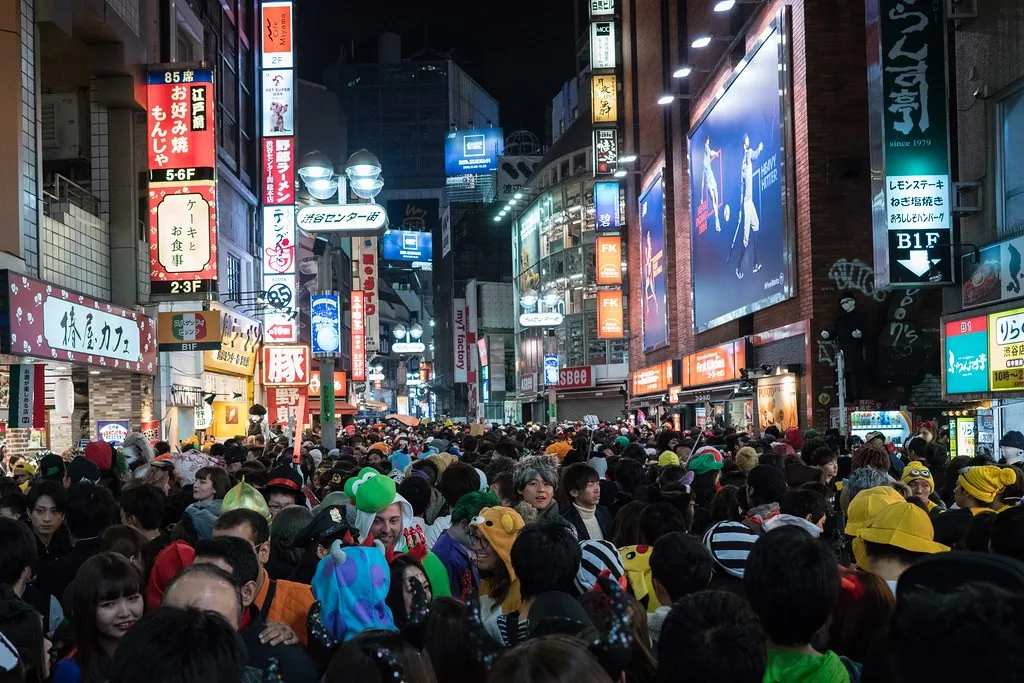
    Do you want to understand how Japan celebrates Halloween? Go to Shibuya. The famous crossing, already chaotic by nature, becomes the stage for a spontaneous parade of costumes, cosplay, and social interaction. Thousands of people take to the streets at the end of October, dressed as anything you can imagine.

    But don’t think about children asking for candy. Think about adults with productions worthy of cinema. Zombies with professional makeup, anime characters reimagined in a dark version, and even costumes that make subtle social critiques.

    Until recently, the event was completely spontaneous, with no official organization. This changed after riots and excesses in previous years, and now the Tokyo government has imposed stricter restrictions, such as banning alcoholic beverages in certain areas and increasing police presence. Even so, the crowd shows up — and transforms the street into a runway.

    By the way, would you participate in such an event just for the fun of dressing up?

    Costumes in Japan: From Kawaii to Grotesque

    If there’s one thing Japan takes seriously, it’s the art of dressing up. Halloween has become a perfect excuse to explore the more creative — and often dark — side of cosplay.

    It’s not uncommon to see highly elaborate productions, with visual effects, contact lenses, mechanical accessories, and professional makeup. Some people prepare their costumes for weeks, drawing inspiration from anime characters, horror movies, or even memes and everyday scenes.

    The contrast between kawaii (cute) and the grotesque also stands out. One person might dress as a demonic nurse with glassy eyes, while another appears as a teddy bear with an axe in its head. There are no limits — just creative expression.

    Some stores specializing in cosplay and makeup even extend their hours and launch exclusive collections for Halloween. This fuels the creative economy and strengthens the relationship between fashion and identity, even if just for one night.

    Halloween in Stores and Theme Parks

    Besides the streets, Japanese commerce dives headfirst into the celebration. Supermarkets, cafes, convenience stores, and even pharmacies start selling seasonal products in September. These include candies with themed packaging, limited-edition drinks with pumpkin flavors, and even cute decorations with smiling ghosts.

    And we can’t forget about the theme parks. Tokyo Disneyland and Universal Studios Japan host Halloween events for over a month. During these dates, visitors can watch nighttime parades with characters in “scary” versions and enjoy attractions modified just for the period.

    Another highlight is the Halloween Horror Nights at Universal Studios in Osaka. The park is taken over by performing zombies, horror mazes, and special shows. If you love adrenaline and scary makeup, this is the right place.

    For many Japanese people, spending Halloween in a park is as symbolic as Christmas with family.

    It’s Not a Holiday, But It Has Become Tradition

    Despite all this movement, Halloween is not an official holiday in Japan. Schools continue with regular classes, and October 31 has no connection to the traditional Japanese calendar. Still, the cultural impact of the date grows each year.

    On the other hand, there is no connection with spiritual elements like in Obon, for example — the traditional festival that truly celebrates the dead. Japanese Halloween is 100% focused on entertainment and visual experience.

    This may seem strange, but it says a lot about how Japan knows how to adapt foreign symbols to its own way of life. They do not copy — they transform.

    If you seek to understand how a culture can reinterpret a foreign tradition in a unique way, here is the perfect example. And the question remains: if even Halloween can be redefined, what else are we capable of?

  • What does Ichigo mean in Japanese?

    What does Ichigo mean in Japanese?

    When someone hears “Ichigo”, it’s almost automatic to think of strawberries. Especially if you are an anime fan or have visited Japan, this word appears everywhere. But the curious thing is that ichigo goes far beyond the fruit. Depending on the writing and context, it can mean completely different things — all with very interesting symbolic meanings.

    Therefore, in this article, we will explore the different meanings of “Ichigo” in Japanese, dividing each section with one of these interpretations.

    Strawberry in Japanese

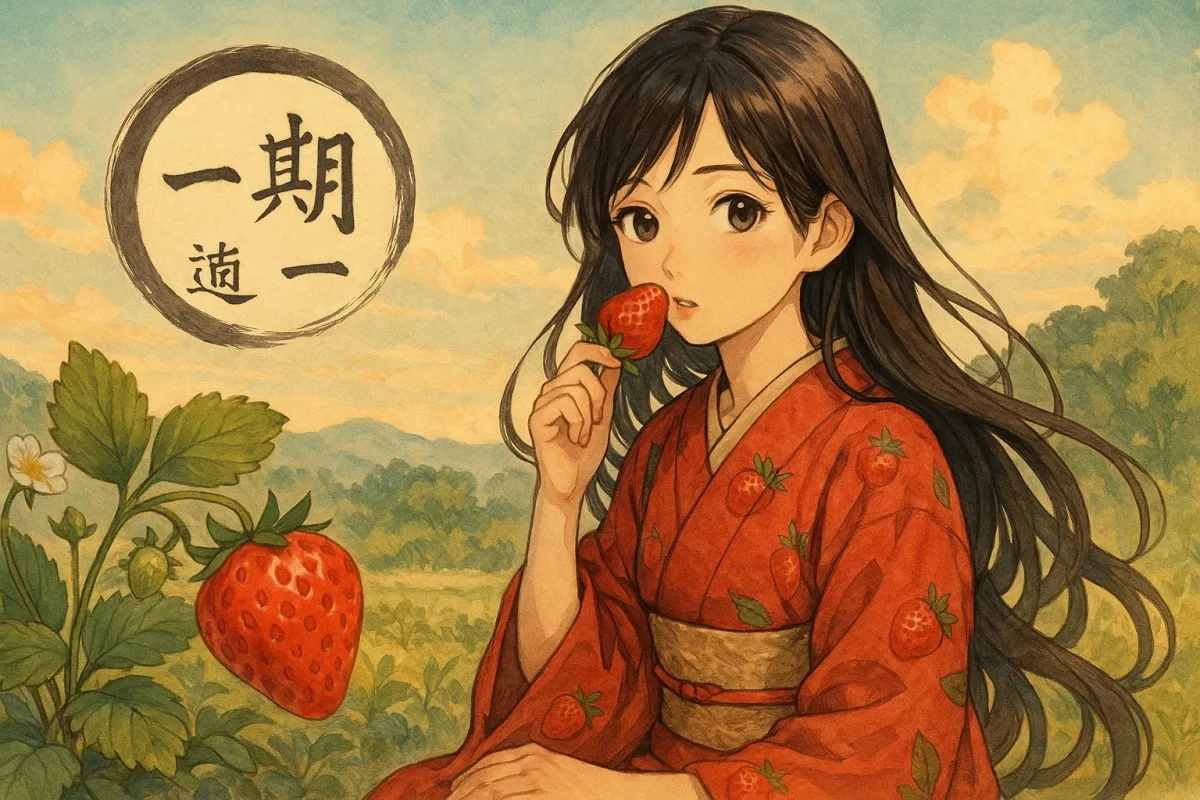
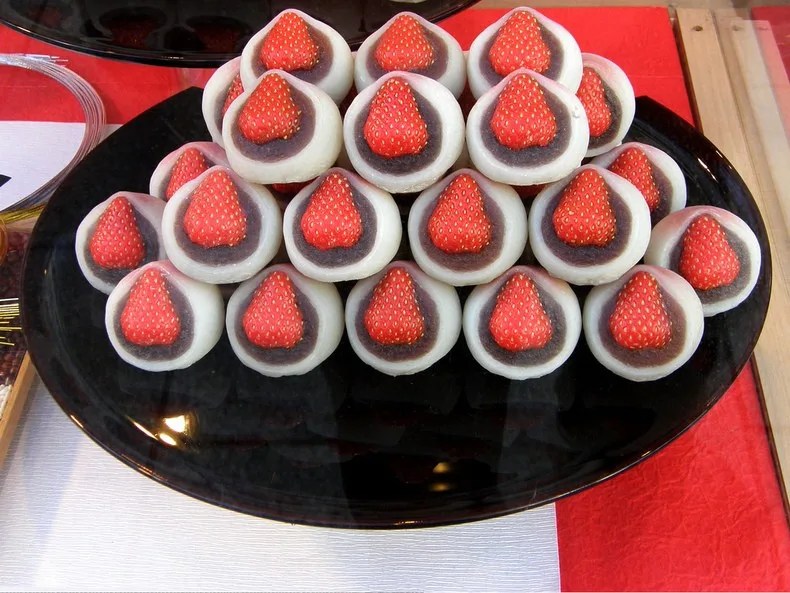
    The most common and direct way to understand ichigo (いちご) is as “strawberry”. In everyday Japanese, this is the most frequent writing and pronunciation, especially among children, cuisine, and pop culture.

    The strawberry in Japan, by the way, is a national obsession. There are entire cafes dedicated to ichigo, and Japan cultivates unique varieties like Tochiotome and the rare White Ichigo, a super sweet and expensive white strawberry.

    But why are strawberries so special in Japan? Simple: they represent sweetness, delicacy, and are also symbols of femininity in many contexts — which explains their use in brands, fashion, and even character names.

    Although “ichigo” means strawberry, the kanji for “strawberry plant” [] is rarely used. It is complicated and not very functional. Therefore, even on packaging and menus, the hiragana version predominates.

    Ichigo as First

    Here we start to enter the territory of proper names. A famous example is the character Kurosaki Ichigo from the anime Bleach. The kanji used in his name is 一護. Breaking down the ideograms:

    • 一 (ichi) = one
    • 護 (go) = protect, protection

    In this context, the meaning is far from fruits. It can be interpreted as “the one who protects a single thing” or symbolically as “primordial protector”. But there is an interesting theory: the name was chosen ambiguously just to play with the idea of “strawberry”, creating a contrast between the appearance of the name and its symbolic strength.

    And there’s more. Depending on the form of writing, ichigo can be read as “first number of a cycle”, something important in rituals, ceremonies, and even in spiritual meanings. Variations like first child using the kanji 子 are common.

    Ichigo as Character or Brand Name

    In the world of anime, Ichigo appears frequently. Besides Kurosaki Ichigo, we have characters like Momomiya Ichigo from Tokyo Mew Mew, whose personality is linked to sweetness — reinforcing the meaning of strawberry.

    In brands, the name also appears as a symbol of youth and delicacy. Many candy or cosmetics companies aimed at young audiences use Ichigo in their names to evoke softness and purity.

    Ichigo as a Metaphor for “Once in a Lifetime” (一期一会)

    This is perhaps the deepest and least obvious meaning. Ichigo Ichie (一期一会) is a Zen Buddhist expression that can be translated as “once, a meeting” or “unique encounter in life”.

    Each ideogram has weight:

    • 一期 (ichigo) = a cycle of life
    • 一会 (ichie) = a meeting

    Together, they form the idea that each encounter between people is unique and will not be repeated in the same way. This concept is widely used in the tea ceremony, where the present moment is valued as unrepeatable.

    It may seem too philosophical, but think: how many times have you been with someone, thinking you would have other chances, and never saw that person again? Exactly. Ichigo Ichie is a constant reminder that nothing repeats itself in the same way.

    This concept has been gaining strength in the Western world, especially in mindfulness and minimalism practices. If you enjoy living with more presence, this is an expression that deserves space in your mind.

    Ichigo as a Cycle of Life

    Besides its use in expressions like Ichigo Ichie, the kanji 一期 (ichigo) alone can mean “a cycle of life”. This appears in more philosophical or spiritual contexts.

    You find this term in farewell ceremonies, Buddhist rituals, and even in thank-you letters. It represents the idea of a complete moment, something that had a beginning, middle, and end.

    This reading of ichigo is not common in everyday life, but it exists. And it brings an important reminder: each phase of our life has its own value, even if it is brief.

    Conclusion

    Ichigo can also literally be the reading of the numbers one and five. Of course, it is usually pronounced differently as juugo [十五], but if the numbers are read separately, you might end up hearing an ichigo.

    Ichigo is a word with many faces. It can be a fruit, a name, a symbol of protection, or even a spiritual teaching. And the beauty lies precisely in this: Japanese is a language where identical sounds hide completely different meanings, depending on how you write and use them.

  • Main Airlines for Domestic Flights in Japan

    Main Airlines for Domestic Flights in Japan

    When we think about exploring Japan quickly and economically, Japanese airlines emerge as excellent options, especially for domestic routes. The great advantage is the variety of companies that offer cheap domestic flights, allowing easy travel from the far north in Hokkaido to the subtropical warmth of Okinawa without needing to compromise much on the budget.

    In this practical guide, you will get to know all the main airlines in Japan that operate domestic routes, with special emphasis on those that are more accessible and popular among travelers who wish to save time and money during their stay in the country.

    Peach Aviation: the favorite of backpackers

    If there is a favorite Japanese airline among young travelers and backpackers, it is certainly Peach Aviation. Known for its incredibly low fares, often comparable to those of overnight buses, Peach connects major Japanese cities like Tokyo, Osaka, Sapporo, Fukuoka, and Okinawa.

    In addition to low prices, Peach stands out for its simplicity at the time of booking and transparency in fares. However, remember that, like any low-cost airline, the basic fare usually includes only carry-on luggage. It is worth planning well what to take in your suitcase to save even more.

    Jetstar Japan: cheap flights with international standards

    Jetstar Japan, the Japanese version of the famous Australian airline Jetstar, is another great choice for those looking to save without sacrificing convenience. It operates exclusively within the country, with popular routes such as Tokyo to Osaka, Sapporo, or Fukuoka, all frequently on promotion.

    A major advantage of Jetstar is its clear policy on fares and additional services. This means you only pay exactly for what you need, allowing you to easily adjust your trip to your budget. It is a good option especially for foreigners who are already familiar with the low-cost style.

    Skymark Airlines: affordable comfort on domestic flights

    Not all budget airlines need to be too basic, and Skymark Airlines is a great example of this. Despite competitive prices, it offers a bit more comfort compared to other low-cost airlines, with more spacious seats and additional services included in the base price, depending on the chosen fare.

    Skymark mainly connects large urban and tourist centers, such as Tokyo, Kobe, Fukuoka, and Sapporo, being highly sought after by both local travelers and foreign tourists looking for a more pleasant experience without needing to spend much.

    Solaseed Air: regional charm with friendly prices

    Less known internationally but extremely popular among Japanese, Solaseed Air is an airline that connects especially the southern region of Japan, focusing on routes between Kyushu and other regions like Tokyo and Okinawa.

    In addition to competitive fares, flying with Solaseed is a charm in itself: their planes have cheerful colors and friendly services, creating a unique experience. It is ideal for those who wish to experience a more regional and intimate atmosphere on their domestic journeys.

    Air Do: connecting northern Japan at low prices

    Air Do is the preferred airline for those wishing to explore the northern region of Japan, especially Hokkaido. It frequently offers promotions that make it possible to explore more distant destinations like Sapporo, Hakodate, or Asahikawa on a limited budget.

    With a proposal that mixes practicality and economy, Air Do also stands out for its friendly service and small details, such as regional drinks available for free during flights. A unique experience, especially if you want to learn more about the culture of northern Japan.

    Spring Airlines Japan: savings with an international touch

    Spring Airlines Japan, linked to its Chinese parent company, has gained ground with very low fares connecting mainly Narita Airport to cities like Sapporo and Hiroshima. Despite its local focus, it offers a cosmopolitan feel thanks to Chinese influence. A great choice if you want to take advantage of reduced prices without giving up a good experience.

    Amakusa Airlines: a unique local experience

    Have you ever imagined flying in small planes, like ATR, connecting smaller cities in Japan? That is exactly what Amakusa Airlines offers. With very specific routes, such as Amakusa-Kumamoto-Fukuoka, this airline is ideal for those who want to experience the less touristy side of Japan, taking advantage of competitive fares on truly local flights.

    ANA Wings: the regional reliability of ANA

    ANA Wings is a subsidiary of the well-known All Nippon Airways (ANA) and operates exclusively regional domestic routes. Its differential is offering a comfortable experience, similar to that of the main company, but on shorter routes, especially connecting small towns to the major hubs of Tokyo, Osaka, and Nagoya. An excellent choice for those who value a bit more comfort on short flights.

    Fuji Dream Airlines: flying in style through the regions

    Based mainly in Shizuoka and Nagoya, Fuji Dream Airlines is known for the vibrant colors of its planes, which are already an attraction in themselves. Operating accessible regional routes, this company connects smaller cities, offering a convenient and economical alternative for those wishing to explore regions less visited by international tourists.

    Hokkaido Air System: exploring the deep north

    Part of the JAL group, Hokkaido Air System focuses exclusively on routes within the island of Hokkaido. Its smaller planes facilitate quick and comfortable travel between remote destinations, making it a perfect option for those planning a detailed trip to the far northern Japan, especially in regions that are not easily accessible by land.

    Ibex Airlines: quick and cheap connections on regional jets

    Ibex Airlines, based in Sendai and Nagoya, offers an excellent combination of efficiency and economy. Its regional jets connect important cities like Sendai, Tokyo-Narita, and Osaka with competitive fares. This could be the ideal choice for those needing to travel quickly between regions without compromising the budget.

    Japan Air Commuter: short flights to small islands

    Part of the JAL group, Japan Air Commuter (JAC) stands out for operating short and specific domestic routes, especially to smaller islands in Japan, such as those in the Ryukyu archipelago. If you dream of exploring these more remote and paradisiacal locations with ease, you will certainly want to know the attractive routes and prices of this airline.

  • How to call a sexy Japanese woman in Japan?

    How to call a sexy Japanese woman in Japan?

    You probably know that in Japanese culture we do not have the habit of complimenting women with hot terms like sexy, hot, or delicious. Using these compliments can sound rude and not work, but if you still want to insist and call a Japanese woman sexy? What terms to use?

    In this article, we go beyond kawaii, kirei, and bijin and we will teach spicy, sensual, and shameless terms and phrases for you to push the limits of Japanese culture. Ready to conquer or suffer the consequences?

    Understanding the Risks

    Japan is a country where direct compliments about appearance, especially in a sensual way, can sound invasive. Society values subtlety. Therefore, those phrases that work in other parts of the world, like “You are very sexy,” rarely go over well there.

    In fact, you will rarely see a Japanese person complimenting someone in public so directly. It’s not just a matter of shyness; it’s respect. If you exaggerate, you can even be misinterpreted.

    Compliments That Work in Japan

    Now, that doesn’t mean that complimenting a sexy Japanese woman is an impossible mission. But focus on words that express admiration in a delicate, never invasive way. Here are some examples that work well:

    • Kirei (綺麗): means “beautiful” or “pretty.” A classic, neutral, and safe choice.
    • Oshare (おしゃれ): means “stylish” or “fashionable.” A compliment about the outfit or the way of dressing, without being too direct.
    • Kawaii (可愛い): can be translated as “cute” or “charming.” Although it sounds innocent, it is common and can sound captivating.
    • Suteki (素敵): something like “wonderful” or “stunning.” It has an elegant and sophisticated tone.

    Avoid using words like “sexy” (セクシー, sekushii) in Japanese directly to the person, unless the relationship is already intimate or there is clear trust. Among friends or strangers, it can sound heavy or vulgar.

    Now that you understand the risks, let’s throw out the formalities, speak openly, and detail each spicy and indecent term you can use to compliment a Japanese woman in a “shameless” style. Ready? Let’s go:

    Eroi (エロい)

    If you want to say that a Japanese woman is “hot” or that she fills your head with ideas, eroi (エロい) is the word that comes closest to that meaning. Using “eroi” in a conversation is practically admitting that you’re thinking naughty thoughts, and you’re not hiding anything:

    Anata, chotto eroi yo.
    あなた、ちょっとエロいよ

    You are a bit erotic, huh

    You can throw in a little smile at the end to lighten the mood, but everyone will understand that the conversation is hot. If the conversation is already tense, you can even intensify it with:

    Eroi sugiru!
    エロいすぎる

    Too sexy!

    But again: it only works if the atmosphere is already flirty.

    When the Japanese woman has that innocent air, but at the same time awakens desires, the term ero-kawaii (エロかわいい) fits like a glove. This compliment has a provocative tone, but with a certain lightness. It serves to play and provoke a smile — if you know how to balance the bold side with a touch of charm.

    Eroppoi (エロっぽい)

    The word eroppoi is almost a joker for those who want to provoke. It carries the idea of something “looking erotic,” but it’s not always explicit. Using eroppoi is not just saying that the person is sexy; it’s insinuating that there is an aura of desire, a light naughtiness, as if just the way of looking gives that shock of excitement. You know that person who doesn’t even need to show anything, just by existing makes the imagination run wild? That’s it: it’s the “vibe” more than the body.

    Sekushii (セクシー) – Sexy

    This term is imported, but it has already become Japanese at heart. Sekushii is the classic “sexy,” that compliment that can range from chic to vulgar depending on the tone of voice and the look. It can be said in the middle of a party, after a few drinks, or in that daring conversation at dawn.

    It can be used lightly, but it also serves to drop a bomb: “You are sekushii today” can be both an invitation for a kiss and a compliment from someone who is just admiring.

    It’s versatile, works in various contexts, and doesn’t usually scare as much as eroi — but it’s also not something you say to just any coworker.

    Ecchi (Indecent)

    Ecchi (エッチ) is a term that means indecent, often represented by the letter H. This term is used to refer to things inappropriate to be written here, but you can read the differences between Ecchi and Hentai.

    The most common is the adjective ecchi na (エッチな), like “ecchi na fuku” (naughty clothes), “ecchi na hanashi” (perverted conversation). It serves both to make jokes among friends and to start a hot conversation with someone you already have freedom with. In the internet vibe, this root quickly becomes a meme.

    There is also the term ecchi suru (エッチする), which is the informal equivalent of “to have sex,” used only among intimate people, boyfriends, or very close friends, usually in a playful context or cheeky invitation.

    We recommend reading: Vocabulary and phrases about sex in Japanese

    Echiechi (エチエチ)

    If in Brazil people use “naughty,” “perverted,” or “hot,” in Japan the meme is echiechi. It is derived from the letter “H” (for “hentai”), but it has become a light and fun slang for everything that is a bit spicy, provocative, suggestive. It can be used to compliment a daring look, a meme, or even a post. Among young people and in the internet vibe, echiechi is the password to say “you’re making me think of things” — but without sounding like a creepy old man.

    H na Onna (Hな女)

    Now, if the idea is to go all out, using H na onna is naming names. “H woman,” in Japan, means someone sexually bold, unafraid to admit desires. It’s explicit and heavy, a compliment that requires a lot of intimacy. It’s not just recognizing sensuality — it’s declaring that the person drives you crazy. Using this expression is stepping directly into the red zone of Japanese flirting.

    Other Spicy Terms in Japanese

    See below other terms that we couldn’t cover much, but that are important:

    Bijin (美人)

    Although translated as “beautiful woman,” bijin carries a more sophisticated charm. The word brings an idea of admirable beauty, but when used in the right context, it gains a touch of intense admiration, almost as if saying “besides being beautiful, you command respect.” If you want to heat things up, you can combine it with another term, like “eroi bijin,” and then it changes the picture — it goes from princess to tempting goddess.

    Motemote (モテモテ)

    This term shifts the focus a bit because it’s not directly sexual, but plays with the idea of someone being irresistible. When someone is motemote, they attract glances, provoke sighs, are the target of envy and desire. Saying this to someone is like saying: “You’re so amazing that everyone wants to get with you.” It sounds fun, charming, and can indeed turn into an invitation for something more if the context allows.

    Iroppoi (色っぽい)

    Iroppoi leans towards the more artistic side of sensuality. It’s the kind of beauty that hypnotizes, touches the senses in a refined way. It can be a voice, a way of walking, a look full of intention. It’s not vulgar, but rather magnetic. When someone gives off an iroppoi, they are usually talking about that charm that’s hard to explain — almost as if the person exudes desire effortlessly.

    Nikkanteki (肉感的)

    Nikkanteki goes straight to the physical. It means “fleshy,” “curvy,” something visually attractive because it overflows with bodily sensuality. It’s usually used to describe bodies with curves, thighs, hips, bust — all that draws attention for its volume and texture. There’s nothing subtle about it; it’s that word that says the body is, literally, mouthwatering.

    Mizupoi (水っぽい)

    Now, mizupoi can be confusing. Literally, it means “watery” or “moist,” but it has become slang to describe something or someone that has a sexy vibe like a “hostess,” those women from nighttime entertainment bars. It evokes a glamour, a somewhat artificial sensuality, sometimes exaggerated, but still irresistible. It can be used in situations where the person is well put together, heavily made up, wearing tight clothes, that thing that looks like it came out of a pop music video.

  • Otome Dori – Disturbing, but realistic!

    Look, if there is a hentai anime that managed to leave many people with a strange feeling, it was Otome Dori. Released by the studio Seven in 2012, this is extremely disturbing. These 40 minutes tell the story of Kazuki Okino, a boy who seems to have a normal life until compromising videos of his childhood friend, Otome Sakuragi, fall into his hands. And that’s where everything starts to crumble.

    As things progress, you discover some things about his sister, Rinka, and about who is really behind all of this, which leaves you speechless. The ending? Oh, the ending manages to be even more traumatizing.

    Plot and Development

    Kazuki’s life, alongside Otome (for whom he has feelings) and Rinka, was super peaceful. But this peace turns to dust when he receives a DVD showing Otome in intimate situations with older guys. From there, Kazuki enters a spiral of despair trying to understand what the hell happened to Otome.

    And the cruelest surprise? Rinka, his own sister, motivated by a sick love for her brother, was the one who set everything up. She delivered Otome to the aggressors, paid for it, and even handed the DVDs to her brother.

    While trying to investigate and follow his sister, he ends up overhearing an intimate situation happening in a public bathroom. Shortly after being knocked out by an umbrella, he wakes up tied up with his sister jumping on him.

    But does this violence make him innocent? Soon he unties himself and completely dominates his sister. After waking up, we have a time jump showing the protagonist married to his pregnant childhood crush and with another daughter. And the work ends with him finding another DVD of his pregnant wife.

    Why is Otome Dori Disturbing?

    What sets Otome Dori apart from other works in the Netorare genre is its raw and realistic approach to trauma. The scenes are not just explicit; they are loaded with psychological suffering. The animation uses a dark color palette and a minimalist soundtrack to intensify the oppressive atmosphere. The viewer is forced to confront the discomfort and helplessness of the characters, especially Kazuki, whose life is destroyed by forces beyond his control.

    The reception of Otome Dori was mostly negative, even among hentai fans. Many reported feelings of anguish and regret after watching the work. On forums like Reddit, users describe the anime as a traumatizing experience that “should be avoided.” The lack of a satisfying resolution and the absence of justice for the characters only heighten the feeling of despair that permeates the narrative.

    Why is it Realistic?

    The trauma experienced by the protagonist in Otome Dori is not just a narrative device — it mirrors a brutal reality that many young people face when consuming extreme erotic content. Kazuki was not just a victim but became an accomplice to his own suffering, repeatedly watching the sent videos, unable to resist the sick desire that it awakened. This detail — often overlooked — reveals something disturbing: the failure of emotional control in the face of perversion masked as desire.

    The work does not provide relief. Kazuki, even after being emotionally terrorized and manipulated to the limit, ends up accepting his sister, ignoring the fact that she was the mind behind Otome’s ruin. There is no redemption, there is no catharsis. Just a silent acceptance of the unacceptable.

    And that’s where Otome Dori hits its darkest point. Kazuki’s final choice not only closes the story — it carries an overwhelming psychological burden. It’s as if the narrative screams: “Even after everything, he chose to stay with the source of his trauma.” For many, this decision is the real punch in the gut.

    And the worst? This type of emotional dynamic is not as far from reality as we would like to believe. Abusive relationships, cycles of emotional dependency, and the normalization of others’ suffering are everywhere — and the anime, even in an extreme way, lays this bare.

  • Birdwatching in Japan – Complete Guide

    Birdwatching in Japan – Complete Guide

    Have you ever tried birdwatching in a country where the seasons are so marked and biodiversity changes with the climate? Doing birdwatching in Japan goes far beyond a simple outdoor activity — it is a gateway to understanding the silent rhythm of Japanese nature. The most fascinating part? You don’t need to be in the middle of a forest to experience this. Even in urban centers, there are hidden surprises among the trees.

    With a rich variety of migratory birds, endemic species, and locations dedicated exclusively to observation, Japan becomes a discreet paradise for those who love wildlife. And if you still think that birdwatching is just for retirees with plenty of time, get ready to change your mind.

    What it’s like to practice birdwatching in Japan

    Unlike what you see in other countries, birdwatching here is silent, almost meditative. Many Japanese people bring binoculars to local parks, note each sighting, and follow carefully marked trails in reserves. The activity is respected and supported by environmental institutions and observatories organized by volunteers.

    The ideal season varies by region. In spring and autumn, migratory birds cross the country. In winter, rare species appear in Hokkaidō. In summer, Okinawa becomes a living sanctuary. The coolest part? The railway network allows you to go from one observation point to another effortlessly.

    Equipment and behavior: what to expect

    You don’t need a super camera or technical knowledge to get started. A lightweight pair of binoculars, discreet clothing, and attention to detail are enough. Behavior also matters: the Japanese avoid speaking loudly, don’t leave trash, and respect the birds’ space. There is a true sense of “being one with nature,” not just observing.

    Some parks offer tours with experienced guides, where even beginners learn to identify bird songs just by sound. It’s a sensory and educational experience.

    • Binoculars (双眼鏡, sōgankyō) – prefer lightweight 8×42 models for stability and visual quality.
    • Field guides (野鳥図鑑, yachō zukan) – there are versions in English and Japanese with photos and descriptions.
    • Apps like Merlin Bird ID make identification by sound and image easier.
    • The Japan Bird Observation Network (日本鳥類保護連盟, JBC) offers local groups and events accessible to everyone.

    Where to go birdwatching in Japan

    Hokkaidō – The dance of the cranes on ice

    If you’ve seen photos of large birds in white snow-covered fields, there’s a chance they were the red-crowned cranes (tancho) in Kushiroshitsugen. In winter, they gather to dance — yes, actually dance — as part of their mating ritual. An almost magical scene.

    Nagano – Woodpeckers and silence in Karuizawa

    Karuizawa is not just a winter retreat; it is also home to the Japanese green woodpecker (aogera) and the narcissus flycatcher. Silent trails, fresh air, and one of the most respected sanctuaries in the country for those who want to combine hiking with contemplation.

    Izu Islands – Rarities on volcanic soil

    Few places in the world concentrate as many endemic birds as Miyakejima and Hachijojima. The highlights here are the Ijima’s leaf warbler, the Izu robin, and the exotic Owston’s tit. A trip to these islands can reveal species that do not exist anywhere else on the planet.

    Okinawa – Living forest in Yambaru

    The subtropical forest of Yambaru is home to birds like the Okinawa rail (yanbaru kuina) — which cannot fly! — and the endangered Pryer’s woodpecker. The heat is intense, but the variety makes up for it.

    Ogasawara Islands – A paradise in the middle of nowhere

    If you’re up for a longer journey, Hahajima in Ogasawara offers the chance to see the rare Bonin white-eye. Isolated, these islands are a UNESCO World Heritage Site and still little explored.

    Tokyo – Surprises amid concrete

    Even the metropolis offers good opportunities. In the Tokyo Port Wild Bird Park, you can see herons, swallows, and even snipe between takeoffs. Parks like Inokashira and Zenpukuji also reveal thrushes, owls, and even urban woodpeckers.

    Care and ethics during observation

    As relaxing as it may be, birdwatching requires responsibility. Never feed birds in natural areas — this interferes with their behavior. Don’t try to get too close, and most importantly: avoid interacting with nests. Take your trash, keep noise low, and if possible, record the birds to help conservation databases.

    Participating in local initiatives or supporting conservation centers is also a way to contribute to the preservation of what you are admiring. Remember: you are a visitor in their space.

    Essential vocabulary in Japanese for birdwatching

    • 鳥 (tori) – bird
    • 野鳥 (yachō) – wild birds
    • 観察 (kansatsu) – observation
    • 双眼鏡 (sōgankyō) – binoculars
    • 図鑑 (zukan) – guide (field guide)
    • 野鳥観察 (yachō kansatsu) – birdwatching / observation of birds
    • 日本鳥類保護連盟 (Nippon Chōrui Hogo Renmei) – Japan Bird Protection Network
    • 渡り鳥 (wataridori) – migratory bird
    • 餌付け (ezuke) – feeding (generally in controlled habitats)
    • 録音 (rokuon) – recording (of bird songs)

    Also see a complete list with Bird Names in Japanese.

  • Summary of the book “The Little Prince” and its ending

    Summary of the book “The Little Prince” and its ending

    The book The Little Prince, written by the Frenchman Antoine de Saint-Exupéry, is a classic of world literature. The work narrates the exciting journey of a young prince coming from a distant asteroid, B-612. After crashing his plane in the Sahara desert, a pilot meets the little traveler, who immediately asks him to draw a sheep. This unexpected encounter begins deep and philosophical dialogues about friendship, love, responsibility, and how adults often forget the essentials of life.

    Behind the apparent simplicity of the story, there is a deep reflection on human values. Each character that the prince meets on his travels symbolizes different ways of thinking and acting, illustrating the complexity of adult life and how, often, we fail to see what really matters.

    Complete summary of the story of The Little Prince

    Before arriving on Earth, the Little Prince visits several planets inhabited by characters that reflect exaggerated behaviors of adult life. Among them, there is a king who believes he rules the universe, a vain man desperate for applause, a drunkard who drinks to forget the shame he feels for drinking, a businessman who spends his life counting stars as if they were his possessions, a lamplighter trapped in meaningless tasks, and a geographer who has never explored anything.

    These encounters reveal how adults often live trapped in their own illusions or meaningless responsibilities, ignoring the small joys of everyday life.

    Upon arriving on Earth, the Little Prince befriends a fox, who teaches him important lessons about friendship and emotional bonds. The phrase “What is essential is invisible to the eye” summarizes the character’s learning. The prince understands that his rose, which seemed common and demanding, was unique precisely because of the emotional bond they had created.

    How does the book “The Little Prince” end?

    The end of the book is poetic and open to interpretation. Missing his rose, the Little Prince decides to return home. To do this, he allows a snake to bite him, believing that this way he will return to his planet. The pilot, although sad about the farewell, does not find the prince’s body and is left wondering if he really managed to return.

    This ambiguous conclusion makes it clear that what matters is not the definitive answer, but the symbolic meaning of the farewell. The pilot concludes that he will always be able to look at the stars and remember the prince fondly, imagining that he is smiling back.

    The influence and popularity of The Little Prince in Japan

    In Japan, The Little Prince has won hearts with various adaptations, especially in anime format. The Japanese audience quickly identified with the emotional and philosophical depth of the work, making it a cultural reference that transcends generations.

    The most famous Japanese adaptation is the classic 70s anime, known as Hoshi no Ōjisama, which highlighted the sensitivity of the story through a delicate soundtrack and smooth animations, enchanting both children and adults. Over time, manga, theatrical plays, and themed exhibitions have also emerged, keeping the memory of the work alive in the Japanese popular imagination.

    Interestingly, the book is widely used in Japanese school education to address themes such as empathy, emotional bonds, and critical reflection on the values of life. This deep connection with the work reflects the importance of Saint-Exupéry’s message about the need to value what truly matters, beyond appearances and materialism.

    A work to revisit always

    Regardless of age or culture, The Little Prince offers a universal message about the true value of simple things. Each reading reveals new reflections, proving that certain classics never lose their relevance.

    How about revisiting this story, now with a new perspective, or perhaps discovering its Japanese adaptations that further expanded its emotional depth? It is worth checking out and rediscovering the essential, invisible to the eye, but deeply significant to the heart.

  • Terms for naughty and spicy conversations in Japanese

    Terms for naughty and spicy conversations in Japanese

    Want to learn terms to make your conversations naughty and spicier? Forget that formal Japanese from class! Spicy conversation in Japanese goes far beyond what language books teach. There is a whole arsenal of expressions, onomatopoeias, and slang designed to provoke, instigate, and make desire clear — and some don’t even have a perfect equivalent in other languages. These words appear among couples, friends with freedom, or even in secret app chats. Want to heat things up without beating around the bush? Come with me.

    We also recommend opening in a new tab our other two articles that will help you have an even spicier conversation. These articles are essential because they focus on erotic vocabulary and also on spicy compliments. Here are the articles:

    Muchimuchi (ムチムチ)

    The word muchimuchi is one of those Japanese onomatopoeias that has an immediate impact just by hearing it. It describes an irresistible physical sensation: “tight,” firm bodies, with that full, juicy look. In the context of spicy conversations, saying someone is muchimuchi is openly admitting a desire to squeeze, bite, hold — it’s a compliment to what is plump, soft, and visibly tempting. Thighs, butt, arms, anything that has that “full” touch can be described as muchimuchi.

    Using this expression in flirting is like confessing, without beating around the bush, that the person’s body awakens a desire to grab. It can be said in a playful tone, as a compliment, or even with shameless admiration, usually accompanied by an emoji or mischievous laughter, especially in text messages. It doesn’t sound vulgar, but it’s also not innocent: it’s direct, fun, and almost impossible to translate with the same effect in another language.

    In Japan, the term appears a lot in social media comments, especially on photos of legs, hips, or even muscular arms. And the best part: it’s a word that can be used for both men and women, as long as the context is hot and intimacy allows.

    Paipai (パイパイ)

    If there’s a slang that lays bare the intention, it’s paipai. It’s an informal and fun way to talk about breasts, used among friends, couples, or in relaxed conversations with that naughty touch. Unlike other more vulgar terms, paipai sounds almost like a cute nickname, one that brings laughter even when the intention is naughty. And don’t be fooled: when someone says “paipai ga yabai” (“these breasts are dangerous!”), there’s no way not to understand the message.

    In the world of Japanese internet,  paipai appears in memes, photo comments, jokes, and even in some anime, always carrying that light and naughty vibe at the same time. You can imagine its use in situations where the conversation is already hot, or even to break the ice in a very cheeky way.

    Nametai (舐めたい) & Sawaritai (触りたい)

    Here there’s no subtlety: nametai means “I want to lick” and sawaritai, “I want to touch/grab.” These are expressions that leave no doubt about what’s going through your mind. If the atmosphere between you and the person has already moved from light flirting to declared desire, these words work as an explicit invitation to go further — or as an irresistible provocation in a private chat.

    The strength of these expressions lies precisely in their sincerity and lack of beating around the bush. Saying “kuchibiru wo nametai” (“I want to lick your mouth”) or “sono futomomo sawaritai” (“I want to grab those thighs”) puts sexual tension front and center. There’s no way for someone to ignore it, much less pretend they didn’t understand.

    Poyonpoyon (ぽよんぽよん) & Purunpurun (ぷるんぷるん)

    These onomatopoeias are a show apart in the Japanese language — almost irresistible for those who like to add that playful and visual touch to spicy conversation.  Poyonpoyon conveys the idea of something soft, bouncy, that shakes with movement. It’s impossible not to think of breasts, butt, or even “chubby” cheeks. Meanwhile,  purunpurun suggests something even juicier, firm, that “trembles” and invites touch: skin, lips, body parts that make you want to bite or squeeze.

    In hot conversations, using these words is almost like drawing the scene for the person. “Today you’re pure poyonpoyon” or “those lips are purunpurun” is that cheeky, fun compliment that takes any weight off the tension and transforms everything into light provocation full of mental images.

    Bitchi (ビッチ)

    If there’s a word that can ignite (or explode) any conversation, it’s bitchi. Derived from the English “bitch,” it has become Japanese slang to describe someone bold, shameless, and who doesn’t hide desires or attitudes. The term can be used as provocation or as a spicy compliment, depending on the vibe and the level of intimacy between people.

    Saying someone is bitchi that day is almost like calling them “naughty” or “forward,” but with a touch of empowerment — after all, those who are bitchi in Japan usually don’t care about others’ judgments. It’s a word to be used among those who are already in the same mood, as outside of that context, it can sound aggressive or even offensive.

    Yarashii (やらしい)

    Yarashii is one of those adjectives that mix provocation, compliment, and an invitation for something more. Usually translated as “naughty,” “perverted,” or even “malicious,” it serves to describe both people and gestures, glances, laughter, and even situations. If someone tells you “sono egao, yarashii ne” (“that smile is very naughty, huh”), you can be sure that the atmosphere has already crossed the line of friendship.

    It’s a term loaded with intention. When it appears in conversation, it’s like a cheeky whisper, one that provokes an immediate reaction, whether it’s laughter or a response of equal measure. In relationships, it can even become part of the game, with both competing to see who provokes more with looks or “yarashii” messages.

    Shikoshiko / Shikoi (シコい)

    This is pure underground Japanese slang.  Shikoshiko is the onomatopoeia for the sound or movement of masturbation. And  shikoi was born from that: it means something or someone is so provocative that it “makes you want to jerk off.” In chats, forums, memes, or private groups, saying that a photo, video, or even a pose is “shikoi” is practically an explicit compliment, saying that scene is beyond sexy — it’s pure naughty material.

    Don’t expect to find this word in soap operas, newspapers, or normal conversations; it’s reserved for contexts where there’s no more shame between the parties. Using shikoi is to admit that desire has overcome all barriers of decorum or modesty. If you’re going to let it slip, be sure the other person will laugh and reciprocate — or at least get into the mood of provocation.

    Munmun (ムンムン)

    You know that environment where the air feels heavy with desire, where just a glance or a misstep can set everything on fire?  Munmun is the perfect Japanese word for that charged, almost suffocating atmosphere of sexual tension. It can be used to describe both the environment and the feeling that someone transmits just by being nearby.

    In spicy conversations, dropping a “kono heya wa munmun shiteru ne” (“this room is munmun today, huh…”) is like saying “it’s impossible to endure this atmosphere!” It also serves to provoke, making the other person aware that you are feeling — and enjoying — the energy in the air.

    Pittari (ぴったり)

    Pittari normally means “perfect fit,” “just right,” but in double entendre conversations, it gains a highly spicy connotation. Saying something is pittari in hot contexts suggests that bodies, hands, lips, or even thoughts fit perfectly — almost like saying “you were born for this with me.”

    It’s an expression full of possibility because it leaves room for imagination: a touch that fits, a kiss that matches, an embrace that completes. In the heat of a conversation, dropping a “ore to omae, pittari da ne” (“you and I are a perfect fit, right?”) can instantly elevate the mood, turning it into that password for everything to flow.

    Mankitsu (満喫)

    Last but not least: mankitsu means “to enjoy to the fullest,” “to savor until the end.” In a spicy context, the phrase “kyou wa kimi wo mankitsu shitai” (“I want to enjoy you until the last second today”) is direct, unfiltered, and practically an indecent invitation.

    It’s not just about desire — it’s about exhaustion, exhausting everything, living the moment until there’s no energy left. Using mankitsu in a hot conversation makes it clear that the goal is not just to play, but to go to the limit, without rush or pause. It’s a word that mixes thirst, passion, and that hunger to experience everything the person has to offer.

  • School Days – Complete Summary of the Work

    School Days – Complete Summary of the Work

    School Days begins as a conventional school anime but transforms into a disturbing study of psychological deterioration. The narrative follows Makoto Itou, an ordinary student whose selfish choices trigger an unforgettable tragedy. The impact of the work lies not only in its controversial ending but in the meticulous progression of the consequences of each action.

    The Genesis of Conflict

    Everything starts with Makoto Itou obsessed with Kotonoha Katsura, a shy classmate he observes on the train. Following a local superstition, he uses her stolen photo as wallpaper on his phone, believing it would win her love. Sekai Saionji, his extroverted friend, discovers the secret and decides to mediate the relationship.

    The turning point occurs when Sekai kisses Makoto as a “reward” for introducing her to Kotonoha. This seemingly innocent gesture sows a catastrophic emotional dynamic.

    The Rise of Toxicity

    After starting a relationship with Kotonoha, Makoto reveals his volatile and dissatisfied nature. Unsatisfied with his girlfriend’s shyness, he gets physically closer to Sekai, culminating in sexual relations.

    The betrayal becomes a pattern: Makoto maintains both relationships in parallel, also getting involved with other classmates like Setsuna, Hikari, and Otome. Sekai’s pregnancy becomes the catalyst for disaster. Upon receiving the news, Makoto promises support but quickly flees from responsibilities, ignoring both girls.

    The Emotional Collapse

    The continuous abandonment triggers pathological transformations in the characters. Kotonoha, weakened by rejection, develops paranoid delusions and erratic behaviors, convincing herself that she still has a relationship with Makoto.

    Meanwhile, Sekai plunges into acute depression, turning her pain into violent hatred. The atmosphere becomes suffocating, with emotional blackmail and social isolation eroding any remnants of sanity.

    The Bloody Apex

    At the climax of the plot, Sekai lures Makoto to her apartment and stabs him repeatedly, executing him coldly. Kotonoha, upon discovering the body, plans a macabre revenge: she lures Sekai to a dock under false pretenses and murders her with a stiletto, opening her belly to “see the baby” – revealing the ambiguity about the actual existence of the pregnancy.

    The final scene shows Kotonoha adrift in a boat, embracing Makoto’s severed head. This ending generated the famous meme “Nice Boat.” after the Japanese broadcast was interrupted and replaced with images of a boat.

    The Pillars of Tragedy

    Makoto functions as a catalyst for destruction: his cowardice, emotional immaturity, and inability to face consequences transform adolescent desires into carnage.

    Sekai represents passion that degenerates into possessive obsession, while Kotonoha embodies fragile innocence that decomposes into psychosis. The narrative strength lies in the logical progression of bad choices, without redemptive interventions or moralism.

    Legacy and Cruel Realism

    Originating from an adult visual novel (eroge) in 2005, the anime adapts the darkest route among multiple possible endings. Its impact derives from the contrast between the typical “moe” (cute) aesthetic of school anime and the graphic violence of the ending.

    School Days remains relevant for exploring how everyday environments can incubate monsters: no character is supernatural, just humans destroyed by their own emotional ineptitudes and selfishness. The work challenges the viewer to confront the destructive potential of unresolved relationships and emotional irresponsibility.

  • Hikaru Dorodango – The art of making spheres with mud

    Hikaru Dorodango – The art of making spheres with mud

    Hikaru dorodango [光る泥団子] is one of those arts that seem to come straight out of a zen story: take mud, shape it with your hands, and transform it into a sphere as shiny as a mirror. There’s no trick, no paint. Just earth, water, and patience. It seems simple, right? But those who have tried know: transforming mud into light requires more than technique — it requires presence.

    This art was born in the hands of Japanese children playing in the mud, but it was elevated to the status of artistic meditation by Fumio Kayo, a researcher at Kyoto University. He saw in that little ball of mud — dorodango [泥団子] — a path of focus and refinement. Today, this practice is conquering the world. And if you haven’t made yours yet, you might be missing a unique chance to experience the silence within yourself.

    The first time I saw one of these balls was in a cave; I bought it as a souvenir but had no idea it was literally made of mud. Only 6 years later did I understand the meaning of Dorodango and the origin of that little ball.

    Hikaru dorodango: mud, light, and poetry between the fingers

    First of all, it’s worth breaking down the name: “hikari” [光] means light, “doro” [泥] is mud, and “dango” [団子] is a round dumpling — usually made of rice, but here the main ingredient is the ground. In other words, hikaru dorodango [光る泥団子] is literally the “shiny dumpling of mud.”

    But it is much more than that. Each dorodango is a mini sensory sculpture that carries the soul of the place from where the earth came. The color changes. The texture changes. The final shine does too. Some come out greenish, others almost black. It all depends on the soil — and on how you care for each layer.

    How to make a hikaru dorodango: realistic step by step

    You don’t need to buy anything special. Just go outside and grab some dirt. But hold on: not just any mud will do. The ideal is soil with a good balance between clay and sand. Not too dry, not too muddy. Take a handful, mix it with water until it forms a firm mass, and start shaping it with your hands.

    The ball needs to be as round and smooth as possible. You squeeze, turn, observe. It’s almost like polishing a thought. When the surface is compact, it’s time to dry — but slowly. The secret is to keep it in a pot or plastic bag, letting the moisture escape gradually, without rushing.

    After a few hours (or even a day), start applying thin layers of sifted dirt. Keep turning the ball in the palm of your hand, gently sprinkling. This creates the outer shell, responsible for the finish. The more delicate the layer, the better the result.

    How to polish your dorodango until it shines like glass

    The shine of hikaru dorodango doesn’t come from varnish. It comes from friction — and persistence. When the ball is dry to the touch, it’s time to polish. Use a very soft cloth (some prefer felt), and make constant circular motions. Some artisans use the bottoms of glass cups to achieve an even more intense shine, turning the ball over the hard surface.

    This process can take hours, but it’s here that everything takes shape. Gradually, the dorodango transforms before your eyes. And not only that: it also transforms your mental state. It’s impossible to polish well while being in a hurry or distracted. Beauty arises from total surrender.

    Where to buy kits or ready-made dorodangos

    If you want to make it easier, there are kits for sale on sites like Etsy or Amazon. They usually come with Japanese clay, sieves, and instructions. Some artists sell already finished dorodangos — true jewels made of mud, ideal as decoration or gifts.

    But, honestly? The fun is in making it yourself. Using the soil from your backyard, discovering your own textures, creating something with your hands from start to finish. Nothing compares to holding a dorodango that you polished yourself until it reflects the light.

    Why make a hikaru dorodango at least once in your life

    In a world where everything is fast, disposable, and digital, stopping to shape a ball of mud may seem like a waste of time. But it’s just the opposite. It’s a rescue of patience, touch, and focus. It’s learning to see beauty in the process, not just in the result.

    And more: it’s a chance to return to the essentials. Earth, water, hands. Nothing more than that. But what comes out of it — with dedication — is an object that shines as if it holds a secret. And maybe it does hold a secret: the secret that everything you need to create something amazing… is already around you.

  • Legal Drinking Age in Japan and Other Details

    Legal Drinking Age in Japan and Other Details

    When it comes to the legal drinking age in Japan, many people are surprised. It doesn’t matter if you’re planning a trip, studying Japanese culture, or just curious — understanding how alcohol is treated there goes far beyond a number on a bar sign.

    Perhaps you’ve heard stories about lively street parties or the famous gatherings of colleagues in izakayas after work. But, after all, what are the real rules for consuming alcohol in Japan? In this article, you will discover everything you need to know — no fluff, no taboos, straight to the point. Let’s go?

    At what age is it allowed to drink in Japan?

    Unlike many Western countries where the limit is usually 18 years, in Japan things are a bit different. By law, the minimum age to consume alcoholic beverages is 20 years. This applies to both Japanese and foreigners.

    No matter how tempting it is to try that artisanal sake straight from the source, if you are under 20, you will have to wait. And there’s no point in trying to convince the bartender or the owner of the izakaya with charm — the Japanese take this rule very seriously.

    The most interesting thing is that there are drinks for children that mimic alcoholic beverages like beers. This generates a constant debate about whether such items encourage or deter children from getting involved with real drinks.

    What if someone under 20 is caught drinking?

    The responsibility falls on both the seller and the consumer. Many bars, convenience stores, and even vending machines ask for identification before dispensing alcohol. And believe me: fines can be high for establishments that disrespect the law.

    Rules about Alcohol Consumption

    Besides the age, there are other peculiarities in Japanese laws regarding alcoholic beverages. For example: driving after drinking? Simply don’t do it. The tolerance for drivers is practically zero — if caught, even with a minimal amount of alcohol, the consequences can be quite severe.

    Another curious point is that, despite the strictness of the law, drinking in public is allowed. Don’t be surprised to see groups having picnics in parks with cans of beer or sake during traditional hanami (cherry blossom viewing) parties. The culture of “nomikai,” drinking gatherings among colleagues, is also very strong and almost a social ritual.

    We recommend reading: Tips and Rules for Drinking in Japan

    How Do the Laws Influence the Lives of Young Japanese?

    For many young people, turning 20 is almost a rite of passage. There is even a special celebration called “Seijin no Hi” (Coming of Age Day), when young people officially become adults under the law. Only from that moment can they legally drink, smoke, and sign contracts.

    Now, do all young Japanese strictly follow this rule? In practice, university parties and secret gatherings happen, just like anywhere else in the world. But the social pressure to respect the laws, especially in public, is much greater in Japan.

    What changes when you turn 20 in Japan?

    • Legal permission to consume alcohol
    • Can buy alcoholic beverages in stores and bars
    • Is allowed to smoke
    • Can sign contracts without parental consent

    Alcohol and Japanese Social Etiquette

    Drinking in Japan is not just a matter of law, but of etiquette. For example: have you heard that it’s considered rude to pour a drink for yourself? At gatherings, it’s common to pour someone else’s glass, waiting for someone to fill yours as well.

    And you know that story about toasting while looking into each other’s eyes? The Japanese prefer a more restrained gesture, often accompanying the toast with a respectful “kanpai!” (cheers!) said respectfully.

    Oh, and here’s a tip to avoid embarrassment: never force anyone to drink, even in relaxed settings. Social pressure exists, but the Japanese greatly respect individual decisions.

    Did you enjoy these tips? Use this knowledge and travel with more confidence — or share it with that friend who dreams of Japan!

  • What is the average height in Japan?

    What is the average height in Japan?

    When we talk about average height in Japan, it’s impossible not to think of that old cliché that “Japanese people are short.” But does that really make sense today? You might be surprised by some numbers and curiosities. In this article, we will dive into the most recent data, explore what influences this average, and even understand how height can affect daily life there. Ready to break some myths?

    Yes, it is true that the average height in Japan tends to be a bit shorter than in European countries or the United States. But this data alone does not tell the whole story. In fact, if you have ever been to Japan or know Japanese people around the world, you probably noticed that the difference is much smaller than it seems. So, why does the image of “short people” still persist? The answer involves culture, genetics, diet, and even fashion.

    Average Height of Japanese People

    According to data from the Ministry of Health, Labor and Welfare of Japan (厚生労働省), the average height of adult Japanese people is currently:

    • Adult men: approximately 171 cm
    • Adult women: about 158 cm

    These numbers may vary slightly depending on the year and the source of the research, but they remain within this pattern for people over 20 years old.

    This number has been gradually increasing over the last few decades. Back in the 1950s, for example, the average height of Japanese men was around 160 cm! Huge change, don’t you think?

    Why Has Average Height Changed in Recent Decades?

    Historically, Japanese people had shorter heights, especially until the early 20th century. After the Second World War, there was an accelerated growth in average height in Japan, mainly due to factors such as:

    • Improvement in diet: The traditional Japanese diet was based on rice, fish, and vegetables, with low consumption of animal proteins. With westernization and increased consumption of meat, milk, and dairy products, new generations began to receive more essential nutrients for growth.
    • Advances in public health: Improved access to vaccines, basic sanitation, and medical care contributed to better child development.
    • Quality of life: Increased purchasing power and urbanization also influenced the physical growth of the population.

    A diet rich in proteins, access to healthcare, and even the amount of sleep during childhood make a difference. Did you know that many young Japanese people today consume much more dairy and meat than their grandparents? This already directly impacts growth.

    In Tokyo, for example, children have access to schools with balanced meals, regular medical check-ups, and health promotion campaigns. This contributes to an increasingly taller — and healthier — generation.

    How Height Influences Daily Life in Japan

    Here’s a point that few mention: the average height in Japan directly influences the design of spaces. Trains, buses, apartments, and even clothes are designed for those who are closer to the local average height. If you have ever tried to buy a pair of jeans in Japan being taller (or shorter) than average, you know the struggle! Clothes tend to be shorter and more fitted, which surprises many tourists.

    However, adaptation is happening quickly. With globalization and the increase in average height, major brands are already producing “international” sizes. And, let’s face it, there is no “ideal height.” Each culture has its beauty and challenges.

    Curiosities About Height in Japan

    Have you heard that many Japanese basketball players challenge all these standards? Rui Hachimura, for example, is almost 2 meters tall! In sumo, height can be a differential, but it is not decisive. Among celebrities, there are models and actors above average — showing that Japan is much more diverse than it seems at first glance.

    Another curious detail: in ancient Japan, tall kings and samurais were admired because height was associated with strength and leadership. Today, this standard has changed a lot, and diversity is increasingly valued.

    • The tallest recorded Japanese man was 2.35 meters!
    • Japanese schools track the growth of students annually, from preschool to high school.

    Why Comparing Height is a Mistake?

    Think about it: why measure someone’s worth or potential based on centimeters? Don’t make that mistake. The average height in Japan may be shorter than in other places, but that has never limited the creativity, innovation, or talent of the Japanese people. On the contrary, the search for practical solutions in small spaces is a cultural hallmark of Japan.

    In the end, the most important thing is to recognize differences and learn from them. If you go to Japan, pay attention to the details — from the height of doors to the way people interact with the space around them. Trust your intuition and don’t let a number define your experience.

    If you want to understand even more about Japanese culture, keep exploring and question everything that seems obvious. After all, living is much more than fitting into an average, don’t you agree?

  • Marketing Terms in Japanese

    Marketing Terms in Japanese

    Right off the bat, it’s impossible to ignore the strength of marketing in Japanese in major cities like Tokyo and Osaka. The word “マーケティング” (maaketingu) already appears in the early conversations about business. It’s not just a translation, but a concept that has gained its own life in Japan. There, marketing is not limited to selling a product, but involves building trust relationships and deeply understanding the consumer.

    Have you heard of “顧客志向” (kokyaku shikou)? Literally, it means “customer orientation.” This expression is at the core of every Japanese strategy and goes far beyond the simple “customer focus” that we use in the West. They really want to know how they can make life easier for those on the other side of the counter. Now, do you want to know other terms and curiosities from this universe? Keep reading.

    Read also: Guide – How to Make Money with Japanese

    Main marketing terms in Japanese that you need to know

    If you intend to work with marketing in Japan or just consume content on the topic, you will come across a range of curious words, mixing English with kanji and hiragana. Let’s get straight to the point:

    • プロモーション (puromōshon) – Promotion. Used for both sales promotions and brand or event publicity.
    • ブランディング (burandingu) – Branding. This term has been trending in recent years, focusing on how to build a strong identity.
    • ターゲット (tāgetto) – Target, or target audience. Here comes an interesting difference: the Japanese tend to detail very specific profiles, even creating names and stories for each “persona.”
    • 広告 (koukoku) – Advertising. Can appear in contexts of ads, campaigns, or traditional and digital media.
    • 戦略 (senryaku) – Strategy. It’s not just about choosing a path, but creating a real battle plan, almost like in chess.
    • 市場調査 (shijou chousa) – Market research. A stage taken very seriously, as the Japanese consumer tends to be demanding and detail-oriented.
    • 販売促進 (hanbai sokushin) – Sales promotion. You know those coupons, giveaways, and points programs? All of that falls here.

    The impact of Japanese culture on marketing vocabulary

    You can’t understand marketing terms in Japanese without considering the cultural context. Japan highly values the concept of “信頼” (shinrai), or trust. Therefore, communication tends to be less aggressive and more subtle, valuing respect and reputation. Brands that overdo self-promotion are often seen as arrogant, which is frowned upon there.

    Another recurring word is “おもてなし” (omotenashi), which refers to genuine hospitality. It’s not enough to offer good service: brands seek to delight and surprise the customer. This is even evident in simple campaigns, like creative giveaways in supermarkets or small details of personalized service.

    Digital Marketing Vocabulary and Strategies

    Japan has embraced social media and digital marketing, but in a very unique way. Several English terms have been “Japanized” and gained new life:

    • インフルエンサー (infurūensā) – Influencer. More and more brands are using influencers to reach specific niches, especially on platforms like LINE and Twitter.
    • バズる (bazuru) – Go viral. Literally, “make buzz.” When something “bazuru,” it means it blew up on the Japanese internet.
    • リーチ (rīchi) – Reach. Measuring the reach of campaigns is essential, but always with a focus on real engagement, not just numbers.
    • エンゲージメント (engējimento) – Engagement. Just like in the rest of the world, but with extra care to avoid negative comments, as digital reputation weighs heavily.

    List of Marketing Words in Japanese

    • マーケティング (maaketingu) – Marketing
    • プロモーション (puromōshon) – Promotion
    • ブランディング (burandingu) – Branding (Brand management)
    • ターゲット (tāgetto) – Target audience
    • 広告 (koukoku) – Advertising/ad
    • 戦略 (senryaku) – Strategy
    • 市場調査 (shijou chousa) – Market research
    • 販売促進 (hanbai sokushin) – Sales promotion
    • インフルエンサー (infurūensā) – Influencer
    • バズる (bazuru) – Go viral
    • リーチ (rīchi) – Reach (digital reach)
    • エンゲージメント (engējimento) – Engagement
    • キャンペーン (kyanpēn) – Campaign (marketing, sales, or advertising)
    • コンテンツ (kontentsu) – Content (especially for digital marketing)
    • SEO (エスイーオー, esuīō) – Search engine optimization
    • SEM (エスイーエム, esuīemu) – Search engine marketing
    • リスティング広告 (risutingu koukoku) – Listing ad/search ads
    • コンバージョン (konbājon) – Conversion (in sales funnel)
    • クリック率 (kurikku ritsu) – Click-through rate (CTR)
    • ランディングページ (randingu pēji) – Landing page
    • パーソナ (pāsona) – Persona (semi-fictional character of the audience)
    • リード (rīdo) – Lead (potential customer)
    • ターゲティング (tāgetingu) – Targeting
    • データ分析 (dēta bunseki) – Data analysis
    • KPI (ケーピーアイ, kēpīai) – Key performance indicator
    • ROI (アールオーアイ, āruōai) – Return on investment
    • オウンドメディア (oundo media) – Owned media (e.g., brand blog)
    • アーンドメディア (āndo media) – Earned media
    • ペイドメディア (peido media) – Paid media
    • ベンチャー (benchā) – Venture/startup
    • スタートアップ (sutātoappu) – Startup
    • ピボット (pibotto) – Pivot (change business direction)
    • アントレプレナー (antorepurenā) – Entrepreneur (the “fancy” version of the English entrepreneur)
    • イノベーション (inobēshon) – Innovation
    • アクセラレーター (akuserarētā) – Accelerator
    • インキュベーター (inkyubētā) – Incubator
    • クラウドファンディング (kuraudo fandingu) – Crowdfunding
    • ビジネスモデル (bijinesu moderu) – Business model
    • バリュープロポジション (baryū puropojishon) – Value proposition
    • ミッション (misshon) – Mission
    • ビジョン (bijon) – Vision
    • バリュー (baryū) – Value
    • エコシステム (ekoshisutemu) – Ecosystem (of startups, for example)
    • シェア (shea) – Market share
    • ブレスト (buresuto) – Brainstorm
    • マイルストーン (mairusutōn) – Milestone
    • サブスクリプション (sabusukuripushon) – Subscription model
    • フリーミアム (furīmiumu) – Freemium (business model)
    • ユーザーエクスペリエンス (yūzā ekusuperiensu) – User experience (UX)
    • ユーザーインターフェース (yūzā intāfēsu) – User interface (UI)
    • プロダクトマーケットフィット (purodakuto māketto fitto) – Product-market fit
    • スケーラビリティ (sukērabiriti) – Scalability
    • サステナビリティ (sasutenabiriti) – Sustainability
    • ベストプラクティス (besuto purakutisu) – Best practices
    • エンジェル投資家 (enjeru tōshika) – Angel investor
    • ベンチャーキャピタル (benchā kyapitaru) – Venture capital
    • シードマネー (shīdo manē) – Seed money
    • シリーズA (shirīzu ē) – Series A (investment round)
    • ピッチ (picchi) – Pitch
    • プロトタイプ (purototaipu) – Prototype
    • デモデイ (demo dei) – Demo Day
    • コミュニティ (komyuniti) – Community
    • ネットワーキング (nettowākingu) – Networking
    • アジャイル (ajairu) – Agile
    • スクラム (sukuramu) – Scrum
    • リーンスタートアップ (rīn sutātoappu) – Lean startup
    • イグジット (igujitto) – Exit
  • 4 steps to perfectly humanize AI text with the right tools

    4 steps to perfectly humanize AI text with the right tools

    This is question number 1 that everyone asks about AI content: “ How to make AI text sound really human?

    Content creators can transform text written by robots and AI into human-quality content, generating immediate results. And in this blog, we will share the 4 steps you can follow to make this happen.

    So, let’s get straight to the point.

    1 – Master the art and science behind humanization

    If you want to accelerate your text humanization skills and create content that truly connects, then you need to understand the fundamentals.

    Human language is full of emotion, context, and personality.

    It’s not just about grammar or vocabulary.

    It’s about tone, rhythm, and comprehension ability.

    AI-generated texts, while generally grammatically correct, can come across as stereotypical, overly formal, or completely devoid of personality.

    The science behind humanization lies in advanced natural language processing models trained on large datasets of human writing.

    These systems analyze patterns of syntax, colloquialisms, and sentiments to mimic how people naturally express themselves.

    The more you sit there trying to humanize without knowing your goal, the longer and more confusing your content will be.

    There’s a significant improvement in simply deciding on the tone you want.

    We don’t believe that content creators who master humanization in weeks are better than those who take months to get it right.

    Everyone starts from a different place and goes at their own pace.

    But the journey only begins when you understand what makes text sound human.

    Let’s move on to step 2.

    2 – Choose the right humanization tool

    It’s time to choose the right tool for the job!

    We know it’s exhausting and that you will feel the need to try all the tools before finding the perfect one. To truly progress, choose one tool and master it.

    Remember, action comes before perfection.

    The only way to grow is to choose a good tool and start using it. There are literally dozens of humanizing tools out there. Choose one that is easy to use and humanize AI-generated content instantly.

    We recommend that you dive deep into a tool that you are truly committed to, one that feels most natural for your type of content, and then focus all your attention on mastering it.

    Each person’s content is different; what works for your blog posts may not work for emails and vice versa.

    So, how do you know which tool works best for your needs?

    Here’s the breakdown:

    Text Humanizer from Paraphrasetool.ai

    Known for its versatility, Paraphrasetool.ai offers features beyond humanization, including paraphrasing, grammar checking, summarization, and many others.

    Your text humanizer smooths out AI-written text by introducing colloquial phrases, varying sentence lengths, and including natural expressions. Perfect for blog posts and creative writing, this tool allows users to adjust levels of formality.

    AI Humanizer from Rephraser.co

    This AI humanizer specializes in making AI-generated text completely indistinguishable from human writing. It excels in academic and professional contexts, where credibility is paramount.

    It rewrites text to include small variations in phrasing or natural quirks that reflect human tendencies.

    Humanized AI Tool from Parafrasear.ai

    Designed for simplicity, this AI humanizer focuses on injecting emotions and relatability into the text. It is particularly effective for marketing content, social media posts, or customer communications.

    By prioritizing conversational flow, you ensure that your text feels like a friendly chat and not a robotic advertisement.

    Most tools offer free trials, so try a few to see which ones work best with your workflow.

    The secret is to select a tool that aligns with your content goals and enhances your ability to connect with readers.

    Let’s move on to step 3.

    3 – Execute your humanization strategy like a pro

    After choosing your tool, the real work begins. The next thing you need is a systematic approach to start transforming your AI text into engaging content.

    Creating authentic and engaging content from AI is a step-by-step process, and here’s the proven method:

    Start with quality information

    Start with the best possible draft generated by AI. Tools like advanced language models can produce a solid foundation. Ensure that the initial text is clear, relevant, and aligned with your topic to provide the humanizer with solid material to work with.

    Iterate and refine

    Run the text through the humanizer and carefully review the output. Look for areas where the tool may have over-corrected. Manually edit them to maintain coherence.

    Authenticity Test

    Read the text aloud or share it with someone you trust. Does it sound like something a human would write? Does it evoke the intended emotion? Make adjustments until it feels natural, without losing the main message.

    This systematic approach ensures that your humanized text feels authentic while maintaining its original purpose.

    Let’s move on to step 4.

    4 – Add your personal touch for maximum impact

    Alright, you have the understanding, you have the right tool, you have the systematic process; now it’s time to add the final layer of authenticity: the personal touches that make your content unforgettable .

    Include the unique perspective that makes your content stand out, because humanizing tools can give you authority and fluency, but only you can give your content that special touch.

    Make sure to do the following with your content:

    Add personal elements

    When appropriate, include short stories or examples that connect to the content. Instead of just explaining a concept, mention a specific situation where it applies. This adds an authenticity that no tool can replicate.

    Vary your rhythm

    Humanizing tools often improve flow, but they may not capture the natural rhythm of human conversation. Mix short sentences with longer ones to create a natural cadence.

    Add cultural context

    Humanizing tools can insert informal language, but they may omit specific references to the audience. Personalize your content to include references that your specific audience will understand and appreciate.

    Finally, review carefully.

    Humanizing tools may occasionally introduce errors or artificial phrases. Use your judgment to ensure that the text feels genuinely human while maintaining the intended message.

    Conclusion

    Humanizing text helps your content appear natural, engaging, authentic, relatable, and connected.

    And most importantly, good humanization builds trust.

    When content creators try to use AI without proper humanization, they face difficulties. They don’t know how to make it sound natural, how to add personality, how to create a connection, or how to engage readers.

    By following these four steps, you can convert lifeless AI results into engaging and authentic content.

    AI text humanization tools can assist you in this process, each offering unique strengths for different contexts.

    Whether you are writing blog posts, emails, or social media content, the result will be text that creates connections with readers.

  • The Largest Used Store Chains in Japan

    The Largest Used Store Chains in Japan

    Buying used items in Japan can be one of the most surprising experiences of your trip — or even your life if you live there. Seriously, it’s not an exaggeration. Unlike what happens in many countries, where thrift stores and second-hand shops sometimes carry a stigma, in Japan they are practically a paradise for those who like to save money, collect, or simply hunt for products in impeccable condition at prices that border on the unbelievable.

    But look, we’re not just talking about that little shop hidden in an alternative alley. Japan has gigantic chains dedicated exclusively to selling everything: electronics, clothing, books, musical instruments, furniture… Everything used, everything with a level of care that impresses. And the best part? These stores are spread even in the smaller cities of the country.

    If you’ve always been curious to know what the biggest used item chains in Japan are, come with me! I will introduce you to the main ones and what to expect from each, with that touch of someone who has already scavenged a lot there.

    Hard Off – The Most Complete Chain

    When it comes to used stores in Japan, Hard Off is practically the first that comes to mind. And it’s not just because of the unusual name — this chain is everywhere, offering everything from electronics, video games, and computers to musical instruments, cameras, and even some surprising furniture.

    Hard Off is part of a larger group that includes other famous brands, each with its niche. Check it out:

    • Off House: home goods, furniture, and appliances;
    • Hobby Off: toys, action figures, collectibles;
    • Book Off: books, CDs, DVDs, and games;
    • Mode Off: second-hand clothing and accessories.

    What shocks the most is the condition of the items. Even though they are used, many look like they just came out of the box or have only the slightest details — and all at prices that leave anyone speechless.

    Book Off – Much More Than Books

    Despite the name, Book Off has become synonymous with used stores in Japan, and it goes much, much beyond books. Of course, there are mangas, novels, textbooks, and travel guides. But there’s also a corner for video games, movies, music, and even basic electronics like headphones or phone cases.

    It’s a giant chain, with stores in practically every big city and even in more remote neighborhoods. For students, collectors, or tourists wanting to take original mangas home, Book Off is a must-visit.

    A hot tip: many locations have a 100 yen section. There you can find books and CDs for almost free — perfect for practicing Japanese or finding that unexpected gem.

    2nd Street – The Paradise of Used Clothing

    If your focus is clothing, shoes, and accessories, 2nd Street is the franchise you NEED to know. This chain has exploded in recent years and stands out for its updated style and brand-name pieces — including luxury brands — at prices that won’t hurt your wallet.

    The 2nd Street stores are super organized, with fitting rooms and everything in its place. You can find everything from casual clothes, sneakers, and backpacks to famous brand handbags, all very well selected. It’s common to stumble upon pieces that are practically new, some even with tags!

    Another cool point: they also BUY used clothing. So if you’re in Japan and want to declutter, you can make some money by taking your pieces there.

    Treasure Factory – A True Complete Thrift Store

    Treasure Factory is that chain that mixes used store with a traditional thrift store. You can find furniture, appliances, clothing, decor, and even musical instruments — all varying by location.

    Each store has a different focus, but in general, it’s a perfect place for those setting up a home in Japan or looking for stylish and functional pieces without spending a fortune.

    They also have stores called TreFac Style, focused solely on fashion, in the style of 2nd Street. It’s worth mentioning that the BRAND COLLECT store focused on luxury fashion also belongs to the same company, Trefac Group.

    Daikokuya – Accessible Luxury with a Seal of Trust

    For those dreaming of luxury products but finding the new prices outrageous, Daikokuya is paradise. This chain specializes in high-end second-hand items: designer bags, expensive watches, jewelry…

    The big advantage of Daikokuya is its reliability. Each piece undergoes a RIGOROUS authenticity check before going to the showcase. That’s why so many people — even foreigners — prefer to buy used luxury there rather than risk it on a dubious website.

    In addition to physical stores, they are also strong online, which makes it much easier to search for your dream item. Its appearance is different from other second-hand stores, resembling department stores quite a bit.

    Brand Off – The Chain for Brand Lovers

    Brand Off is one of the most famous used franchises in Japan when it comes to designer brands. With stores all over the country, it has become a reference for those looking for bags, watches, wallets, and the like from brands like Louis Vuitton, Gucci, or Chanel.

    What catches the eye is the condition of the items. Even used, many look like they come straight from the boutique — and always with a certificate of authenticity. The variety is so great that the visit turns into a true luxury treasure hunt.

    Up Garage – The Paradise of Used Auto Parts

    If you are a car or motorcycle fan, get ready: Up Garage is an amusement park for automotive enthusiasts. The chain specializes in used parts, accessories, and equipment for vehicles, attracting both Japanese and foreigners looking for quality without paying a fortune.

    Tires, wheels, car audio, sports seats, tuning parts — if it exists for your car or motorcycle, it’s probably there, for a fraction of the original price. Even without a vehicle in Japan, it’s worth a visit to understand the local customization culture.

    Recycle Mart MAX – Used Items Without Leaving Home

    The proposal of Recycle Mart MAX is different. They collect used products DIRECTLY from the customer’s home, making it easier for those who want to get rid of furniture, appliances, or large electronics.

    After being sorted, the items are resold in stores or online. For those living in Japan and wanting to renew their home or sell with ease, it’s a sustainable and stress-free alternative.

    Daiko Kuwa – Casual Fashion at a Fair Price

    For those who prefer a more basic look without spending much, the Daiko Kuwa chain fits like a glove. Still growing, it has already won over the country with second-hand clothing, footwear, and accessories focused on everyday wear.

    The stores are simple but tidy, and the prices are tempting — ideal for refreshing your wardrobe without breaking the bank, or for those living there who need practical clothes for the local climate.

    KOMEHYO – Luxury, but with a Different Soul

    KOMEHYO is another giant of used luxury, like Daikokuya and Brand Off, but with its own charm: the environment is refined, almost like a chic jewelry store.

    There you will discover watches, bags, jewelry, and accessories, always authenticated and with provenance. Many tourists and collectors love to rummage through the displays in search of unique pieces without paying full price.

    Liquor Off – Second-Hand Drinks?

    It sounds strange, but in Japan, there’s even a market for “used” drinks — or rather, unopened bottles resold at lower prices. Liquor Off is the franchise of the group specialized in this.

    There you can find whiskey, wine, sake, and other premium beverages (many imported), resold by those who bought, received, or inherited them and chose to sell. Everything is sealed, with provenance, and prices that please collectors and those just looking for a cool bottle without spending much.

    Sofmap – The Destination for Geeks and Apple Lovers

    Sofmap is a well-established chain of stores specializing in used and refurbished electronics, with a strong presence in areas like Akihabara (Tokyo) and Nipponbashi (Osaka). There, you can find everything: Macs, iPhones, iPads, cameras, video games, and much more — both used and new, with a guarantee of provenance.

    In Akihabara, the “Sofmap U-Shop” is famous for its collection of refurbished Apple products — iMacs, MacBooks, iPads, and iPhones that are sealed or show slight signs of use, but with complete service and possible test drives before purchase. Additionally, the chain maintains the website “Recole!”, an official channel of the group for online sales of used products, with up to 68 quality check steps.

    These stores have a franchise structure integrated into the Bic Camera group, which ensures a standard of service, warranty, and transparent prices — which is why they are so popular among tourists and locals looking for reliable electronics at lower prices.

    Mercari Pickup Services – The Revolution of Used Items

    You may already know Mercari, the famous app for buying and selling used items. But what few people know is the collection service they offer: Mercari Pickup Services. The novelty allows you to get rid of clutter without leaving home, quickly and conveniently.

    The model has been so successful that Mercari already has partners and regional franchises to expand the service. It’s a smart way to give used products a new life and maintain that circular economy that the Japanese love.

    Why Are Used Stores So Popular in Japan?

    You might be wondering: why does Japan have so many second-hand stores and why are the products always so well-preserved? The answer lies in two important cultural points:

    1. Care for material goods: In Japan, people tend to treat their belongings with great care, which makes clothing, electronics, and furniture last much longer.
    2. Strong recycling and detachment culture: Many Japanese prefer to sell or donate items they no longer use rather than simply throw them away. This creates an active and well-organized market for used products.

    For the consumer, this means access to quality items, at fair prices, and the chance to make amazing finds — from a vintage guitar to a practically new designer coat.