
The kanji 果物 looks like it should be read kajitsu. Plenty of learners guess that — then wonder why nobody says it at the fruit stand. In ordinary Japanese the word is kudamono.
Some fruits have been cultivated in Japan for many centuries, and they received an original name in Kanji or Hiragana. Others, which were brought from other countries, gained their names based on the original name using Katakana.
If you have a bit of knowledge in English or other languages, you will notice that some names are derived from English, such as Orenji (orange) and Banana (banana). That katakana spelling is often the first hint that the fruit arrived later.
Contents 4
How to say fruit in Japanese?
Kudamono [果物] is the main Japanese word for referring to fruits. You hear it in shops, at market stalls, and in ordinary sentences. The characters look like ka + mono, but the usual reading is a jukujikun: kudamono, something like “thing from the tree.” A rare on-reading kabutsu exists; it barely shows up in conversation.
Other ways to say fruit in Japanese are:
- 果物 (kudamono) — this is the most common word in Japanese to refer to fruits in general. It is composed of the characters 果 (ka), which means “fruit,” and 物 (mono), which means “thing.” The spoken reading is kudamono, not kajitsu.
- フルーツ (furūtsu) — this is a katakana word from English fruit. It shows up on dessert menus, in product names, and on signs for cut fruit. It does not replace ringo or nashi. Apple and Japanese pear keep their own words.
- 果実 (kajitsu) — this word means “fruit” in a more scientific or botanical sense, referring to the part of the plant that holds the seeds. Useful on labels; stiff if you are just buying a snack.
- 実 (mi) — this character means “fruit” or “nut,” and it turns up inside names of specific fruits, such as 梨 (nashi), the Japanese pear.
- 果 (ka) — this character means “fruit” and appears in compounds, such as 桃 (momo), peach.
A simple sentence is enough: 好きな果物は何ですか。 — Suki na kudamono wa nan desu ka. “What fruit do you like?” On a menu, fruit often sits beside other kitchen words; the same katakana habit shows up in Japanese food vocabulary.
List of fruits in Japanese
| Fruit | Japanese | Rōmaji |
|---|---|---|
| Fruit | 果物 | kudamono |
| Fruit | フルーツ | furūtsu |
| Apple | 林檎 | ringo |
| Orange | オレンジ | orenji |
| Banana | バナナ | banana |
| Watermelon | 西瓜 | suika |
| Strawberry | 苺 | イチゴ | ichigo |
| Lemon | 檸檬 | remon |
| Peach | 桃 | momo |
| Pear (nashi) | 梨 | nashi |
| Mango | マンゴー | mangō |
| Durian | ドリアン | dorian |
| Pineapple | パイナップル | painappuru |
| Mandarin / tangerine | 蜜柑 | mikan |
| Grape | 葡萄 | budō |
| Raisin | 干し葡萄 | hoshi budō |
| Ume (Japanese apricot) | 梅 | ume |
| Apricot | 杏 | anzu |
| Apricot | アプリコット | apurikotto |
| Cherry | サクランボ | sakuranbo |
| Cherry | チェリー | cherī |
| Persimmon | 柿 | kaki |
| Fig | 無花果 | ichijiku |
| Chestnut | 栗 | kuri |
| Yuzu | 柚 / 柚子 | yuzu |
| Pomegranate | 石榴 | zakuro |
| Melon | メロン | meron |
| Guava | グアバ | guaba |
| Kiwi | キウイ | kiui |
| Papaya | パパイヤ | papaiya |
| Coconut | ココナッツ | kokonattsu |
| Grapefruit | グレープフルーツ | gurēpufurūtsu |
| Jackfruit | ジャックフルーツ | jakkufurūtsu |
| Blueberry | ブルーベリー | burūberī |
| Blackberry | ブラックベリー | burakkuberī |
| Raspberry | 木苺 | kiichigo |
| Raspberry | ラズベリー | razuberī |
| Avocado | アボカド | abokado |
| Lime | ライム | raimu |
| Nut / tree nut | 木の実 | konomi |
| Berry | 漿果 | shōka |
| Plum (Western) | プラム | puramu |
Ume is usually rendered as “plum” in English, even though the fruit sits closer to apricot; the page on ume, umeboshi, and umeshu follows that trail. Yuzu is its own citrus — not a pomelo and not a Christmas orange — and belongs with kinkan, daidai, sudachi, and the other Japanese citrus names.
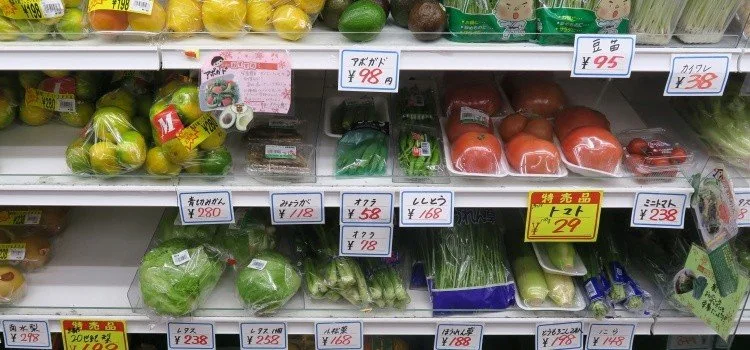
+ 100 fruits in Japanese [list]
- abokado (アボカド) - Avocado
- akebi (アケビ) - Akebia
- amanatsu (アマナツ) - Amanatsu, Japanese summer citrus
- āmondo (アーモンド) - Almond
- anzu (アンズ) - Apricot
- aserora (アセロラ) - Acerola
- banana (バナナ) - Banana
- berī-rui (ベリー類) - Berries
- biwa, bipa (びわ、枇杷) - Loquat, Japanese loquat
- budō (ブドウ) - Grape
- buntan (ブンタン) - Buntan, pomelo
- burakkuberī (ブラックベリー) - Blackberry
- burūberī (ブルーベリー) - Blueberry
- cherimoya (チェリモヤ) - Cherimoya
- doragonfurūtsu (ドラゴンフルーツ) - Dragon fruit
- dorian (ドリアン) - Durian
- guarana (ガラナ) - Guaraná
- gorenshi (ゴレンシ) - Starfruit
- guava (グアヴァ) - Guava
- gumi (グミ) - Silverberry, Elaeagnus
- guranadira (グラナディラ) - Granadilla
- gurēpu, budō (グレープ、ブドウ、ぶどう、葡萄) - Grapes
- gurēpufurūtsu (グレープフルーツ) - Grapefruit
- hōzuki, oniō, saisarisu (ホオズキ、ほおずき、鬼灯、サイサリス) - Physalis, ground cherry
- ichigo (いちご) - Strawberry
- ichijiku (いちじく) - Fig
- janboran (ジャンボラン) - Java plum, jambolan
- kaki (カキ) - Persimmon
- kamiasu (カミアス) - Bilimbi, kamias
- kankitsu-rui (カンキツ類、柑橘類) - Citrus
- kantarōpu (カンタロープ) - Cantaloupe
- karin (カリン) - Quince
- kashūnattsu (カシューナッツ) - Cashew
- kasutādoappuru (カスタードアップル) - Custard apple
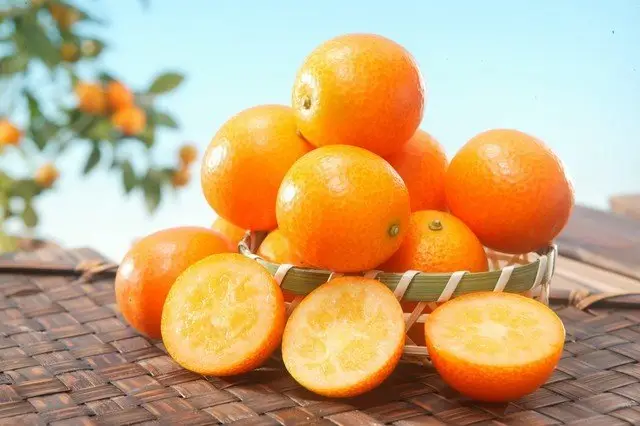
- kinkan (キンカン) - Kumquat
- kiui (キウイ) - Kiwi
- kokonattsu (ココナッツ) - Coconut
- kuranberī (クランベリー) - Cranberry
- mangosuchin (マンゴスチン) - Mangosteen
- mangō (マンゴー) - Mango
- meron (メロン) - Melon
- mikan (ミカン、みかん、蜜柑) - Mandarin, tangerine
- nagamipannoki (ナガミパンノキ) - Long-fruited breadfruit
- nashi (なし、梨) - Japanese pear
- natsume (ナツメ) - Jujube
- natsumeyashi no mi (ナツメヤシの実) - Date
- nēburu (ネーブル) - Navel orange
- nektarin (ネクタリン) - Nectarine
- nippayashi no mi (ニッパヤシの実) - Nipa palm fruit
- orenji (オレンジ) - Orange
- painappuru (パイナップル) - Pineapple
- pan no ki (パンの木) - Breadfruit
- papaiya (パパイヤ) - Papaya
- passhonfurūtsu (パッションフルーツ) - Passion fruit
- pīchi, momo (ピーチ、もも、桃) - Peach
- ponkan (ポンカン) - Ponkan
- purūn (プルーン) - Prune, European plum
- raichi (ライチ) - Lychee
- raimu (ライム) - Lime
- ranbūtan (ランブータン) - Rambutan
- ransa (ランサ) - Duku, langsat
- razuberī (ラズベリー) - Raspberry
- remon (レモン) - Lemon
- renbu (レンブ) - Water apple
- rēzun, hoshi budō (レーズン、干しブドウ) - Raisins
- ringo (りんご) - Apple
- rongan, ryūgan (ロンガン、りゅうがん、竜眼、龍眼) - Longan
- sakuranbo (さくらんぼ) - Cherry
- sapojira (サポジラ) - Sapodilla
- sarakuyashi (サラクヤシ) - Salak
- satōyashi no mi (サトウヤシの実) - Sugar palm fruit
- shokuyōhōzuki (ショクヨウホオズキ) - Cape gooseberry
- suguri (スグリ) - Gooseberry
- suika (スイカ) - Watermelon
- sumomo (スモモ) - Japanese plum
- sutāfurūtsu, gorenko (スターフルーツ、五斂子) - Starfruit
- tahichimonbishi (タヒチモンビシ) - Otaheite apple
- togabanreishi no mi (トゲバンレイシの実) - Soursop
- ume (ウメ) - Japanese apricot
- yamamomo (ヤマモモ) - Wax myrtle, yumberry
- zakuro (ザクロ) - Pomegranate
Parts of fruits in Japanese
Below are some terms related to parts of fruits in Japanese, such as berries, juice, seed, and peel.
| English | Japanese | Rōmaji |
|---|---|---|
| berries | ベリー類 | berī-rui |
| citrus | 柑橘類 | kankitsu-rui |
| core | 芯 | shin |
| flesh / pulp | 果肉 | kaniku |
| juice | 果汁 | kajū |
| nectar (drink) | ネクター | nekutā |
| peel / skin | 皮 | kawa |
| seed, pit | 種、核 | tane, kaku |
| seed | 種 | tane |




Community
Comments
0 comments
There are no published comments in this language yet.
Send comment