
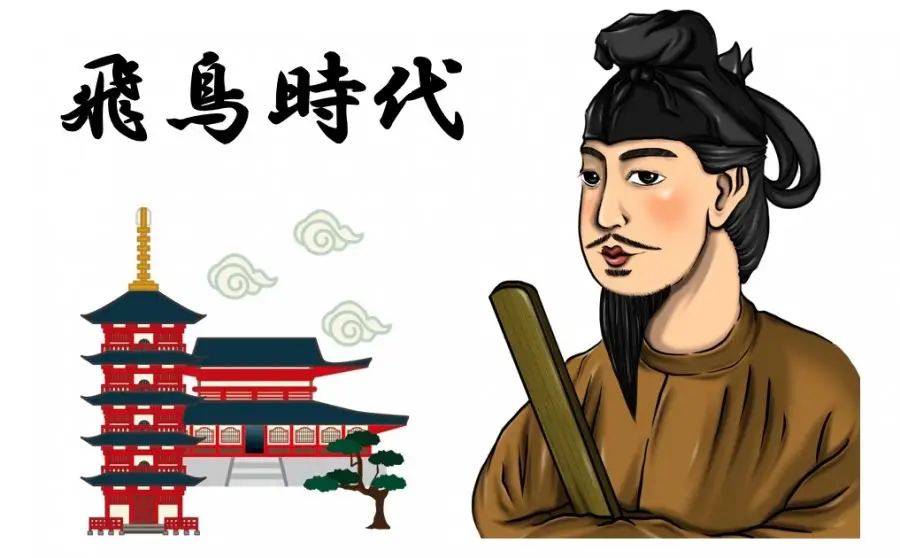
The Asuka Period (飛鳥時代) ran from 538 to 710 AD, a time when Japan was still taking shape politically, religiously, and artistically. In Japanese history, eras matter a lot, and this one stands out because it helped define how the country would grow in the centuries that followed.
If you want to picture the period more clearly, it helps to remember that Asuka is now an area in the south of the city of Nara. Even today, traces of that early world remain visible in the region's landscape and historical sites.
The Asuka Period is often remembered for the rise of art, architecture, and Buddhism in Japan. But it was also a moment of political change, when the Yamato court became stronger and more organized. In other words, this was not just an artistic age. It was also the beginning of a new way of ruling and thinking.
Contents 6
History and origin of the Asuka Period
The name Asuka is tied to the place where much of this history unfolded. Scholars later used the term to describe the era associated with major artistic and religious development. Around 1900, art historians such as Sekino Tadasu and Okakura helped popularize the name as a way to define this important historical phase.
During this time, Japan was also going through a broader identity shift. The country was moving from Wa (倭) toward the name Nihon (日本), a change that reflects how the Japanese state was gradually becoming more self-defined.
For anyone interested in traditional homes and the visual side of Japanese history, the period also connects well with the classic characteristics of Japanese houses, because architecture was one of the clearest ways culture began to express itself.
The Yamato government in the Asuka Period
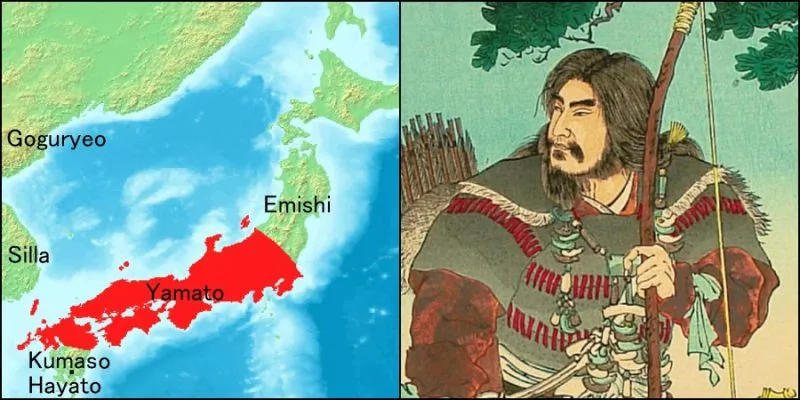
The Yamato government, also known as the Yamato court, was the central force behind Japan's political development during this era. It brought more structure to a country that was still balancing clan power, court influence, and outside ideas.
At first, clans competed for influence, but the Yamato dynasty slowly moved toward unification. Even with conflicts, the court maintained a relative peace that allowed culture and administration to grow. China was an early model, and many of the political ideas of the time came from there.
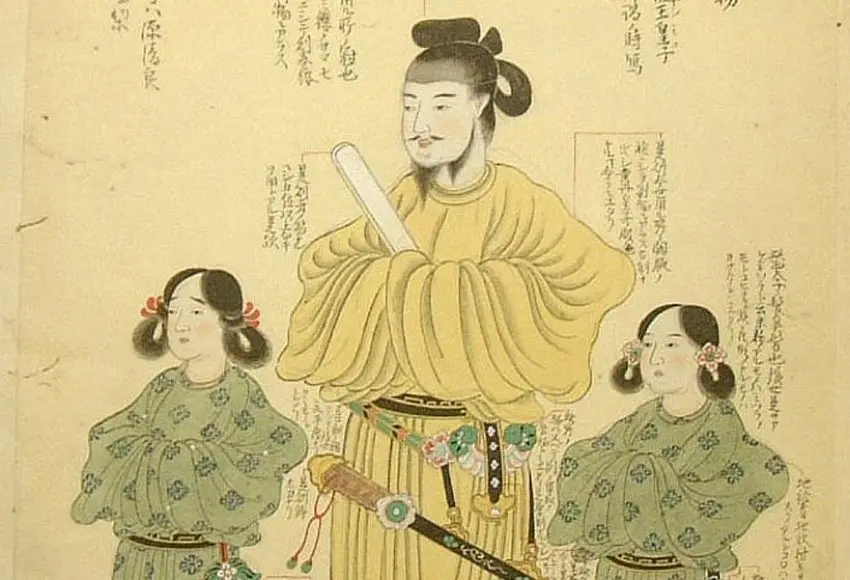
The Soga-no-Umako clan gained influence at court through marriage ties, and by the end of the seventh century Empress Suiko was in power, with Prince Shôtoku acting as one of the most important figures of the period.
Prince Shôtoku and the spread of Buddhism
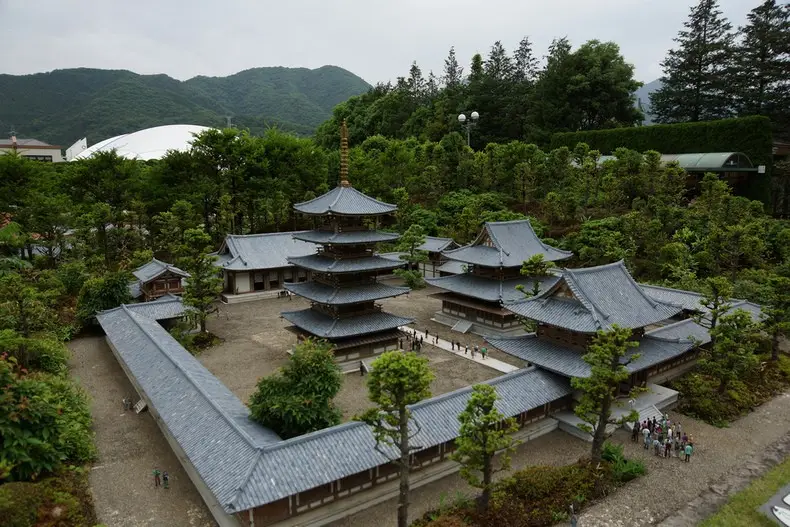
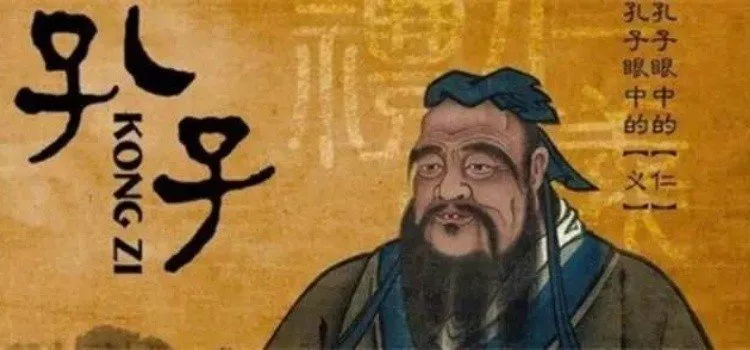
Prince Shôtoku was a Buddhist and a strong supporter of Confucian ideas as well. He helped Buddhism spread more widely in Japan, which is why the period is also remembered for the construction of important Buddhist temples in Japan.
He also promoted the Seventeen Article Constitution, a text that emphasized morality, duty, and the behavior expected from officials and subjects. It may sound political, but at the time it was also deeply tied to religion and worldview.
Another important change was the adoption of the Chinese calendar. Prince Shôtoku did not simply copy foreign ideas. He adapted them in a Japanese context and sent students to China so they could bring back knowledge that would strengthen the country.
If you want a more visual way to understand his legacy, the Japanese film Shotoku Taishi is a good cultural reference, since it is set in the sixth century and reflects the atmosphere of the era.
Reforms after Prince Shôtoku's death
Prince Shôtoku died in 622 AD, and after his death the Soga clan became even stronger. In 645, Emperor Kōtoku introduced the Taika Reforms, a set of policies inspired by Chinese administration that aimed to reorganize government and strengthen the imperial court.
These reforms had a big effect on land management and on the way authority was distributed. They made the state more centralized and gave the court a more stable structure.
Toward the end of the period, the Taihō Code renewed the Ritsuryō system. It still looked to China for inspiration, but it was adjusted to Japanese realities. That is one reason why the punishments in the code were said to be milder than in some of the original Chinese models.
Taoism and its influence in Japan
Buddhism was not the only belief system that shaped the era. Taoism also began to influence Japan more strongly during the Asuka Period. Rather than being seen only as a religion, Taoism is often understood as a set of teachings and philosophies centered on harmony with nature and balance in life.
In the seventh century, a temple was built on Mount Tonomine, and soon after, Taoist ideas began to blend with Shinto and Buddhism. This mixing of traditions created new rituals and showed how flexible early Japanese culture could be when absorbing outside ideas.
Culture in the Asuka Period
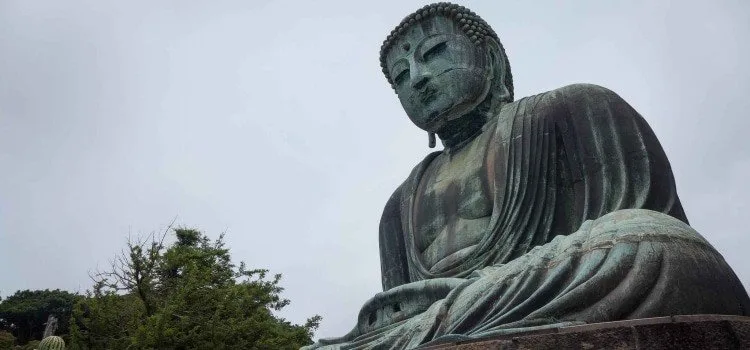
Beliefs shaped the entire era, so it is no surprise that temples were everywhere. But the period was not only about religion. It also produced paintings, sculptures, and objects that carried strong artistic value, many of them influenced by China and other parts of Asia.
Sculptures were especially important for worship, which is why some examples from that time are still preserved in museums today. Unfortunately, many paintings from the period were lost over time, so the surviving works are even more valuable.
Clothing also says a lot about the era. During the Taika Reforms, court dress and symbolic items such as the Kanmuri hat helped show rank and status. That kind of detail reminds us that culture is not only about temples and laws. It is also about what people wore, how they lived, and how they expressed authority.
The Asuka Period matters because it shows Japan in motion. It was a time of contact, adaptation, and transformation, and those changes became the base for later Japanese history.


Community
Comments
0 comments
There are no published comments in this language yet.
Send comment