
Have you ever tried birdwatching in a country where the seasons are so marked and biodiversity changes with the climate? Doing birdwatching in Japan goes far beyond a simple outdoor activity — it is a gateway to understanding the silent rhythm of Japanese nature. The most fascinating part? You don’t need to be in the middle of a forest to experience this. Even in urban centers, there are hidden surprises among the trees.
With a rich variety of migratory birds, endemic species, and locations dedicated exclusively to observation, Japan becomes a discreet paradise for those who love wildlife. And if you still think that birdwatching is just for retirees with plenty of time, get ready to change your mind.
Contents 11
What it's like to practice birdwatching in Japan
Unlike what you see in other countries, birdwatching here is silent, almost meditative. Many Japanese people bring binoculars to local parks, note each sighting, and follow carefully marked trails in reserves. The activity is respected and supported by environmental institutions and observatories organized by volunteers.
The ideal season varies by region. In spring and autumn, migratory birds cross the country. In winter, rare species appear in Hokkaidō. In summer, Okinawa becomes a living sanctuary. The coolest part? The railway network allows you to go from one observation point to another effortlessly.
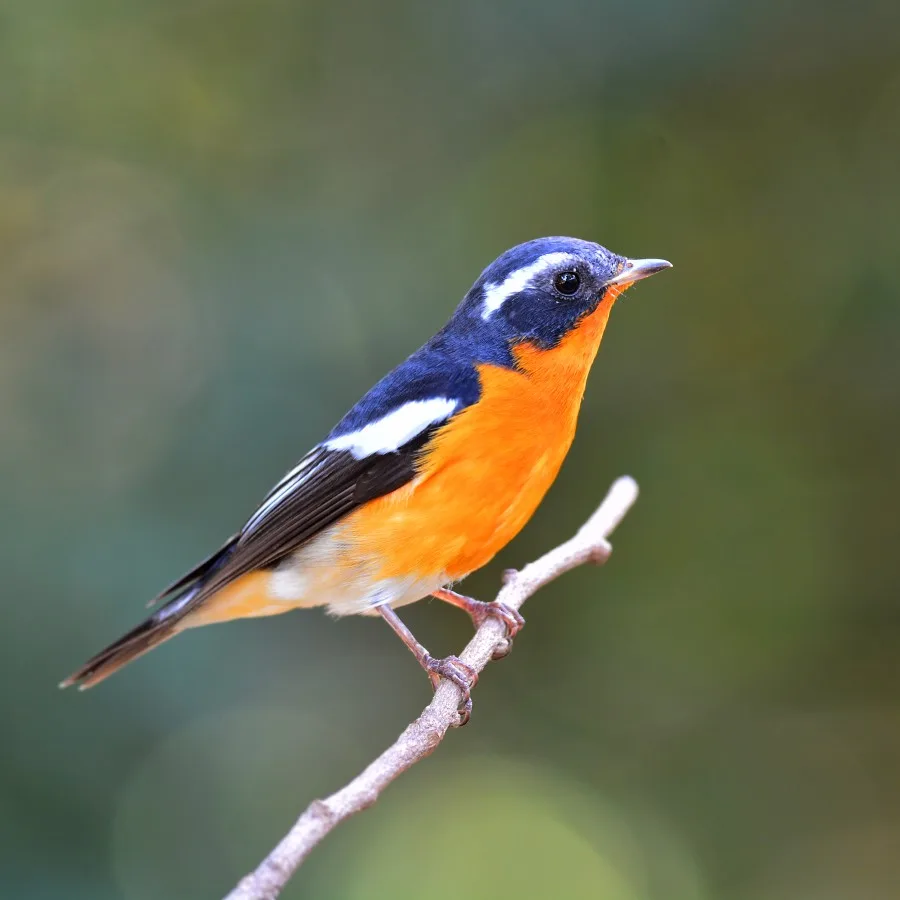
Equipment and behavior: what to expect
You don’t need a super camera or technical knowledge to get started. A lightweight pair of binoculars, discreet clothing, and attention to detail are enough. Behavior also matters: the Japanese avoid speaking loudly, don’t leave trash, and respect the birds' space. There is a true sense of “being one with nature,” not just observing.
Some parks offer tours with experienced guides, where even beginners learn to identify bird songs just by sound. It’s a sensory and educational experience.
- Binoculars (双眼鏡, sōgankyō) – prefer lightweight 8×42 models for stability and visual quality.
- Field guides (野鳥図鑑, yachō zukan) – there are versions in English and Japanese with photos and descriptions.
- Apps like Merlin Bird ID make identification by sound and image easier.
- The Japan Bird Observation Network (日本鳥類保護連盟, JBC) offers local groups and events accessible to everyone.
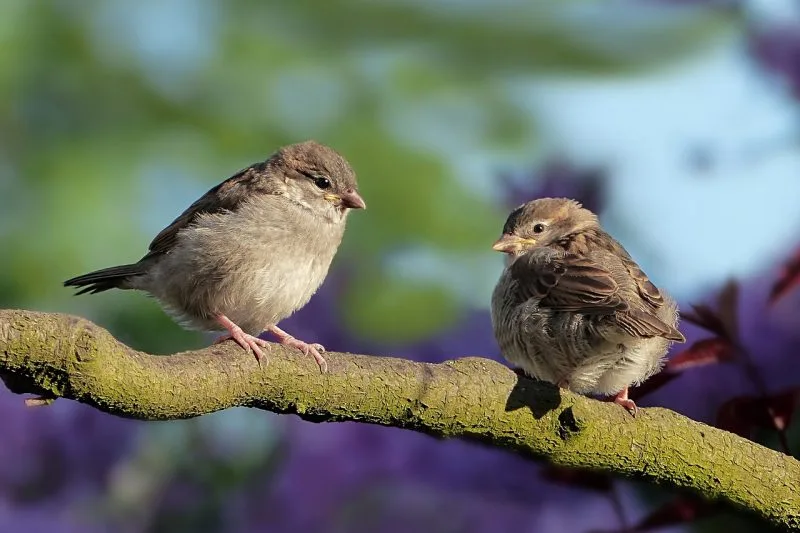
Where to go birdwatching in Japan
Hokkaidō – The dance of the cranes on ice
If you’ve seen photos of large birds in white snow-covered fields, there’s a chance they were the red-crowned cranes (tancho) in Kushiroshitsugen. In winter, they gather to dance — yes, actually dance — as part of their mating ritual. An almost magical scene.
Nagano – Woodpeckers and silence in Karuizawa
Karuizawa is not just a winter retreat; it is also home to the Japanese green woodpecker (aogera) and the narcissus flycatcher. Silent trails, fresh air, and one of the most respected sanctuaries in the country for those who want to combine hiking with contemplation.
Izu Islands – Rarities on volcanic soil
Few places in the world concentrate as many endemic birds as Miyakejima and Hachijojima. The highlights here are the Ijima’s leaf warbler, the Izu robin, and the exotic Owston’s tit. A trip to these islands can reveal species that do not exist anywhere else on the planet.
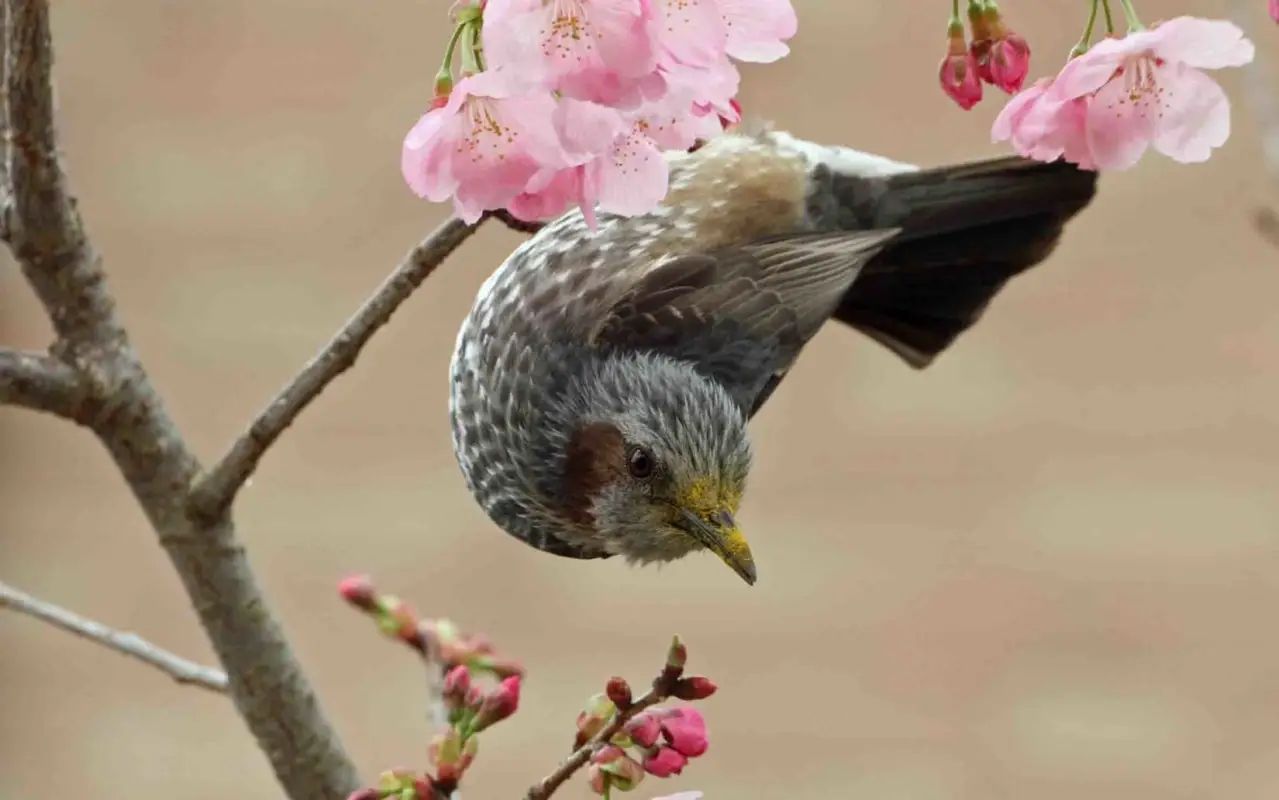
Okinawa – Living forest in Yambaru
The subtropical forest of Yambaru is home to birds like the Okinawa rail (yanbaru kuina) — which cannot fly! — and the endangered Pryer’s woodpecker. The heat is intense, but the variety makes up for it.
Ogasawara Islands – A paradise in the middle of nowhere
If you’re up for a longer journey, Hahajima in Ogasawara offers the chance to see the rare Bonin white-eye. Isolated, these islands are a UNESCO World Heritage Site and still little explored.
Tokyo – Surprises amid concrete
Even the metropolis offers good opportunities. In the Tokyo Port Wild Bird Park, you can see herons, swallows, and even snipe between takeoffs. Parks like Inokashira and Zenpukuji also reveal thrushes, owls, and even urban woodpeckers.
Care and ethics during observation
As relaxing as it may be, birdwatching requires responsibility. Never feed birds in natural areas — this interferes with their behavior. Don’t try to get too close, and most importantly: avoid interacting with nests. Take your trash, keep noise low, and if possible, record the birds to help conservation databases.
Participating in local initiatives or supporting conservation centers is also a way to contribute to the preservation of what you are admiring. Remember: you are a visitor in their space.
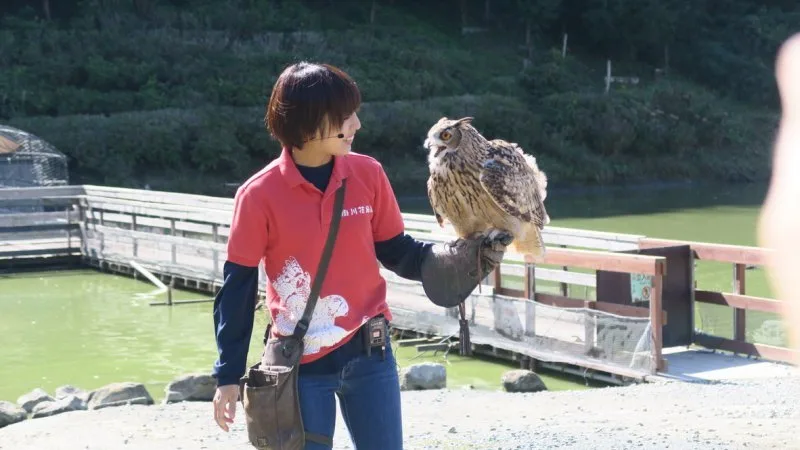
Essential vocabulary in Japanese for birdwatching
- 鳥 (tori) – bird
- 野鳥 (yachō) – wild birds
- 観察 (kansatsu) – observation
- 双眼鏡 (sōgankyō) – binoculars
- 図鑑 (zukan) – guide (field guide)
- 野鳥観察 (yachō kansatsu) – birdwatching / observation of birds
- 日本鳥類保護連盟 (Nippon Chōrui Hogo Renmei) – Japan Bird Protection Network
- 渡り鳥 (wataridori) – migratory bird
- 餌付け (ezuke) – feeding (generally in controlled habitats)
- 録音 (rokuon) – recording (of bird songs)
Also see a complete list with Bird Names in Japanese.







Community
Comments
0 comments
There are no published comments in this language yet.
Send comment