
In 2000, the anime scene was undergoing a silent — but profound — transformation. Studios were taking more risks, writers were avoiding the obvious, and the audience was starting to demand less linear and more emotional stories. This year was not just another turn of the calendar; it was the beginning of a new creative generation.
Today, looking back, it is clear that many titles from that year are still remembered not only fondly but as mandatory references. The following list brings the 15 best animes of 2000, chosen for their cultural relevance, market impact, narrative quality, or unique aesthetics.
And we go beyond the obvious — some of these you may have never seen, but you should.
Contents 16
1. Hajime no Ippo
If you still think that sports animes are all the same, start here. Hajime no Ippo emerged at the end of 2000 like a punch in the face (in a good way). With a precise mix of drama, comedy, and well-choreographed fights, Ippo's journey in the world of boxing is captivating from start to finish.
More than technique, the anime speaks of personal overcoming. It’s impossible not to root for him.
2. Boogiepop Phantom
Few animes have been as bold narratively as Boogiepop Phantom. The dark palette, fragmented rhythm, and constant tension create an experience that demands from the viewer. But it rewards.
Each episode is a piece of a psychological puzzle. Ideal for those who enjoy animes like Lain or Texhnolyze.

3. Great Teacher Onizuka (GTO)
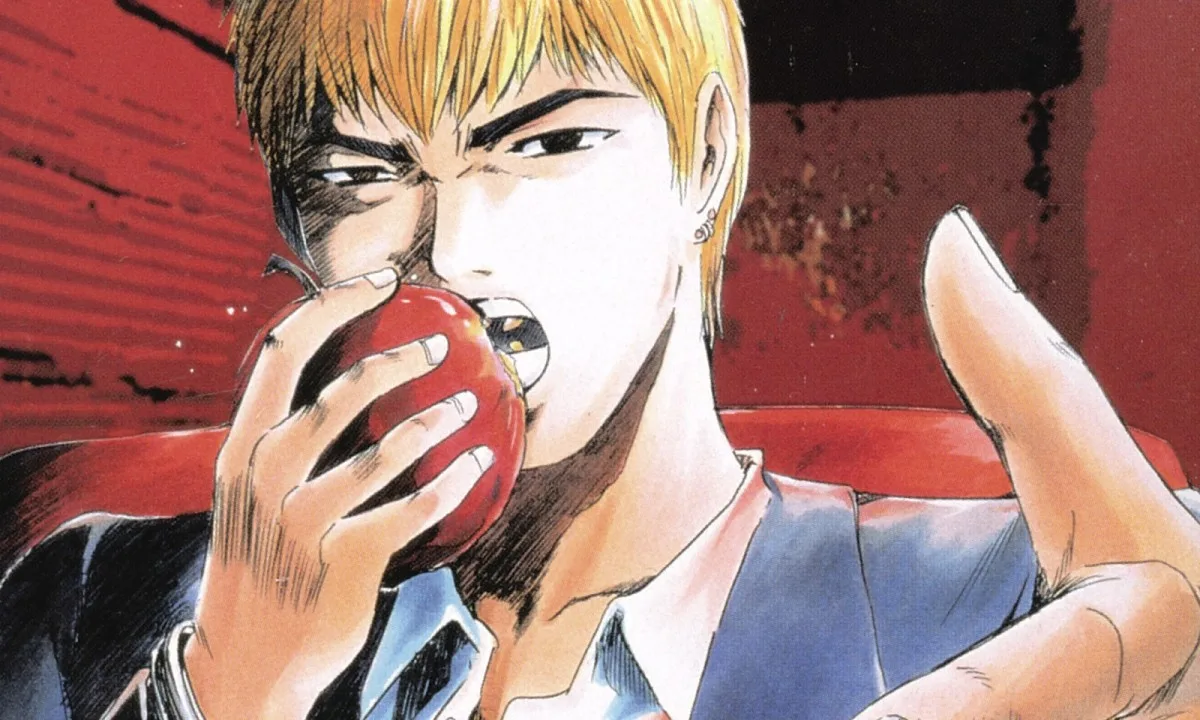
GTO is that type of anime that starts as a joke and ends as social criticism. Onizuka, a former delinquent who becomes a teacher, is an imperfect but real protagonist.
The series discusses bullying, school pressure, and adult hypocrisy with courage. And all this without losing humor. A true lesson in well-balanced narrative.
4. Inuyasha
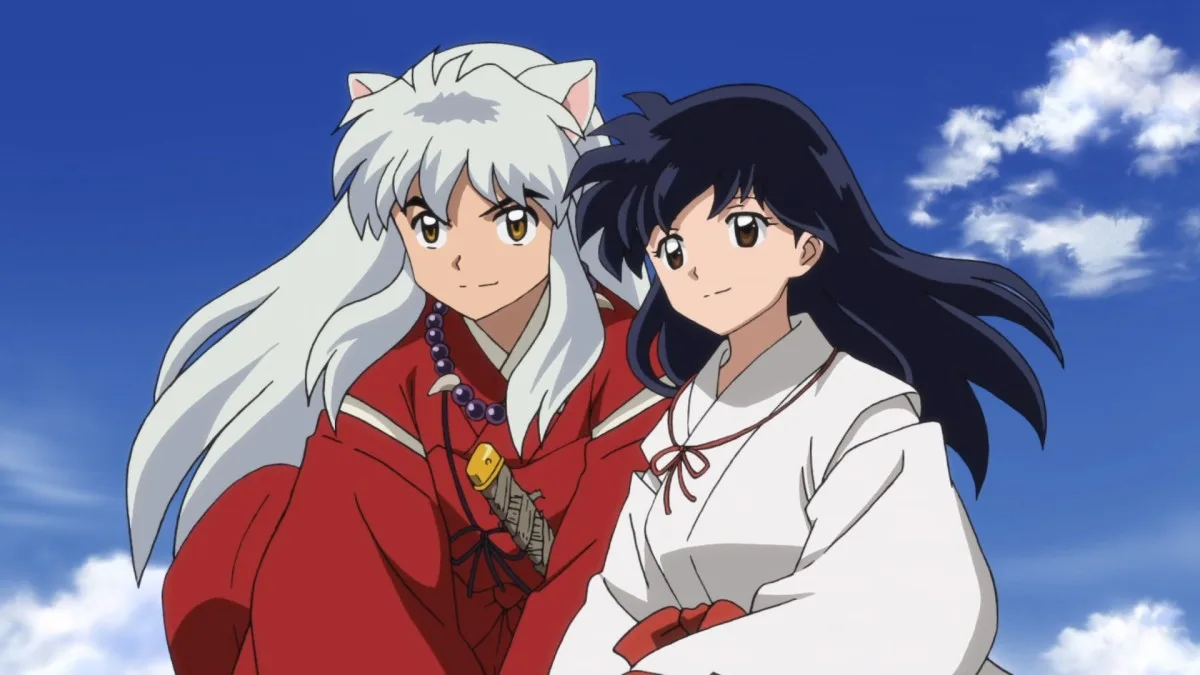
A classic by author Rumiko Takahashi, Inuyasha mixes romance, adventure, and Japanese folklore with enviable naturalness. The setting in the Sengoku period is a charm in itself, and the characters remain among the most beloved to this day.
It's worth watching — or rewatching — with more mature eyes.
5. Love Hina
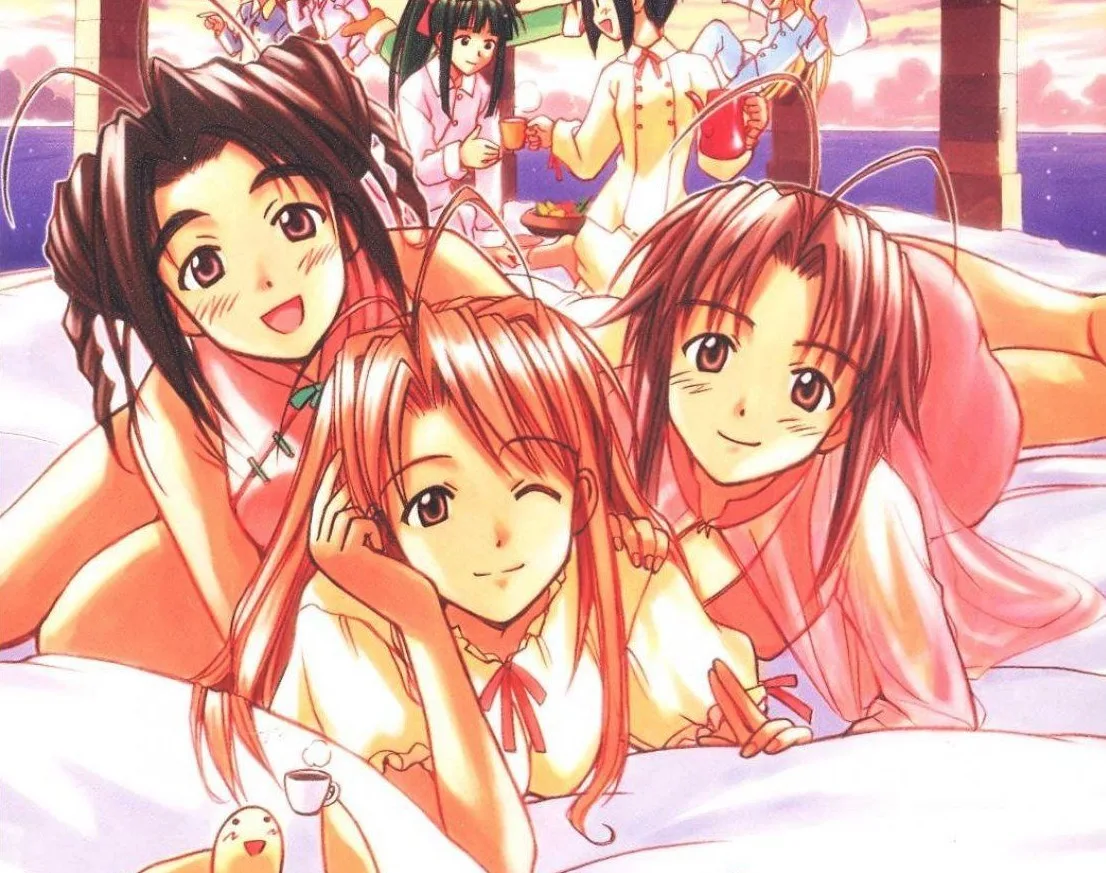
You can't ignore the phenomenon that was Love Hina. Although today the harem genre is saturated, at the turn of the 2000s it was still new. And this anime set the tone, with light humor, absurd situations, and a clumsy protagonist.
It may not please everyone, but it marked an era and influenced dozens of subsequent series.
6. FLCL (Fooly Cooly)
If you enjoy creative chaos, FLCL is a feast. A visual and auditory avalanche with flying guitars, teenage metaphors, and mysterious aliens. It's short — only six episodes — but each one feels like a whirlwind.
And yes, the soundtrack by The Pillows is legendary for a reason.

7. Vandread
Want space action with giant robots, planets separated by gender, and a touch of comedy? Vandread delivered all that. And more. It was one of the first series to explore the theme of the battle of the sexes in a fun and, at times, reflective way.
Although it didn't gain as much prominence as other titles, it's worth discovering — especially if you enjoy sci-fi with a different twist.

8. Vampire Hunter D: Bloodlust
A film with impeccable production, gothic aesthetics, and visually striking characters. Vampire Hunter D: Bloodlust is a delight for the eyes, and for those who enjoy dark narratives and solitary protagonists.
D is also one of the most stylish anti-heroes ever created. Impossible to deny.

9. Saiyuki
Inspired by the Chinese legend Journey to the West, Saiyuki brought a new take on the classic story. Violence, religion, demons, and existential drama frequently appear, creating a dense and stylized universe.
The characters have an uncommon emotional depth for the genre. And that captivates.
10. Argento Soma
Little talked about today, but at the time it was a surprise. Argento Soma explores themes like grief, revenge, and identity with a sci-fi approach that resembles Evangelion, but with its own identity. The art direction and soundtrack create a melancholic atmosphere that is hard to forget.
A hidden gem from the year 2000.

11. Sakura Wars
One of the first animes to mix musical, mechas, and steampunk aesthetics. Strange? Yes. Did it work? Also. Sakura Wars is based on a game, but stands well on its own with charismatic characters and a well-built universe.
Ideal for those who enjoy out-of-the-box concepts.
12. Banner of the Stars
The direct continuation of Crest of the Stars elevated the level of science fiction in the animes of the time. With tactical space battles, focus on interstellar politics, and subtle relationships, Banner of the Stars is a true miniature space opera.
It's one of those animes that grows with each episode.
13. Digimon Adventure 02
The continuation of a global phenomenon. Although it doesn't have the same emotional impact as the first Digimon, this second part brought more mature themes and explored the psychological consequences of digital adventures.
Yes, it is aimed at a young audience, but it still managed to be narratively relevant.

14. Carried by the Wind: Tsukikage Ran
This one is for those who love samurais. And tough female protagonists. Tsukikage Ran is a mix of chanbara(Japanese sword films) with episodic comedy, and it works very well. Ran is charismatic, skilled, and lives independent adventures full of style.
Little remembered, but it deserved more attention.
15. Hand Maid May
Within the romantic sci-fi subgenre, Hand Maid May made its mark with its light charm and colorful visuals. A technology student accidentally activates a miniature android — and the confusion begins. It's not a deep anime, but it's creative, funny, and full of references to the geek culture of the time.
And that has its value.
Revisiting 2000 with new eyes
It's easy to fall into the trap of thinking that only current animes have quality. But just looking at this list reveals: in 2000, creativity was running wild. There was boldness, experimentation, and a lot of variety — genres ranging from frantic action to dense psychological dramas.
Therefore, revisiting these titles is more than nostalgia. It's study. It's appreciation.
And, why not say, it's rediscovering the pleasure of watching something made with soul, without following rigid formulas.

Community
Comments
0 comments
There are no published comments in this language yet.
Send comment