
In recent years, Japan has seen an explosion of tourists, driven by the weakening of the currency and the growing popularity of the country as a cultural and historical destination. However, along with this tide of visitors came an increase in behaviors considered inappropriate. Some actions are harmless, but others cause significant discomfort to local residents. These disrespectful visitors, or “meiwaku gaikokujin” – translated as “problematic foreigners” – are under the spotlight, both from the media and social networks, especially when videos of undesirable behavior go viral.
The issue, however, goes beyond unruly tourists. It reflects cultural tensions, differences in values, and challenges of coexistence in a country where collective behavior and respect for public space are priorities. Understanding the phenomenon of “meiwaku gaikokujin” is essential to promote more responsible and conscious tourism in Japan.
Contents 5
The Culture of Public Behavior in Japan
In Japan, respect for the collective and the preservation of social harmony are fundamental principles. Expect to find organized queues, silence on public transport, and a sense of respect for others' space. This culture of disciplined behavior is what makes the country so attractive to many visitors, but it is also what generates strangeness when tourists do not follow local norms.
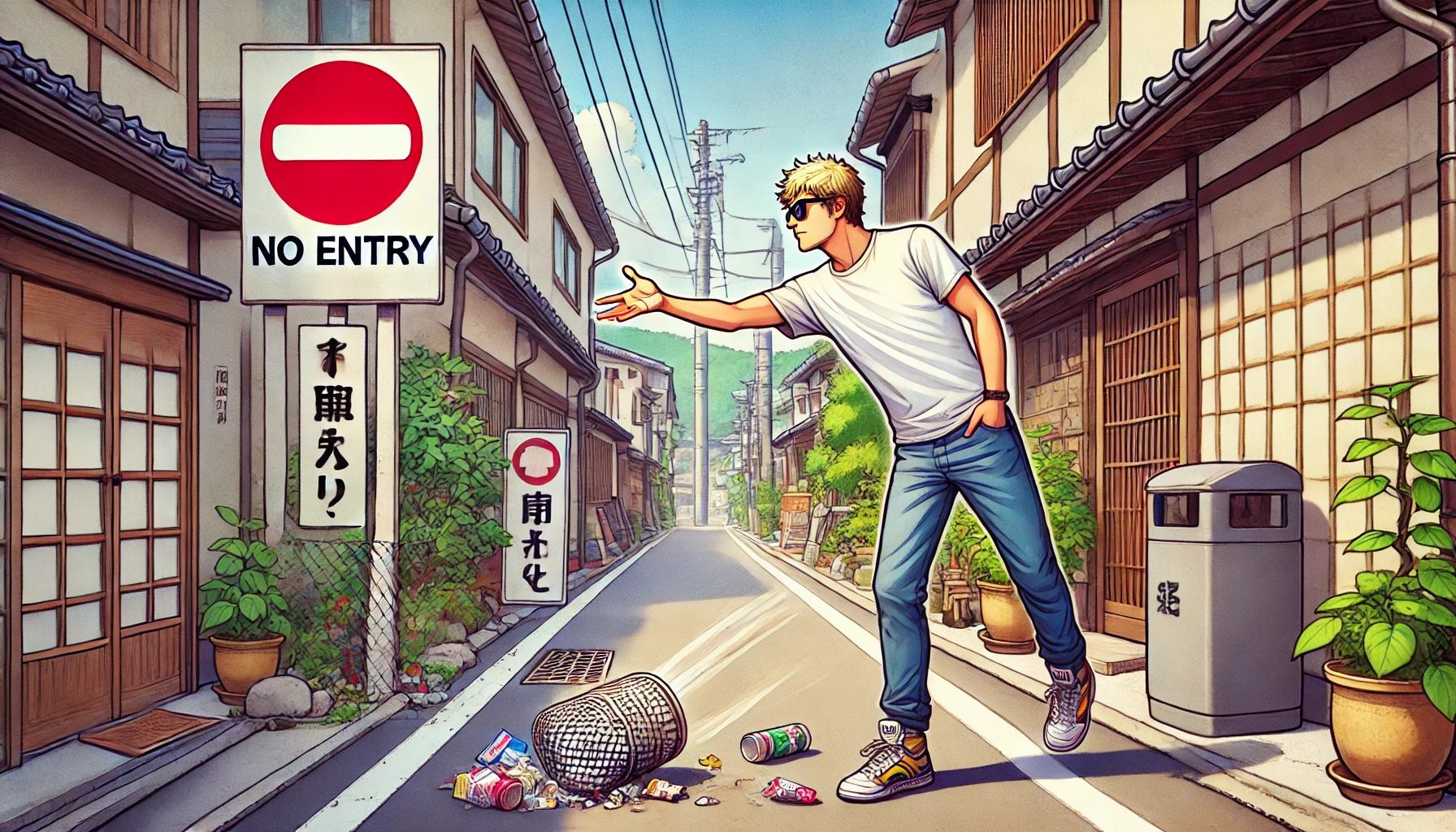
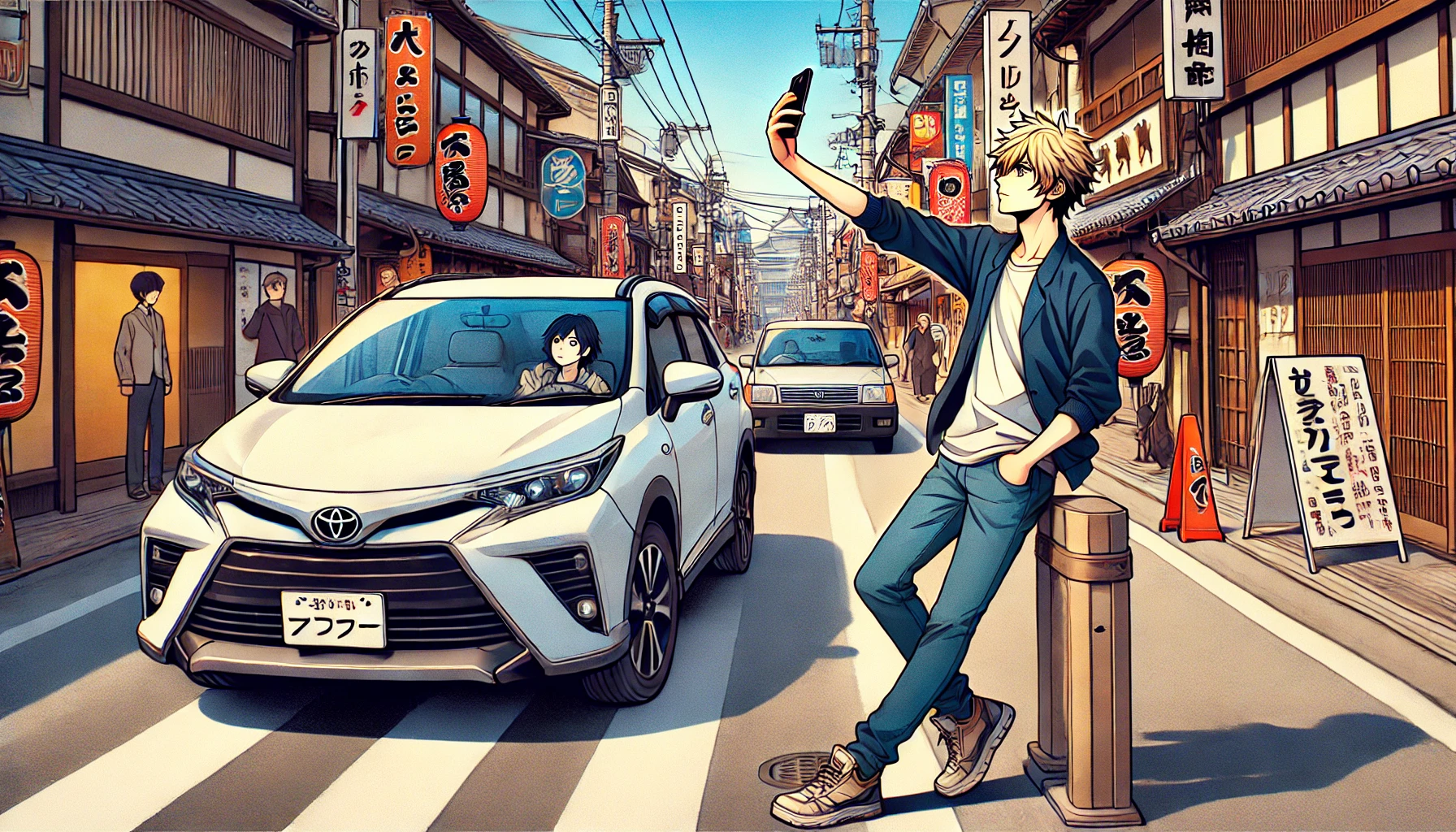
Uninformed or even uninterested tourists often act inappropriately: whether taking photos in sacred areas disrespectfully or occupying spaces inappropriately. In busy places, such as trains and temples, these actions generate discomfort and discontent among the Japanese. Many tourists influenced by the media and social networks have a superficial view of Japan, seeing it almost as a “theme park” where every corner is a backdrop for photos and videos. However, for locals, these spaces are a living part of their routine and cultural identity, thus requiring a different level of respect.
The Role of Social Media and Influencers
With the growth of social media, Japan has often been portrayed as a “magical” and “fun” world, creating an often unrealistic image for tourists. Videos and posts showcasing eccentric behaviors in the country go viral, encouraging a distorted view where everything is allowed and any behavior is tolerated. Influencers play an important role in creating this “myth,” promoting inappropriate activities in public spaces to attract views and engagement.
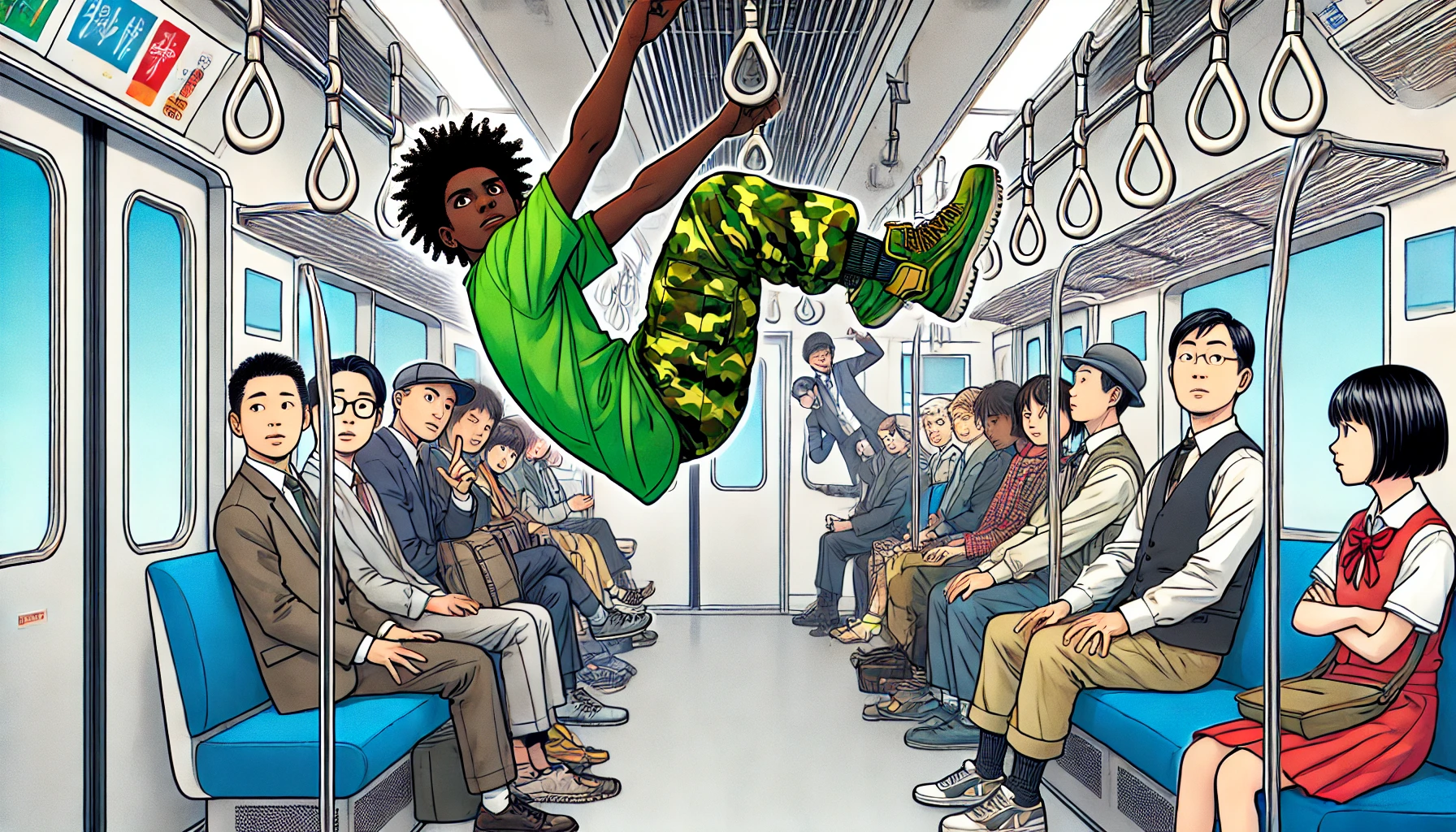
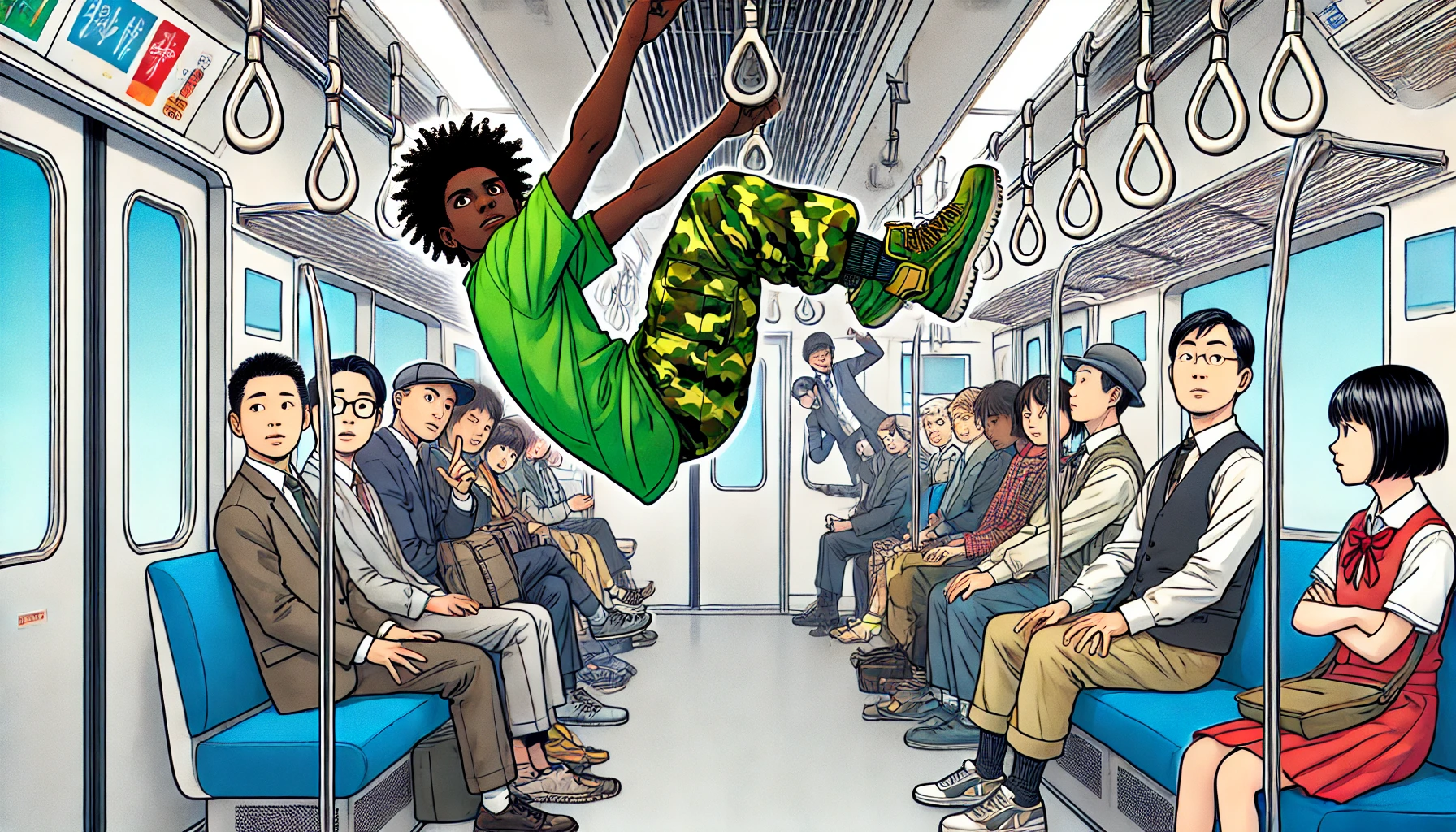
This influence can be particularly problematic, as many who follow these trends replicate disrespectful actions, such as dancing on crowded trains, climbing historical monuments, or disrupting cultural ceremonies. These behaviors, besides being bothersome, challenge deeply rooted social norms in Japan and can result in serious consequences for both tourists and locals. While tourism is welcome, the Japanese expect their visitors to respect the cultural and social environment.
“Meiwaku Gaikokujin” and Local Reactions
The term “meiwaku gaikokujin” emerged to designate these visitors considered problematic. However, reactions to these behaviors often divide opinions, both among the Japanese and among foreign residents in the country. Some Japanese are bothered by the presence of tourists who do not follow the rules, feeling that their culture is being disrespected. In contrast, others believe that this severe attitude towards foreigners can be interpreted as xenophobia.
Indeed, Japan faces a duality: while tourism is a significant source of revenue, there is a growing resentment when tourists abuse hospitality. It is common for local media to highlight incidents where tourists act inappropriately, amplifying a feeling that these “problematic foreigners” represent all visitors. This generalization can be unfair, especially for those who respect the rules and contribute positively to the country.
This negative perception also affects foreigners living and working in Japan. Many feel the need to act exemplary to avoid feeding negative stereotypes. In a predominantly homogeneous society, inappropriate behaviors of tourists stand out and end up reinforcing a negative view of all foreigners, impacting coexistence in the country.
Paths to Respectful and Sustainable Tourism
In light of this scenario, it is essential to promote cultural education among tourists wishing to visit Japan. Some actions that can help include:
- Respect Local Norms: From how to behave in temples to behavior on public transport, respect for local norms is fundamental to avoid discomfort.
- Research About the Country Before Traveling: Knowing Japanese culture and traditions can prevent misunderstandings and make the travel experience more enriching.
- Avoid Excessive Exposure on Social Media: Using the internet in a conscious and respectful manner, without seeking “likes” through inappropriate actions, can help reduce the spread of inappropriate behaviors.
The Japanese are known for their hospitality and politeness, but they expect tourists to also demonstrate respect. Thus, the responsibility of making tourism a harmonious activity depends on both visitors and locals, creating a welcoming environment for all.
Conclusion
The phenomenon of “meiwaku gaikokujin” reflects a cultural clash between the image Japan projects and the behavior of some visitors. Understanding and respecting this rich and detailed culture is an important step for any tourist wishing to enjoy the best of Japan. Maintaining respect and consideration for the host country is what transforms a trip into a truly unforgettable and enriching experience for both parties.




Community
Comments
0 comments
There are no published comments in this language yet.
Send comment